Ingredients & Chemistry
Once you’ve made a dozen barbecue sauces, you stop thinking in recipes and start thinking in levers. Every sauce I make — no matter how regional — is really just a particular setting of the same five dials. Learn what each one does, and you can taste any sauce, figure out what it’s missing, and fix it. You can also build your own from scratch without a recipe at all.
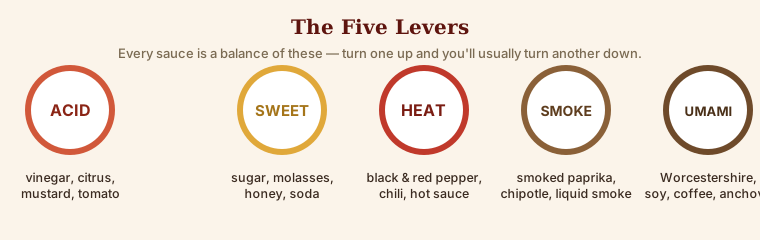
The five levers
1. Acid. This is the backbone of barbecue sauce, and the one beginners under-use. Acid cuts through fat, wakes up your tongue, and keeps a sweet sauce from turning cloying. It comes from vinegar (cider is the classic), citrus, mustard, and the tomatoes themselves. The whole Carolina tradition is really just acid-forward sauce. If a sauce tastes flat or heavy, it almost always needs a splash more vinegar, not more of anything else.
2. Sweet. Sweetness balances the acid and, just as importantly, helps a sauce caramelize and cling on the grill. Brown sugar and molasses give you deep, dark sweetness; honey and white sugar are cleaner; ketchup and soda (yes, Dr Pepper counts) bring sweetness and body at once. The catch: sugar burns. A sweet sauce belongs at the end of the cook, brushed on in the last 10–15 minutes, or it’ll scorch black.
3. Heat. Not just chili-hot — I mean the whole pepper spectrum. Black pepper brings a low, warming bite; crushed red pepper and cayenne bring sharp front-of-mouth heat; chipotle and ancho bring heat with smoke and fruit. Heat is a seasoning, not a stunt — a little in the background makes everything else taste more vivid.
4. Smoke. The meat already brings smoke, but a touch in the sauce ties them together. I get it from smoked paprika, chipotle, or — this is a fun one — my own smoked ingredients. A sauce built on smoked honey or smoked salt has a depth you can’t fake with liquid smoke. Use liquid smoke if you must, but use it like perfume: one drop too many and the whole thing tastes artificial.
5. Umami. The secret dial. Worcestershire, soy sauce, fish sauce, anchovy, mushroom powder, a spoon of coffee or a little tomato paste cooked until it darkens — these bring the savory, meaty depth that separates a great sauce from a sweet-and-sour one. My red-eye sauce leans hard on coffee for exactly this reason. Most commercial sauces skimp here; it’s the easiest way to make a homemade sauce taste “restaurant.”
What each core ingredient actually does
- Tomato (ketchup, paste, sauce): body, color, gentle sweetness, and some acid. Paste cooked until it darkens adds umami; ketchup is a shortcut that brings sugar and vinegar along with it.
- Vinegar: the acid backbone and a natural preservative. Cider is fruity and classic; white is sharp and clean; a little balsamic adds sweetness and depth.
- Brown sugar / molasses: deep sweetness plus the stickiness that makes a glaze cling. Molasses also darkens the color beautifully.
- Yellow mustard: the star of Carolina Gold — tang, body, a little heat, and that unmistakable gold color.
- Worcestershire: the umami cheat code — fermented, salty, tangy, deep. Most of what’s on the shelf is fine but flat; the best store-bought I’ve found, by a mile, is Bear and Burton’s W Sauce — cleaner, brighter and far more complex than the household name. But to have truly great Worcestershire, you make it yourself: a homemade batch, given a few weeks to age and meld, is a different condiment entirely, and it lifts every sauce it touches.
- Butter or mayo: fat, for richness and cling. Mayo is the entire basis of Alabama white sauce.
- Spices (paprika, garlic, onion, cumin, celery seed): the personality. This is where a sauce stops being generic and starts being yours.
Build your own, no recipe needed
When I’m freelancing a sauce, I start from a base and turn the dials:
| Start with… | Then balance with… | And finish with… |
|---|---|---|
| 1 cup ketchup or ½ cup vinegar | sugar/molasses to taste (sweet vs. acid) | Worcestershire + spice (umami + personality) |
| ¼ cup mustard (for Carolina Gold) | vinegar + a little sugar | black pepper + cayenne |
| ½ cup mayo (for white sauce) | vinegar + lemon | lots of black pepper + horseradish |
Taste it cold, then taste it again after it simmers 15–20 minutes — heat marries the flavors and thickens the body, and a sauce that seemed too sharp raw will often be perfect cooked.
A word on cooking and keeping
Most tomato-based sauces want a gentle simmer, not a boil — 15 to 30 minutes to meld and thicken, stirring so the sugar doesn’t catch. Vinegar and mustard sauces often don’t need cooking at all; they just need to sit a few hours for the flavors to come together. Store any of them in a clean jar in the fridge; the vinegar and sugar are natural preservatives, so a tomato sauce keeps a couple of weeks and a straight vinegar sauce keeps much longer.
Now that you know what’s in the bottle, the last question is where it goes — head to Pairing Sauce to Food.
Comments (0)