Filé: The Choctaw Line
Filé is the one ingredient in gumbo that is neither African nor European. It is Native American, it is the only one of the three thickeners that is a wild-gathered forest product, and there is a persistent story that it causes cancer.
That story is wrong, and the reason it’s wrong is worth understanding.
What it is
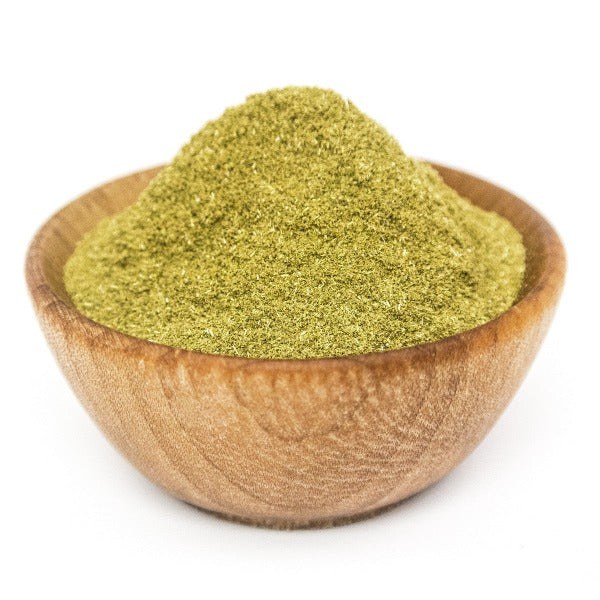
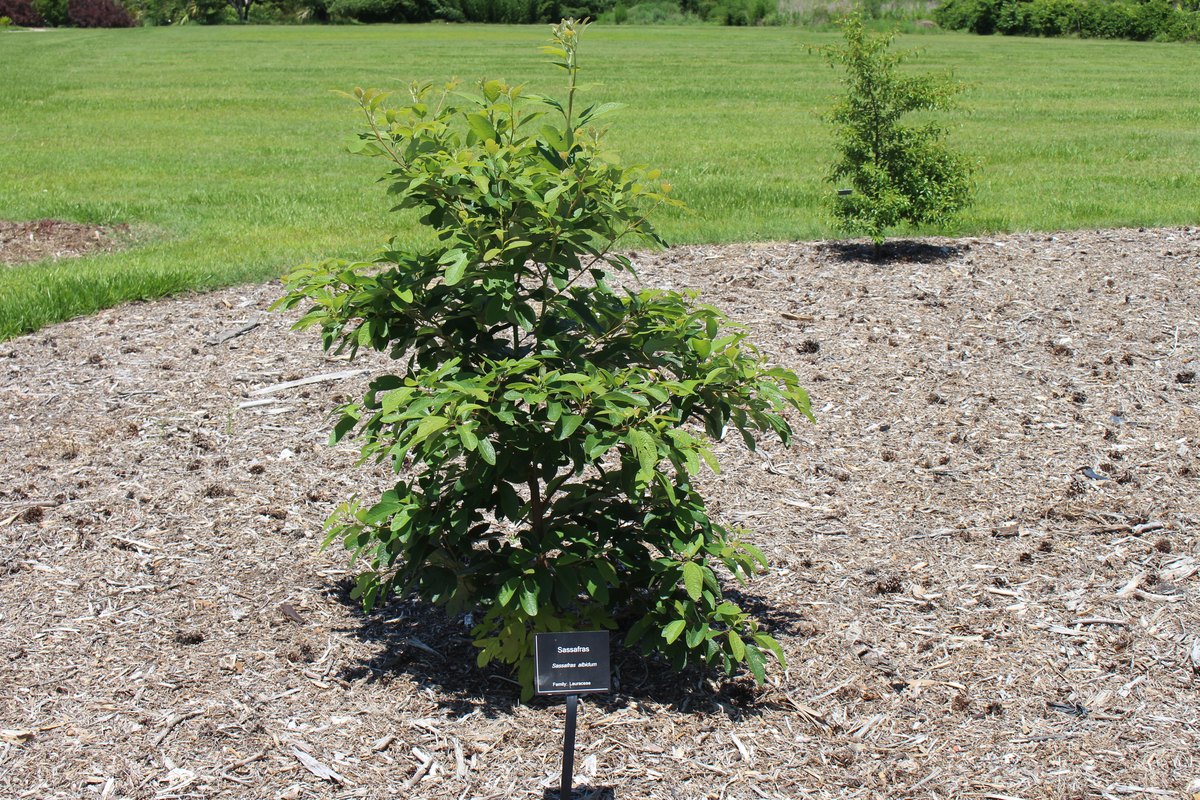
Filé is the dried, ground leaf of the sassafras tree — Sassafras albidum, native to eastern North America.
The technique is Choctaw, and other Gulf peoples used it too. It predates every European in Louisiana. When a filé gumbo is thickened at the table, that is a Native food technology being used, more or less unchanged, inside a dish that later collected French and African and Spanish parts around it.
⭐ It is also the only ingredient in the trio that nobody farms. Okra is a crop and flour is a commodity; sassafras is a tree you find. That gathered-not-grown quality is part of why filé stayed a regional ingredient while the other two travelled.
🔴 The cancer story, and what actually happened
Here is the myth: filé powder was banned, or should have been, because sassafras causes cancer.
Here is what happened.
Safrole is a compound in sassafras. In 1960, following animal studies, the FDA acted on safrole as a carcinogen, and sassafras was prohibited as a food additive — which is why sassafras root-beer flavouring and sassafras tea disappeared from American shelves.
🔴 But the ban is about the root bark and the oil, not the leaves.
Sassafras root bark oil is roughly 80% safrole. That is where the compound is concentrated, and that is what got restricted.
⭐ The leaves are a different matter entirely — safrole in sassafras leaf is negligible to undetectable. Filé powder is made from leaves. It was never banned, it is legal, it is on the shelf, and it is not carcinogenic.
So the correction is simple: the ban is real, the compound is real, and filé is not the thing it applies to. Same tree, different part, completely different chemistry. Anyone telling you your gumbo is dangerous has conflated a root with a leaf.
⚠ Sassafras tea made from root bark is the thing the restriction is actually about, and that distinction is worth keeping straight rather than blurring in either direction.
🔴 How to use it — and the one way to ruin it
Filé is the fussiest of the three thickeners, and it fails in a specific, avoidable way.
Filé goes in OFF the heat. Always.
Boil filé and it turns stringy and gritty. Not “less good” — genuinely unpleasant, with a ropey texture and a gritty mouthfeel that you cannot stir out. It is the filé equivalent of an undercooked roux: a one-step, unrecoverable mistake.
So there are two correct moments:
Off the heat, at the end. Pull the pot from the burner, let the boil subside, then stir the filé in. Roughly two tablespoons for a large pot is the Picayune’s proportion and it is a reasonable starting point.
⭐ Or at the table, which is the older way and the one I prefer. The filé goes on the table in a shaker and each person thickens their own bowl. This is genuinely the better system: the pot never risks boiling after the filé is in, nobody who dislikes it has to have it, and leftovers reheat without the texture collapsing.
⚠ That last point matters more than it sounds. A gumbo thickened with filé in the pot will not reheat gracefully — you are re-boiling filé, which is the exact thing you were told not to do. If you plan on leftovers, thicken at the table. A roux-based gumbo has no such problem, and that is a real practical argument for the roux that nobody makes.
What it tastes like
Filé is not neutral. It is faintly root-beer-adjacent — herbal, slightly medicinal, a little woody and eucalyptus-ish. Which makes sense: sassafras is where root beer’s flavour came from before safrole was restricted.
⭐ So a filé gumbo tastes different in a way that has nothing to do with thickening, and this is the honest reason a lot of people take a side. If you have only had roux-and-okra gumbo, a proper filé gumbo will taste unfamiliar in a way you might not immediately like. It took me a while.
Buying and keeping it
It loses potency. It is a dried leaf, and an old jar at the back of the cupboard has lost both its thickening power and most of its aroma. Buy small, replace it, and smell it before you use it — if it smells of nothing, it will do nothing.
A green jar is a good jar. Fresh filé is genuinely green — a drab olive, not grey-brown. ⭐ The photograph at the top of this page is what you are looking for: that dusty sage colour is a young leaf ground recently. Grey powder is old and will do very little.
⚠ On the shelf it will usually look darker than that, because it is behind glass or plastic and has been sitting. The colour test is most useful when you can get the jar open.
Recipes: Gumbo, Filé (Picayune 1916) · Gumbo, Oyster — Gombo aux Huîtres (Picayune 1916)
⭐ That second one is worth cooking for what it demonstrates: it is the Picayune’s only gumbo that uses two thickeners — a roux and filé — which is precisely the combination the popular rule says never happens. The whole pattern is here.
Next: What Goes In — from sausage and shrimp out to full seafood.
Comments (0)