A Fubsy Polymath subdomain
From the Fubsy's kitchen.
One kitchen, every obsession.
3,563 recipes, plus deep dives into cast iron, smoking, barbecue, preservation, bread, coffee and steamed eggs — and the kitchen, food truck and coffee-shop bakery I'm building around them. Pick a door below, or jump straight to the recipe box.
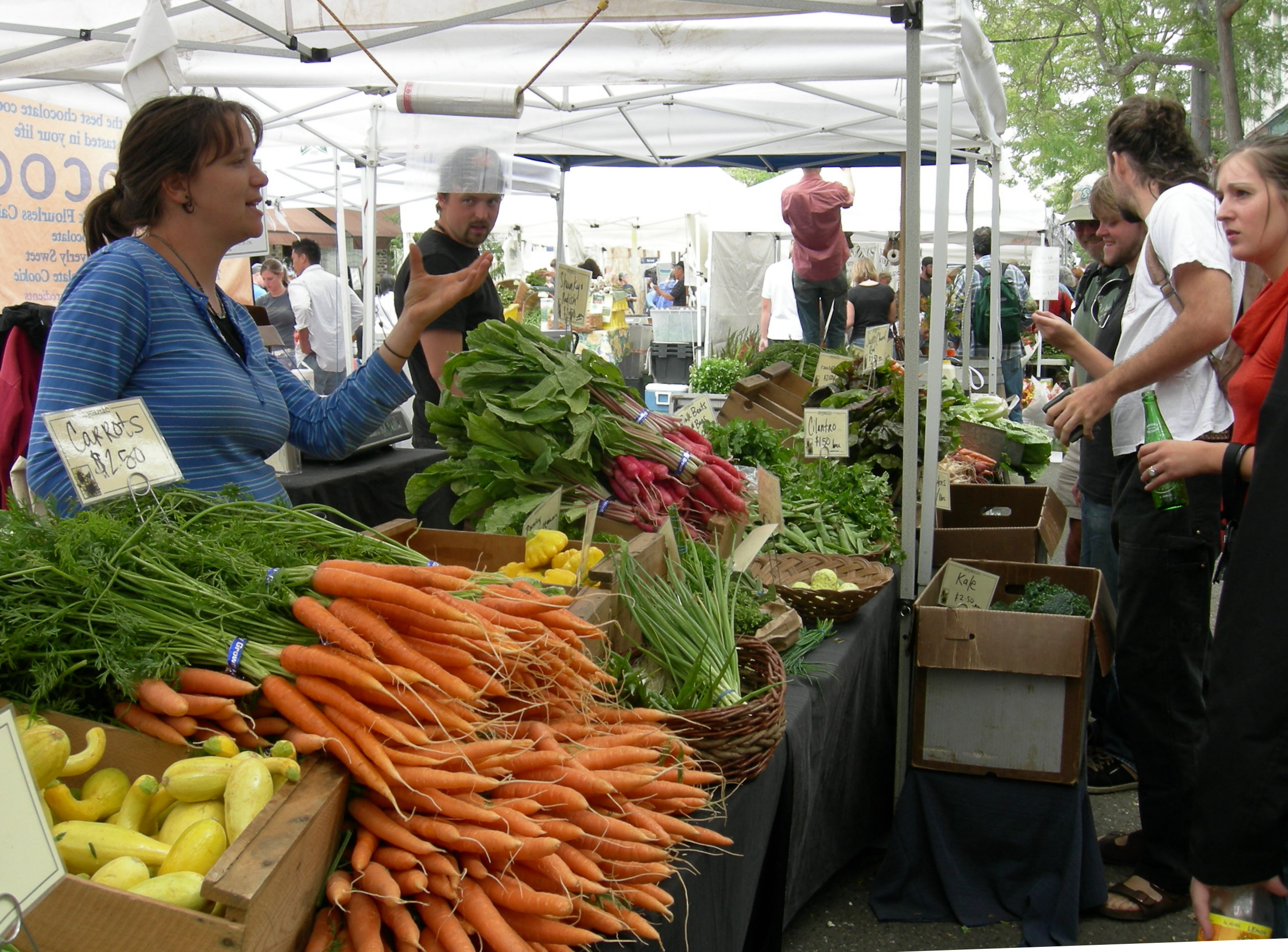
Recipes Browse, search & print the full collection — every category. Explore →
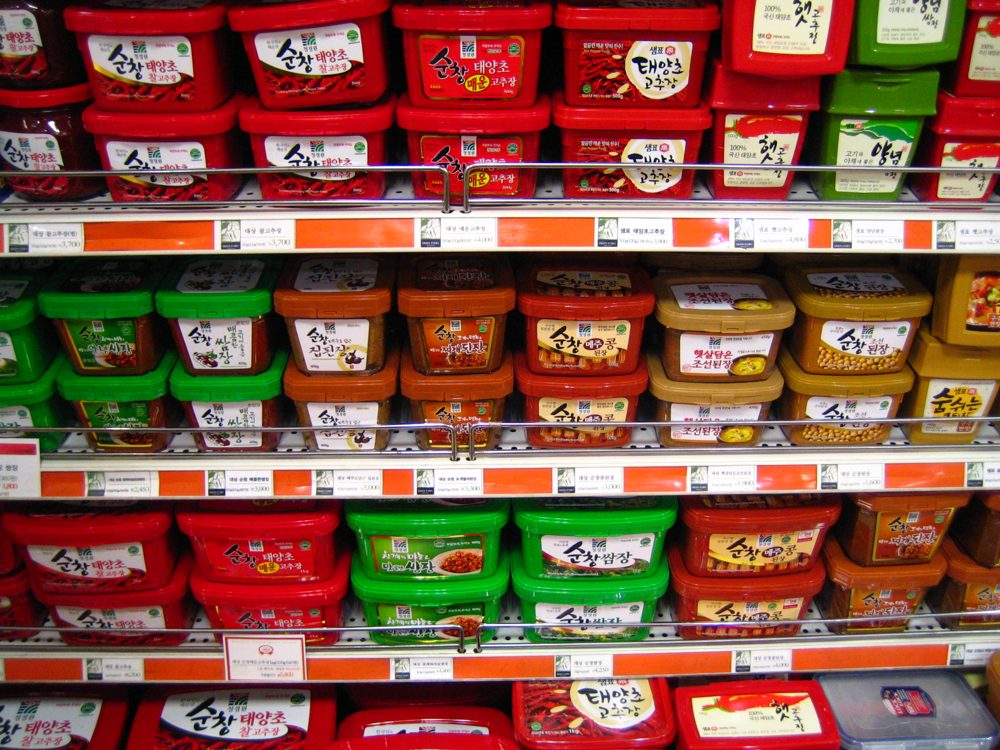
Know Your Ingredients What things actually are — origins, what to buy, and what to use instead. Explore →
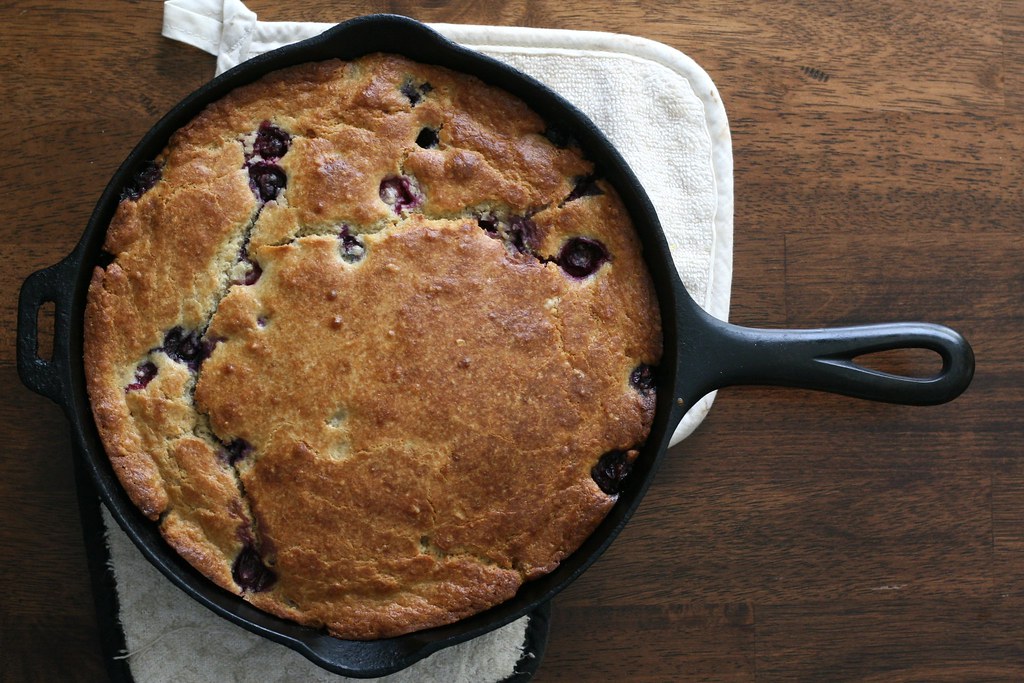
Cast Iron Lodge history, use & care, and 52 cast-iron recipes. Explore →
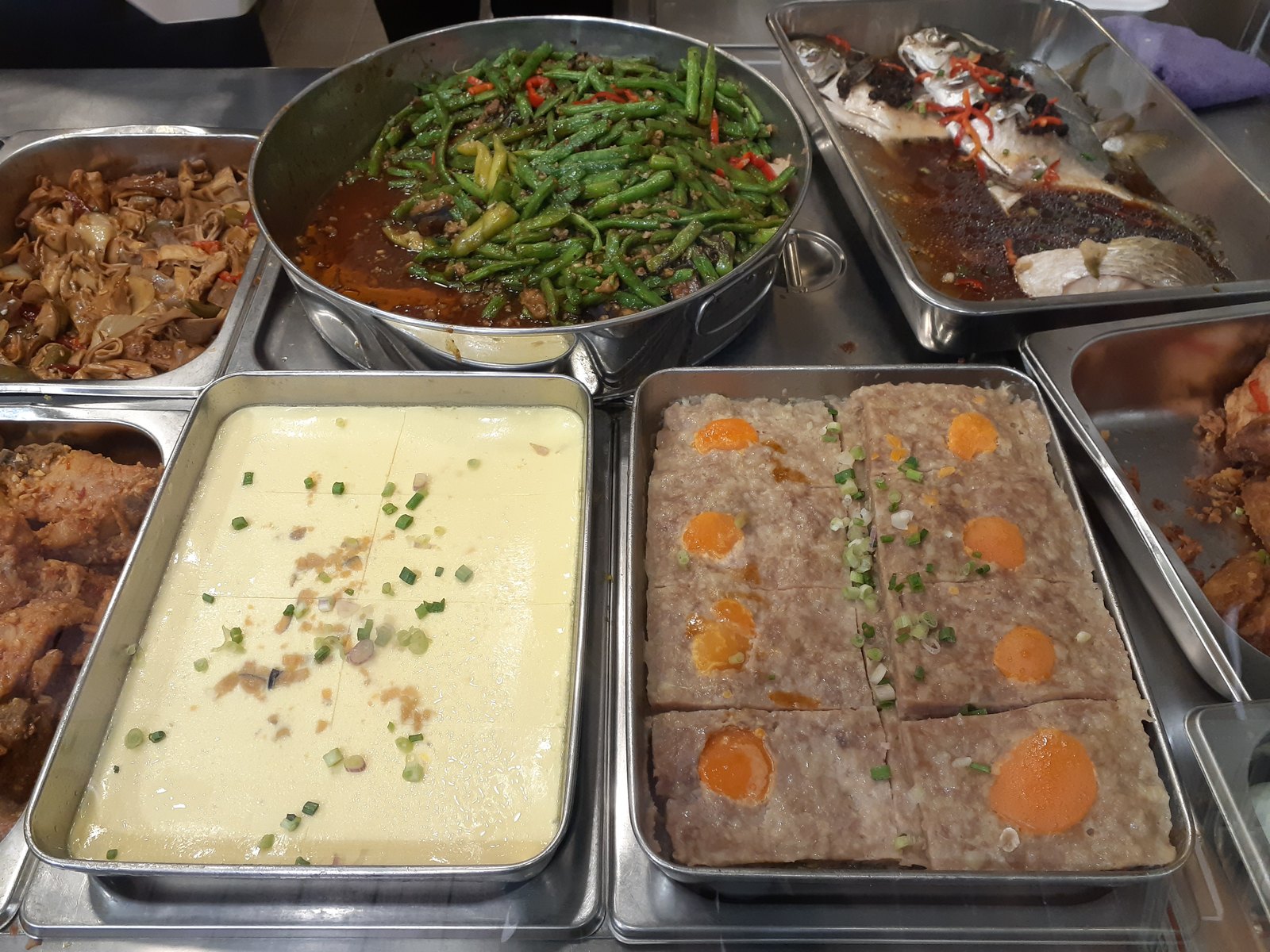
Steamed Eggs Zhengdan, chawanmushi and gyeran jjim — one custard, three cultures, and the ninety-second espresso-steam-wand version. Explore →
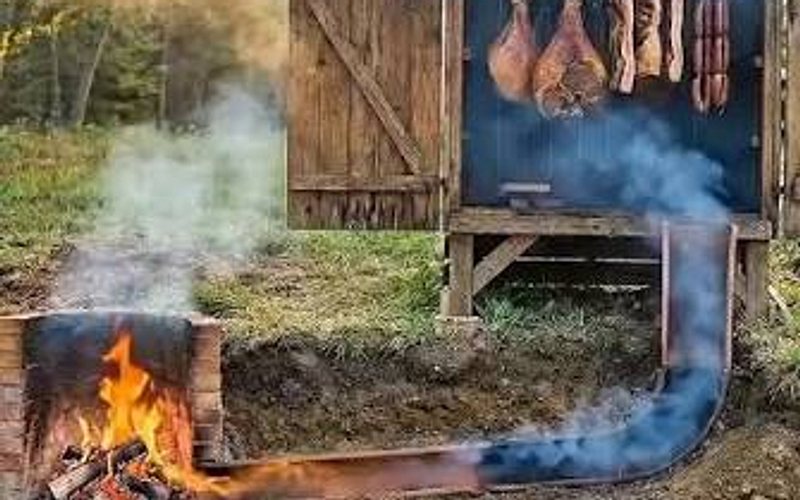
Smoking Five smokers, a dozen woods, and everything I put in the smoke — brisket to honey, salt and lox. Explore →
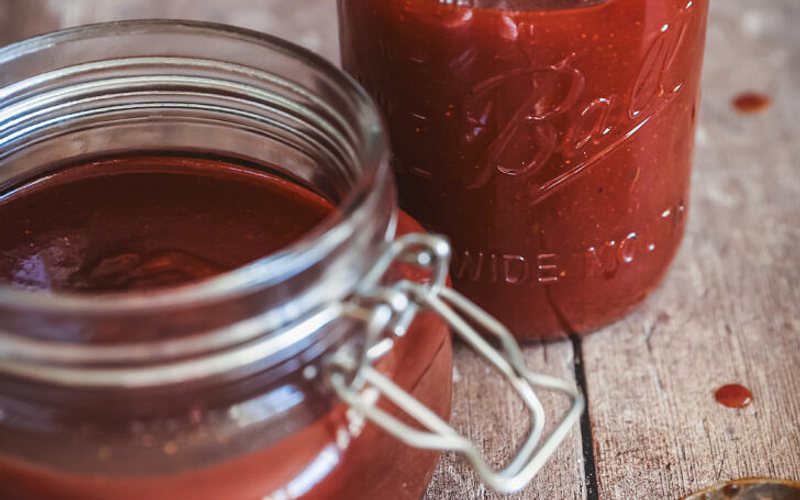
BBQ Sauces The American sauce map — Carolina to Kansas City — plus what's really in them and how to pair them. Explore →
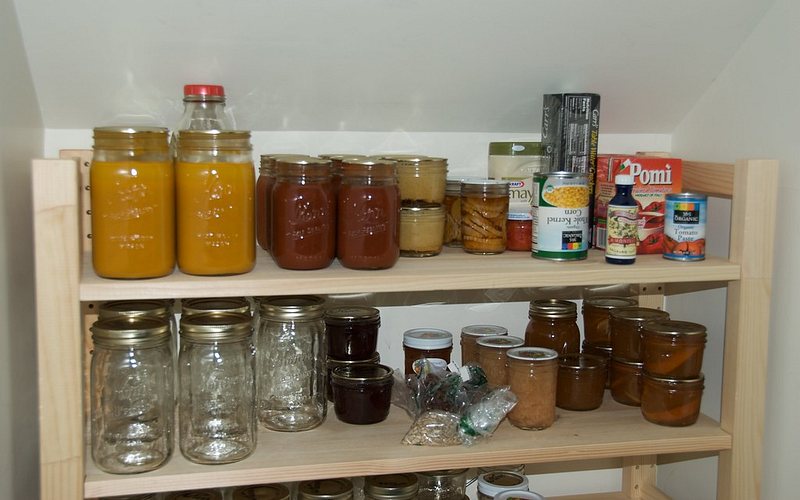
Preservation Curing, canning, pickling, drying & fermenting — plus the ancient ways I've tested to keep meat without a fridge. Explore →
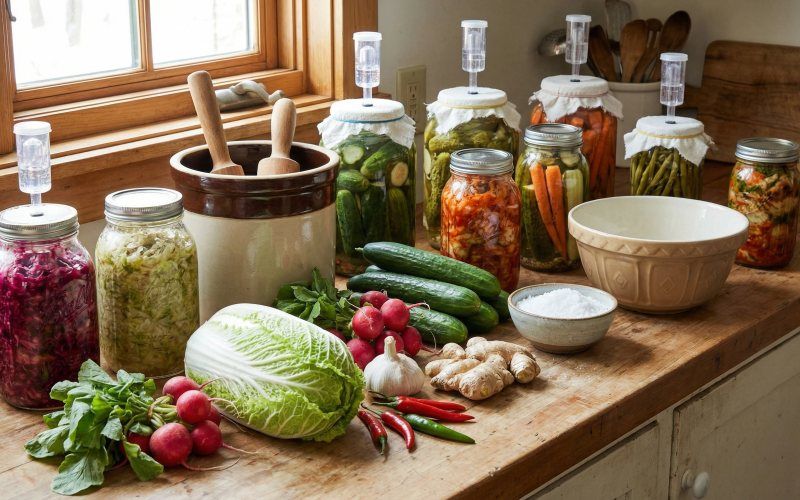
Fermentation Forty years of it, starting with yogurt in a cardboard box run by a PID controller. My first crock of kraut failed, so I went down to a half-gallon jar and an airlock — then up to a German Gärtopf and stoneware crocks at five, ten and thirty gallons. Sauerkraut, cucumber pickles, kimchi, yogurt, kefir, kombucha, koji and miso, vinegar — plus the honest safety answer: no vegetable ferment has ever caused a documented case of botulism, and the one place fermentation does kill people is instructive. Explore →
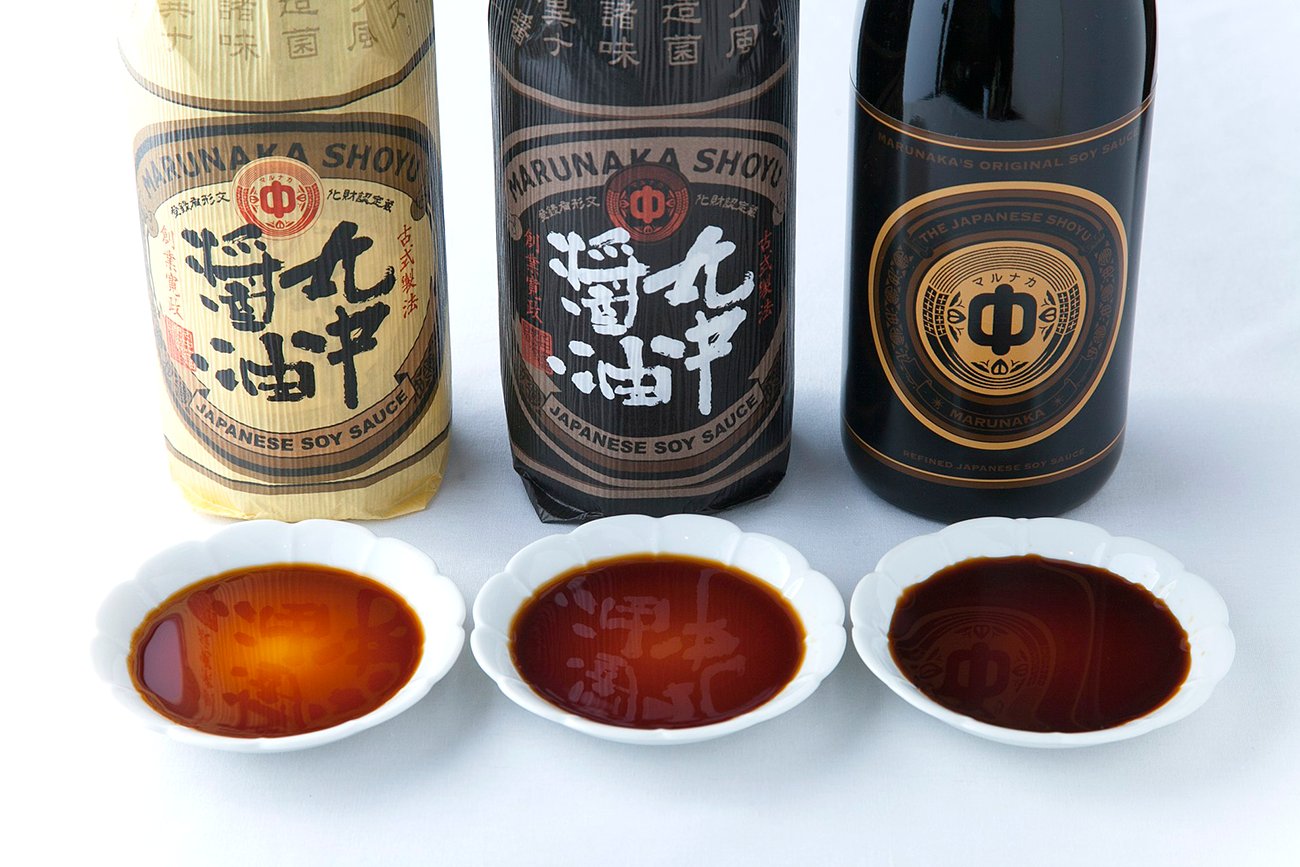
Soy Sauce & Tamari Twelve pages on the oldest condiment still in daily industrial production: koji to moromi to press, the five Japanese legal types, and the Chinese and Korean traditions that are not variants of it. Tamari is not simply the gluten-free one — a 1603 dictionary gives it its own headword — and reading a label tells you whether a bottle was brewed or hydrolysed. Explore →
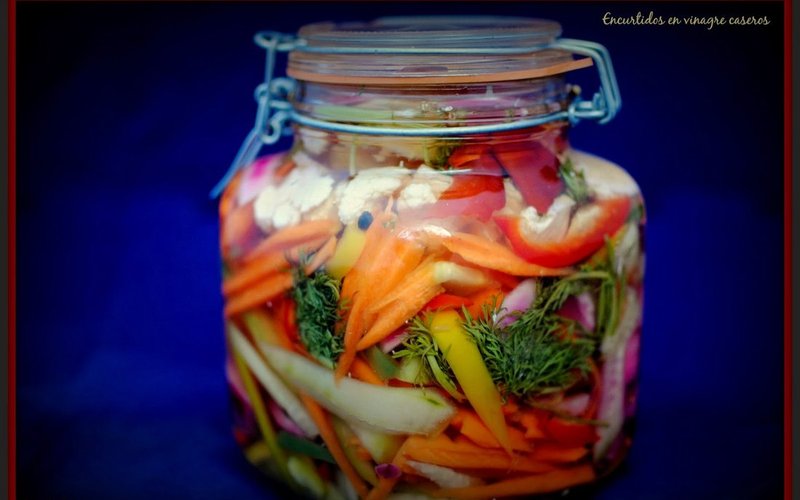
Pickled Fermentation grows the acid; pickling adds it — and that clean distinction is really just a description of English, which the rest of the section spends its time undermining. My great-grandmother's pickled peaches, then Japan and Korea and the Philippines in the Marine Corps, Tennessee, Turkey, India, Denmark, St Petersburg, Dubai and the Caribbean. Includes the corrections: the famous 4,000-year pickle timeline is a trade association citing a magazine, umeboshi is not a plum, the fresh dill is probably what softened your pickles, and your 0 °F freezer fails the standard for raw fish by four degrees. Explore →
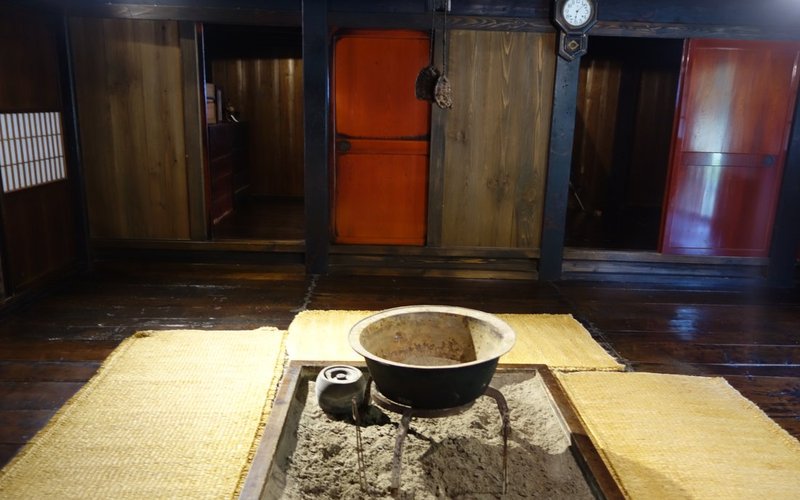
Travel Almost everything I cook I met somewhere else first — so this part of the kitchen is organised by trip rather than by subject. Japan, 1985–86 is written up: two years at MCAS Iwakuni, a car, most weekends spent driving with no destination, and the irori hearths whose food I have said for forty years I could never replicate — turns out there is a real reason for that. Hong Kong, China and Vietnam are next; I got back from all three a few weeks ago. Explore →
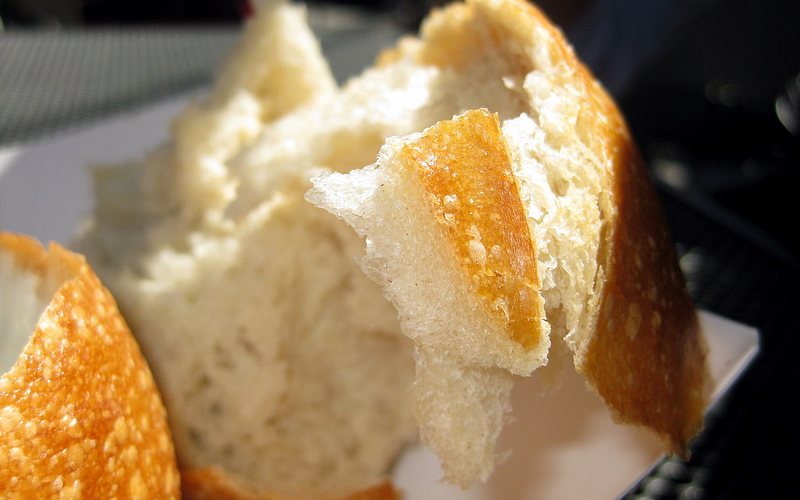
Breads History, the science, sourdough, artisan & bagels — from the wild yeast in the jar to gas vs. electric vs. pizza ovens. Explore →
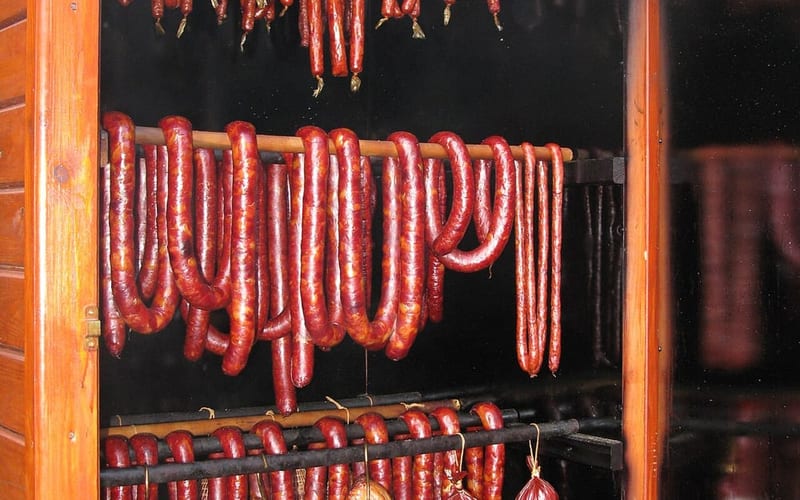
Sausage Forty years at the bench, from Grandpa's smoked Polish kielbasa to Irish black pudding. What a sausage actually is, the family tree the whole craft hangs off, a photo tour of forty-six of the world's sausages, the blood-and-offal branch America gave up, and how to read a formula without getting the one number wrong that matters. Explore →
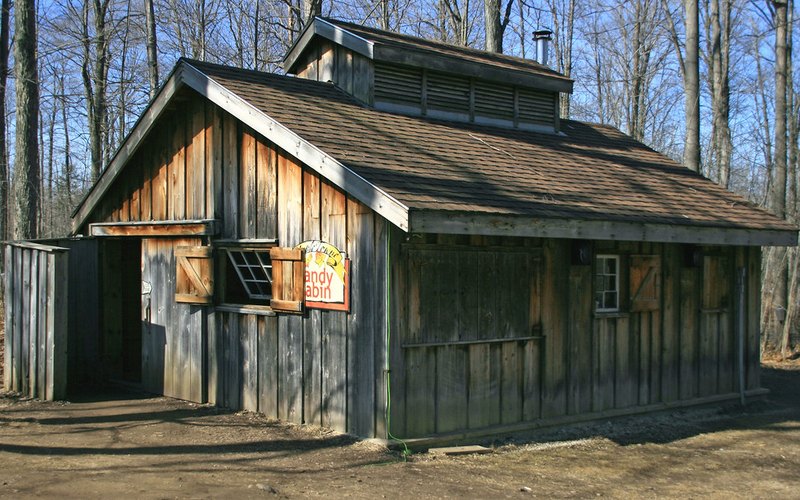
Tree Syrups Maple, birch, black walnut and the odd ones — the history, the freeze-thaw pump that makes sap run, tapping, and the whole boil from tree to jar. Plus the sugar shack I'm building, and the one clause in Michigan law that decides where it goes. Explore →
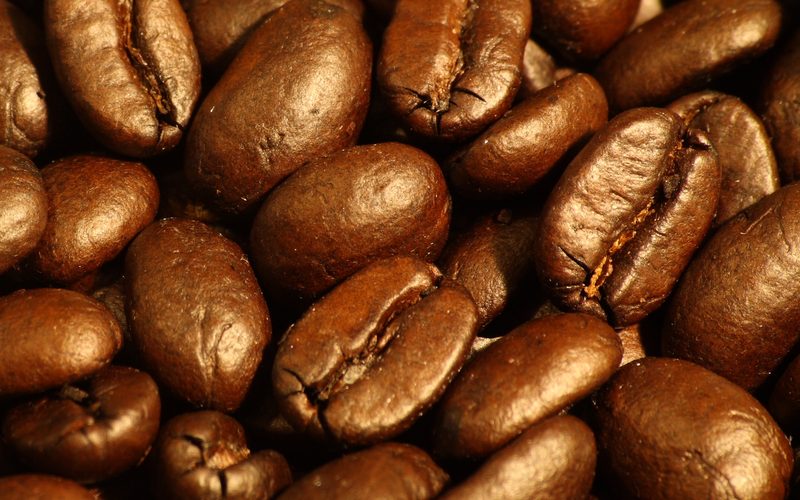
Coffee The whole bean-to-cup obsession — history, origins & climate, roasting (including roasting your own), every brew method from pour-over to siphon, what people put in it, and cooking with it. Explore →
The Irish Breakfast The best breakfast I ate in Galway, taken apart — where the fry really came from (invented in the 1960s, not the 1300s), and how to make every piece: the rashers, the bangers, the black and white puddings, the soda bread and the farls. Explore →
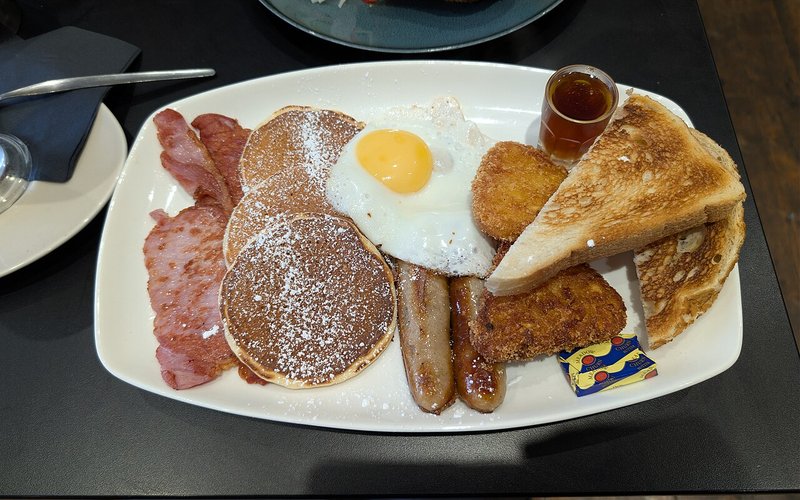
Jeff's Breakfast Favorites It's not just for breakfast anymore. Shrimp and grits in Charleston and New Orleans, S.O.S. on everything, johnny cake the way I actually eat it, a French toast project I'm still arguing with — and breakfast from every country I've been lucky enough to wake up in, from Mexico to Mogadishu. Explore →
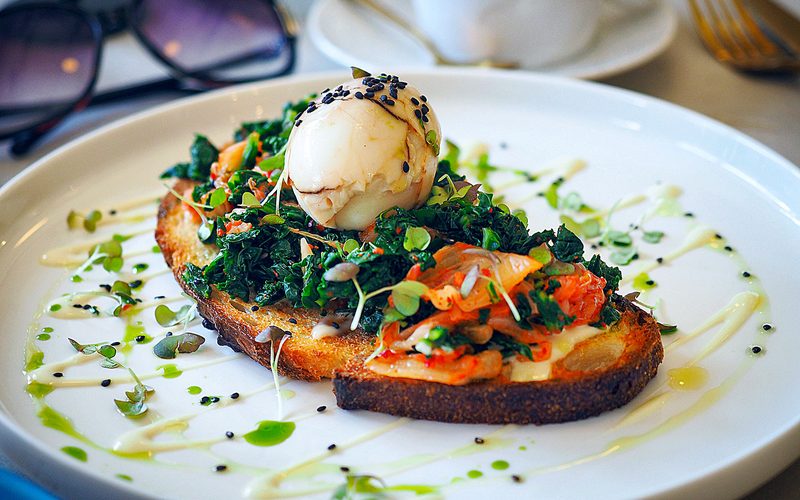
Marinated Eggs Tea, soy, braised, ramen, mayak, century, pickled — half the world drops a boiled egg in something dark and waits. The science says the marinade never reaches the yolk, and that one fact explains both why a ramen egg is delicious and why a pickled egg can kill you. Explore →
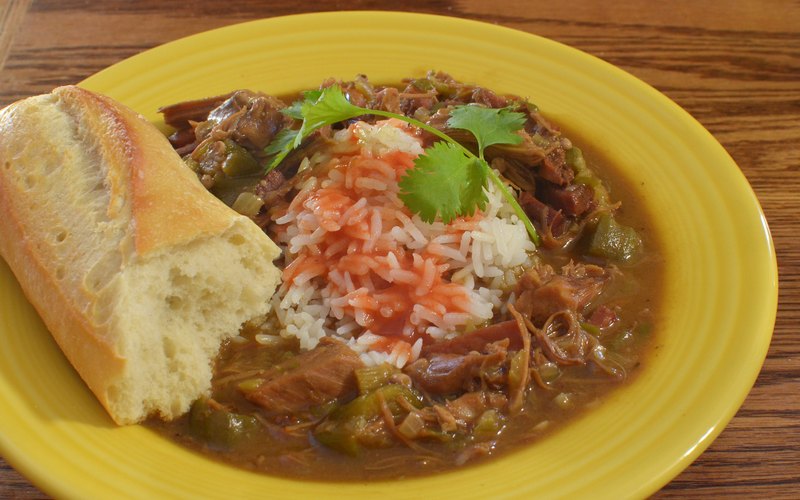
Gumbo I don't have a gumbo — I have a range I keep working across, from a simple sausage gumbo with shrimp out to a full seafood gumbo. What makes a gumbo a gumbo turns out to be nothing: it never had one origin, so it has no one authentic version. Okra from West Africa, filé from the Choctaw, roux from France — three answers to one problem, and the thickener you pick tells you which ancestor you're cooking from. Explore →
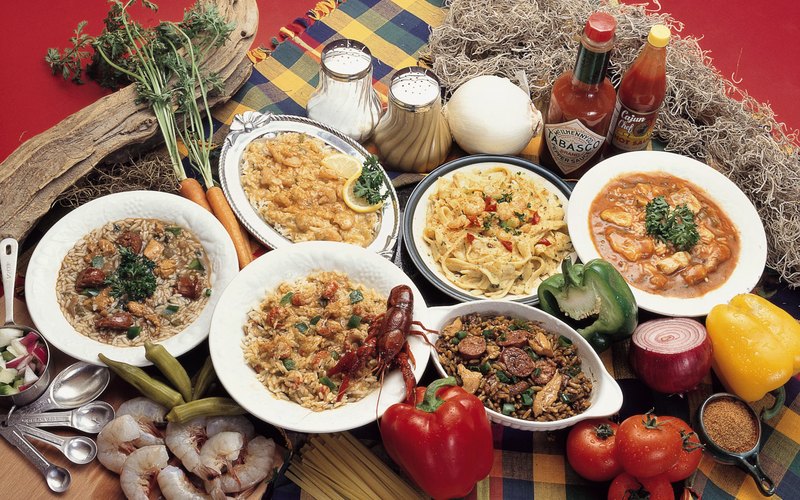
Southern I'm from Michigan, and I came to this food sideways — through the Marine Corps, Tennessee, South Carolina, and years of driving. The longer I did it the less I believed in 'Southern food' as one thing. Cornbread, biscuits, greens and pot likker, Cajun and Creole, country ham, and the 91-recipe lunch pail I call Hillbilly Lunches — plus three cases where the folklore credits character and the evidence points at an ingredient that quietly changed. Explore →
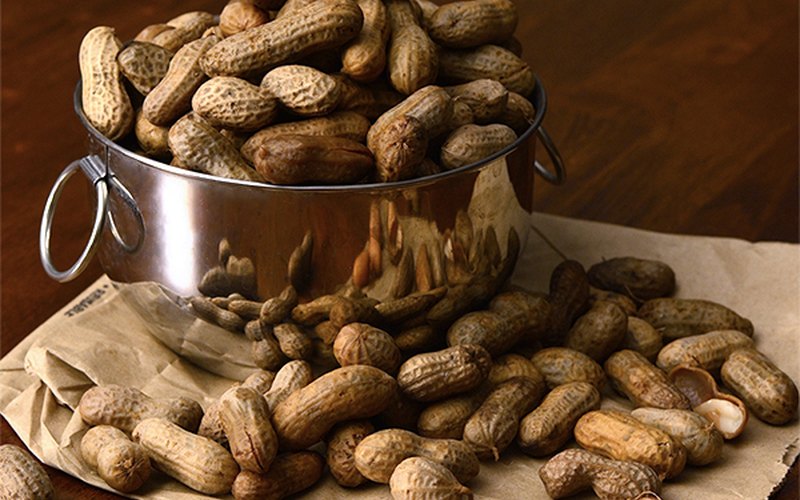
Boiled Peanuts I threw the first bag away, and a few days later I ate three. From a bar in Beaufort and a turkey fryer on Lady's Island to the seasoning drift nobody has documented — salt in South Carolina, oranges in Georgia, crab boil by Louisiana — and then out to Senegal, Chiba, Hawaii and the two bags of 卤汁花生 on my counter. Plus how to can them properly, which I'm learning here. Explore →
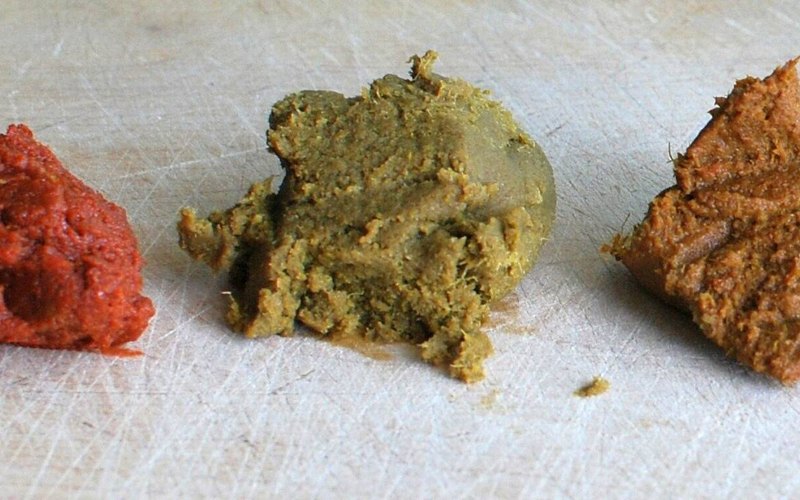
Curry Thai is my favourite, and I think it's because it has the most internal logic of any of them — once you see the system, every paste on the shelf explains itself. But the word itself is the least reliable thing in the subject: it's a European word for a category the cooks didn't have, Portuguese before it was British, and the first English curry recipe has neither turmeric nor chili. Fifteen pages — the history through one 1784 advertisement for a powder sold in a perfumery, the spices, the Thai pastes one by one, India, Japan, the world tour, what to buy, how to pound your own, and what's actually happening in the pan. Explore →
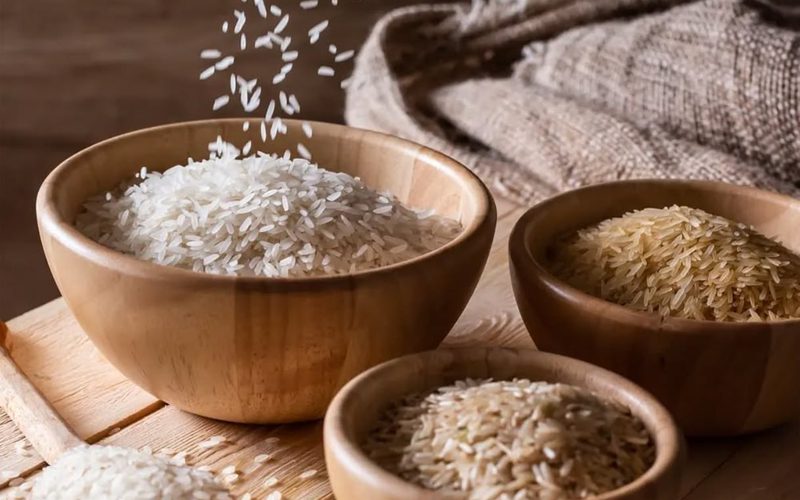
Rice The grain that feeds more of the planet than anything else — and it's stranger than it looks. Domesticated twice on two continents, one 'rice' that isn't rice at all, and a single starch molecule that decides fluffy from sticky. History, types, how it grows, the science, cooking it, and the world's great rice dishes from jambalaya to biryani to tahdig. Explore →
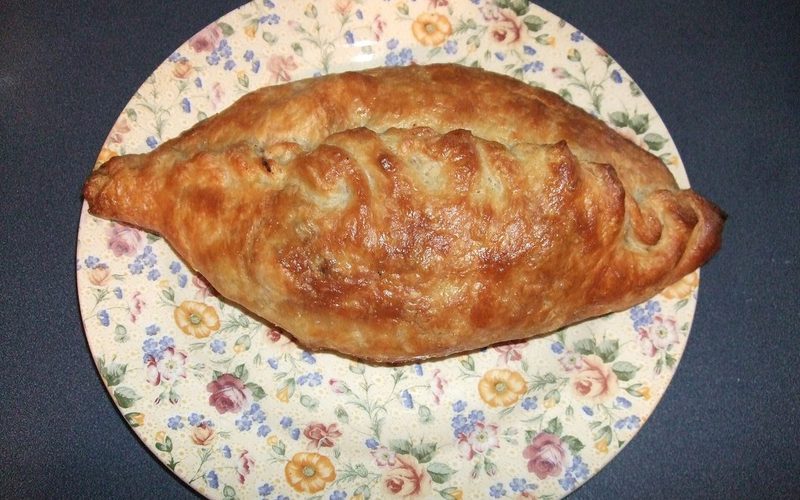
Michigan's Upper Peninsula Cross the Mackinac Bridge and you're in a whole other world. My home state's far north — copper and iron country, deep Finnish and Cornish and Italian roots — and the food that came out of it: the pasty, the cudighi nobody outside Marquette County has heard of, smoked Lake Superior whitefish, cardamom nisu, Trenary Toast, and thimbleberry jam you can't buy anywhere else. A road trip with my son, a place at a time. Explore →
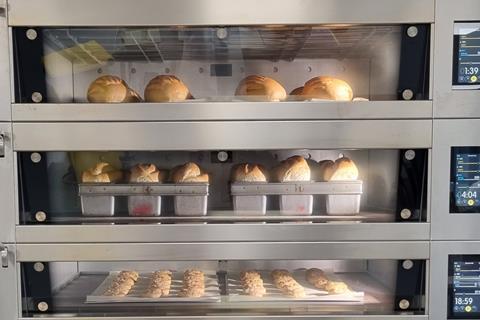
Kitchen Equipment Building a real small kitchen — commercial vs. cheap imports, buying used, electric vs. gas, and exactly what it all costs to outfit and run. Explore →
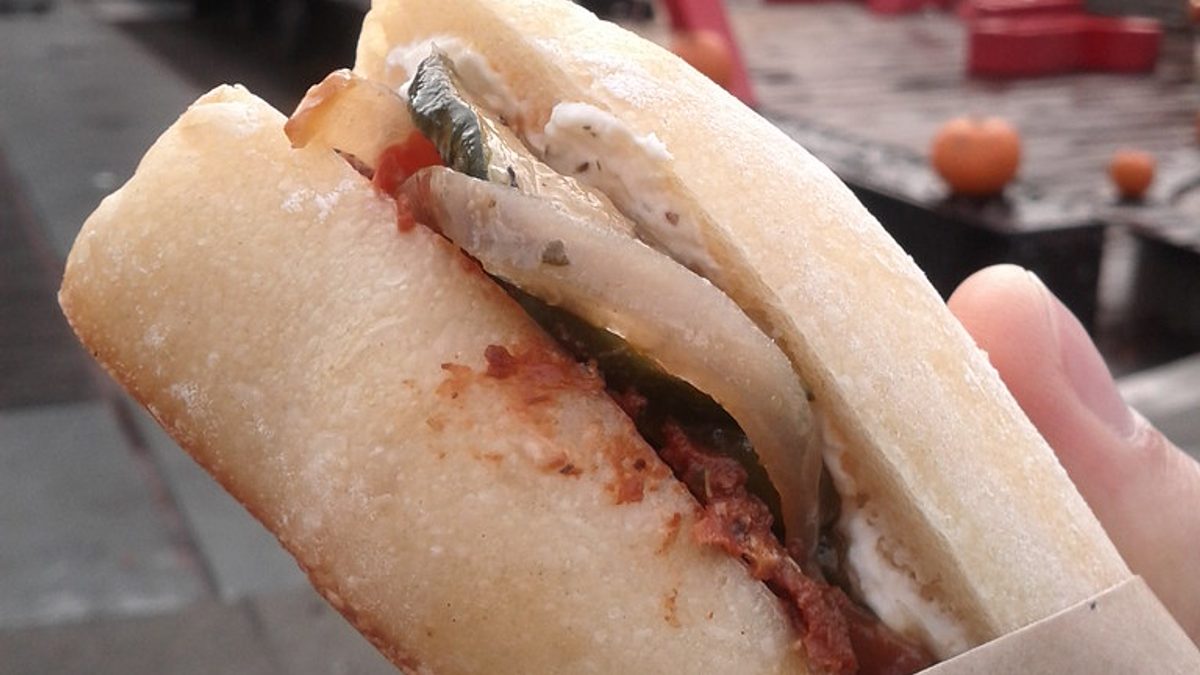
Food Truck The storefront on wheels — used vs. new, fixing one up, the Michigan rules, menus that sell, and how the truck and the bakery feed each other. Explore →
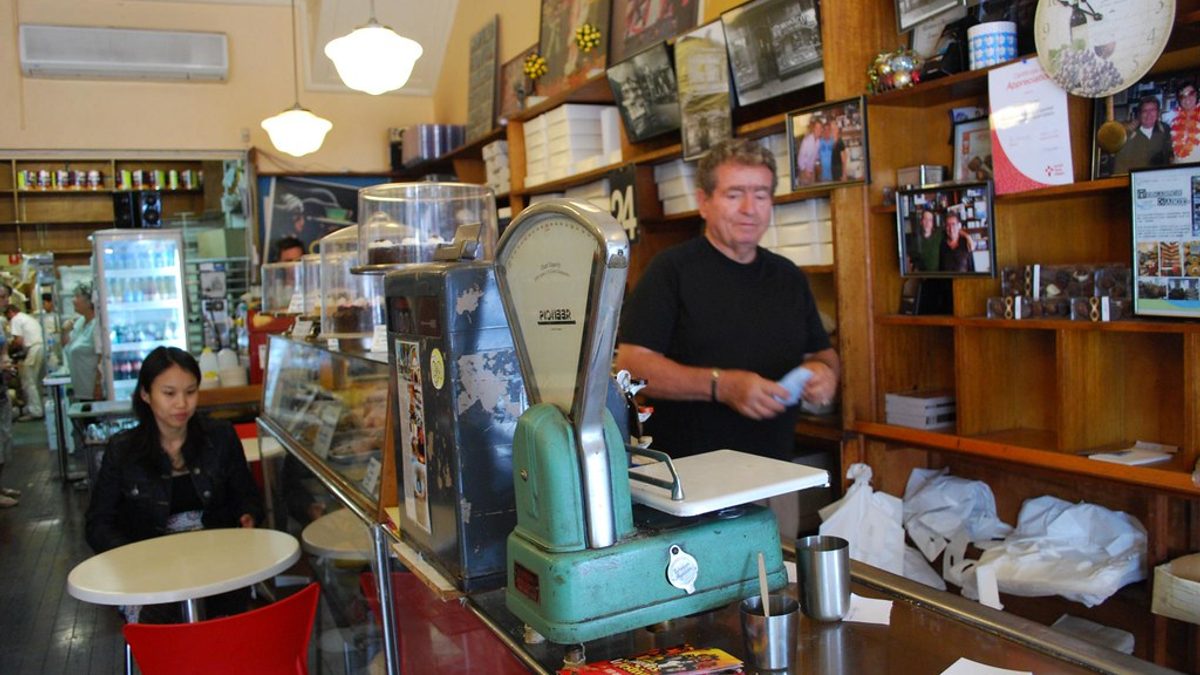
Coffee Shop & Bakery The brick-and-mortar anchor — the coffee program (Cuban, Vietnamese, teas), artisan breads & pastry, honey from our own hives, the best ovens and ingredients, and what it costs to open. Explore →
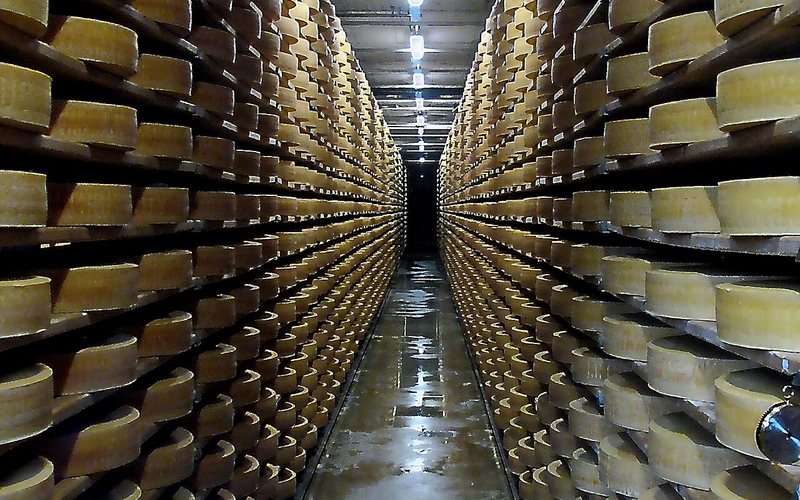
Cheese Hundreds and hundreds of them eaten, and I still didn't make one until the early nineties — mozzarella, from raw milk down the road, vinegar and flake salt. Where cheese came from and why the sheep-stomach story is only half right, how it actually works, every family and how to make it, the world's cheeses including the ones nobody here has heard of, and the refrigerator I rebuilt into an aging cave. Explore →
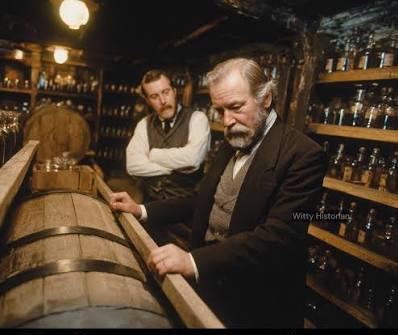
Worcestershire Sauce A super deep dive on the little paper-wrapped bottle — its history and Roman roots, what's really in it, why homemade wins, and how the world from Japan to El Salvador made it its own. Explore →
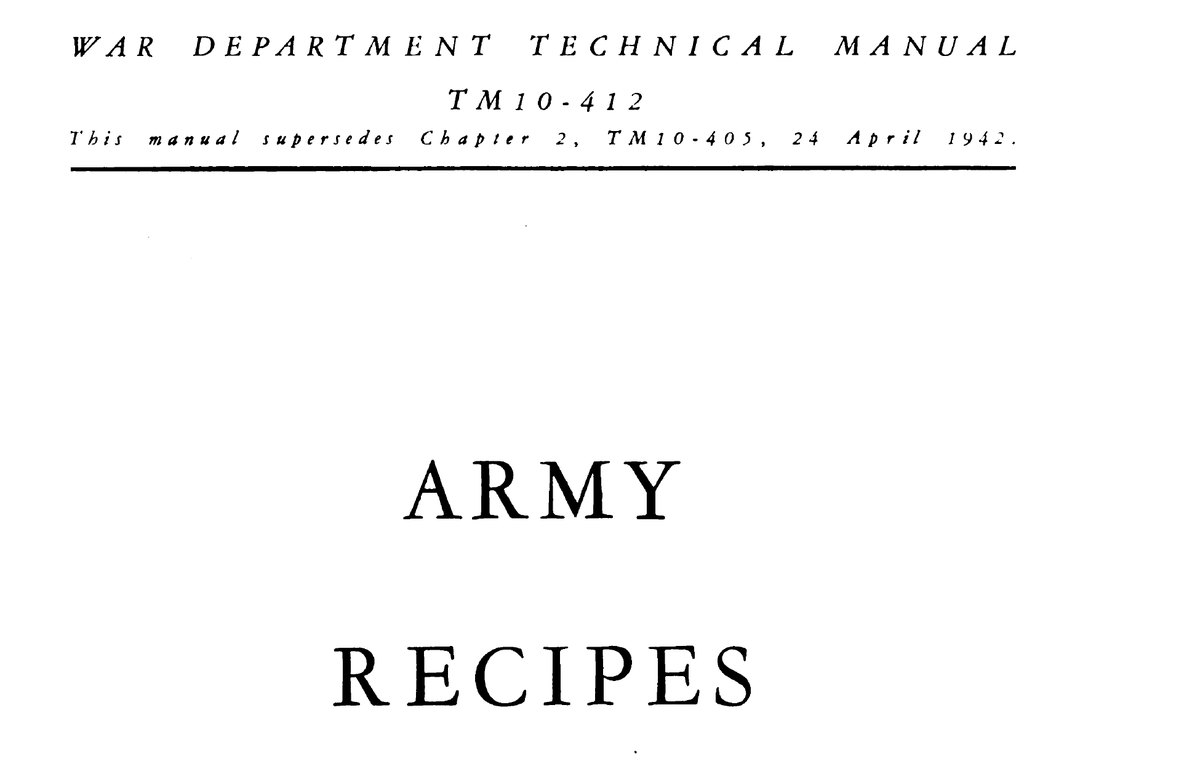
Reference Library The source documents behind the food — scanned cookbooks and manuals, full-text searchable and free to read. Explore →
From the kitchen & beyond
Get new content
Occasional emails when something significant ships. No spam, unsubscribe anytime.