Cheese

Rules & the Michigan Angle

The only part of cheese law that changes what is in your mouth is the part that tells a maker how to make. The rest tells you what you may call it, and where you may sell it. I am not a lawyer; this is a cheesemaker reading specifications.
Protected Names
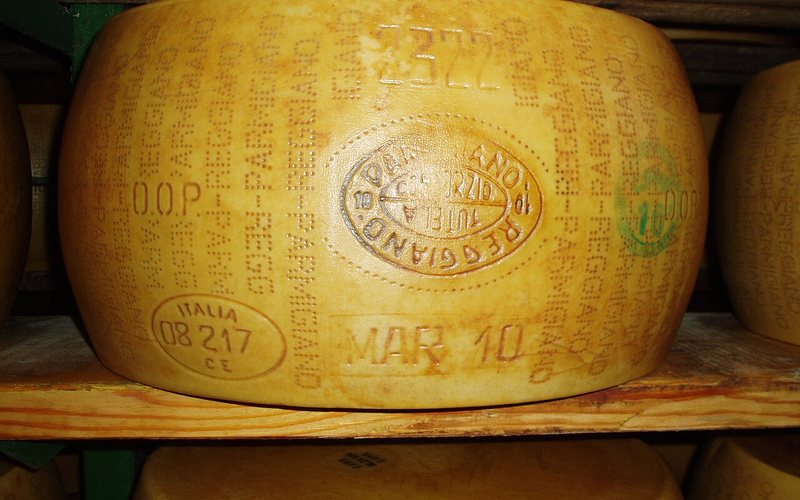
Protected Names Fifteen genuinely different instruments wearing one label — a cave, a ban on raw milk, a requirement of raw milk, a cattle breed, a measurement, a branding iron, a trade secret, a ledger, a refusal. And Gruyere, which is protected in Switzerland and generic in America by federal ruling. Explore →
Standards of Identity
Standards of Identity 21 CFR Part 133, where the United States writes down what cheddar is in percentages. Two numbers decide the name — and writing one of these for a place-name is how a country makes that place-name generic. Explore →
Raw-Milk Law
Raw-Milk Law Not whether the 60-day rule works, but what you are actually allowed to do. There is no section called "the sixty-day rule" — it is a door left open inside a pasteurisation mandate, and it stops at the state line. Explore →
Labeling
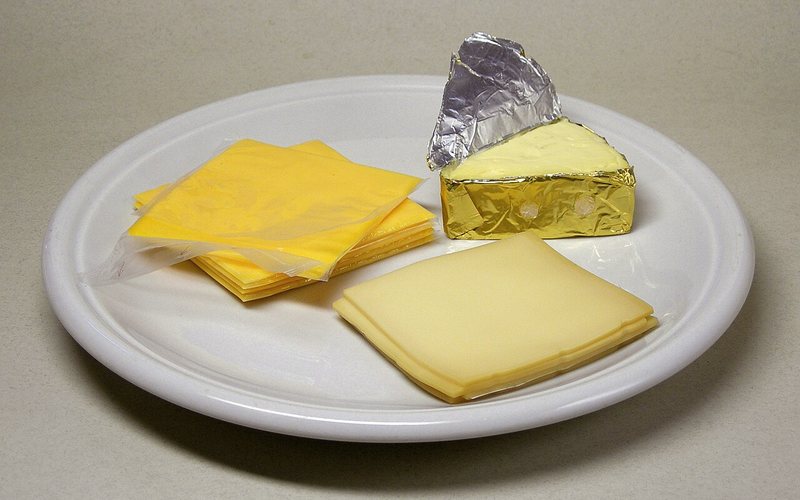
Labeling The words on a cheese label that are doing legal work rather than marketing — the process-cheese ladder, what "natural cheese" does not mean, and why a label is true relative to a jurisdiction. Explore →
Selling Cheese in Michigan
Selling Cheese in Michigan Cottage food does not reach cheese at any volume — it is excluded by the definition of the scheme, not by a line item. What is left is a licensed manufacturing dairy plant. Explore →
Selling at Scale
Selling at Scale The gap is capital, not paperwork — and the constraint nobody costs is that you also need somewhere to age it for months. Including the honest case for not selling at all. Explore →

Get new content

Occasional emails when something significant ships. No spam, unsubscribe anytime.