Recipes
← Food

Curry

Thai is my favourite of the curries, and I think the reason is that it has the most internal logic of any of them — once you see the system, every paste on the shelf explains itself. But the word on the front of all of it turns out to be the least reliable thing in the whole subject. “Curry” is a European word for a category the people cooking it did not have, it was Portuguese before it was British, and the first English curry recipe has neither turmeric nor chili in it. What I did not expect was how much of the modern story runs through one 1784 newspaper advertisement for a powder sold in a perfumery, pitched as medicine, and built from the start to survive a sea voyage. That tin is why there is curry in Tokyo, in Trinidad and in Berlin. This is fifteen pages on all of it — the history, the spices, the Thai system paste by paste, India, Japan, the world tour, what to buy, how to pound your own, and what is actually happening in the pan.
The Word Nobody Was Using
The Word Nobody Was Using Start here, because it reorganizes everything else. “Curry” is a European word for a category the people cooking it did not have — and it was Portuguese first, not British, which is not how the story usually gets told. Explore →
From a Grinding Stone to a Tin
From a Grinding Stone to a Tin The 1784 advertisement read in full. Curry powder was sold at a perfumery on Piccadilly, marketed as medicine, and pitched on the one thing that made it an invention: “It retains its full improved powers in every climate.” The tin was built to export from day one. Explore →
The Spice Cabinet
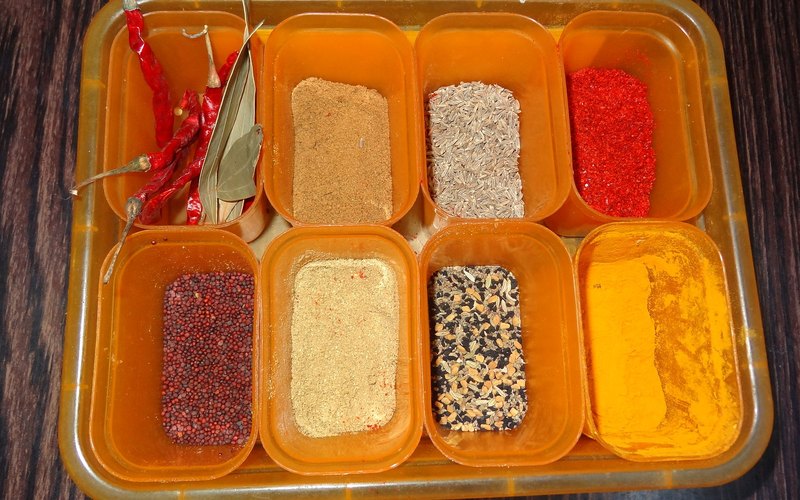
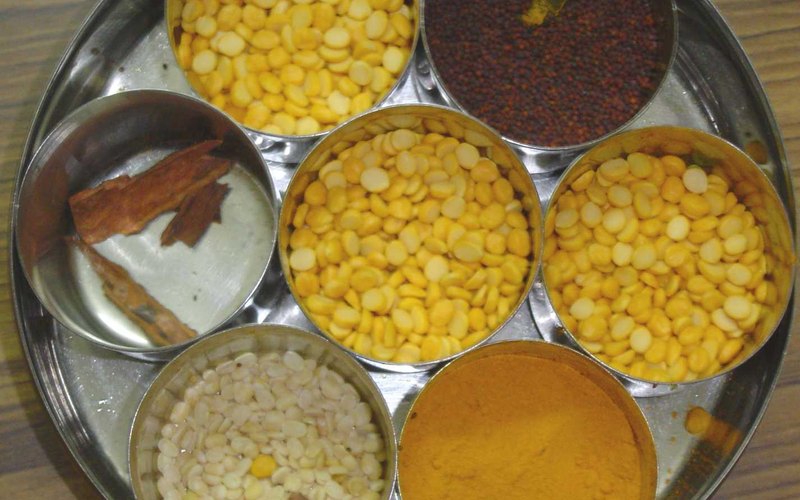
The Spice Cabinet There is no such thing as curry spice. There are about fifteen real components, and once you know what each one does, every blend on this site stops being a list and starts being a set of decisions. Includes why curry leaf has nothing to do with curry powder. Explore →
Curry Powder, Garam Masala, and When Each Goes In
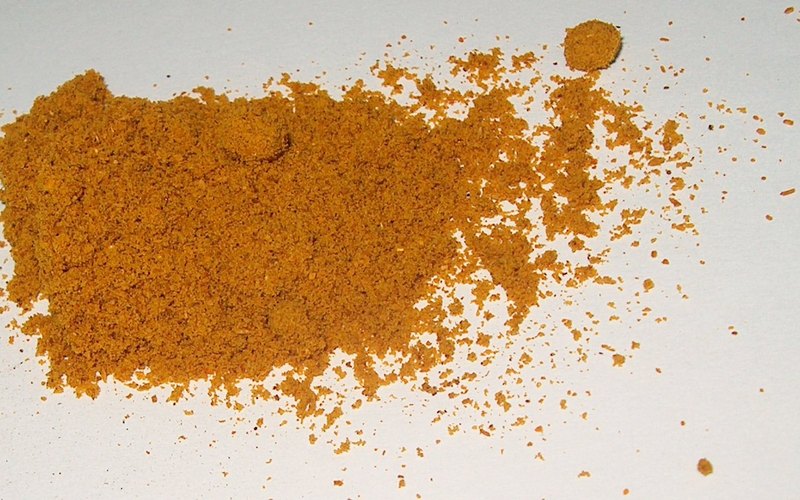
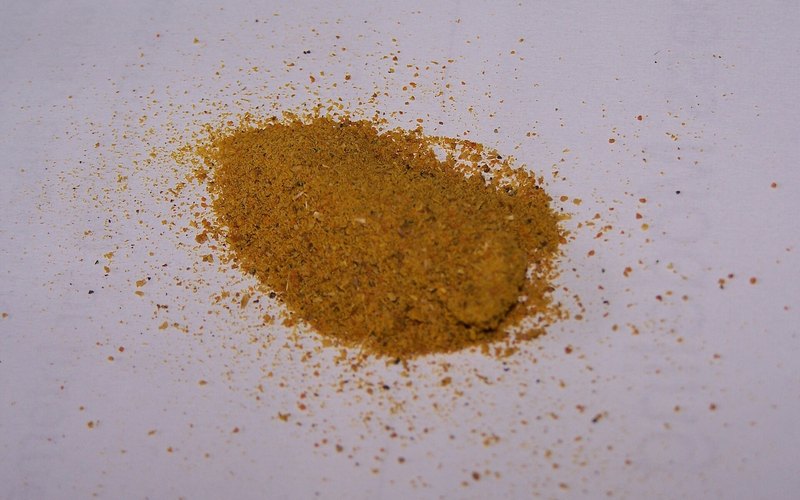
Curry Powder, Garam Masala, and When Each Goes In Two powders that look identical in the jar, do opposite jobs, and go into the pan at opposite ends of the cooking. Curry powder at the start, garam masala at the end. Getting this backwards is the most common way a home curry comes out flat. Explore →
The Thai System
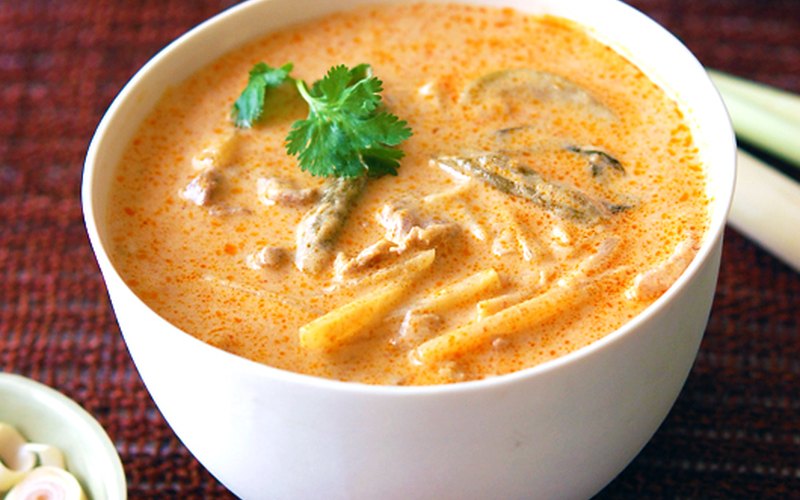
The Thai System My favourite of the curries, and I think the reason is that it has the most internal logic of any of them. The family map, how the pastes relate to each other, and the one technique the whole cuisine is built on — cracking the coconut cream. Explore →
Red — Kaeng Phet
Red — Kaeng Phet The trunk of the family tree. Dried red chilies soaked and pounded, and the base that most of the others are variations on. Learn this one and you have most of four others. Explore →
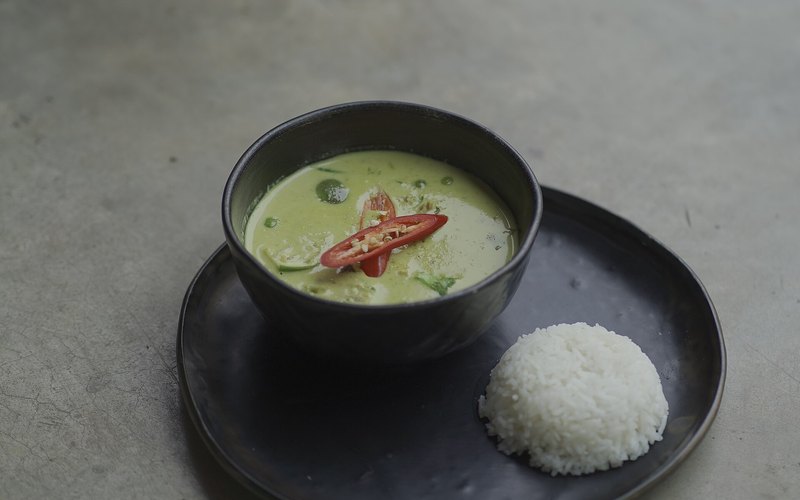
Green — Kaeng Khiao Wan
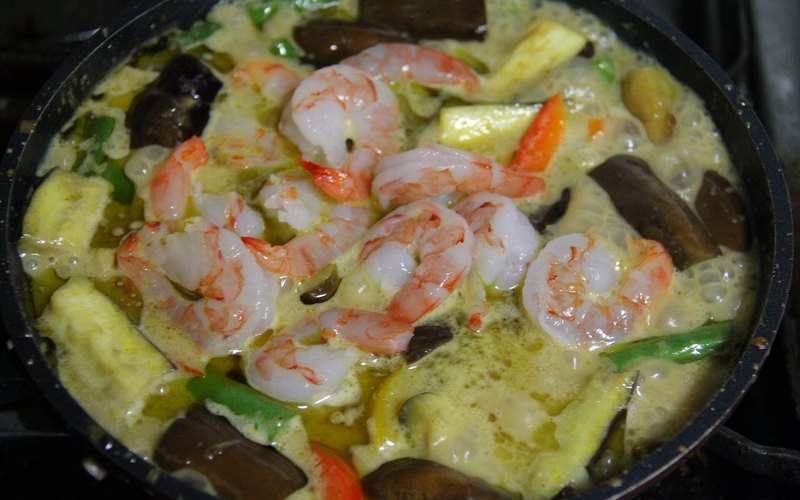
Green — Kaeng Khiao Wan The one everybody gets backwards. Green is normally the HOTTER of the two — fresh bird’s eye chilies against soaked dried ones — and khiao wan, “sweet green,” is describing the colour, not the heat. Explore →
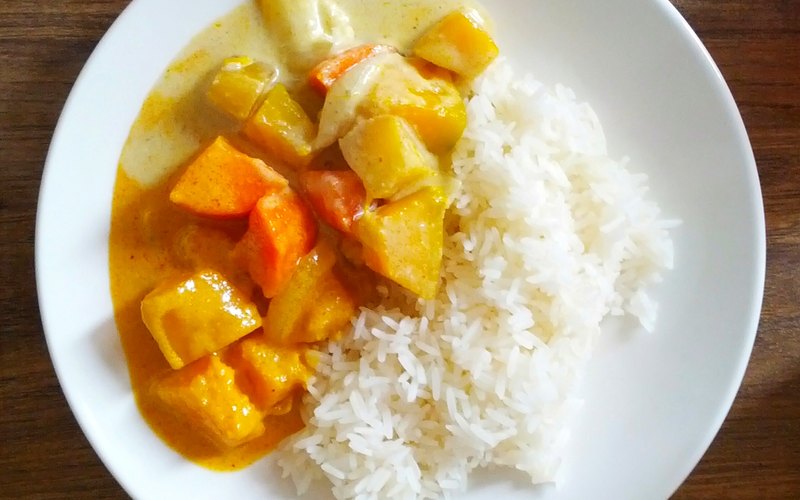
Yellow — Kaeng Kari
Yellow — Kaeng Kari The Thai curry that is openly, admittedly Indian, and the one that closes the loop on the whole dive: a curry powder that left India, went into a tin, and came back as a Thai paste. Explore →
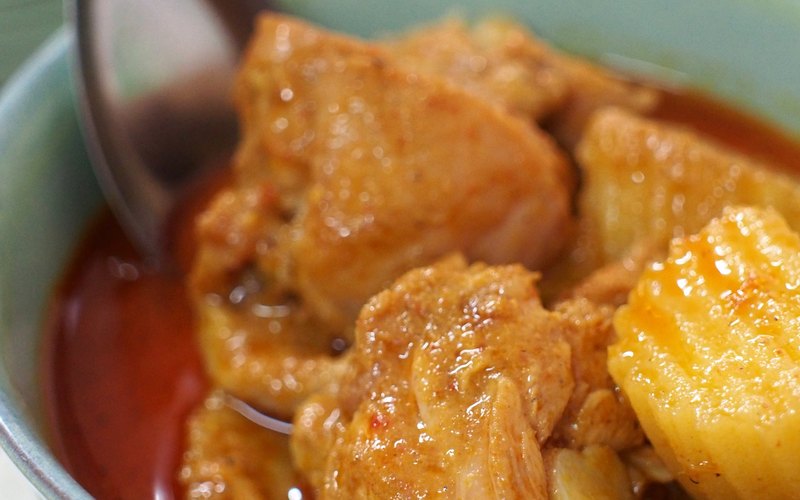
Massaman and Panang
Massaman and Panang Two pastes outside the main family — one because it came from Persia by way of Ayutthaya, one because it is barely a sauce at all. Also: “panang is named after Penang” is repeated far past the evidence, and this page says so. Explore →
India: The Country With No Curry
India: The Country With No Curry There is no dish called curry in India and there never was. What there is instead is a map. Includes the best-named dish in the dive: vindaloo has nothing to do with aloo — it is carne de vinha d’alhos, and its defining quality is sourness, not heat. Explore →
Japanese Curry
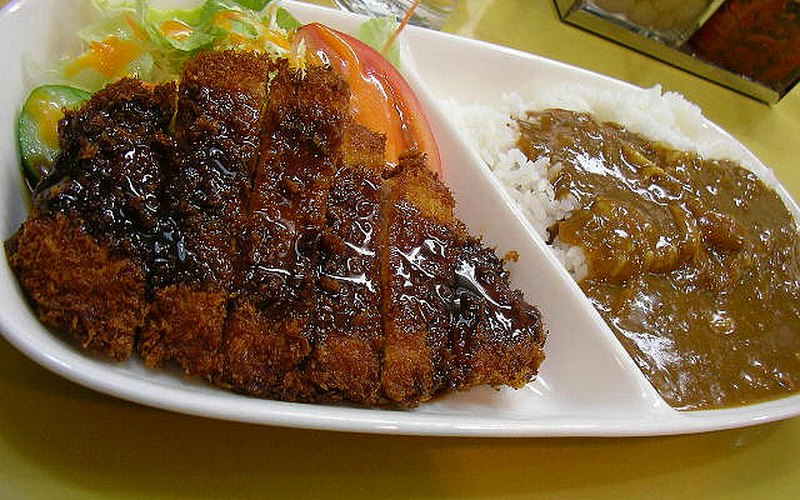
Japanese Curry The strangest chain in the dive. The Royal Navy, a doctor solving beriberi with the wrong theory, 1872, S&B in 1923, and roux blocks — ending with Vermont Curry, which is named after a 1958 American folk-medicine fad about cider vinegar and honey. Explore →
The Rest of the World
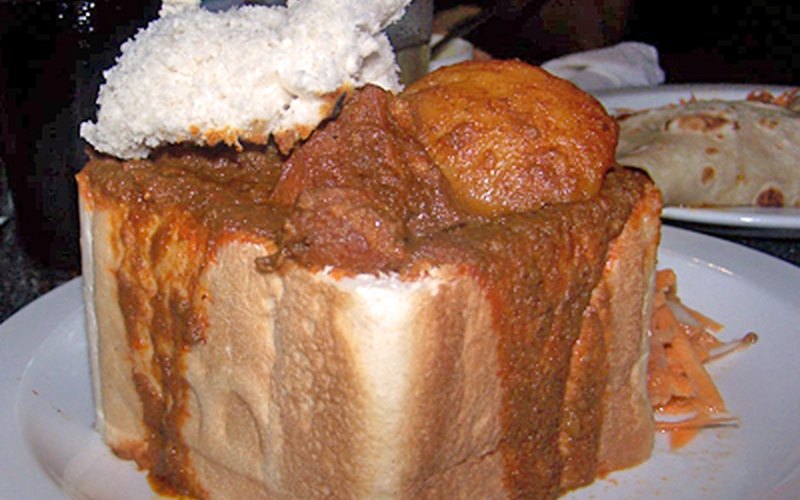
The Rest of the World Almost everywhere curry landed it became somebody’s national dish rather than a foreign one. Sri Lanka’s two powders from one spice list, rendang, laksa, the Caribbean, bunny chow, Britain — and currywurst, which is the 1784 tin arriving in Berlin. Explore →
Which Paste to Buy
Which Paste to Buy The honest position first: a good commercial paste beats a mediocre homemade one, and Thai cooks buy paste. Brand by brand, how to read a label, and why “is it vegetarian?” is a per-can question rather than a per-brand one. Explore →
Making Your Own Paste
Making Your Own Paste The part of the dive I would most like people to actually try, because the gap between a good tub and a fresh homemade paste is bigger than the gap between a supermarket tub and a good one. Mortar versus blender, the pounding order, and keeping it. Explore →
What Is Actually Happening in the Pan
What Is Actually Happening in the Pan Four cuisines, four vocabularies, one chemistry. Why the flavour compounds need fat, what the oil breaking out is telling you, and how to fix a curry that is not working. Indian bhuna and Thai taek man are the same visual test, arrived at independently. Explore →
My Curry Recipes
My Curry Recipes Every formula from this section — the five Thai pastes (red, green, yellow, massaman, panang), Madras and Caribbean curry powders, garam masala, Sri Lankan roasted powder, panch phoron, vindaloo paste, and a Japanese curry roux from scratch. Explore →

Get new content

Occasional emails when something significant ships. No spam, unsubscribe anytime.