← Food
Tree Syrups
Every spring I drill a small hole in a tree and it gives me something sweet. That still strikes me as close to magic, and the more I learn about it the better it gets. I run maple now — buckets, a turkey fryer, and too many late nights — and next season I'm building a real sugar shack. But maple is only the beginning: birch, black walnut, sycamore, boxelder and a handful of others all run sweet, each with its own season and its own flavor. This is all of it — the history, the science, the tapping, the boil, and the trees themselves.
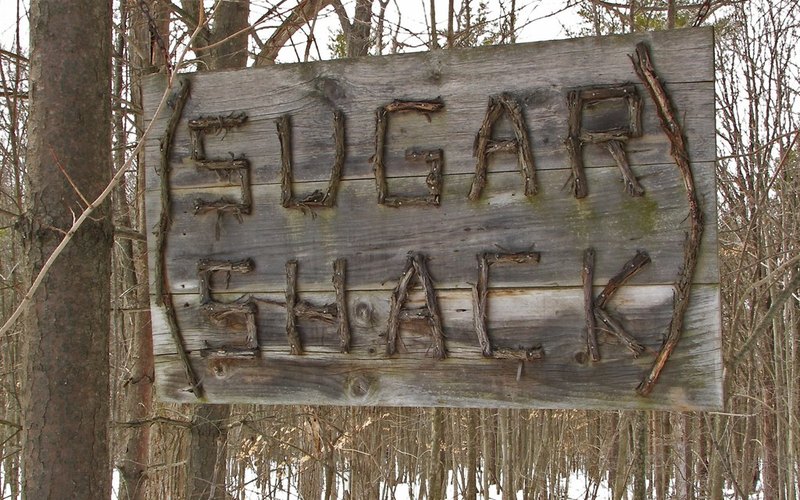
The History Indigenous North America invented this, and the record is older and richer than the legend lets on — through the abolitionist sugar campaign to the Quebec reserve and its famous heist. Explore →
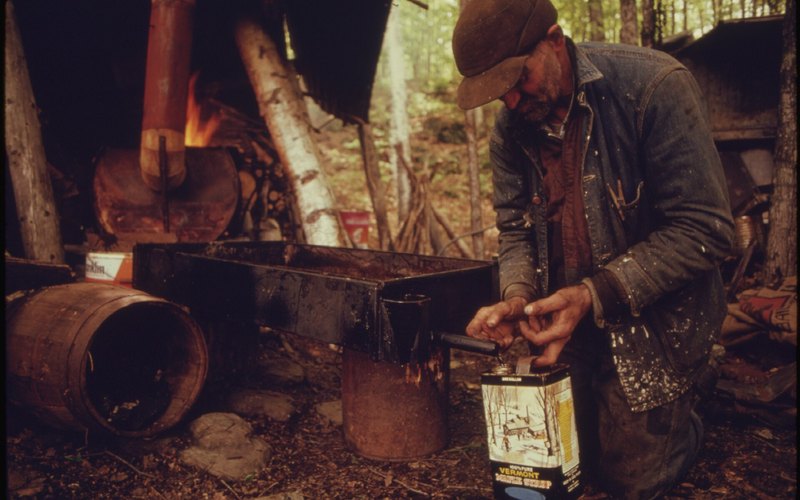
How Sap Becomes Syrup Why sap runs at all — the freeze-thaw pressure pump — what the ratio really means, and why maple doesn't taste like maple until you boil it. Explore →
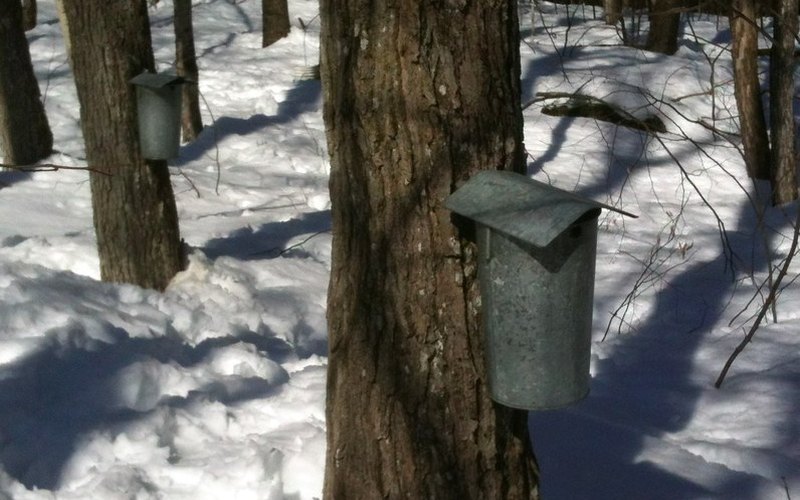
Tapping When to drill, how deep, and why the spout got smaller. My buckets, and the gravity tubing I’m running next season. Explore →
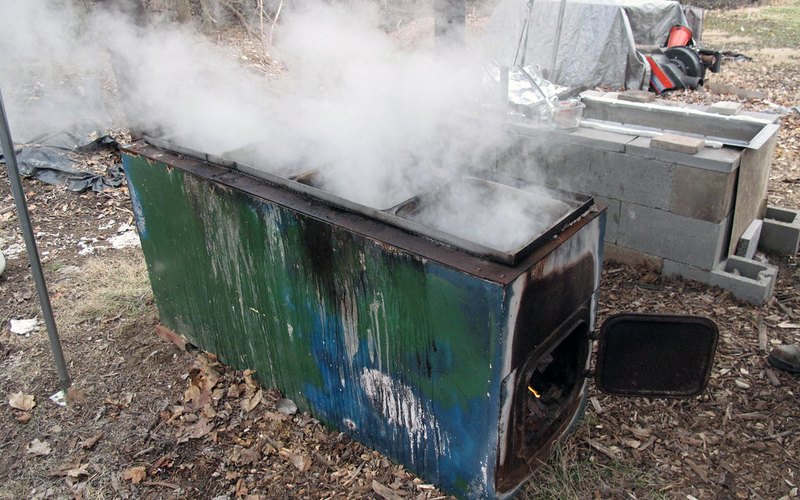
Equipment Evaporators from barrel arch to real rig, whether reverse osmosis earns its keep at my scale, filtering the niter out, and finishing to the number. Explore →
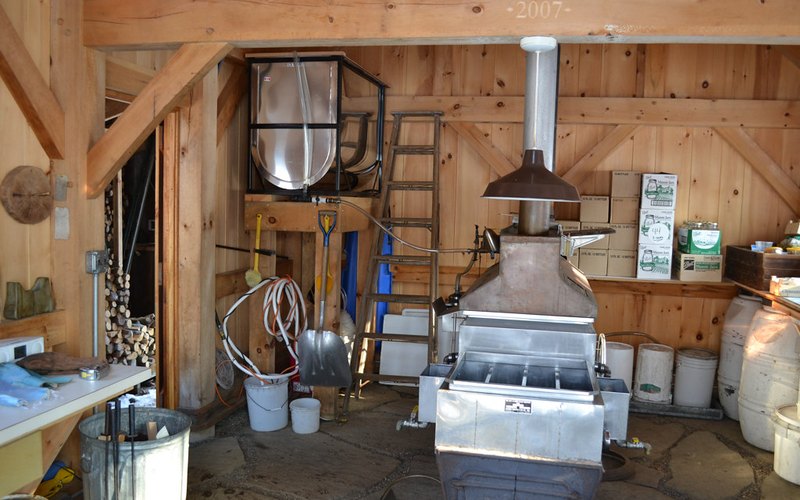
Finishing & Filtering The end of the boil, where syrup is made or ruined — 219°F and why the barometer matters, niter, filtering, and the density number the internet gets wrong. Explore →
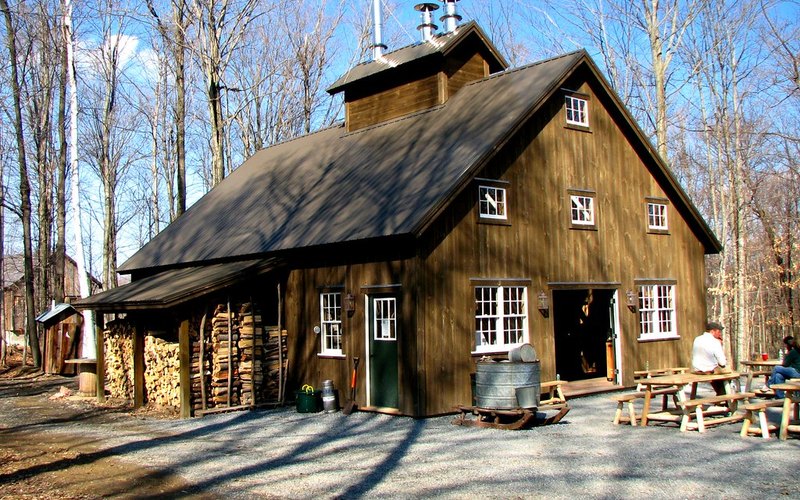
Building the Sugar Shack My plan and my honest budget for next season — the rig I'd buy, the footprint, and the cupola, because the whole building is really just a machine for getting steam out. Explore →
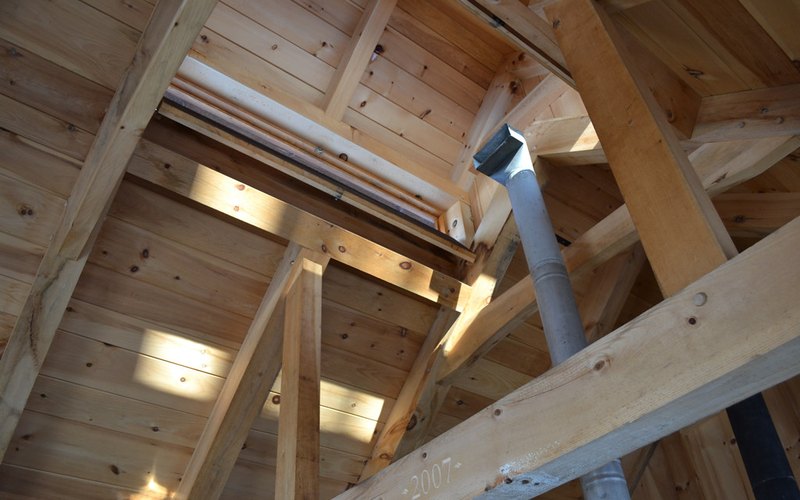
Permitting & Licensing Michigan exempts a sugarhouse from a building permit — unless it’s used in retail trade. I sell. That one clause redraws the floor plan, and it’s worth getting right before the concrete. Explore →
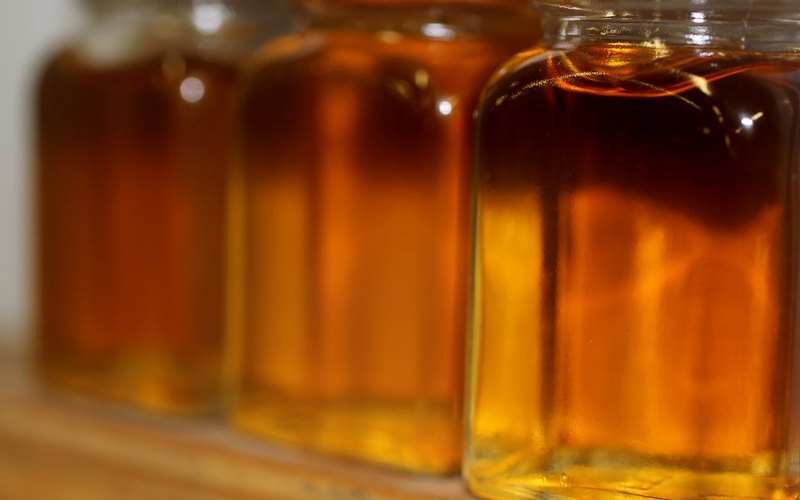
Tasting & Using It What the grades actually mean, why dark is not lesser, and everywhere it goes beyond pancakes — glazes, cocktails, sugar-on-snow, and the baking math. Explore →
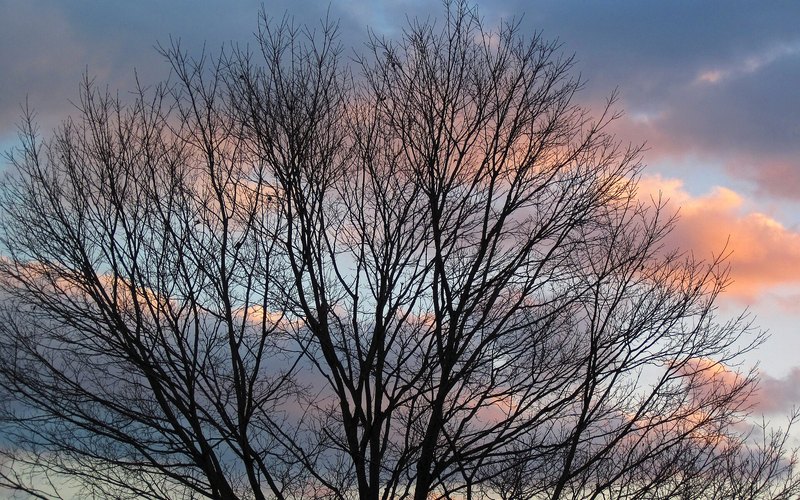
Maple The one I actually run. Sugar and red maple, the season I wait all year for, and why 40:1 is a promise and not a rule. Explore →
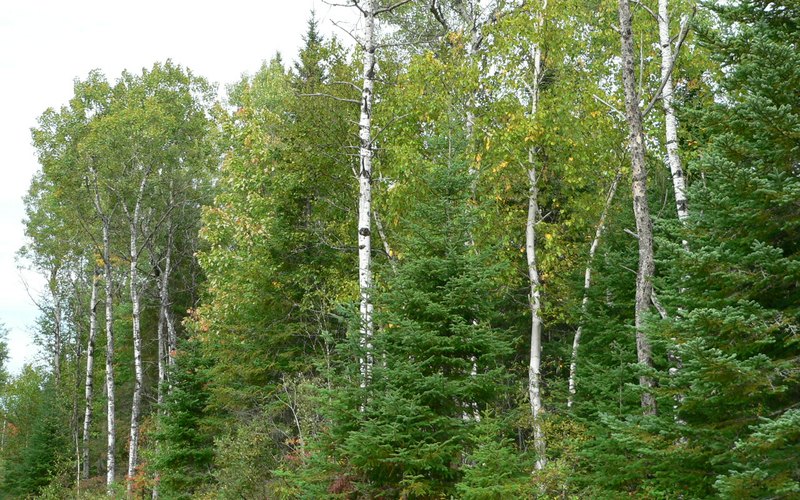
Birch Late, thin, and nothing like maple — a savory, almost balsamic syrup whose sugar isn't sucrose, which changes everything about how you boil it. Explore →
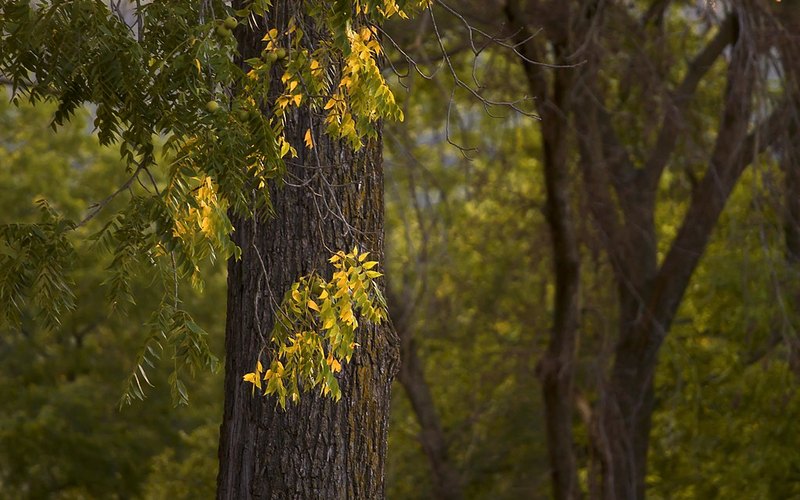
Black Walnut Maple’s season, maple’s ratio, and a butterscotch edge maple never has. The best argument for tapping something new. Explore →
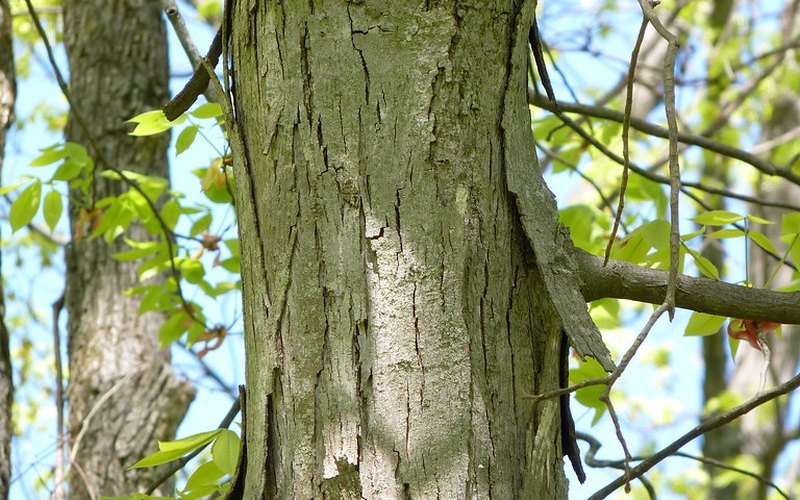
Hickory The odd one out, honestly labeled: hickory syrup is not sap at all. It’s toasted bark, and it earns its place anyway. Explore →
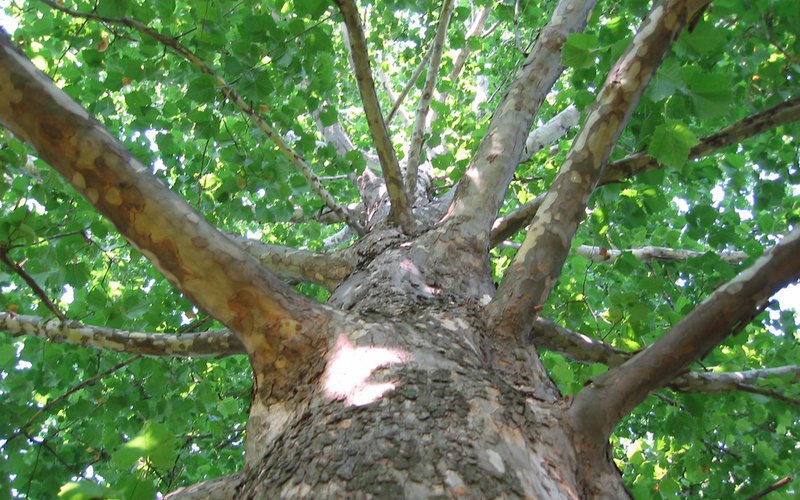
American Sycamore Thin sap, low sugar, a long boil, and a honey-butterscotch result that the yield numbers will never talk you into. Explore →
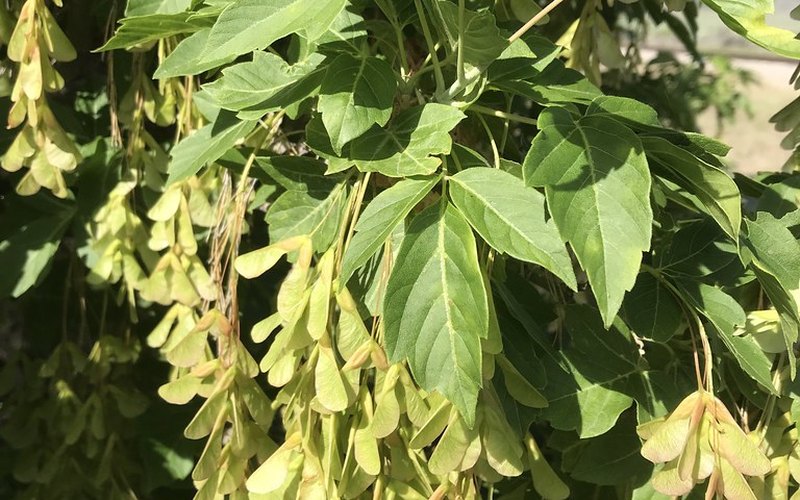
Boxelder A true maple wearing a weed's reputation — the prairie tree that made Manitoba syrup, growing in the ditch nobody thinks to tap. Explore →
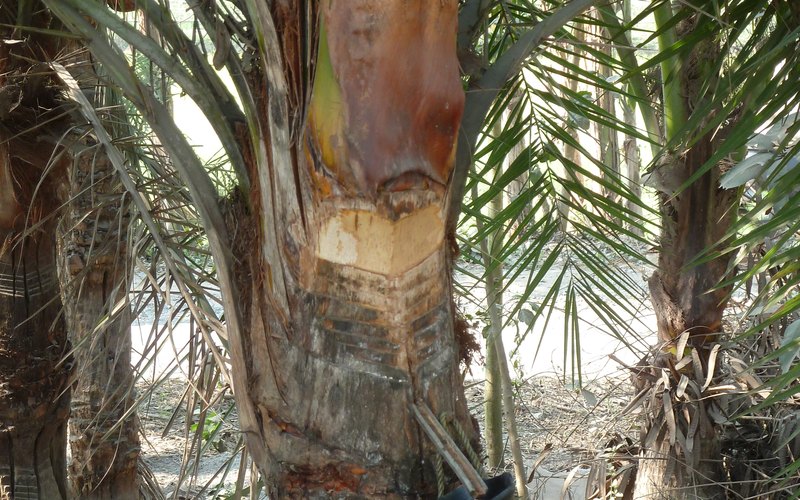
The Wider World Butternut, ironwood, Korean gorosoe drunk by the glass, and the palm sap that sweetens far more of the world than maple ever has. Explore →
Get new content
Occasional emails when something significant ships. No spam, unsubscribe anytime.