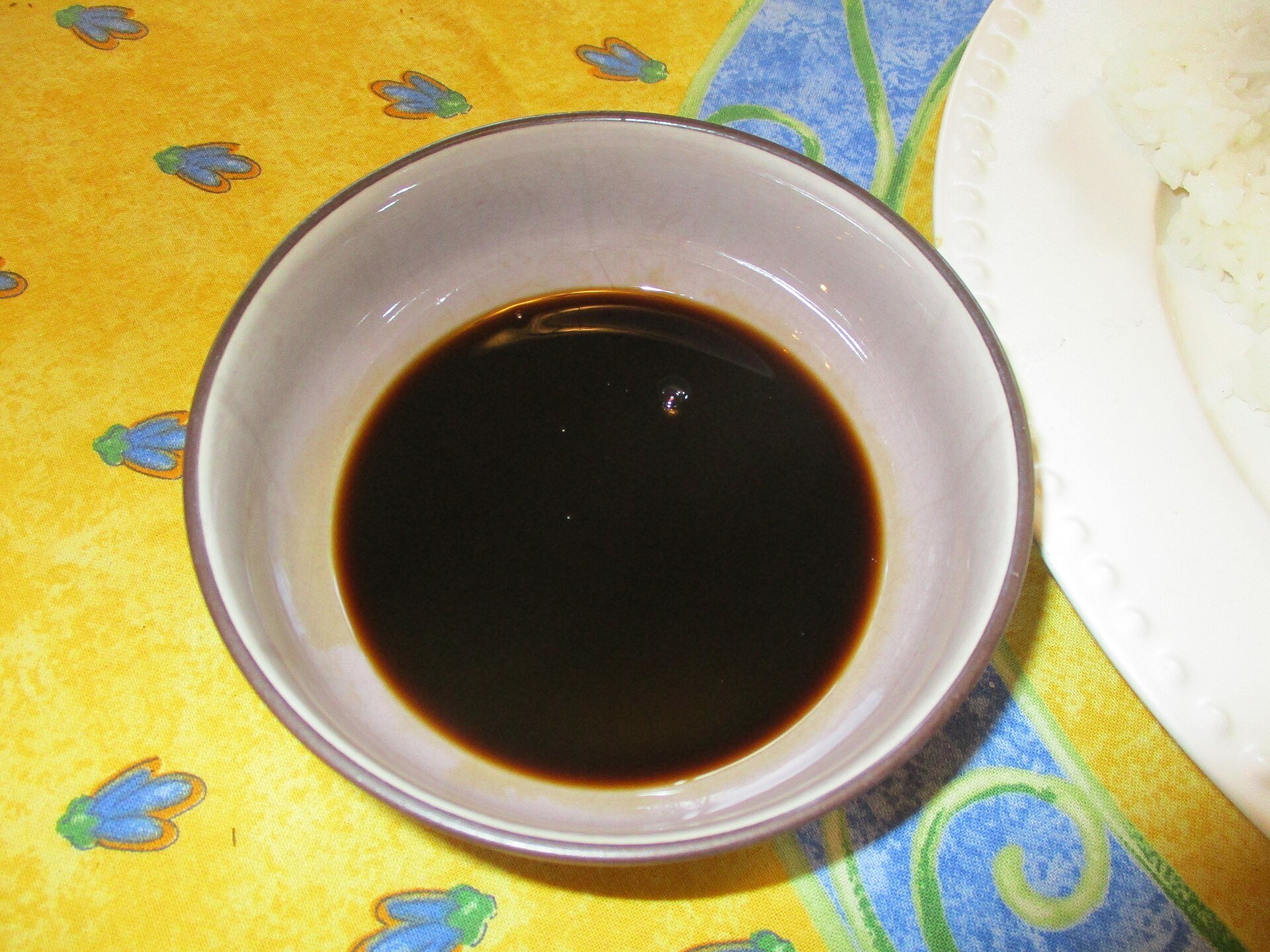
Recipes
← Food

Soy Sauce & Tamari

I have been doing this since the early eighties, when I made yogurt in half-pint jars inside a cardboard box with a light bulb in it, run by a PID controller. My first sauerkraut, in a one-gallon crock, did not turn out well — so I backed down to a half-gallon jar with an airlock in a rubber bung, and that worked, and I still use it. From there it went up: a German water-sealed Gärtopf, which I love, and then stoneware crocks at five, ten and finally thirty gallons, with wooden tops I cut myself. Thirty gallons of cabbage going sour in the basement perfumes the entire house through a closed door, and I consider that a feature. This is all of it — the history, what is actually happening in the crock, how to start small, and every ferment I have got my hands into.
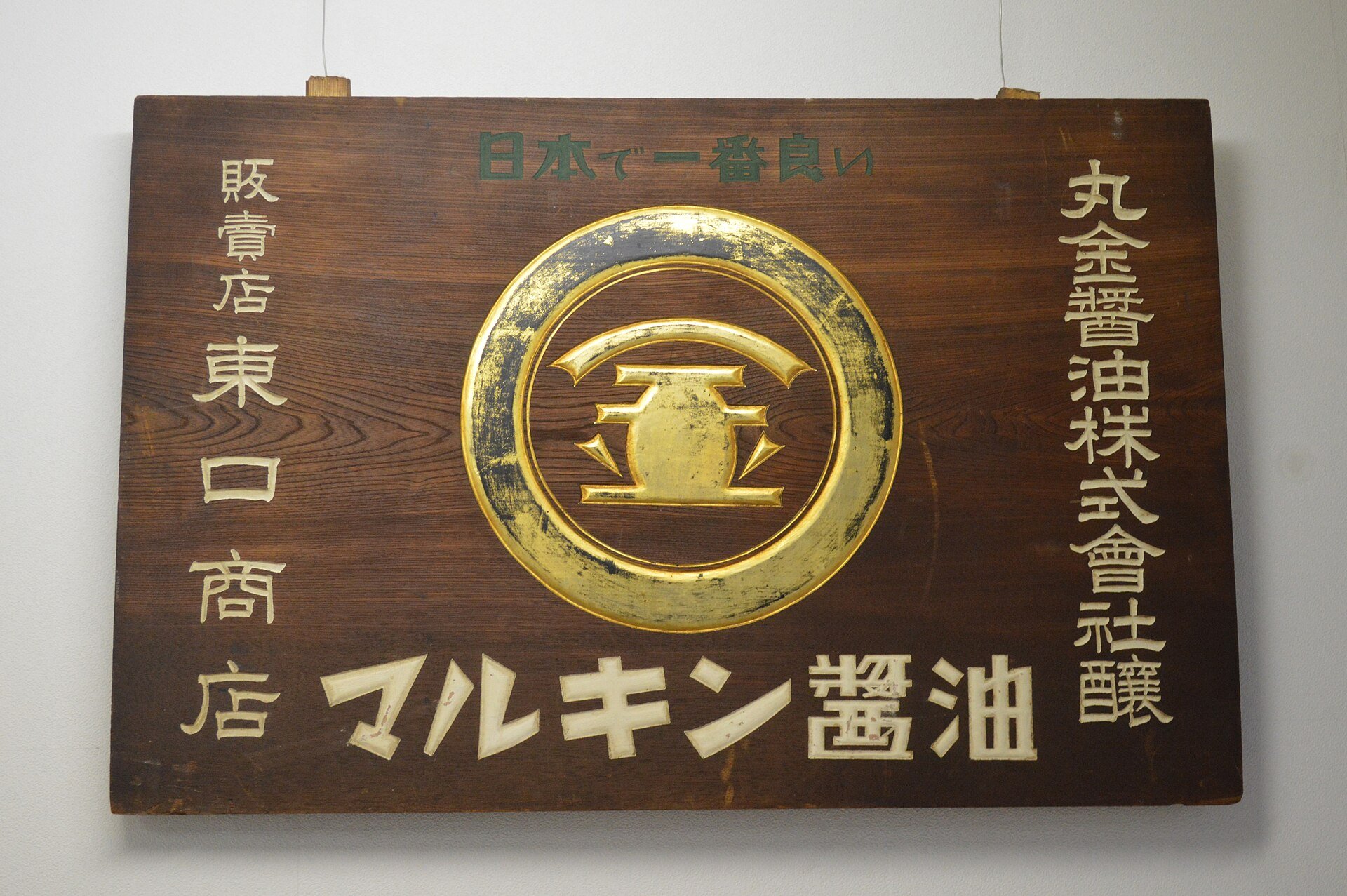
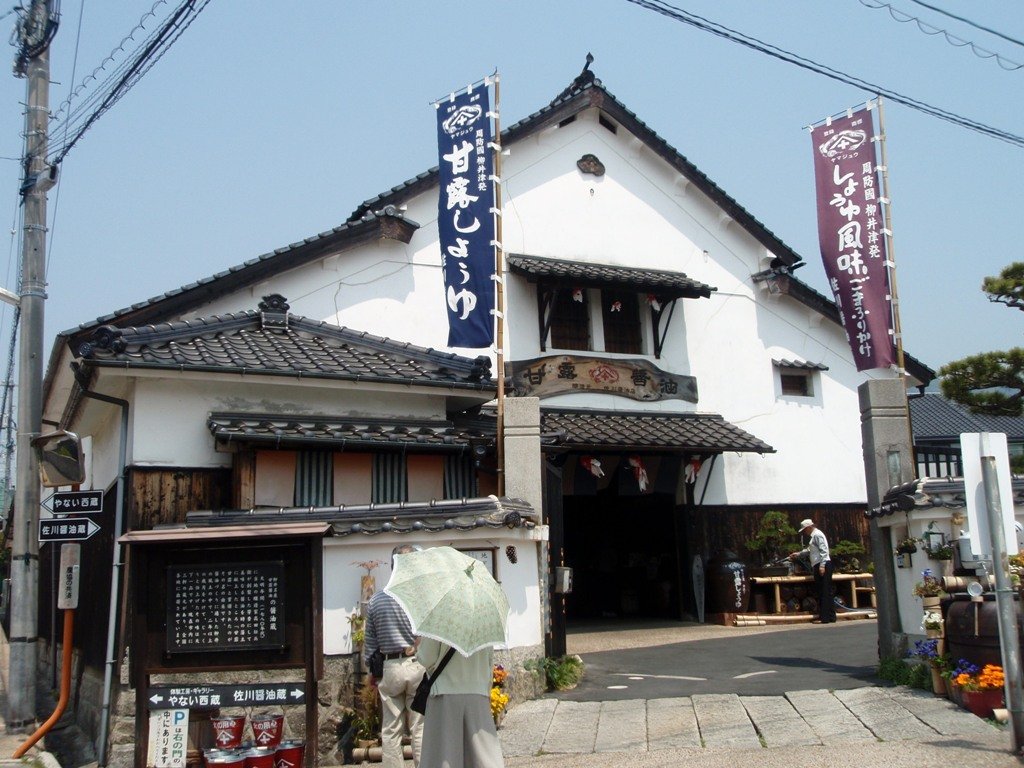
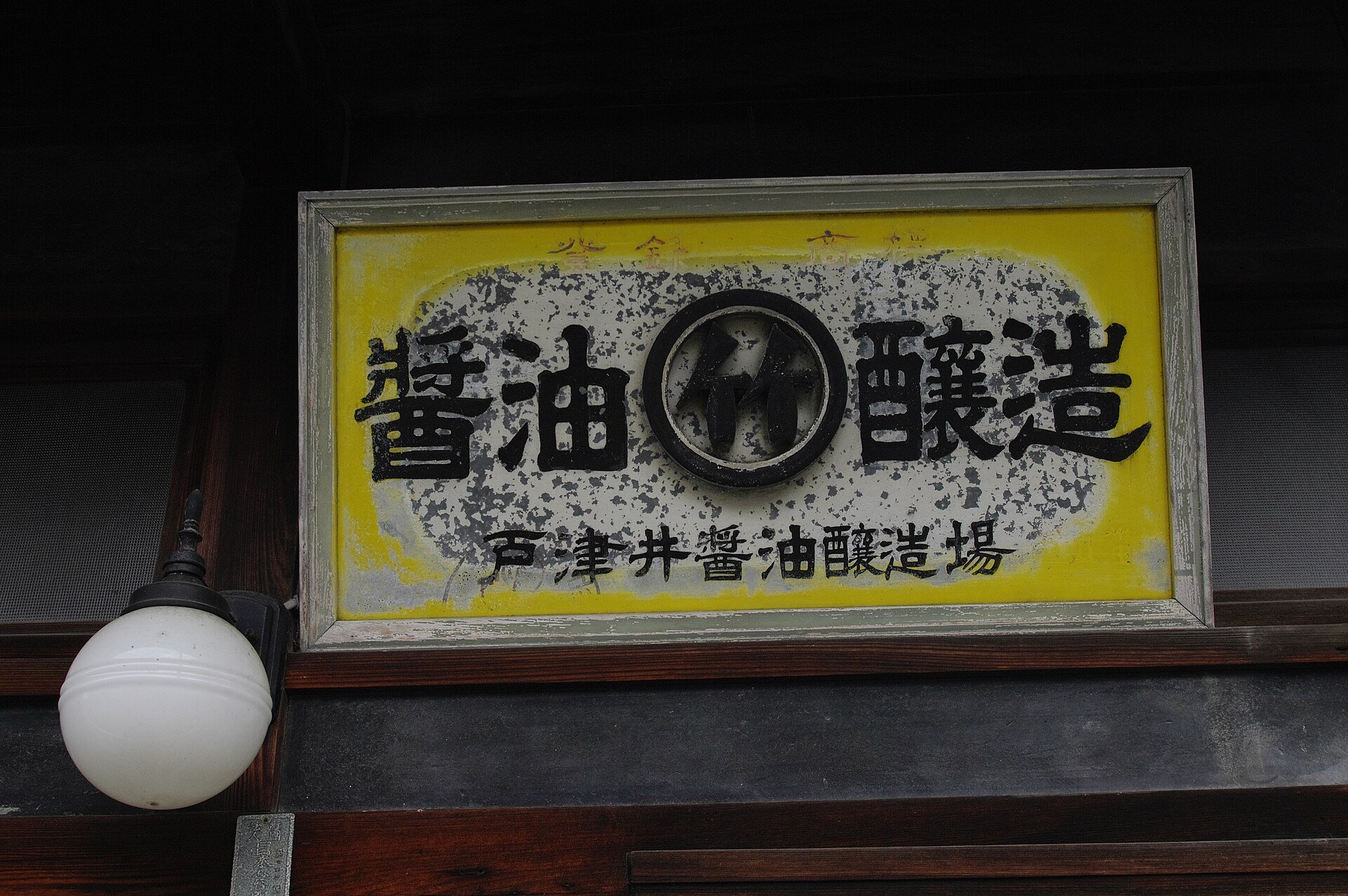
The Story: From Jiang to the Bottle on the Table
The Story: From Jiang to the Bottle on the Table The oldest condiment still in daily industrial production, and not a straight line from China to Japan to the supermarket. One idea — salt a protein, let moulds and bacteria take it apart, keep the liquid — reinvented four times, in four countries, from four different raw materials. Explore →
How It Is Made: Koji, Moromi, Press
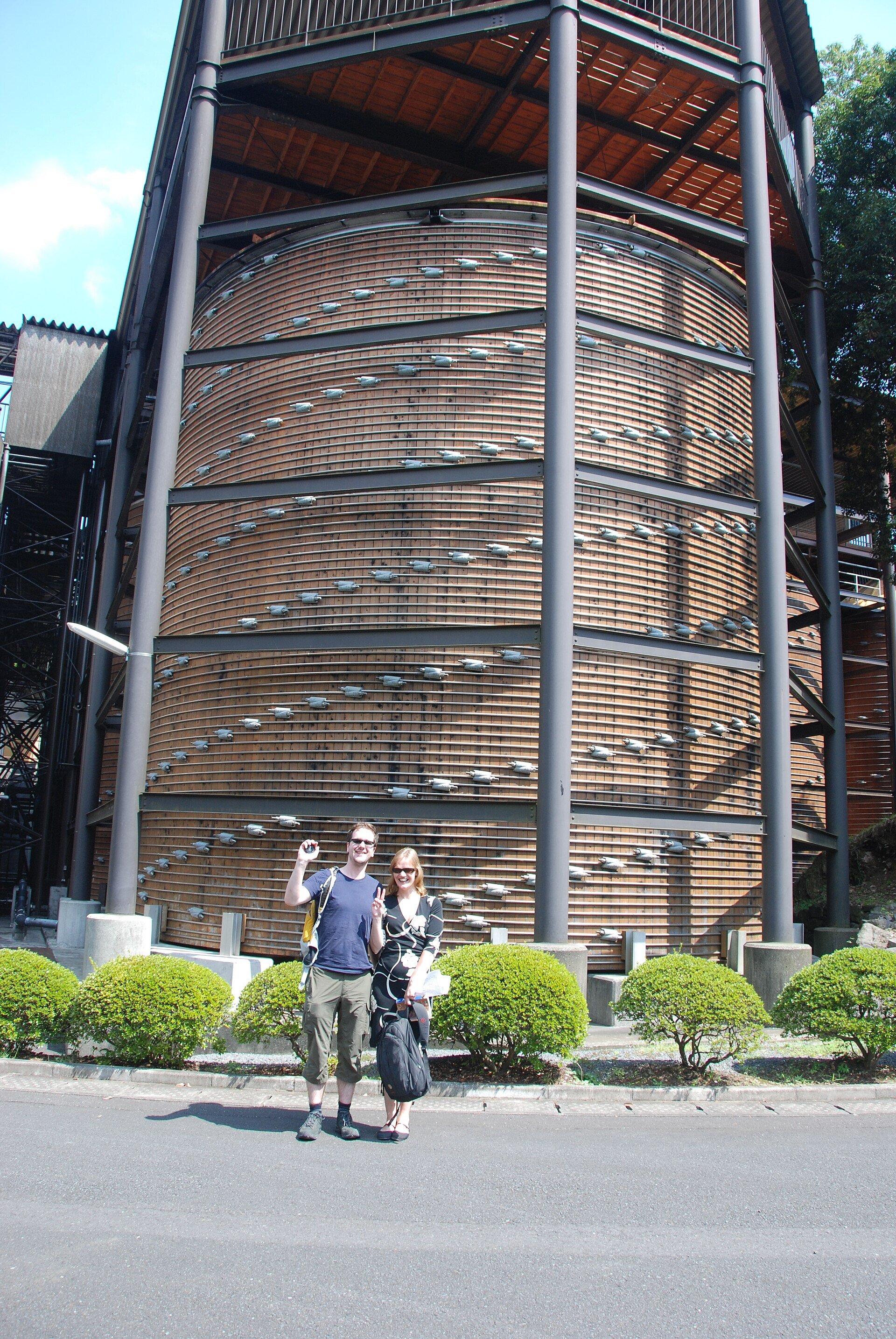
How It Is Made: Koji, Moromi, Press Brewed soy sauce happens in four movements, and the subject becomes legible once they are named: grow the mould, drown it in brine, wait, squeeze. Every type on the shelf is a variation on those four. Explore →
Tamari and Shoyu: The Distinction Almost Everything Gets Wrong
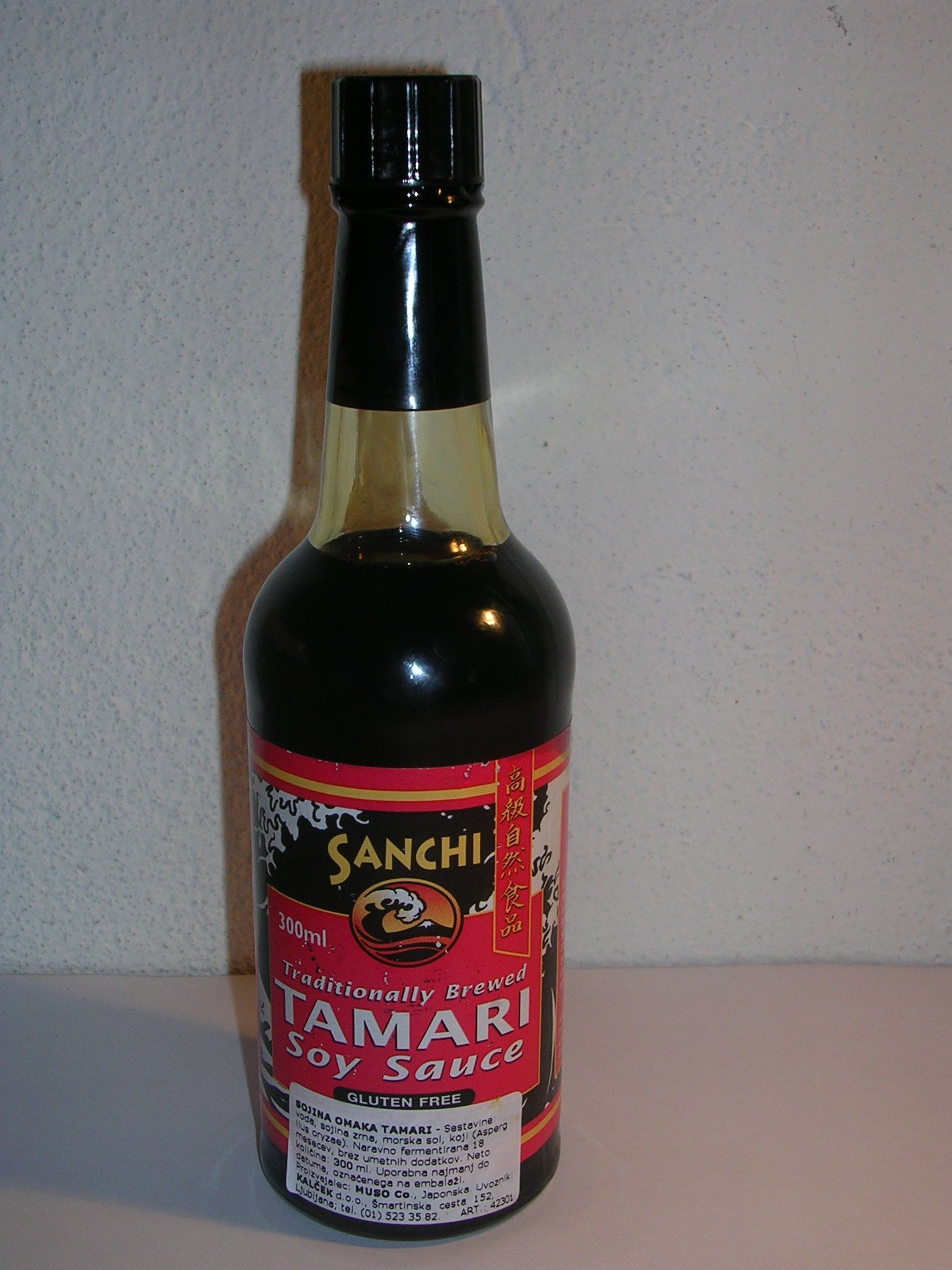
Tamari and Shoyu: The Distinction Almost Everything Gets Wrong Ask what tamari is and the answer comes back in four words: the gluten-free one. A 1603 Japanese–Portuguese dictionary gives Tamari and Xoyu separate headwords, tamari drawn from miso — two entries, two definitions, in one book. Explore →
The Japanese Types: Five Standards, and a Colour That Lies
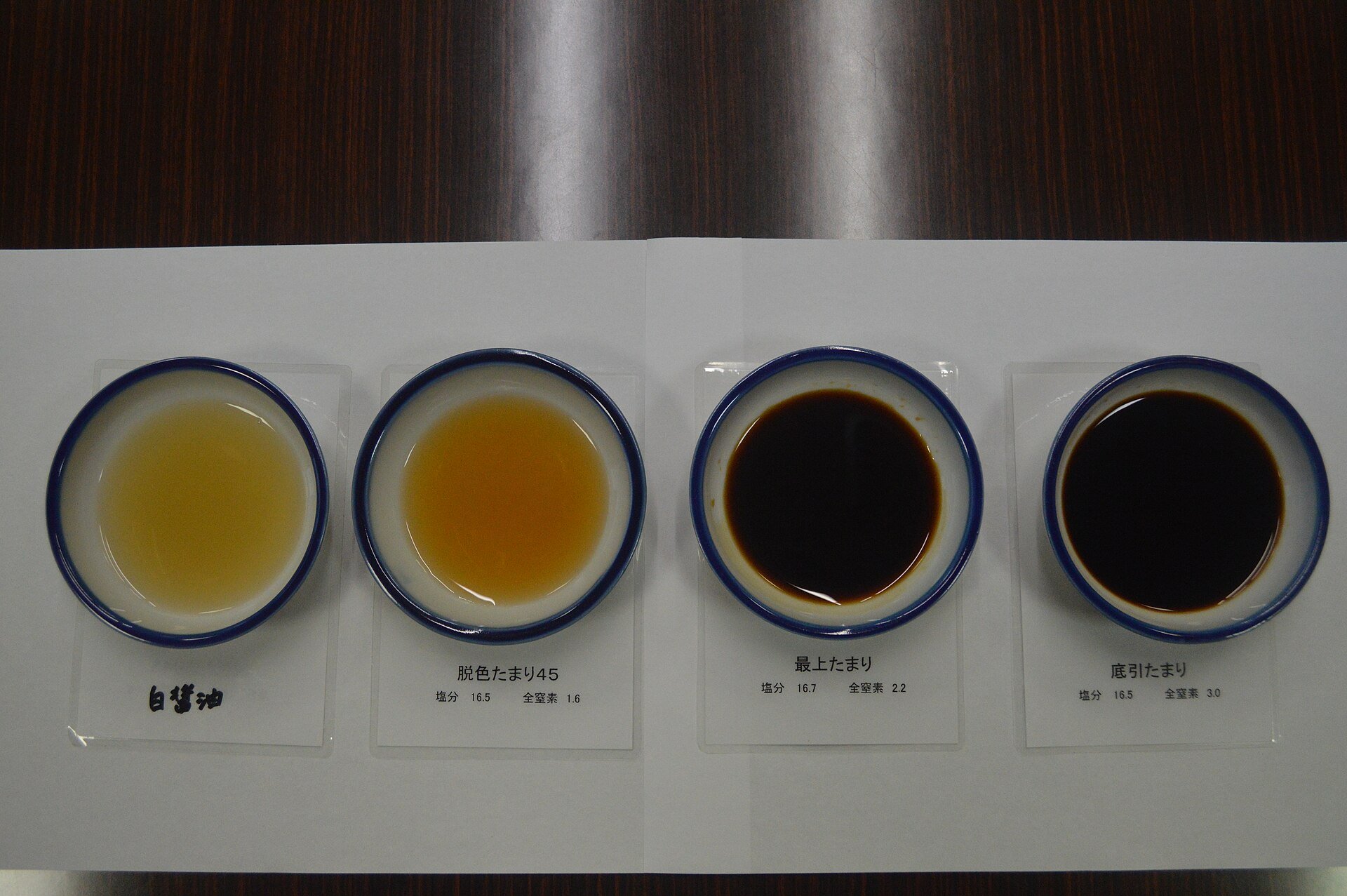
The Japanese Types: Five Standards, and a Colour That Lies Japan's JAS recognises five legal types, not marketing terms — and the colour runs backwards to the salt. The palest everyday sauce, usukuchi, is the saltiest of them. Explore →
Chinese Soy Sauces: A Different Tradition, Not a Variant
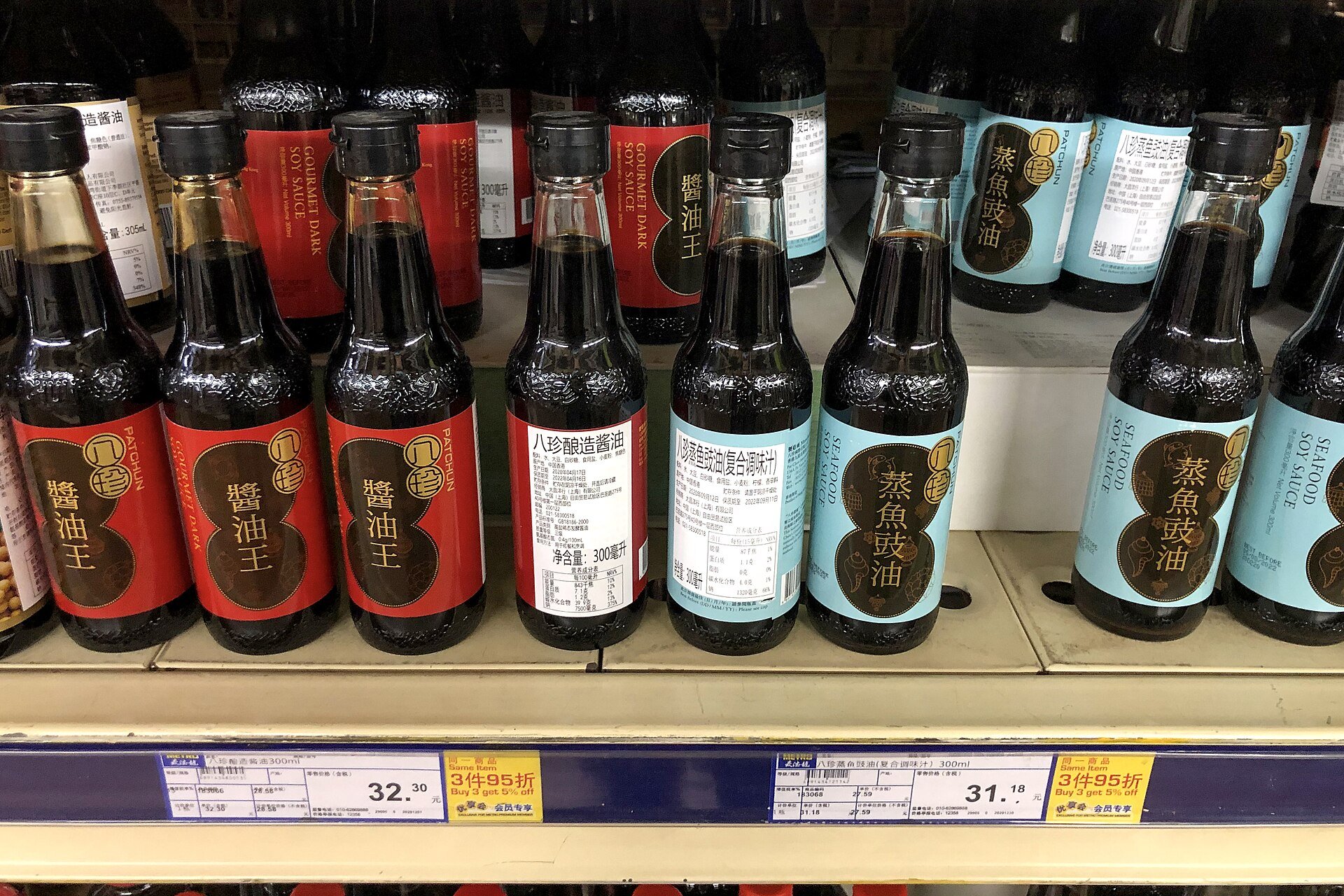
Chinese Soy Sauces: A Different Tradition, Not a Variant English writing treats Chinese soy sauce as a regional accent of the Japanese product; it is the other way round. Dark soy is also not simply aged light soy — one supermarket panel lists caramel colour fourth, and wheat flour after it. Explore →
Korean Ganjang: The Liquid and the Solid of the Same Jar
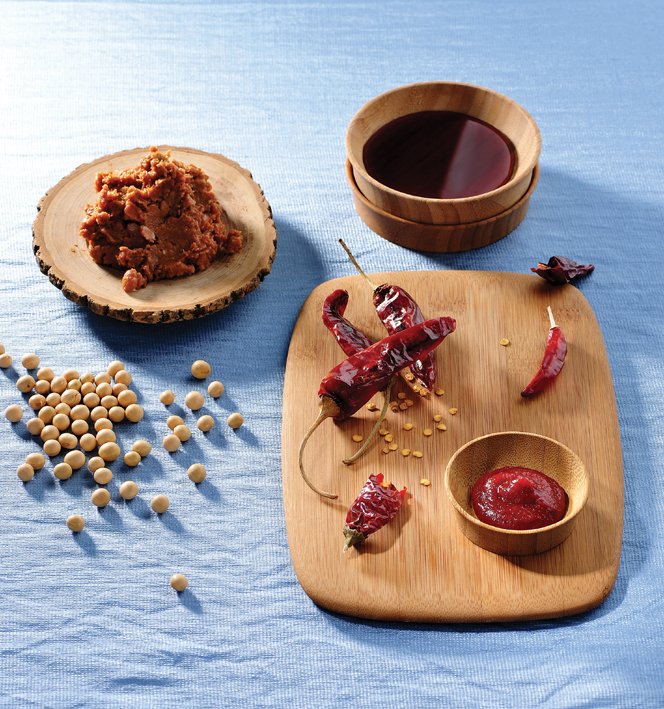
Korean Ganjang: The Liquid and the Solid of the Same Jar The most instructive of the three great traditions, because it never took the step the other two took. Ganjang and doenjang are the liquid and the solid of one jar, split at fifty to sixty days. Explore →
Brewed and Chemical: How to Read the Label
Brewed and Chemical: How to Read the Label Two entirely different ways to turn soybean protein into a savoury brown liquid, and only one involves fermentation. 3-MCPD is a contaminant of the acid process, not of soy sauce. Explore →
The Gluten Question
The Gluten Question Soy sauce is not gluten-free by default — it is mostly a wheat product, and koikuchi is about half wheat. Why a test that comes back clean still cannot earn the label on a fermented food. Explore →
Salt, Time, and What Aged Does and Does Not Mean
Salt, Time, and What Aged Does and Does Not Mean Two variables dominate: how much salt went into the mash, and how long it sat there. Aged is unregulated everywhere; nitrogen content is the honest proxy. Explore →
Beyond the Big Three
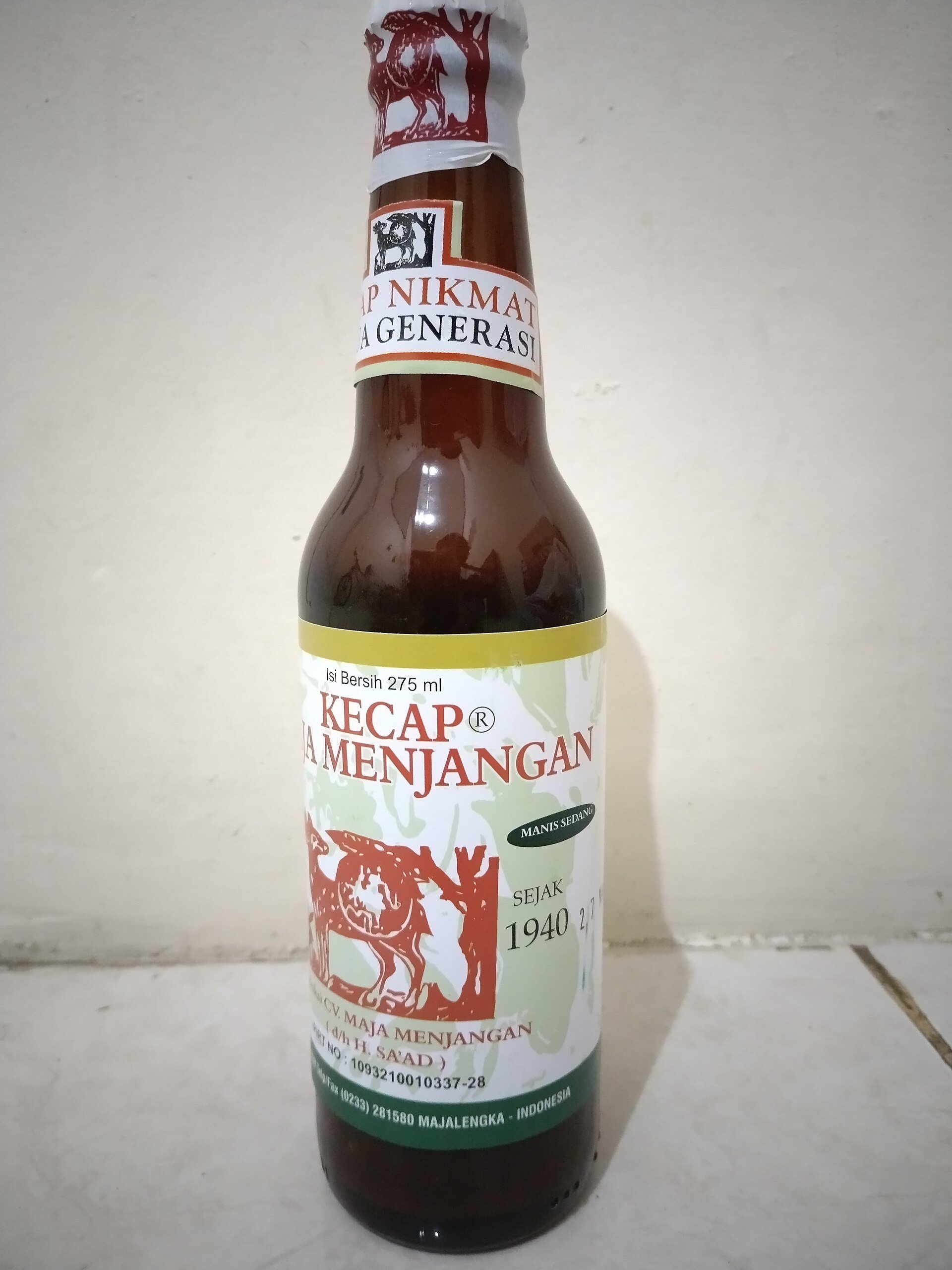
Beyond the Big Three Soy sauce travelled with Chinese migration across maritime Asia — kecap manis, kecap asin, toyo, si-ew — each shaped by what was local and what was taxed. Explore →
Buying, Storing and Using
Buying, Storing and Using Which bottles are worth owning, how to keep them once open, and when in the cooking each one should go in. Explore →
Corrections: What Almost Everyone Gets Wrong
Corrections: What Almost Everyone Gets Wrong This dive found more repeated errors than most. Each is collected with the evidence that overturns it, and an honest note on how confident that evidence makes it. Explore →

Get new content

Occasional emails when something significant ships. No spam, unsubscribe anytime.