Recipes
← Food

Marinated Eggs

Half the world takes a boiled egg, drops it in something dark and salty, and waits. Tea and soy in China, dashi and mirin in Japan, garlic and chili in Korea, tamarind in Thailand, caramel and coconut water in Vietnam, vinegar in a jar on a British bar. I've made tea eggs, ramen eggs and pickled eggs for years, and I started this expecting to write down some recipes. Instead I found out that my marinade has never once reached the yolk, that the ramen egg was invented in 1992 by a man who wanted the opposite of what you've seen on Instagram, that most of what I believed about rock sugar is pseudoscience — and that the slow diffusion which makes a ramen egg delicious is the exact same fact that makes a pickled egg dangerous. One physics, a dozen cuisines, and a body count of one.
Why Anyone Marinates an Egg
Why Anyone Marinates an Egg Preservation, not romance — and the structural insight nobody mentions: Yuan Mei’s 1792 tea egg sits on the preservation side and the modern one doesn’t. It changed category, not just seasoning. Explore →
The Science
The Science Your marinade moves about 3 mm overnight. The white is 5–10 mm thick. It never reaches the yolk — and the same slow diffusion that makes a ramen egg taste good is what makes a pickled egg dangerous. Explore →
Tea Eggs
Tea Eggs The 1792 original has no soy sauce, no spices, and doesn’t crack the shells — so the marbling has no documented birthday. Plus the 7-Eleven story that’s better than the stat everyone quotes. Explore →
Braised & Soy — and the Rock Sugar Question
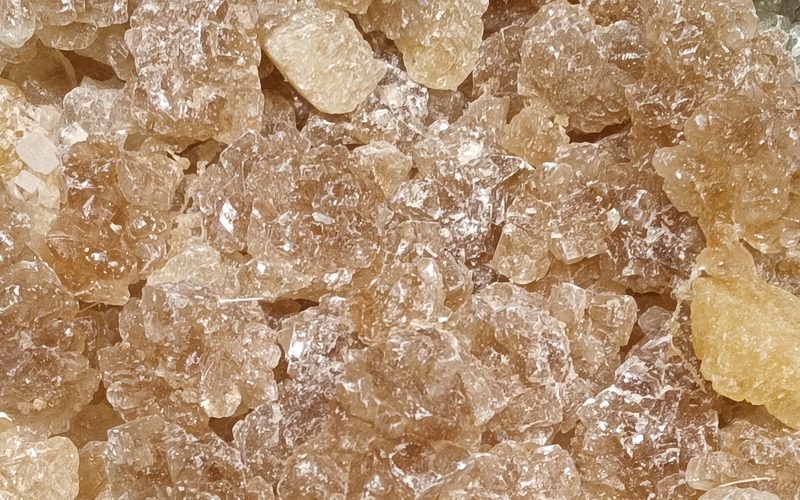
Braised & Soy — and the Rock Sugar Question The master stock, red braising, and me marking my own homework: most of what I believed about yellow rock sugar turns out to be 玄学 — pseudoscience. The tradition survives anyway. Here’s why. Explore →
Japan: Ramen Eggs & the Inverted Egg
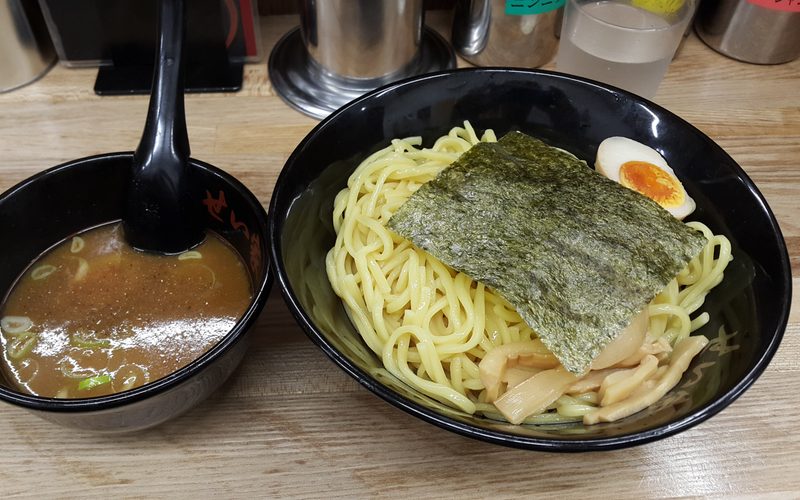
Japan: Ramen Eggs & the Inverted Egg The ramen egg was invented in 1992 by a named man — who wanted a yolk that would NOT run. The lava yolk is a 1996 drift that won because it photographed better. Plus onsen tamago, the egg that runs backwards. Explore →
Korea: Mayak Eggs & Jangjorim
Korea: Mayak Eggs & Jangjorim “Korea banned the word mayak” is false — I checked the statute; it recommends. And the real Japan/Korea difference is mechanical, not spiritual: Japan strains the marinade, Korea serves it. Explore →
Century Eggs & Salted Duck Eggs
Century Eggs & Salted Duck Eggs An egg cooked by pH instead of heat. The pine-flower crystals aren’t amino acids, the lead story is a food-safety success rather than a scandal, and I’ve eaten them and I’m still not a fan. Explore →
Pickled Eggs
Pickled Eggs The pub egg is German before it’s British. A pub called the Pickled Egg existed before 1774. And the beet eggs I make are, ingredient for ingredient, what put a man on a ventilator in 1997. Explore →
Around the World
Around the World The Thai son-in-law egg’s famous castration story is absent from Thai sources entirely — they tell a better one that the recipe itself corroborates. Plus Vietnam, the Philippines, and Indonesia’s underreported telur pindang. Explore →
Keeping Them
Keeping Them The one page here that isn’t just interesting. The CDC report on home-pickled eggs says the brine was pH 3.5 — perfectly acidic. The acid was never the problem. The toothpicks were. Explore →
My Marinated Egg Recipes
My Marinated Egg Recipes Every recipe from this section — tea eggs, master stock, red-braised, ramen, onsen, mayak, jangjorim, salted duck, son-in-law, trứng kho, adobo, telur pindang, cured yolks and red beet eggs. Explore →

Get new content

Occasional emails when something significant ships. No spam, unsubscribe anytime.