Recipes
← Food

The Irish Breakfast

I've eaten a proper Irish breakfast several times in Galway, and it was genuinely one of the best meals I've had anywhere — rashers that were nothing like American bacon, two kinds of pudding, and bread cooked on a griddle in the fat. So I went looking for its history expecting something ancient, and found something stranger: the pig is nine thousand years old, but the plate was invented by B&B owners in the 1960s and sold to tourists like me as heritage. This is the whole thing — where it really came from, every component and how to make it from scratch (I cure the bacon, grind the sausage and make both puddings myself), what the Ulster fry does differently, where you actually eat one, and how to get it all onto a plate at the same time.
The History of the Full Irish
The History of the Full Irish The pig is ancient; the breakfast is not. Nine thousand years of Irish pork, a rent economy that ate potatoes, an export empire run out of Limerick — and a tradition invented by B&B owners in the 1960s. Explore →
What's Actually On It
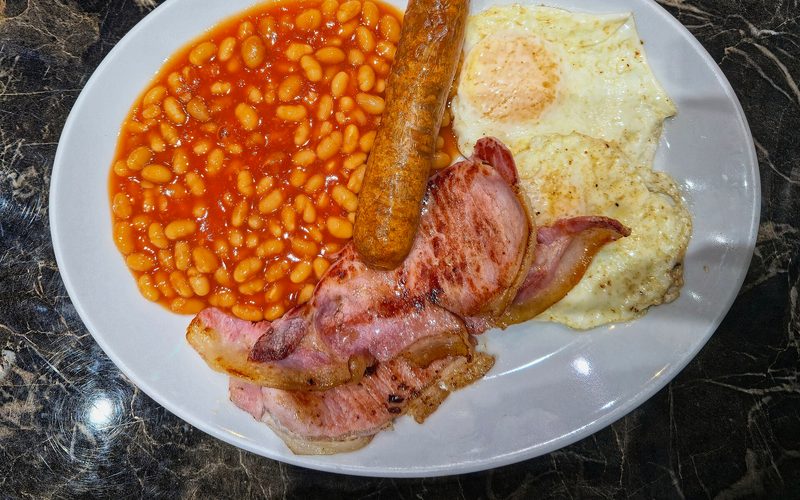
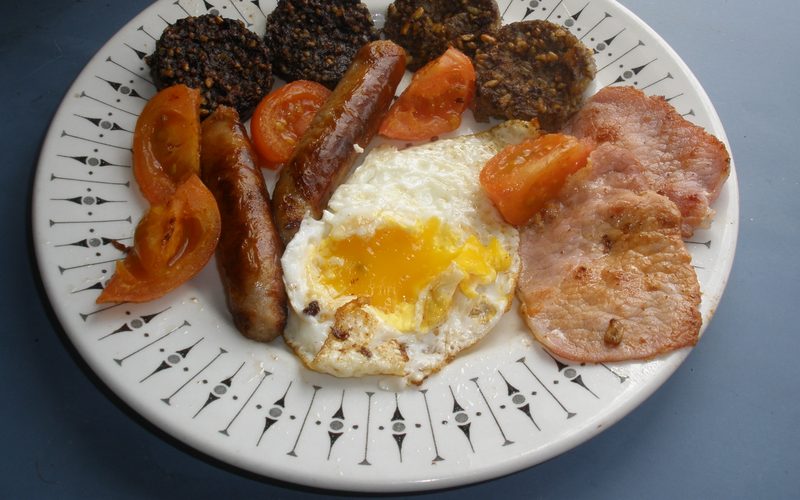
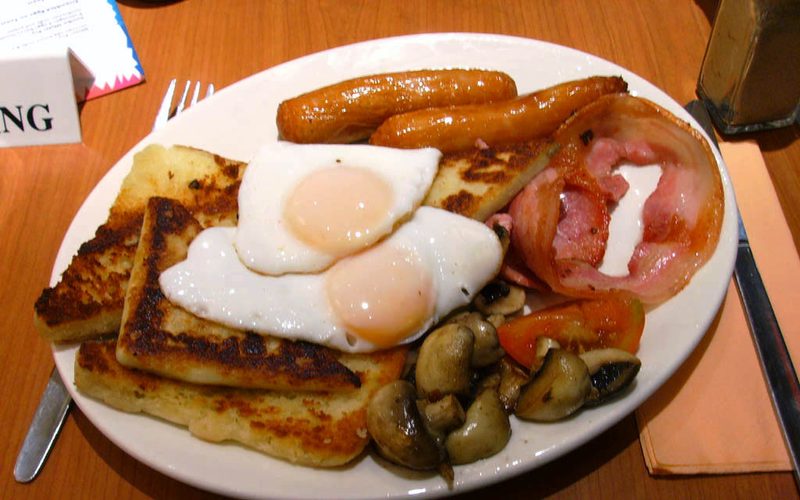
What's Actually On It The anatomy of the plate, component by component — what belongs, what crept on via an advertising campaign, and what the tourist menus added. An honest inventory. Explore →
Rashers & Bacon
Rashers & Bacon The single biggest thing Americans get wrong: a rasher is BACK bacon, not streaky belly. I've cured both cuts, wet and dry — here's the difference and how to make the real thing. Explore →
The Sausage
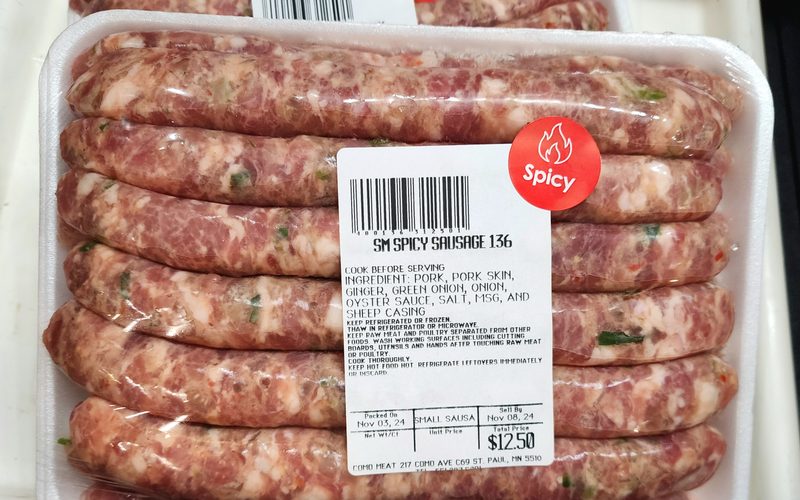
The Sausage Why an Irish banger is pale, soft and herby rather than coarse and sage-forward — rusk, water, and the seasoning. Plus why they're called bangers, and whether that story is even true. Explore →
Black Pudding
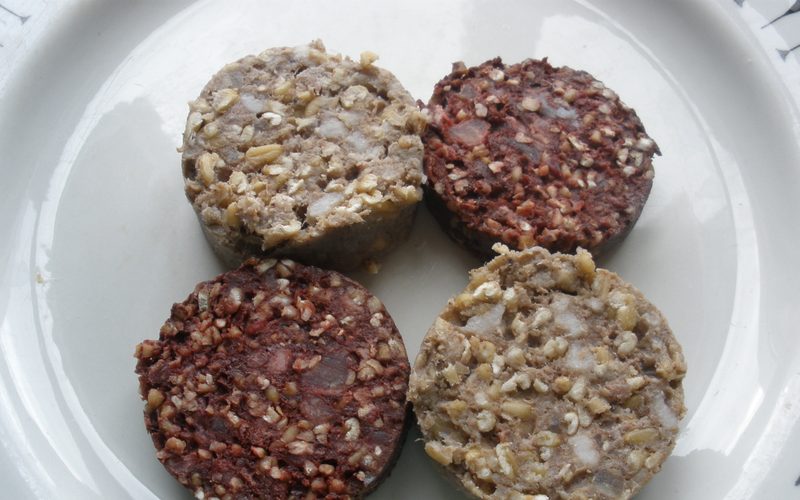
Black Pudding Blood, pinhead oats and fat — and the Irish-vs-British distinction most sources fumble. I've made it with frozen blood from a market near campus; here's the real way and the loaf-pan way. Explore →
White Pudding
White Pudding It is not 'black pudding without the blood' — that lazy line hides what's actually going on. What replaces the blood, how it differs, and why it might be the better of the two. Explore →
Soda Bread & Brown Bread
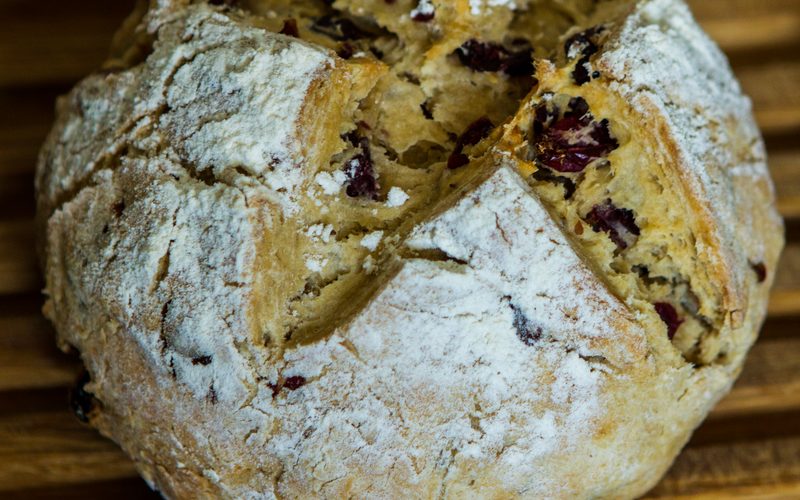
Soda Bread & Brown Bread Bicarb, buttermilk and soft Irish wheat — the chemistry that gave a country without ovens its daily loaf. Plus the correction: raisins and sugar make it Irish-American, not Irish. Explore →
Farls, Fadge & Boxty
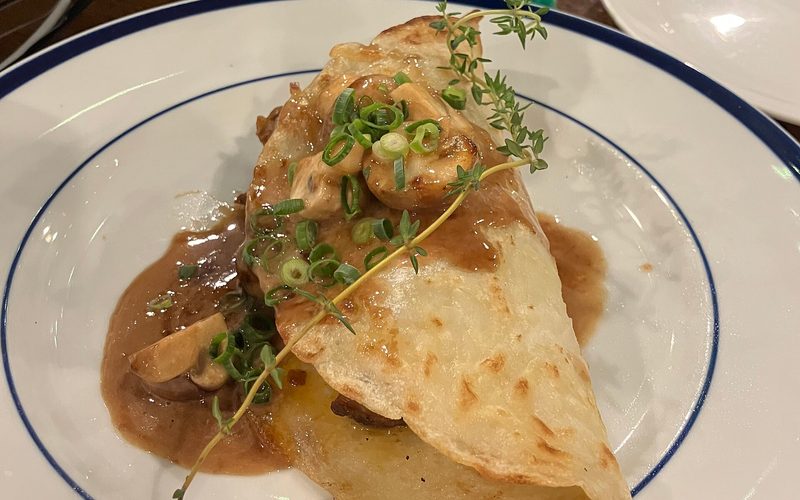
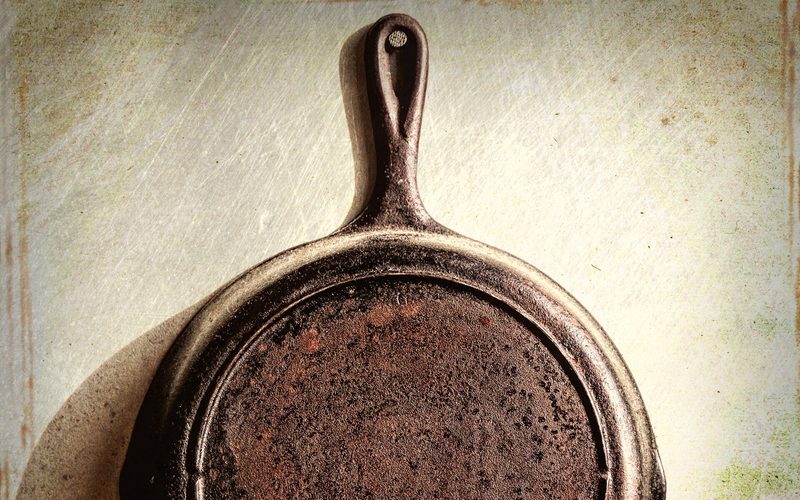
Farls, Fadge & Boxty The griddle breads — soda farl, potato farl, and boxty. These are the Ulster fry's whole identity, cooked in the fat in the pan, and they're the best thing on the plate. Explore →
Eggs, Tomato, Mushrooms & the Beans Question
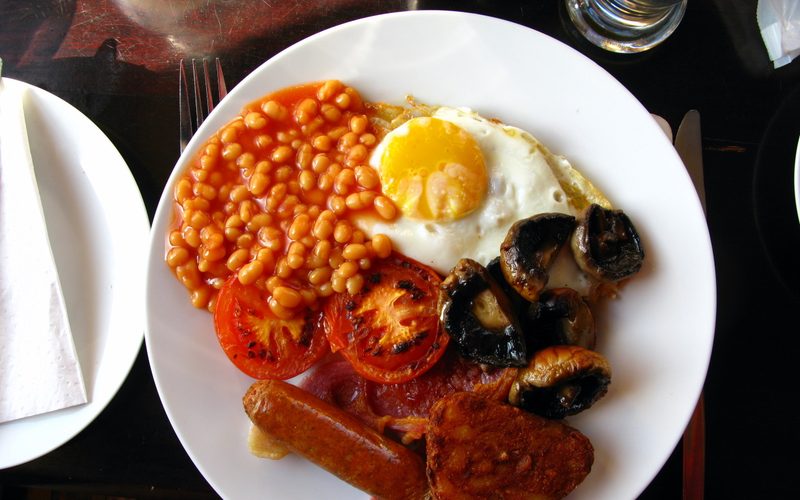
Eggs, Tomato, Mushrooms & the Beans Question The supporting cast, and an honest reckoning with the two most-argued items on the plate: baked beans (an American product placed there by a 1927 ad campaign) and hash browns. Explore →
The Ulster Fry & the Neighbours
The Ulster Fry & the Neighbours What Northern Ireland does differently, and an honest comparison to the full English, Scottish and Welsh — what's genuinely different versus what the internet just claims is. Explore →
Where You Eat It
Where You Eat It The B&B dining room, the hotel buffet, the Galway café where I ate mine — and the deli-counter breakfast roll, the most underrated chapter in modern Irish food. Explore →
Irish Breakfast Tea
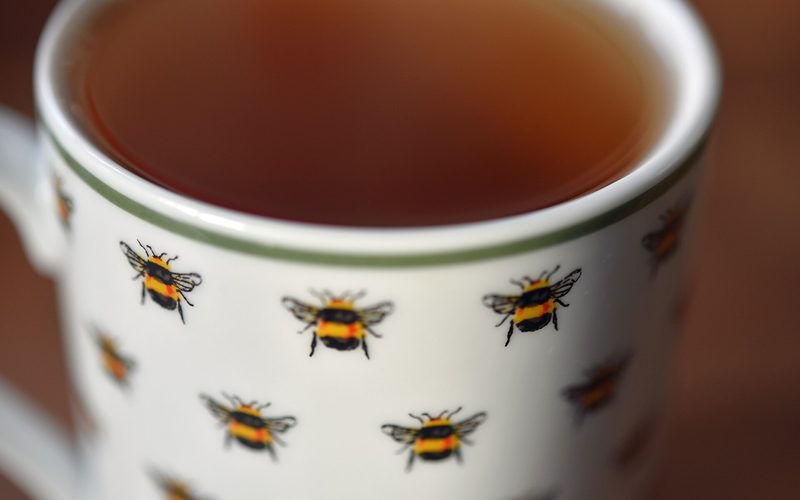
Irish Breakfast Tea What actually makes a blend 'Irish breakfast' (hint: Assam), the Barry's-versus-Lyons war, and how the Irish really brew it — strong enough to trot a mouse across. Explore →
Cooking the Whole Thing
Cooking the Whole Thing The part nobody writes down: sequencing. How to get nine components hot, correct and on one plate at the same moment, in one or two pans, without losing your mind. Explore →
My Irish Breakfast Recipes
My Irish Breakfast Recipes Every recipe from this section in the collection — the puddings, the bangers, the cure, the soda bread, the farls and the boxty. Explore →

Get new content

Occasional emails when something significant ships. No spam, unsubscribe anytime.