The Spice Cabinet
There is no such thing as “curry spice.” There is a working set of about fifteen things, and once you know what each one does, every blend on the rest of this site stops being a list and starts being a set of decisions.
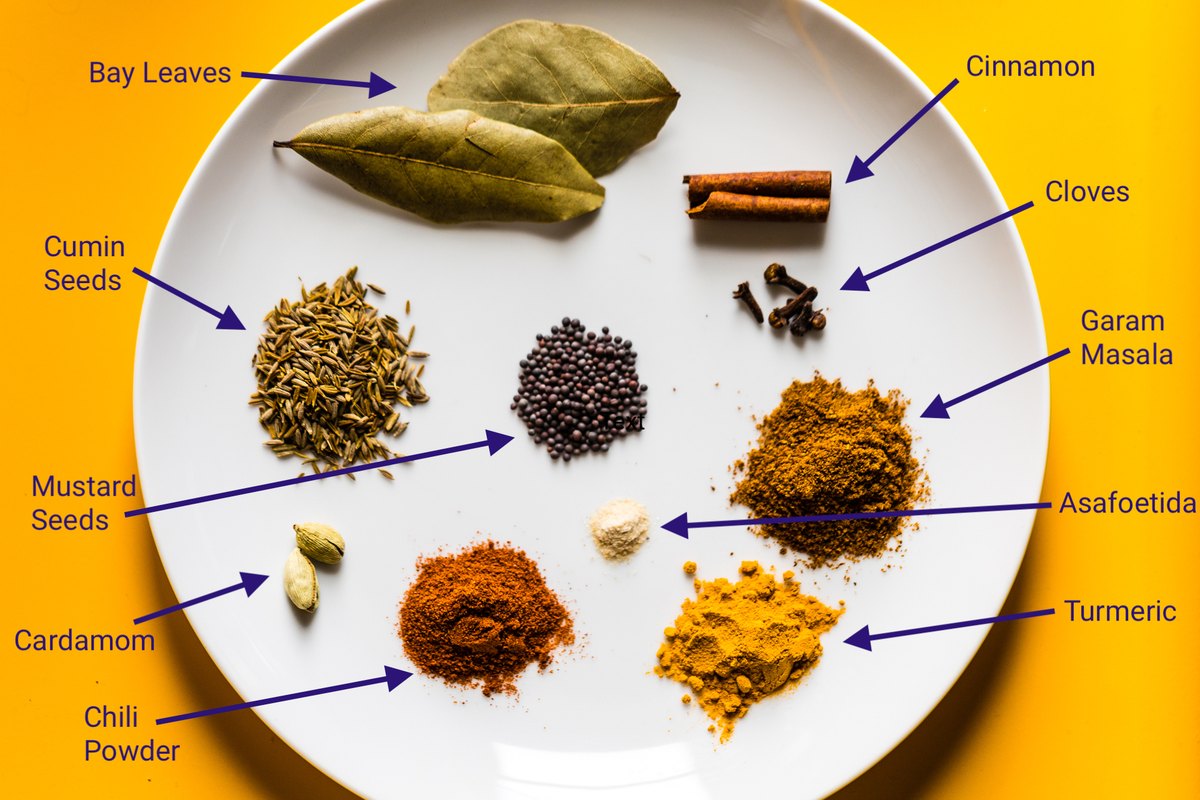
The structural four
These are the ones that build the body of the flavour. Cut them and the dish collapses.
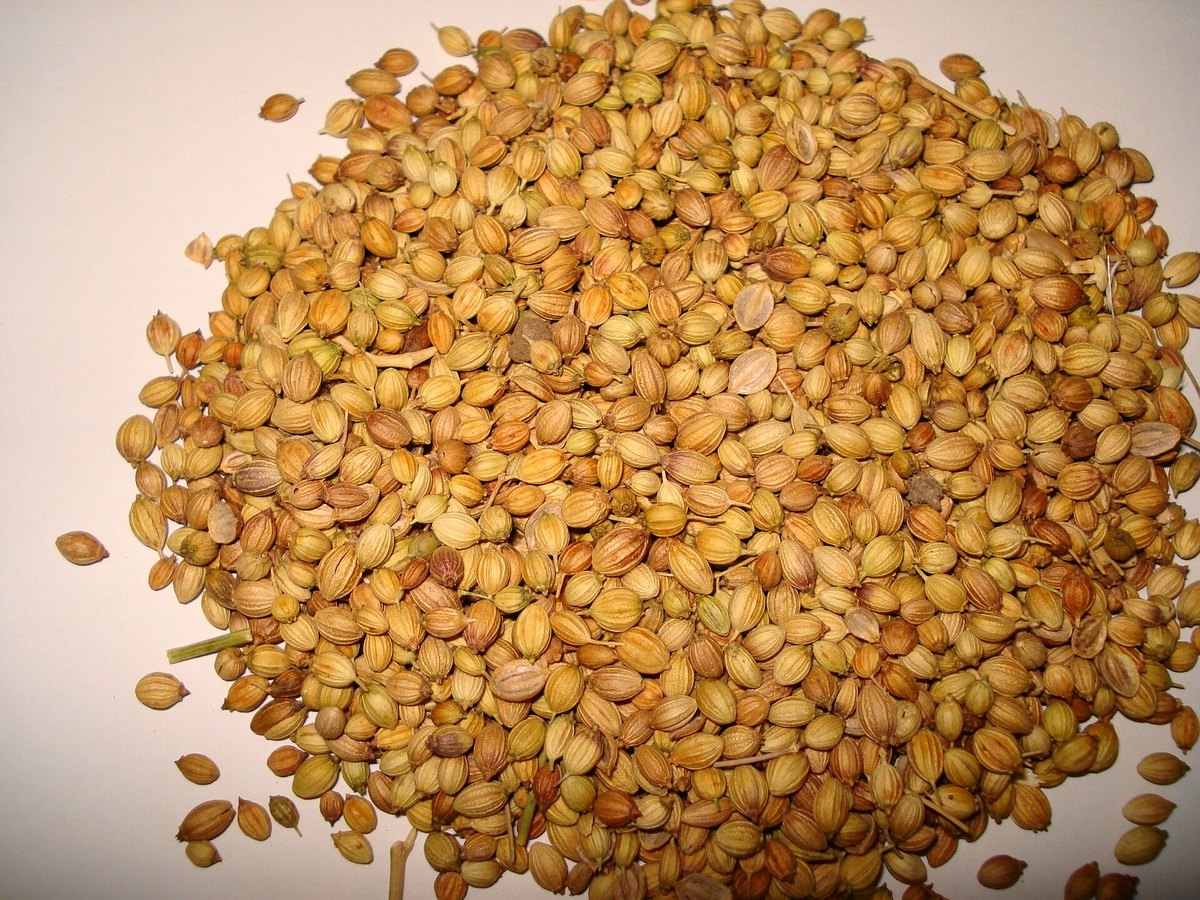
Coriander seed. The bulk spice in most South Asian blends and, in my opinion, the most under-explained. It is mildly citrusy and slightly sweet, but its real job is volume and body — ground coriander is the flour of a masala, the thing that gives a sauce texture and stops the sharper spices from being naked. When a blend calls for two tablespoons of one thing and a teaspoon of six others, the two tablespoons are usually coriander.
Cumin. The savoury, sweaty, unmistakably “curry-smelling” one. Toast it and it goes nutty; don’t and it stays raw and slightly soapy. Most of what a Westerner identifies as the smell of curry is cumin plus fenugreek.
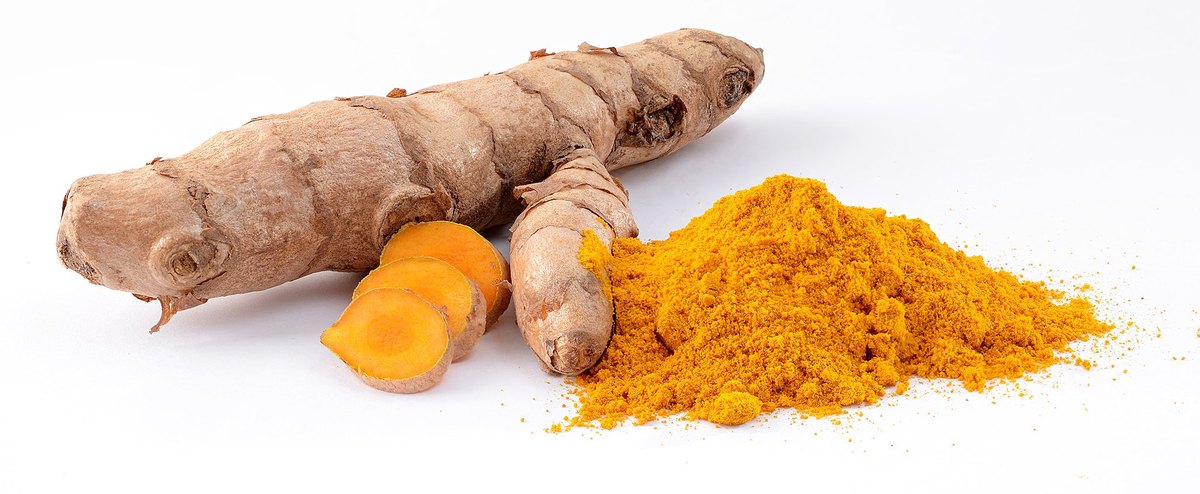
Turmeric. Colour first, flavour second, and the flavour is earthy and faintly bitter, not much else. Turmeric is where the yellow comes from and it is why an over-turmericked dish tastes dusty. Use it for what it is: a pigment with a mild personality. See the science page for why it needs fat.
Fenugreek (methi). The secret ingredient in the “why does mine not taste like the restaurant” question. Fenugreek seed is bitter and maple-scented; fenugreek leaf (kasuri methi, crumbled in at the end) is the specific aroma of a British-Indian restaurant curry, and almost nobody puts it in at home. It is also very easy to overdo — bitterness is the failure mode.
The warm/sweet group
These lean toward the dessert cupboard, and they are the ones that separate a garam masala from a curry powder.
- Cardamom — green for perfume and citrus, black for smoke. Black cardamom is not a substitute for green and using it as one will make a dish taste like a campfire.
- Cinnamon and cassia — most of what is sold as cinnamon in North America is cassia, which is bolder and blunter. True Ceylon cinnamon is delicate and is the correct one for Sri Lankan cooking.
- Clove — extremely dominant; two too many will take over a pot.
- Star anise — the Chinese and Vietnamese connection, and a major player in massaman.
- Nutmeg and mace — mace is the lacy aril around the nutmeg seed, more floral, less sweet.
The southern/tempering group
This is the set that shows up in South Indian and Sri Lankan cooking and is largely absent from the northern blends — which is exactly why “curry powder” as a single product fails.
Mustard seed. Black or brown, and they are used in a specific way: dropped into hot fat until they pop. That popping is the technique called tarka, tadka or chhonk — spices bloomed in fat and poured over the finished dish. It is not a garnish; it is a second seasoning event.
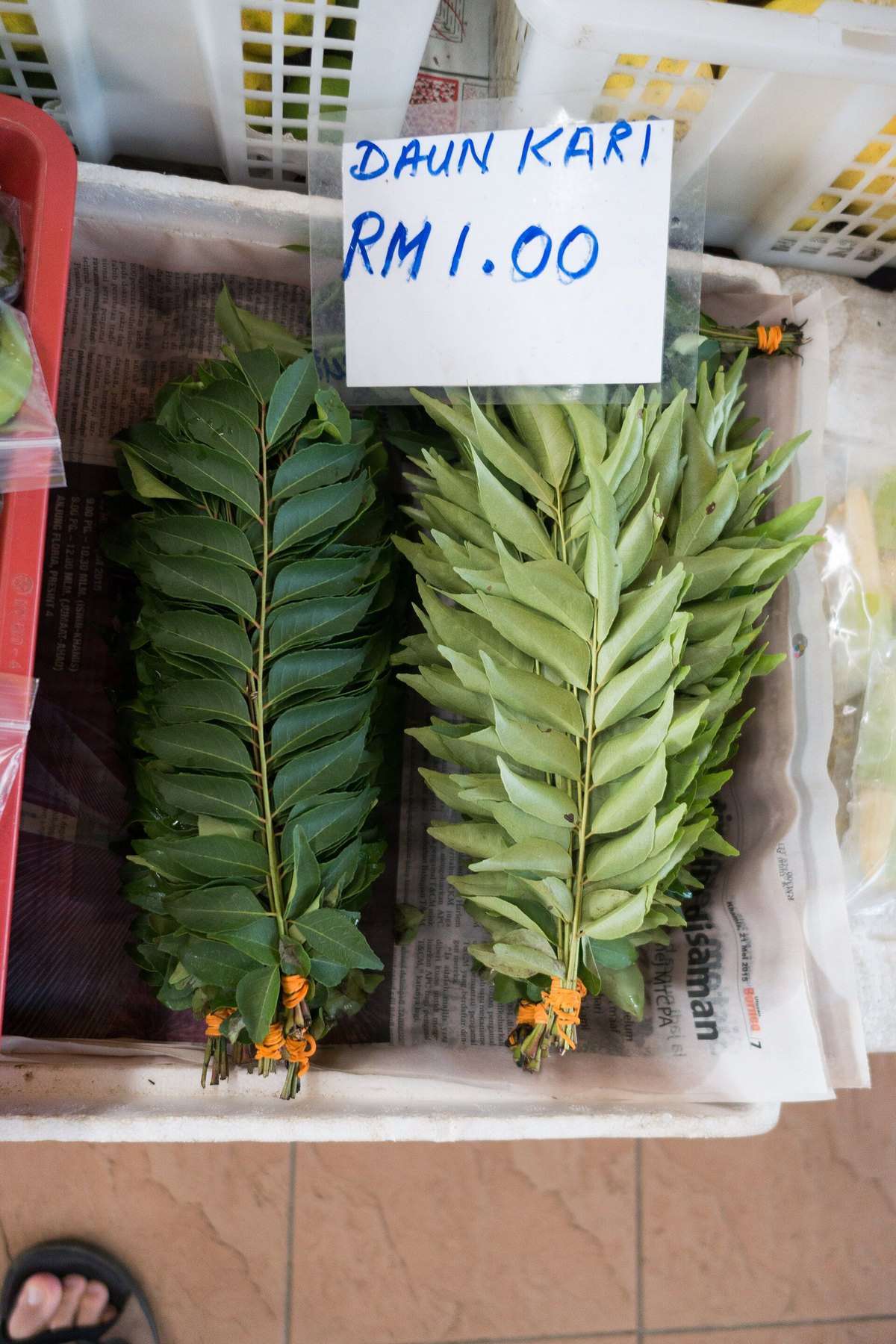
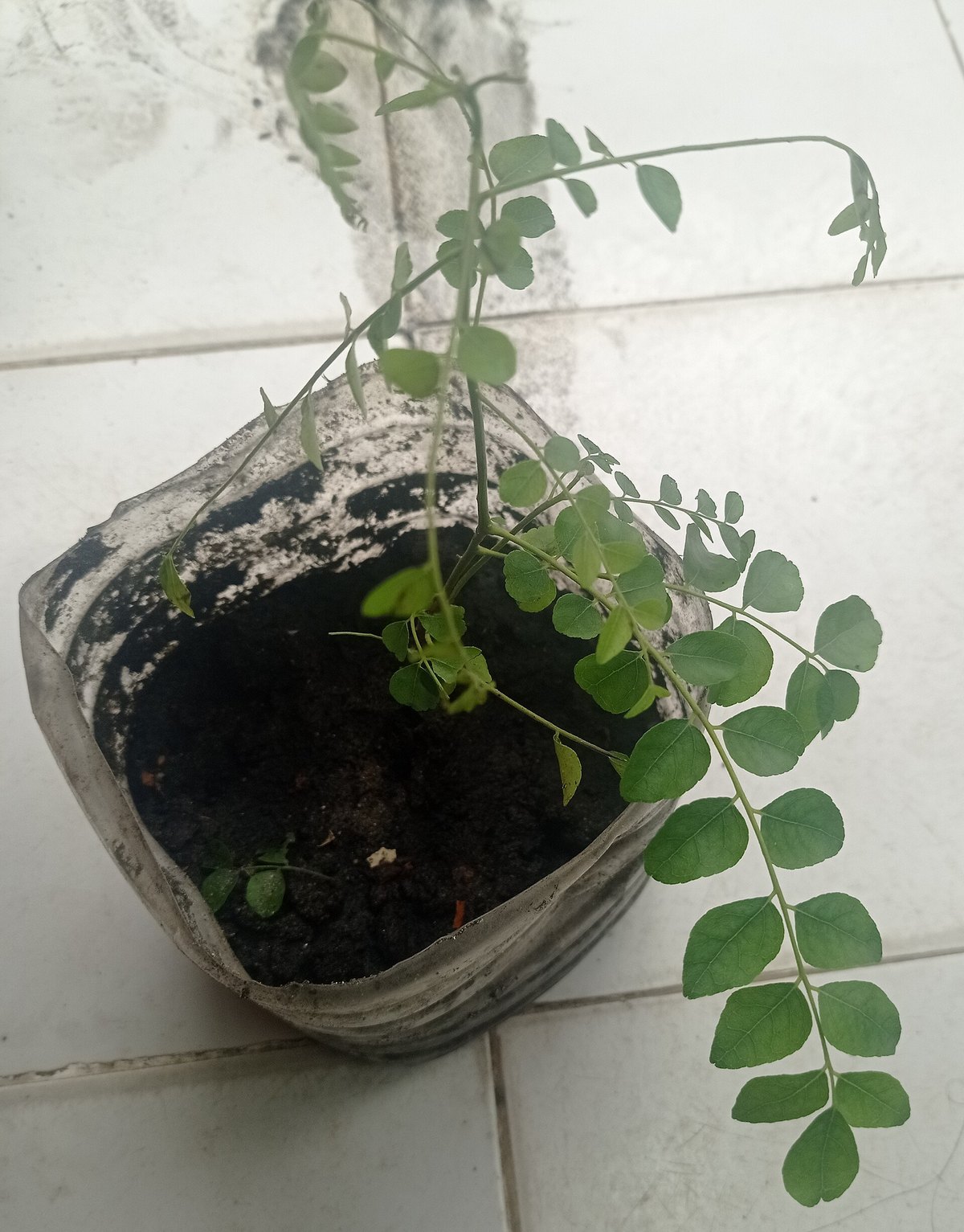
Curry leaf — and here is the naming trap:
🔴 Curry leaf has nothing to do with curry powder.
Murraya koenigii (also filed as Bergera koenigii) is a small citrus-family tree. Its leaves are used fresh, fried in oil at the start of a dish, and they smell of nothing you can substitute — a little citrus, a little resin, entirely their own. They are not in curry powder, they are not dried bay leaves, and the garden plant sold as “curry plant” (Helichrysum italicum) is a completely unrelated European shrub that merely smells vaguely of curry powder and is not really a culinary herb at all. Three different things share a name. Only one of them belongs in the pan.
Asafoetida (hing). Dried resin, smells appalling in the jar, mellows into something onion-and-garlic-adjacent when it hits hot fat. A pinch. It is the reason Jain and some Brahmin cooking can skip alliums entirely without tasting empty.
Fennel and nigella round out the group; nigella (kalonji) is one of the five in Bengali panch phoron, which is the whole-seed blend used whole, never ground.
The fresh aromatics — a different category entirely
Everything above is a dried seed, bark or rhizome. Southeast Asian pastes are built on things that are wet, and this is the fundamental split between an Indian masala and a Thai kaeng paste.
-
Lemongrass — only the pale lower third; slice it thin against the grain before pounding or you will be chewing splinters all evening.
-
Galangal — not ginger. Sharper, piney, medicinal. Substituting ginger changes the dish into a different dish. It is the single most common substitution I see recommended and the one I would push back on hardest.
-
Makrut lime leaf — intensely floral citrus, added torn and late.
⚠ A note on the name. These are still widely sold as “kaffir lime leaves,” and that word is a serious racial slur in southern Africa. The trade has been moving to makrut (from the Thai มะกรูด) for years now, and I have started using it. Writing this page turned up an inconsistency in my own collection, which has since been fixed: every recipe here now says makrut. One description keeps “(kaffir)” in brackets after it, because that is still what the packet in the shop is likely to say and you have to be able to find the thing.
-
Galangal’s relatives, coriander root, and shrimp paste finish the Thai set — see the Thai paste page.
Whole vs ground, and the only rule I would insist on
Buy whole, toast, grind. Ground spice loses its volatile oils quickly — a jar of pre-ground cumin two years into its life is largely brown dust. Whole seed keeps for a year or more with real potency.
Toasting is not optional either. Dry-toasting whole seed in a pan until it smells and darkens slightly does two things: it drives off raw notes and it makes the seed brittle enough to grind properly. Sri Lankan cooking takes this further than anyone — its dark roasted blend is toasted until genuinely brown, and it is a different product from the unroasted one (details here).
The one exception: turmeric. Fresh turmeric is wonderful but home-drying and grinding it is a staining, fibrous nuisance. I buy that one ground and replace it often.
Next
- Curry powder, garam masala, and when each goes in
- The technique page — why all of this needs fat.
Comments (0)