Cheese

The Milk

Seven pages of numbers with one conclusion I did not expect: the differences between milks are almost entirely about which caseins are present, and barely at all about fat and protein totals. Goat and cow have the same fat and protein and behave completely differently.
Cow
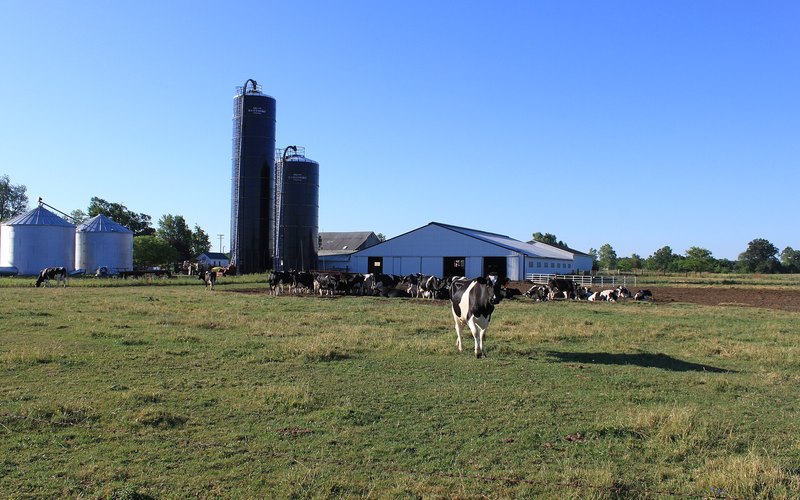
Cow The baseline, carrying the master comparison table — and two figures that contradict what most people assume: goat milk is not richer than cow, and it yields less cheese. Explore →
Goat
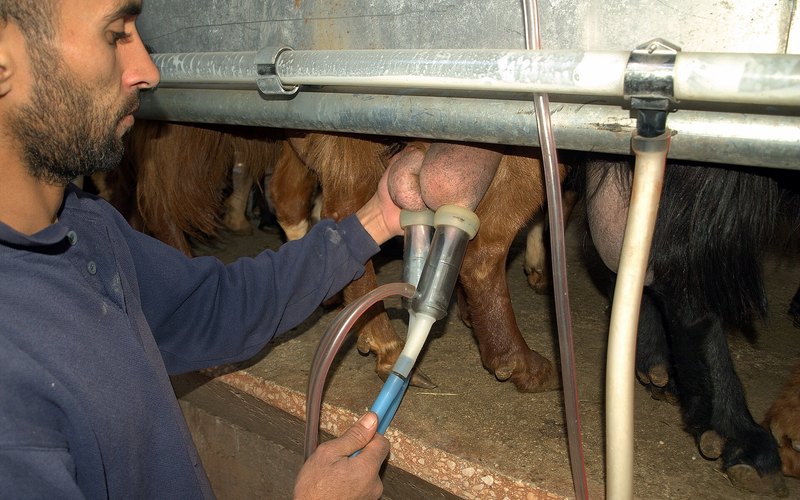
Goat "Naturally homogenised" is wrong, and the real reason is a missing protein. Plus three fatty acids literally named after goats, at three times the proportion in cow milk. Explore →
Sheep
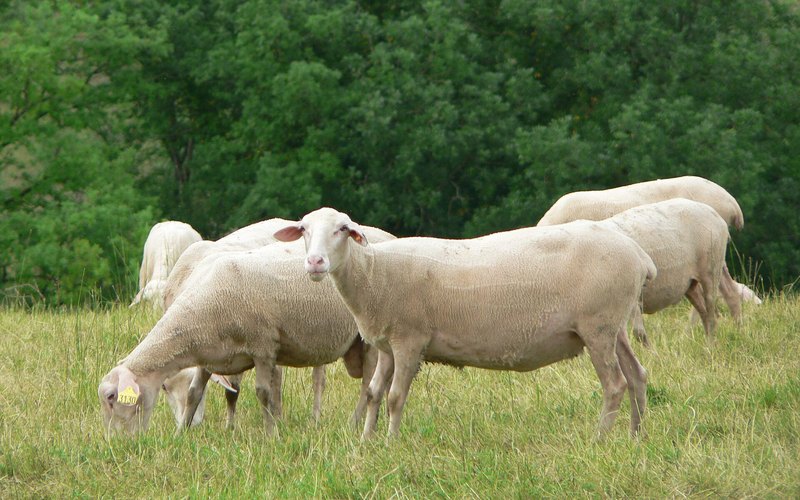
Sheep It beats cow milk on every cheesemaking measure — 1.7× the protein and fat, half again the yield. The reason it is not the default has nothing to do with the milk and everything to do with the calendar. Explore →
Buffalo
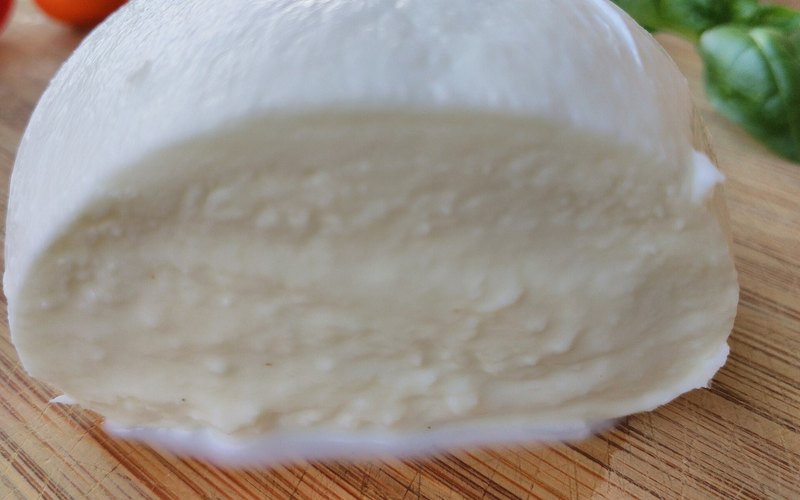
Buffalo The highest-yielding cheese milk there is — a quarter of its weight as fresh cheese. And its most famous cheese is defined by what the milk lacks: no beta-carotene, so the mozzarella is dead white. Explore →
The Others
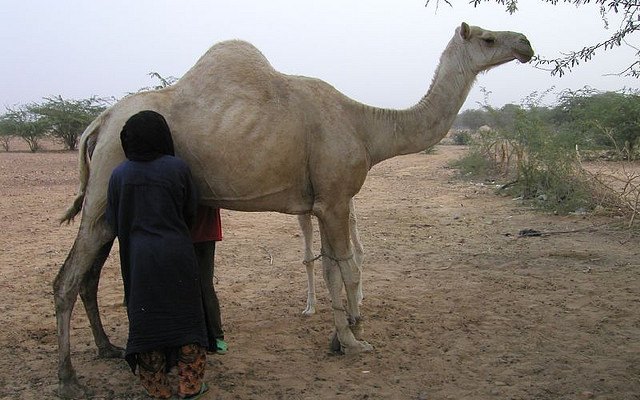
The Others Camel, donkey, yak, mare. Donkey milk barely coagulates because it lacks the one protein rennet cuts — and the enzyme invented to fix camel milk turned out to be a better coagulant for cheddar. Explore →
Breed & Season
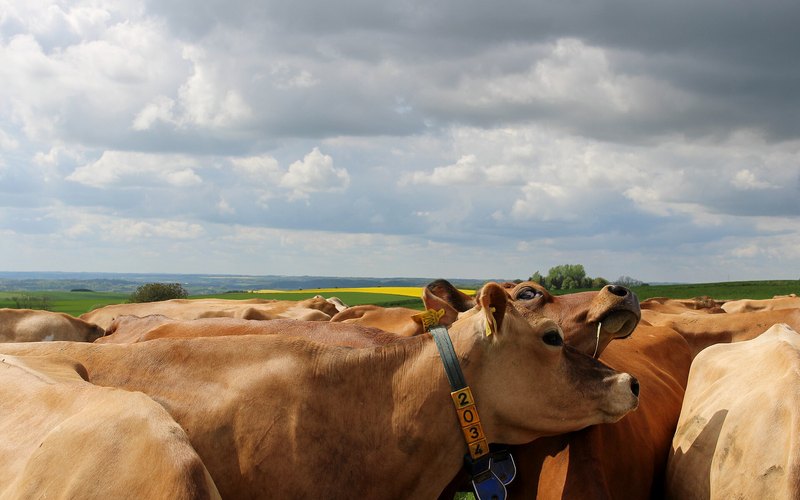
Breed & Season A 2.2-point swing in cheese yield from one gene. Same species, same feed, same make — Brown Swiss and Jersey carry the good κ-casein variant far more often than Holstein. Explore →
Raw vs Pasteurized
Raw vs Pasteurized Bench chemistry rather than politics: heat moves calcium out of solution (fixable) and denatures whey protein onto the κ-casein (not fixable). Which is why UHT milk will never set. Explore →

Get new content

Occasional emails when something significant ships. No spam, unsubscribe anytime.