How I Use It
If you opened my refrigerator right now you’d find a bottle of Worcestershire with the cap crusted from hard use, because I reach for it constantly. It’s not a “put it on the table” sauce for me — it’s a cooking sauce, a background player I add by the splash or the teaspoon to build savory depth into things that would otherwise taste a little flat. Once you understand it’s essentially a fermented-anchovy umami extract (the whole story is on history), you start seeing places to use it everywhere. Here’s where it earns its keep in my kitchen.
The umami lever in my BBQ sauces
This is my number-one use, and it’s the reason I first started paying real attention to Worcestershire. When I build a barbecue sauce, I’m balancing sweet (brown sugar, molasses), sour (vinegar), and savory — and Worcestershire is my umami lever for that last one. A couple of tablespoons in a Kansas City-style sauce takes it from “sweet ketchup” to something with a grown-up, meaty bottom end. It’s doing the same job the tamarind and anchovy do in the original, just dropped straight into my pot. I treat it as a core building block over on the BBQ sauces pages, and I list it among the workhorse BBQ sauce ingredients for exactly this reason. If your homemade sauce tastes like it’s missing something and you can’t name it, that something is almost always umami — reach for the Worcestershire.
Marinades and steak
Worcestershire and beef are old friends, and the chemistry is the point. A marinade of Worcestershire, a little soy, garlic, black pepper, and oil does three things to a steak at once: the vinegar in the sauce gently tenderizes the surface, the salt seasons it, and the glutamates amplify the beefy, roasted flavor you’re already after. I’ll marinate flank, skirt, or a cheaper chuck steak for a few hours, then sear it hot. It’s also my finishing trick: a few drops of Worcestershire whisked into the pan with the resting juices makes an instant, deep sauce. This is why it’s the backbone of so many “steak sauce” bottles — it is most of what makes them taste like steak sauce.
Bloody Marys and the savory-drink trick
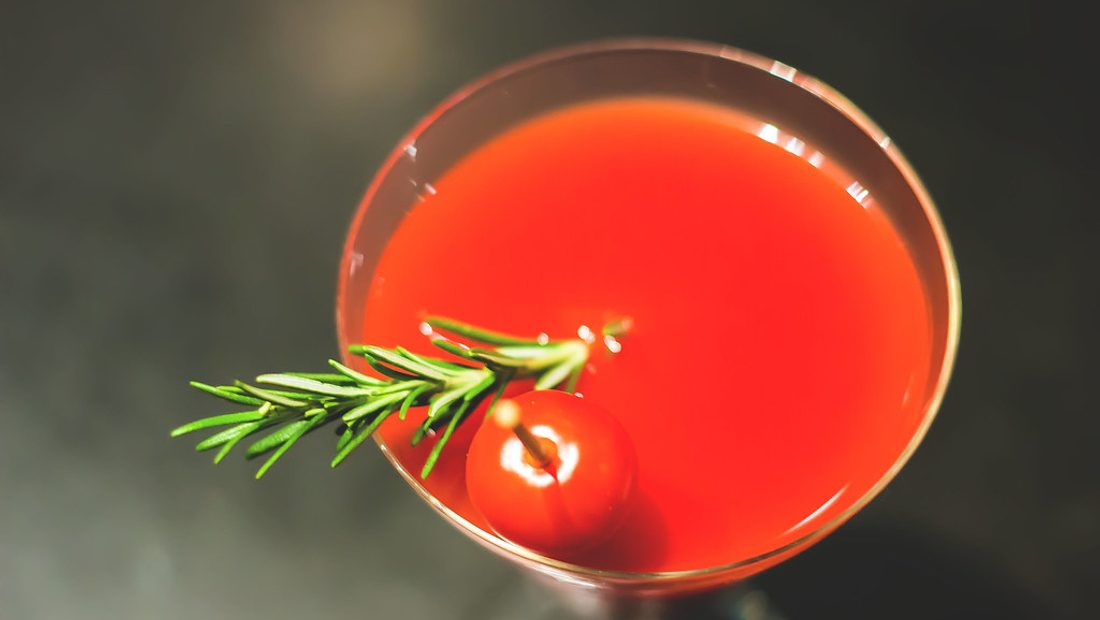
A Bloody Mary without Worcestershire is just spicy tomato juice. Three or four dashes is what gives the drink its savory, almost broth-like depth — the thing that makes it read as a meal in a glass rather than juice. I go Worcestershire, hot sauce, a squeeze of lemon, plenty of black pepper, and a pinch of celery salt, and I’m not shy with the Worcestershire. (Up in Canada the same move builds a Caesar, with clam-tomato juice — the anchovy note in the Worcestershire plays beautifully against the clam.)
Caesar salad dressing — the honest anchovy note
Here’s a place where the anchovy heritage pays off directly. A proper Caesar dressing wants that funky, savory anchovy backbone, and Worcestershire delivers it in a bottle. When I make Caesar dressing I’ll usually use both — mashed real anchovies and a teaspoon of Worcestershire — because the sauce also brings tang and spice the fillets alone don’t. If I’m feeling lazy or someone’s squeamish about visible anchovies, Worcestershire alone carries the whole savory load. It’s the not-so-secret ingredient in nearly every Caesar worth eating.
Welsh rarebit, deviled eggs, and the little jobs
Some of my favorite uses are the small ones:
- Welsh rarebit — that glorious cheese-on-toast is built on a savory cheese sauce, and Worcestershire is traditional and essential there. It cuts the richness of the cheese and beer and keeps the whole thing from being one-note.
- Deviled eggs — a few drops in the yolk mixture, along with the mustard and mayo, adds a savory hum that people can never quite identify. It’s my little secret in every batch.
- Cheese dips and pimento cheese — same logic, a small splash deepens anything cheesy.
- Sautéed and grilled mushrooms — Worcestershire plus butter turns mushrooms almost meaty; it’s a fantastic vegetable trick.
Meatloaf, chili, stews, and gravies
This is the heartland of Worcestershire use for me — long-cooked, brothy, savory things.
- Meatloaf — some goes in the mix and more goes in the glaze on top. It’s what keeps a meatloaf from tasting like a plain seasoned burger.
- Chili — a good glug near the start gives chili a deep, slow-cooked flavor faster than it has any right to. Umami is a shortcut to “this simmered all day.”
- Stews, pot roast, and pan gravies — this is where a splash disappears completely and just makes everything taste more like itself. A beef stew or a mushroom gravy gets rounder, deeper, and more savory with a tablespoon stirred in. You’ll never taste “Worcestershire”; you’ll just taste a better stew.
The rule of thumb across all of these: you’re not trying to taste the sauce. If you can clearly identify Worcestershire in the finished dish, you probably added a touch too much. Used right, it’s invisible — it just makes the savory notes louder.
Uses at a glance
| Dish | What it does | About how much |
|---|---|---|
| BBQ sauce | umami backbone, meaty depth | 1–3 Tbsp per batch |
| Steak marinade | tenderizes + boosts beefy flavor | 2–3 Tbsp |
| Bloody Mary | savory, broth-like depth | 3–4 dashes per drink |
| Caesar dressing | anchovy/savory note | ~1 tsp (plus real anchovies) |
| Welsh rarebit | cuts richness, adds savor | 1–2 tsp |
| Deviled eggs | hidden savory hum | a few drops per batch |
| Meatloaf | savory in the mix + glaze | 1–2 Tbsp |
| Chili | fast slow-cooked depth | 1–2 Tbsp |
| Stews & gravies | rounds out and deepens | 1 Tbsp, to taste |
Homemade makes all of it better
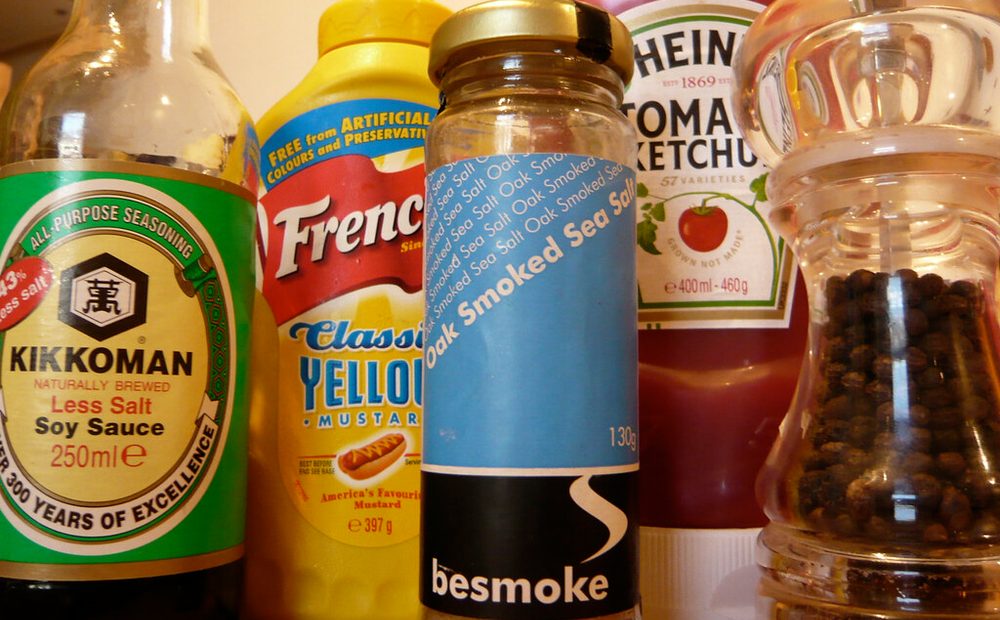
Every single use above gets better with homemade Worcestershire. Because I control the aging, the spice bloom, and the umami level (I like mine punchier and less sweet than the supermarket bottle), the version I make lifts a gravy or a Caesar in a way the flattened mass-market product just can’t — I make the full case for that on why homemade is better, and the recipe I keep coming back to is the classic homemade Worcestershire sauce. There are a few good variations worth trying too — a second version, Emeril’s take, and a Japanese-style version that leans toward the sōsu tradition I write about on around the world. You can browse them all with a search for Worcestershire in the recipe box.
When I’m not making my own
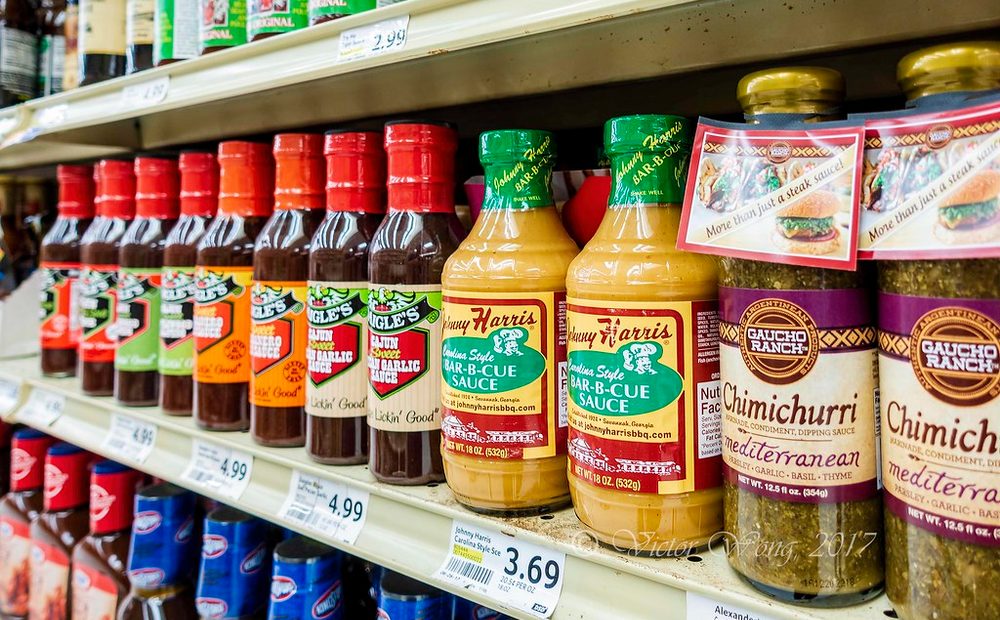
I don’t always have a batch aged and ready, and that’s fine — I keep a good store bottle around for exactly those weeks. My pick for the best store-bought is Bear and Burton’s W Sauce. It’s got the depth and the honest umami I want without the flatness and heavy corn-syrup sweetness of the standard supermarket bottle, and it’s the one I’ll happily splash into a BBQ sauce or a Bloody Mary when the homemade jar is empty. (The differences between the classic bottled formulas — US versus UK, and how they drifted milder and sweeter over the decades — are worth knowing, and I break them down on the ingredients page.)
However you get your bottle, the point stands: Worcestershire is the quietest, most useful thing in my kitchen. Once you start thinking of it as umami in a bottle rather than a steak condiment, it finds its way into almost everything you cook. Start with a BBQ sauce or a pan gravy, go easy, and taste as you go — you’ll be hooked the same way I am.
Comments (0)