Why Homemade Is So Much Better
I want to be honest with you up front, because this is the one page in the whole Worcestershire dive where I’m going to ask something of you. Homemade Worcestershire is a project, not a weeknight errand. But I keep making it, and once you’ve tasted a spoonful of your own next to the supermarket bottle you’ll understand why. The gap isn’t small. The homemade version has a depth and a lift and a fermented tang that the mass-market product quietly lost somewhere over its two centuries on the shelf.
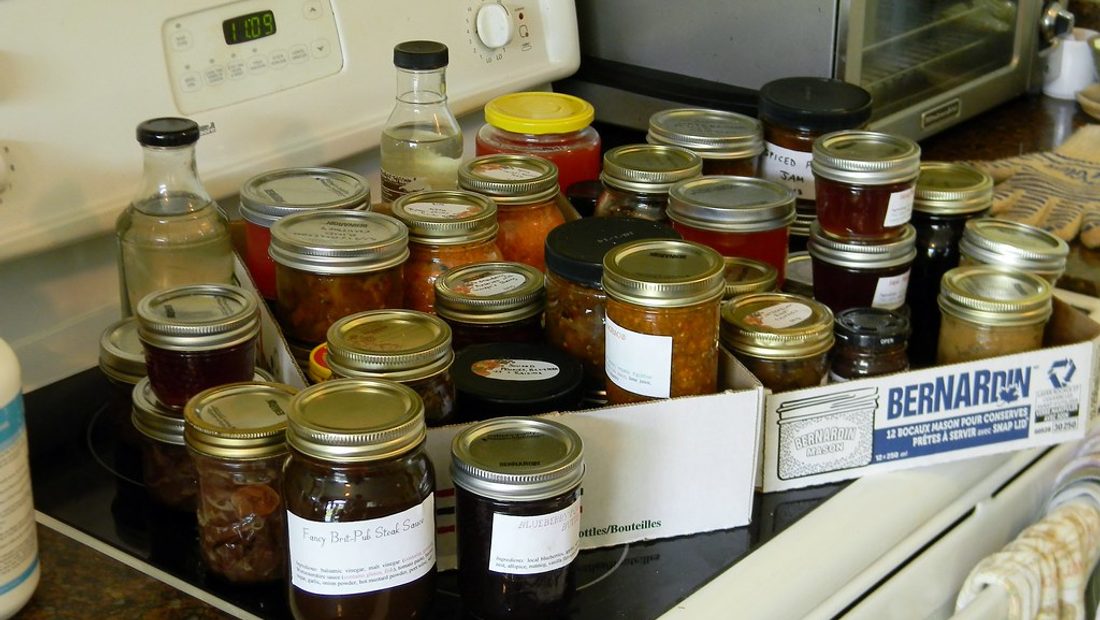
What you actually control
The supermarket bottle is an industrial product optimized for shelf life, cost, and consistency across millions of units. Those are real engineering achievements — but every one of them is a compromise against flavor. When you make it yourself, you take those compromises back. Here’s what changes.
| What the bottle does | What homemade lets you do |
|---|---|
| High-fructose corn syrup (US formula) for cheap, standardized sweetness | Use molasses, real sugar, or dial sweetness however you like |
| Shortened or skipped aging to move product faster | Age it for real — weeks to months — so it melds and rounds |
| Pre-ground, warehouse-aged spices | Bloom whole spices fresh, right before they go in |
| One fixed level of salt, heat, and umami | Tune all three to your own palate |
| Anti-caking agents, standardizers, stabilizers | Nothing but food in the jar |
| A flattened flavor tuned to the widest possible audience | The pointed, specific, layered version you built |
None of this is a knock on the people who make the commercial stuff — I still keep a bottle in the door of the fridge for the nights I’m not in the mood to cook a condiment. It’s just that the two things are genuinely different, and once you know what’s possible you stop thinking of them as the same sauce. If you want the full breakdown of every ingredient and how the formula drifted over the years, I laid it all out in the ingredients page.
The real reason it works: aging and fermentation
Here’s the thing that took me years to fully respect. The single most important ingredient in great Worcestershire isn’t the anchovy or the tamarind. It’s time.
Even the famous origin legend — that Lea & Perrins accidentally left their first harsh batch forgotten in the cellar, rediscovered it months later, and found it transformed — is almost certainly marketing. But the insight buried in that story is dead true. A fresh-mixed Worcestershire is sharp, disjointed, and a little brutal. It tastes like a list of ingredients instead of a sauce. Give it a few weeks and something happens: the vinegar stops shouting, the anchovy melts from “fishy” into pure background savoriness, the tamarind’s fruity sourness knits into the molasses, and the spices stop poking out individually and start speaking with one voice. The commercial classic was traditionally aged eighteen months and up to three years in oak for exactly this reason — and you can borrow that trick at home. I wrote up how to barrel-age with oak spirals as its own guide, because it’s the single best upgrade I’ve found to a homemade batch.
You don’t need three years. A month in the fridge already makes an enormous difference, and a few months makes it genuinely superb. What you’re doing during that time is running a slow fermentation and a slow marriage at once — and that puts homemade Worcestershire squarely in the same family as everything else I make in the fermenting section. It’s an umami sauce built by controlled microbial and enzymatic action, a cousin of soy sauce, fish sauce, and the Roman garum that Worcestershire ultimately descends from. If you already love ferments, this one will feel like home.
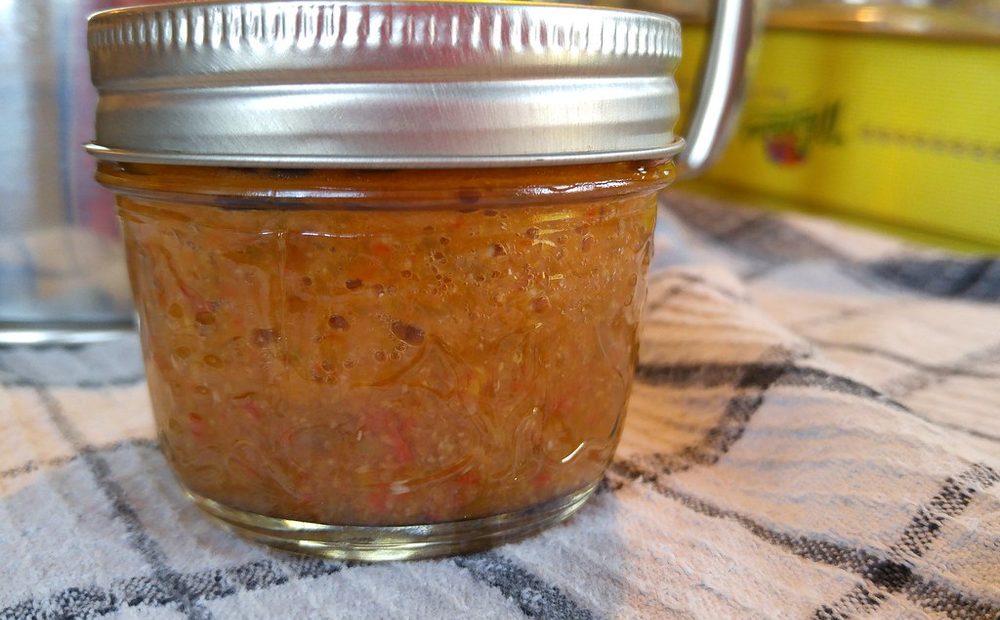
Walking the process at a high level
I keep the full step-by-step in the recipes themselves — I’ll link them below — but here’s the shape of it so you can see there’s nothing mysterious going on.
- Build the fermented base. This is the umami core: anchovies, tamarind, and a good vinegar (malt if you want the UK character, distilled if you’re chasing the American style), plus molasses, salt, onion, and garlic. The anchovies are non-negotiable — they’re the direct descendant of garum, the fermented-fish backbone that makes the whole thing taste like more than sweet-and-sour vinegar. This is also where an anchovy-free build becomes vegan Worcestershire, though you give up some of the depth.
- Bloom the spices. Cloves, chili or capsicum, sometimes allspice, peppercorns, ginger, cardamom — warmed briefly so their oils wake up before they steep. This one step is a big part of why homemade tastes so alive compared to the bottle. I use the same fresh-spice logic in my BBQ sauce ingredients, and it matters just as much here.
- Simmer and reduce. Everything goes together, simmers to marry, and concentrates down. The kitchen smells incredible and vaguely alarming at this stage — tangy, funky, sweet, sharp.
- Strain, bottle, and — the key step — age it. Strain out the solids, get it into clean jars, and walk away. A few weeks minimum; a few months if you can be patient. This is where a good sauce becomes a great one.
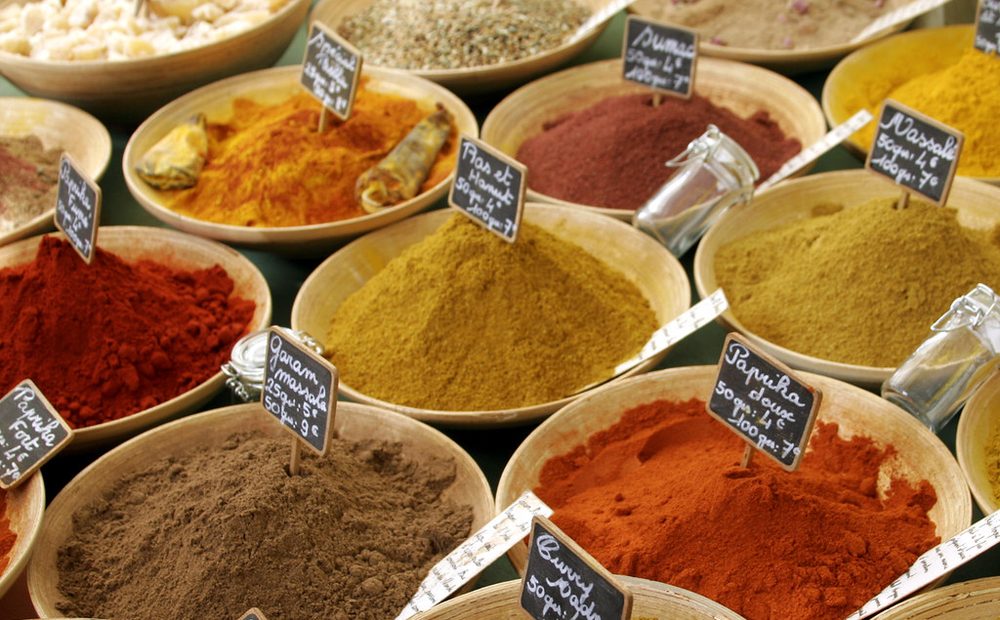
The recipes I actually use
I keep several versions in rotation, because the beauty of making your own is that “Worcestershire” is a family of sauces, not one recipe. Start with whichever matches your mood:
- Worcestershire Sauce — my baseline, closest to the classic English profile.
- Worcestershire Sauce #2 — a variation I lean on when I want it a touch sweeter and darker.
- Emeril’s Worcestershire Sauce — a bolder, more aggressively spiced take that’s fun when you want the sauce to stand up in something loud.
- Japanese-style Worcestershire Sauce — the thicker, sweeter, fruitier sōsu direction; if you’ve ever loved tonkatsu sauce, make this one. I get deep into that whole world on the around-the-world page.
You can also just browse everything tagged worcestershire to see where it shows up across the collection.
If you’re buying, buy this
I’d be a hypocrite if I pretended I always make it. So here’s my honest store-bought advice: if you’re going to buy a bottle, get Bear and Burton’s W Sauce. It’s the best commercial Worcestershire I’ve found, by a mile — it tastes like someone who actually cares about the sauce made it, with a real fermented depth and none of the flat corn-syrup sweetness that dulls the big brands. The mainstream bottles are fine for cooking, where the sauce disappears into a chili or a marinade. But if the Worcestershire is going somewhere it can be tasted — a Bloody Mary, a Caesar, a splash on a steak — the difference between Bear and Burton’s (or your own) and the supermarket standby is obvious.
For what it’s worth, the reason I fell down this whole rabbit hole in the first place is that I kept reaching for the bottle in recipes and thinking “I could make this better.” I was right. If you cook with it as often as I do — and you can see all the places it turns up on my how I use it page — a batch of homemade goes a long way and pays you back every single time you open the jar.
Is it worth it?
For everyday cooking? Honestly, a bottle is fine, and I’ll never tell you otherwise. But Worcestershire is one of those sauces that rewards attention out of all proportion to the effort, mostly because the hardest ingredient — time — costs you nothing but patience. Make one batch, age it a month, and taste it on a spoon next to the bottle. If you’re anything like me, you’ll be building your next batch before the first one runs out. And once you’re comfortable, poke around the rest of this dive: the history is genuinely wild, the ingredients explain why it tastes the way it does, and the around-the-world tour shows just how far this little Worcester bottle traveled.
Comments (0)