Cheese

The Families

Soft, medium and hard sort cheese by its symptom. These are the families sorted by their cause — what you did to the curd — which is the only classification that predicts how a cheese will behave.
Fresh Cheeses
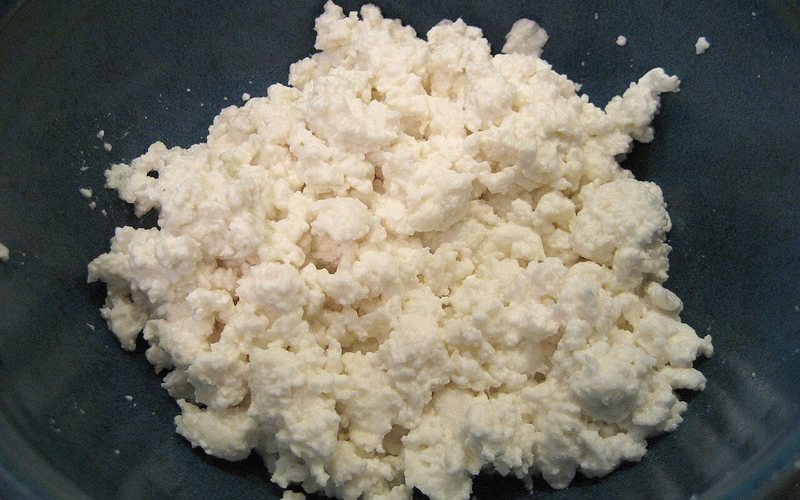
Fresh Cheeses The acid-set side of the fork: cottage cheese, quark, chèvre, mascarpone, queso fresco. No stretch, no melt, no aging — and probably the oldest branch of the entire craft. Explore →
Pasta Filata
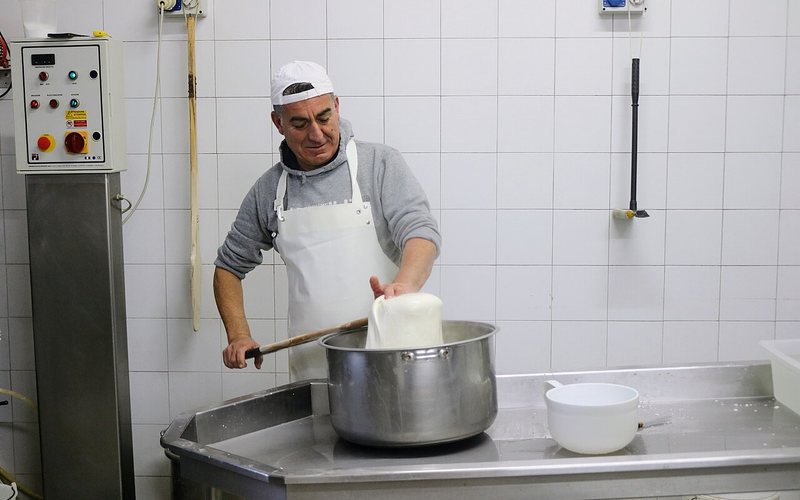
Pasta Filata Defined by a single physical act. The curd will only stretch between pH 5.2 and 5.4 — about twenty minutes wide — and the two ways of missing it fail in opposite directions. Explore →
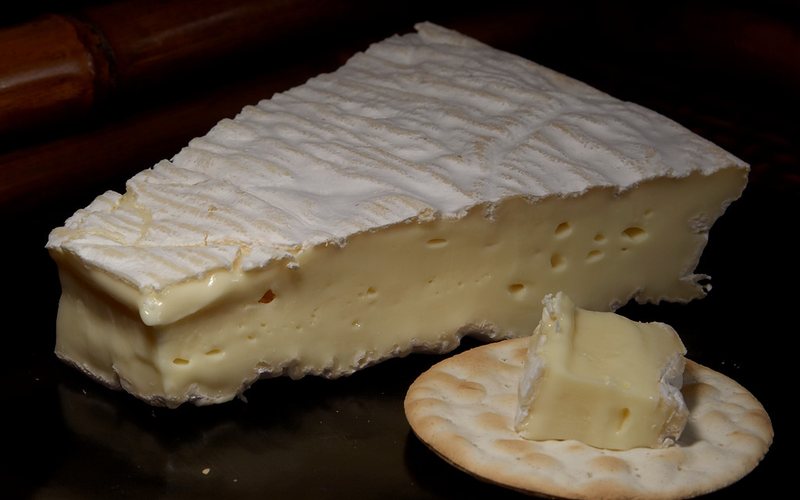
Bloomy Rinds
Bloomy Rinds Where the rind is the cheesemaker, working inwards — which is why these are made small and flat. Plus what "triple-crème" actually means, since the number is routinely misunderstood. Explore →
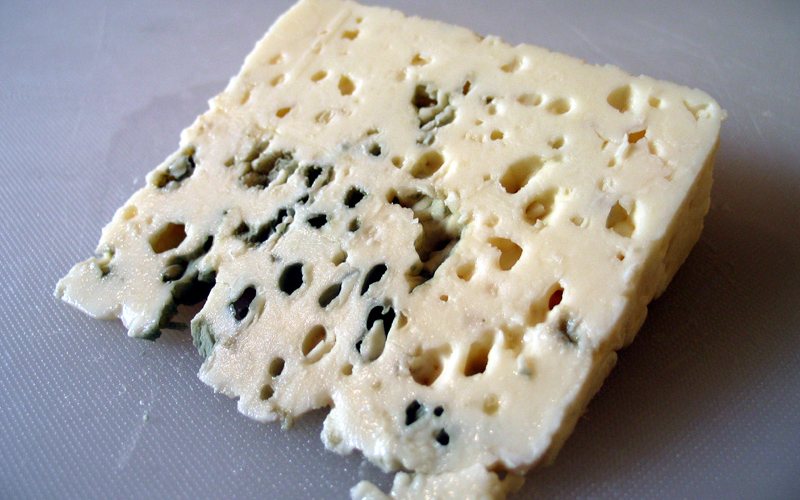
Blue
Blue The one family that wants an open, badly-knit curd on purpose, because the mould needs oxygen. The veins follow the needle holes — they are a map of where the needles went. Explore →
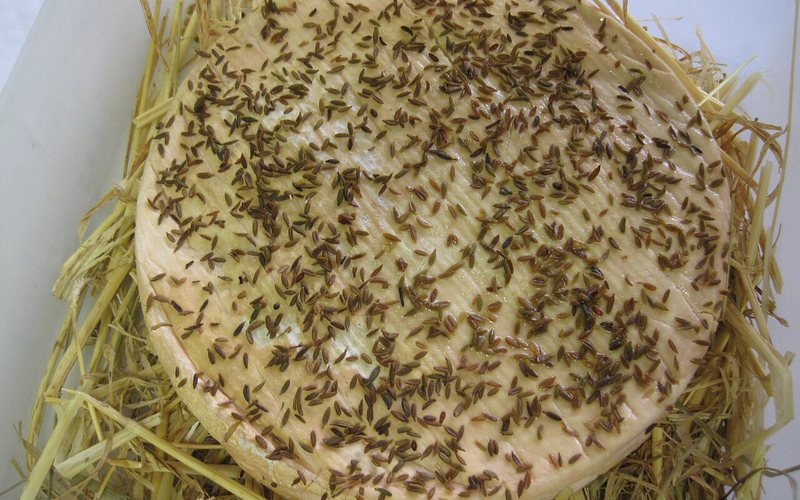
Washed Rinds
Washed Rinds The orange, sticky, magnificently smelly ones. B. linens is related to organisms that live on human skin — so the comparison to feet is chemically correct, not a joke. And the smell is not the taste. Explore →
Semi-Soft & Washed-Curd
Semi-Soft & Washed-Curd Washing the curd removes lactose, not dirt — less acid, higher pH, more calcium retained, springier cheese. The best first aged cheese, and the family that teaches the mechanism in one afternoon. Explore →
Pressed, Uncooked
Pressed, Uncooked Cheddar and its English relations. Cheddaring is a verb — stack, turn, re-stack while the acid falls — and because it is knowledge rather than geography, the name escaped around the world. Explore →
Cooked & Pressed — Alpine
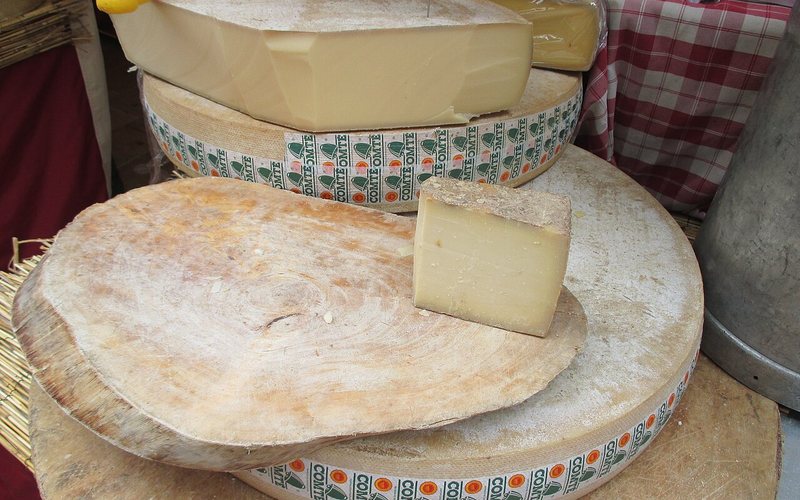
Cooked & Pressed — Alpine Every characteristic traces back to a mountain: short season, hard transport, scarce salt, herds too small to fill a wheel. The hot cook is what replaces salt as the ripening brake. Explore →
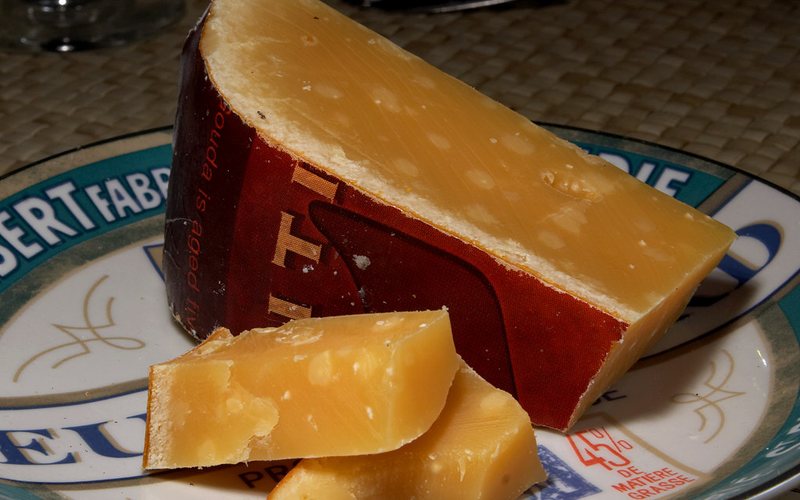
Grating & Extra-Hard
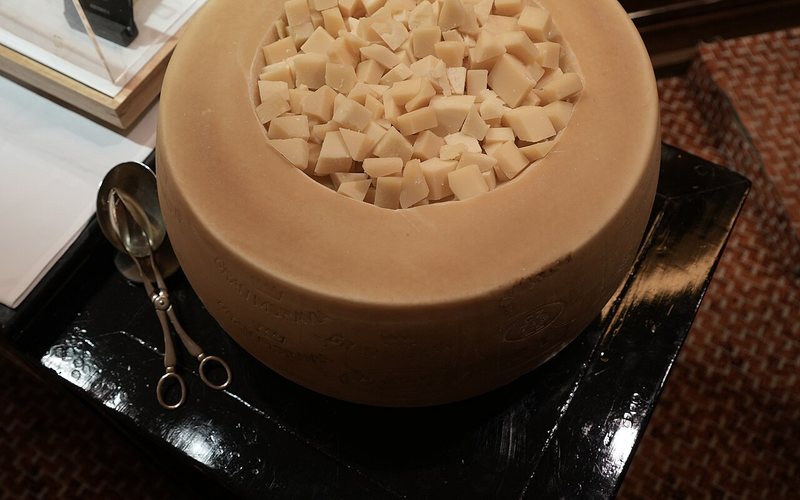
Grating & Extra-Hard The far end of the dial, where extreme dryness is what makes two years survivable. Plus the battitore, who decides a wheel’s fate with twenty knocks of a small hammer in six seconds. Explore →
Brined & Pickled
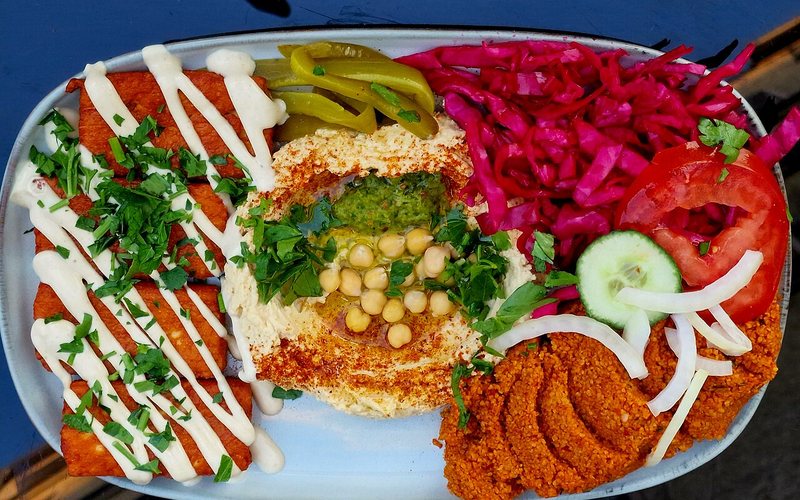
Brined & Pickled Cheeses that age submerged, so they never form a rind. Feta and halloumi both refuse to melt for opposite reasons — and if the brine is the aging environment, its chemistry decides everything. Explore →
Whey Cheeses
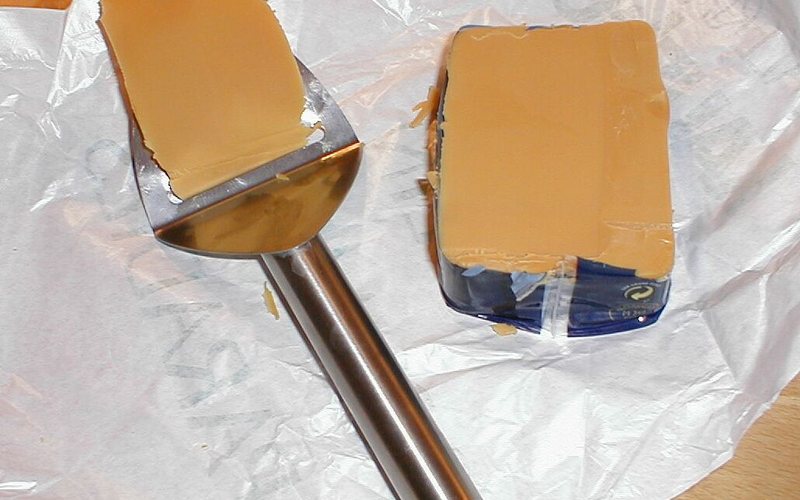
Whey Cheeses A second cheese from what you were about to pour away — and brunost, which is not a cheese at all but boiled-down whey caramelised by the Maillard reaction. Explore →
Smoked & Flavoured
Smoked & Flavoured Cheese melts and smoke is hot, which forces the whole technique into a corner. Plus the smoked flake salt that got me hooked — the first time I changed one variable on purpose. Explore →
Processed & Modern
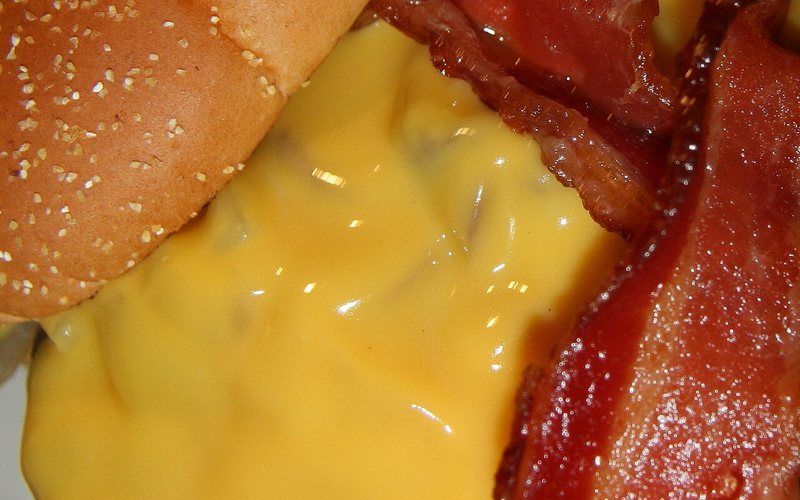
Processed & Modern Emulsifying salts dismantle the calcium cross-links on purpose, which is why a slice melts flawlessly. And precision-fermented casein is bioidentical — so by my own definition it is cheese. Explore →

Get new content

Occasional emails when something significant ships. No spam, unsubscribe anytime.