Cheese

Making It

What it really takes: a gallon of milk and a strainer to start, the kit worth buying and in what order, the universal make sequence, and why "press at 20 pounds" is only half an instruction.
Getting Started
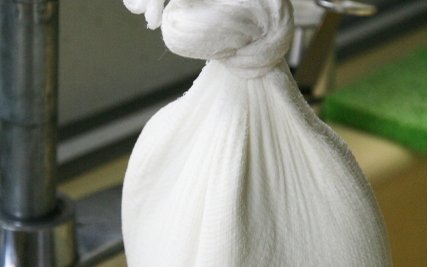
Getting Started A gallon of milk, something acidic and a strainer. The order I would actually go in — and the milk mistake that makes most first attempts fail through no fault of the maker. Explore →
Equipment
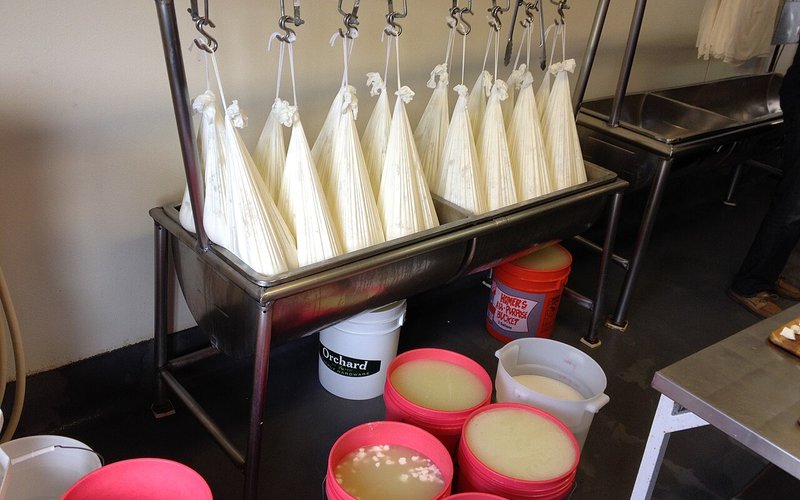
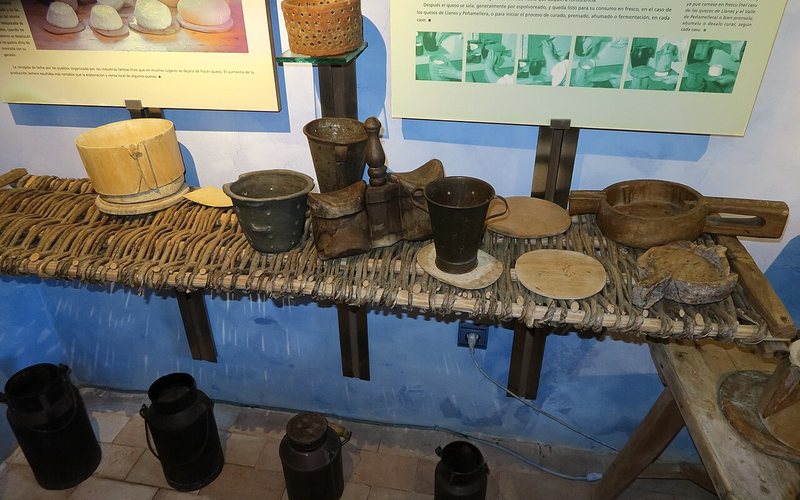
Equipment What is in my kit and what each thing is for — plus the one material question that will ruin a batch, and the order I would buy things in rather than the order I actually did. Explore →
Presses
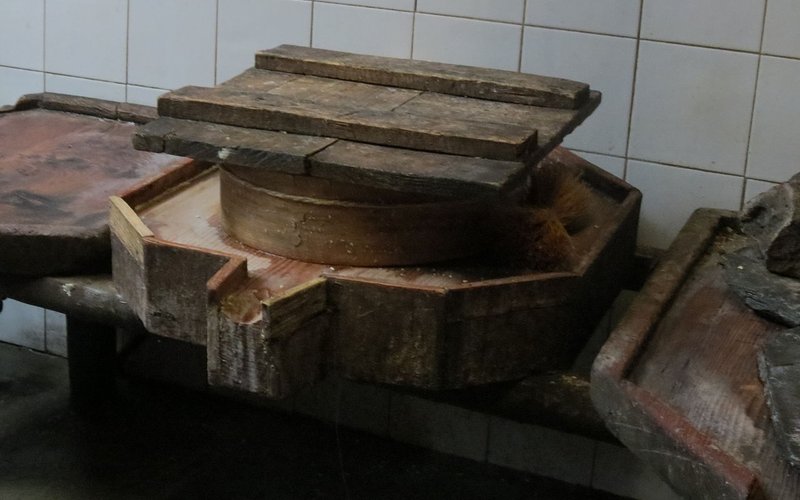
Presses “Press at 20 pounds” is half an instruction. What matters is pressure — and 10 PSI on a 6-inch follower is 283 pounds, which is why lever presses exist. Screw versus Dutch, and why you may need neither yet. Explore →
The Make, Step by Step
The Make, Step by Step The universal sequence every rennet cheese follows — fifteen steps from warming the milk to writing it down. What changes between a gouda and a Parmigiano is the settings, not the steps. Explore →
Moulds & Baskets
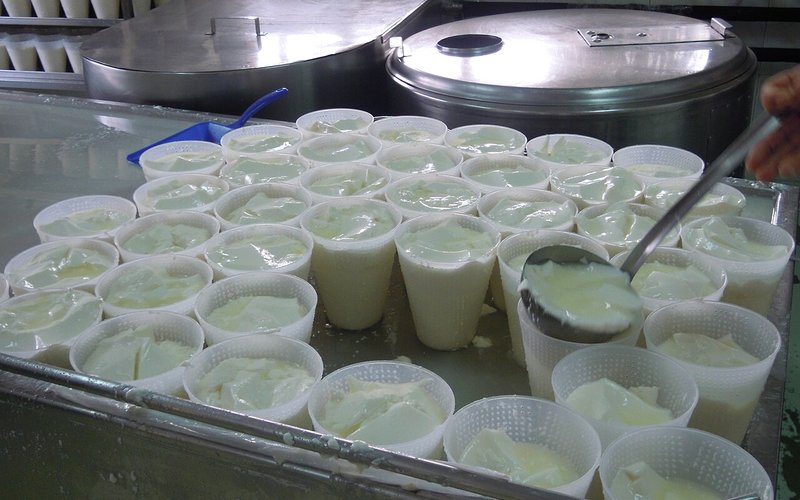
Moulds & Baskets A mould decides how the whey leaves, and format decides what can ripen at all. The follower fit is what people improvise badly — and home-made moulds usually fail on drainage, not shape. Explore →
Cultures & Rennet
Cultures & Rennet Where I buy, how to keep cultures alive (the enemy is moisture, not warmth — a sealed packet in the freezer lasts two years), and why DVI and mother-culture doses differ by orders of magnitude. Explore →
Mother Cultures & Brines
Mother Cultures & Brines The two things worth making yourself. One buys independence; the other is not optional, because a brine without calcium in it actively takes your cheese apart. Explore →
Salting & Brining
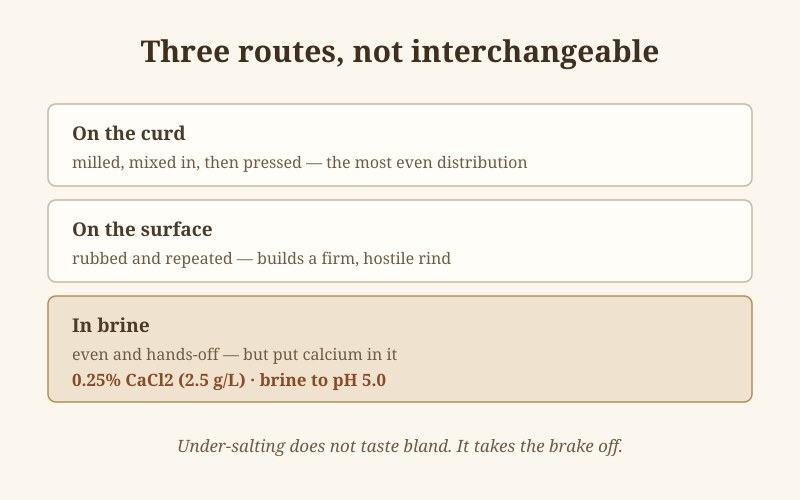
Salting & Brining Three routes that are not interchangeable. Under-salting does not taste bland — it takes the brake off and the cheese over-ripens. And a floating wheel’s top face gets no salt at all. Explore →
Rind Treatment
Rind Treatment Wax, bandage, natural or washed — the decision that determines whether the cheese breathes. Dry the surface first, in every case, or you seal a mould farm inside the wax. Explore →
Troubleshooting
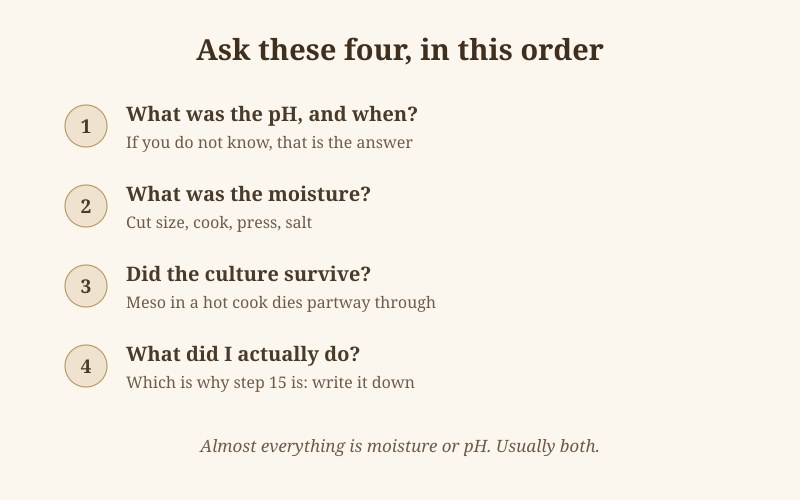
Troubleshooting Nearly everything is a moisture failure or a pH failure, usually both. The diagnostic tables, organised by when the problem shows up — plus the three that are not your technique at all. Explore →
Sanitation & Safety
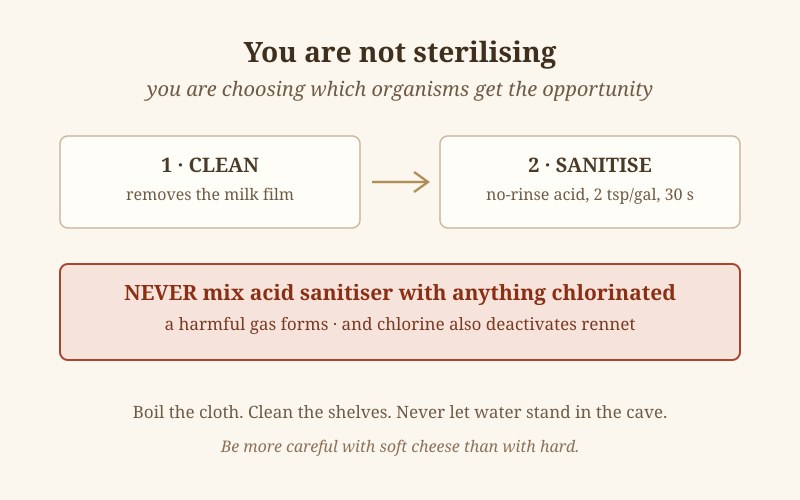
Sanitation & Safety You are not sterilising, you are choosing which organisms get the opportunity. Clean before sanitising — and never let acid sanitiser near anything chlorinated. Explore →

Get new content

Occasional emails when something significant ships. No spam, unsubscribe anytime.