Electric vs. Gas
Ask most cooks whether they want electric or gas and they’ll answer with a feeling — chefs love the flame, bakers love the steady heat. But when I chose the gear for a real, licensed business, the deciding factor wasn’t feel at all. It was ventilation — specifically, what kind of hood each appliance forces me to build, and whether I can even put the machine where I want it. That one practical reality is why I lean electric in the bakery, and it’s worth understanding before you fall in love with a stove.
The ventilation reality — the real headline
Commercial ventilation comes down to three tiers of hood, and which one you need is decided by two questions: does the appliance produce grease-laden vapor, and does it burn fuel?
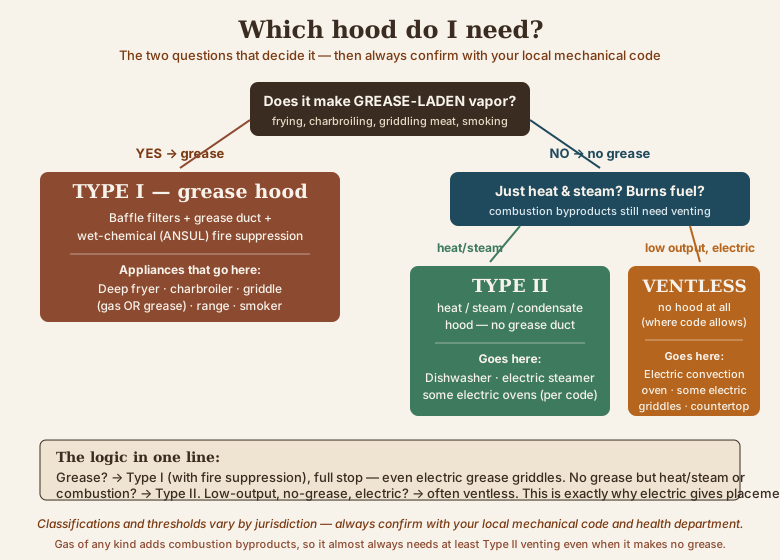
Type I — the grease hood. Anything that throws grease-laden vapor — a fryer, a charbroiler, a griddle searing meat, a range — needs a Type I hood: baffle filters, a dedicated grease duct up through the roof, and a wet-chemical (ANSUL) fire-suppression system that gets inspected. This is the big, expensive, permit-heavy install, and it’s driven by grease, not by fuel — an electric griddle cranking out smash burgers can still need Type I because it makes grease.
Type II — the heat-and-steam hood. An appliance that makes heat, steam, or condensate but no grease — a dishwasher, many electric steamers, some electric ovens — can often qualify for a much lighter Type II hood: it vents heat and moisture, but there’s no grease duct and no fire suppression. Far cheaper, far simpler.
Ventless — no hood at all. And here’s the one that changes everything: a low-output, no-grease, electric appliance can, in many jurisdictions, run with no hood at all. An electric convection oven baking bread throws heat but not grease and burns no fuel — so in a lot of places it needs nothing but the room.
Now line up the fuel against those tiers. Gas burns fuel, always — combustion byproducts have to go somewhere, so a gas appliance almost always needs exhaust, at minimum a Type II-style vent and usually Type I because gas cooking tends to be the grease-heavy kind. Electric burns nothing, so the only question left for an electric appliance is the grease one — and if it doesn’t throw grease, you’ve potentially skipped the single most expensive system in the kitchen.
That is the whole reason electric gives you placement freedom in a space with no hood. If I’m looking at a rental storefront that never had a grease hood, a gas line into a fryer means tens of thousands of dollars in ductwork, a roof penetration, a fire system, and a fight with the landlord. An electric convection oven in the same room might mean… plugging it in. When you’re choosing a location, the appliances you pick quietly decide what buildings you can even afford to occupy. (Classifications and thresholds genuinely vary — always confirm with your local mechanical code and health department before you commit; I get into the permit side in outfitting my kitchen.)
Why I lean electric in the bakery
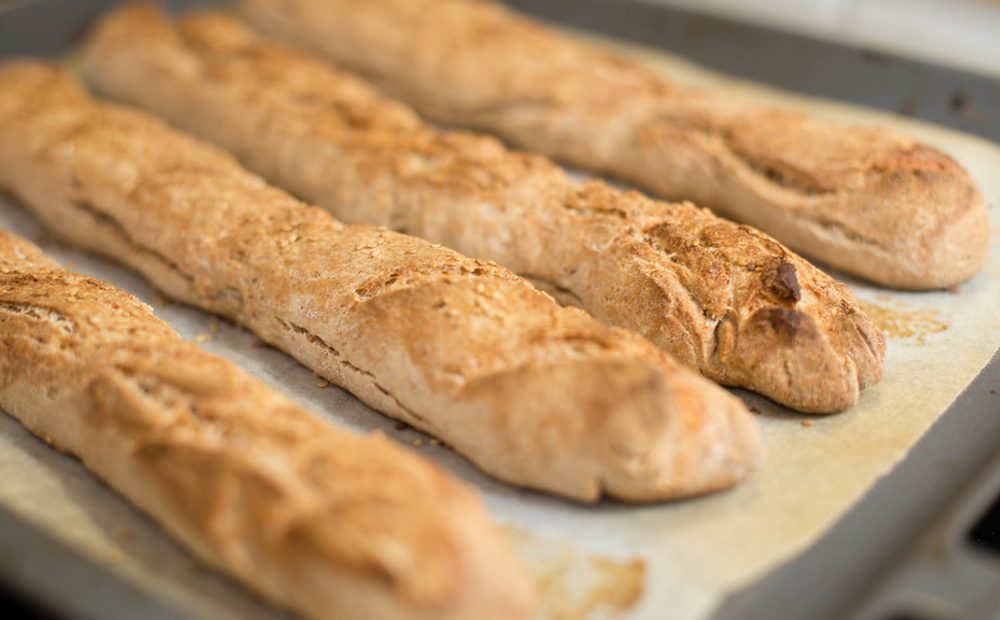
This is exactly why my coffee shop and bakery’s workhorse oven is a double Blodgett electric convection oven. Baking bread and bagels throws heat, not grease, and the oven burns no fuel — so it sits comfortably at the light end of the hood spectrum and gives me enormous freedom about where the bakery can be. It also holds heat beautifully, recovers between loads, and gives me the steady, even, precise temperature that consistent baking demands. (I go deep on oven choice for bread in the breads ovens section.)
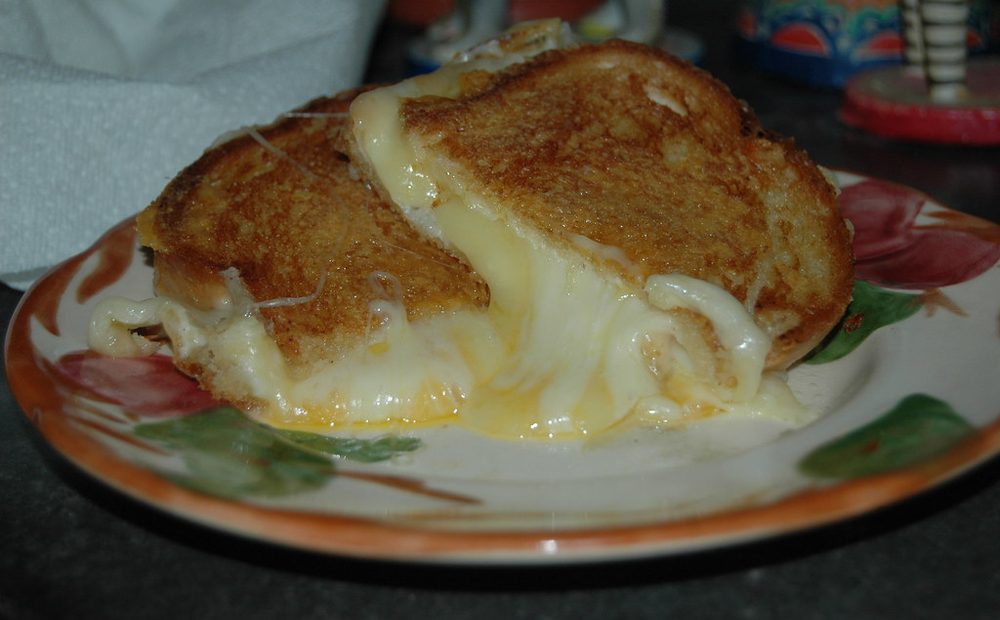
The same logic runs my breakfast line. I fry eggs and build breakfast sandwiches on electric griddles, specifically because an electric griddle can often run under a lighter hood — or none — where a gas one couldn’t. Grease still matters: a griddle searing sausage makes grease-laden vapor regardless of what heats it, so I always verify locally rather than assume “electric means ventless.” But the no-combustion half of the equation is real and it’s on my side, and it keeps my breakfast station flexible about where it lives in the shop.
Beyond ventilation: cost, recovery, control, cleanliness
Ventilation is the headline, but it isn’t the only difference, and gas has genuine strengths I respect.
Operating cost. Gas is usually cheaper to operate per BTU — energy-dense heat at a lower price per unit than electricity in most places. Over a year of heavy cooking that adds up, and it’s a real point in gas’s favor. And off-grid, gas is unbeatable: propane runs anywhere, with no shore power and no generator. That matters enormously on a food truck, where you don’t always have electricity to spare — which is a big reason trucks trend gas even when I’d pick electric in a building.
Recovery. A gas flame slams heat back fast after you load a cold batch — high, immediate burst output. A good electric oven recovers well too, leaning on its thermal mass, but for sheer speed of recovery, flame has an edge.
Control and evenness. This one goes to electric. Electric elements give a steadier, more even, more precisely controlled heat — no flame licking one side of the cavity, no hot spot over the burner. For baking, where evenness is the product, that precision is exactly what I want.
Cleanliness and comfort. Electric is cleaner, quieter, and throws less ambient heat and no combustion byproducts into the room. A kitchen full of gas burners is hotter and louder to work in all day.
Here’s the whole comparison in one place:
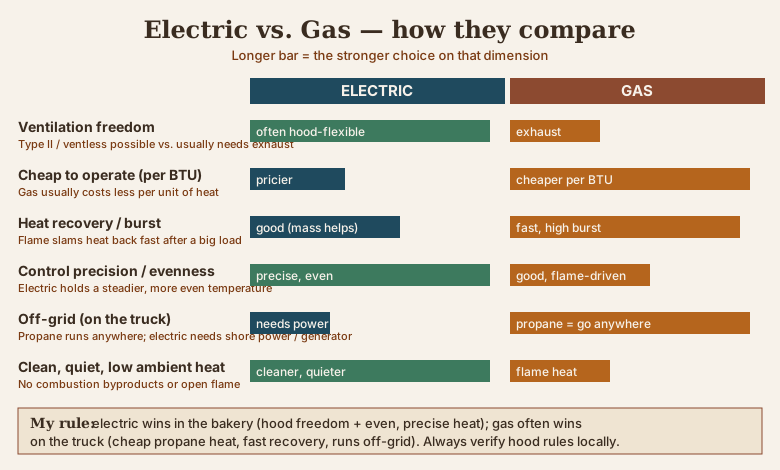
| Dimension | Electric | Gas |
|---|---|---|
| Hood needs | Often Type II or ventless if no grease — placement freedom | Burns fuel → almost always needs exhaust; grease work needs Type I |
| Operating cost | Pricier per BTU in most areas | Cheaper per BTU |
| Recovery | Good, leans on thermal mass | Fast, high burst from the flame |
| Control / evenness | Precise and even — great for baking | Good, but flame-driven and less uniform |
| Off-grid | Needs shore power or a generator | Propane runs anywhere — the truck’s friend |
| Install | Needs the right circuit (often 208–240V, sometimes 3-phase) | Gas line + often 120V controls + exhaust + fire system |
| Cleanliness / comfort | Cleaner, quieter, cooler room | Hotter, louder, combustion byproducts |
Where gas wins: on the truck
So my verdict isn’t “electric always.” It’s “electric for the fixed bakery, because hood freedom and even, precise baking heat are worth more to me than the cost-per-BTU savings.” But flip the setting to a food truck and the math flips with it: out there you’re often off-grid, propane is easy to carry and cheap to burn, recovery speed matters when you’re slammed at a lunch rush, and you’ve usually got the exhaust hood built into the truck anyway — so the biggest argument for electric largely evaporates. That’s why gas so often wins on the truck, and it’s a whole discussion of its own over in the food truck build — fixing it up.
Pick the fuel for the setting, not the feeling. In my shop that means electric under the roofline and gas out on the road — and either way, the first question I ask about any new machine is still the same one: what hood does this force me to build? Once you’ve settled fuel and ventilation, run the real operating cost through the numbers and lay it all into the plan in outfitting my kitchen.
Comments (0)