The Whole Hive
Honey is what most people think a beehive makes, but honey is only the headline. A colony of bees is one of the most generous little factories in the world, and once you’re already keeping many hives behind the shop for the honey, it would be a shame — almost a waste — to throw away everything else they hand you. So we don’t. The counter at my coffee shop and bakery isn’t just coffee and pastry and jars of honey; it’s a whole shelf of hive products, and I’ll tell you honestly, we pretty much sell them all. This page is the rest of what the bees give, and how a row of white boxes turned into a genuine second identity for the store.
Why the whole hive matters to the shop
A modern beehive is a closed little economy, and almost every part of it has a use humans have prized for thousands of years. When I harvest honey I’m also collecting wax cappings by the tubful; when I work the hives I’m scraping off propolis; through the season I can trap pollen at the entrance and, if I want to work for it, produce royal jelly. None of that has to be trash. Rendered, strained, and turned into finished goods, it becomes candles, balms, lotions, tinctures, and supplements — a shelf of products that share a story, a brand, and a source with everything else I sell.
That’s the part I care about most. The bee-products shelf isn’t a gift-shop afterthought; it’s part of who the store is. It tells every customer that the honey in their latte, the wax in the candle, and the propolis in the throat tincture all came from the same hives behind the same building. It diversifies the register the same way the honey does — long shelf life, high perceived value, a lovely impulse buy — and it deepens the whole thing I’m building on the vision: a shop rooted in what we actually make ourselves.
Beeswax — the second harvest
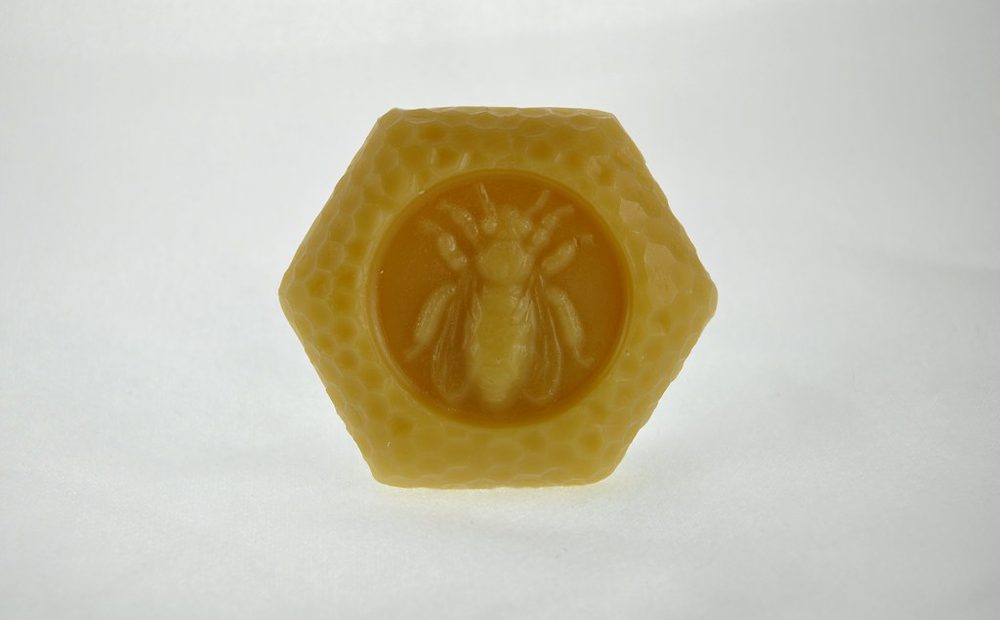
Beeswax is the material bees build the hive out of. Worker bees secrete it in tiny flakes from glands on their abdomens and chew it into the hexagonal comb that holds the honey and the brood. Every time I uncap frames at harvest, I’m collecting the wax cappings the bees made to seal the honey in — that’s my raw wax.
Getting it usable takes rendering. I gently melt the cappings in a double boiler or a solar melter, strain out the debris through cloth, and let it set into clean blocks of that gorgeous golden, honey- scented wax. From there it becomes several things I sell:
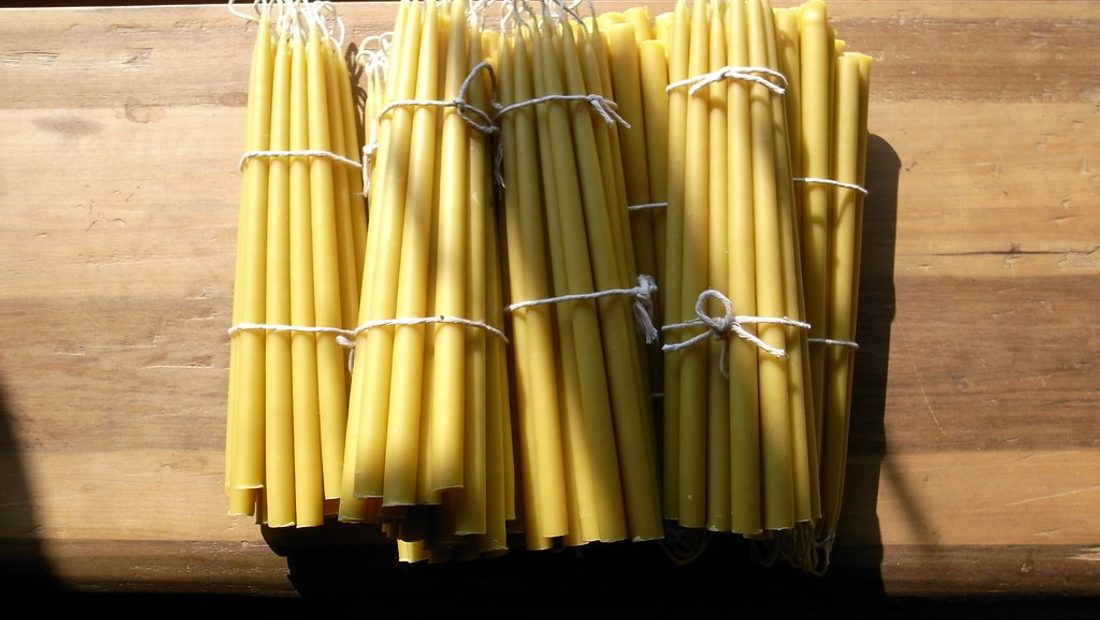
- Candles. This is the big one. Beeswax candles are the premium candle for a reason — they burn slowly, cleanly, with almost no soot, they’re naturally dripless if the wick’s right, and they carry a faint natural honey scent with no added fragrance. I pour tapers, pillars, votives, and little tealights, and they sell beautifully next to the honey, especially heading into the holidays.
- Food wraps. Cotton cloth saturated with beeswax (plus a little oil and pine resin) makes a reusable, washable beeswax wrap — the plastic-wrap replacement people love. It ties right into the whole made-here, low-waste feeling of the shop.
- A base for cosmetics. Most of the balms and lotions below start with this same rendered wax.

Lip balm, salves, lotions and balms — beeswax put to work
Beeswax is a superb base for skin care because it forms a soft, breathable, protective film and emulsifies oils and water into a stable, smooth product. So a good chunk of my wax becomes a small line of body-care goods, all of which sit on that same shelf.
Beeswax lip balm (chapstick). The simplest and best-selling of the lot: beeswax melted with a nourishing oil or two (sweet almond, coconut, a little shea) and a touch of our own honey, poured into tubes or tins. It’s just a few honest ingredients, it works better than most drugstore sticks, and “lip balm made from our own bees’ wax” basically sells itself at the register.
Hand lotions, salves and balms. Bump the oil-to-wax ratio and add water-phase ingredients and you move from a hard balm to a salve to a soft hand lotion. I make a rich beeswax hand salve for dry, cracked winter hands (the kind of thing a baker’s own hands need), soothing all-purpose balms, and lighter emulsified lotions. Beeswax is what gives them all that protective, non-greasy finish and keeps the oils and water from separating in the jar.
I keep the claims honest — these are lovely, traditional, well-made skin products, not medicine — and that’s exactly how customers want them: something real, made here, from our hives.
Propolis — “bee glue”
Here’s the one that surprises people. Propolis is a sticky, resinous material the bees make by gathering resins from tree buds and bark and mixing them with a bit of wax and their own enzymes. They use it as the hive’s caulk and immune system — sealing cracks, smoothing surfaces, varnishing the comb, and, crucially, coating the inside of the hive in an antimicrobial layer that helps keep a dense colony of thousands of bees from succumbing to bacteria, fungi, and viruses. When I pry a hive apart, propolis is the amber glue I’m always scraping off the frames and lids. (Bees, it turns out, are better sealers than most contractors.)
Because it’s naturally rich in resins and flavonoids, propolis has a long folk history for the throat and the immune system, and the classic way to capture it is a tincture — propolis steeped in food- grade alcohol to pull the resins into solution, then filtered. That amber tincture of propolis is a product I make and sell: traditionally a few drops in water or under the tongue at the first scratch of a sore throat, or a spray for the same. I sell it for what it is — a traditional throat and immune remedy with a lot of history behind it, not a cure for anything — and it’s a favorite of the regulars who come in already fighting off whatever’s going around.
Bee pollen — protein by the granule
Bee pollen is the flower pollen that foragers pack onto their back legs in those little colored pellets and bring home to feed the colony — it’s the hive’s protein source, the way honey is its carbohydrate. With a pollen trap at the hive entrance I can gently brush a share of it off the returning bees and collect a jar of these gorgeous multicolored granules, each color a different flower.
Sold as a supplement, bee pollen is genuinely nutrient-dense — protein, amino acids, vitamins, and a grassy-sweet, floral flavor. People sprinkle it on yogurt, blend it into smoothies, or take a spoon straight. I offer it as exactly that: a natural, protein-rich food supplement from our own hives. (The one caution I always give: anyone with a serious pollen or bee allergy should be careful with it.)
Royal jelly — the queen’s food
Royal jelly is the rarest and most premium thing the hive makes. It’s a milky secretion from glands in the heads of young nurse bees, and it’s the special food that turns an ordinary larva into a queen — a fertile, long-lived queen instead of a sterile worker comes down almost entirely to being fed royal jelly. That’s a remarkable bit of biology, and it’s why the stuff carries such mystique.
It’s labor-intensive to harvest in any quantity, which is exactly why it’s a premium supplement and priced like one. I offer it in small amounts for the customers who specifically want it, sold plainly as a traditional premium tonic — no big health promises from me, just the real, fascinating thing itself.
Mead — a nod to honey wine
I’ll leave you with one more possibility, because whenever there’s this much honey around, someone always asks about it: mead. Mead is honey wine — honey and water fermented with yeast — humanity’s oldest fermented drink, and it can run anywhere from bone-dry to dessert-sweet. I don’t sell it (a café is not a meadery, and alcohol is its own whole licensing world), but with buckets of good honey out back it’s a tempting someday project, and if any of my honey ever does go that way, it belongs with the fermenting-and-brewing side of the site. The craft of it lives on brewing if you want to go down that road yourself.
Products of the hive — the whole shelf
Here’s the whole line in one place — everything a single colony hands us, and what we make of it:
| Product | What it is | What we do with it |
|---|---|---|
| Honey | The bees’ capped, dried nectar | Sell by the jar; sweeten drinks; bake with it — see honey |
| Comb honey | Honey still in the wax comb | Premium retail jars, cut comb |
| Beeswax | The wax bees build comb from | Render → candles, food wraps, cosmetic base |
| Beeswax candles | Rendered, filtered wax, wicked | Tapers, pillars, votives, tealights — a top seller |
| Lip balm / chapstick | Beeswax + nourishing oils + honey | Tubes & tins at the register |
| Salves, balms & lotions | Beeswax-emulsified oils (± water) | Hand salve, all-purpose balms, lotions |
| Propolis | Antimicrobial tree-resin “bee glue” | Tincture & spray — traditional throat/immune use |
| Bee pollen | Protein-rich foragers’ pollen pellets | Granules sold as a food supplement |
| Royal jelly | The nurse-bee secretion that makes queens | Premium supplement, small quantities |
| Mead (someday) | Fermented honey wine | Not sold — a future project; see brewing |
Why it all belongs on the counter
None of this is a stretch or a gimmick. It’s just not wasting what the hives already produce, and turning it into a shelf of honest, made-here goods that share a brand and a source with the coffee and the bread. The economics are the same story I tell about the honey: long shelf lives, high perceived value, wonderful impulse buys, and every sale sends a piece of the shop — and the bees — home with someone. It’s the same logic that drives me to make my own jam and put up my own preserves and insist on the best ingredients: the more of the product I genuinely make myself, the more the store is mine, and the more reason people have to come here and nowhere else.
So when you come in for a coffee, look past the pastry case to the shelf beside it. There’s a candle that started as the wax cap on a honey frame, a lip balm and a hand salve built on that same wax, a little bottle of propolis tincture the bees made to protect themselves, a jar of protein-packed pollen, and the honey it all began with. One hive, a whole counter. If you want to cook with the sweet part of it, the honey recipes are waiting for you, and the full honey story is right next door on honey from our hives.
Comments (0)