The Coffee Shop & Bakery
For years I’ve been circling the same idea from a dozen directions — smoking my own meats, putting up jam, baking bread until I could feel the dough tell me when it was ready, cooking a full commercial line, and dreaming up a food truck. This page is where all of that finally points to one building. Not a bakery. Not a coffee shop. A neighborhood coffee shop and an artisan bakery under one roof, run as a single business — the brick-and-mortar anchor of everything else I want to build, with the food truck as its mobile arm. Here’s why the combination is far stronger than either half could ever be alone.
Two co-headlines, not a headline and a sidekick
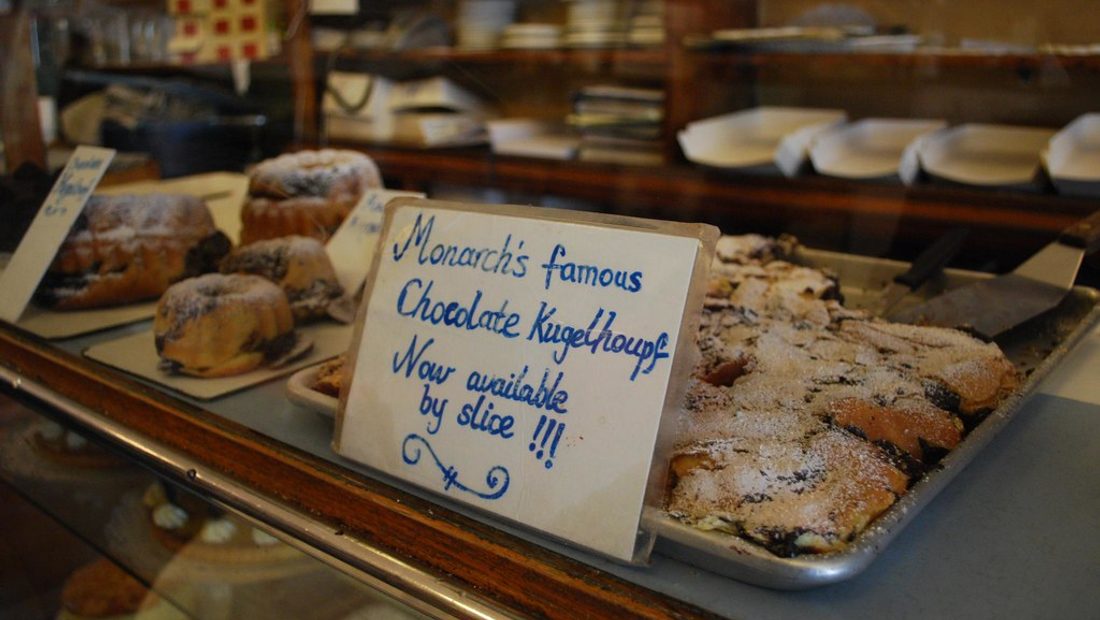
The mistake I see over and over is a bakery that treats coffee as an afterthought — a pump pot of burnt drip by the register — or a coffee shop that buys its pastries frozen from a distributor. Each is leaving the other’s strength on the table. My plan treats coffee and bread as equal co-headlines, because each one fixes the other’s biggest weakness.
Bread is a beautiful, brutal business. It’s labor-heavy, it’s early, the margins are thin, and a loaf that doesn’t sell today is close to worthless tomorrow. Coffee is almost the mirror image: it’s the highest-margin item in the building, it’s fast, it’s shelf-stable as beans, and people will happily pay five dollars for something that cost me well under a dollar to make. Put them together and the coffee’s fat margin funds the bread’s expensive labor, while the smell of that bread — the single most powerful marketing tool a food business has ever had — pulls the coffee crowd through the door. Neither half is carrying dead weight. Each one is the other’s answer.
I want to be clear that “coffee” here means the real thing, top to bottom. Standard drip and a proper espresso program, yes — but also café cubano, the sweet, crema-topped shot I fell for in Miami; cà phê sữa đá, the dark, condensed-milk iced coffee dripped through a phin filter that got me through the heat in Vietnam; flavored lattes, matcha, chai, a good London Fog. The full coffee program gets its own page — see the coffee program — but the point of this page is that coffee earns co-billing on the sign, not a footnote by the register.
Why the combination is stronger than either alone
Let me put the economics on the table plainly, because the margins are the whole argument.
| Item | Rough COGS | Menu price | Gross margin | Role in the business |
|---|---|---|---|---|
| Latte (12 oz) | $0.50–0.80 | $4.50–6.00 | ~80%+ | Funds everything · high traffic |
| Drip coffee | $0.20–0.35 | $2.75–3.50 | ~85%+ | Fast, constant, habitual |
| Artisan loaf | $1.20–2.00 | $6–9 | ~65–75% | The soul · the smell · the draw |
| Croissant | $0.60–1.00 | $4–5 | ~70%+ | Pairs with every drink |
| Cookie | $0.30–0.55 | $3–3.75 | ~80%+ | The afternoon impulse buy |
| Sandwich (on our bread) | $2.00–3.25 | $9–13 | ~70%+ | Turns lunch into a daypart |
(Rules and figures change, and my real numbers depend on my rent, my roaster and my flour bill — I work all of this properly on the numbers. Verify anything before you build a plan on it.)
Read that table as a system, not a list. The coffee lines are where the reliable money is — high margin, high volume, low labor per cup. The bakery lines are where the identity is — the reason someone drives past three chain cafés to come to mine, the thing they can’t get from a machine. On its own, a coffee shop is a commodity: anyone can pull a shot. On its own, a bakery is a grind: gorgeous, beloved, and perpetually one slow week from trouble. Bolted together, the commodity funds the craft and the craft sells the commodity. That’s the whole idea in one sentence.
All-day dayparts — the same room, earning four times
The other quiet superpower of this combination is that it fills the whole day. A lunch-only spot is dark for twenty hours. A bakery that sells out its morning loaves by ten is staring at an empty afternoon. My coffee shop and bakery has a reason for someone to walk in at every hour it’s open, and each daypart leans on a different part of the same kitchen.
- Early morning (6–10 am): the money hour. Commuters and dog-walkers on coffee and a warm pastry — a latte and a croissant, a drip and a muffin, a breakfast bagel sandwich on a bagel I boiled and baked at 5 am.
- Late morning (10–11:30): the lingerers. Remote workers, retirees, a second cappuccino, a cookie, a loaf to take home for dinner.
- Lunch (11:30–2): sandwiches on our own bread — that’s the whole trick. Anybody can sell a turkey sandwich; nobody down the street is selling it on a sourdough or a ciabatta they baked that morning. The bread that anchors the bakery is exactly what makes the lunch daypart special, and it’s the same bread the truck’s menu is built on.
- Afternoon (2–5): coffee and a cookie, matcha and a scone, an iced cà phê sữa đá when it’s hot. The impulse daypart — small tickets, fat margins, and the smell of the day’s last bake still in the air.
One room, one staff, one kitchen, four distinct waves of revenue. That’s how a small footprint carries a big rent — you don’t need a huge lunch rush if you’re also selling coffee at 7 am and cookies at 3 pm from the same square footage.
The anchor of the whole food business
Here’s the part that makes this bigger than a café. The coffee shop and bakery isn’t just a business on its own — it’s the anchor and the engine room of everything else I want to do with food. Three things click into place the moment the shop exists:
- It’s the production hub. The ovens, the mixers, the proofer, the walk-in — the whole commercial kitchen — bakes for the café case and for the truck and for wholesale, all from one line. I mix one big batch of dough and it becomes shelf loaves, café sandwiches, and truck bagels. Nothing is duplicated; everything is leveraged.
- It’s the commissary. A food truck in Michigan can’t legally operate out of thin air — it needs a licensed commercial kitchen as its base for water, waste, storage and cleaning. My licensed shop is that kitchen, which erases the truck’s single biggest fixed cost. I walk through exactly how that lock works on the truck + the bakery, and the licensing detail lives in rules and regs.
- It’s the brand’s home address. The truck is the mobile storefront that drives to festivals and office parks and sells while it advertises; the shop is the fixed address it sends everyone back to. One name, one look, two doors.
So when I talk about “my coffee shop and bakery,” I don’t mean a cute café. I mean the licensed, plumbed, oven-equipped anchor that the truck plugs into, that the wholesale bread ships out of, and that the whole brand calls home.
What’s craft, what’s business — and where each lives
I want to keep a clean line between the craft of this and the business of it, because I’ve written a lot about both and I don’t want to repeat myself. The craft — how a sourdough develops, how to laminate a croissant, how a bagel gets its chew, what steam does to a crust — lives in the breads dive: artisan loaves, bagels, sourdough, ingredients and ovens. The gear — why I buy commercial, electric versus gas, buying used — lives in the kitchen-equipment dive.
This dive, the coffee-shop-and-bakery dive, is the business: the concept, the money, the menu strategy, the licensing path, and how the whole thing fits with the truck. So from here, the rest of these pages go deep on the pieces:
- Starting a coffee shop & bakery — the practical path from idea to open door: concept, location, licensing, buildout, hiring, sequencing.
- The coffee program — espresso, Cuban, Vietnamese, teas, beans, and the machines that pull it all.
- Artisan breads & pastry — the product line the case is built on, and how it feeds the truck.
- The best ovens — deck, convection, rack and combi, and which one a real bread program needs.
- The best ingredients — flour, butter, chocolate, beans and what to never cheap out on.
- The numbers — what it costs to build and what it takes to make it pencil.
- Bringing it all together — the capstone, where the shop, the bakery and the truck become one machine.
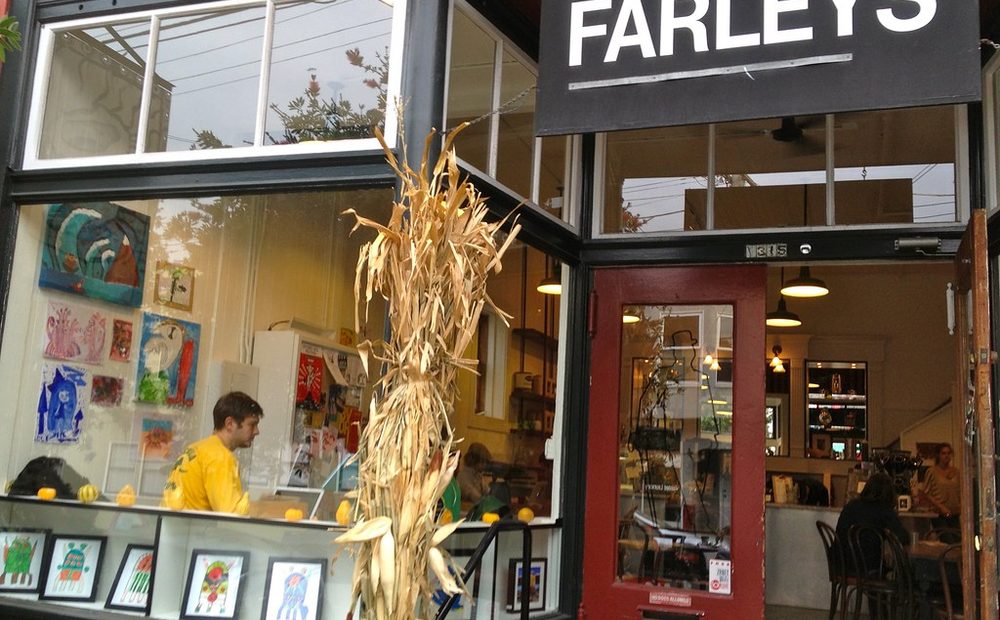
That’s the vision: not a coffee shop with some pastries, and not a bakery with a coffee machine in the corner, but a single neighborhood institution where the espresso pays for the bread, the bread sells the espresso, the same room earns all day long, and the whole thing doubles as the launchpad for a truck. It’s the anchor I’ve been building toward this entire time. The next page is how I’d actually open the doors.
Comments (0)