Starting a Coffee Shop & Bakery
Wanting to open a coffee shop and bakery and actually opening one are separated by a long list of unglamorous decisions — a lease, a plan review, an inspector, a hood, a floor drain, a hiring plan. I’ve spent enough time around commercial kitchens and enough time daydreaming over spaces for lease to have a clear picture of the path, and this page walks it in the order I’d actually take the steps. None of it is as romantic as pulling the first shot or scoring the first loaf, but this is the part that decides whether the romantic parts ever happen.
And this wouldn’t be my first counter. Years ago I started and ran a brewpub in Texas — we brewed our own beers and served them alongside hearty stews, chili, burgers and sandwiches — and later a small shop in South Carolina called Ice Cream and Coffee Beans, which kept it simple: ice cream, coffee, sandwiches and pastries. Between the two I learned the lessons that run under everything on this page — that the back-of-house economics decide whether the front-of-house dream survives, and that a tight, well-run concept beats an ambitious sprawling one every single time. So this dive is really the version of that hard-won knowledge I’d hand my younger self before he signed his first lease.
First, nail the concept — on paper, out loud, to a stranger
Before I sign anything or buy anything, I have to be able to say what this place is in one clean sentence, and have it survive a skeptical friend. Mine is: a neighborhood coffee shop and artisan bakery where the espresso is as serious as the bread, open all day, on one licensed kitchen that also feeds a truck. That sentence is doing real work — it tells me my dayparts, my equipment, my staffing and my differentiation all at once. If I can’t say it, I’m not ready to spend money.
The concept also settles the arguments that otherwise eat you alive during buildout: how much seating (enough to linger, not so much I’m renting a dining room I can’t fill), how much of the footprint is front-of-house café versus back-of-house bakery (a real bread program is back-heavy — it wants space I’ll never see from the counter), and where coffee sits in the mix. I’ve decided coffee is a co-headline, not a garnish, which means the espresso station gets prime counter real estate, not a corner. The vision page is the long version of this argument; the concept is just its one-sentence, load-bearing summary.
Location: foot traffic, parking, and daypart fit
For a coffee-and-bakery, location isn’t one factor among many — it’s close to the whole game. I’m selling habit and impulse, and both die at the first inconvenience. Three things matter most, and they trade off against each other and against rent.
- Foot traffic and visibility. Coffee is a habit business; I want to be on a route people already walk or drive every single morning, ideally on the going-to-work side of the street. A hidden gem is a lovely thing to be once you’re established and a slow death when you’re new.
- Parking and access. The morning grab-and-go crowd will not circle the block. Easy in, easy out, a spot to idle for two minutes. Walkable neighborhood density is even better than parking, but I need one or the other in abundance.
- Daypart fit. I want a spot whose surrounding rhythm matches my four dayparts — some morning commuter flow, some daytime workers or residents for the lunch and afternoon waves. A pure office district dies at 5 and on weekends; a pure residential street is dead at lunch. A mixed block is gold.
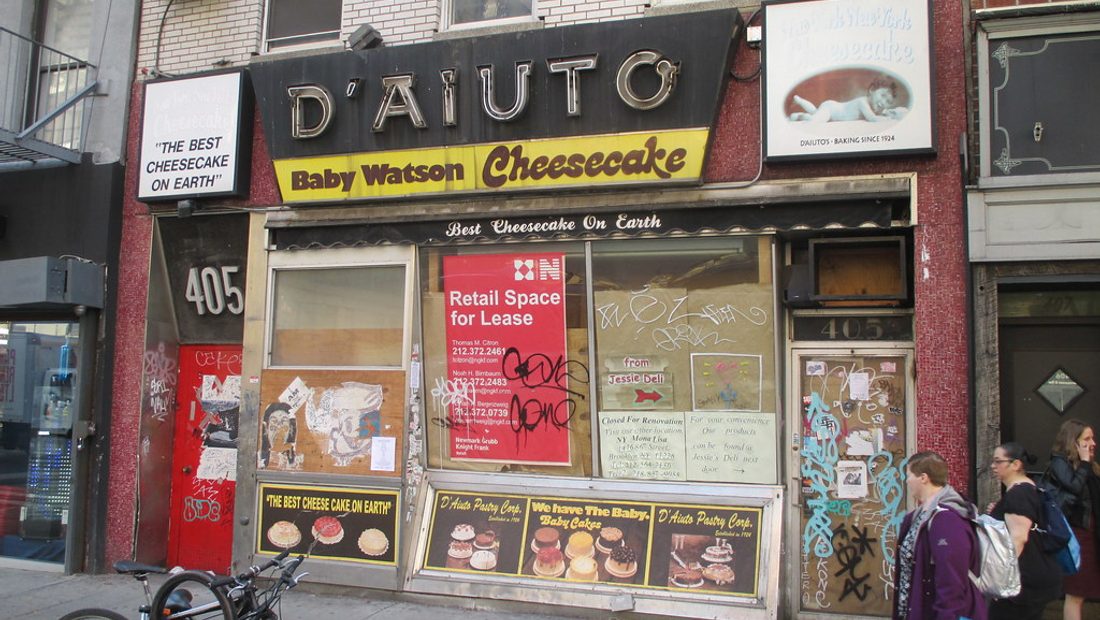
Then there’s the physical reality of the box itself: does it have (or can it get) three-phase power for a deck oven and a big mixer, the water and floor drains a bakery and an espresso boiler need, room for a grease-capable hood if I’m cooking hot, and a back door for deliveries? A cheap rent on a space that can’t be plumbed and powered for a kitchen isn’t cheap — it’s a money pit with a “for lease” sign.
The licensing reality (recap — the full detail lives elsewhere)
Here’s the blunt version: a coffee shop and bakery is a licensed food establishment. In Michigan that means MDARD (and/or your local health department), a plan review of your layout and equipment before you build, and an inspection before you open — and then ongoing. Coffee doesn’t exempt you; the moment you’re serving the public food and drink out of a commercial space, you’re in the licensed world.
I’m deliberately not re-deriving the whole legal picture here, because I already worked it through in detail on the food-truck side and it’s the same regulatory body and much of the same logic. Read rules and regs for the real treatment — licensing tiers, plan review, the commissary requirement, what pushes you past cottage-food rules into full licensing, and how the shop doubles as the truck’s legal base. The one thing I’ll repeat, because it matters and because I can’t promise it won’t change: rules and figures change — verify the current requirements and fees with MDARD and your local health department before you build. Talking to your plan reviewer early, before the drawings are final, is the single cheapest hour you’ll ever spend; changing a floor drain on paper is free, changing it in poured concrete is not.
Lease vs. build-out: the two ways a space costs you
Once I’ve got a concept and a shortlist of spaces, the money question is what kind of space I’m taking on, because it changes the budget by an order of magnitude.
| Path | What it is | Up-front cost | Best when |
|---|---|---|---|
| Second-generation | A former café/restaurant with hood, drains, some equipment | Lowest | The bones already fit a food use |
| Vanilla shell | Four walls, basic utilities stubbed, no kitchen | Middle | Layout’s wrong everywhere else |
| Ground-up / gut | Raw or wildly wrong space, full build | Highest | Nothing else will do |
Taking over a second-generation food space — an old café or restaurant that already has a hood, grease trap, floor drains and three-phase power — can save a staggering amount, because the expensive, invisible infrastructure is already in the walls. That’s usually where I’d start looking; the trap is inheriting someone else’s bad layout or worn-out gear and paying to rip it out anyway. Whatever the path, I read the lease like it’s the business it is: term length, who pays for the build-out (tenant improvement allowances are real money — negotiate for them), rent escalations, and a personal-guarantee clause I’d better understand before I sign.
Designing the space and the workflow
A coffee shop and bakery is really two workspaces sharing an address, and if I don’t design the seam between them, they’ll fight each other every service. The design job is to make each one flow on its own and hand off cleanly to the other.
Front-of-house — the café. This is the part the customer feels: the espresso station, the pastry case, the register, the pickup spot, the seating. The critical thing is the espresso workflow — grinder, machine, milk fridge, knock box and cups arranged so a barista pulls, steams and serves in a tight triangle without stepping on the person taking orders. A badly laid out bar caps my morning rush no matter how good the coffee is; the line moves at the speed of the worst-placed piece of equipment.
Back-of-house — the bakery. This is the engine room the customer never sees, and it wants more space than they’d guess: the deck and convection ovens, the mixer, the retarder-proofer for overnight ferments, a sheeter for laminated pastry, a big work bench, speed racks, the walk-in, and a warewashing station. The flow that matters is dough’s journey: mix → bench → shape → proof (often overnight in the retarder) → bake → cool → out to the case. Cross that path over the dishwasher’s path or the delivery door and you’ve built a daily traffic jam into the concrete.
The whole gear list — what to buy, why commercial, electric versus gas, new versus used — is its own dive; I plan the buildout against outfitting my kitchen and lean hard on why I buy commercial and buying used to keep the number sane. The oven decision specifically — the single most important piece of equipment in a bread bakery — gets its own page at the best ovens.

Hiring: the two skill sets
Staffing a coffee-and-bakery means hiring for two genuinely different crafts, on two different clocks. The bakers start in the dark — 3 or 4 am is normal for bread — and they’re skilled and hard to replace; a good baker is the heart of the whole thing, and I’d pay and treat them accordingly. The baristas and counter staff run the daytime service — the coffee craft, the speed, the friendliness that turns a first-timer into a regular. Early on, in a small shop, I’m wearing several of these hats myself. The mistake to avoid is under-hiring the bakery to save money and then having nothing worth selling — the bread is the brand, and it doesn’t bake itself.
Sequencing: you probably shouldn’t open the shop first
Here’s the advice I’d most want to hear and least want to follow: opening a full licensed coffee shop and bakery cold, as a first move, is the hardest and most expensive way in. A lease plus a build-out plus commercial ovens plus a two-group espresso machine is a big number to put at risk before you’ve proven anyone wants your bread.
The wiser path for most people — maybe including me — is to graduate into it. Start lean and cheap under Michigan’s cottage-food rules or a small mobile operation, prove the recipes, build a name and a customer list, and bank cash and confidence before signing a lease. A cottage-food kitchen or a packaged-goods truck lets me sell my bread, bagels, cookies and jam at farmers markets and events with no lease and no commissary, learn what actually sells, and walk into the bank with revenue instead of a dream. Then the licensed shop becomes the step up, funded partly by the lean operation that came before it — and because that shop is also the commissary the truck plugs into, the sequence compounds instead of just stacking. I lay the whole staged journey out on bringing it all together.
What it all costs
I’ve kept the dollar figures light on this page on purpose, because the money deserves its own careful treatment rather than being sprinkled through the narrative. The full build-and-operate budget for the shop — the equipment, the buildout, the rent, the labor, the break-even math — lives on the numbers, and the equipment costs specifically are worked in detail on the kitchen-equipment numbers. Same caveat as always: those are planning ranges, not quotes, and they move with rent, region and the used-market luck of the month — verify everything against real bids before you commit.
That’s the path from idea to open door: a concept clear enough to say out loud, a location that matches my dayparts, a licensing process I start early and take seriously, a lease and build-out I go into with my eyes open, a space designed around two workflows that hand off cleanly, a crew hired for two crafts, and — for most of us — a lean start that earns its way up to the real thing. None of it is glamorous. All of it is what stands between the daydream and the doors opening.
Comments (0)