The Best Ingredients
You can taste the shopping list. That’s the truth almost nobody tells you about a coffee shop and bakery: the difference between a place people drive across town for and a place they walk past is usually decided at the supplier, not the oven. A bakery is a machine for turning a very short list of humble ingredients — flour, water, butter, sugar, salt, eggs, chocolate, coffee — into something people crave, and when the whole product is four ingredients, each one is 25% of the flavor. So I buy the best inputs the business can carry, and I want to walk through what “the best” actually means for each one and why it pays me back.
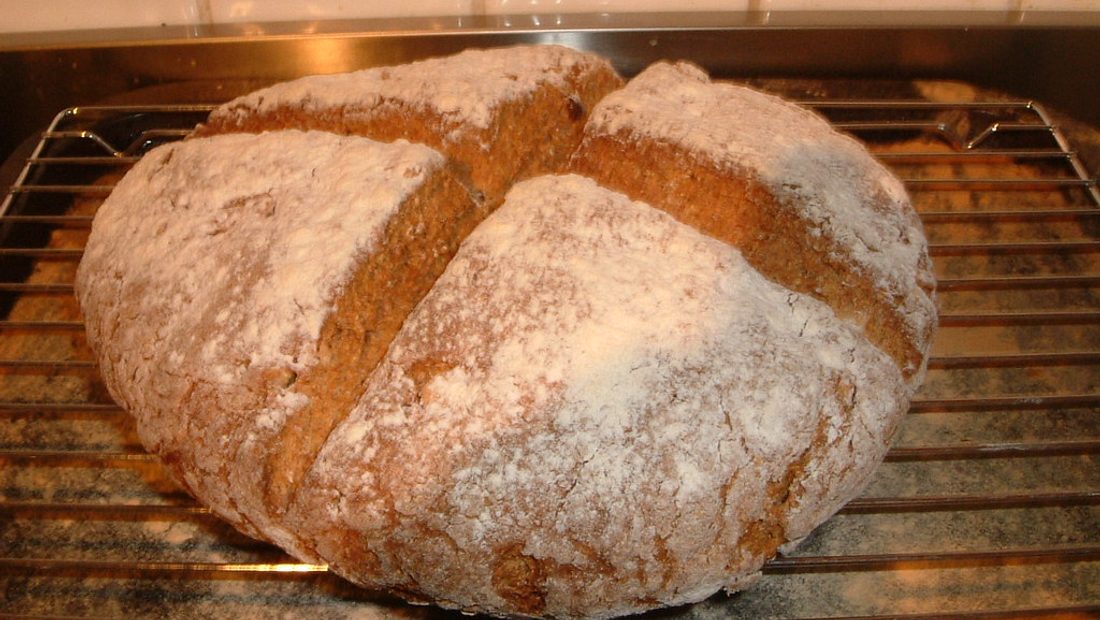
Flour — the foundation of everything
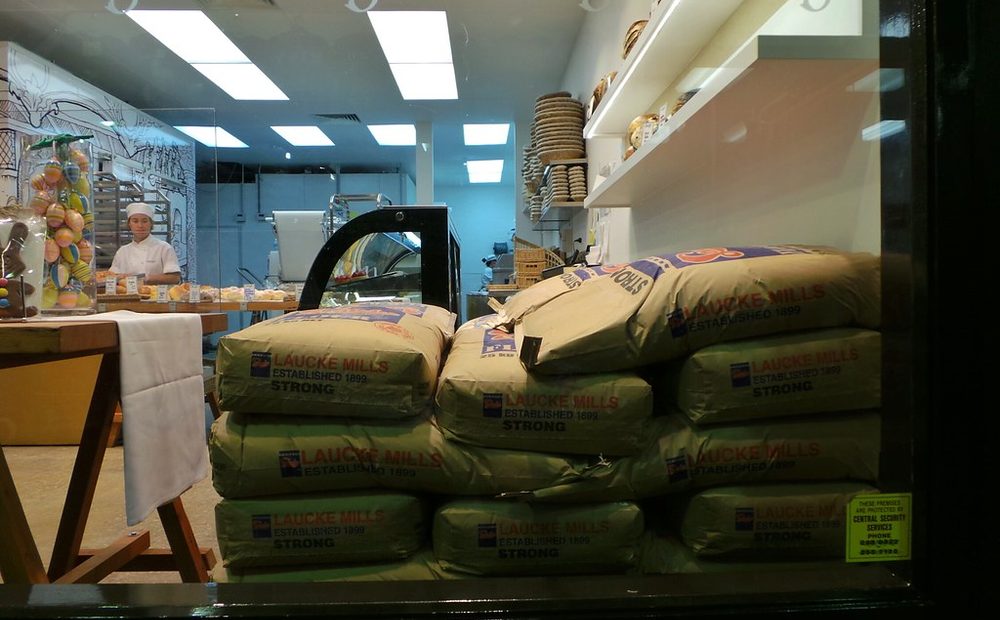
Flour is where I start, because it’s the biggest single input on the bakery side and the one that most determines whether the bread is any good.
The number that matters most is protein content, because protein is what forms gluten, and gluten is the stretchy network that traps fermentation gas and gives bread its structure and chew. For artisan loaves and bagels I want a high-protein bread flour, around 12–14%. All-purpose flour (~10–11%) makes a softer, weaker dough that can’t hold a big open crumb or a proper chewy bagel. Pastry and cake flour go the other way — low protein, ~8%, for tender, crumbly results. The full science of protein, hydration, and gluten development lives on bread ingredients; here I just care that I’m buying the right flour for each job.
Beyond protein, I care about the mill. Freshly milled flour from a good regional mill simply tastes more of wheat, and a local mill relationship gets me consistency, freshness, and often interesting heritage and whole-grain wheats I can build specialty loaves around. Whole-grain flour brings flavor, fiber, and character but weakens the gluten and drinks more water, so I blend and adjust hydration rather than swapping it in one-for-one.
| Flour | Protein | What it’s for |
|---|---|---|
| Bread flour | ~12–14% | Artisan loaves, bagels, chewy crust |
| All-purpose | ~10–11% | General baking, some cookies |
| Pastry / cake | ~8–9% | Tender muffins, cakes, delicate crumb |
| Whole-grain | varies | Flavor & fiber; blended for structure |
| ”00” / high-extraction | varies | Fine specialty doughs, some pastry |
The craft of turning that flour into bread — hydration, fermentation, shaping, scoring — is a whole dive of its own: see artisan bread, sourdough, and bagels. This page is about buying it well.
Butter — where croissants are won or lost
If flour is the foundation, butter is the luxury that separates a real bakery from a supermarket case, and it’s the one ingredient where I refuse to economize.
The key spec is fat content. Standard American butter is about 80% fat and 18% water; European- style butter is 82%+ fat, sometimes 84–86%, with less water and often a little cultured tang. That few percent is enormous when you’re laminating — folding butter between sheets of dough to build the hundreds of alternating layers that make a croissant shatter and puff. Higher-fat butter is more pliable, it doesn’t crack when I roll it cold, and — critically — its lower water content means less steam blowing the layers apart into a greasy mess and more clean, tall, flaky rise. You can taste and see the difference in the first croissant. For lamination I buy European-style, high-fat, unsalted butter (I want to control the salt myself), in blocks made for the job.
Good butter matters everywhere else too — in the crumb of a cookie, the richness of a cake, the finish on a brioche — but lamination is where cheap butter is exposed instantly, so that’s my line in the sand.
Chocolate — buy couverture, not chips
Chocolate is another place where the upgrade is obvious in the cup and on the plate. For anything that matters — the mocha on the coffee menu, the chunks in a cookie, a pain au chocolat, a ganache — I buy couverture: real chocolate with a high proportion of cocoa butter, which is what lets it melt smoothly, coat cleanly, and taste of actual chocolate rather than sweet wax. Baking chips are formulated with less cocoa butter and stabilizers so they hold their shape; that’s the opposite of what I want when I want it to melt.
I choose by cacao percentage to match the job — a 60–65% semisweet for cookies and everyday bakes, a 70%+ dark for a serious ganache or a grown-up mocha, a good milk chocolate where I want comfort. And I pay attention to origin and brand the same way I do with coffee beans, because good chocolate, like good coffee, carries the flavor of where it’s grown.
Coffee beans — the same standard, applied to the café
Everything I believe about ingredients on the bakery side, I apply just as hard to the beans on the café side, because coffee is the highest-margin thing in the building and the most-ordered — it had better be excellent. In short: fresh (within a few weeks of roast), the right roast for each drink, and a real relationship with a roaster rather than a pallet of anonymous beans off a truck.
The one choice worth naming here is single-origin vs. blends. A single-origin coffee comes from one place and shows off that origin’s specific character — bright and fruity, or chocolatey and nutty — and it’s what I pour for a pour-over special. A blend is built on purpose to be balanced, consistent, and forgiving shot after shot, which is exactly what I want for the house espresso that has to taste the same every single time. So I carry both: a rock-solid house blend for the daily grind and rotating single origins for the people who want to geek out. The full treatment of beans, roast, grind, and freshness is on the coffee program — that page is the deep dive; this is just me insisting the beans get the same respect as the flour.
Vanilla, salt, eggs and dairy — the quiet ones
The supporting ingredients don’t get billing, but they’re where cutting corners quietly drags everything down.
Real vanilla. Actual vanilla — beans, or a real extract, or a good paste — versus synthetic vanillin is night and day in anything where vanilla is a lead flavor: a custard, a pastry cream, a vanilla latte syrup, a simple sugar cookie. It’s expensive and worth it exactly where it’s the star, and I’ll use a good imitation only where it’s a background note and nobody could tell.
Quality salt. Salt is cheap, so there’s no excuse to use bad salt. It’s not just seasoning — in bread it controls fermentation and tightens gluten, so it’s structural. I keep a good fine salt for accurate dough weighing and a flaky finishing salt for the tops of cookies, pretzels, and focaccia, where a little crunch and sparkle of salt is the whole point.
Eggs and dairy. Fresh, good eggs make richer custards, glossier egg washes, and better-rising cakes; fresh whole milk steams into better microfoam and richer pastry cream. These are high-volume, everyday inputs, so I care about a reliable local supplier as much as the absolute top of the range — consistency day to day matters here more than chasing the fanciest carton.
Jam and preserves — made in-house, on purpose
The last one is the one I’m proudest of, because it’s where the whole family of food skills comes together: I make my own jam and preserves in-house. It’s a better product — I control the fruit, the sugar, and the set, so my jam actually tastes of fruit instead of sweet glue — and it’s a wonderful bit of business. A jar of jam is cheap to make, it doesn’t spoil on a clock the way a croissant does, and it turns a coffee-and-pastry sale into a pantry sale on the way out. That same jam fills my thumbprint cookies, tops my toast, glazes a fruit tart, and rides along as the secret weapon in the truck’s grilled cheese and breakfast sandwiches.
The craft and, more importantly, the safety of putting up preserves — acidity, proper canning, shelf stability — is its own serious subject, and I don’t hand-wave it: it lives on canning, and the whole preservation dive is at preservation. You can browse the actual jam recipes I make, and there’s more good stuff across the recipe collection and the categories.
Why it pays — the honest case for good ingredients
I want to close on the business logic, because “buy the best” sounds like romance and it’s actually math.
First, the whole product is the ingredients. When a croissant is flour, butter, water, salt and yeast, upgrading the butter isn’t a garnish — it’s upgrading a fifth of the entire thing. There’s no hiding a cheap input behind technique when the input is the product.
Second, the upgrade is usually cheap per unit. Better butter might add a quarter to a croissant that sells for four or five dollars; real vanilla adds pennies to a latte syrup; couverture over chips is a few cents a cookie. These are tiny costs against the price, and they land squarely in the part of the plate the customer actually tastes.
Third — and this is the real return — quality is what brings people back. A coffee shop and bakery lives or dies on regulars and word of mouth, and you cannot market your way to loyalty with a mediocre croissant. The best butter, the freshest beans, the real vanilla, the house-made jam: that’s what turns a first visit into a habit, and a habit is the only thing that pays off a building full of ovens and a five-figure espresso machine.
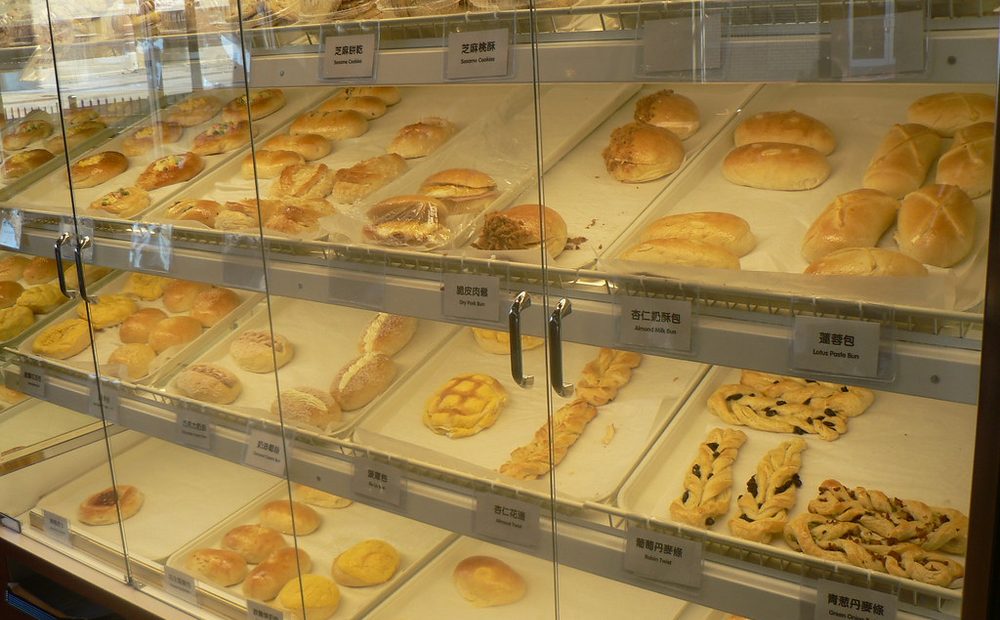
Good in, good out. Every other page in this dive — the coffee program, the ovens, the numbers — assumes the shopping list here is right, because none of the craft downstream can rescue a bad ingredient upstream.
Comments (0)