Breads & Pastry
The coffee is the co-headline and it pays the bills, but the bread is the soul of the place. When someone walks into my coffee shop and bakery at seven in the morning, the smell that stops them at the door isn’t the espresso — it’s a rack of country loaves that came out forty minutes ago, still ticking as the crust cools. This page is about what that side of the shop actually makes and sells day to day: the loaves, the bagels, the laminated pastry, the cookies and muffins, and the glass case that quietly moves half the register total. I’m not going to re-teach how to bake here — the craft lives over in my breads dive. This is the business of bread: what goes in the case, when I make it, and why it’s the thing that makes everything else I sell taste better.
What the bakery side actually sells
A bakery-café lives or dies on a short, deep product list — a handful of things I make extraordinarily well, every single day, not a hundred things I make occasionally. Here’s the honest shape of my case.
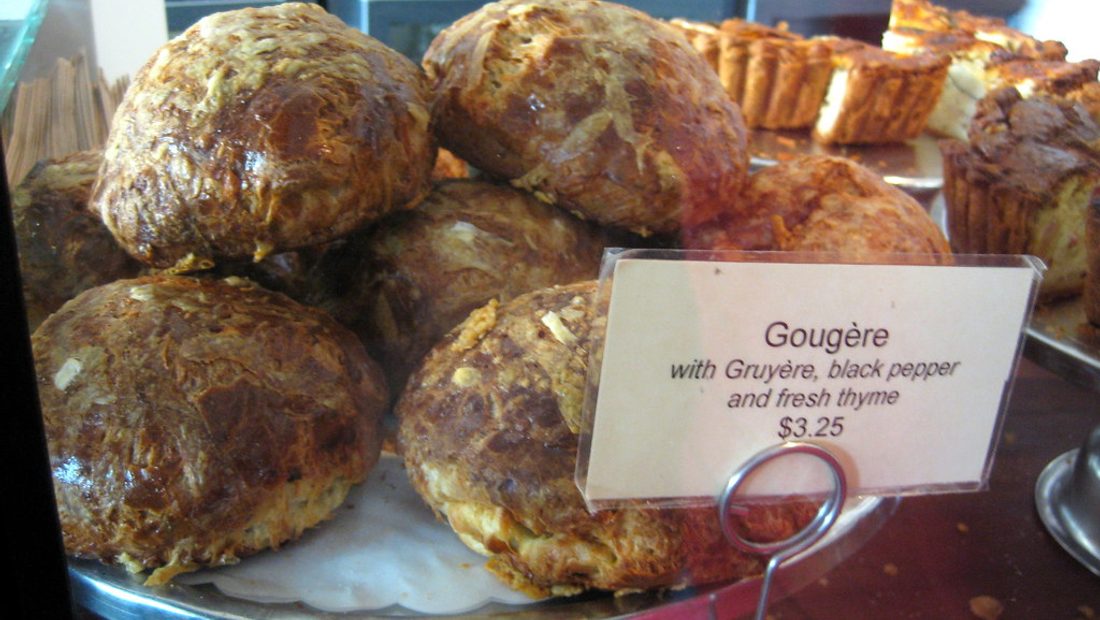
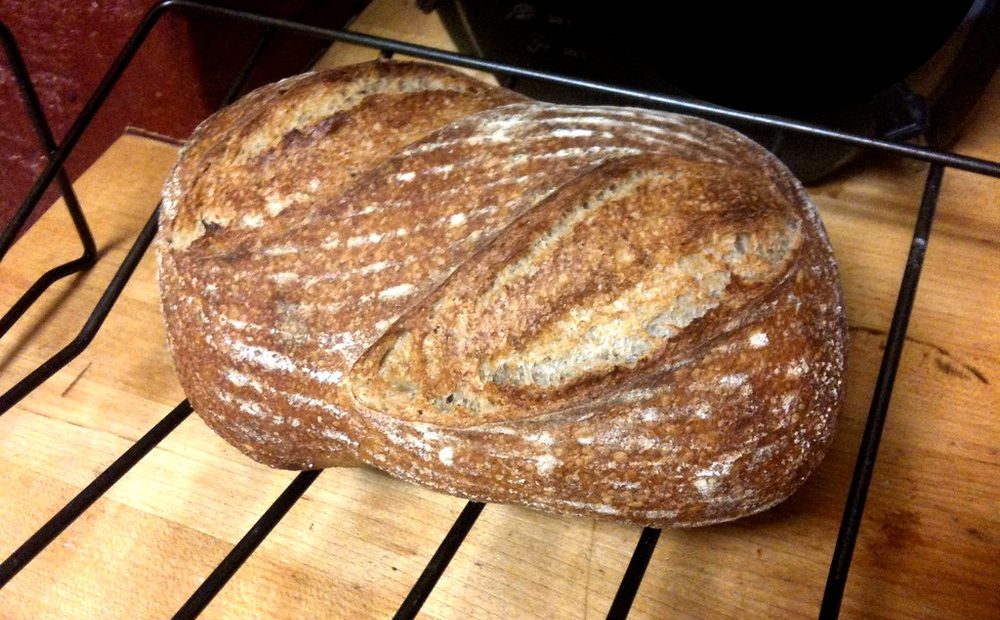
Artisan loaves are the anchor. Sourdough is the star — a long, cold-fermented country loaf with a blistered crust and an open, sour crumb — and it sells three ways at once: sliced for sandwiches, whole for people taking a loaf home, and as the bread under every hot item on the food truck. Alongside it I run a plain country/pain de campagne (a little whole wheat and rye in a mostly-white dough, milder than the sourdough, the everyday sandwich loaf) and baguettes for the lunch rush. The technique behind all of it — the levain, the autolyse, the folds, the bulk ferment — is exactly what I walk through in artisan breads and sourdough; on the shop side, the loaf is just a product with a cost and a shelf life.
Bagels are a genuine café draw and, frankly, one of the best margin plays in the building. A bagel is flour, water, salt, yeast and a little malt — pennies — and a boiled-then-baked bagel with a real chew is something most coffee shops simply don’t have because they buy frozen. Mine get mixed as a stiff dough, shaped and retarded overnight, boiled in malted water the next morning, and baked. They sell as a bagel-with-cream-cheese at the counter, as the base of the breakfast sandwich (the single best money on the menu — egg, cheese, bacon on a bagel I boiled this morning), and by the half-dozen to take home. The full method is in my bagels writeup, and there are more builds in the bagel recipes.
Laminated pastry — croissants, pain au chocolat, danishes, morning buns — is the glamour of the case and the hardest thing I make. Lamination is butter and dough folded into hundreds of alternating layers so that steam blows them apart in the oven into that shattering, honeycombed interior. It demands a dough sheeter (rolling that many turns by hand at volume will wreck your back and your consistency), a cool room, and good high-fat butter — more on both of those in best ingredients. Croissants are a two-day job: mix and rest the dough, laminate and shape day one, retard overnight, proof slow and bake day two. It’s labor-heavy and unforgiving, which is exactly why a good croissant commands $4–5 and why most cafés don’t bother. That gap is my opportunity.
Cookies, muffins, and scones are the workhorses of the case — the quick-turn, high-impulse, low-skill-floor items that fill the shelf and lift every ticket. A muffin or scone is a batter I can mix in one bowl and portion into a pan; cookies I scoop in bulk, freeze as dough balls, and bake off in waves through the day so there’s always a warm one at 3 p.m. Cookies especially are almost pure margin — flour, sugar, butter, maybe good chocolate — and a warm cookie next to an afternoon latte is the easiest add-on sale I’ve got. There’s a whole shelf of builds in my cookie recipes.
The pastry case itself ties it all together, and I’ll come back to how I merchandise it below. And a shelf of jars of jam sits by the register — under Michigan’s cottage-food allowance jams are one thing I can make and sell direct, and a labeled jar turns a coffee sale into a pantry sale.
| Product | What it is | Rough COGS | Sells for | Why it earns its shelf |
|---|---|---|---|---|
| Sourdough loaf | Long-fermented country boule | ~$0.90 | $7–9 | Signature; sandwiches + whole + truck |
| Baguette | Lean lunch bread | ~$0.45 | $3.50–4.50 | Fast turn, sandwich base |
| Bagel | Boiled + baked, real chew | ~$0.25 | $2 each / $12 half-dozen | Huge café draw, breakfast sandwich base |
| Croissant | Laminated, high-butter | ~$0.90 | $4.50–5 | Glamour item, few cafés do it well |
| Muffin / scone | One-bowl batter | ~$0.40 | $3.50–4 | Fills the case, high impulse |
| Cookie | Scoop, freeze, bake in waves | ~$0.25 | $2.50–3 | Near-pure margin, warm all day |
The daily production rhythm
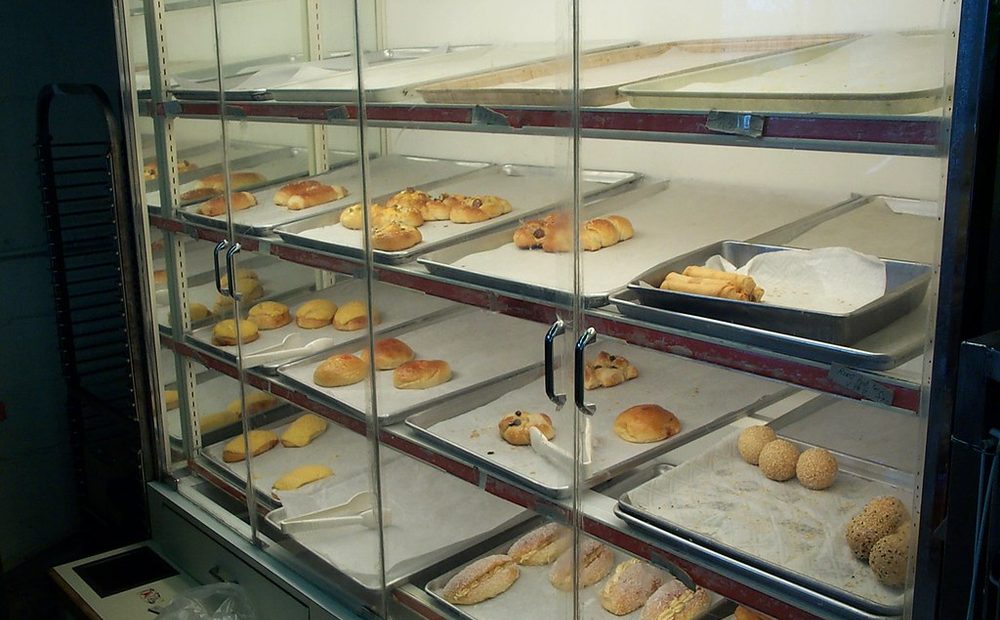
The thing that separates a real bakery from a café with a defrost oven is the clock. Bread is a scheduling problem more than a mixing problem, and almost all of the skilled work happens the night before and in the dark hours before the doors open. Here’s how a day actually runs on the bakery side.
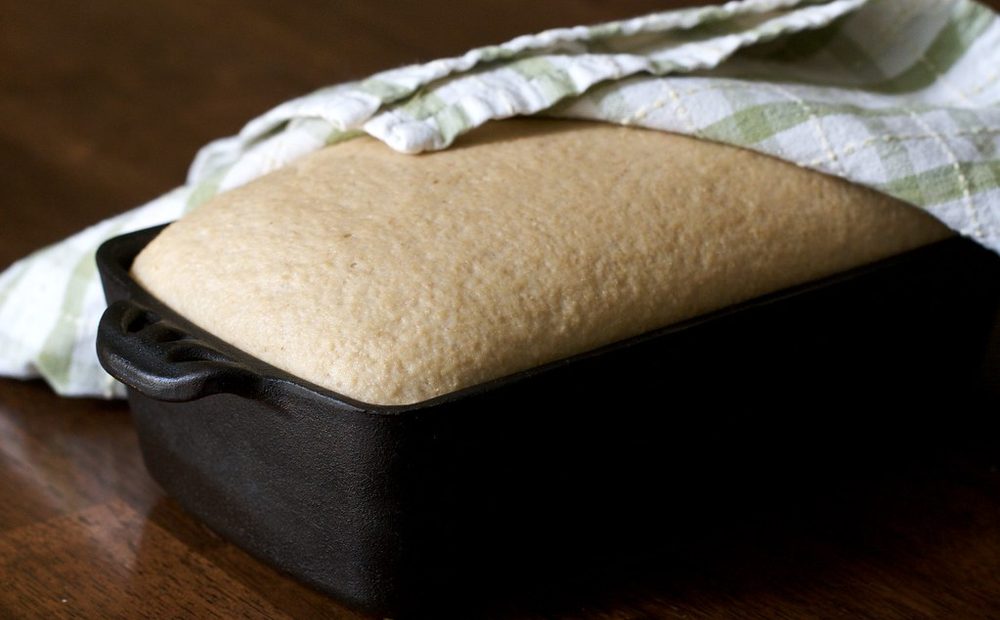
The engine that makes this possible is the retarder-proofer — a refrigerated cabinet that holds shaped dough cold overnight, slowing fermentation to a crawl so I can shape in the evening and bake in the morning. Cold, slow fermentation isn’t just a convenience; it’s how you get the flavor and the crust. That overnight retard is why my sourdough tastes the way it does, and it’s the piece of gear I’d cry over losing. The oven side of that story — deck ovens, steam, oven spring — is a whole page of its own in best ovens, and the home-scale version is over in breads/ovens.
| Time | What’s happening |
|---|---|
| Prev. evening | Build/feed levain; mix doughs; shape loaves, bagels, croissants; load the retarder |
| ~4:00 a.m. | Baker in; fire the deck oven; pull loaves from retard to warm up |
| 4:30–6:30 | Bake loaves (steam injection), boil + bake bagels, proof + bake croissants |
| 6:30–7:00 | Mix and bake muffins/scones; scoop first cookies; stock the case |
| 7:00 a.m. | Doors open — case full, shop smells like bread |
| 10:00–3:00 | Restock through the day: bake cookie waves, replenish sold-out pastry, prep truck bread |
| Afternoon | Shape and mix for tomorrow while today sells; load the retarder again |
The two rules I hold to: bake to a schedule, not to demand (you can’t start a sourdough when someone asks for one — it was decided eighteen hours ago), and stagger the bakes so the case looks abundant at open and still has a warm cookie at three. An empty case at 2 p.m. is lost money and a bad impression; an over-baked case at close is waste. Getting that curve right is the real craft of running the bakery side, and it’s a numbers game — I lay the costing out in the numbers.
Merchandising the pastry case
A pastry case is a silent salesperson, and I treat it like one. The physics are simple: warm, golden, abundant, and at eye level sells; cold, sparse, and picked-over doesn’t. A few things I do on purpose.
- Height and abundance. Loaves stand up on the top shelf so the crust and the crumb show; pastry is fanned, not stacked flat. A case that looks full reads as fresh even late in the day, so I consolidate onto fewer shelves as things sell rather than letting one shelf go bare.
- Eye-level is prime real estate. The highest-margin impulse items — cookies, croissants, today’s special muffin — go where a standing adult looks first. The everyday loaves can sit higher; people seeking a sourdough will find it.
- Warm signals fresh. I time a cookie wave to the mid-morning and mid-afternoon lulls so the case (and the whole shop) smells like baking exactly when foot traffic dips. It’s the cheapest marketing I own.
- Price the story, not just the item. A hand-lettered card — “36-hour sourdough,” “real-butter croissant,” “boiled bagels, baked this morning” — earns the premium. People pay for the process once they know it’s there.
- The register jar shelf. Cookies, cookies-by-the-half-dozen, and jars of jam sit at the register where the decision is already made. The add-on at the point of sale is what lifts the average ticket.
Why the bakery makes the whole business work
Here’s the throughline I want to leave you with. The bread isn’t a separate business bolted onto a coffee shop — it’s the thing that makes everything else worth more. The café side runs on the coffee program and its enormous margins; the bakery side is labor-heavy and lower-margin on its own. But together they compound: the smell of bread pulls the coffee crowd through the door, the pastry case turns a $5 coffee into a $9 ticket, and — this is the part almost nobody else can do — the same bread I bake for the case is what makes the food truck’s sandwiches taste like nothing else on the street. A brisket melt on my own sourdough, a breakfast sandwich on a bagel I boiled this morning, a smash burger on a house potato bun: that’s a different food than the truck next to me is selling off a bag of commissary buns, and customers taste it on the first bite.
The whole flywheel — one licensed kitchen feeding a café, a case, and a truck — is the reason I’d build a coffee shop and bakery instead of just one or the other. To go deeper: the gear that makes it possible is in best ovens, the raw materials in best ingredients, and the money behind all of it in the numbers.
Comments (0)