Nutrition, Arsenic & Health
This is the page I most wanted to get right, and it’s the one where the internet is least trustworthy — swinging between “rice is poison” clickbait and “rice is a perfect superfood” nonsense, with the calm, sourced truth sitting ignored in the middle. So I’m going to treat it the way the marinated-eggs dive treats botulism: carefully, with real sources, refusing both the panic and the hand-wave.
Three things are worth your attention here, in rising order of how much they matter and how badly they’re usually told:
- Brown versus white — a real difference, wildly overhyped in both directions.
- Glycemic index and the cook-then-cool trick — true, useful, and routinely oversold.
- Arsenic — the one genuinely important, genuinely sourced food-safety story in rice, which deserves neither a shrug nor a freakout.
Rice is a staple for more than half the planet and has been for thousands of years. Nothing on this page is a reason to stop eating it. Some of it is a reason to eat it a little more thoughtfully, especially if you’re feeding a baby.
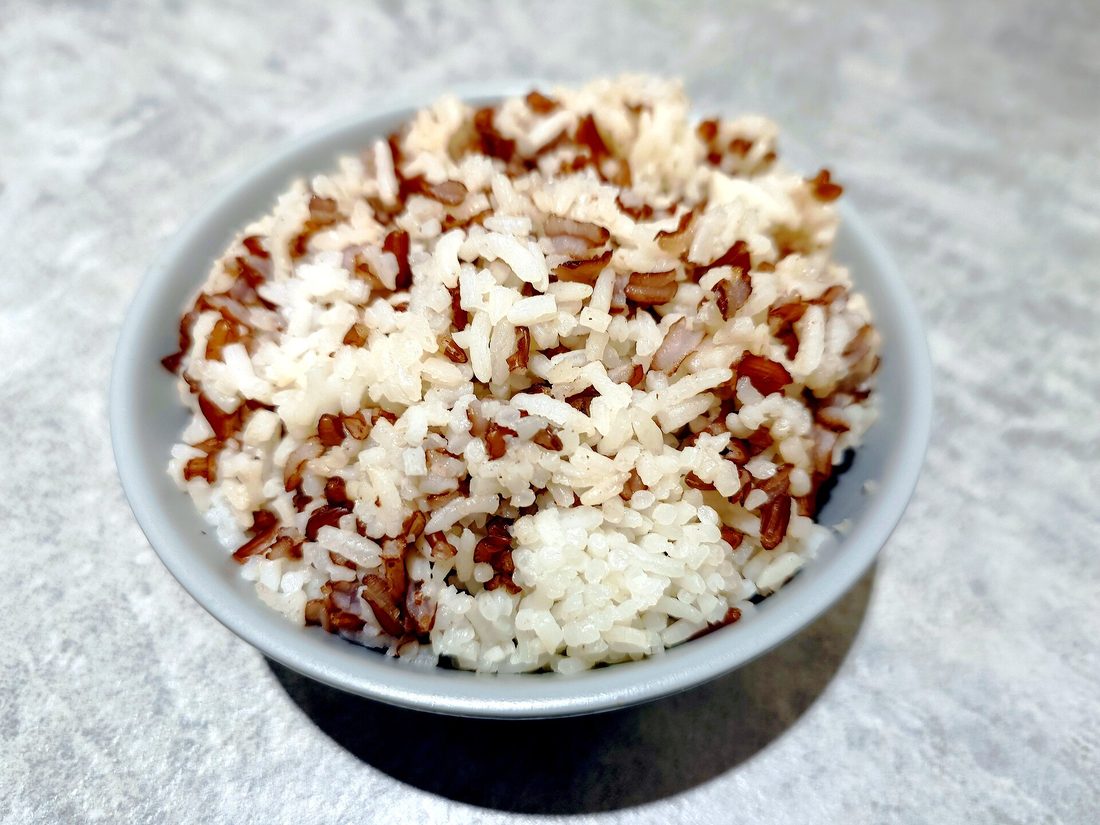
Brown vs. white: honest nutrition
Start with what actually differs, because the anatomy explains all of it. A grain of brown rice is the whole grain: the starchy inner endosperm wrapped in the bran layers and the germ. Mill it to white rice and you abrade away the bran and germ, leaving almost pure endosperm. (The full grain anatomy is on the science page, and where the milling happens is on the growing page.)
The bran and germ you strip away are exactly where most of rice’s non-starch nutrition lives. So brown rice keeps:
- Fiber — most of it’s in the bran, so brown has several times the fiber of white.
- Magnesium and other minerals, concentrated in the bran and germ.
- B-vitamins (thiamin, niacin, B6) naturally present in the outer layers.
- The germ’s oil, which carries vitamin E and some healthy fats — and which is also why brown rice goes rancid faster and doesn’t keep as long (see Buying & Storing).
White rice, stripped of all that, is mostly starch with a little protein. Which sounds damning until you learn what happened next.
Why white rice is enriched — a real medical history
When steam-powered mills spread across Asia in the 1800s and made cheap, fully polished white rice available to everyone, they accidentally caused an epidemic. Populations living mainly on polished white rice started developing beriberi — a debilitating and sometimes fatal disease of the nerves and heart — because milling had thrown away the bran that held the thiamin (vitamin B1). It was one of the great medical mysteries of the era until people worked out it was a deficiency, not an infection: the Japanese naval surgeon Kanehiro Takaki nearly eliminated beriberi in the fleet by changing the diet, and the isolation of thiamin in the early 20th century finally nailed the cause. A related deficiency disease, pellagra (from a lack of niacin), haunted corn- and rice-heavy poor diets in the American South and elsewhere.
The public-health answer was enrichment: after milling, white rice gets a sprayed-on coating that adds back iron, thiamin, niacin, and folic acid (folic acid was added to the US enrichment standard in the late 1990s, which measurably cut neural-tube birth defects). In the United States, enrichment of white rice sold through many channels is required by law, and it exists for exactly one reason — to stop white rice from causing the deficiency diseases that milling created. This is why the “washing rice washes away the vitamins” warning is true for enriched white rice: the vitamins are a surface coating, and rinsing takes a lot of it off (more on that trade-off on the cooking page).
The honest bottom line: neither is “bad.” Brown rice brings more fiber, minerals, and B-vitamins in their natural package, plus a lower glycemic response (below) — genuine advantages if you tolerate it and like it. Enriched white rice is not the empty villain it’s made out to be; it’s fortified back to a respectable micronutrient profile, it keeps far longer, and for a lot of the world’s cooking (sushi, risotto, most Southern rice, most rice-cooker rice) white is simply the right grain for the dish. As you’ll see below, white rice also carries less arsenic than brown — so “brown is healthier” isn’t even unambiguously true. Eat both. Vary them. That’s the whole answer.
Parboiled rice: the underrated middle ground
There’s a third option that splits the difference, and it’s under-appreciated: parboiled (“converted”) rice. As covered on the cooking page, parboiled rice is soaked, steamed, and dried while still in the husk before it’s milled — and that pre-cooking drives the water-soluble B-vitamins out of the bran and inward into the endosperm. So when the bran is milled off to make it “white,” the thiamin, niacin, and B6 have already migrated into the part you keep. The upshot: parboiled white rice retains substantially more of those B-vitamins than ordinary milled white rice — the migration can roughly triple the thiamin, niacin, and B6 in the endosperm compared to regular milled rice — without needing enrichment to get there. Parboiled rice also has more resistant starch and a lower glycemic index than regular white (the pre-gelatinized, firmed starch digests more slowly), and it stays pleasantly separate when cooked. If you want more of brown rice’s nutrition and blood-sugar profile but not its texture or its shorter shelf life, parboiled is a genuinely smart, boring answer.
Rice and beans: a smarter plate than it looks
A quick nutrition point that vindicates a whole cuisine I love. Rice is a bit low in the amino acid lysine; beans are a bit low in the sulfur amino acids (like methionine) but rich in lysine. Put them together and each covers the other’s gap, so rice and beans together supply a more complete protein than either alone — which is part of why rice-and-beans combinations show up as a nutritional backbone in so many of the world’s cuisines, from Louisiana Red Beans and Rice to Cuban Rice & Beans to West African rice-and-bean plates. (The old idea that you must eat them in the same meal to “complete” the protein has been walked back — eating both across the day is fine — but the complementarity is real, and it’s a good reason a bean-and-rice diet has kept people healthy for centuries.)
Glycemic index, amylose, and the cook-then-cool trick
Rice spikes blood sugar — how much depends on the grain and, interestingly, on what you do after you cook it.
The glycemic index (GI) measures how fast a food raises blood glucose. White rice generally lands medium-to-high on the scale, and the reason ties straight back to the starch chemistry: rice with more amylose (the straight-chain starch) digests more slowly and runs a lower GI, while high-amylopectin sticky rice digests fast and runs higher. That’s why a high-amylose basmati typically has a notably lower GI than a sticky short-grain — same “white rice,” very different blood-sugar behavior, because the molecules inside are different. Brown rice, with its intact bran slowing digestion, also runs lower than white.
Then there’s the trick you’ll see everywhere: cook rice, cool it, and it becomes lower-carb. This one is real but oversold, so here’s the accurate version. When rice cooks, its starch gelatinizes and becomes easy to digest. When it then cools, some of that starch — especially the amylose — recrystallizes into a form called resistant starch (this is retrogradation, the same staling chemistry that firms up day-old rice). Resistant starch resists your digestive enzymes, so it acts a bit like fiber: fewer available carbs, a somewhat gentler blood-sugar rise. Cooling cooked rice measurably raises its resistant-starch content, and several studies show a lower glycemic response from cooled (and reheated) rice than from fresh-hot rice.
But keep the effect in proportion. The shift is modest, not magic — you don’t turn a bowl of rice into a salad. And the science is genuinely mixed: while many studies find a real reduction, at least one well-run trial found that cooling cooked white rice did not meaningfully reduce its glycemic index in healthy adults. So the fair statement is: cooking then cooling rice creates some resistant starch and probably nudges the glycemic response down a little — a nice bonus, especially since it’s also how you get good fried rice — but it’s a small effect, not a carb-erasing hack. Don’t build a diet on it; do feel free to enjoy that it points the same direction as making Chinese Fried Rice from properly cooled day-old rice.
Arsenic: the real story, sourced and unpanicked
Now the important one. Rice is the one common grain with a genuine inorganic-arsenic issue, and here is why, straight through.
Why rice, and why the flood
Arsenic is a naturally occurring element in soil and water — and in some places it’s elevated by decades of old arsenical pesticides. The problem with rice is the flooded paddy. As covered on the growing page, the anaerobic, oxygen-starved mud of a flooded field converts arsenic into a chemical form (arsenite) that dissolves readily and that rice roots take up very efficiently. Rice accumulates arsenic far more than other food crops for exactly this reason — the water that suppresses the weeds also mobilizes the arsenic. That’s not a knock against any farmer; it’s the chemistry of growing a crop in standing water.
The form that matters for health is inorganic arsenic, which is the toxic, carcinogenic kind (there’s also “organic” arsenic, which is far less of a concern). Chronic exposure to inorganic arsenic is linked to increased risks of certain cancers and other harms — the concern is long-term intake, not a single meal.
Brown has more, and geography matters
Two facts change the picture and both are well-established:
- Brown rice carries more inorganic arsenic than white — on the order of 80% more, on average, for the same rice — because the arsenic concentrates in the outer bran, which is exactly what white milling removes. This is the genuine asterisk on “brown is healthier”: nutritionally richer, but higher in arsenic. It’s a real trade-off, not a gotcha.
- Where the rice grew matters. Testing (including large FDA datasets and Consumer Reports’ well-known analyses) consistently finds that some rice from the south-central US tends to run higher, while basmati from California, India, and Pakistan, and US-grown sushi/California rice, tend to run lower in inorganic arsenic. Part of the US-South picture is legacy: land that once grew heavily arsenic-sprayed cotton. So a white California or Indian basmati is about the lowest-arsenic everyday choice, and a domestic south-central brown rice is toward the higher end. (Verify the specific brand testing yourself if this is a live concern for you — the landscape shifts as testing continues.)
The sensitive case: infants
Here’s where the caution is real and specific. Babies are small, they eat a lot relative to their body weight, and rice cereal has long been a first food — so infants can get a disproportionately high arsenic dose from rice-based baby foods. Because of this, the US FDA set an action level of 100 parts per billion (ppb) of inorganic arsenic for infant rice cereal (finalized in 2020), a limit specifically meant to reduce infants’ exposure; industry testing has been trending toward compliance since. The widely echoed pediatric guidance follows from the same logic: don’t make rice cereal the default single first food — vary a baby’s grains (oat, barley, multigrain cereals are lower-arsenic), and don’t rely on rice-based snacks, teething products, and drinks as a staple. This is the one place I’d tell a new parent to actually change behavior, and it’s not alarmism — it’s the reason the FDA action level exists.
Cooking to cut arsenic — this genuinely works
You are not helpless at the stove. How you cook rice measurably changes how much inorganic arsenic ends up in the finished grain, and the research is solid:
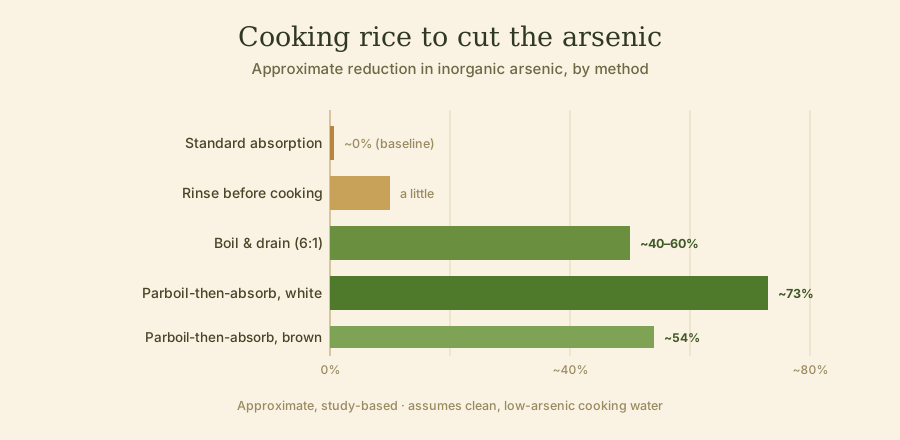
- Rinse first. Washing rice before cooking takes off some surface arsenic (a small effect, but free). Note the trade-off from the cooking page: rinsing also strips some of the enriched vitamins off white rice.
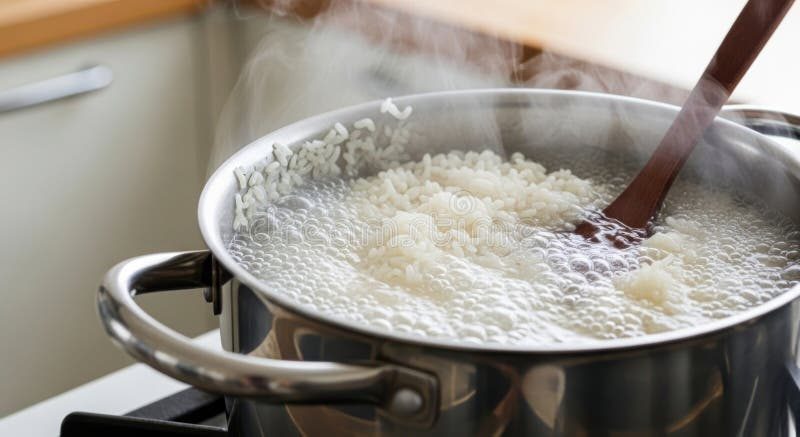
- Boil-and-drain in excess water. Cook rice like pasta in a large volume of water — 6 to 10 parts water to 1 part rice — and pour off the excess when it’s done. The arsenic leaches into the cooking water you discard. Studies put the inorganic-arsenic reduction from this method in the range of roughly 40–60%, depending on the rice. The cost: you also pour some water-soluble enriched vitamins down the drain.
- The parboil-then-absorb (PBA) method — the best of both. Research from the University of Sheffield refined a two-step approach: bring water to a boil, add the rice and parboil about 5 minutes, then drain that water off, add fresh water, and finish by absorption on lower heat. In their work PBA removed about 54% of the inorganic arsenic from brown rice and around 73% from white — and, crucially, because you don’t cook the whole time in throwaway water, it preserves the micronutrients far better than the straight boil-and-drain. If you’re going to bother reducing arsenic, PBA is the method to know.
One honest caveat that the source researchers themselves flag: these water-heavy methods only help if your cooking water is clean. In parts of the world where the tap water itself is arsenic-contaminated, cooking rice in lots of that water can make things worse, not better. For most US and Western kitchens, the water’s fine and these methods do what they claim.
Arsenic isn’t the only metal — and keeping perspective
Rice takes up other trace metals from soil too, notably cadmium, and a widely covered 2025 report on store-bought US rice flagged both arsenic and cadmium in some samples. It’s worth knowing the fuller picture exists — but the response is the same one arsenic already points to, so it doesn’t change the plan: vary your grains, favor lower-contaminant types and origins, and cook with a water method if you eat a lot of rice. There’s no separate panic to have; the same three habits cover it.
And keep the whole thing in proportion. The FDA’s own risk assessment treats inorganic arsenic in rice as a long-term, cumulative exposure to manage across a population — not an acute poison in a single serving. Nobody is getting hurt by a bowl of rice tonight. The people for whom the numbers genuinely matter are, again, infants fed rice cereal as a staple and adults who eat rice as the base of nearly every meal, every day. If that’s not you, the honest scientific read is that rice belongs in a healthy varied diet and always has. If it is you — especially the infant case — the fixes on this page are cheap, real, and worth doing.
The measured takeaway on arsenic
Put it together and the guidance is calm and specific:
- For a healthy adult eating a varied diet, rice is fine. A few meals of rice a week is not a meaningful arsenic risk. Don’t panic, and don’t let a scary headline talk you out of a pot of jambalaya.
- The caution is real for two groups: infants, and very high rice consumers (people for whom rice is the base of nearly every meal). Those are the people for whom variety and the cooking tricks above actually move the needle.
- The simplest single lever is variety. Rotate in other grains — barley, oats, quinoa, farro — so rice isn’t carrying your whole starch load. Choose lower-arsenic types (California/Indian/Pakistani basmati, US sushi rice) when it’s easy. Use PBA or boil-and-drain if you eat a lot of rice or you’re cooking for little kids. Rinse as a matter of habit.
That’s it. Real issue, real fixes, no melodrama.
Gluten-free by nature
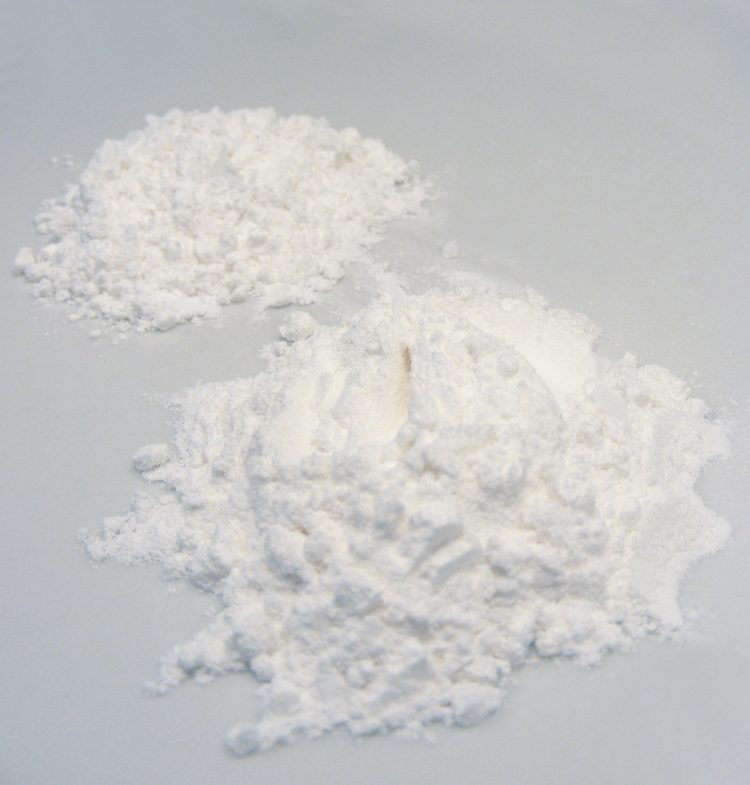
One straightforward, cheerful fact to close the health picture: rice is naturally gluten-free. All of it — white, brown, glutinous (“sticky”) rice included. That “glutinous” name trips people up constantly: it refers to the glue-like stickiness of high-amylopectin rice, not to gluten, which rice simply does not contain. This is why rice and rice flour are such workhorses for gluten-free cooking and baking — including the gluten-free sourdoughs in the collection, like Bread, Sourdough, 100% Brown Rice, Gluten Free and Bread, Sourdough, Brown Rice Flour, Gluten Free. For anyone with celiac disease or gluten sensitivity, rice is one of the great safe staples of the world’s kitchens.
What I actually do
I’m not going to pretend I run a lab in my kitchen. Here’s the honest, unfussy version of how all of this shows up in the way I actually cook rice, offered as one reasonable approach and not a prescription:
I eat both brown and white, and I don’t agonize about it — white long-grain under a Cajun Jambalaya or Red Beans and Rice because it’s the right grain for the dish, brown when I want the fiber and the chew. I rinse most white rice out of habit — it cooks up cleaner and it takes off a little surface arsenic, and I’m not relying on rice for my iron. I vary my grains across the week so rice isn’t the base of every plate, which is the single easiest thing anyone can do about arsenic. And when I’m cooking a big batch of plain rice, especially if kids are eating it, I’ll sometimes cook it boil-and-drain in lots of water — pasta-style — because it’s easy and it measurably cuts the arsenic. That’s the whole routine. Varied grains, a rinse, an occasional big pot of water. Nothing dramatic, all of it grounded in the sources above.
For where the arsenic and the nutrients come from in the first place, see How Rice Is Grown and the science page; for the cooking methods in full, How to Cook Rice; and for choosing and keeping your rice well, Buying & Storing.
Comments (0)