Starting a Coffee Business · 16 of 39
Insurance: What a Market Vendor and a Roaster Need
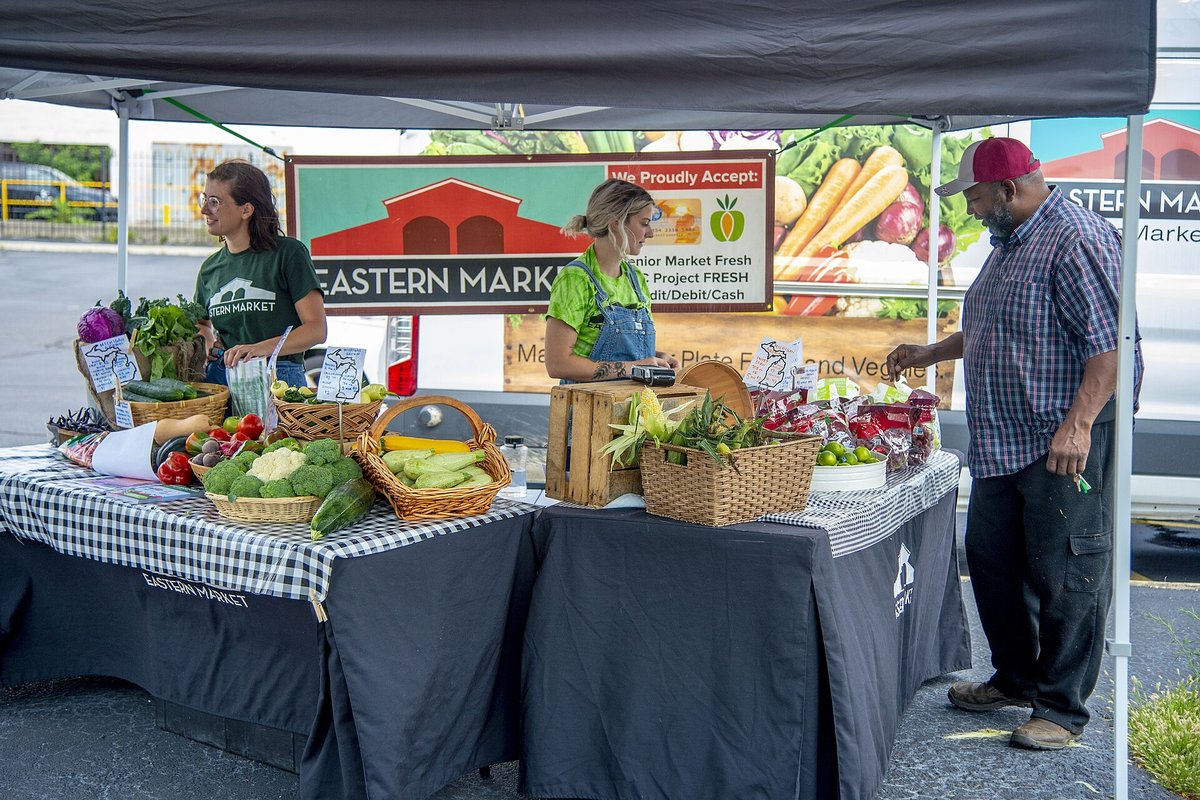
Insurance is the one cost on the stall budget that buys nothing a customer can see. It is also the one most markets ask to see on paper before the first Saturday. This page sorts out what kind of cover a coffee stall and a home roaster actually need, what Michigan markets require, what the specialty vendor programmes cost as of October 2026, and the questions to put to an agent.
I sell honey at farmers markets, so the market-day side of this is familiar ground; the coffee stall is still a plan. I am not an insurance agent or a lawyer, and this is not advice about any particular policy. Prices are the insurers’ own published figures on 5 October 2026, and every policy has conditions and exclusions that only the policy wording settles.
The short version
| Question | Answer |
|---|---|
| What do markets ask for? | A certificate of general liability insurance, usually with the market (or the city) named as an additional insured. In mid-Michigan the published amounts run from nothing at all to $1,000,000 per occurrence. |
| General or product liability? | Both. General liability covers someone hurt at the stall; product liability covers someone hurt by what they bought or drank. A food vendor needs a policy that includes “products-completed operations”. |
| Cheapest annual cover for a food vendor | FLIP, from $299 a year, $1M per occurrence and $2M aggregate, product liability included, unlimited additional insureds free. |
| Per-event cover? | The cheap per-event policies seen (ACT Go, $49 for one to three days) exclude products cover and exclude food vendors. For coffee, buy annual. |
| Does my homeowners policy cover roasting at home? | Usually not for business liability, and only about $2,500 of business equipment. Ask the insurer in writing. |
| A truck or trailer? | Needs a commercial auto policy; a personal auto policy is not built for a vehicle used in the business. |
| Workers’ compensation? | Required in Michigan once there are three employees at once, or one working 35 hours a week for 13 weeks. |
| A shop? | A business owner’s policy (BOP): liability and property together, median about $83 a month. |
General liability and product liability
General liability (often written CGL, commercial general liability) pays when the business is blamed for injuring someone or damaging their property: a customer trips on a tent weight, a gust lifts the canopy into a car, an airpot tips onto a child’s arm. It pays the legal defence as well as any settlement, which is often the larger cost.
Product liability is the part that responds after the sale: the cup that scalded someone in the car park, a stone in a bag of beans that cracked a grinder (or a tooth), an allergic reaction to a milk alternative, a stomach upset blamed on egg coffee. In policy language it is the products-completed operations coverage, and it carries its own aggregate limit.
For a food vendor the second part matters more than the first. A policy built for crafters can cover the canopy and leave out the coffee. The clearest example is in ACT’s own price list: its per-event “ACT Go” policy excludes “Products coverage”, and ACT sends food businesses to FLIP rather than covering them at all.
What the numbers on a certificate mean.
| Term | Meaning |
|---|---|
| Per occurrence | The most the policy pays for one incident. $1,000,000 is the common figure. |
| General aggregate | The most it pays in a policy year for everything except products. $2,000,000 is common. |
| Products-completed operations aggregate | The most it pays in a year for claims arising from what was sold. |
| Medical payments | A small, no-fault amount (often $5,000) for a hurt customer’s first bills, paid without anyone having to sue. |
| Damage to premises rented | Damage to the space being rented, such as a market pavilion or a commercial kitchen. |
| Additional insured | Another party (the market, the city) that the policy also protects for claims arising from the vendor’s operations. |
| Certificate of insurance (COI) | A one-page summary, usually on the standard ACORD 25 form, that proves the policy exists. It is not the policy. |
What Michigan markets actually ask for
From each market’s own published rules, as read in October 2026:
| Market | Liability amount | Additional insured | Notes |
|---|---|---|---|
| Midland Area Farmers Market | $1,000,000 per occurrence | Midland Business Alliance | Certificate on the ACORD 25 form, uploaded after acceptance; a renewed certificate if the policy lapses mid-season; product liability “recommended” |
| Mount Pleasant (rules) | $1,000,000 | — | Also asks for food-safety training (Food-Safety Certification) |
| East Lansing Farmers Market | $500,000 per occurrence and aggregate | City of East Lansing, by endorsement | Plus a release and hold-harmless clause in the licence agreement |
| Meridian Township | $500,000, or a signed hold-harmless | — | |
| Holt (handbook) | Encouraged, not required | — | |
| Chesaning (Market off Broad) | Encouraged, not required | — | From Prices and Customers |
| City events for trucks (A Truck or Trailer) | $1,000,000 to $2,000,000 | The city | Plus proof of vehicle insurance |
The fuller market table, with fees and power, is on The Michigan Rules.
The popular line that every market wants “$1 million / $2 million” is not quite right. That is what the vendor programmes sell, and it satisfies every market above, but small-town Michigan markets often ask for less or nothing. The practical answer is the same either way: one annual policy at $1M/$2M with products cover clears every bar in this table, and costs less than a season of most markets’ day fees.
The additional insured endorsement
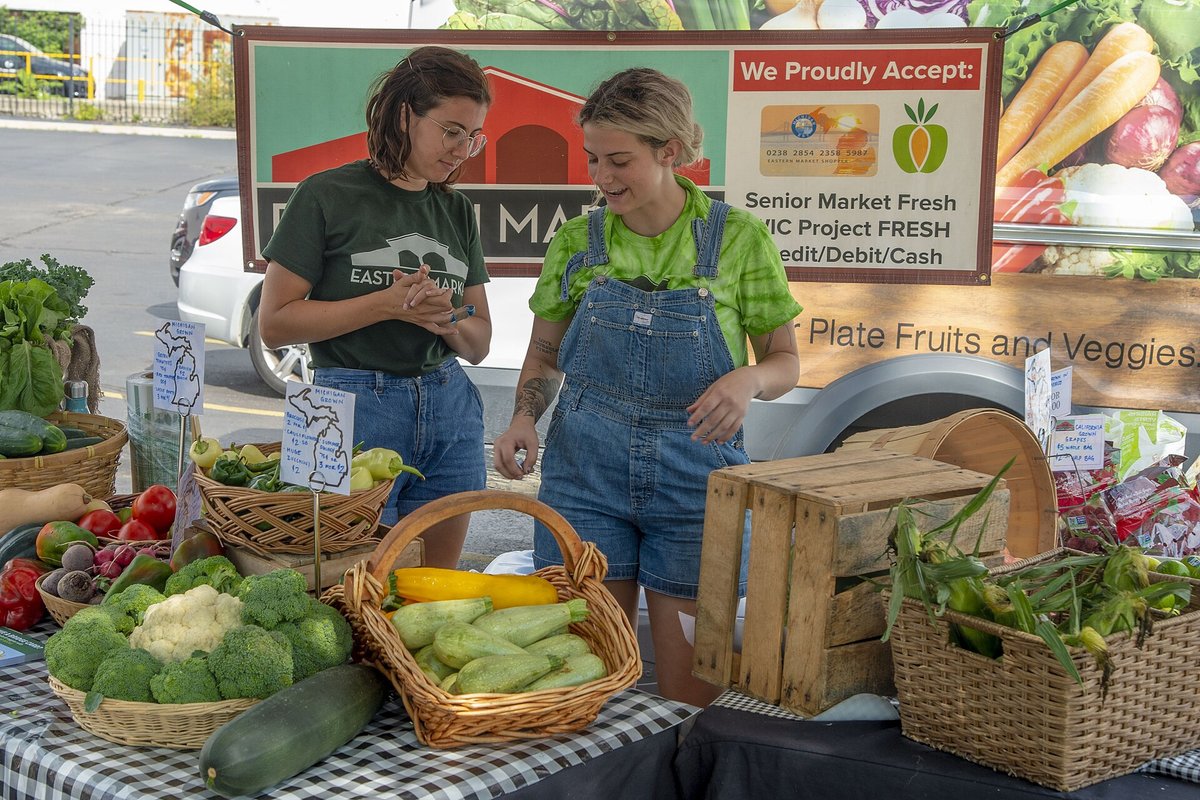
A market that asks to be “named as additional insured” wants more than its name typed on the certificate. It wants an endorsement: a change to the policy itself that extends cover to the market for claims arising from the vendor’s operations. East Lansing’s agreement says so outright: proof of cover “and an endorsement naming the City of East Lansing as additional insured.”
Three practical points:
- It costs nothing extra on the food-vendor programmes. FLIP and the Farmers Market Coalition’s programme both allow unlimited additional insureds at no fee, added from an online dashboard. Some general business policies charge per endorsement; ask.
- Each market wants its own exact legal name. Midland wants the Midland Business Alliance, not “Midland Farmers Market”. Copy the name from the market’s rules.
- A certificate is dated. If the policy renews in June and the market season started in May, the market will want the renewed certificate. Midland’s rules say so.
The specialty vendor programmes
These are policies sold online to small food and market businesses, priced and bound in minutes. Figures are each insurer’s own, read on 5 October 2026.
| Programme | Price | Limits | Food and products | Additional insureds | Notes |
|---|---|---|---|---|---|
| FLIP (Food Liability Insurance Program) | From $299 a year or $25.92 a month; varies by state, sales and limits | $1M per occurrence, $2M aggregate | Product liability included (“food poisoning and allergen claims”) | Unlimited, free | Names farmers market vendors, cottage food businesses, food trucks and carts, caterers. Options: equipment cover $5,000–$10,000 with a $250 deductible; excess liability +$1M–2M for $500–$1,000; workers’ comp; commercial auto. Excludes businesses with a fixed premises customers walk into. |
| Farmers Market Coalition vendor policy, through Campbell Risk Management | ”Starting as low as $402 per year” | $1M product and general liability | Yes | Unlimited markets, no fee | Negotiated by the national market association; all states except Alaska |
| ACT Pro | $279 a year | $1M / $2M | Products included | — | For artists and crafters; food vendors are referred to FLIP. Good for the T-shirt and grinder table only if it is a separate business, which it usually is not. |
| ACT Go (per event) | $49 for 1–3 days; $99 for 7; $199 for 90 | $1M / $2M | Products excluded | — | Not suitable for a coffee stall. |
What the cheap end does not include:
- Property. None of the base liability policies covers the stall’s own gear. FLIP’s equipment option tops out at $10,000.
- The home. FLIP covers “home-based food businesses”, meaning the liability arising from them. Damage to the house itself from a roasting fire is the homeowners insurer’s question (below).
- A shop. FLIP excludes fixed premises customers walk into. When the shop opens, the policy changes.
- Vehicles and employees. Separate policies.
Many other carriers sell small-business liability online and through agents: Insureon is a broker that publishes its customers’ medians; Next and Hiscox sell direct; Farm Bureau Insurance of Michigan writes farm and business policies through local agents and is worth a call from anyone already selling at markets with a farm policy. None of these publishes a fixed price for a coffee vendor; they quote.
Per-event or annual
| Per-event | Annual | |
|---|---|---|
| Fits | One craft fair, one festival | A weekly market season, or several events |
| Price seen | $49 for 1–3 days (ACT Go) | $279–$402 a year |
| Products cover for food | Not in the per-event policy seen | Included in FLIP and the FMC policy |
| Break-even | — | Six or seven events |
A weekly market from May to October is twenty-odd market days. Annual cover wins on price by the seventh event, and it is the only kind seen that covers food. Catering a private event raises the same question; see Catering and Event Coffee Carts.
Roasting at home and the homeowners policy
This is the question most likely to be missed, and the one with the largest loss behind it.
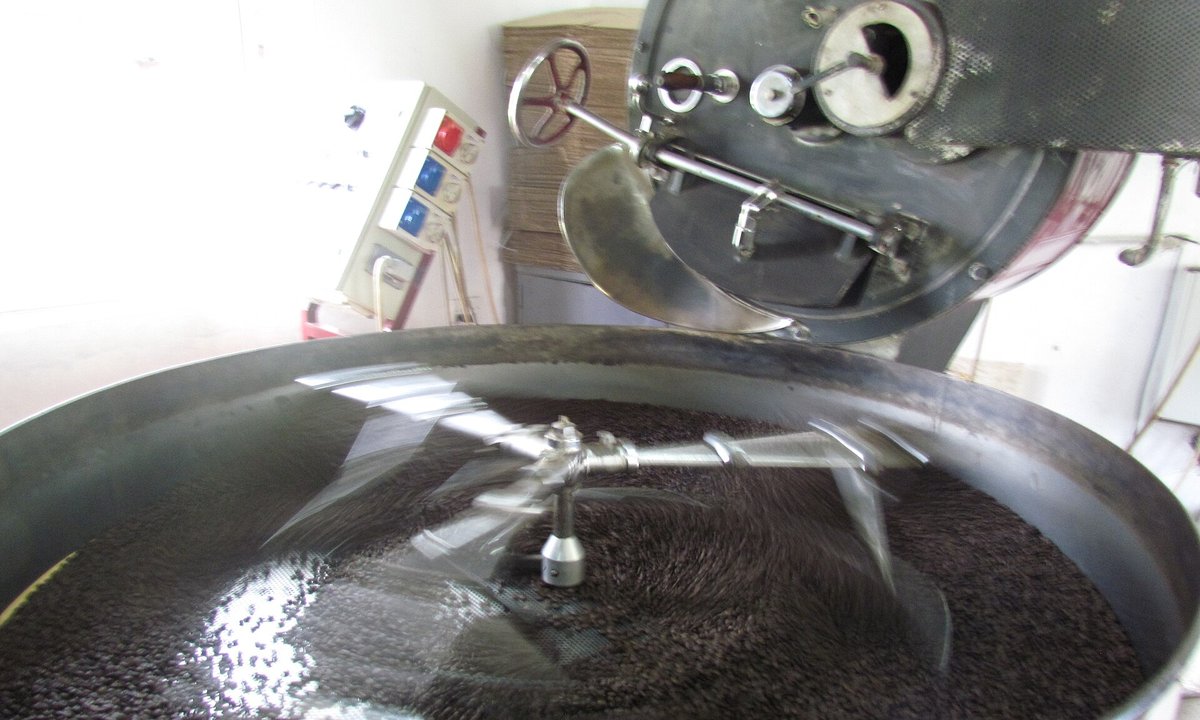
Roasters make heat, smoke and chaff, and chaff fires are a known hazard. The home-roasting page notes that chaff can catch fire in a heat gun’s airflow; the Behmor manual’s rule of an hour between roasts is part of the same story. Venting, fire precautions and the neighbours are on Smoke, Air Permits and the Neighbours.
What a standard homeowners policy does, per the Insurance Information Institute:
- It covers only about $2,500 of business equipment. A Behmor, a grinder, a sealer and a stock of green coffee pass that quickly.
- It does not adequately cover business liability. A customer’s claim about a bag of coffee roasted in the kitchen is a business claim.
- Three ways to fix it: an endorsement on the homeowners policy (“starting at $25” to raise the business-property limit from $2,500 to $5,000, up to $10,000 with some insurers); an in-home business policy (property, liability, lost income); or a business owner’s policy.
The part to settle before the first roast for sale is whether a fire that starts in a roaster used for a business is still covered under the homeowners policy at all. Policies differ on how they treat business activity in the home, and the answer is in the wording, not in a website. Ask the insurer, and get the answer by email:
- I roast coffee at home and sell it under Michigan’s cottage food law. Is a fire caused by the roaster covered under my homeowners policy?
- Does my policy have a business-activity exclusion, and does this activity fall under it?
- What is my limit for business property at home, and what does an endorsement to raise it cost?
- Does roasting in an attached garage, on a porch or outdoors change the answer? (MDARD has its own question about where roasting may happen: The Michigan Rules, question 1.)
- Do you need to know about the green-coffee stock stored in the house?
Telling the insurer is cheaper than the alternative. A claim on a policy that was never told about a business in the house is the claim most likely to be argued over.
A truck, trailer or car
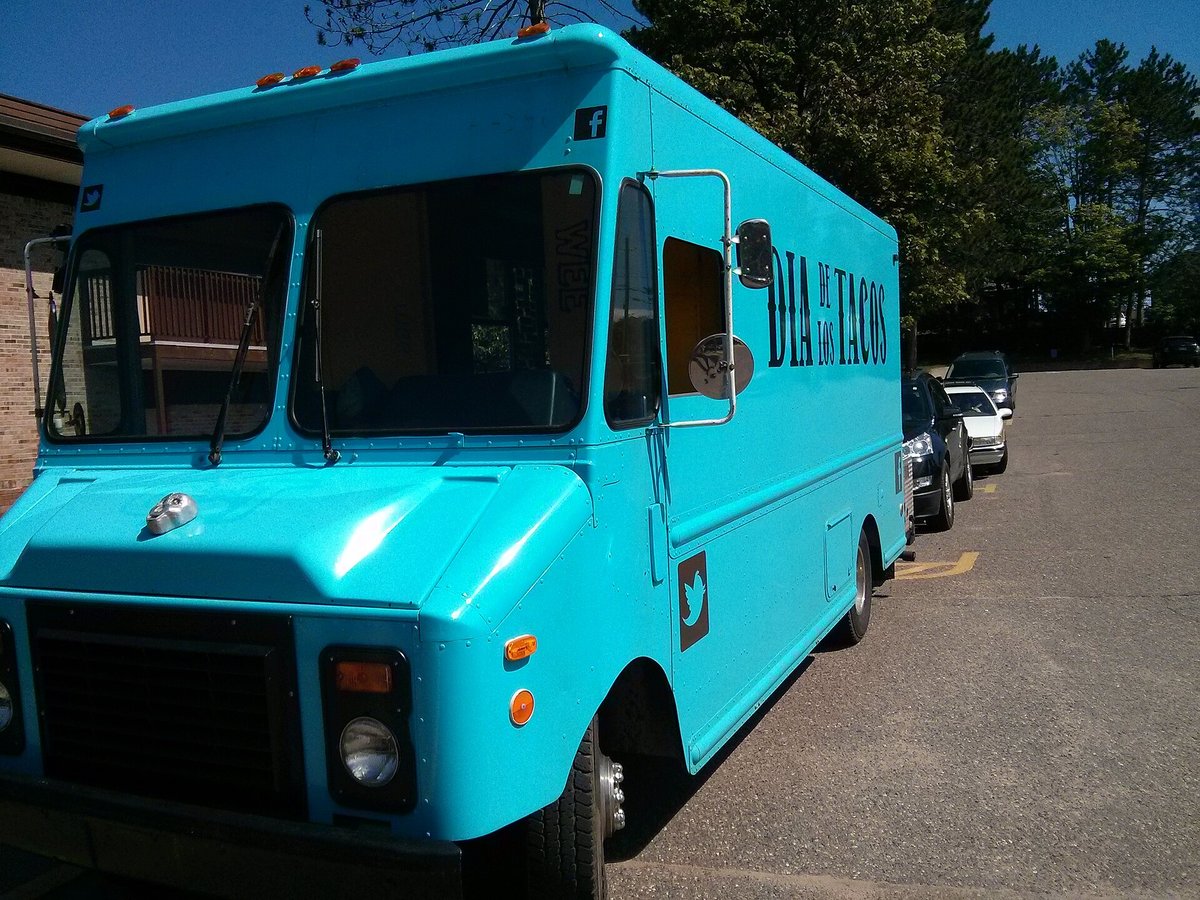
Everything about a vehicle is on A Truck or Trailer; the insurance points are these:
- Commercial auto. A truck or trailer used for the business needs a commercial auto policy, and cities that license food trucks ask to see it. Insureon’s median for small businesses is about $245 a month (updated 4 March 2026), with a very wide range, from under $375 to over $16,000 a year.
- The car that carries the tent. Driving a personal car to market with the stall in the back is a different question from operating a food truck. Ask the auto insurer whether business use of that kind is covered, and say what is carried.
- The trailer’s contents (the brewer, the generator, the stock) are property, not auto. They need equipment cover.
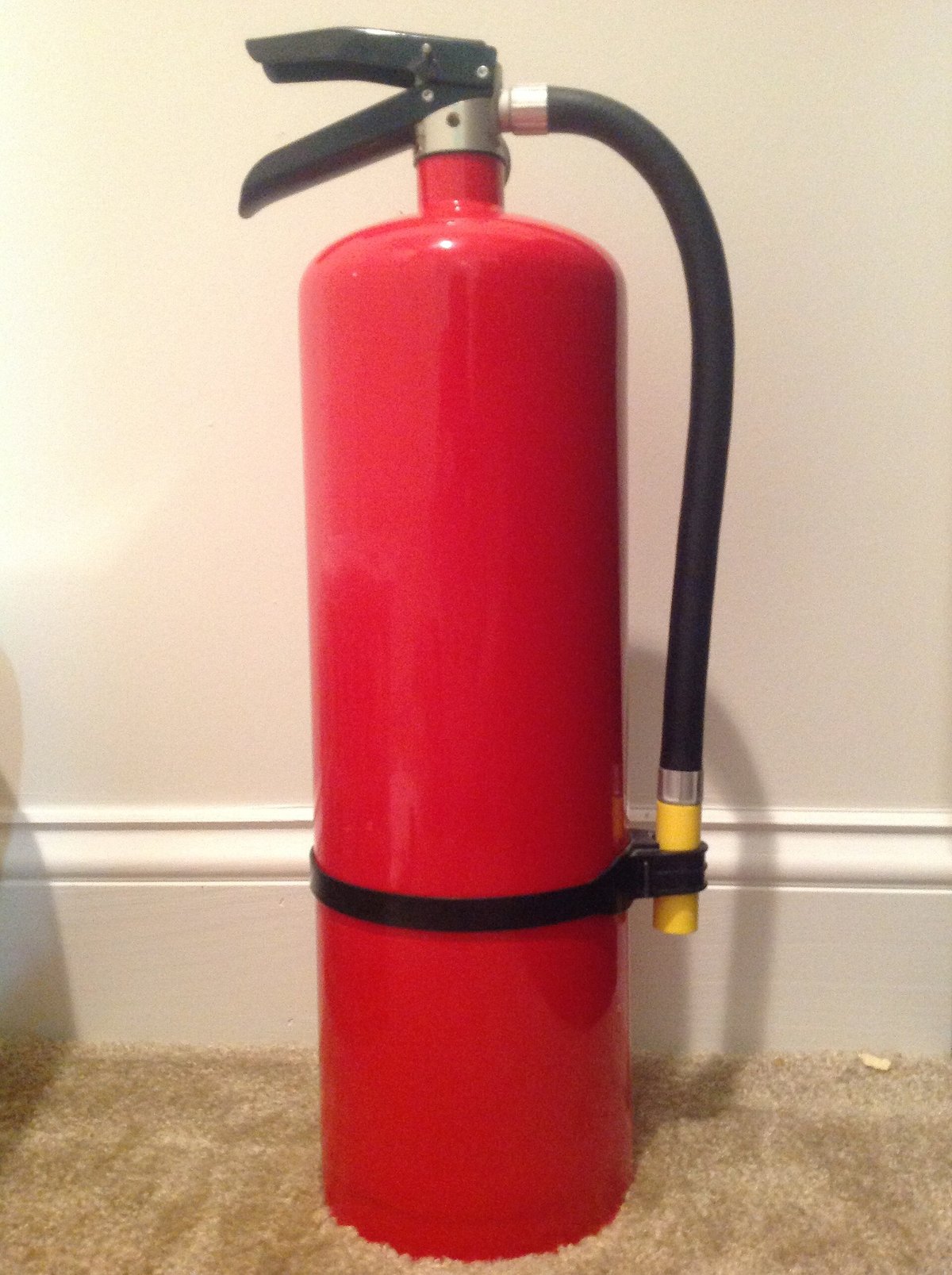
- Fire suppression and propane on a truck are often required by the city and sometimes asked about by the insurer.
Equipment and property
The stall’s gear (canopy, tables, grinders, kettles, power station, card reader) is worth a few thousand dollars and travels every week. Options:
| Option | What it covers | Notes |
|---|---|---|
| Homeowners endorsement | Business property at home, sometimes off-premises | Low limit; check whether it applies at the market |
| Inland marine (equipment floater) | Gear that moves from place to place | FLIP’s add-on: $5,000–$10,000, $250 deductible |
| Business owner’s policy | Property at a fixed location, plus liability | For a shop or a roastery |
| Commercial property | The building and contents | For a shop that owns or must insure its premises |
“Inland marine” is an old name for insurance on things that move over land. It is the policy that covers a grinder stolen from a car.
Workers’ compensation in Michigan
MCL 418.115 makes a private employer subject to the Workers’ Disability Compensation Act if it “regularly employ[s] 3 or more employees at 1 time”, or, with fewer, if “at least 1 of them has been regularly employed by that same employer for 35 or more hours per week for 13 weeks or longer during the preceding 52 weeks.”
| Situation | Workers’ comp required? |
|---|---|
| Sole owner working alone | No |
| Owner plus a spouse or friend helping, unpaid | A question for an agent; “employee” is a legal term |
| One part-time paid helper on market days | No, under the 35-hour, 13-week test |
| One full-time employee for a season longer than 13 weeks | Yes |
| A shop with three staff on shift together | Yes |
A helper who is hurt lifting a water jug, and who is not covered, can sue. Even below the threshold, a small policy (FLIP sells one as an add-on) is worth pricing when someone else starts working the stall.
The shop’s package: a business owner’s policy
When the stall becomes a shop, the shape of the insurance changes. FLIP and the market policies stop at the shop door, because they exclude fixed premises customers walk into.
A business owner’s policy (BOP) bundles general liability with commercial property (the building or the tenant’s improvements, equipment, stock) and usually business income cover, which pays expenses and lost profit while a shop is closed after a fire. Insureon’s customers pay a median of about $83 a month for a BOP, from about $400 to more than $6,000 a year; restaurants, as a higher-risk class, $131 to $190 a month. Coffee shops’ general liability alone runs a median of about $47 a month on Insureon’s figures (updated 30 March 2026).
A shop adds, as needed: workers’ comp; equipment breakdown (an espresso machine or roaster failing); spoilage (a refrigerator failing overnight); liquor liability only if alcohol is ever served; cyber cover if card data is handled; and product recall cover if wholesale bags go to other people’s shelves. A landlord’s lease will usually set minimum limits and name the landlord as additional insured. Opening a Coffee Shop has the rest.
A ladder, cheapest to most complete
Typical premiums, from the insurers’ and broker’s published figures, as of October 2026. Real quotes depend on sales, location and claims history.
| Step | What it is | Typical cost | Fits |
|---|---|---|---|
| 0 | No insurance | $0 | Markets that do not require it (Holt, Chesaning). A single claim can cost more than the business. |
| 1 | Annual food-vendor liability (FLIP or the FMC policy), $1M/$2M with products, unlimited additional insureds | $299–$402 a year | The farmers-market stall selling bags and cups |
| 2 | Step 1 + equipment (inland marine) | + a modest add-on; FLIP’s option covers $5,000–$10,000 | Once the gear is worth more than the deductible makes trivial |
| 3 | Step 2 + homeowners endorsement for the home roastery, answered in writing | + from about $25 a year (III) | Roasting at home for sale |
| 4 | Step 3 + excess liability (+$1M–2M) | + $500–$1,000 (FLIP) | Large events or city contracts asking for $2M |
| 5 | Commercial auto for a truck or trailer, plus the above | + median about $245 a month | A truck or trailer |
| 6 | Workers’ compensation | priced by payroll | A full-time helper, or three at once |
| 7 | Business owner’s policy + workers’ comp + equipment breakdown, and recall cover if selling wholesale | BOP median about $83 a month, plus the rest | A shop or a roastery with a door |
Questions to ask an agent
- Does this policy cover product liability for roasted coffee, brewed coffee, and milk and egg drinks? Is there an exclusion for hot liquids?
- What are the per-occurrence, general aggregate and products-completed operations aggregate limits?
- Can I add markets as additional insureds by endorsement, and what does each cost?
- Does it cover me at any market in Michigan, or only at listed locations?
- Does it cover samples given away, as well as sales? (Sampling)
- Is my canopy and gear covered at the market, in the car and at home? What is the deductible?
- I roast at home: what does my homeowners insurer need to know, and does a roasting fire stay covered? (The five questions above.)
- Is a helper covered if they are hurt, or if they hurt someone?
- Does it cover goods I sell for other makers, such as grinders and brewers, and claims about them?
- Are claims about allergens (milk, soy, oat, nuts in a pastry) covered, or excluded?
- What does the policy not cover? Ask for the exclusions page.
- When I open a shop, can this carrier move me to a BOP, or must I start again?
What is not known
- No published price for product recall cover sized for a home roaster. Recall cover mostly matters once bags are sold wholesale.
- No Michigan source says how often market vendors are actually sued. The premiums are the only public measure of the risk, and they are low.
- The homeowners answer is policy by policy. No general rule settles whether a roasting fire in a home business is covered; the insurer’s written answer does.
Sources
- FLIP — Food Liability Insurance Program and its FAQ: prices, limits, additional insureds, options and exclusions (read 5 October 2026).
- ACT Insurance, Farmers Market Insurance: ACT Pro and ACT Go prices and exclusions.
- Farmers Market Coalition, Insurance: the vendor programme through Campbell Risk Management.
- Insureon: general liability cost (updated 30 March 2026), business owner’s policy cost, commercial auto cost (updated 4 March 2026).
- Insurance Information Institute, “Insuring your home-based business”.
- MCL 418.115, Workers’ Disability Compensation Act, employers subject to the act.
- Market rules: Midland Area Farmers Market 2026, East Lansing Farmers Market 2026 application and licence agreement, Meridian Township, Mount Pleasant, Holt.
- Farm Bureau Insurance of Michigan.
Comments (0)