Starting a Coffee Business · 18 of 39
Opening a Coffee Shop
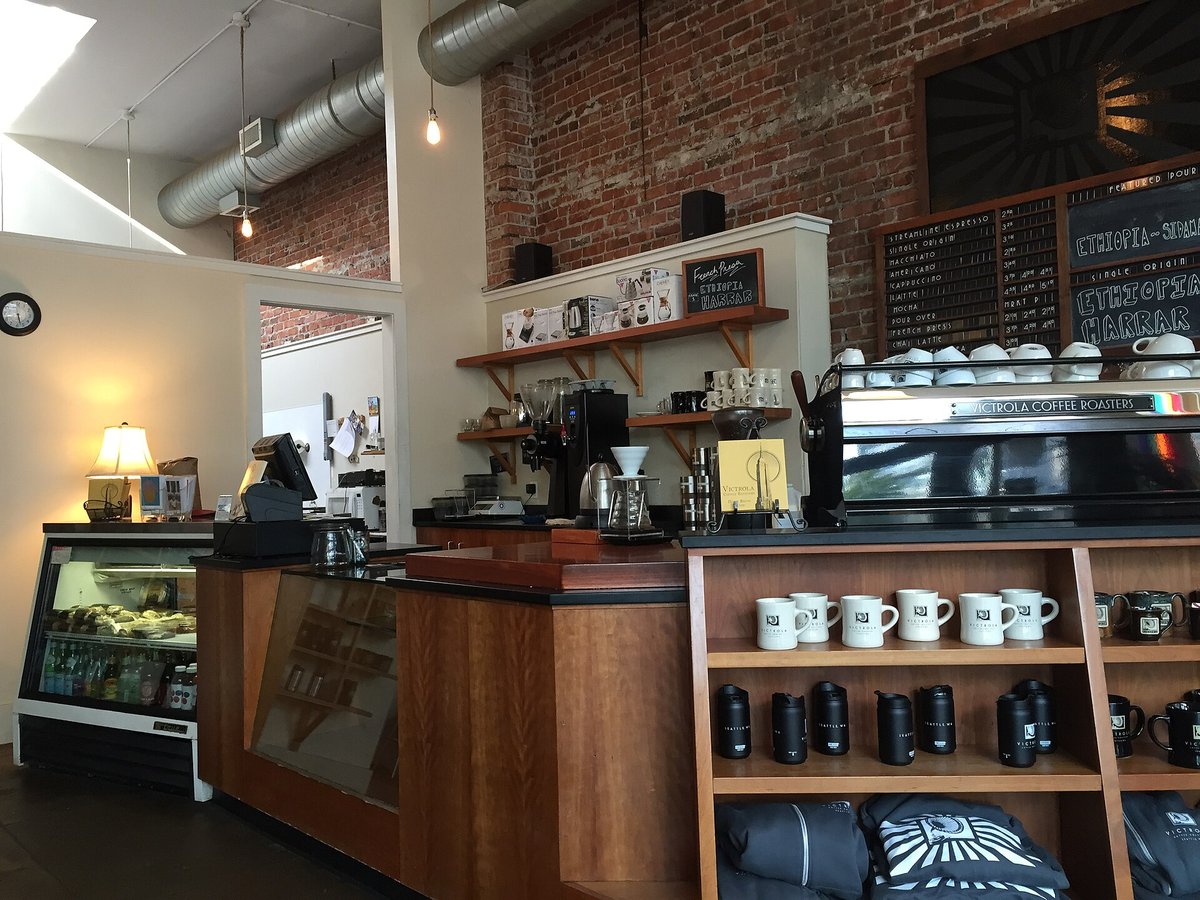
The shop is the last stage of the plan: a market table first, then cups, then a production roaster, then a room with a door. The Numbers sets out what the market years are for. This page is the shop itself: finding the space and reading the lease, what the build-out and equipment cost, the Michigan plan review, staff and the 2026 wage law, what a café’s money looks like, what the survival data actually say, and a month-by-month checklist for the year before opening. It is stage 6 on Start Here.
I have done part of this before. Around 1990, when I lived in Beaufort, South Carolina, I bought my first business: a coffee shop and ice cream shop together. I baked the desserts and cookies and made sandwiches as well, and almost all of the coffee was ground on site and brewed in French presses. The shop I am saving for now is a plan, and everything below about it is written as one.
The short version
| Question | Answer, as of October 2026 |
|---|---|
| What does a shop cost to open? | For restaurants in general, a trade survey puts the median at $375,000, most between $175,000 and $750,000. A coffee counter in a space that was already a café can be done for a small fraction of that; the equipment alone is about $6,000 to $25,000 (below). The build-out is the number that moves. |
| How long from lease to opening? | Plan review alone can take up to 30 business days, the licence application goes in 30 days before opening, and an inspection comes before the licence. Six months from a signed lease is a reasonable plan; twelve from the first search. |
| Who approves it in Michigan? | The county or district health department (plan review, then the food service licence), plus the city or township for zoning and building permits. |
| Rent | Work it out as a share of the sales the space can produce. The restaurant rule of thumb keeps total occupancy cost under about 10% of sales. |
| Cost of goods | Coffee drinks run about 15–30% of their price; food more. A blended target of 25–35% across a café menu is the usual planning range. |
| Wages | Michigan’s minimum is $13.73 an hour in 2026 and $15.00 from 1 January 2027. The tipped rate is 40% of it in 2026 ($5.49), rising every year to 50% in 2031. |
| Do most fail? | No. Federal data show about 88% of new food-service and accommodation establishments open after one year and about 58% after five. “Ninety percent fail in the first year” has no data behind it. |
| The hidden subsidy | The owner’s own unpaid hours. The model below makes about 29% before the owner is paid and about 9% if every hour is paid for. |
Finding the space
Three kinds of space, from cheapest to open to most expensive:
| Kind | What it is | What it saves | The catch |
|---|---|---|---|
| Second-generation café | A space that was a coffee shop or restaurant | Sinks, drains, floor, plumbing for a hand sink, often a counter and a water line where the machine goes | You inherit the last tenant’s layout and worn equipment, and sometimes their reputation |
| Vanilla shell | Walls, a floor, a bathroom, power and water stubbed in | A clean start | Every sink, drain and circuit is new work |
| Raw space or a change of use | Retail or office never used for food | The rent may be lower | Plumbing, possibly a grease interceptor, a restroom to code, and a change of use with the building department |
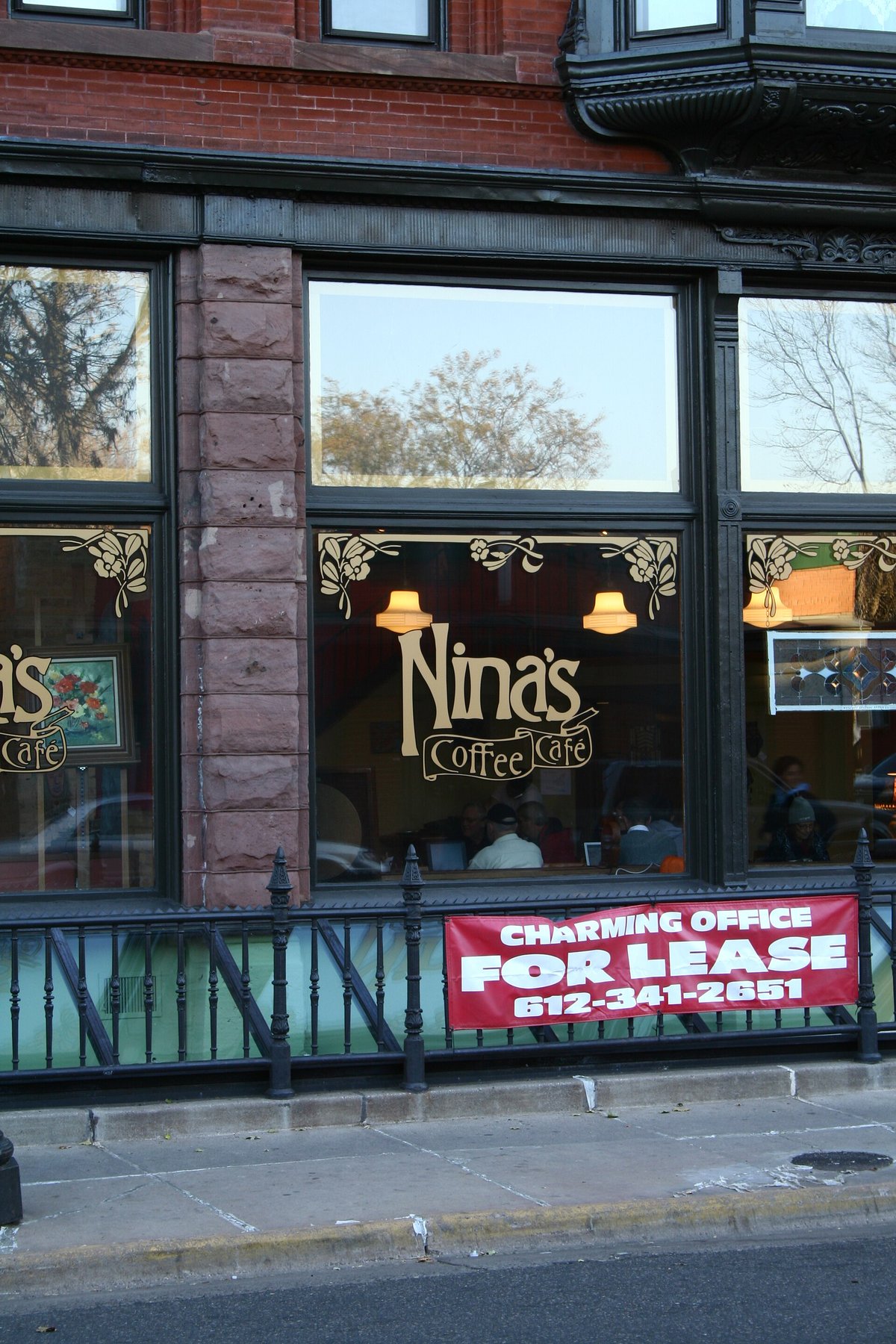
What to look for, in order of how hard it is to fix later:
- Who walks past, and when. A coffee shop lives on the morning. Count people past the door from 7 to 9 a.m. on two weekdays and a Saturday. The farmers-market years are the cheapest market research there is: the customers who follow the stall are the first customers of the shop.
- Parking. In a small Michigan town, a car that can pull in for three minutes matters more than foot traffic.
- Water and drains where the counter will go. Moving a floor drain means cutting concrete.
- Power. A two-group espresso machine and a twin batch brewer usually want 208–240 V circuits; a 120 V-only space limits the equipment (below).
- Zoning. Whether a café, and roasting, are allowed there at all. Ask the city or township before anything else (Setting Up the Business; roasting smoke is on Smoke, Air Permits and the Neighbours).
The lease
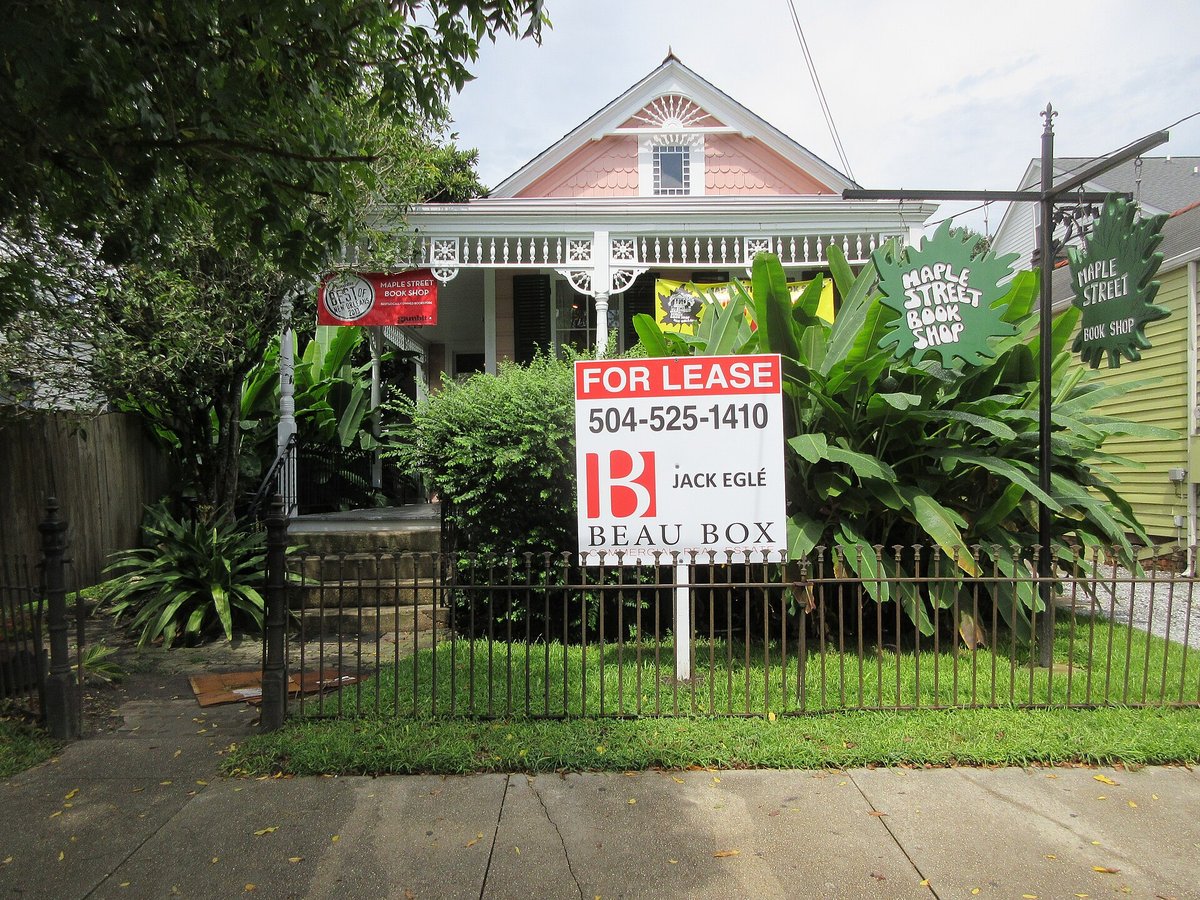
A commercial lease is the largest contract most small cafés ever sign, and almost every term in it is negotiable before signing and none after.
| Term | What it means | What to watch |
|---|---|---|
| Base rent | The rent, usually quoted per square foot per year | $18 a square foot on 1,200 square feet is $21,600 a year, $1,800 a month |
| Triple net (NNN) | The tenant also pays a share of the building’s property tax, insurance and maintenance | The real rent is base plus NNN. Ask for the last two years of NNN charges in writing. |
| CAM | Common area maintenance: parking lot, snow removal, shared hallways, the landscaping | In Michigan, snow removal is a real line. Ask whether CAM is capped and how it is reconciled each year. |
| Gross or modified gross | The landlord pays some or all of those costs | Simpler to budget; the rent is higher |
| Term and options | Length of the lease, and the right to renew | A build-out needs time to pay back: five years with a five-year option is common |
| Escalation | How the rent rises each year | A fixed percentage is easier to plan than an index |
| Tenant improvement (TI) allowance | Money from the landlord toward the build-out | Worth more than a lower rent in year one |
| Rent abatement | Free months while building out | Ask for the months of construction plus the licence wait |
| Use clause | What the space may be used for | Write in coffee, food, retail sale of coffee and equipment, and roasting if planned |
| Exclusivity | No other café in the same building or centre | Ask; it costs the landlord nothing today |
| Personal guarantee | The owner is personally liable if the business cannot pay | Negotiate a cap or a limit in years; an LLC does not protect against a guarantee you signed (Setting Up the Business) |
| Contingencies | The lease takes effect only if permits and licence are granted | The one clause that turns a failed plan review from a disaster into a delay |
A letter of intent (LOI) comes first: a short, mostly non-binding letter that sets out the rent, term, TI allowance, free months, use and contingencies, so both sides agree on the deal before lawyers write the lease. Have a lawyer read the lease itself. A few hundred dollars here is the cheapest insurance in the whole project.
Rent as a share of sales
The test is simple: total occupancy cost (base rent plus NNN or CAM) divided by the sales the space can realistically produce. The restaurant trade’s rule of thumb keeps that under about 10%; no published data on coffee shops test that figure, so treat it as a ceiling rather than a target.
| Total occupancy a year | Sales needed at 8% | At 10% | At 12% |
|---|---|---|---|
| $18,000 | $225,000 | $180,000 | $150,000 |
| $25,200 | $315,000 | $252,000 | $210,000 |
| $36,000 | $450,000 | $360,000 | $300,000 |
Then turn the sales into customers. At a $7 average ticket, $252,000 a year over 312 open days is 115 tickets a day. Stand outside the space at 8 a.m. and decide whether that is believable.
Build-out
The build-out is everything that turns the room into a licensed food establishment: plumbing for every sink and the machines, floor drains, electrical circuits, a restroom to code, finishes the inspector can clean, counters, lighting and the front of house.
A trade survey of independent restaurants, as reported by Square from RestaurantOwner’s Cost to Open survey, found a median cost to open of $375,000, with most owners spending between $175,000 and $750,000. That is restaurants with kitchens, hoods and dining rooms, and Square’s own note is that coffee shops “typically cost less.” The survey report is for members only and does not break out cafés; no free, published survey of what a coffee shop costs to build out exists.
The bakery dive’s model of a small coffee shop and bakery comes to about $64,000 for a lean, used build and $210,000 for a full new one (The Numbers: Coffee Shop & Bakery), and its page on lease against build-out covers the same three kinds of space from the bakery side.
What drives the number, roughly in order:
- Whether it was a café before. The single largest saving.
- Plumbing. Each sink, the ice machine drain, the espresso machine’s water and drain, the dishwasher if any, and backflow protection on every water line.
- A restroom to the accessibility code, if the space does not have one.
- Electrical service. A 208–240 V machine in a building wired only for 120 V is a new panel.
- Roasting, if it happens in the shop: venting, an afterburner or filter where required, and the air permit question.
- Finishes. Floors, walls and ceilings in food areas must be smooth and cleanable. The plan review manual has the details.
A coffee shop with no cooking does not usually need a commercial cooking hood, which is the most expensive item in a restaurant build-out. Ovens for the bakery side may change that; ask the building department and the health department with the equipment list in hand.
The Michigan plan review
MDARD sends a coffee shop to the local health department: plan review goes to the county “if your fixed food establishment is predominately going to be a food service establishment,” a category whose list starts “a restaurant, coffee shop, cafeteria.” The state’s Food Establishment Plan Review Manual (the “Reference Manual in English” on that page) sets out what goes in the package and how long it takes.
The rules that set the timeline, from the manual:
- Plans “must be approved prior to construction or remodeling!”
- “The regulatory agency has up to 30 business days to review and approve complete plans and specifications.” Incomplete plans restart the wait.
- After the build, “an application for a food establishment license must also be submitted … at least thirty days before a food establishment plans to open. An inspection must then be conducted by the regulating agency before a license can be issued.”
- A retail store that leases space to a food service operation needs a separate food service licence for it.
What goes in the package: the application and fee, a floor plan, a plumbing plan (hand sinks, food preparation sink, warewashing sinks, water heater, drains, grease interceptor if any), an equipment list with specification sheets, the menu, and written standard operating procedures. MDARD publishes a fillable application, a plan review worksheet and a template for the procedures on the same page.
What the manual asks of a coffee shop’s back bar:
| Item | The manual’s rule or guidance |
|---|---|
| Warewashing | ”The minimum requirement for warewashing in a food establishment is a three-compartment sink.” A dishwasher may be added; it does not replace the sink. |
| Hand sinks | Close to each workstation, “within the employee’s line of sight and guideline of within 20 feet,” near the flow of food and the dish area. A splash guard where food surfaces are within 18 inches. |
| Service sink | ”At least one service sink or one curbed cleaning facility equipped with a floor drain” for mops and mop water. |
| Food preparation sink | Recommended, with an 18-inch drainboard, for washing fruit and ice baths. |
| Ice machine | Sized for the operation, and never under exposed sewer lines or other sources of contamination. |
| Backflow | Every water connection protected. “An air gap is the most desirable method.” Coffee machines are on the worksheet’s plumbing list. |
| Water heater | Sized from the demand of every sink and machine; the manual works an example. |
Fees, as of October 2026. They differ by county. Shiawassee County’s 2026 schedule is a fair example of central Michigan:
| Item | Shiawassee County, 2026 |
|---|---|
| Plan review, minor | $688 |
| Plan review, major | $999 |
| Food service licence, by class | $401 (Class I) to $932 (Class IV) a year; seasonal licences about half |
| Change of ownership or use | $333 |
| Food safety training class, per person | $182 |
| Building before plans are approved | ”Double Fee if remodeling/construction starts BEFORE approval of plans” |
The schedule does not say which class a coffee shop falls in. The other county and district fees the Coffee pages use are on the rules page, and the certified food protection manager every fixed food establishment needs is on Food-Safety Certification.
The questions to take to the health department before signing a lease:
- Is this a minor or major plan review, and what is the fee?
- Which licence class is a coffee shop with a pastry case, and with sandwiches?
- Does the space’s existing plumbing count, or does it need a new plumbing plan?
- Is a three-compartment sink plus a dishwasher required, or will a two-compartment sink be accepted?
- Can bakery items be baked here and sold here, and does selling bags of coffee roasted here, wholesale or by mail, need a separate MDARD licence (Selling Online; Wholesale)?
- What water treatment will they want to see on the espresso and brewer lines (Water)?
- How long is the wait for plan review in this county right now?
Elsewhere in the US the shape is the same: a state food code based on the FDA’s model, a local health department that reviews plans and licenses the shop, and a separate building and zoning process. The fees, the waits and the code edition differ.
Equipment for a shop
The stall pages price the gear for a table. A shop changes it: it has water, drains and a 20-amp circuit, and it has to serve a morning rush. Prices are from WebstaurantStore listings and the makers’ pages cited on Grinders and The Equipment List, read 5 October 2026.
| Item | What for | Lean | Upper | Notes |
|---|---|---|---|---|
| Batch brewer | The morning rush; one pot every few minutes | $959 (Fetco CBS-1221 airpot brewer, 120 V) to $1,319 (CBS-2231, 120 V) | $1,719 (CBS-2232 twin, 208/240 V) | A twin is two pots at once. Plumbed. |
| Airpots or servers | Holding batch brew without a hot plate | about $100 each; four to six | The Equipment List | |
| Bulk grinder | Batch brew and bags | $1,457 (Bunn G1) | $1,999 (Ditting 807) to $3,899 (Mahlkönig EK43) | Grinders |
| Pour-over bar | The single-origin cups | Two gooseneck kettles at $199.95, drippers, a scale | A water boiler and a single-dose grinder | The Drinks |
| Espresso machine, if any | Lattes, the drinks most customers expect | $2,949–$3,199 (a two-group compact on 110 V) | $8,990 (Nuova Simonelli Appia Life two-group, 220 V) | Machines and their history: The Espresso Machine |
| Espresso grinder | Only with the machine | $1,295 (Mazzer Mini) | $3,099 (Mahlkönig E65S) | Plus a second for decaf, in time |
| Water treatment | Taste, and the machine’s warranty | Carbon filtration | RO with minerals added back | Priced on Water |
| Ice machine | Iced drinks | $939–$1,169 (undercounter cube, 129 lb a day, 40 lb bin) | $2,409 (modular, 400 lb a day) | Needs a drain; air-cooled ones heat the room |
| Three-compartment sink | Required | $268.99 (54 inch) | $1,059 (124 inch, two 24-inch drainboards) | The size depends on the largest item washed |
| Hand sinks | Required, within 20 feet of each station | $79.99 each | $316.49 (with splash guards and dispensers) | Usually two behind the counter, plus the restroom |
| Refrigeration | Milk, cream, pastry ingredients | $1,149–$1,589 (48-inch undercounter) | Add a $399.99 one-gallon milk cooler beside the espresso machine | |
| Pastry case | The second-largest seller | Priced on the bakery pages: The Numbers: Coffee Shop & Bakery | ||
| POS | Taking payment, sales by the hour (which set the staffing), retail inventory, staff time clock | A tablet, a reader, a cash drawer | Two stations and a kitchen display | Readers and fees: Taking Cards |
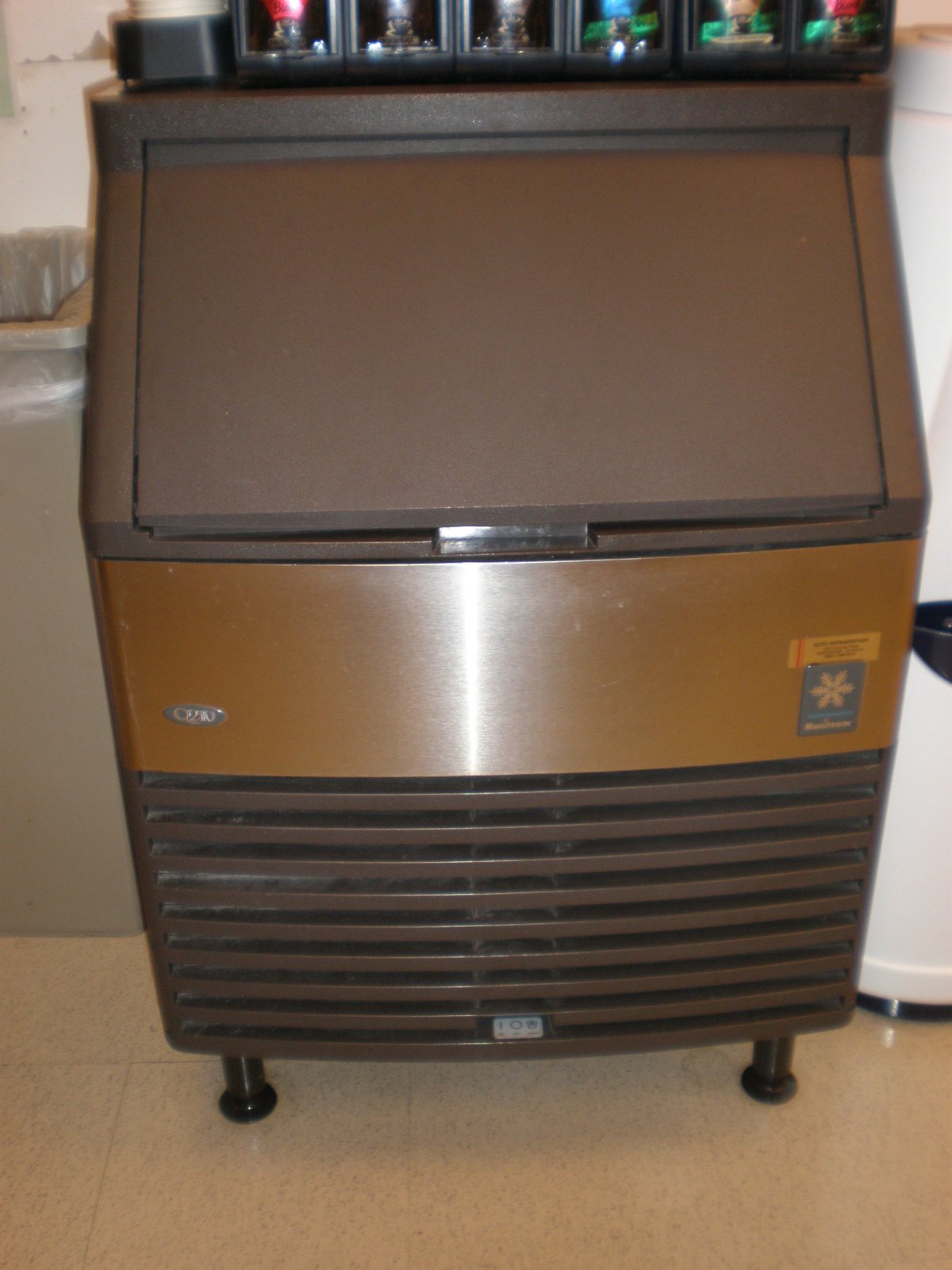
Totals for the equipment alone, from the table: about $6,000 for a lean coffee bar with no espresso (one batch brewer, four airpots, a Bunn G1, the ice machine, the smallest three-compartment sink, two hand sinks, one undercounter refrigerator, two kettles and the drippers), about $10,500 with a compact two-group machine, its grinder and a milk cooler added, and about $25,000 at the upper end (a twin brewer, an EK43, a 220 V two-group machine and its grinder, a 400 lb ice machine, the long sink). That leaves out water treatment, the pastry case, furniture, smallwares and the cost of installing any of it.
Espresso or not. A shop with only batch brew and pour-over is cheaper to equip, simpler to staff and faster at 8 a.m. It also turns away the customer who wants a latte, and in most American towns that is a large share of the morning. The middle path is a compact two-group on 110 V, bought used where possible, alongside a batch brewer that carries the rush. The plan for this shop is the batch brewer and pour-over bar first, with the space wired and plumbed for an espresso machine from day one so that adding it later is a delivery and not a construction job.
Used equipment. Espresso machines, grinders and refrigeration from closing cafés are a large market. The buying rules are on Buying Used; budget for new gaskets, a descale and a technician’s visit on any used espresso machine.
Menu and pricing
The menu follows from what the equipment can make at the rate a morning needs. The stall’s menu is the starting point (Prices and Customers), and a shop adds what a fixed kitchen allows: the drinks the stall could not make on site, from Flavored and Seasonal Drinks, iced drinks from the shop’s own ice, cold brew from its own refrigerator, and the bakery case.
Cost of goods (COGS) is what goes into the item: the coffee, milk, syrup, cup, lid and sleeve. Divide it by the price and that is the cost percentage.
| Item | Cost | Price | Cost % |
|---|---|---|---|
| House coffee, 12 oz | 54¢ | $3.50 | 15% |
| Iced coffee, 16 oz | 87¢ | $4.00 | 22% |
| Cà phê sữa đá (kah fay shoo-uh dah · [kaː˨˩ fej˧˧ ʂɨə˨˩˦ ʔɗaː˦˥]), 16 oz | $1.12 | $5.50 | 20% |
| Honey-and-milk coffee, 12 oz | $1.33 | $5.00 | 27% |
Costs from The Numbers, at first-season green-coffee prices. A shop buying green by the box and milk by the case does better.
Coffee drinks are the cheapest things on the menu to make. Food runs much higher: Square, citing the National Restaurant Association, puts full-service restaurants at about 32 percent of each dollar on food and drink. A café’s blended figure lands between the two, which is where the planning range of 25 to 35 percent comes from. Two rules follow:
- Price each item from its own cost, not from a multiplier across the menu. Square’s guide to pricing coffee drinks gives the common café aim as an 80% margin on drinks, which is a 20% cost.
- Watch the mix. A shop that sells more sandwiches than lattes has a higher blended cost even if every price is right. That is not a fault; it changes how many tickets the shop needs.
Staff and Michigan wage law
| Rate | 2026 | From 1 January 2027 | Source |
|---|---|---|---|
| Minimum wage | $13.73 | $15.00; adjusted for inflation each year from October 2027 | MCL 408.934; LEO |
| Tipped employees | 40% of the minimum: $5.49 | 42%: $6.30 | MCL 408.934d |
| Tipped share in later years | 44% (2028), 46% (2029), 48% (2030), 50% (2031) | MCL 408.934d | |
| Training wage, under 20 | $4.25 for the first 90 days | MCL 408.934b |
The tipped rate has conditions. The employee’s tips must make up the difference to the full minimum wage, they must be declared, and the employer must have “informed the employee of the provisions of this section, in writing, at or before the time of hire” and the employee “gave written consent.” If the tips fall short in a pay period, the shop pays the difference. For a counter café, where tips are a jar and a button on the card reader (Taking Cards), the safe plan is to budget the full minimum wage and treat tips as the staff’s.
Paid sick time. Under Michigan’s Earned Sick Time Act, a small business — “10 or fewer individuals work for compensation during a given week” (MCL 408.962) — must let each employee accrue “1 hour of paid earned sick time for every 30 hours worked,” and may cap its use at 40 hours a year, or give 40 hours at the start of the year instead. Small businesses have had to do this since 1 October 2025.
Other costs of an employee: the employer’s share of Social Security and Medicare, federal and Michigan unemployment tax, and workers’ compensation insurance, which Michigan requires once there are employees (Insurance). Allow about ten percent on top of wages for the taxes, plus the insurance premium.
How many people. A café open eight hours, seven to three, needs two people on the floor at the morning peak and one in the slow hours, plus an hour each side for opening and closing. The owner is usually one of the two.
Elsewhere in the US, the federal minimum is $7.25 an hour (29 U.S.C. 206), and the federal tipped cash wage is fixed at its 1996 level (29 U.S.C. 203). Most states and many cities set their own higher rates; the higher one applies.
A café’s money, modelled
No free, published benchmark of a small independent café’s profit and loss exists. The point-of-sale companies publish articles, and the trade surveys are for members. So here is a model, with every assumption on the table. It is not a forecast. Change the assumptions to the real space and the real town.
Assumptions: 1,200 square feet; open six days a week, 312 days a year; 120 tickets a day at a $7.00 average (a coffee and a pastry, or two drinks); cost of goods 28%; one paid employee at $15.00 an hour working the full 10 hours a day with the owner; rent $16 a square foot plus $5 NNN; every sale on a card at 2.6% plus 15¢.
| Line | A year | % of sales | How |
|---|---|---|---|
| Sales | $262,080 | 100% | 120 × $7.00 × 312 |
| Cost of goods | $73,382 | 28.0% | |
| Wages, one employee, with payroll taxes | $51,480 | 19.6% | 3,120 hours × $15.00, plus 10% |
| Rent and NNN | $25,200 | 9.6% | $21 × 1,200 sq ft |
| Card fees | $12,430 | 4.7% | 37,440 tickets × (15¢ + 2.6% of $7.00) |
| Utilities | $9,000 | 3.4% | Assumed |
| Insurance | $2,500 | 1.0% | Assumed; Insurance |
| Everything else: POS, repairs, accounting, cleaning supplies, marketing | $12,000 | 4.6% | Assumed |
| Left for the owner’s pay and any loan | $76,088 | 29.0% | |
| If the owner’s 3,120 hours were also paid at $15 | $24,608 | 9.4% |
That last line is the one to read twice. The second figure, about 9%, sits right where Square puts the average restaurant’s margin, “between 10 and 12 percent.” The 29% is not profit. It is the owner’s wage, the loan payment on the build-out and equipment, and the reserve for the espresso machine that dies in February, all from one pot.
Break-even. Each $7 ticket leaves $4.71 after its cost of goods and card fee. The fixed costs above (wages, rent, utilities, insurance and the rest) are $100,180 a year. That is 68 tickets a day before the owner earns anything, and about 99 a day to pay the owner $45,000. The plan’s first question about any space is whether 99 people a day will come through that door.
Where it breaks. Fewer tickets (the model loses about $1,470 a year for each ticket a day below 120); a higher cost of goods from a menu heavy in food; a rent that looked fine at 120 tickets and is 15% of sales at 80; and the owner’s health, since the model works only while the owner works the floor.
The sales tax is not in the model: prepared food and drinks are taxable at 6% in Michigan and bags of coffee are not (Michigan Rules). Financing the build-out is on Financing.
What the failure numbers actually say
“Ninety percent of restaurants fail in the first year” is repeated everywhere and supported by nothing. Two sources that measure it:
| Source | What was measured | One year | Five years | Ten years |
|---|---|---|---|---|
| BLS Business Employment Dynamics, accommodation and food services, born 2015 | Share of new establishments still open | 88.2% | 58.5% | 41.6% |
| Same, born 2020 | 85.5% | 59.3% | ||
| BLS, all private-sector establishments, born 2015 | 79.6% | 50.2% | 34.7% | |
| Parsa and others, 2005, independent restaurants, 1996–1999 | Ownership changes and closures | 26% failed, 74% did not | 61% of independents changed hands or closed over the three-year study |
The paper’s own words: “In contrast to frequently repeated statistics, a relatively modest 26.16 percent of independent restaurants failed during the first year of operation.” Franchise restaurants did only a little better than independents over the study, 57.2% against 61.4%.
What the numbers mean for a café:
- Most survive the first year; about half do not reach ten. That is in line with all new businesses, and food service does slightly better than the average in the federal data.
- “Closed” is not always “failed.” An establishment that is sold, moves or is closed by an owner who retires counts the same as one that went broke.
- The federal table includes hotels, and does not break out coffee shops. No public data set gives café survival alone.
- The same paper found that the owner’s family life and quality of life mattered more than expected: a qualitative result, and the one most worth reading by someone planning to work the floor six days a week.
The hybrid: coffee with something else
My Beaufort shop was coffee and ice cream in one, with desserts, cookies and sandwiches I made myself. The hybrid is common for good reasons:
| Second line | What it adds | What it costs |
|---|---|---|
| A bakery case | A higher ticket, and the pairing that brings people back (The Stall) | A licensed kitchen, an oven, early hours |
| Ice cream | Afternoon and evening trade, and summer, when hot coffee is slow | A dipping cabinet, a second set of food-safety rules for frozen dairy, and its own licence questions |
| Sandwiches | Lunch | A higher cost of goods and more prep; possibly a higher licence class |
| Retail: bags, grinders, gear, honey, jam | Sales without labour at the counter | Shelf space and inventory (Gift Baskets) |
| Roasting on site | The smell, the show, the wholesale and online side, and the best margin in the building | Venting, permits, a second licence question, and noise |
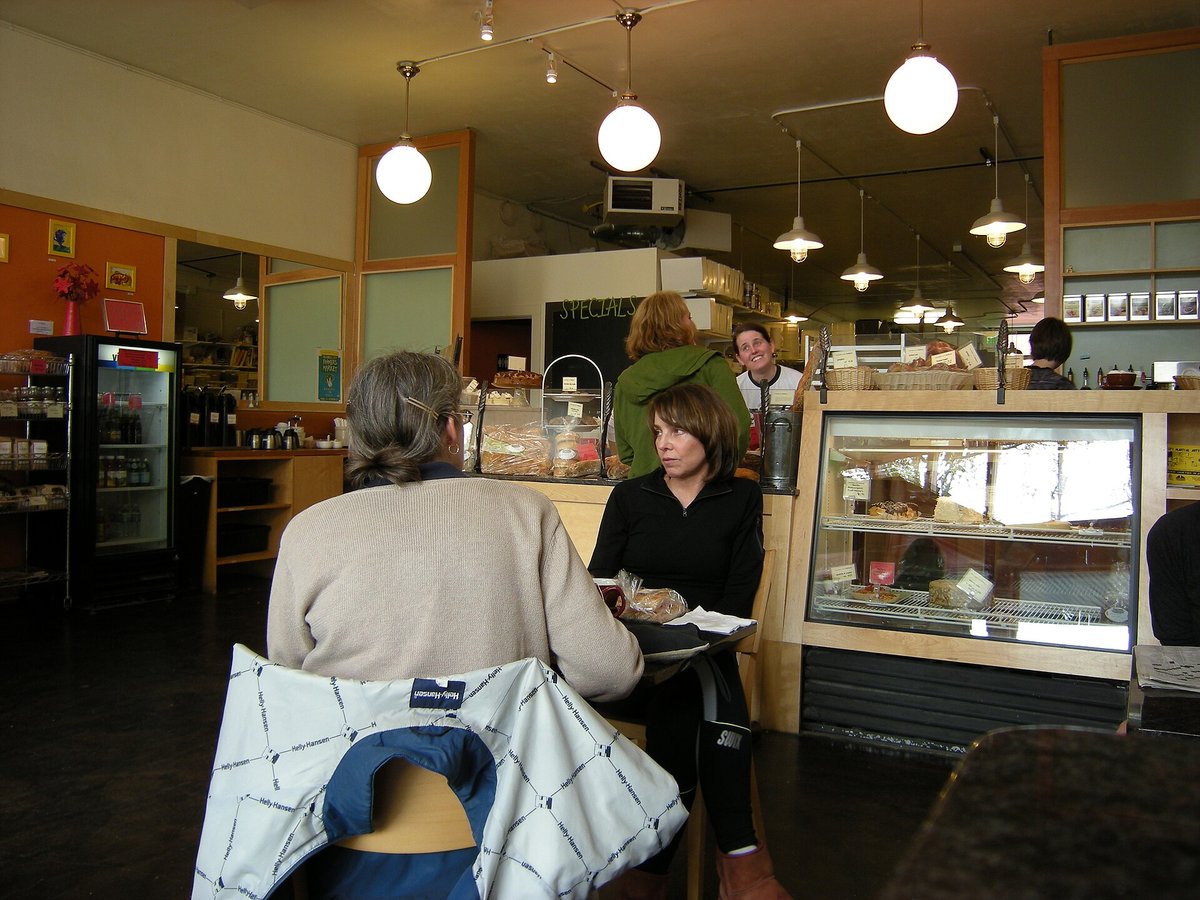
The planned shop is in this tradition: coffee roasted in-house, baked goods, honey and other things from the hives, house jams sweetened with honey and maple syrup, and shirts (The Plan). The bakery side has its own dive, Starting a Bakery, and its Coffee Program page covers the same counter from the baker’s side.
The roastery café
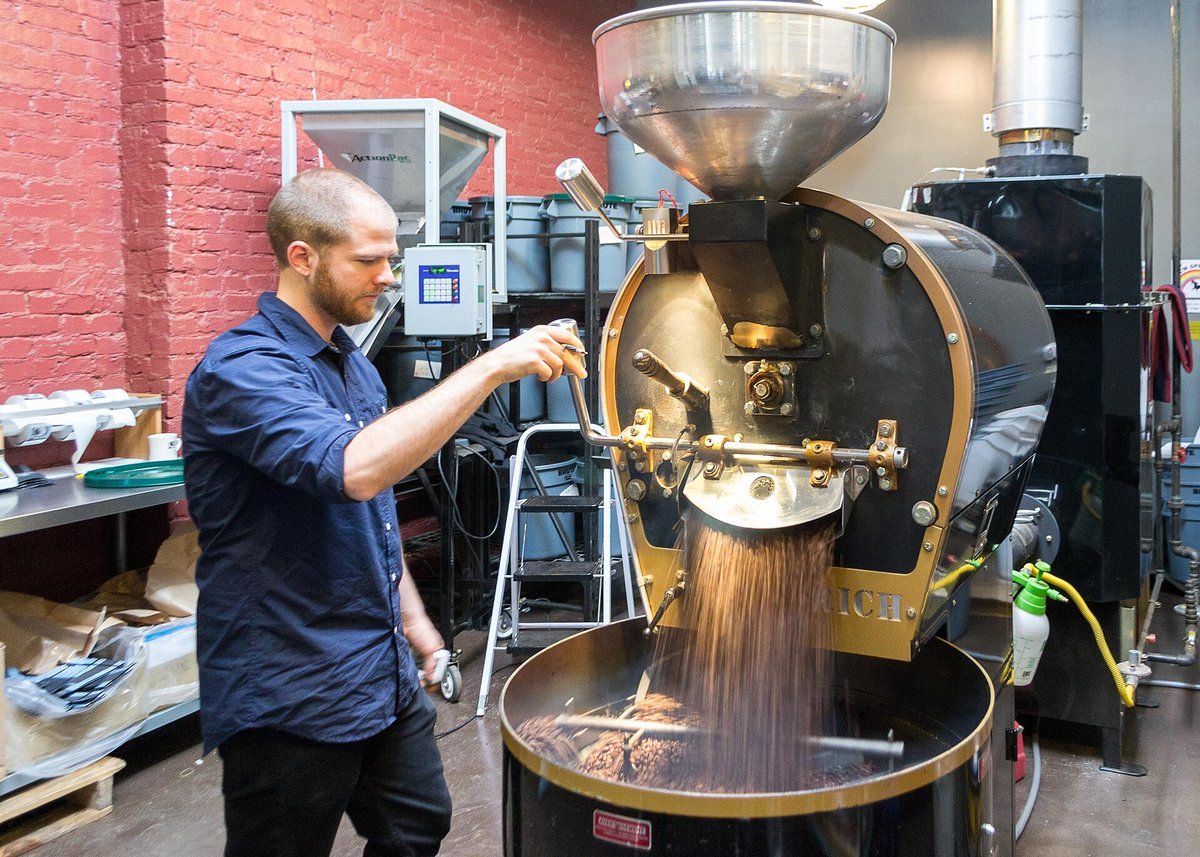
A roaster in the shop does three jobs at once: it supplies the café, it fills retail and online bags, and it is something to watch. It also brings questions the coffee bar does not:
- Air. Smoke and the smell of roasting reach the neighbours, and some machines need an afterburner or a permit (Smoke, Air Permits and the Neighbours).
- The licence. Bags sold over the counter for drinking at home are one thing; bags sold wholesale or by mail may bring an MDARD food processor licence alongside the county’s food service licence. Ask both before the plan review (Toll Roasting, Private Label and Shared Roasteries; Wholesale).
- Space and power. The roaster, green coffee storage, bagging and a sealer need their own corner, and a one-kilo roaster such as the Aillio Bullet R2 Pro runs on 240 V (Choosing a Roaster).
- Logs and consistency. A café’s customers notice when the house coffee changes (Roast Logs, Quality Control and Blending).
The Michigan precedent is 517 Coffee Company in Lansing, which roasted at home and sold at farmers markets from 2014 and opened its first shop in 2021.
Month by month: the year before opening
| When | What |
|---|---|
| 12 months out | Write the business plan from the market years’ sales records. Decide the menu: espresso or not, food or not, roasting or not. Set up the business structure if not done (Setting Up the Business). Talk to the free advisers: the Michigan SBDC and SCORE (Free help in Michigan). |
| 11 months | Start looking at spaces. Count the morning foot traffic. Ask the city or township about zoning for each one. |
| 10 months | Get a lender’s or investor’s view of the plan (Financing). Get the food protection manager certificate (Food-Safety Certification). |
| 9 months | Choose the space. Sign a letter of intent. Take the questions above to the county health department. |
| 8 months | Lawyer reads the lease. Negotiate TI allowance, free months and the permit contingency. Sign. |
| 7 months | Draw the floor plan and equipment list. Get specification sheets. Water test for the espresso line (Water). |
| 6 months | Submit the plan review package. Submit building permit drawings. Order long-lead equipment. |
| 5 months | Plan approved (up to 30 business days). Contractors start. Nothing is built before approval: the fee doubles in some counties. |
| 4 months | Build-out. Choose the POS. Insurance quotes: a business owner’s policy and workers’ compensation (Insurance). |
| 3 months | Equipment delivered and installed. Sales tax licence (Setting Up the Business). Sign, menu board, cups printed (Cups and Standing Out). |
| 2 months | Apply for the food service licence (at least 30 days before opening). Hire. Write the standard operating procedures. Tell the market customers. |
| 1 month | Health inspection. Building final and certificate of occupancy. Train staff. Dial in every drink. |
| 2 weeks | Soft opening: friends, family, the market regulars, invited. Fix what breaks. |
| Opening day | Open on a weekday, not a festival weekend. Count every ticket by the hour. |
What is not known
- A published profit-and-loss benchmark for small independent cafés, from the SCA or the payment companies, that can be read freely.
- A survey of what coffee shops, as distinct from restaurants, cost to build out.
- Survival rates for coffee shops alone; federal data group them with all food service and hotels.
- Which county licence class a coffee shop falls into in each central Michigan county, and the current plan review wait in each.
- Whether roasting in a café for wholesale and mail order needs an MDARD processor licence in addition to the county licence, for this particular shop; that is a question for MDARD with the plan in hand.
- Commercial rents per square foot in central Michigan towns. No public listing service publishes averages for them.
Sources
- Michigan Department of Labor and Economic Opportunity, Minimum Wage & Overtime (read 5 October 2026).
- Michigan Compiled Laws: 408.934 (minimum wage), 408.934b (training wage), 408.934d (tipped employees), 408.962 and 408.963 (Earned Sick Time Act).
- U.S. Code: 29 U.S.C. 206 and 29 U.S.C. 203 (Cornell LII).
- MDARD, Food Service Establishment Plan Review, with its Food Establishment Plan Review Manual, application, worksheet and SOP template.
- Shiawassee County Health Department, 2026 Fee Schedule (effective 1 January–31 December 2026).
- U.S. Bureau of Labor Statistics, Business Employment Dynamics, Table 7, survival of establishments by opening year: accommodation and food services and all private sector (data to March 2025).
- H. G. Parsa, John T. Self, David Njite and Tiffany King, “Why Restaurants Fail,” Cornell Hotel and Restaurant Administration Quarterly 46, no. 3 (2005): 304–322, from its published abstract.
- Square: How to Start a Coffee Shop; Food Cost Percentage; How to Price Coffee Drinks. RestaurantOwner, How Much Does it Cost to Open a Restaurant?
- WebstaurantStore listings, read 5 October 2026: two-group espresso machines, three-compartment sinks, ice machines with bins, hand sinks, Fetco brewers, undercounter refrigerators.
- WITL, 517 Coffee’s new location in Lansing.
- The cup costs, the equipment totals, the rent table and the profit-and-loss model are worked out on this page from those sources and the Coffee pages linked beside them.
Comments (0)