Starting a Coffee Business · 38 of 39
Toll Roasting, Private Label and Shared Roasteries
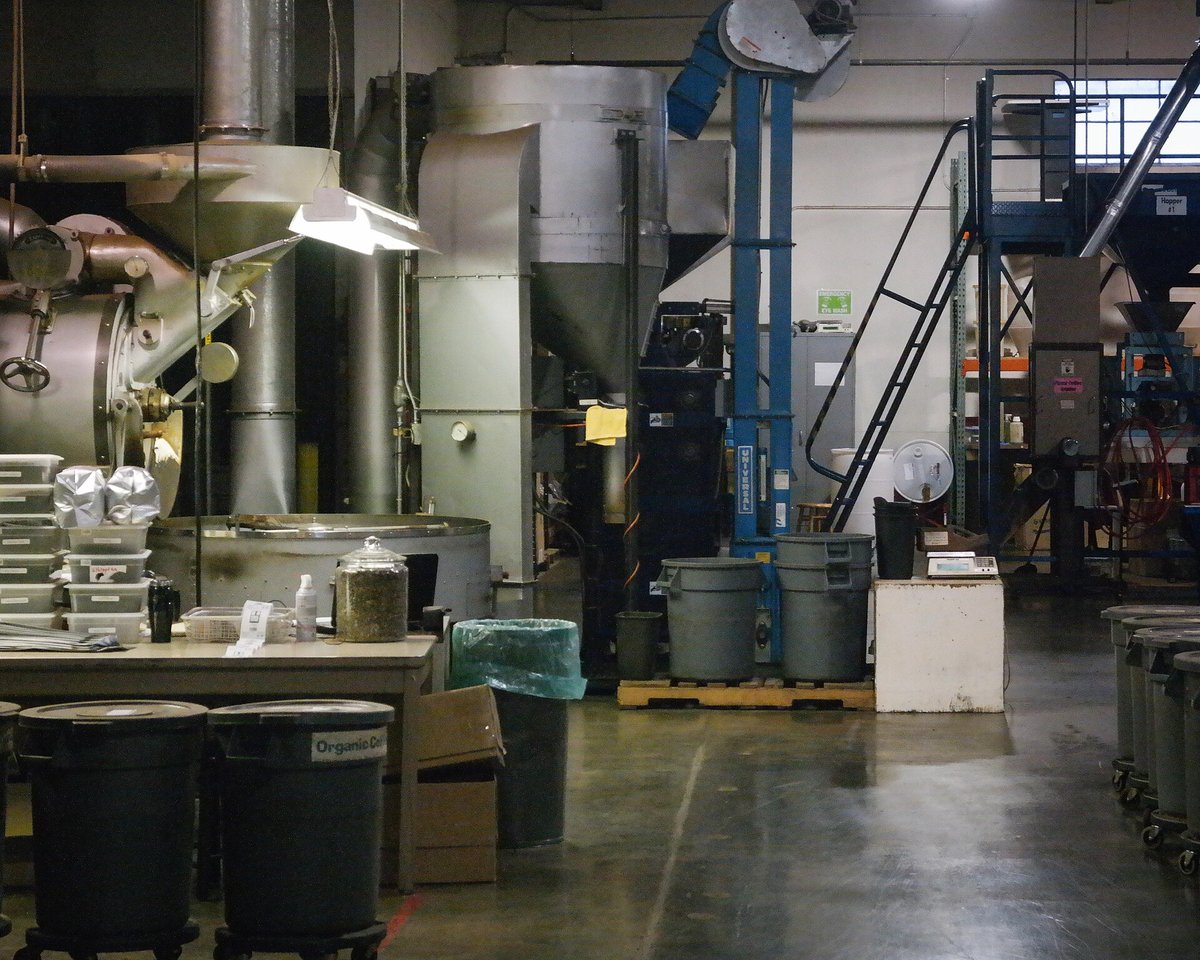
There are four ways to sell coffee before owning a production roaster: roast at home under cottage food; pay a licensed roaster to roast your green coffee to your recipe (toll roasting); buy coffee a licensed roaster has already roasted and put your own name on it (private label); or rent time on a roaster in someone else’s licensed space (shared roasting, often inside an incubator kitchen). The last three put the coffee in a licensed facility, and that changes what can legally be done with it: wholesale, consignment, sales outside Michigan, no cottage food cap. This page sets out how each works, what it costs as published on 5 October 2026, and the honesty question that comes with selling coffee someone else roasted.
I have roasted coffee at home with a popper, a skillet, an oven and a heat gun, and I own no roasting machine. The plan is a Behmor first and an Aillio Bullet later; this page is about the routes alongside and between those. On Start Here, reaching a licensed roastery is stage 5.
The short version
| Route | Who roasts | Licence | What it costs | Can sell wholesale? |
|---|---|---|---|---|
| Home roasting, cottage food | You, in your home kitchen | None | $7.80 a 12 oz bag (first season), $6.06 by the box (cost table) | No |
| Toll roasting | A licensed roaster, your green, your profile | The roaster’s; reselling needs one of yours (ask MDARD) | Quoted per pound; Mill City Roasters sells roasted coffee at $9.90–$12.95 a pound, 40 lb minimum | Yes, with the right licence |
| Private label | A licensed roaster, its coffee, your bag | As above | $10.60–$12.90 a 12 oz bag at Mill City (on 1,000 custom bags); $12.50 at Michigan’s Foster Coffee | Yes, with the right licence |
| Shared roastery or incubator kitchen | You, on a roaster in a licensed shared space | Your own MDARD licence at that address | Kitchen time by the hour (rarely published) plus the licence ($186 a year) | Yes |
| Your own licensed roastery | You, in a licensed space of your own | Limited Wholesale Food Processor, $186 a year | The roaster, the space and the build | Yes |
The single most useful fact: MDARD says a rented licensed kitchen does not let cottage food be sold. “Even if the rented kitchen is a licensed facility, you would need a food establishment license to sell your products” (MDARD FAQ). Every route except home roasting needs its own licence.
Why the line matters
Cottage food is generous about what (roasted coffee, whole or ground, is on the list) and strict about where and to whom: made only in “the kitchen of your primary residence,” sold “directly… to the consumer,” inside Michigan, under a $50,000 cap (the rules page). Coffee from a licensed facility escapes all four limits. It can go to a café (Wholesale and Consignment), onto a gift shop’s shelf on consignment, into a box shipped to Ohio (Selling Online and by Mail), and past $50,000 a year.
| Cottage food bag | Bag from a licensed facility | |
|---|---|---|
| Market table, roadside, online within Michigan | Yes | Yes |
| Cafés, restaurants, grocery stores | No | Yes |
| Consignment | No | Yes |
| Outside Michigan | No | Yes |
| Annual cap | $50,000 | None (above $25,000 of wholesale the licence fee rises from $186 to $471) |
| Label | Home-kitchen statement | The processor’s name and address, or “Roasted for…” |
| Can a licensed food booth brew it? | Not settled (question 9) | Yes: an approved source |
The last row matters for a stall that sells cups. A licensed booth may brew coffee “from sources that comply with the law,” and whether home-roasted beans qualify is the open question on the rules page. Coffee from a toll roaster or a licensed shared roastery settles it.
Toll roasting
Toll roasting (or contract roasting) is paying a licensed roaster to roast coffee to your specification. In its strict sense the customer supplies the green coffee and the roaster charges a fee per pound for the roasting; in practice the line blurs, and many roasters offer both “your green, our machine” and “our green, your recipe.”
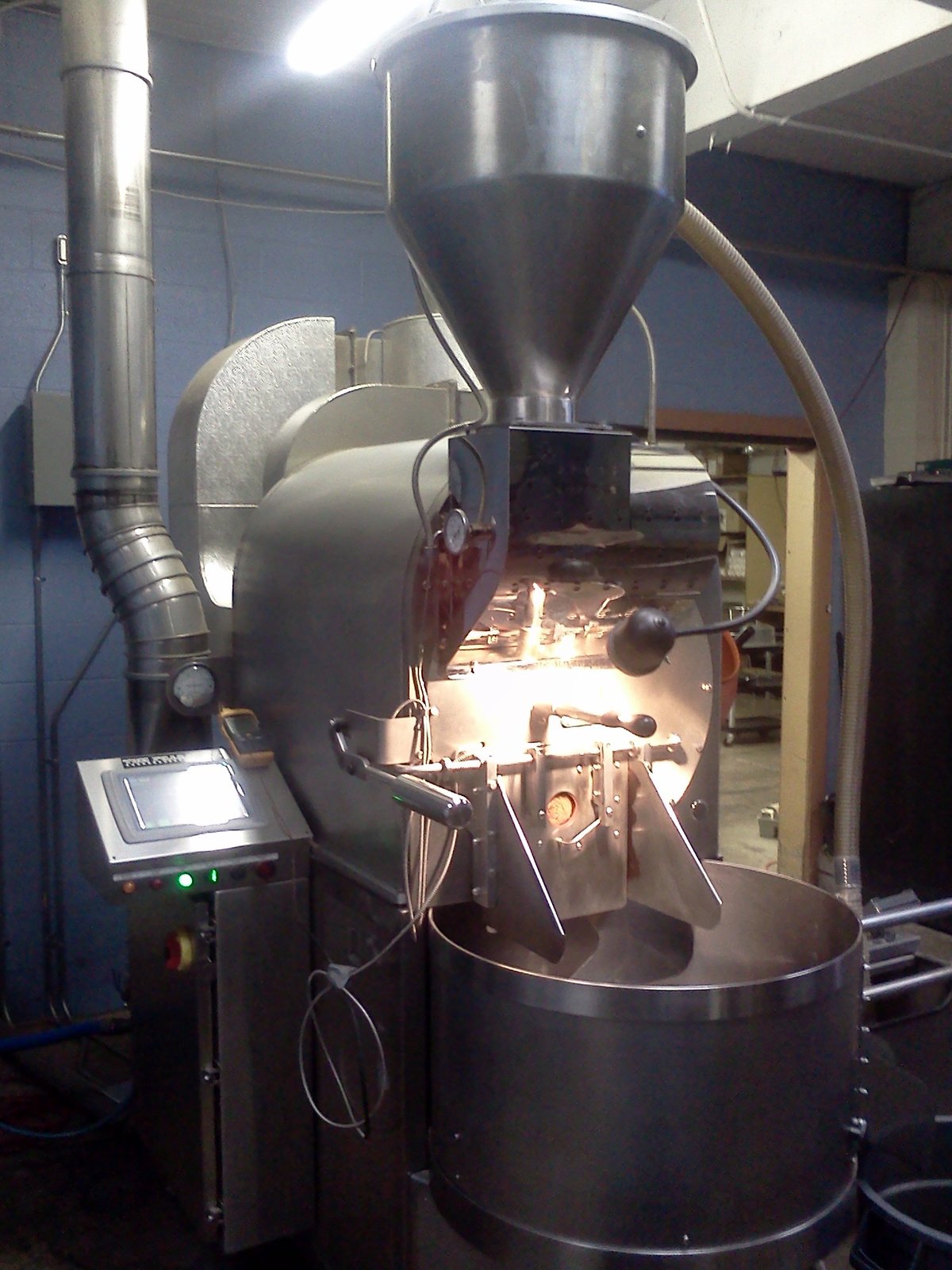
How it works, from the published terms of Mill City Roasters in Minneapolis, which sells roasting machines and runs a production roastery:
- Choose the coffee. Either one from the roaster’s own menu, or “a custom coffee profile that reflects your business. We’ll source the green or you can send us yours.”
- Set the profile. The roaster’s team develops a roast to the customer’s description and sends samples to approve. A profile is the time and temperature curve of the roast (Roasting).
- Order. Mill City’s toll menu: “40 pound minimum order • 5 pound increments,” roasted coffee at $9.90 to $12.95 a pound depending on the coffee, as of October 2026. It asks for a “Reseller’s sales tax exemption” before the first order, because the coffee is bought for resale.
- Packing. “We package in 5 pound vented kraft bags with easy-to-read labels,” boxed 40 lb at a time; “branded packaging or direct-to-consumer shipping” is quoted separately.
- Turnaround. Orders “typically leave our roastery within 2-3 days.”
What a toll roaster charges for roasting a customer’s own green is quoted on request, not printed. The menu prices above include the roaster’s green coffee. For comparison, a Colombia bought green by the box at $6.11 a pound (Green Coffee and the Line-Up) is $7.19 of green in each roasted pound after a 15% roast loss; the gap between that and $9.90–$12.95 is the roaster’s labour, energy, packing, overhead and profit.
What toll roasting is good for: a coffee roasted on a production machine, consistently, while the business is small; a licensed source for a licensed booth; and a first wholesale account before a licensed roastery of one’s own. What it is not good for: learning to roast. The roasting is someone else’s craft.
Toll-roasting checklist (questions to ask a toll roaster):
- Minimum order, increments, and whether it applies per coffee or per order.
- Will it roast my green? The per-pound fee, the minimum batch, and what happens to the roast loss (it is paid for by weight in, delivered by weight out).
- Profile development: the fee, the number of sample rounds, and who owns the profile.
- Roast date to ship date, and whether the roast date is printed on each bag.
- Bags: theirs or mine; valve; fill weight tolerance.
- The licence the roastery holds and its FDA registration, in writing, for my own licence application and a café’s file.
- Product liability insurance, and whether I can be named on their certificate (Insurance).
Private label: their coffee, your name
Private label (or white label) is buying coffee that a licensed roaster has already roasted, in bags carrying your brand. There is no profile work and often no green coffee to buy: pick from the roaster’s menu, send the artwork, pay per bag.
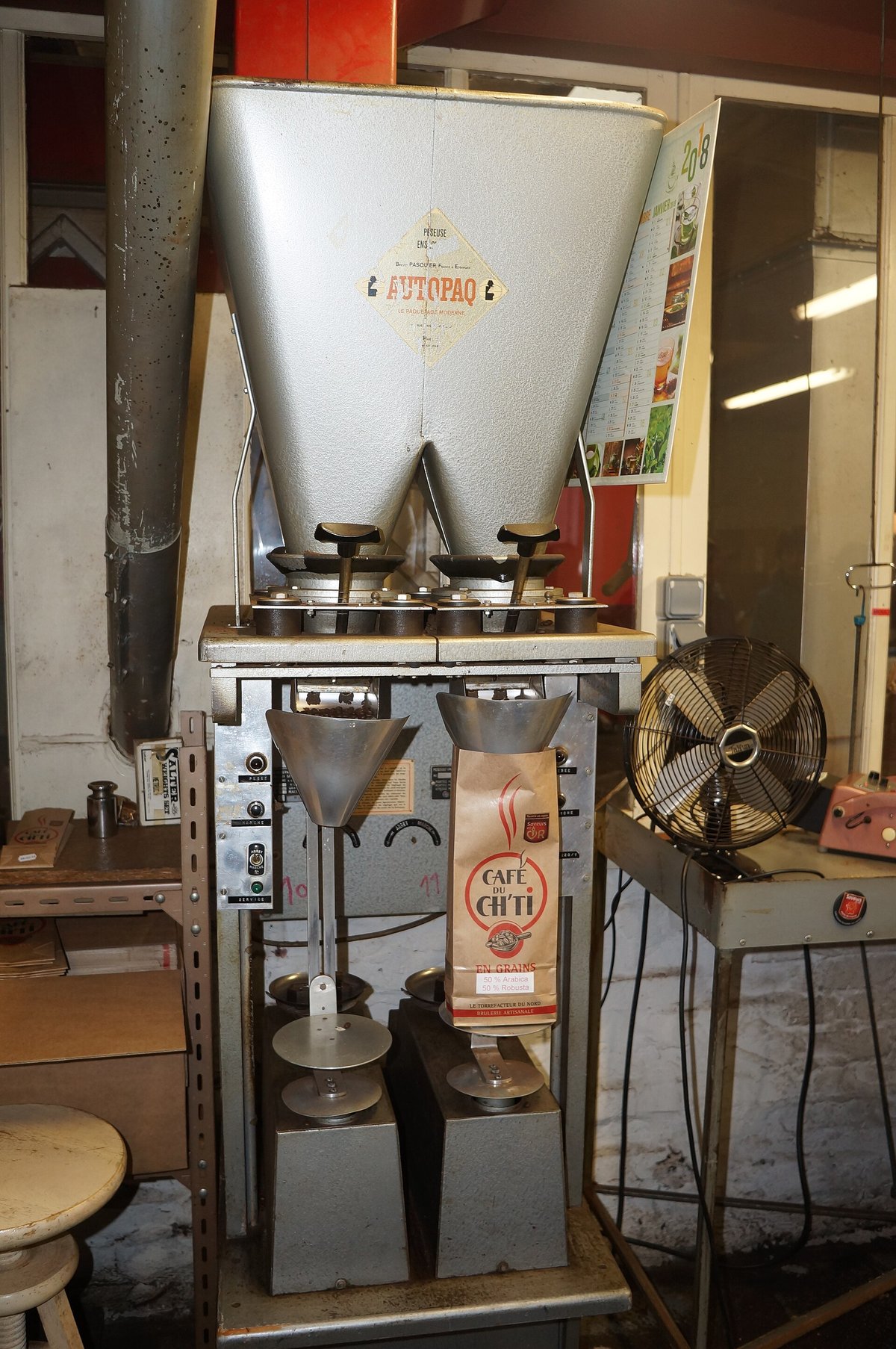
Three published versions, as of October 2026:
| Supplier | How it works | Price | Minimum |
|---|---|---|---|
| Mill City Roasters, Minneapolis | Their coffee, roasted and packed in custom-printed bags | 12 oz $10.60–$12.90; 10 oz $9.26–$11.16; 5 lb $52.50–$67.50. Suggested retail for the 12 oz: $18–$25 | Prices “based on an order of 1,000 custom printed bags” |
| Foster Coffee, Michigan | Bags for named local businesses, priced in its online wholesale list | 12 oz $12.50 whole bean, $12.75 ground | Not published |
| Dripshipper, San Diego | An online-store service: partner roasters roast, bag and ship each order under the seller’s brand | Monthly plans of $30, $99 or $197, plus a per-bag price shown only after sign-up; “roasted the day it ships" | "No minimum orders” |
Against a $17 bag:
| A 12 oz bag sold at $17 | Cost | Left after a 59¢ card fee |
|---|---|---|
| Home-roasted, first season | $7.80 | $8.61 |
| Home-roasted, green by the box | $6.06 | $10.35 |
| Foster private label | $12.50 | $3.91 |
| Mill City private label | $10.60–$12.90 | $3.51–$5.81 |
Private label halves the money in every bag, and Mill City’s printed-bag price assumes a thousand bags at once: $10,600 to $12,900 up front, about 55 market days of bags at the 18-a-market base volume. At those terms private label suits a brand with an online shop or a café’s shelf, not a first market season. Foster’s local white label is the one sized for a small business, and its price per bag is close to Mill City’s.
The honesty question
A customer at a market table asks one question more than any other about coffee: did you roast this? Private label makes the honest answer “no,” and the label has to say so.
Federal labelling law requires every packaged food to name “the manufacturer, packer, or distributor,” and when the name on the label is not the maker’s, it “shall be qualified by a phrase that reveals the connection such person has with such food; such as ‘Manufactured for ______’, ‘Distributed by ______’, or any other wording that expresses the facts” (21 CFR 101.5). So a private-label bag reads “Distributed by…” or “Roasted for… by…”, never just the brand.
The law sets the floor; the stall sets the tone. “Roasted for us by [roaster] in [town], to our recipe” is a selling point at a market where people want to know where things come from, and it leaves no one feeling misled when they find out. Saying “small-batch” or “our roast” on a private-label bag invites exactly that feeling. A stall that sells both home-roasted and private-label coffee should label each plainly, on the bag and on the sign.
Shared roasteries: renting time on someone else’s machine
A shared roastery (or co-roasting space) is a licensed roasting room with one or more machines that members book by the hour. It is the coffee version of a shared commercial kitchen, and it sits between private label and owning a roaster: the member does the roasting, learns the craft, and builds a profile of their own, without buying a production roaster ($4,099 for the smallest Aillio Bullet, Choosing a Roaster) or building a licensed room.
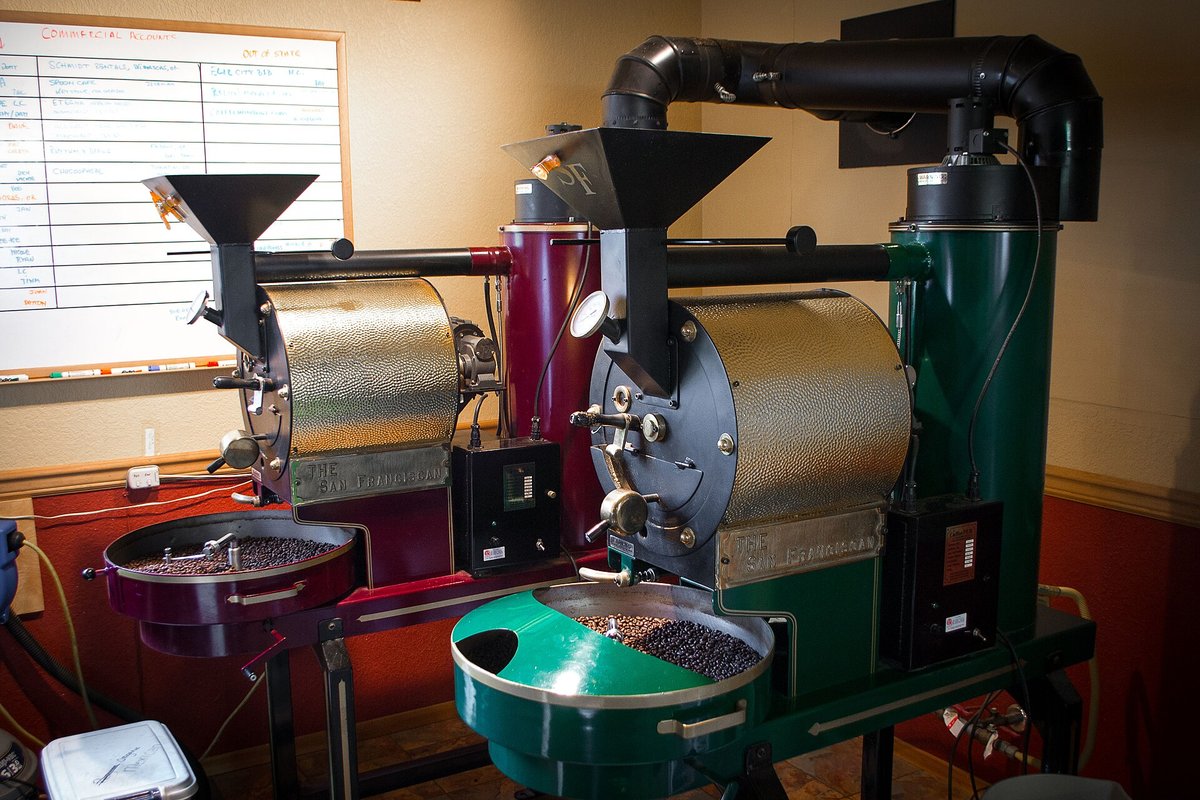
The model. In France, Co-Roasting runs a booking platform for roasting slots on established roasters’ machines, on its stated observation that most established roasters use their machines far below full capacity. In Portland, Pulley Collective now presents itself as a brand partner offering “structured production, intelligent packaging, and operational support” to coffee founders. Hourly rates are generally given on a tour or an enquiry rather than published.
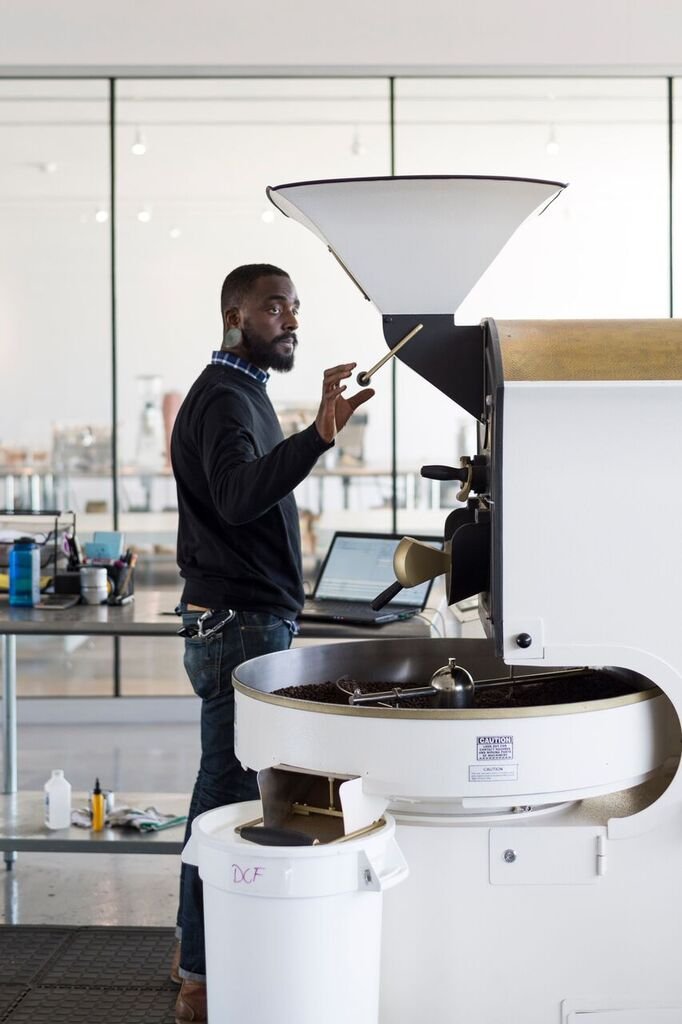
What a shared roastery asks of a member, typically:
- Training before solo roasting. A roaster with a burner and a chaff collector is a fire risk in inexperienced hands; expect a supervised session or a class. For scale, a three-day commercial roasting class at Mill City, Roasting 101, is $1,100 early-bird or $1,300 as of October 2026.
- An hourly or monthly fee, sometimes with green-coffee storage and bagging space included.
- Your own licence and insurance. On MDARD’s reading, the member is a food business operating at that address, licensed in its own name, as in the incubator kitchens below.
The incubator kitchens below are the nearest Michigan equivalent with published terms. Michigan roasters with spare machine time are the other place to ask.
Incubator and commissary kitchens in Michigan
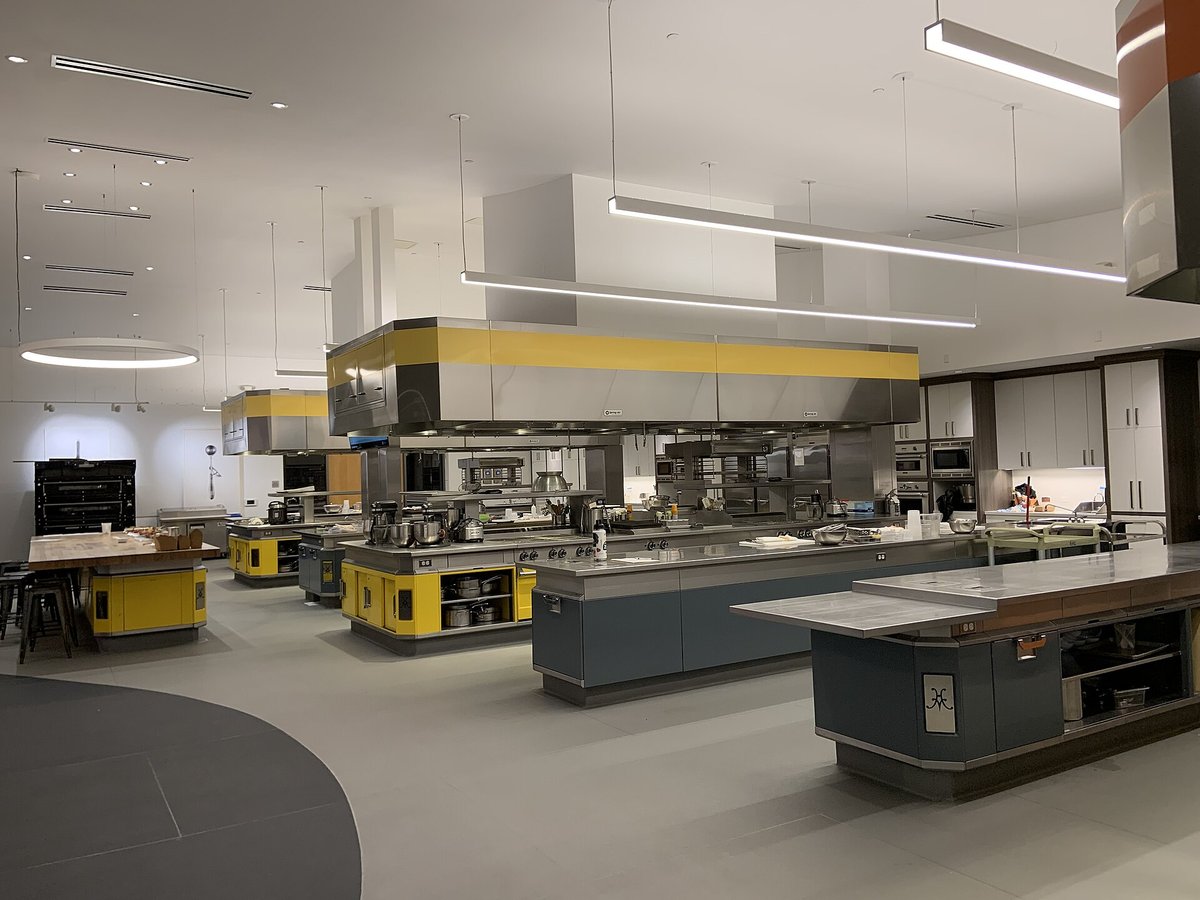
An incubator kitchen is a licensed shared-use commercial kitchen that rents time to new food businesses, usually with mentoring attached. A commissary is a licensed kitchen that a mobile or temporary food business uses as its base. Several Michigan incubators exist, and at least two have coffee businesses inside them.
| Kitchen | What is published | Coffee tenants |
|---|---|---|
| Allen Neighborhood Center Incubator Kitchens, Lansing (east side) | Since 2014, “100 entrepreneurs” through the programme. Packaged products are licensed by MDARD, ready-to-eat food by the Ingham County Health Department. $50 start-up fee; the licensing meeting in the kitchen is charged “a flat rate of $25/hour”; insurance naming the centre as additional insured; packaged products carry the kitchen’s address on the label. Hourly kitchen rates are given on a tour. | Peculiar Coffee Co., an event coffee caterer, is listed among current entrepreneurs |
| Grand Rapids Downtown Market Incubator Kitchen | ”Nearly 5,000 square feet,” open 24 hours, licensing help and label consultation; “supports cookie bakers, pickle makers, roasters, and toasters.” Rates sent after a free consultation. 180 businesses started there since 2013. | Hole in the Wall Coffee Co. is listed among current businesses |
| Eastern Market Shed 5 Incubator Kitchen, Detroit | A shared commercial kitchen with “business resources, and community support” | Not listed |
How Allen’s programme works, from its Become a Maker page, is a good picture of the route through any of them:
- Enrol in the regional small-business support programme (in 2026, LEAP’s new support hub, launching in September).
- Tour the kitchens and be directed to the right licensing agency.
- Apply to MDARD (packaged products) or the county (ready-to-eat), reading MDARD’s New Business Guide first.
- Hold the licensing meeting in the incubator’s kitchen, where the inspector watches the process.
- Buy liability insurance naming the kitchen.
- Sign the kitchen user agreement and pay the $50 start-up fee.
- Book time.
Its curriculum runs from licensing and food safety through “Wholesalers open first accounts,” catering and “Increase wholesale accounts” to loan readiness and graduation into a shop of one’s own, which is the road this whole section describes.
The roaster question. An incubator kitchen is built for ovens and ranges. A roaster makes smoke and chaff, and MDARD requires that ventilation for “roasters” have “Documented approval… from the mechanical inspector” (physical facilities). Before planning on an incubator, ask: may a member bring a small roaster; where would it vent; can it stay on site; is there storage for green coffee? An incubator that says no to roasting can still be the licensed place to bag, label and store coffee roasted at a toll roaster, and the licensed base for a catering or market drink service.
The legal effect, in one place
Coffee roasted or packed in a licensed facility, by a business holding its own MDARD licence:
- may be sold wholesale, to cafés, restaurants, offices and shops (Wholesale and Consignment);
- may be sold on consignment;
- may be shipped outside Michigan, and sold online without the cottage food “directly interact” condition (Selling Online and by Mail);
- is not counted toward the cottage food cap;
- carries the facility’s address, not the home-kitchen statement (Packaging Coffee for Sale);
- is an approved source for a licensed drink booth or catering service.
What is not settled is reselling coffee another business roasted and packed, with no licence of one’s own. Michigan’s Food Law exempts a retail seller of “prepackaged, non-potentially-hazardous foods” only if it “offers only an incidental amount of food” (MCL 289.4105(1)(g)), and a market table of private-label coffee is not incidental. The likely answer is a Retail Food Establishment licence ($186 a year), but that is MDARD’s call.
The comparison
| Home, cottage food | Toll roasting | Private label | Shared roastery or incubator | Own licensed roastery | |
|---|---|---|---|---|---|
| Up-front cost | A home roaster ($479 for a Behmor) | A first order: 40 lb ($400–$520 at Mill City’s menu prices) | Bags: up to 1,000 printed ($10,600–$12,900 at Mill City) | Start-up and licensing fees; insurance; a class | A roaster ($4,099 and up), a room, venting, a licence |
| Cost of a 12 oz bag | $6.06–$7.80 | about $7.50–$9.70 of roasted coffee at $9.90–$12.95 a pound, plus the bag | $10.60–$12.90 | Home-roast green cost plus hourly time | $6.06–$7.80 plus the room |
| Who roasts | You | Them, to your profile | Them, their profile | You | You |
| Licence | None | Yours, to resell | Yours, to resell | Yours, at the shared address | Yours |
| Wholesale, consignment, out of state | No | Yes | Yes | Yes | Yes |
| Cap | $50,000 | None | None | None | None |
| What you can honestly say | ”Roasted in my kitchen" | "Roasted for us to our recipe by…" | "Roasted for us by…" | "Roasted by me" | "Roasted by me” |
| Learn the craft? | Yes | No | No | Yes | Yes |
Arithmetic for the toll row: a 12 oz bag holds 0.75 lb; 0.75 × 9.90 = 7.43 and 0.75 × 12.95 = 9.71.
A ladder
- Home roasting under cottage food — learn the craft, find the line-up, sell bags at markets. The Stage 1 budget.
- A toll-roasted house coffee alongside it, for the first café that asks and for the licensed drink booth, once a licence to resell is in hand.
- A licensed base — an incubator kitchen, for bagging, storing and catering, and roasting if the kitchen allows it.
- Shared roaster time, if one can be found within driving distance.
- A licensed roastery of one’s own: a separate building at home, if the township, MDARD and the mechanical inspector agree, or a rented unit; then the shop.
Questions to ask before spending money
MDARD (800-292-3939; ask for the area manufactured food inspector):
- To resell coffee roasted and packed by a licensed roaster, under my brand with “Distributed by,” what licence do I need?
- If a toll roaster ships roasted coffee in bulk, may I bag and label it (a) in my home kitchen under cottage food, or (b) only in a licensed facility?
- May a roaster be licensed in a separate outbuilding on my residential property, and what does the mechanical inspector need to see for its exhaust?
- In a shared roastery, is each member licensed separately at the shared address?
An incubator kitchen: hourly rates and minimum hours; whether a roaster may be used, stored and vented on site; green-coffee storage; whether coffee businesses are already in the programme.
A toll roaster: the checklist above.
What is not known
- What any toll roaster charges per pound to roast a customer’s own green; the published menus include the roaster’s green.
- Whether any shared roastery operates in Michigan, and what US shared roasteries charge by the hour.
- Whether any Michigan incubator kitchen permits a coffee roaster on site; Grand Rapids’s says it “supports… roasters,” which may mean roasted-coffee businesses rather than roasting.
- MDARD’s answers to the four questions above.
Sources
- MDARD: Getting Started and FAQ (rented kitchens); Selling and Samples; licence fees; physical facilities requirements. Read 5 October 2026.
- MCL 289.4105; 21 CFR 101.5.
- Mill City Roasters: toll roasting menu, private label roasting, Roasting 101.
- Foster Coffee online wholesale listings; Dripshipper pricing and private label.
- Co-Roasting (France); Pulley Collective.
- Allen Neighborhood Center Incubator Kitchens, Become a Maker and current entrepreneurs; Grand Rapids Downtown Market Incubator Kitchen; Eastern Market Shed 5 Incubator Kitchen.
Comments (0)