Starting a Coffee Business · 36 of 39
The Plan: From a Honey Table to a Coffee Stall
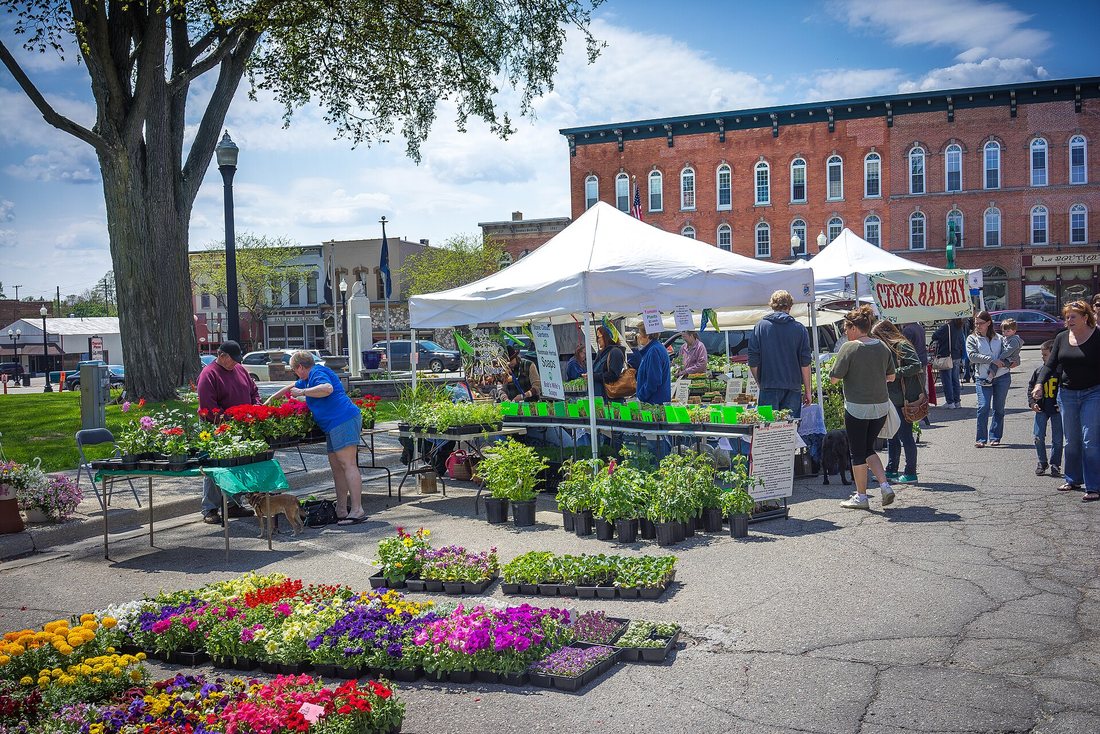
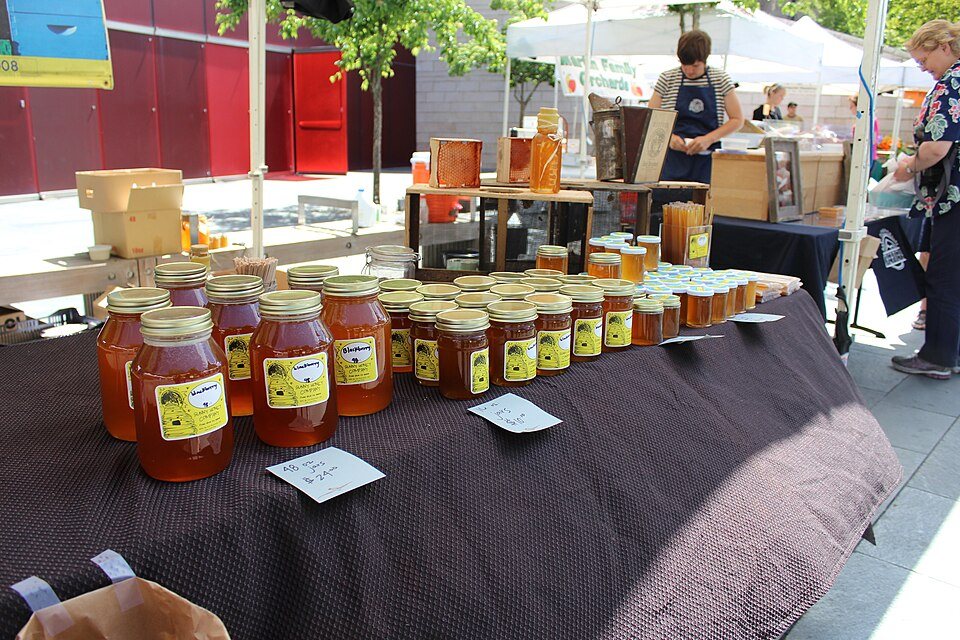
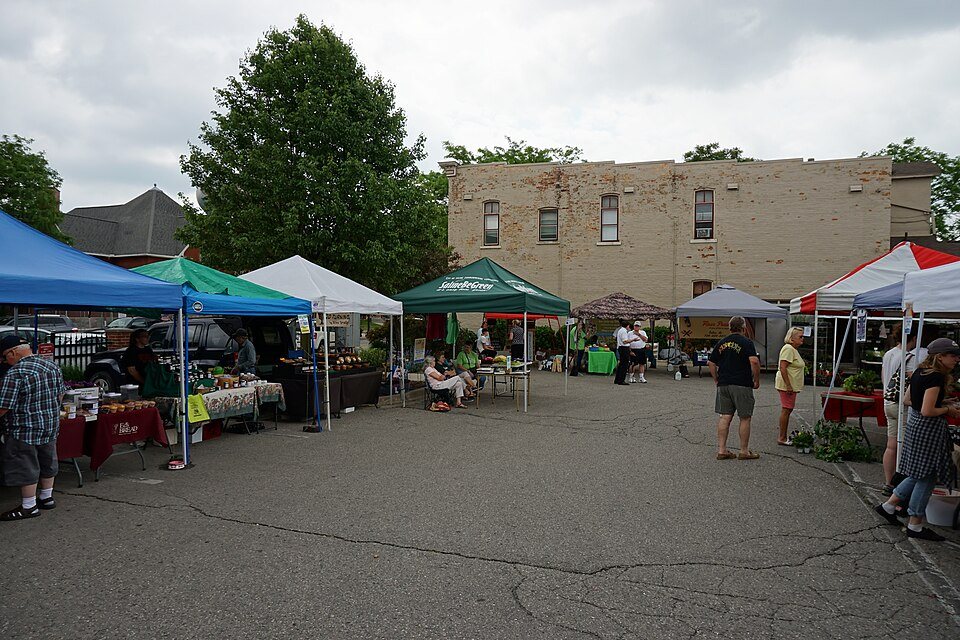
I keep bees, I sell the honey at farmers markets, and I am saving to open a shop. The shop will sell coffee I roast, baked goods, honey and other things from the hives, house jams sweetened with honey and maple syrup, and shirts. The markets come first. This section of the Coffee pages is the homework for that first stage: a small, complete coffee stall that one person can run from a ten-foot canopy.
This would not be my first coffee business. Around 1990, when I lived in Beaufort, South Carolina, I bought my first business: a coffee shop and ice cream shop together. I baked the desserts and cookies and made sandwiches as well. Almost all of the coffee that shop sold was ground on site and brewed in French presses. Who knew it would go this far.
So far I have roasted coffee by the simple home methods, and I own and use a burr grinder, a pour-over kit, a French press and a phin. I own no roasting machine. Everything about the stall itself is a plan, and the pages say so. Where the published sources leave a question open, they say that too. For the whole road from a market table to a shop in one page, start with Start Here.
What the stall sells
- Bags of coffee, roasted that week, whole bean and ground, with the roast date on every bag.
- Tastes of each coffee, free.
- Cups: a house coffee, a pour-over, Vietnamese iced coffee from a phin, iced coffee, and coffee sweetened with honey from my own hives.
- Honey, as now.
- Cookies and scones, wrapped, and house jams.
- Grinders and brewing gear, and shirts.
What the research changed
These pages cover Michigan’s rules, the roasters and the coffee, how a stall runs without mains power, and what people pay. Several things I had assumed turned out differently.
| I had planned | What the sources say | Page |
|---|---|---|
| Start on a Behmor 2000AB and sell from it | Its manual asks for an hour between roasts, stops short of dark roasts and voids the warranty for commercial use. It makes about 2½ lb in a four-hour session. It is a learning roaster. | Choosing a Roaster |
| Move up to a Bullet R2 or R2 Pro | Either covers 20 to 60 lb a week. The Pro needs a 240 V outlet; the R2 needs a 120 V circuit to itself. | Choosing a Roaster |
| Make my own ice, perhaps big clear cubes | Home-made ice is not allowed in drinks sold from a licensed booth, and a big cube melts fast in coffee that is not already cold. | Iced Coffee and Ice |
| Brew the tasting pots at home before leaving | Coffee brewed at home is a home-prepared drink, allowed under neither the cottage exemption nor a food licence. Carry hot water; brew at the stall. | The Michigan Rules |
| Sweeten drinks with my honey | Honey will not mix cold; honey syrup will. The syrup has to be mixed at the stall, not at home. Whether my own honey may go into a licensed drink has to be asked. | Honey in Coffee |
| Run the kettle on the power station | The 858 Wh battery heats only about 7 litres from cold. It will keep already-hot water at temperature all day, but a full market day needs about 48 litres of hot water: more airpots, propane, or a smaller day. | Hot Water and Power |
| Grind each bag in front of the customer | Grinding a bag at the stall is processing on site, outside the cottage food exemption. Bring sealed bags of both. | Grinders |
| Brew samples ahead, or brew live | Coffee holds for three hours in a sealed airpot with no loss that professionals could detect. Brew the tasting pots at the stall and sample from them; brew one pour-over at a time for show. | Sampling |
| A cup that stands out | A kraft cup, a rubber stamp and a wooden honey dipper cost almost nothing and are the stall’s own. | Cups, and Standing Out |
The two businesses
Michigan law splits the stall in two.
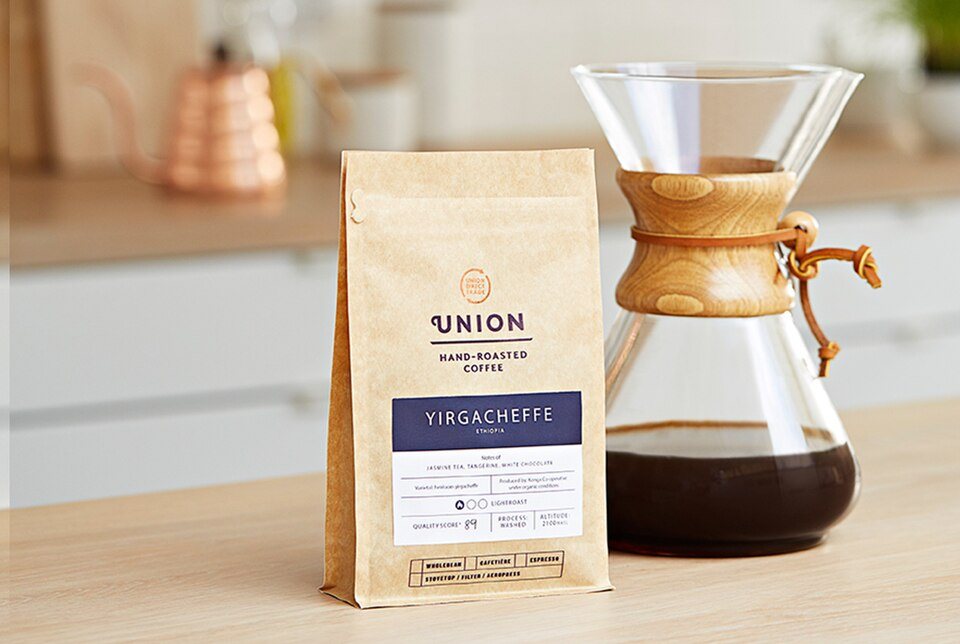
Sealed goods from the home kitchen need no licence: bags of roasted coffee, wrapped cookies and scones, and jam that meets the federal standard. They carry the cottage food label, they are sold face to face, and together they are capped at $50,000 a year.
Anything in a cup is food service and needs a licence from the county health department. A licence brings rules that reach back into the kitchen: no home-made ice, no cold brew steeped at home, no syrup mixed at home, and, on a strict reading, no home-roasted coffee in the cup at all. That last point is unanswered in anything published and is the most important question to ask before spending money.
The Michigan Rules has the detail and the list of questions.
Three stages
Stage 1: bags, tastes, cookies and jam. Add coffee to the honey table as a cottage food. Roast small, sell roast-dated bags, give tastes if MDARD confirms that a cottage food seller may brew them at the stall. Start-up cost: under $1,000 without a roaster. This stage answers the only question that matters: do people here buy this coffee?
Stage 2: cups. With the health department’s answers in hand, add a short drink menu under a licence. Whether that is worth doing depends on how the licence is charged; at a fee for every market day, forty cups only cover it. Start-up cost: about another $700 to $1,000.
Stage 3: a real roaster. When bags pass about ten pounds a week, buy a one-kilo roaster. About $4,100 to $5,300; the R2 is paid for by 476 bags in the first season, or 396 once green coffee is bought by the box (The Numbers; bag costs of $7.80 and $6.06 from Bags, Labels and What a Bag Costs).
After that comes the shop, which removes most of the limits above. The Numbers lays out the costs and a model of a market day.
What would make it this stall and no other
Quaint and endearing are not things a plan can supply. What it can do is point to what is already true and unusual:
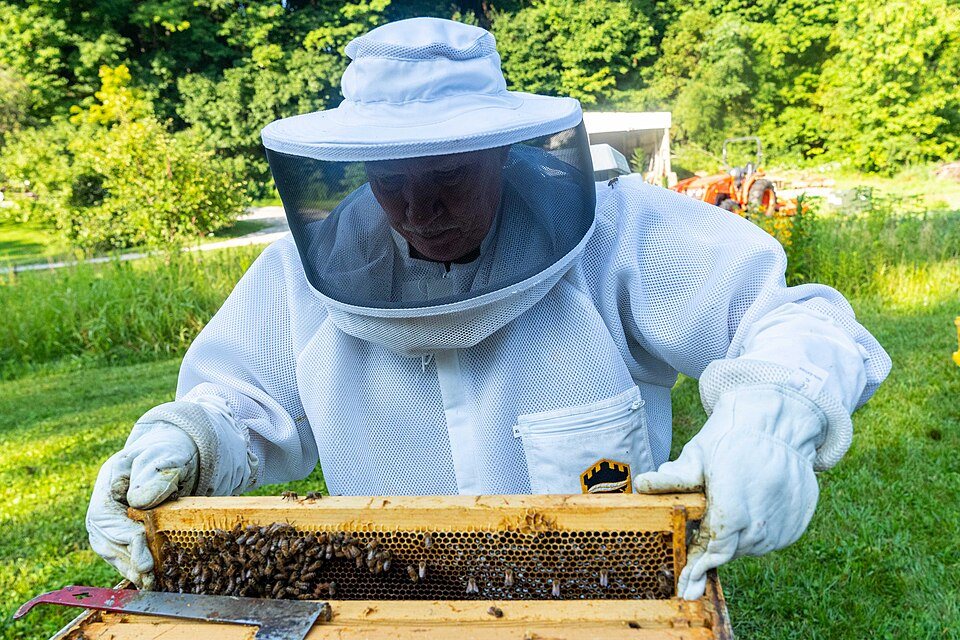
- The honey is from the hives of the person pouring the coffee. Few coffee stalls anywhere can say that.
- The roast date is on the bag. Supermarket coffee is $7 for 12 oz and has no date on it.
- A phin dripping on the counter. Vietnamese coffee is rare at markets in this part of the state.
- A wooden honey dipper in the cup.
- A stamp, not a logo sheet. Every cup and bag marked by hand.
- Honey, maple, jam, cookies and coffee on one table, each made by the same person, each going with the others.
The pages, in reading order
Read them in this order; each stage assumes the one before it.
Start
- Start Here: the road from a market table to a shop, on one page
- The Plan (this page)
- The Michigan Rules: what needs a licence and what does not
- The Numbers: start-up costs and a market day
Stage 1: the paperwork before the first bag
- Setting Up the Business: structure, tax ID, name and free help
- Insurance: what a market vendor and a roaster need
- Branding, Naming and Trademarks
Stage 1: the coffee and the bag
- Choosing a Roaster: the Behmor, the Bullet R2 and the R2 Pro
- Green Coffee and the Line-Up: what to buy and what to roast first
- Roast Logs, Quality Control and Blending
- Bags, Labels and What a Bag Costs
- Packaging Roasted Coffee: valves, vacuum, desiccant packs and how long it keeps
- Packaging Coffee for Sale: from a kitchen sealer to a bagging line
- Compostable, PFAS and Waste
- Prices and Customers: mid-Michigan markets, roasters and a price list
- Grinders: for the stall, for customers and for a shop
Stage 1: at the market
- The Stall: layout, kit, cookies and jam
- Sampling: letting people taste the coffee
- Taking Cards: readers, fees and no signal
- Marketing on a Shoestring
- The Equipment List: what to buy, where, and whether to buy it used
- Reference Cards: printable one-page charts
Stage 2: brewed cups
- Food-Safety Certification: ServSafe and the food protection manager
- Hot Water and Power: a market with no outlet
- The Drinks: pour-over, press, phin and egg coffee
- Iced Coffee and Ice
- Honey in Coffee
- Cups, and Standing Out
- Serving Hot Drinks Safely
Beyond the market table
- Gift Baskets: three for a first grinder, and seven built on beans, honey and cups
- Selling Online and by Mail
- Subscriptions and a Coffee Share
- Wholesale and Consignment
- Catering and Event Coffee Carts
- Toll Roasting, Private Label and Shared Roasteries
Stage 3 and the shop
- Smoke, Air Permits and the Neighbours: before a real roaster goes in
- A Truck or Trailer Instead of a Stall: what a vehicle would change, and what it costs
- Financing: loans, grants and crowdfunding
- Opening a Coffee Shop
What is still open
- The answers from MDARD and the health department.
- The name of the business, which is why these pages say “the stall.”
- Which markets. Saturday mornings at the established markets are largely full; weekday afternoon markets have room.
- Insurance: what cover the chosen markets require, and a quote (Insurance).
- Everything that only a season of selling can show.
Comments (0)