Starting a Coffee Business · 35 of 43
Tea and Chai at a Coffee Stall
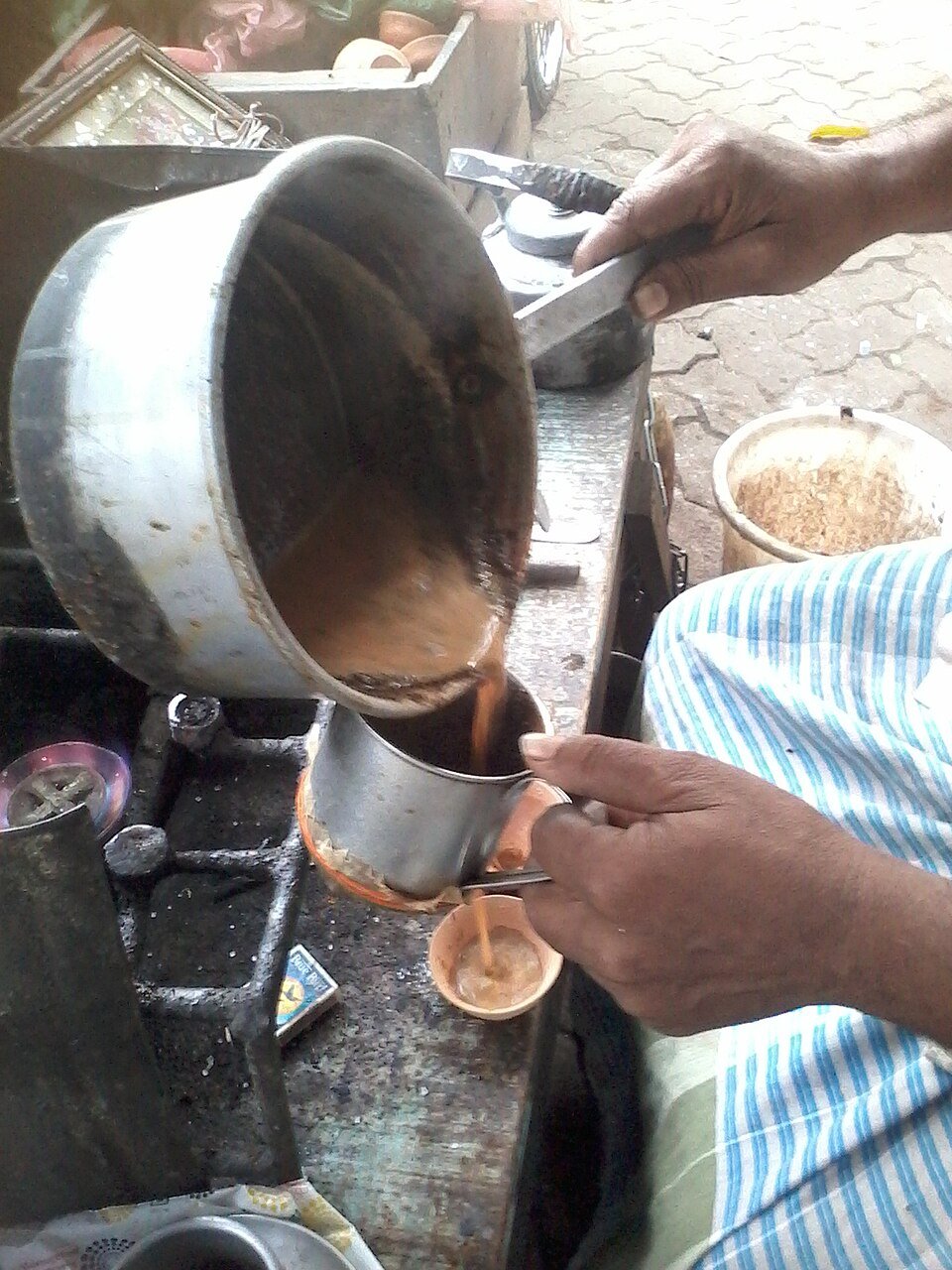
Every group that walks up to a coffee stall has someone who does not drink coffee. If the stall has nothing for them, the group often walks on. A short tea list keeps them: a hot tea, an iced tea, a chai and one or two milk drinks made from tea. Tea also costs less per cup than coffee and uses the same hot water, cups and cooler. Other vendors at the markets where I sell honey already sell teas, so customers expect to find it. Below: which teas, how to brew each, chai and its history, a chai concentrate by weight, the café drinks built on tea, what Michigan law lets a stall make at home and what has to be brewed at the booth, what each cup costs, and a menu board. The coffee menu it sits beside is on The Drinks.
The short version
| Question | Answer |
|---|---|
| Why sell tea at a coffee stall? | For the non-coffee drinker in each group, and for the afternoon customer who wants less caffeine. A 12 oz black tea has about 71 mg of caffeine against 113–247 mg for brewed coffee (FDA). |
| Bags or loose? | Bags to start: 20 cents each, nothing to measure, nothing to clean. Loose leaf in paper filters costs less per cup and tastes better; add it when there is time. |
| Water temperature | Black and herbal: just off the boil. Oolong 180–205 °F. Green and white 160–180 °F, never boiling. A temperature kettle settles it. |
| The chai | A spiced black-tea concentrate, mixed 1 to 1 with milk. Made at the booth or in a licensed kitchen, never at home. |
| What Michigan allows from the home kitchen | Dry tea blends and dried herbal teas, bagged and labelled, are cottage foods. Anything brewed, and any concentrate, is not. |
| Brewed tea by the cup | Needs the same food service licence as brewed coffee (The Michigan Rules) |
| Cost per cup | 24 to 42 cents for plain hot or iced tea; 51 cents to $1.16 for the milk and spice drinks |
| Menu | Hot tea, iced tea, chai latte, London fog, and one seasonal: four or five lines, no more |
Why a coffee stall sells tea
The customers who do not drink coffee are not a small group, and they are often the ones with the money. A family where one parent drinks coffee, a couple where one partner does not, a teenager who wants something sweet and milky: each is a sale lost if the board lists only coffee. Tea answers all three, and one drink, chai, sells to coffee drinkers as well.
The practical case is just as strong. Tea needs nothing new at the stall: the hot water already in the airpots (Hot Water and Power), the same cups and lids (Cups, and Standing Out), the same cooler for milk, and the honey already on the table. Its ingredients are dry and keep for months. And a bag of the stall’s own chai spice blend, made at home under the cottage food rules, is something to sell to take home, next to the coffee beans.
Bags or loose leaf
| Tea bags | Loose leaf in paper filters | Loose leaf in a pot, strained | |
|---|---|---|---|
| Cost per 12 oz cup, as of October 2026 | About 20¢ (Bigelow, 168 to a case, $33.49) | About 8–10¢ of tea plus the filter | About 8–10¢ |
| Quality | Mostly broken leaf and fannings: strong fast, flat if left | Whole leaf; better flavour | Best |
| Speed | Fastest | Fill a filter per cup: slower | Fine for a pot of iced tea; too slow by the cup |
| Waste | A bag, a tag and a staple | A paper filter, compostable | Spent leaf |
| Fit for a first market | Yes | Second season | For batches only |
Loose prices from WebstaurantStore, October 2026: Bossen black loose leaf, 600 g for $13.99 (2.3¢ a gram); Bossen Earl Grey, 600 g for $17.49 (2.9¢ a gram). A 12 oz cup takes about 3.5 g. Specialty loose teas cost several times as much and are worth it for the one tea the stall wants to be known for.
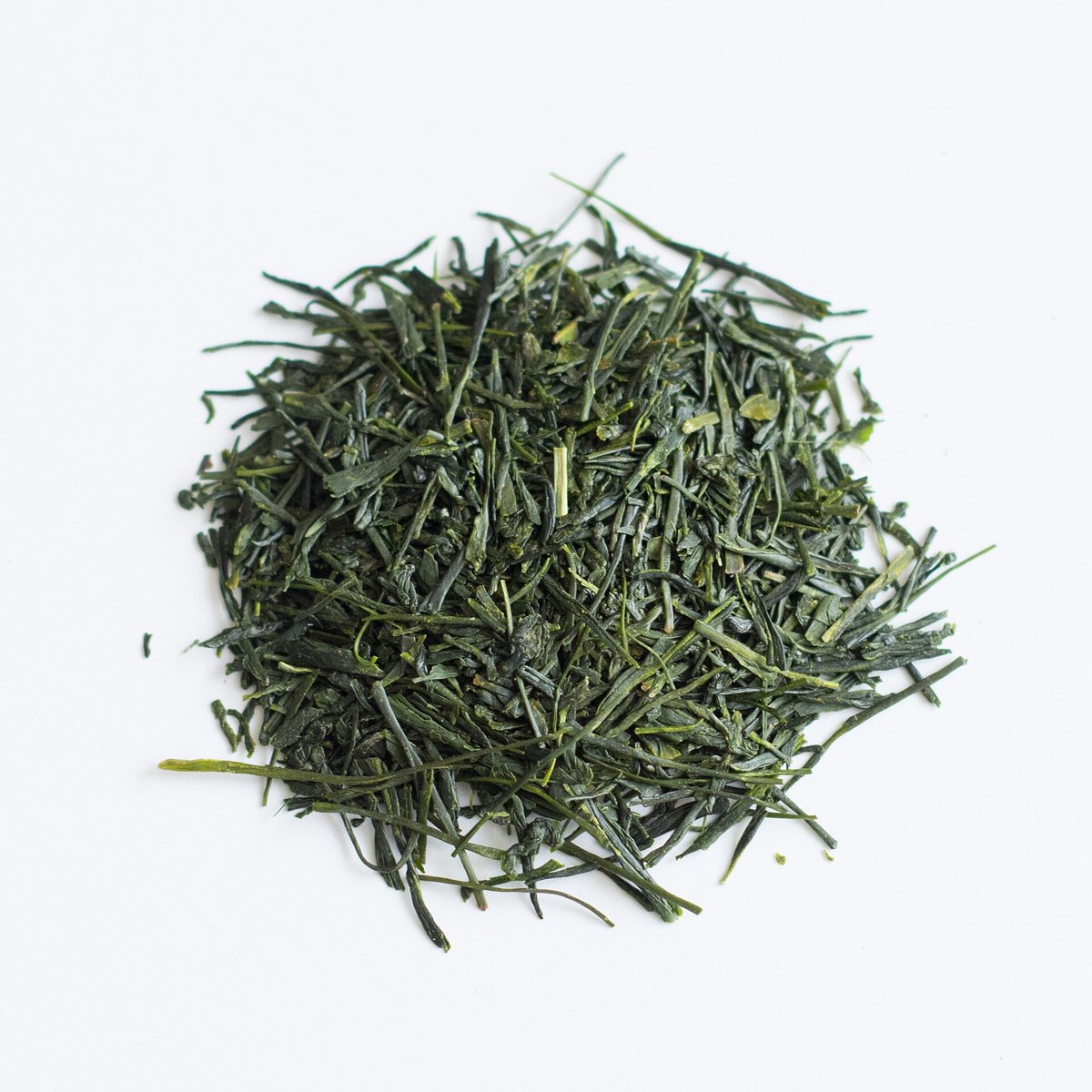
Start with bags, three kinds: a black tea (English breakfast or Earl Grey), a green, and an herbal such as peppermint or chamomile. That covers the caffeinated, the lighter and the caffeine-free. Move to loose leaf for the black tea first, since it is the one that will also become the iced tea and the London fog.
Brewing temperatures and times
| Tea | Water | Time | Leaf for 12 oz (350 ml) | With milk? |
|---|---|---|---|---|
| Black (Assam, English breakfast, Ceylon, Earl Grey) | 194–208 °F (90–98 °C), just off the boil | 3–5 minutes; 4–5 if milk is going in | About 3.5 g, or 1 bag | Yes |
| Oolong | 180–205 °F (80–95 °C) | 1–5 minutes | About 3.5 g | Rarely |
| Green | 142–189 °F (61–87 °C); start at about 175 °F | 30 seconds to 3 minutes | About 3 g | No |
| White | Start as for green | Start as for green | About 3 g | No |
| Herbal (mint, chamomile, rooibos, hibiscus) | Boiling or just off it | 5 minutes or more; the plant sets the time | 1 bag, or 2–3 g | Rooibos, yes |
| Iced tea, hot-brewed | As for its type | Brew at double strength, then pour over the same volume of ice | About 7 g for 16 oz finished | Optional |
| Iced tea, cold-brewed | Cold | 16 to 24 hours, in the refrigerator | Two to three times the hot amount | Optional |
Figures from the Wikipedia articles on black tea, green tea, oolong, herbal tea and cold brew tea, which give ranges; the leaf weights scale the black-tea figure of about 2.3 g per 8 oz. Green tea brewed with boiling water, or any tea left in the cup, turns bitter. Take the bag or filter out, or hand it over on a saucer or with a lid to drop it on: a tea left steeping for twenty minutes is the most common complaint about tea from a coffee shop.
The international tasting standard, ISO 3103, uses 2 g per 100 ml of boiling water for six minutes. That is a strong tea made to compare samples side by side, not a recipe for a cup.
The kettle. My temperature-controlled kettle is the one tool tea asks for beyond what coffee needs: set to 175 °F for green and 205 °F for black and pour. At a stall, an airpot of water at about 185 °F does for green and white tea, and black tea gets the hottest water in the boiler. The kettles and boilers are compared on Hot Water and Power.
Iced tea
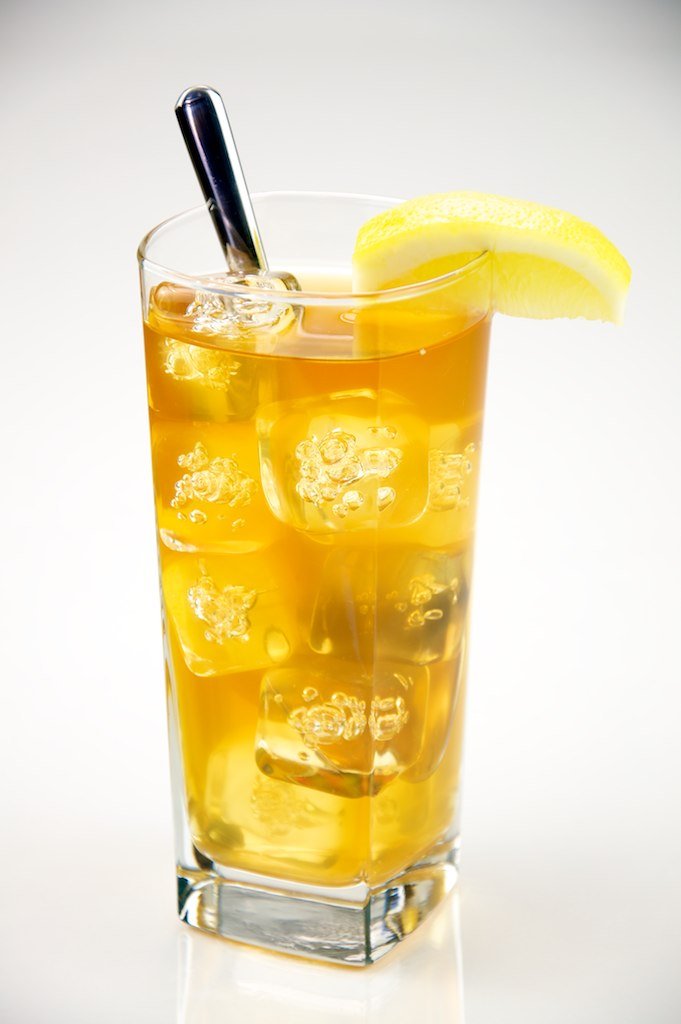
Iced tea sells in the same afternoon heat as iced coffee (Iced Coffee and Ice), and at a lower cost. Two ways to make it:
- Hot-brewed over ice, by the batch. Brew black tea at double strength, about 7 g for each 16 oz finished drink, for 4 to 5 minutes, then pour it over an equal weight of ice. The ice melts and dilutes it to strength at once. This is the method a licensed booth can do on the spot, from hot water and bought, bagged ice.
- Cold-brewed. More leaf, cold water, 16 to 24 hours in the refrigerator: smoother and less bitter. Because it takes a day, it has to be made in a licensed kitchen and carried in cold, the same rule that applies to cold-brew coffee (The Michigan Rules).
Not sun tea. A jar of tea left in the sun “is never high enough to kill any bacteria,” in the words of the iced tea article, and the water sits for hours at the temperatures bacteria like best. It has no place at a food stall.
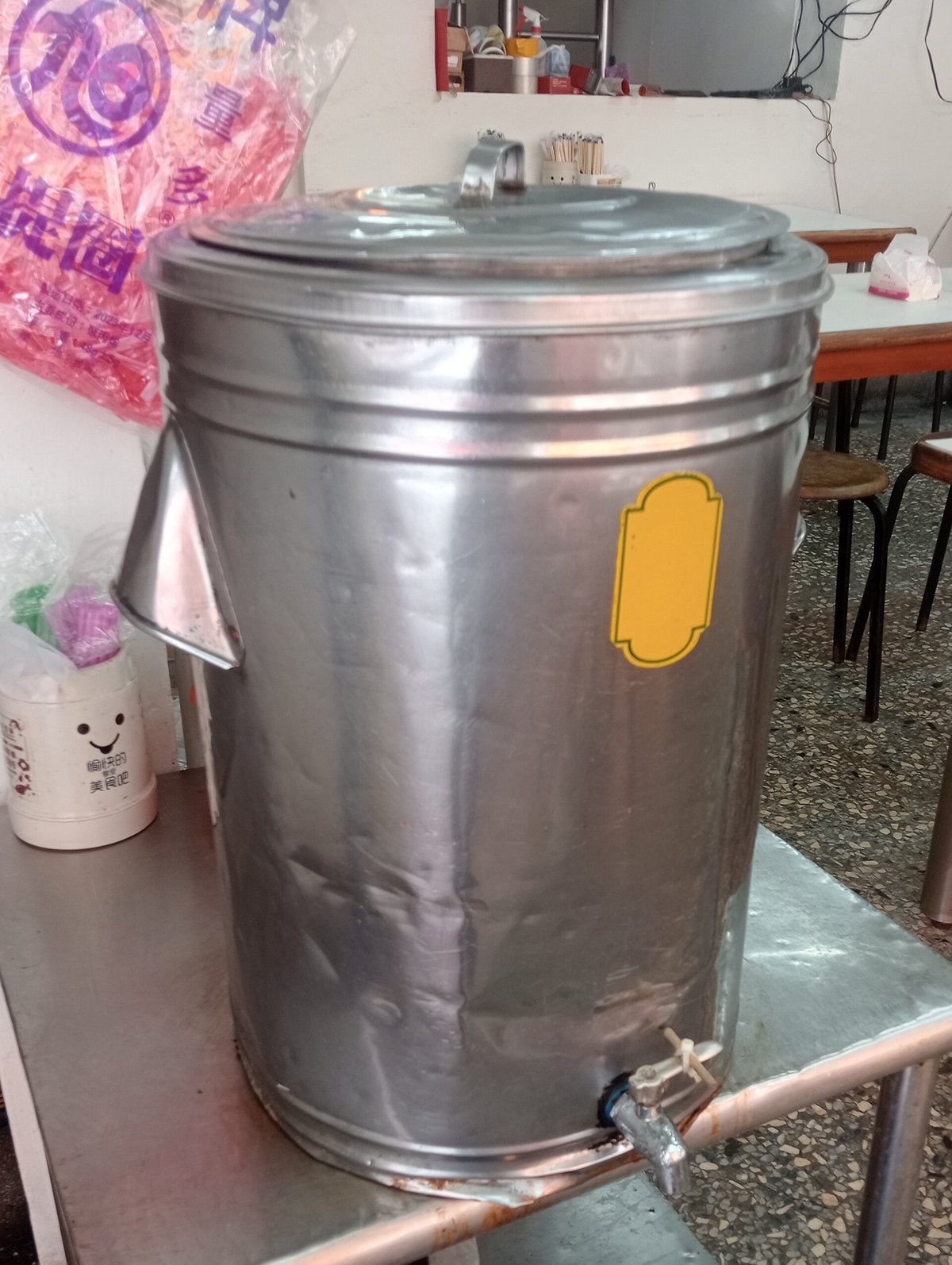
How long a batch may sit is a question for the inspector. No Michigan rule sets a time for brewed iced tea. Sweetened tea, tea with fruit in it and anything with milk are another matter. Ask when the licence is applied for, and date the dispenser.
Sweeten iced tea with syrup, not sugar, since sugar will not dissolve in it (Syrups). A honey syrup makes a honey iced tea, which no other tea seller at the market can match (Honey in Coffee). Sugar-free choices are on Sugar-Free Sweeteners and Plant Milks.
Chai
What it is, and a correction
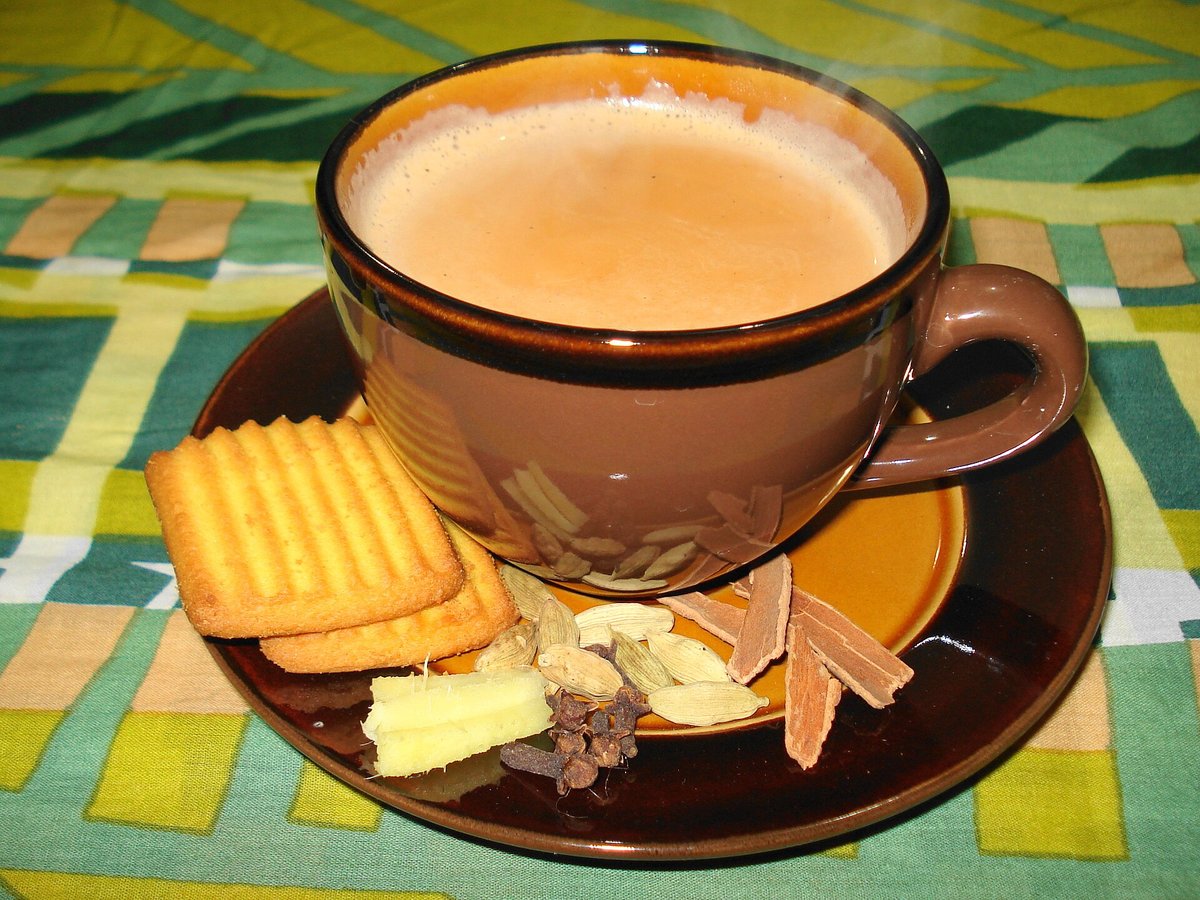
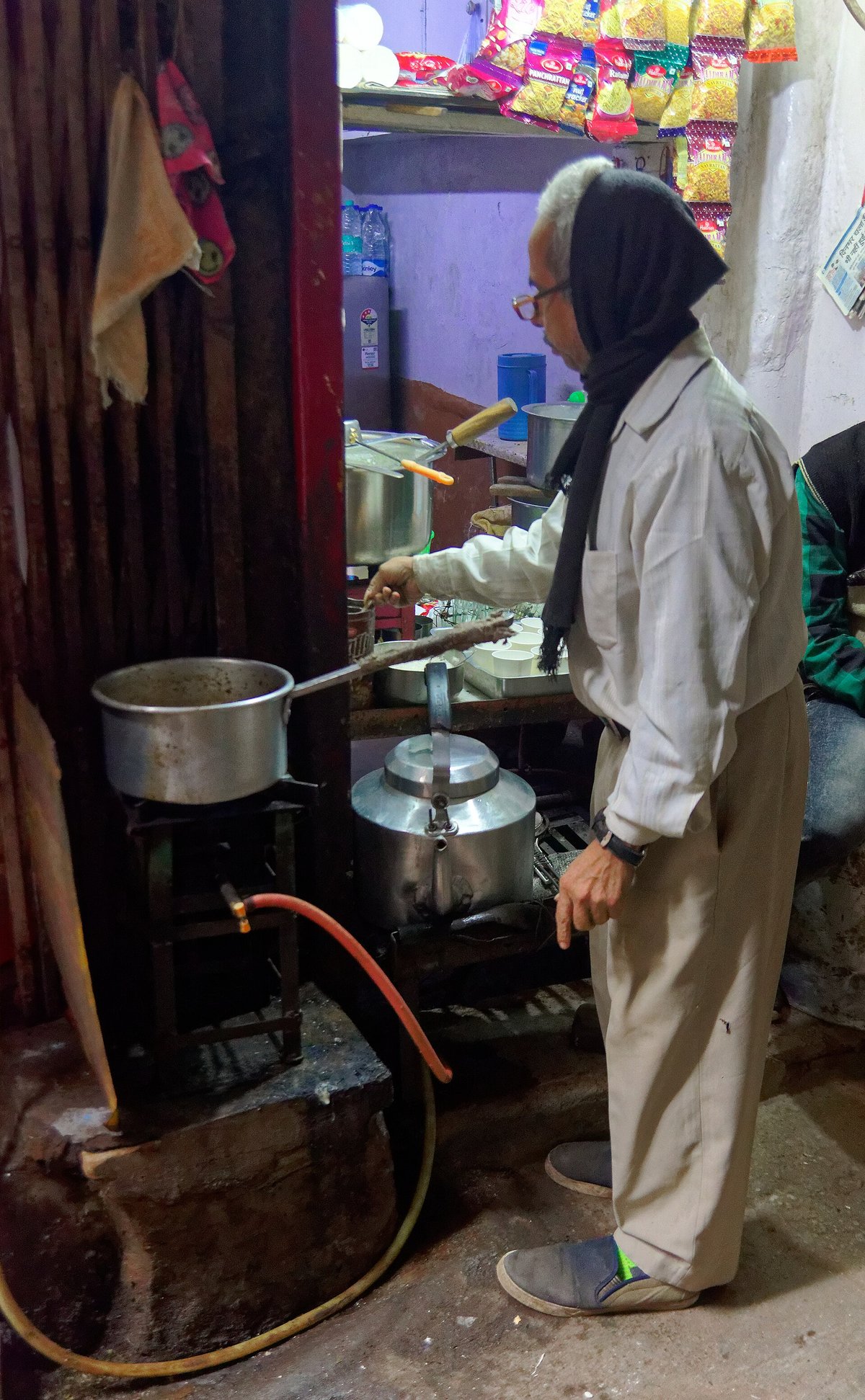
Chai is simply the word for tea in Hindi and most Indian languages, from the Chinese cha. So “chai tea” says “tea tea.” Masala chai, “mixed-spice tea,” is black tea boiled with milk, sugar and spices: usually cardamom, ginger and cinnamon, often cloves and black pepper, sometimes star anise, fennel or lemongrass. In India it is made as a decoction, simmered in the pan, and strained into the cup. The tea is most often Assam, a strong, malty black tea that holds up to milk; in India the milk is often buffalo milk.
Where it came from
Tea plants grew wild in Assam, but Indians did not drink tea as an everyday drink until the British planted it there, and even then most of the crop went to Britain. By 1900, according to Wikipedia’s masala chai history, tea from India and Ceylon had replaced most of the Chinese tea Britain drank, while tea drinking within India stayed low. The Indian Tea Association, the planters’ body, then campaigned in the early twentieth century to sell tea to Indians themselves: it encouraged factories, mines and textile mills to give tea breaks, and backed the independent chaiwalas who sold tea on the growing railways. It promoted tea brewed with a little milk and sugar.
The vendors had other ideas. They added spices and much more milk and sugar, which stretched each spoonful of leaf further, and the Association disapproved: less leaf per cup meant less tea sold. The vendors won. The spiced, milky, sweet drink that the industry did not want is the one that became India’s daily drink, and later the chai on every American café board.
Masala chai versus a chai latte
| Masala chai, Indian style | Chai latte, café style | |
|---|---|---|
| How | Tea, spices, milk and sugar simmered together in a pan, strained | A sweetened concentrate of tea and spices, mixed with steamed or cold milk |
| Milk | Boiled with the tea | Steamed, foamed, or cold for iced |
| Sweet | Sweet; sugar boiled in | Usually sweeter; sugar is in the concentrate |
| Speed at a stall | A pot at a time, 10 minutes | Seconds per cup once the concentrate is made |
| Best for | A special, a pot on the burner | The everyday menu |
The café chai latte, made from a concentrate, is the one a stall can serve to a line. Commercial concentrates are sold for it: Oregon Chai’s 1-to-1 concentrate is $10.99 for 32 oz, or $32.39 for a 1.5-gallon bag-in-box (WebstaurantStore, October 2026). Tazo’s lists an infusion of black tea, pepper, ginger, cardamom, cinnamon, cloves and star anise, then cane sugar, honey, ginger juice, vanilla and citric acid (Open Food Facts). A home-made concentrate costs less than either and can be sweetened with the stall’s own honey.
A chai concentrate, by weight
This is a starting recipe to try at home and adjust. Makes about 900 ml (30 oz), enough for five 12 oz chai lattes.
| Ingredient | Weight |
|---|---|
| Water | 1,000 g (1 litre) |
| Fresh ginger, sliced thin | 30 g |
| Green cardamom pods, cracked | 8 g (about 20 pods) |
| Cinnamon sticks | 6 g (about 2) |
| Whole cloves | 2 g (about 12) |
| Black peppercorns, cracked | 2 g |
| Star anise, optional | 1 pod |
| Black tea, Assam or a strong breakfast blend, loose | 40 g |
| Sugar, or honey added after straining | 100 g sugar, or 120 g honey |
- Simmer the water and all the spices, covered, for 10 minutes.
- Take it off the heat. Add the tea; steep 5 minutes. Longer turns it bitter.
- Strain through a fine sieve or a coffee filter, pressing the solids.
- Stir in the sugar while hot. If using honey, let it cool to warm (below about 140 °F) first.
- Cool quickly, bottle, date and refrigerate. Use within a few days.
To serve: 6 oz of concentrate and 6 oz of steamed milk for a hot 12 oz chai latte; the same over ice with cold milk for an iced one. Oat milk works well; how each plant milk behaves is on Sugar-Free Sweeteners and Plant Milks.
Where it may be made. Not in the home kitchen. MDARD’s cottage food list says plainly: “No concentrates,” and “No ready-to-drink beverages.” At a licensed booth it can be made on site, in a pot on the burner or from hot water in the airpots, or it can be made in a licensed commissary kitchen and brought in cold (The Michigan Rules). Without milk it is a sweetened tea; ask the inspector whether the department wants it held cold, and plan to keep it in the cooler regardless.
The dry blend: a cottage food
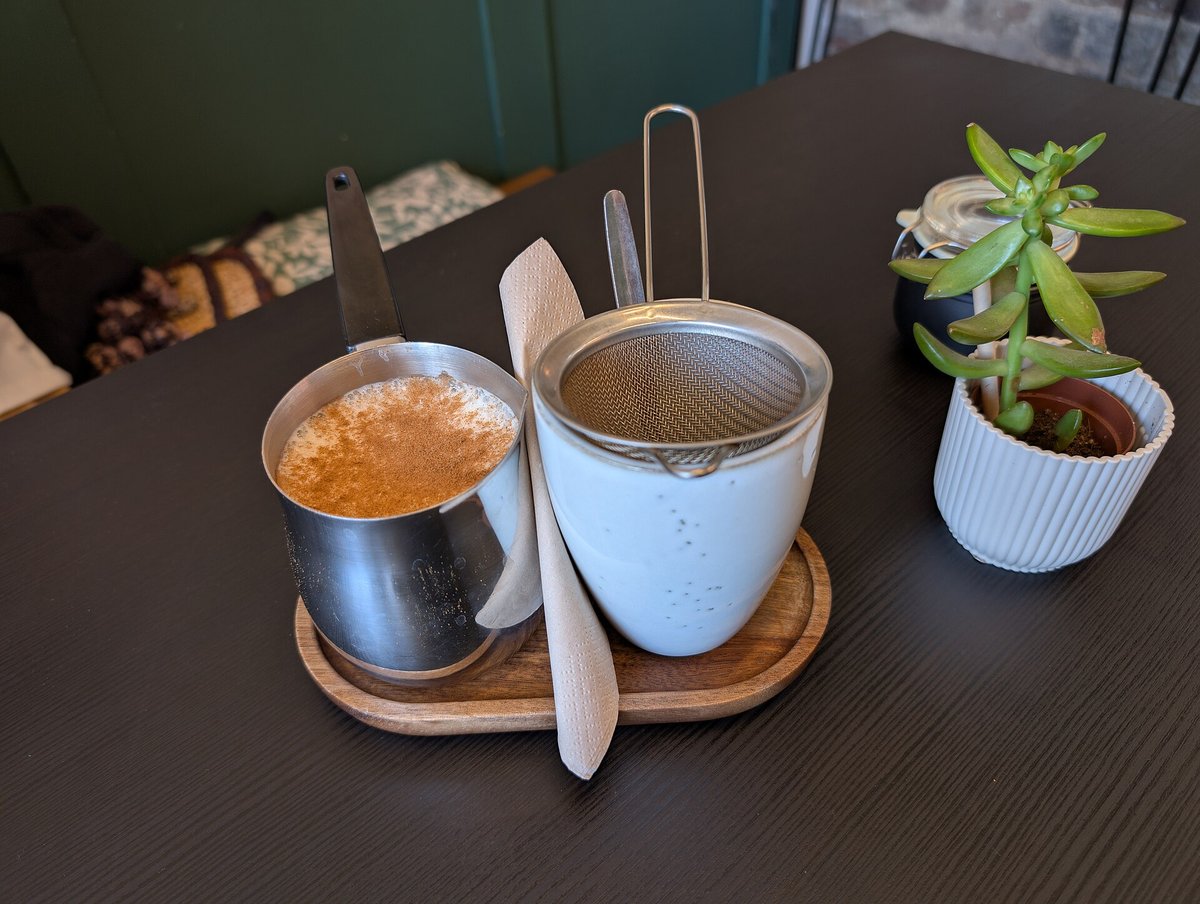
What can come from the home kitchen is the dry mix: the cracked spices and loose black tea, weighed into a bag with a label, for customers to brew at home. MDARD’s list allows “Dry tea mixes” and “Dried herbal teas that are labeled and advertised to be consumed as a conventional food, with no health claims.” It is sold under the same exemption and label rules as the bagged coffee (The Michigan Rules), with the home-kitchen statement, ingredients by weight and net weight. A bag that makes a pot at home, with the recipe above printed on a card, is a second product from the same spices.
The line not to cross: health claims. MDARD excludes “herbal teas with dosing instructions or advertised with health claims”; those “may be required to be licensed and regulated as a Dietary Supplement.” “Warming” and “spiced” are descriptions. “Boosts immunity” or “anti-inflammatory” on a tea label moves it out of the cottage food exemption.
Drinks built on tea
| Drink | What it is | Build for 12 oz | Where it came from |
|---|---|---|---|
| Chai latte | Chai concentrate and milk | 6 oz concentrate, 6 oz steamed milk; cinnamon on top | American cafés, from masala chai |
| Dirty chai | A chai latte with coffee in it | 5 oz concentrate, 2 oz strong coffee, 5 oz milk | American café slang; no first maker is recorded |
| London fog | Earl Grey “latte” | Earl Grey brewed strong in 6 oz water (4 g, 4 minutes), 6 oz steamed milk, vanilla syrup or honey | Vancouver, 1990s (London fog) |
| Honey fog | A London fog sweetened with honey | As above, with 15 g honey syrup | The stall’s own |
| Golden milk | Turmeric milk | 10 oz milk heated with 2 g turmeric, a pinch of ginger, cinnamon and black pepper; honey to taste | Indian haldi doodh, turmeric milk |
| Iced tea with honey | Black tea over ice | Double-strength tea over equal ice, 20 g honey syrup | — |
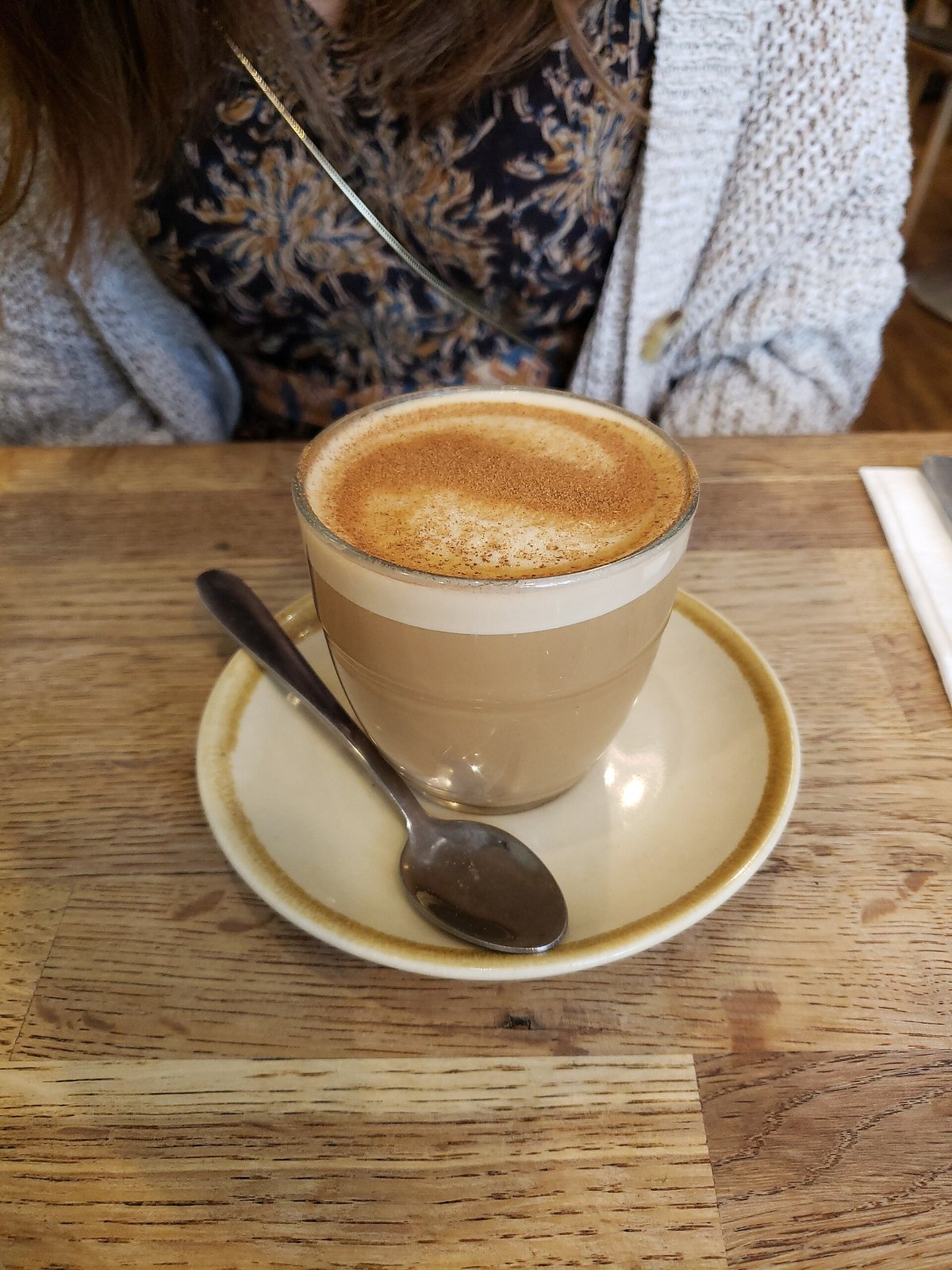
Dirty chai without espresso. The usual café version adds a shot of espresso. The stall’s plan has no espresso machine, and 2 oz of the phin concentrate already brewed for cà phê sữa đá (kah fay shoo-uh dah · [kaː˨˩ fej˧˧ ʂɨə˨˩˦ ʔɗaː˦˥]) (The Drinks) gives the same strong coffee note. Call it a dirty chai; it is the coffee, not the espresso, that makes it one.
London fog. Invented in the 1990s in Vancouver, not London, by a customer named Mary Loria at the Buckwheat Cafe; “fog” is the steamed milk. Earl Grey’s bergamot and vanilla is a pairing even non-tea drinkers like, and with honey in place of the vanilla syrup it is a beekeeper’s drink.
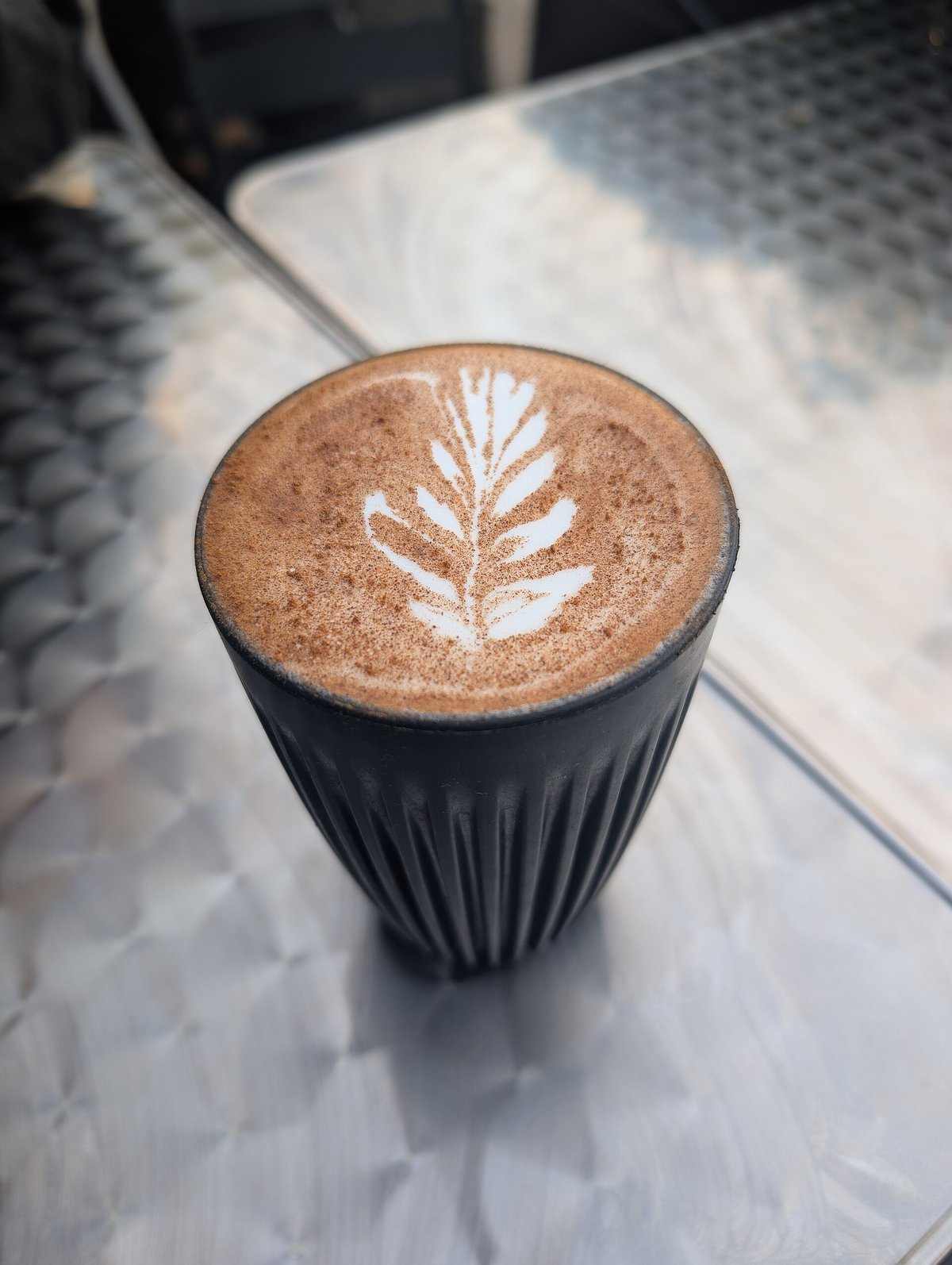
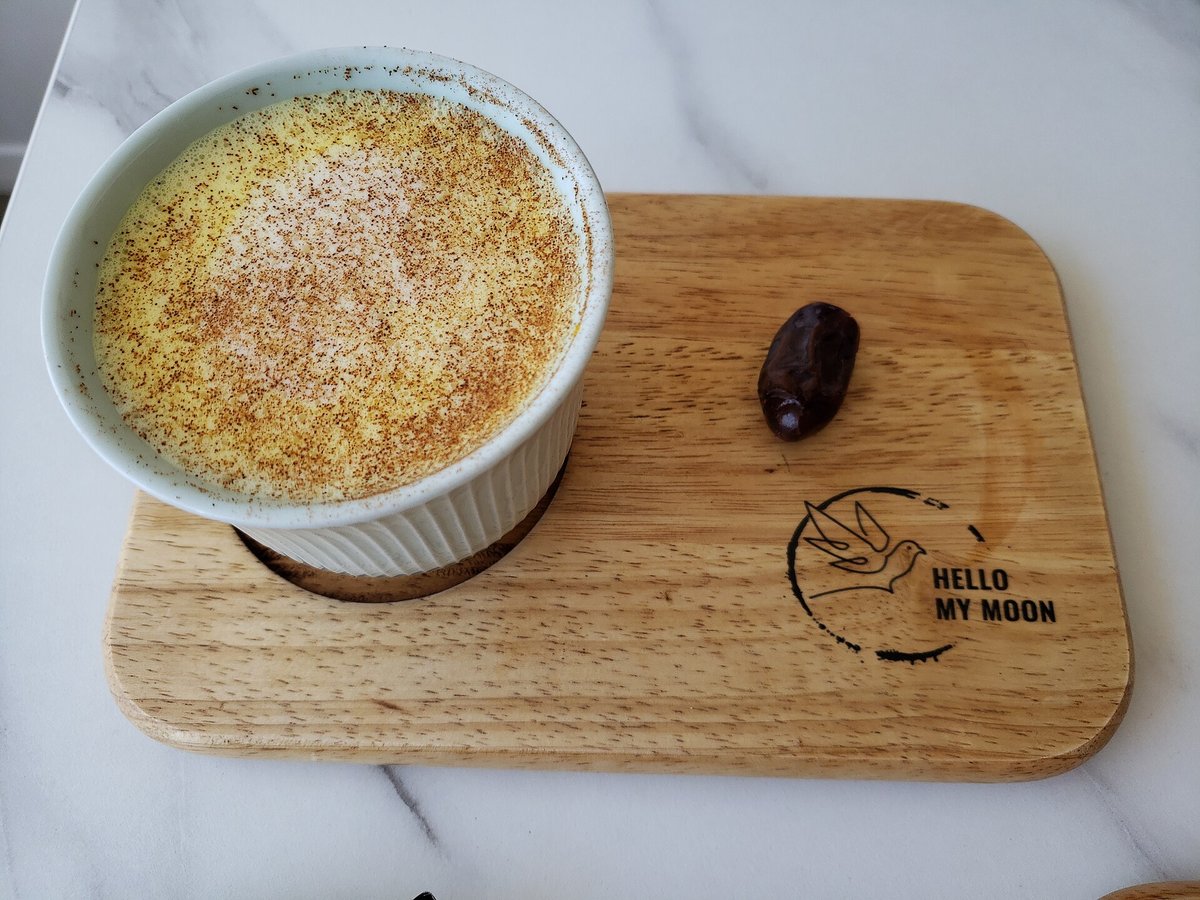
Golden milk. Turmeric warmed in milk with ginger, cinnamon, black pepper and honey. Sell it on taste and colour, not health: the US National Center for Complementary and Integrative Health says “we don’t know enough to definitively conclude if turmeric or curcumin is beneficial for any health purposes” (NCCIH), and a health claim on the board is exactly what the cottage food rules above warn against for the dry mix.
Honey and the herbal teas. Chamomile, mint and rooibos with honey are the caffeine-free drinks a stall can sell after dark or to children. Which honey suits which drink follows the same logic as coffee: a light clover or basswood stays out of the way of a delicate herbal; a darker honey suits black tea and chai (Honey in Coffee).
What Michigan’s rules allow
The rules are those for coffee (The Michigan Rules), applied to tea.
| Product | Status in Michigan | Source |
|---|---|---|
| Dry tea blends, chai spice mixes, loose tea repacked | Cottage food. Home kitchen, labelled, direct to the customer, under the annual sales cap | MDARD cottage food list: “Dry tea mixes”; “Shelf stable dry bulk mixes can be repackaged” |
| Dried herbal teas, no health claims | Cottage food | MDARD: “Dried herbal teas that are labeled and advertised to be consumed as a conventional food, with no health claims” |
| Herbal teas with health claims or doses | Not cottage food; may be a dietary supplement | MDARD |
| Chai concentrate, iced tea, any brewed tea | Not cottage food: “No concentrates,” “No ready-to-drink beverages” | MDARD |
| Kombucha | Not cottage food | MDARD: “No beverages, including … Kombucha tea” |
| Tea brewed at the stall, by the cup or the batch | Food service licence from the county, as for brewed coffee | MSU Product Center: “Coffee and tea products that are served ready-to-drink are licensed by MDARD or the local health department” |
| Chai and other drinks with milk | Licence, plus milk at 41 °F or below or under a written four-hour procedure | The Michigan Rules |
| Ice | Bought, bagged; not made at home | Iced Coffee and Ice |
(The MSU page still gives the old $25,000 cottage food cap; the current figure, $50,000, is on The Michigan Rules.)
Questions to add to the list for the health department:
- How long may a dispenser of unsweetened iced tea, brewed at the booth, be held on the table? And sweetened?
- Is a chai concentrate without milk, made at the booth, held cold or treated like brewed coffee?
- May a chai concentrate made in a licensed commissary be carried to the market in a cooler, and what paperwork goes with it?
Elsewhere in the US. Cottage food lists differ by state, but most states adopt the FDA Food Code for anything served in a cup, so the likely shape is the same: dry at home, wet under a licence. Check the state’s own cottage food list for the words “tea,” “herbal” and “concentrate.”
What each cup costs
Costs as of October 2026, in the style of The Numbers: the cup, lid and sleeve are 13¢ (Cups, and Standing Out), a clear cold cup 15¢, a cup of bought ice 15¢, honey 2.2¢ a gram at its retail value, and the phin concentrate 52¢ for 2 oz. Whole milk is taken at an assumed $4.00 a gallon (3.1¢ an ounce). The chai concentrate above costs about $2.16 a batch, 7¢ an ounce: 40 g of loose black tea 92¢, ginger 26¢, cardamom about 56¢, the other spices about 20¢, sugar 22¢, at assumed supermarket prices for the spices.
| Drink | Price, Lansing area / small town (proposed) | What goes in | Cost |
|---|---|---|---|
| Hot tea, 12 oz, bag | $2.75 / $2.50 | Bag 20¢; cup set 13¢ | 33¢ |
| Hot tea, 12 oz, loose | $3.00 / $2.75 | 3.5 g tea 8¢; filter about 3¢; cup set 13¢ | 24¢ |
| Iced tea, 16 oz | $3.00 / $2.50 | 7 g tea 16¢; ice 15¢; clear cup 15¢ | 46¢ |
| Honey iced tea, 16 oz | $3.75 / $3.25 | As above, plus 15 g honey 33¢ | 79¢ |
| Chai latte, 12 oz, own concentrate | $4.50 / $4.00 | 6 oz concentrate 42¢; 6 oz milk 19¢; cup set 13¢ | 74¢ |
| Chai latte, 12 oz, bought concentrate | same | 6 oz Oregon Chai (bag-in-box) $1.01; milk 19¢; cup set 13¢ | $1.33 |
| Dirty chai, 12 oz | $5.50 / $5.00 | 5 oz concentrate 35¢; 2 oz phin concentrate 52¢; 5 oz milk 16¢; cup set 13¢ | $1.16 |
| London fog, 12 oz | $4.50 / $4.00 | 4 g Earl Grey 12¢; 6 oz milk 19¢; vanilla syrup about 7¢; cup set 13¢ | 51¢ |
| Honey fog, 12 oz | $4.75 / $4.25 | As above, honey 33¢ in place of the syrup | 77¢ |
| Golden milk, 12 oz | $4.50 / $4.00 | 10 oz milk 31¢; spices about 8¢; honey 33¢; cup set 13¢ | 85¢ |
The prices are proposals that sit beside the coffee prices on Prices and Customers: plain tea below the house coffee, the milk drinks at a latte’s price. They include the 6% sales tax on prepared drinks, as the coffee prices do; card fees are on Taking Cards. Oat milk in place of dairy adds about 75 cents to a drink with 6 oz of milk, at an assumed $5 for a 32 oz barista carton.
Where the money is. A hot tea from a bag earns more than $2 over its cost; a chai latte made from the stall’s own concentrate earns about $3.50. Buying the concentrate instead of making it costs about 60 cents a cup, which is the price of not standing over a pot.
The menu board
Five lines, under the coffee, in the same style:
| Tea | Lansing area | Small town |
|---|---|---|
| Hot tea: black, green or mint | $2.75 | $2.50 |
| Iced tea (honey, 75¢) | $3.00 | $2.50 |
| Chai latte, hot or iced | $4.50 | $4.00 |
| London fog, with honey from the hives | $4.75 | $4.25 |
| Seasonal: golden milk, or a dirty chai | $4.50–$5.50 | $4.00–$5.00 |
Under it, one line: “Oat milk on request. House chai spice blend, to brew at home: ask.” The take-home blend is the line that turns a tea drinker into a bag sale.
Start smaller. For a first market, two tea lines are enough: a hot tea from bags and an iced tea. Add chai once the coffee runs smoothly, because it adds a concentrate to make and milk to manage; add the London fog when chai is selling. The coffee side of the same board is on The Drinks.
What is not known
- How long brewed iced tea may be held at a booth. No Michigan rule names a time; the answer comes from the county.
- How much tea a farmers market sells beside coffee. No market or vendor publishes figures; the cost table shows margins, not volumes.
- Whether a milk-free chai concentrate is treated as needing temperature control. Departments differ; ask.
Sources
- Michigan Department of Agriculture and Rural Development, “What Can I Make?” (cottage food list: beverages, dried products, herbal teas).
- MSU Extension Product Center, “Coffee and/or Dried Teas” (archived February 2026).
- US Food and Drug Administration, “Spilling the Beans: How Much Caffeine Is Too Much?” (caffeine per 12 oz).
- National Center for Complementary and Integrative Health, “Turmeric”.
- Wikipedia: Masala chai (Indian Tea Association, chaiwalas, ingredients), London fog, Black tea, Green tea, Oolong, Herbal tea, Iced tea (sun tea), Cold brew tea, ISO 3103.
- Prices: WebstaurantStore searches for Bigelow tea bags, loose-leaf black tea and Oregon Chai concentrate, October 2026; Tazo chai concentrate ingredients from Open Food Facts.
- On this site: The Michigan Rules, The Numbers, The Drinks, Honey in Coffee, Syrups, Iced Coffee and Ice.
Comments (0)