Starting a Coffee Business · 6 of 39
Compostable, PFAS and Waste
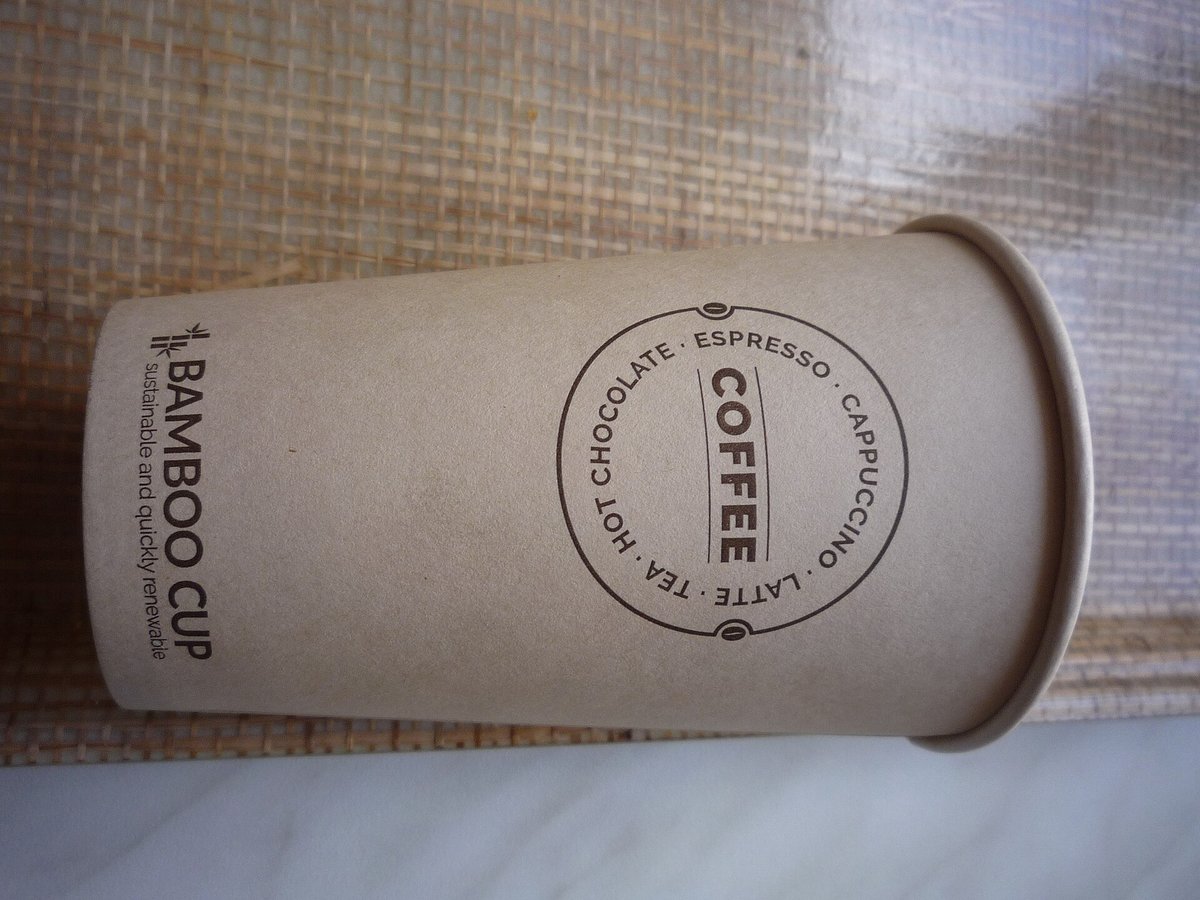
A coffee stall produces four kinds of waste: cups and lids, the bags its coffee is sold in, spent grounds, and, at the roaster, chaff. The words printed on cups and bags (“compostable,” “PFAS-free,” “recyclable”) each mean something narrower than they sound. Here is what each one means, what can actually be done with it in central Michigan, and what a one-person stall can realistically do. The cup prices are on Cups, and Standing Out; the bags and their barrier are on Packaging Roasted Coffee and Bags, Labels and What a Bag Costs. Laws and listings are as of October 2026.
The short version
| Question | Answer |
|---|---|
| What does “compostable” mean? | That the item breaks down in a commercial composting facility, by the test in ASTM D6400 (plastics) or D6868 (paper with a plastic coating). Not in a backyard pile unless it is separately certified for home composting. |
| Is there anywhere near central Michigan that takes compostable cups? | Not curbside in most small towns. An organics hauler, My Green Michigan, collects food scraps and certified compostable products in the Lansing and Mt. Pleasant areas, including public drop-off sites in Lansing-area communities. Most compostable cups from a rural stall still go to landfill. |
| Is a compostable coffee bag a good bag? | Its oxygen barrier has no published figure. Use it only for coffee that will be opened within about a week, or ask the supplier for the number. |
| Are paper cups full of PFAS? | In the largest US survey, 0 of 30 paper cups had detectable fluorine. The grease-proofing PFAS were on food wrappers and boxes, and the FDA says they have been off the US market since 2024. Moulded-fibre items are the ones to ask about. |
| Does Michigan ban PFAS in food packaging? | No. At least 14 other states do. |
| Can a valve bag be recycled? | Not in an ordinary recycling bin. A paid TerraCycle box takes empty coffee bags. |
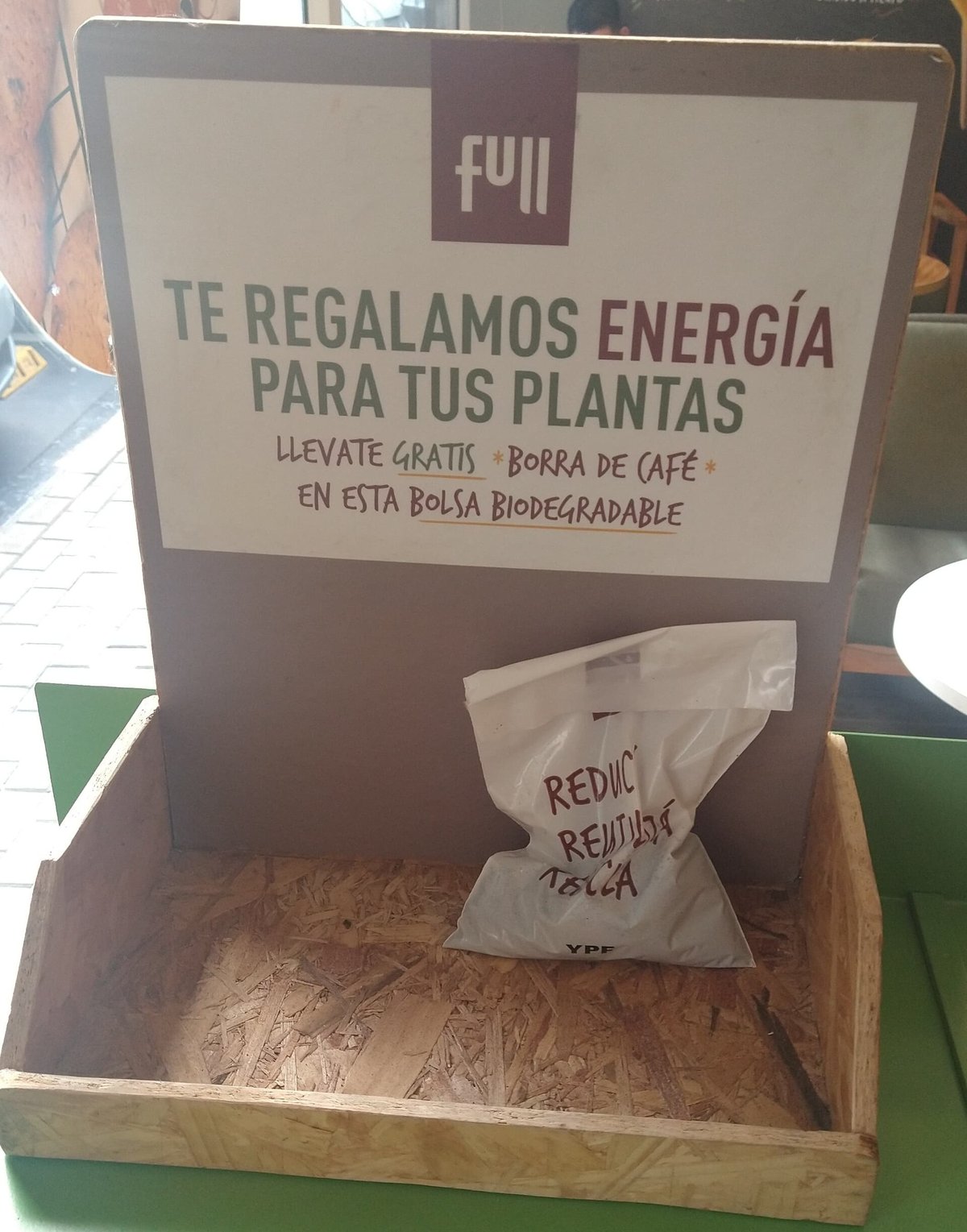
| Spent grounds? | Compost (up to a fifth of a pile), a mushroom substrate, or give them away. They are accepted by the organics hauler too. |
| What should a stall do? | Plain paper cups with an honest sign, a tub for grounds that go home to compost, a bag that keeps the coffee fresh, and no claims that cannot be backed up. |
What “compostable” means
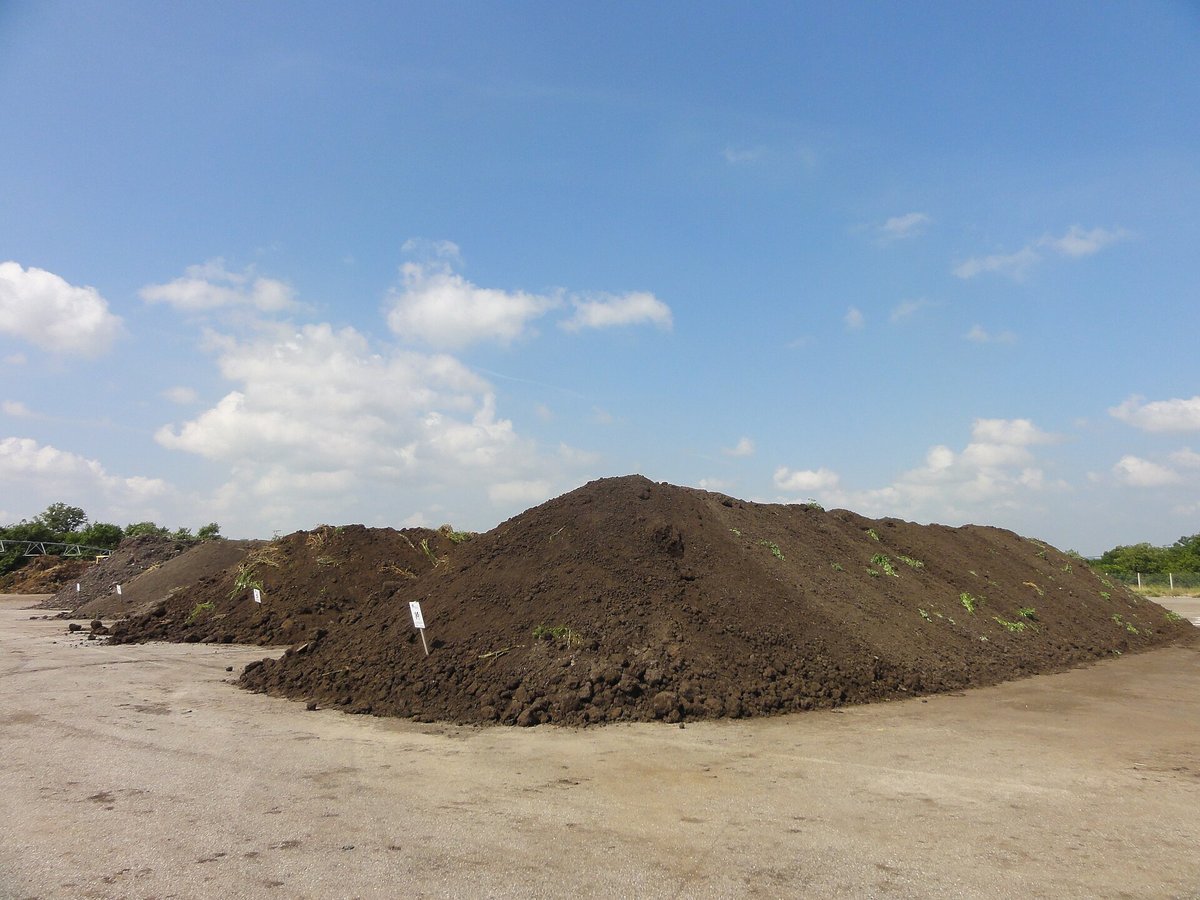
The standards. ASTM D6400 “covers plastics and products made from plastics that are designed to be composted under aerobic conditions in municipal and industrial aerobic composting facilities, where thermophilic conditions are achieved.” ASTM D6868 covers the same thing for items, like a paper cup, where a plastic film or coating is laminated onto paper. Thermophilic means hot: a working commercial pile runs at 50 to 60 °C. Both standards are written for that kind of facility, and the label they allow is “compostable in aerobic municipal and industrial composting facilities.”
Certification. The standards are tests; the Biodegradable Products Institute (BPI) certifies that a product has passed them and licenses its mark. BPI has two marks:
| BPI certification | Disintegration test | Biodegradation test | Means |
|---|---|---|---|
| Commercial Only | 58 ± 2 °C, up to 84 days | 58 °C, 6 months | Breaks down in a commercial facility |
| Commercial & Home (since 2025) | 25 ± 2 °C, up to 180 days | 25 °C, 12 months | Also breaks down in a properly managed home bin |
Most compostable cups, lids and coffee bags sold today carry the commercial mark. In a backyard bin, or a landfill, a commercial-only cup behaves much like any other cup.
What the law says about the word. The Federal Trade Commission’s Green Guides, 16 CFR 260.7, say a seller claiming “compostable” needs “competent and reliable scientific evidence that all the materials in the item will break down into, or otherwise become part of, usable compost.” The claim must be qualified if the item cannot be composted at home, and “if such facilities are not available to a substantial majority of consumers or communities where the item is sold.” For a stall in a small Michigan town that is the normal case. A sign reading “compostable” on its own overstates; “compostable in commercial facilities, which are not available in most of this area” is the honest version, and few people want to print it.
“Biodegradable” is a weaker and vaguer word. Everything biodegrades eventually. The Green Guides (16 CFR 260.8) call an unqualified “biodegradable” claim deceptive for anything that does not “completely decompose within one year after customary disposal,” and say outright that landfills “do not present conditions in which complete decomposition will occur within one year.” A cup goes to landfill. Avoid the word on signs.
Is there anywhere to send it near central Michigan?
State-registered composting sites. Michigan’s Department of Environment, Great Lakes, and Energy (EGLE) publishes a list of registered composting facilities. Most are for yard clippings: leaves and brush. The sites marked as composting food waste are few. In and near central Michigan the list has one, Hammond Farms Landscape Supply in Dimondale, southwest of Lansing; the others are around Ann Arbor, Flint, South Lyon, Holland and Zeeland, Harbor Springs and the Upper Peninsula (the list’s entries are dated 2023). Charlotte, DeWitt, Mason, St. Johns, Alma and Lansing’s other listed sites take yard waste. Whether a food-waste site takes compostable cups and bags is up to the site; ask before hauling a bin there.
An organics hauler. My Green Michigan collects “ALL food scraps, plant waste, and certified compostable products,” with carts for homes and businesses and service for events. Its service areas include “Mid-MI (Lansing)” and “Central MI (Mt. Pleasant),” and it runs public drop-off sites with the City of Lansing, Meridian Township and others; East Lansing’s food-scrap drop-off pilot with the same hauler takes BPI-certified cups, plates, cutlery and bags, and coffee grounds (BioCycle). The hauler publishes no prices.
So in October 2026:
| Where the cup ends up | When |
|---|---|
| A commercial compost pile | Only if the stall collects certified items in its own bin and takes them to a drop-off site or pays for pickup |
| Landfill | Almost every other case, including every compostable cup a customer carries away from a market in a small town |
That does not make compostable cups pointless. It makes them a choice about what a stall does with its own bin, not about what customers do with theirs.
Compostable coffee bags
A compostable coffee pouch is kraft paper with a plant-based plastic film inside, and usually a valve and zipper. The one in the cost table, Elevate’s 12 oz pouch, is certified to ASTM D6400 and EN 13432 (the European equivalent) and costs 95¢ against 45¢ for a foil pouch.
The trade-off is freshness. The science page has the detail: the only controlled study of coffee bags found that an aluminium layer kept coffee measurably fresher, and that kraft with an ordinary plastic liner lost aroma within two weeks; no maker of compostable coffee bags publishes an oxygen transmission rate. Three things to ask before buying:
- What is the oxygen transmission rate of the film, in cc per square metre per day?
- Is the valve, and the zipper, covered by the certification, or only the pouch? Many valves are conventional plastic.
- Is it certified commercial-only or home-compostable? A customer reading “compostable” will assume the garden.
A compostable bag that lets the coffee stale in two weeks has saved a gram of plastic and wasted 340 g of coffee, which carried far more energy and water to the table than the bag did. For coffee meant to be drunk within a week of sale, it is a reasonable choice; for anything that sits, the foil bag is.
PFAS: what it is, and where it actually is
PFAS (per- and polyfluoroalkyl substances, “forever chemicals”) are a family of thousands of fluorinated chemicals that repel grease and water and do not break down in the environment. In food packaging they were used as grease-proofing: on burger wrappers, fry boxes, pizza boxes, microwave popcorn bags and moulded-fibre bowls.
What the FDA has done.
| Date | What happened |
|---|---|
| 2020 | Makers commit to stop selling PFAS grease-proofing for food contact in the US |
| 28 February 2024 | The FDA announces that grease-proofing substances containing PFAS “are no longer being sold by manufacturers for food contact use in the U.S. market” |
| 3 January 2025 | The FDA declares 35 food contact notifications for PFAS grease-proofers no longer effective, from 6 January 2025, with a compliance date of 30 June 2025 for packaging made before then |
The PFAS uses the FDA still authorizes in food contact are non-stick cookware coatings, sealing gaskets in food equipment, and manufacturing aids in other plastics, all on the grounds that negligible amounts reach food.
What was in cups. The largest US survey of fast-food packaging, Schaider and others in 2017, tested 407 samples collected in 2014 and 2015. A third had detectable fluorine. Detection ran “from 0% for papers not in contact with food (N = 15) and paper cups (N = 30) to 46% for food contact papers.” Hot and cold paper cups were not where the problem was: a cup is made waterproof with a plastic lining (polyethylene, or the plant-based PLA in compostable cups), not with a grease-proofer. The same paper notes that other studies found cups low in PFAS in some cases and high in another, so “none in the cups tested” is the finding, not “never in any cup.”
Where to look now. Moulded-fibre items, pressed from wet pulp like an egg carton, are where grease-proofing mattered: some compostable cup lids, bowls and clamshells. BPI has required since 1 January 2020 that a certified product contain no intentionally added fluorinated chemicals and test at no more than 100 parts per million of total organic fluorine. So a BPI-certified fibre lid is the safe purchase; an uncertified one from an unknown importer is the one to ask about.
State laws. Michigan has no law on PFAS in food packaging. According to the BCLP law firm’s tracker, updated December 2025, fourteen states have enacted one:
| State | In force | Covers |
|---|---|---|
| New York | 31 Dec 2022 | Plant-fibre packaging, intentionally added PFAS |
| California | 1 Jan 2023 | Plant-fibre packaging; intentionally added, or over 100 ppm total organic fluorine |
| Vermont | 1 Jul 2023 | All food packaging |
| Colorado, Maryland | 1 Jan 2024 | Plant-fibre packaging |
| Connecticut, Minnesota | 1 Jan 2024 | All food packaging |
| Hawaii | 31 Dec 2024 | Named items: wraps, plates, pizza boxes |
| Oregon, Rhode Island | 1 Jan 2025 | All food packaging |
| New Hampshire, New Mexico | 1 Jan 2027 | All food packaging |
| Maine, Washington | Phased, by rule | Named packaging types |
A Michigan stall buying from a national supplier gets packaging made for those markets anyway. A roaster shipping bags or selling cups into those states is the one who needs to check, and the supplier’s written statement of “no intentionally added PFAS” is the document to keep.
Recycling: why a coffee bag is hard
A valve bag is several thin layers bonded together: polyester outside for printing, aluminium or a metallised film for the barrier, polyethylene inside for sealing, plus a valve of yet another plastic. That is what keeps the coffee fresh, and it is also why the bag cannot be pulled apart into anything a recycler can sell. Almost no curbside programme takes it, and the store drop-off bins for plastic film do not take foil laminates.
The options:
- TerraCycle’s coffee bag Zero Waste Box takes “any brand and size of empty coffee bag” by mail, for a fee per box (listed at roughly $50 to $95 in October 2026). It suits a shop with a counter bin, where customers bring back their bags; at a market stall it is a gesture.
- Recyclable mono-material pouches, all polyethylene with a barrier coating, are sold as “store drop-off recyclable.” A peer-reviewed test of coffee pods found a recyclable high-barrier film can match a conventional one, but none of the stock bags priced on this site is one.
- Tins and refills. A tin the customer keeps and brings back is the most durable answer. Under the cottage food exemption, though, coffee must be “prepackaged and properly labeled before sale” (the rules), so pouring beans from a bulk bin into a customer’s own tin at the stall is outside it on a plain reading. A sealed refill bag sold to go into the tin is not.
Grounds and chaff
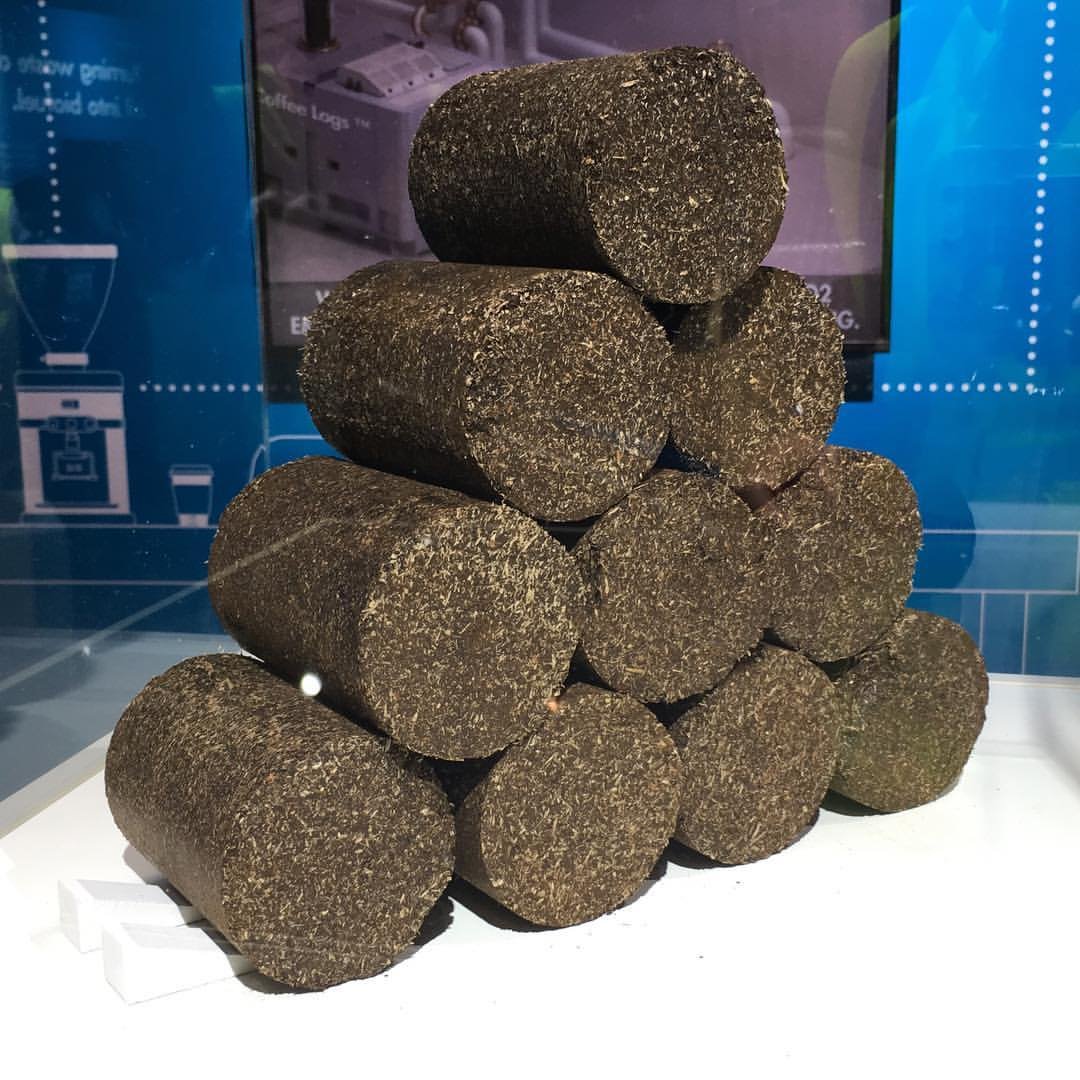
Spent grounds. A stall brewing a few dozen cups a day makes a few pounds of wet grounds. They are the easy waste:
- Compost. Spent grounds are a nitrogen-rich “green” for the pile, up to about a fifth of its volume, and close to neutral in pH. The detail and the myths (they do not acidify soil) are on Spent grounds, the honest version.
- Mushrooms. Fresh spent grounds are a substrate for oyster mushrooms; Growing Oyster Mushrooms on Spent Grounds and Chaff has the method.
- Give them away. Many cafés bag their grounds for gardeners. At a market, a bucket of last week’s grounds beside the honey is a conversation and costs nothing.
- The hauler. My Green Michigan’s drop-off sites and East Lansing’s pilot take coffee grounds and paper filters.
Under a food service licence, the grounds are waste from the booth and go home in a closed bin, not on the ground or in a storm drain (the inspector’s list).
Chaff is the papery skin that comes off the beans in the roaster: light, dry, and flammable. It collects in the roaster’s chaff tray and must be emptied every roast, because chaff fires are a known roaster hazard. Small amounts go in the compost as dry (“brown”) material or under garden mulch; it blows away if spread on its own. The mushroom page covers it as an additive to grounds.
Cups: what a stall can choose
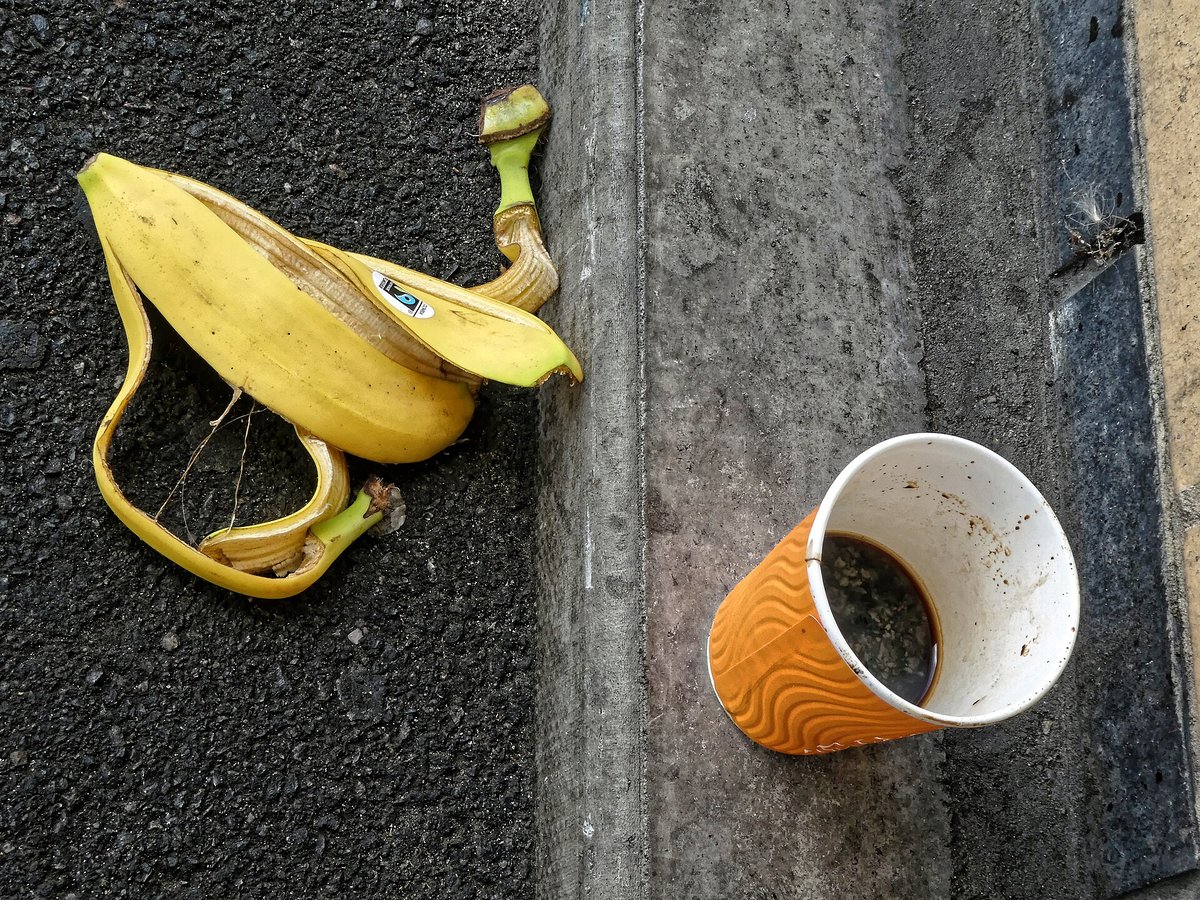
| Cup | Cost (with lid, from Cups) | Lined with | Where it goes from a rural Michigan stall |
|---|---|---|---|
| Plain white paper | about 11¢ | Polyethylene | Landfill |
| Kraft paper, rubber-stamped | about 13¢ | Polyethylene | Landfill |
| Compostable (BPI) paper | about 19¢ with sleeve | PLA (plant-based plastic) | Landfill, or commercial compost if the stall collects it and takes it to a site |
| Foam | cheapest | — | Landfill; Michigan bars local bans |
| Customer’s own mug | 0 | — | Washed at home |

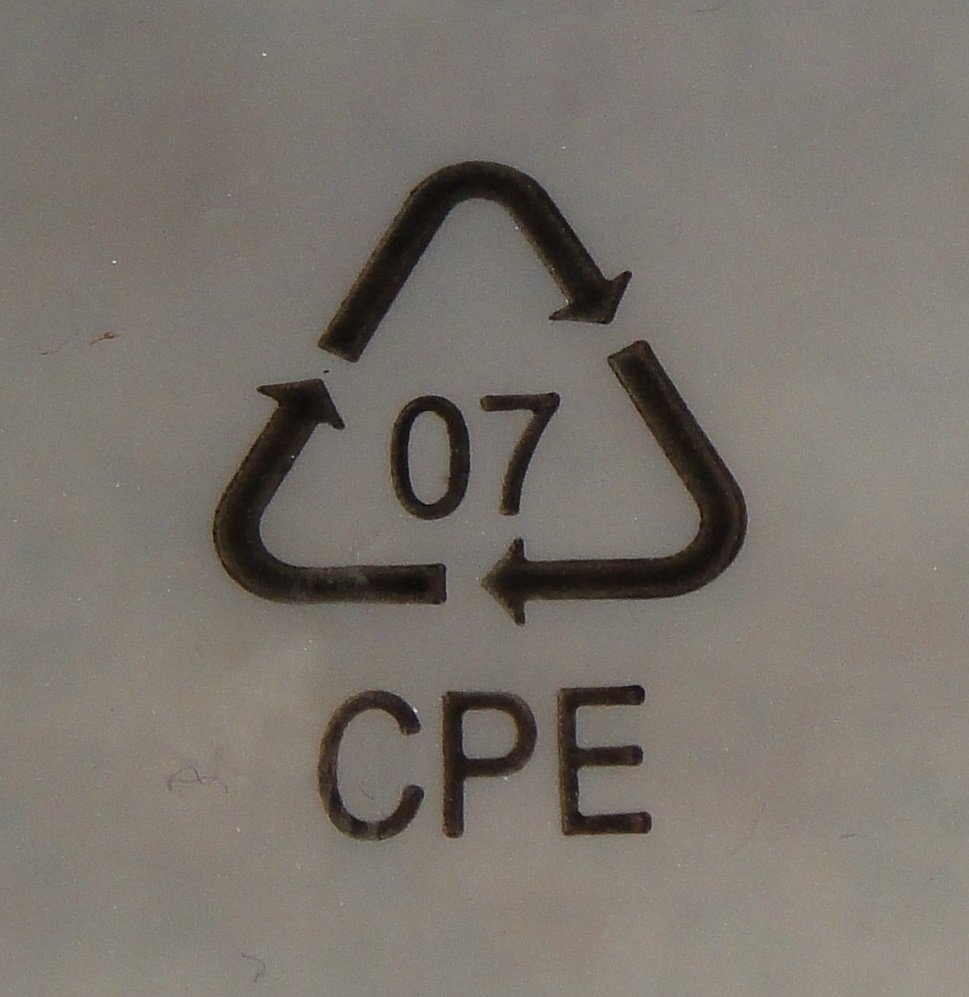
The European Union’s 2019 single-use plastics directive treats a plastic-lined paper cup as a plastic product and requires the marking above on it. It is a fair description of every paper hot cup, compostable or not.
On a $4 drink the difference between the cheapest cup and the compostable set is eight cents. The question is not the cost but the claim: a compostable cup that will be landfilled does no harm, but a sign promising it will be composted is a Green Guides problem. Cups, and Standing Out has the reusable options (deposit jars, mugs sold at the stall with a refill discount) and the washing rules that limit them.
What a small stall can realistically do
In rough order of what makes the most difference for the least money:
- Keep the coffee fresh. The coffee in the bag is worth far more, and cost far more to grow, ship and roast, than the bag. A barrier bag that keeps it good until it is drunk is the biggest waste saving on the table.
- Sell a mug. A branded mug or tumbler with a refill discount takes cups out of the stream altogether and is merchandise (the gift baskets).
- Take the grounds home. A lidded bucket behind the table; compost them, feed mushrooms, or give them away the next week.
- Choose plain cups and say so plainly. If buying compostable cups, buy BPI-certified ones and say “compostable in commercial facilities” or nothing. If buying ordinary paper, do not call it eco-friendly.
- Buy BPI-certified fibre lids if using fibre lids at all, for the PFAS rule that comes with the mark.
- Keep the paperwork. A supplier’s statement of certification and of no intentionally added PFAS, filed with the invoices, answers the question if a customer or a market manager asks.
- At a shop, add bins. A compost bin with the hauler’s pickup, a TerraCycle box for coffee bags, and a bag-return discount make sense at a counter with a back room; at a market tent they mostly do not.
What is not known
- An oxygen transmission rate for any compostable coffee bag sold to small roasters.
- Whether the valves on compostable coffee bags are themselves certified compostable.
- Whether Hammond Farms, or any other food-waste site near central Michigan, accepts compostable cups and bags from a business.
- What My Green Michigan charges a small vendor for pickup or event service; it publishes no prices.
- Measured PFAS levels in the moulded-fibre lids and compostable bags on sale in 2026.
Questions to ask:
- The hauler: Do you serve [the town and county]? What does a weekly or event pickup cost? Which compostable items do you take, and must they be BPI-certified?
- The market manager: Does the market provide compost or recycling bins, and who empties them?
- The bag supplier: Oxygen transmission rate; whether the valve and zipper are covered by the certification; a written PFAS statement.
- MDARD: May a customer’s own tin be filled from a sealed bag at the stall, and is a refill sold as a sealed, labelled bag acceptable?
Sources
- ASTM International, D6400-21 and D6868-21 (scopes).
- Biodegradable Products Institute, certification and fluorinated chemicals rule.
- Federal Trade Commission, Green Guides, 16 CFR 260.7 Compostable claims and 260.8 Degradable claims.
- Michigan EGLE, composting programme and list of registered composting facilities.
- My Green Michigan, services; BioCycle, “East Lansing Launches Food Scrap Drop-Off Pilot.”
- US FDA: “FDA Announces PFAS Used in Grease-Proofing Agents for Food Packaging No Longer Being Sold in the U.S.” (28 February 2024); “FDA Determines Authorization for 35 Food Contact Notifications Related to PFAS Are No Longer Effective” (3 January 2025); “Authorized Uses of PFAS in Food Contact Applications.”
- Schaider, L. A., and others, “Fluorinated Compounds in U.S. Fast Food Packaging,” Environmental Science & Technology Letters 4 (2017): 105–111.
- Bryan Cave Leighton Paisner, “PFAS in food packaging: state-by-state regulations” (updated December 2025).
- TerraCycle, Coffee Bags Zero Waste Box.
- Michigan, MCL 445.592 (local bans on containers).
- Spent grounds: Oregon State University Extension, via Cooking with Coffee.
Comments (0)