Starting a Coffee Business · 21 of 39
Prices and Customers: Mid-Michigan Markets, Roasters and What People Pay
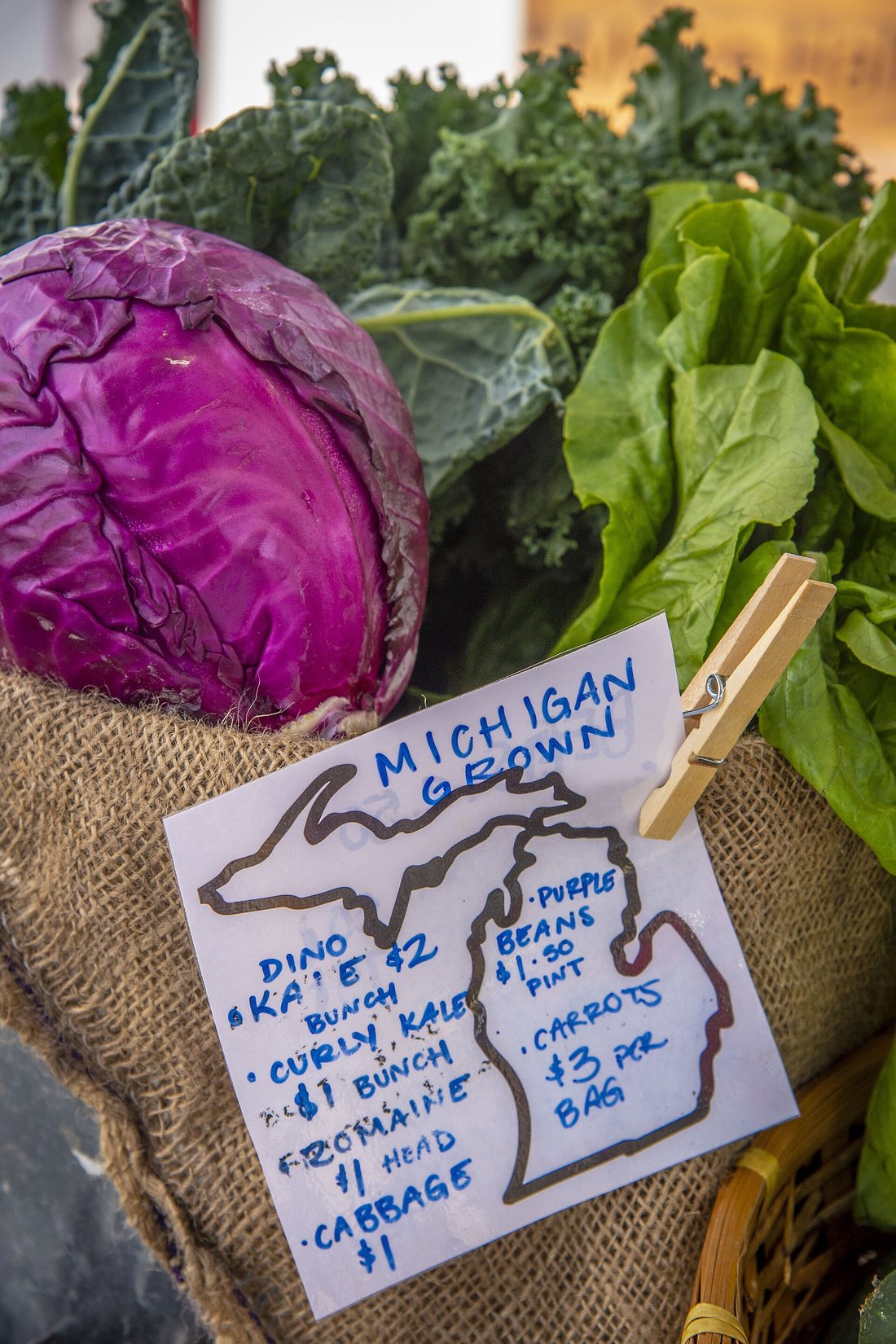
I already sell honey at farmers markets, so a market morning is familiar. A bag of coffee and a cup of coffee are a different sale, and their prices across mid-Michigan (the Lansing area, the small towns around it, north through the middle of the state and west to the lake at Ludington) are set out below, read on 2 and 5 October 2026, with the price list they lead to.
Three limits apply. A roaster’s online price is not always its market-table price (postage is part of the reason: Selling Online and by Mail), and no roaster publishes the second. No market coffee vendor in Michigan publishes cup prices. And nothing published says how many bags a Michigan stall sells in a day.
The markets
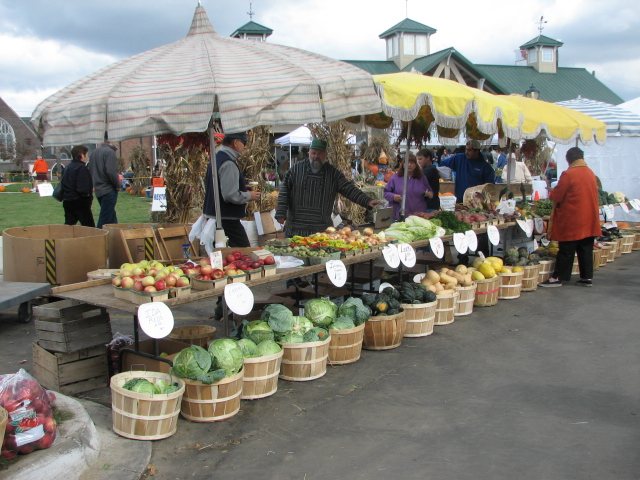
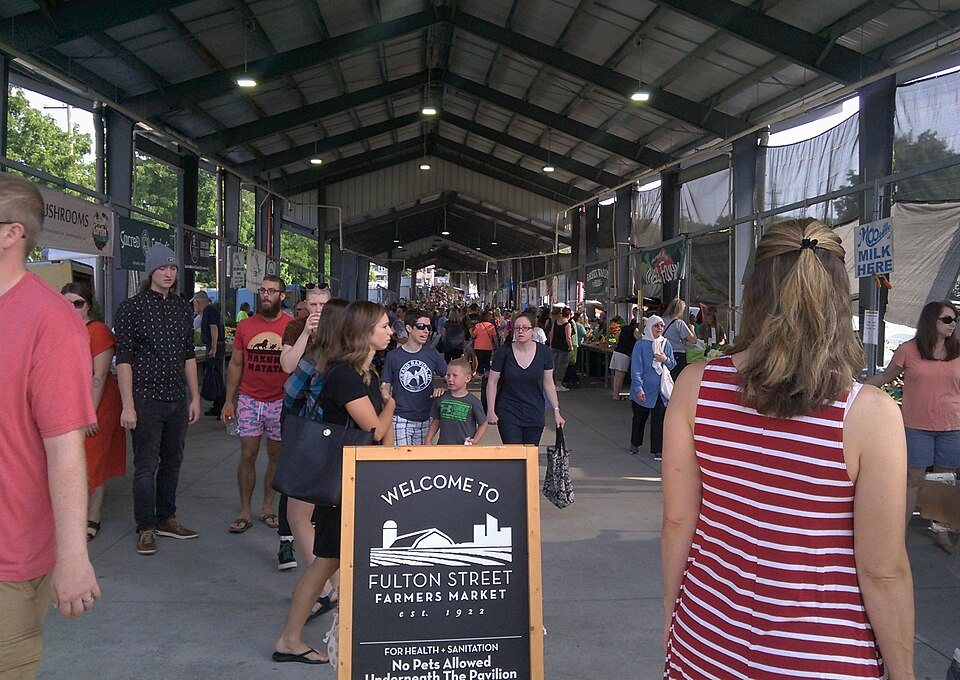
Of the markets checked, these publish 2025–26 terms:
| Market | When | Day fee | Season fee | Electricity | Coffee vendor already there |
|---|---|---|---|---|---|
| Allen, Lansing | Wed afternoon, year-round | not published | not published | not published | Yes, an espresso cart |
| Meridian Township, Okemos | Sat May–Nov; Wed Jun–Oct; winter Saturdays indoors | $30 Sat; $15 Wed | $450 Sat; $150 Wed | on request | Three, across the two days |
| East Lansing | Sun, Jun–Oct | $30 | $440 | $5 a day; no generators | Reported |
| Holt | Sat, year-round | $10–$20 | $14 a week indoors | fee by appliance | none listed |
| South Lansing | Thu afternoon, May–Oct | $25 | $288 | $5 a day | ”Roasted coffee” on the product list |
| DeWitt | Tue evening, Jun–Oct | $14 (2022) | $160 (2022) | not published | none listed; 2026 fully booked |
| Mount Pleasant | Thu, Jun–Oct; Sat evening in summer | $25 | $200 | $1 a day | none listed |
| Midland | Wed and Sat, May–Oct; Saturdays 7, 14 and 21 November | $35 | $550 | none; quiet generator | none listed |
| Alma | Sat, Jun–Oct | in the vendor portal | fee by equipment | none listed | |
| Ithaca | Tue afternoon, May–Oct | free in 2026 | free | limited, on request | none listed |
| Big Rapids | Fri, from May | $15–$20 (2024) | $250–$375 (2024) | not published | none listed |
| Ludington | Fri afternoon, late May–late Sep | $20 | sold out for 2026 | not published | Yes |
| Pentwater | Mon and Thu, Jun–early Sep | $100–$125 | not published | Reported | |
| Ann Arbor (for comparison) | Wed and Sat | $35 | $500 |
What the table shows:
- A stall costs $10 to $35 a day. The median of the published walk-on rates is $25. Paid by the season, the cost per market day falls to between $7 and $20.
- Electricity is cheap where it exists, $1 to $10 a day, and often does not exist. East Lansing bans generators; Mount Pleasant allows quiet ones case by case. A stall that needs neither is welcome at more markets.
- Saturday morning stalls at the established markets are largely taken. Meridian says “few openings exist on Saturdays”; DeWitt is booked with a waiting list; Ludington’s seasonal spots sold out. Meridian’s Wednesday market “almost always has openings.” Weekday afternoon markets are the realistic way in.
- Coffee is already at several of them. A 2019 census by the Michigan Farmers Market Association found that 81% of market managers try to keep a balance of vendor types. Whether a market wants a second coffee vendor is a question for its manager before it is a question of price.
- Brewed cups are harder to place than bags. Pentwater forbids processing food on site, Muskegon has no room for prepared-food vendors, and Mount Pleasant limits its Thursday market to a short product list. The rules page has the licensing side.
- Winter selling exists only around Lansing: Allen and Holt weekly, Meridian indoors on the 1st, 3rd and 5th Saturdays from January to April, and a few dates at South Lansing.
Smaller markets in mid-Michigan
The big markets above are the hardest to get into. The smaller town markets across mid-Michigan are the opposite, and they are worth a separate look. Each line is from the organiser’s own page or rules.
| Market | When | What a stall costs | What the rules say about food and drink |
|---|---|---|---|
| Bath Township | Thursdays 3:00–6:30 PM, 22 dates from late May to the end of October | $220 a season ($10 a market) or $15 a day, for a stall 10 feet wide and 20 deep with the vehicle parked in it | ”Prepared foods” are allowed with the licences to match. Nothing on electricity, generators or food trucks. No more than 20% of vendors may be crafts. |
| Chesaning | Saturdays 10–1, late July to mid-October | $50 a season or $5 a Saturday (2024, the last posted) | Baked goods and “prepared foods” are named; insurance is encouraged, not required. |
| Eaton Rapids | Wednesdays 3–6 PM and Saturdays 9–noon, late May to the end of September (the 2021 guidelines, the last posted) | $50 a season for a 10 × 10 stall ($10 each extra stall) or $5 a day | ”Post prices for all items being sold.” Electricity “in limited supply,” with the vendor’s own cords. Canned foods other than jam must meet the health department’s rules. |
| Grand Ledge (Market on the Grand) | Saturdays 9–1 | $150 for a 22-week season, or $15 a week ($20 if paid after Wednesday) | Names “baked goods, jellies, jams, preserves”; food trucks register through the Chamber. Liability insurance encouraged. |
| Laingsburg | No weekly market. Thursday evening concerts in the park, 18 June to 13 August 2026, with ten booth spaces, and one-day markets | $15 an event, free to members of the business association | ”Open to local farmers, growers, crafters, food vendors, local businesses, and community organizations.” |
| Ovid | Thursdays, 4 June to 15 October 2026, 20 dates | $150 a season ($7.50 a market) or $10 a day | The application has boxes for “Prepared Food” and “Food Truck/Concession.” Packaged food must come from a licensed kitchen or under the Cottage Food Law. Nothing on electricity. |
| Owosso | Saturdays 9–1, May to October, 26 dates | $350 a season ($13.46 a market) or $30 a day | ”Limited power available upon request ($10/day).” A food truck or concession pays $50 a day. |
| St. Johns | Saturdays 8–noon, June to October; and a Thursday market on Higham Street, 4–7 PM, June to August | Not published; the contact is a city phone number | Not published |
| St. Louis | Thursdays 2–6 PM, year-round, outdoors from June; Saturdays 10–2 added from November to May | In the Gratiot-area markets’ vendor portal | In the market handbook |
| Williamston (Farm & Artisan Market) | Sundays 10–2, 10 May to 11 October 2026, and holiday markets on 22 November and 13 December | $275 a season for one space; holiday markets $25. The 2026 application prints the day rate as $391, which looks like a misprint; ask. | The 2026 vendor rules say it plainly: roasted beans “are exempt from licensing and can sell under the Cottage Food Law”; brewed coffee, “hot or cold,” needs a food establishment licence. Electricity with the vendor’s own 100-foot commercial cord. Insurance optional. |
What this adds to the picture:
- A stall costs $5 to $15 a day at most of these markets, a third to a half of the Lansing-area rate. Williamston and Owosso are the exceptions, at Lansing-area prices.
- Thursday afternoon is crowded. Bath, Ovid and St. Louis all run on Thursdays, so one stall can do one of them. A week could still hold a Thursday market, a Saturday one and Williamston’s Sunday.
- Few publish a rule on electricity or generators. Owosso has a $10 outlet, Williamston and Eaton Rapids have outlets for the vendor’s own cord, and the rest say nothing. That is a question for each market manager, and the plan on Hot Water and Power assumes there is no outlet.
- None of them bars drinks made on site. Each leaves it to the food licence, and that comes from the county, not the market. Williamston’s rules state the cottage-food-versus-licence line for coffee in the same terms as the rules page.
- Which county matters, because the licence fee differs. A temporary food licence is $114 from the Shiawassee County Health Department (2026 fee schedule; $225 with less than four days’ notice) and $104 from the Mid-Michigan District Health Department, which covers Clinton, Gratiot and Montcalm counties. For a stall that goes weekly, one annual Transitory Food Unit licence is the cheaper way: Shiawassee charges $155 for the licence and $90 for each of the two inspections, plus plan review in the first year ($688 in Shiawassee, $690 in Mid-Michigan District) and a certified food manager. The Numbers shows why that difference decides whether cups pay.
- Other towns share some of these names. The St. Johns that publishes a $42 booth fee is a neighbourhood of Portland, Oregon, and the one with a $350 season is St. John, Indiana. Neither figure is Michigan’s.
What roasters charge for a bag
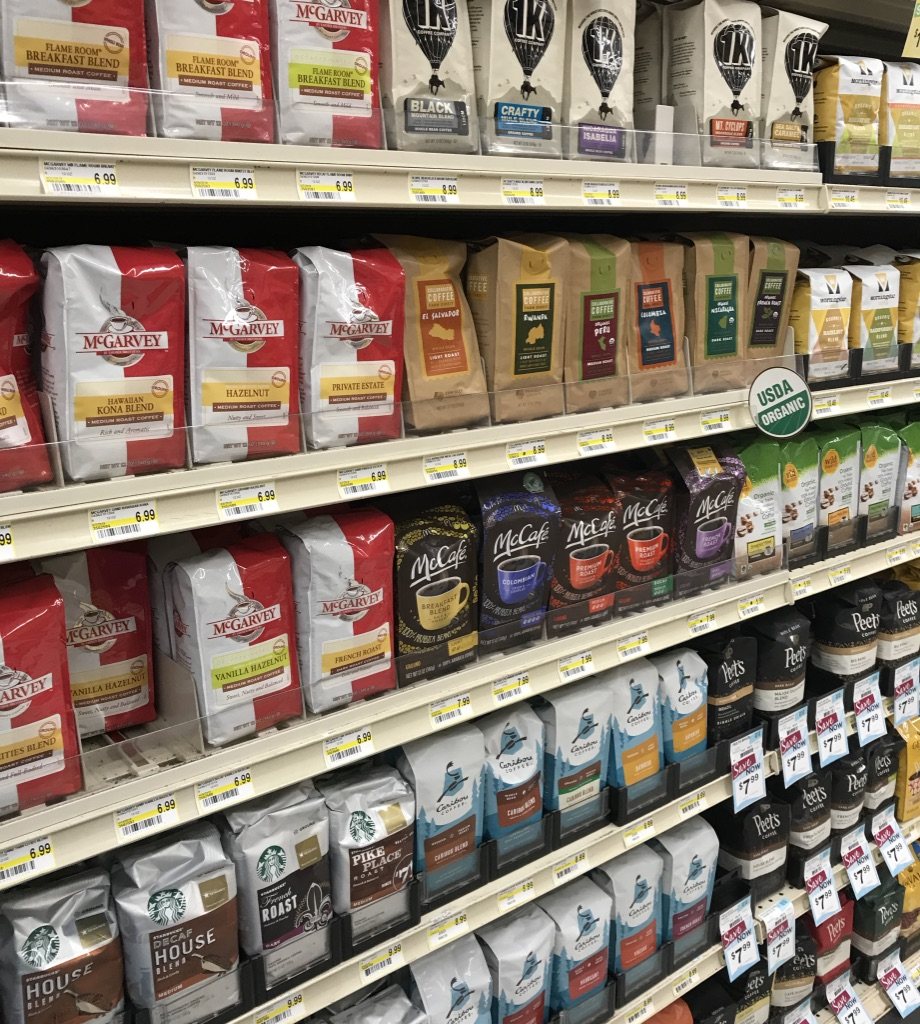
This is the one roaster price table for the business section; Bags, Labels and What a Bag Costs and The Numbers link here. Fourteen Michigan roasters publish a price and a bag size. Each roaster’s everyday coffee, converted to 12 oz:
| Roaster | As sold | Per 12 oz |
|---|---|---|
| Ferris Coffee & Nut, Grand Rapids | 12 oz house blends $13.95; Harvest Blend and decaf $15.95; single origins $16.95–$19.95 | $13.95 |
| The Fresh Grinds, Lansing | 12 oz | $13.99 |
| Schuil | 12 oz | $14.99 |
| Paramount | 12 oz | $15.00 |
| RoosRoast, Ann Arbor | 8 oz $10; 16 oz $20 | $15.00 |
| Madcap Coffee, Grand Rapids | 12 oz $15.99 for its three everyday blends; other coffees 8 oz at $18–$23 | $15.99 |
| Mighty Good Coffee, Ann Arbor | 12 oz | $16.00 |
| Higher Grounds, Traverse City | 12 oz $17–$19; Ethiopias $20–$22 | $17.00 |
| Rust Belt | 12 oz | $18.00 |
| Owl Eye | 12 oz | $18.25 |
| Uncommon Coffee Roasters, Saugatuck | 12 oz $18.50; blends $16.50–$17 | $18.50 |
| Stovetop Roasters, Grand Rapids | 10 oz $16 | $19.20 |
| Foster Coffee | 12 oz core blends $19.50; single origins $23–$29 | $19.50 |
| Great Lakes Coffee, Detroit area | 12 oz $20–$21 | $20.00 |
The median is $16.50 (halfway between $16.00 and $17.00, the seventh and eighth of fourteen), or $1.38 an ounce, and the range is $13.95 to $20.00. Single origins and small bags run higher, up to more than $2 an ounce. Ferris, Madcap and Mighty Good were re-read on 5 October; the others are as read on 2 October.
Two details matter for a stall. The only roaster confirmed selling at a Lansing-area market is among the cheapest on the list, at $13.99. And the Bureau of Labor Statistics put supermarket ground coffee at $9.30 a pound in August 2026, up 47% in two years; that is $6.97 for 12 oz. A local bag at $17 is about two and a half times the grocery price, and the roast date on the label is the reason for it.
Bigger bags. Two-pound bags run $40 to $48 at the three roasters that sell them, a discount of 0 to 22% per ounce. Sample bags of 2.5 to 4 oz exist too, at $4 to $8.
Wholesale. One roaster publishes its wholesale list: Foster sells a 12 oz bag to shops at $13.50 against $19.50 retail, 69% of the retail price. Cottage food cannot be wholesaled, so that channel opens only with a licensed kitchen (Wholesale and Consignment).
What a cup costs
The one café menu in the area published in full is Ponder Coffee’s in Mount Pleasant:
| Drink | Price |
|---|---|
| Drip, 12 oz / 16 oz | $2.35 / $2.70 |
| Pour-over | $3.45 |
| Latte | $4.00 |
| Café Miel (latte with honey) | $4.25 |
Other reference points are weaker, from menu aggregators and price-tracking sites: cold brew $4.15 to $4.25 at two mid-Michigan cafés; a Ludington latte at $5.00; Biggby brewed coffee about $2 and a latte about $4.60; Starbucks brewed coffee $2.65 to $3.25 and a latte about $5. The national median for a cup of drip coffee on one restaurant payment platform was $3.65 in February 2026.
For Vietnamese coffee there are two prices in the whole state, both second-hand: $4.75 and up at a café in Alma, and $7 for both iced coffee and egg coffee at a Vietnamese café near Detroit. No market vendor in the area is known to sell either. That is a thin basis for a price and a good reason to have the drink. The green coffee in a $4 cup costs 17 to 46 cents (The Coffee Market).
Cookies, scones and jam
No bakery, café or market vendor in the area publishes the price of a single cookie or scone. The figures below rest on a national pricing guide for market bakers, which is one blog’s formula: cookies $3.00 to $4.50, scones $5 to $7, muffins $4.50 to $6. The local floor is a doughnut at $2.00 and a fritter at $2.50 at a well-known bakery in Clare.
Jam is better documented. Michigan makers sell an 8 oz jar at $10 and at $11 to $13, and an 11 oz jar at $12.99.
Who the customers are
American Community Survey, 2020–2024 (as tabulated by Census Reporter):
| County | Population | Median household income | Median age | Bachelor’s or higher |
|---|---|---|---|---|
| Ingham | 283,913 | $65,526 | 33.3 | 41% |
| Clinton | 79,626 | $88,210 | 41.8 | 35% |
| Eaton | 109,130 | $79,597 | 41.4 | 31% |
| Shiawassee | 67,991 | $67,404 | 43.2 | 20% |
| Gratiot | 41,385 | $63,556 | 39.6 | 19% |
| Isabella | 64,565 | $55,237 | 30.1 | 31% |
| Midland | 83,757 | $77,705 | 41.8 | 37% |
| Montcalm | 67,816 | $67,344 | 40.4 | 16% |
| Mecosta | 41,242 | $60,951 | 40.0 | 23% |
| Wexford | 34,077 | $61,085 | 42.2 | 21% |
| Mason | 29,207 | $64,748 | 47.3 | 27% |
| Manistee | 25,350 | $63,516 | 50.3 | 25% |
| Michigan | 10,077,761 | $72,875 | 40.2 | 32% |
| United States | $80,734 | 38.9 | 36% |
Only one of the twelve counties is above the national median income, and most sit between $55,000 and $68,000. The two with universities, Ingham and Isabella, are young and well-schooled but not well-off, and their students are mostly away during the summer market season. The lakeshore counties are the oldest.
The lakeshore is a different market in summer. One housing unit in five in Mason County, and more than one in four in Manistee County, is a seasonal home, against one in eighteen statewide. Ludington State Park recorded about 950,000 visitors in 2021. For eighteen Fridays a year the Ludington market sells to people on holiday.
What a shopper spends. The one measured figure is from Minnesota, not Michigan: University of Minnesota Extension surveyed 3,773 market visitors in 2023 and found an average of $24.27 a visit, with 42% spending $11 to $25 and only 4% saying they came mainly to eat. An $18 bag of coffee is most of a typical shopper’s budget for the trip. A $4 cup is not.
Who drinks coffee. The National Coffee Association’s 2026 National Coffee Data Trends survey: 66% of American adults had coffee the day before, 48% had a specialty coffee, and among those coffee drinkers, in summer, 71% had it hot and 21% cold.
Hot or iced: the weather
NOAA’s 1991–2020 normals:
| May | June | July | August | September | October | |
|---|---|---|---|---|---|---|
| Lansing, normal high / low (°F) | 69 / 48 | 79 / 57 | 83 / 61 | 81 / 60 | 74 / 52 | 61 / 41 |
| Ludington, normal high / low (°F) | 67 / 43 | 76 / 52 | 79 / 58 | 78 / 56 | 71 / 50 | 57 / 40 |
A Saturday market that opens at 8 in the morning starts near the day’s low, which is hot-coffee weather even in July. The weekday afternoon markets run through the day’s high, 75 to 83 °F from June to August, and those are the ones where iced drinks carry the cup trade. May and October are hot-drink months everywhere.
A starting price list
Built only from the figures above. The middle number is the target; the others are the low and the high.
| Item | Lansing area | Small-town mid-Michigan | Ludington in season |
|---|---|---|---|
| 12 oz bag, house coffee | $15 / $17 / $20 | $14 / $16 / $18 | $16 / $18 / $22 |
| 8 oz bag | $11 / $12 / $13 | $10 / $11 / $12 | $11 / $13 / $14 |
| 2 lb bag | $38 / $42 / $46 | $34 / $38 / $44 | $40 / $44 / $48 |
| Tasting sample | free | free | free |
| House coffee from the airpot, 12 oz | $3.00 / $3.50 / $4.00 | $2.50 / $3.00 / $3.50 | $3.00 / $3.50 / $4.00 |
| Pour-over, 12 oz | $3.50 / $4.00 / $5.00 | $3.00 / $3.50 / $4.00 | $3.50 / $4.00 / $5.00 |
| French press, 12 oz | $3.00 / $3.50 / $4.00 | $2.50 / $3.00 / $3.50 | $3.00 / $3.50 / $4.00 |
| Cà phê sữa đá (kah fay shoo-uh dah · [kaː˨˩ fej˧˧ ʂɨə˨˩˦ ʔɗaː˦˥]) | $5.00 / $5.50 / $6.50 | $4.50 / $5.00 / $5.50 | $5.00 / $6.00 / $7.00 |
| Egg coffee (a special, if allowed) | $5.50 / $6.50 / $7.00 | $5.00 / $6.00 / $6.50 | $6.00 / $6.50 / $7.00 |
| Iced coffee, 16 oz | $3.50 / $4.00 / $4.50 | $3.00 / $3.50 / $4.00 | $3.50 / $4.00 / $5.00 |
| Honey coffee, hot (no milk) | $4.00 / $4.50 / $5.00 | $3.50 / $4.00 / $4.50 | $4.00 / $4.50 / $5.50 |
| Honey-and-milk coffee | $4.50 / $5.00 / $5.50 | $4.00 / $4.50 / $5.00 | $4.50 / $5.00 / $6.00 |
| Extra honey, flavour, larger size | $0.50 | $0.50 | $0.50 |
| Cookie | $3.00 / $3.50 / $4.00 | $2.50 / $3.00 / $3.50 | $3.00 / $3.50 / $4.50 |
| Scone | $4.00 / $4.50 / $5.50 | $3.50 / $4.00 / $5.00 | $4.00 / $5.00 / $6.00 |
| Coffee and a pastry together | $6.00 / $6.50 / $7.50 | $5.00 / $5.50 / $6.50 | $6.00 / $6.50 / $8.00 |
| Jam, 8 oz | $8 / $9 / $11 | $7 / $8 / $10 | $9 / $10 / $12 |
The menu is the same one The Drinks describes and The Numbers costs; what each costs to make is there. The bag prices rest on fourteen published prices and are the firmest numbers here. The pour-over and honey-coffee prices rest on one café menu. The Vietnamese coffee, cookie and scone prices rest on very little and should be treated as a first guess to be corrected after a few markets. A flavoured drink for each month of the market season is on Flavored and Seasonal Drinks.
Three checks on the list:
- Against the shopper’s wallet. A $17 bag and a $4 cup come to $21, inside the band where 42% of market visits fall.
- Against the stall fee. A $30 day fee is two bags or eight cups.
- Against a second bag size. An 8 oz bag at $12 keeps nearly the same price per ounce ($17 × 8 ÷ 12 = $11.33) and is an easier first purchase than $17. It costs $5.36 to make in the first season (the cost table).
Showing the prices. Post a price for everything on the table; some markets require it (Eaton Rapids: “post prices for all items being sold”). The cup prices above include the 6% sales tax, which keeps the change simple and is how The Numbers models them; say so on the board (“prices include tax”). Bags of coffee, honey and jam are not taxed (the rules page); splitting cottage-food, honey and cup sales in the day’s ledger is on Setting Up the Business. Most sales will be by card; readers, fees and working with no signal are on Taking Cards.
What is known about how these stalls do
No Michigan figure has been published, and none of these was measured. The accounts that give numbers:
- 517 Coffee Company, Lansing, began in 2014 roasting at home and selling at farmers markets. Its first shop opened in 2021. That is seven years from market table to shop.
- A South Carolina roaster packs about 20 bags and 15 litres of cold brew for each week’s market, and makes about three-quarters of its profit there.
- Roasters on a 2015 forum reported first-year totals of 350 to 600 lb, and one averaged about $250 for a five-hour market.
- A beekeeper in Ohio who added a roastery sells 12 oz bags at $20 alongside honey; by its own account, “coffee was a natural add-on.”
No Michigan business is known to both keep bees and roast coffee.
Sources
- Each market’s own vendor rules or application for 2025–26 (Meridian Township, East Lansing, Holt, South Lansing, DeWitt, Owosso, Mount Pleasant, Ithaca, Big Rapids, Ludington, Pentwater, Ann Arbor); Midland from its published rules.
- For the smaller markets: Bath Charter Township’s market policy (updated March 2026); the City of Ovid’s market page and application; the Laingsburg Business Community Association’s vendor page; Downtown St. Johns’s events page; Broad Street Events’ 2024 rules for Chesaning; the Grand Ledge Chamber of Commerce’s Market on the Grand vendor rules; the City of Eaton Rapids’ 2021 guidelines; the Gratiot-Area Farmers Markets’ St. Louis page; the Williamston Farm & Artisan Market’s home page, 2026 vendor rules and 2026 application. Read 5 October 2026.
- Shiawassee County Health Department, fee schedule effective 1 January 2026; Mid-Michigan District Health Department, temporary food fee memo (revised October 2024) and Transitory Food Unit plan review instructions (revised October 2026).
- Each roaster’s own online store, read 2 October 2026; Ferris, Madcap and Mighty Good re-read 5 October.
- Ponder Coffee Co. menu; menu aggregators and price-tracking sites for the other cafés and the chains (weak sources).
- US Census Bureau, American Community Survey 2020–2024, tables B01003, B19013, B01002, B15003, B25001, B25004, via Census Reporter.
- Bureau of Labor Statistics, average price series APU0000717311.
- National Coffee Association, National Coffee Data Trends, 2026.
- University of Minnesota Extension, FM360 2023 visitor metrics.
- Michigan Farmers Market Association, Census of Michigan Farmers Markets (2019 data).
- NOAA NCEI, U.S. Monthly Climate Normals 1991–2020, Lansing and Ludington stations.
- WITL (517 Coffee), Upstate Business Journal (South Carolina roaster), CoffeeForums (2015), and an equipment maker’s customer story (Ohio beekeeper-roaster).
Comments (0)