Coffee · 4 of 64
Acorn Coffee: Gathering, Leaching and Roasting Oak Nuts
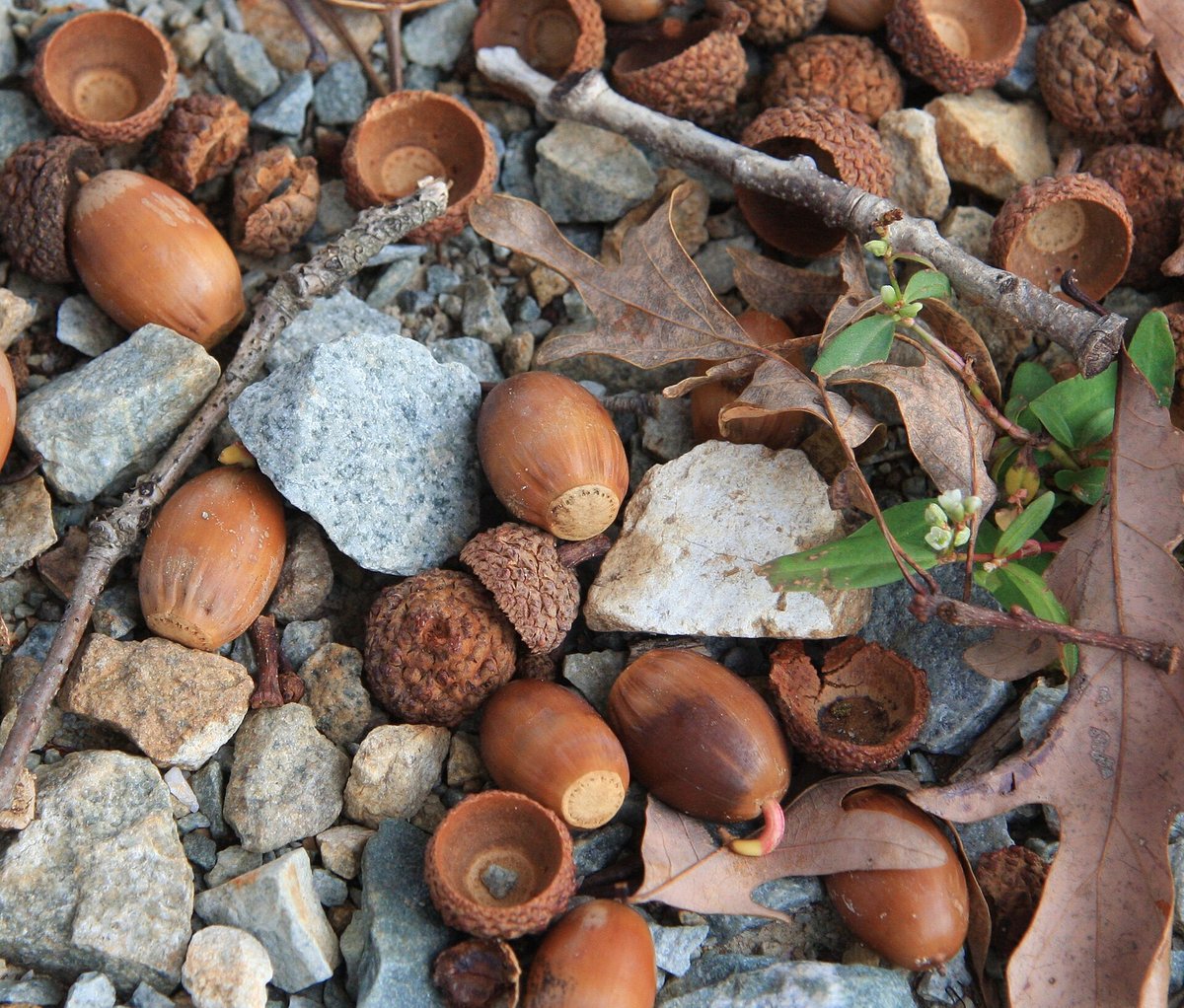
Acorn coffee is made from oak nuts that have been shelled, soaked to wash out their bitter tannins, dried, roasted dark and ground. It has no caffeine and tastes nutty, toasty and mild, less bitter than coffee and lighter in body. It is one of the oldest coffee substitutes in Europe, where it was drunk in Poland and elsewhere in Eastern Europe until the mid-twentieth century and is being revived; it was tried, and mostly despised, in the Confederate South; and, unlike dandelion root, it can be gathered legally on Michigan’s state land, which allows picking nuts for personal use.
What separates acorn coffee from every other substitute on this site is the leaching. A raw acorn is too astringent to eat and, in quantity, mildly toxic; the tannin has to come out first. Native Californians built the craft of leaching acorns into a staple food over thousands of years, and the same principle, soaking chopped nutmeat in changes of water until it stops tasting bitter, is what makes a drinkable cup.
The wider family of substitutes is on Postum and Coffee Substitutes; the other one you can dig at home is Dandelion Root Coffee.
The short version
| Question | Answer |
|---|---|
| What is it? | Shelled, leached, roasted and ground acorns, brewed like coffee. No caffeine. |
| Which acorns? | White oak group (white, bur, swamp white oak) are milder and easier. Red oak group (red, black, pin oak) are more bitter and need more leaching. All can be used once leached. |
| When? | September and October, as they fall. White oak acorns sprout within weeks, so process them promptly. White oak gives good crops only every 4 to 10 years. |
| Where, in Michigan? | Your own land; private land with permission; and state land for personal use, which the DNR rules allow for nuts. Not for resale. |
| Why leach? | Tannins make raw acorns astringent and bitter, and in large amounts are toxic: livestock that eat mostly oak can be poisoned. Leaching removes them. |
| How? | Chop the nutmeat and boil it in changes of water (3–4 changes, under an hour), or soak it cold for days, until it tastes nutty, not bitter. |
| Roast? | Dry, then roast at about 400 °F for 30–45 minutes until deep brown. |
| Brew? | Sources range from 1 tablespoon to 3–4 tablespoons a cup; acorn is weaker than coffee, so start at 2. Simmer or press. |
| Is it safe? | Leached acorns are a traditional food in California, Korea and Europe; no case of harm from properly leached acorns has been published. Throw out mouldy or wormy nuts. |
| Does it taste like coffee? | Like toasted nuts and roast. “The acorn need only be tried once to be discarded”, said one Confederate Georgian. Others like it. |
Michigan’s oaks
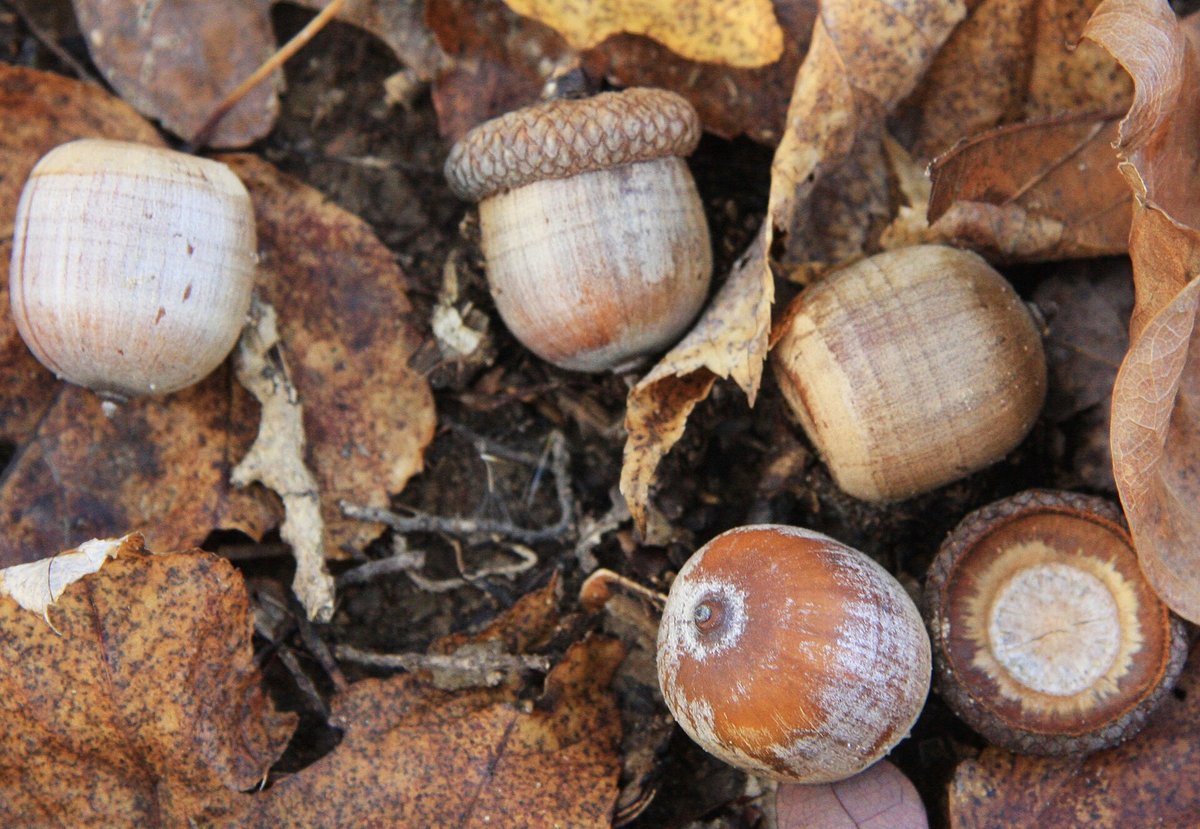
Michigan’s oaks fall into two groups that behave differently in the kitchen:
| White oak group | Red oak group | |
|---|---|---|
| Michigan species | White oak, bur oak, swamp white oak | Northern red oak, black oak, pin oak |
| Leaves | Rounded lobes, no bristle tips | Pointed lobes with bristle tips |
| Acorns ripen | In one season | Over two seasons |
| Taste | Milder; less bitter | More bitter |
| Germinate | Soon after falling, in autumn | The next spring |
White oak’s range reaches “central Michigan”, and its acorns are ripe “when acorns change color from green to light brown”; they “germinate almost immediately after falling to the ground in September or October” (USDA Forest Service, Silvics of North America: white oak). That is the practical point: a white oak acorn left in a bag for a fortnight puts out a root and starts using up its own starch. Shell and dry them within days.
How bitter is each? Less clear-cut than the rule of thumb. An overview of North American oaks gives red oaks an average of 9.8% tannin and white oaks 7.0%; a Polish study of acorns grown there found red oak slightly lower in tannin (2.97% of dry weight) than the European white oaks (about 3.4%), but much higher in other bitter phenolic compounds, and the researchers had expected it to be the most bitter (Łuczaj, Adamczak and Duda, Dendrobiology, 2014). The figures depend on how tannin is measured. In practice red-oak acorns taste more bitter and need more changes of water; the leaching step deals with either.
Gathering and sorting
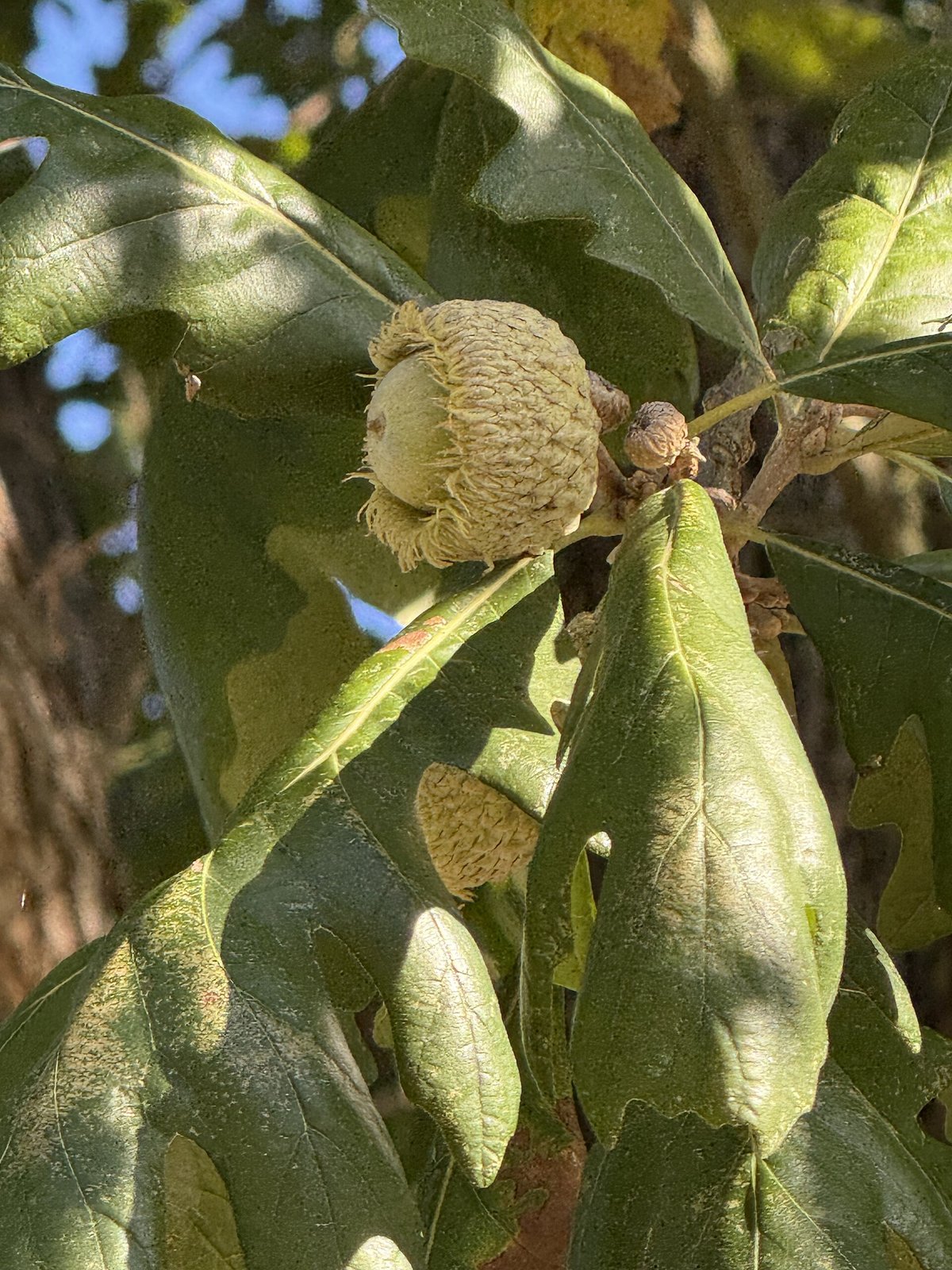
Crops vary enormously. For white oak, “good acorn crops are irregular and occur only every 4 to 10 years. Sometimes several years may pass without a crop”, and in a big year the ground is covered (USDA Silvics). In a heavy “mast” year, gather plenty and dry them; in a light one there may be few worth taking.
Weevils. Acorn weevils (Curculio and Conotrachelus) lay eggs in developing acorns, and their larvae eat the nutmeat; “in some cases affecting half the total acorn crop”, and light crops are worse hit than heavy ones (USDA Silvics). A small round exit hole in the shell means a larva has left; a soft or light acorn may have one inside.
The float test. Put the acorns in a bucket of water; discard the ones that float, which are usually hollow, wormy or dried out (Mother Earth News). Then crack and look: throw out any nutmeat that is black, mouldy, or full of tunnels.
Michigan law. Michigan’s land-use rules forbid removing vegetation from state land, but make an exception for “picking and removing mushrooms, berries, and edible fruits or nuts for personal use” (Mich. Admin. Code R 299.922(h)); the DNR’s foraging guidance names nuts among the foods that may be gathered on public land, for personal use and not for resale (Michigan DNR). Acorns qualify. Leave plenty: “More than 180 different kinds of birds and mammals use oak acorns as food” (USDA Silvics).
Leaching: taking the tannin out
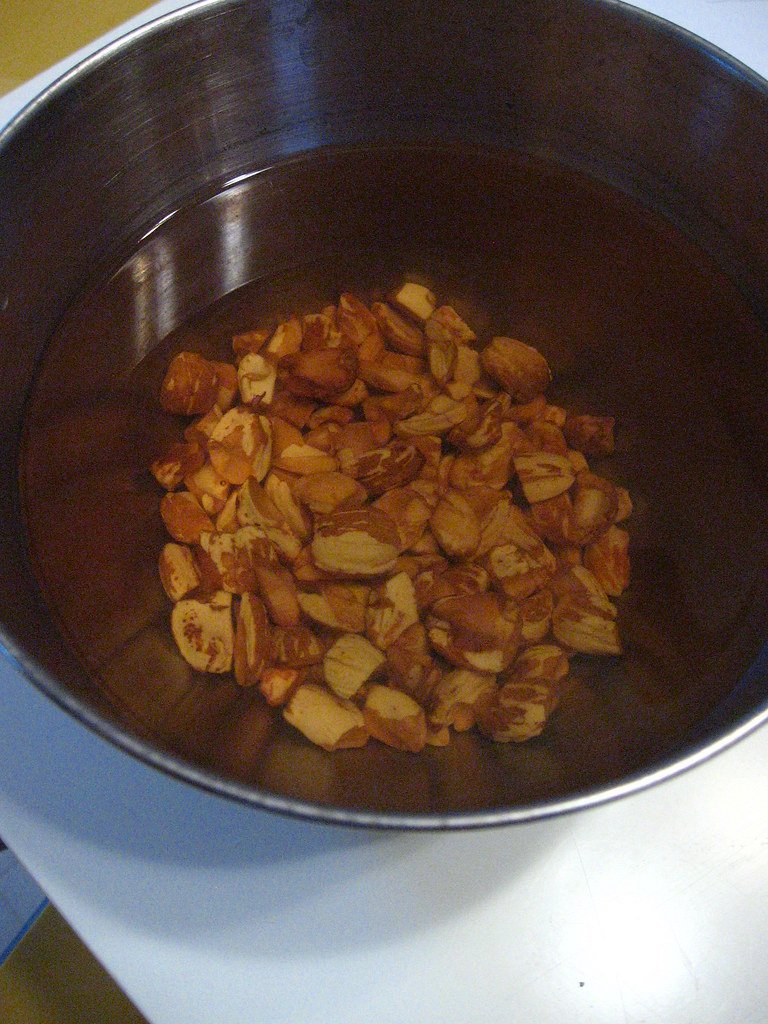
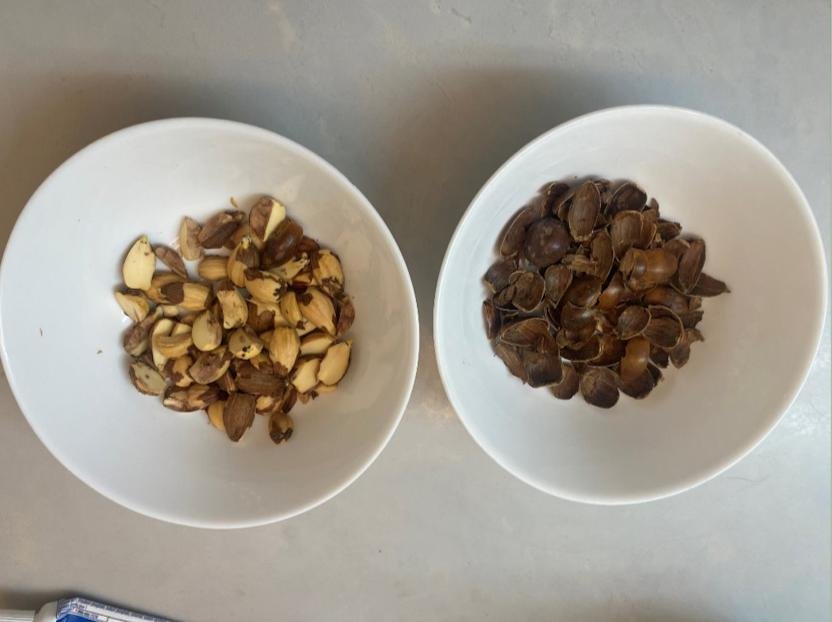
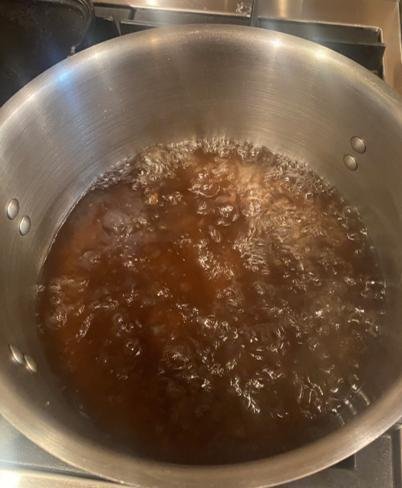
Tannins dissolve in water. Chop the shelled nutmeat into small pieces (more surface, faster leaching), cover with water, and replace the water each time it turns tea-brown, until a piece tastes nutty, not bitter or mouth-puckering. There are two ways:
| Hot leaching | Cold leaching | |
|---|---|---|
| How | Boil chopped nutmeat in water; drain and repeat with fresh boiling water | Soak chopped or ground nutmeat in cold water; change it once or twice a day; or put it in a cloth bag in running water |
| How long | Three or four changes, under an hour, more for bitter acorns | Several days |
| Effect | Cooks the starch | Keeps the starch raw, which matters for flour that has to bind |
| For coffee | Best: fast, and cooked starch does not matter for roasting | Works, slowly |
(Wikipedia; Mother Earth News; a Michigan forager, writing in Michigan Blue, hot-leaches chopped nutmeat in five times its volume of water, changing it until it tastes “palatable and nutty, not bitter”.)
How many changes depends on the tree: black oak “4–5 changes” for flour, some western acorns “20 or 30” (Mother Earth News). Taste is the test.
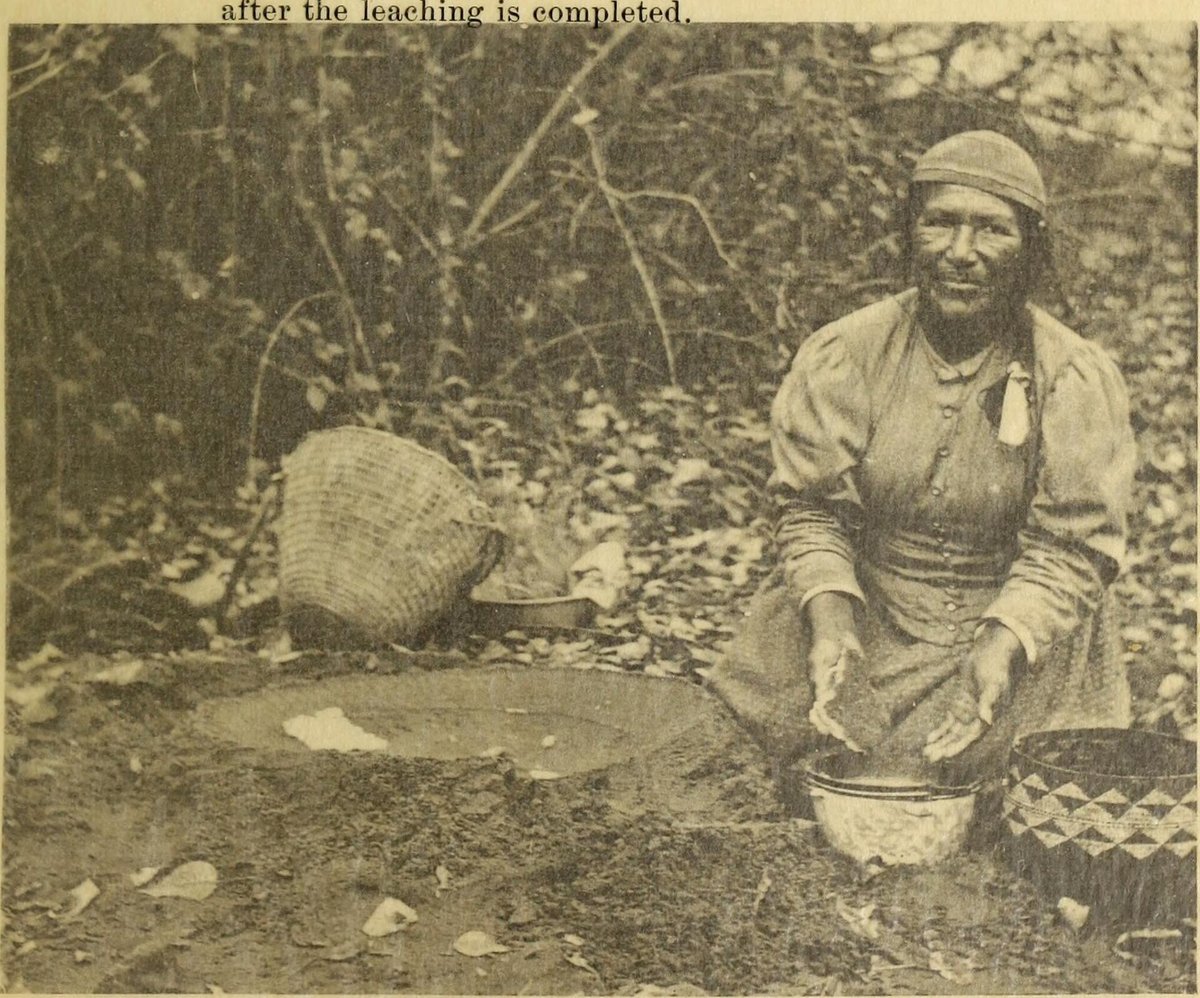
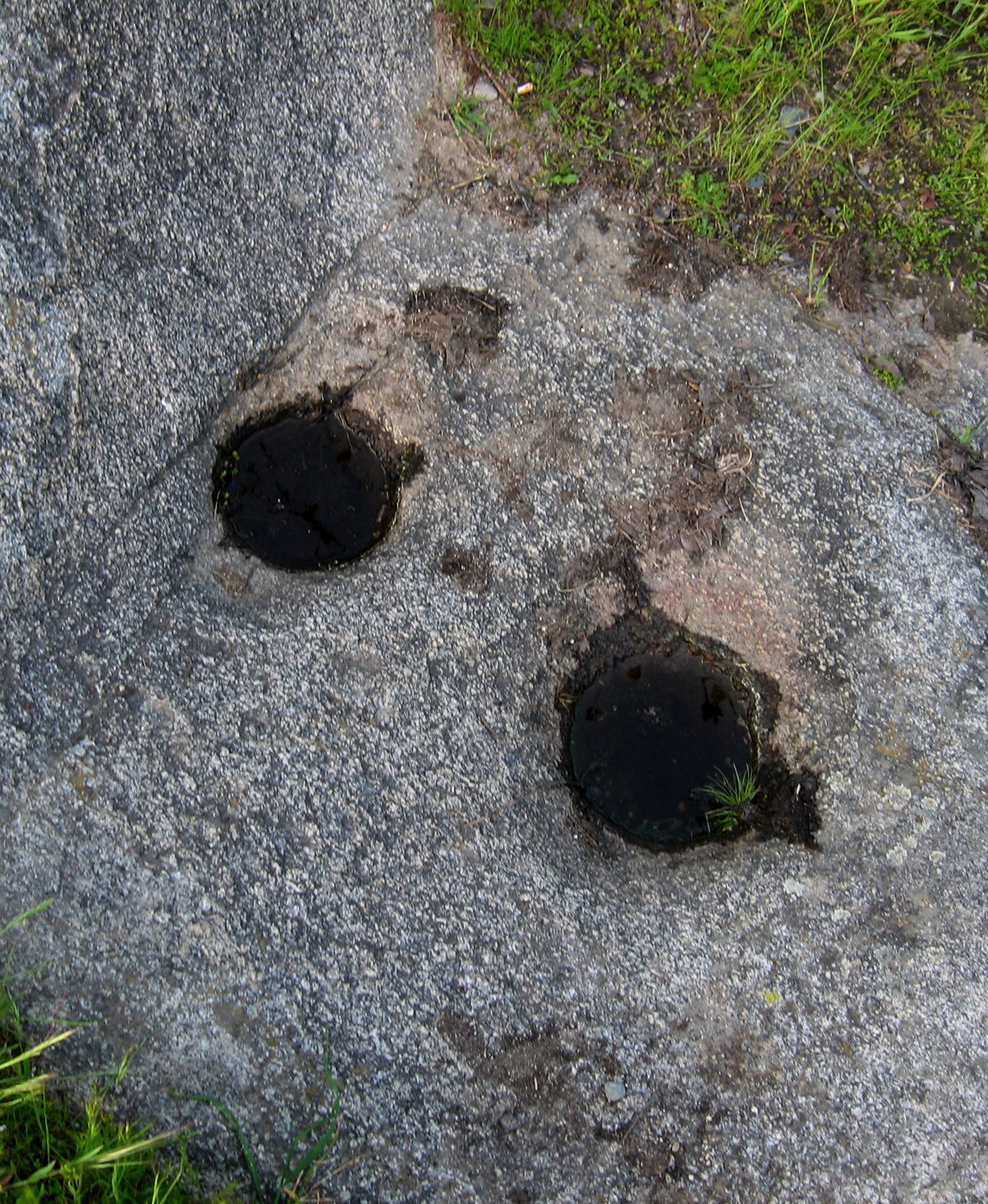
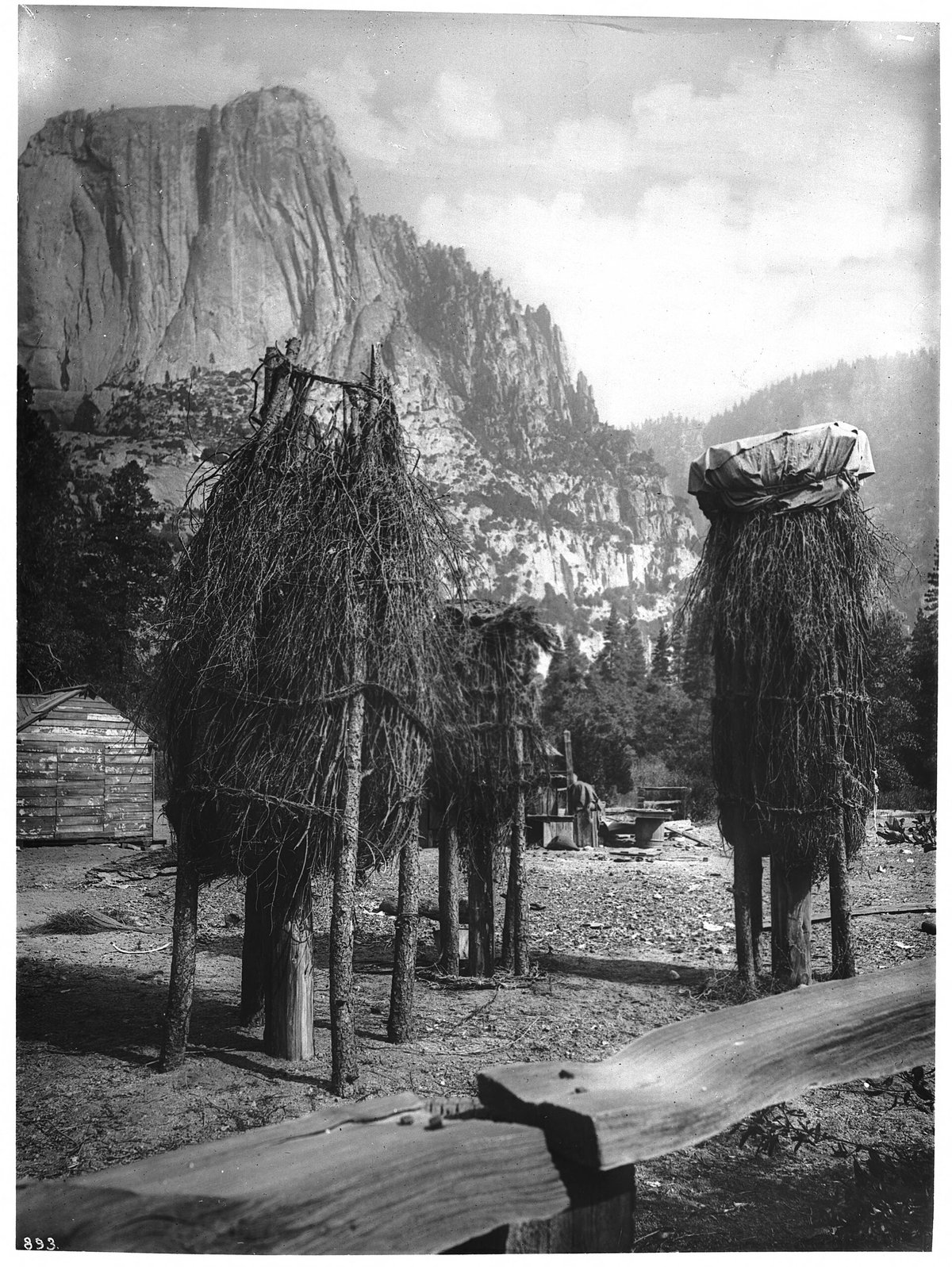
The California way. The Miwok of central California, for whom acorns were the staple food, ground the nutmeat into meal, spread it in a shallow basin of sand “three or four feet in diameter”, and poured water through it until the bitterness was gone, then cooked the meal into mush and bread (Barrett and Gifford, Miwok Material Culture, 1933). Bedrock mortars, worn hollows in granite where acorns were pounded, are still found across the state.
Roasting and brewing
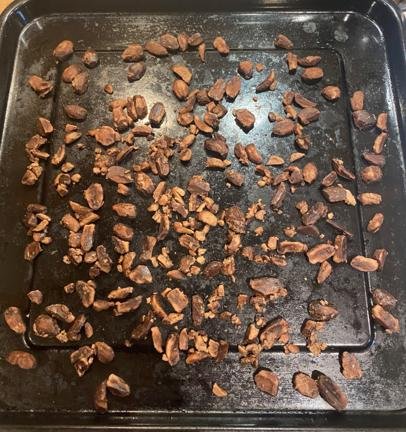
- Dry the leached nutmeat: spread on a tray and dry in a low oven (about 200 °F) for a few hours, or a dehydrator, until hard.
- Roast at about 400 °F for 30 to 45 minutes, stirring, until deep chocolate brown right through and the pieces snap cleanly (Practical Self Reliance); some foragers roast lower, at 350 °F. Stop before black.
- Grind like coffee, medium-coarse.
- Brew in a French press, a drip machine or a pan. Practical Self Reliance uses 3 to 4 tablespoons a cup; others use less. Acorn is weaker than coffee, so start at 2 tablespoons per cup and adjust.
The result is lighter than coffee and less acidic. Milk and a little honey suit it; so does half acorn and half real coffee. Recipe: Acorn Coffee.
Dried acorns keep. Leached and dried (before roasting), the nutmeat keeps in a sealed jar; roast in small batches as needed, as with any coffee.
Is it safe?
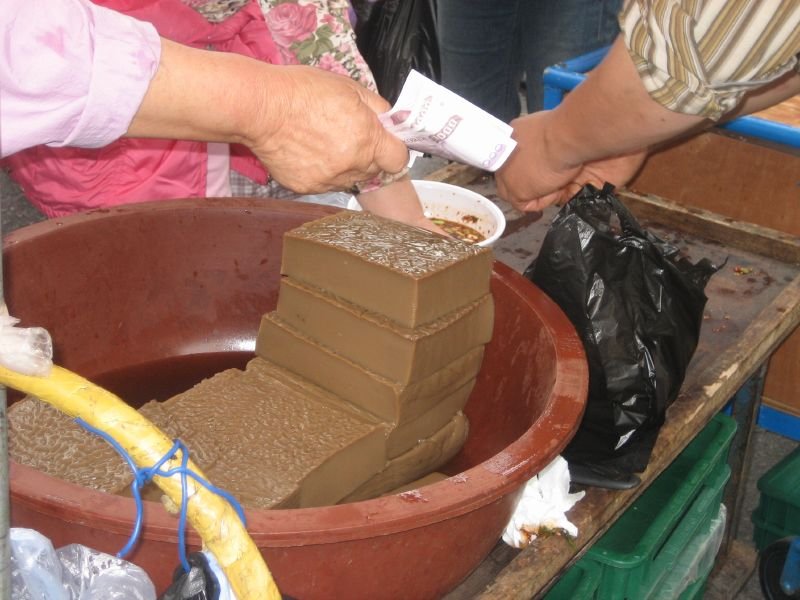
Tannins are the hazard. Livestock can be poisoned by oak: “Animals must eat ≥ 75% of their diet from oaks to become intoxicated”, cattle and sheep most often, and the damage is to the gut and kidneys (Merck Veterinary Manual). Unleached acorns are too astringent for a person to eat many, and tannins in large quantities are toxic to people too (Łuczaj 2014). No case of serious harm to a person from properly leached acorns has been published. Leached acorns are an everyday food in Korea (dotorimuk, below) and were the staple of Native California.
Mould. Throw out any acorn that is mouldy, black inside or soft. There is no published safe level of mould toxins in acorns for people, so there is no safe amount to take a chance on.
Allergy. Acorns are tree nuts; anyone with a tree-nut allergy should ask a doctor first.
History
Europe. “In Poland and other Eastern European countries, acorns were commonly used to make a coffee substitute until the mid-20th century, and this tradition is reviving now” (Łuczaj 2014). Germany’s word for it is Eichelkaffee. Lithuania still sells it: gilių kava (a tin is pictured on Postum and Coffee Substitutes). In Poland it is kawa żołędziowa.
The Confederate South. When the Union blockade drove Confederate coffee from $1.20 a pound in March 1861 to an average of $196 a pound in February 1865, acorns were among the dozens of things people roasted instead. Not everyone was won over: a Georgia source wrote that “The acorn need only be tried once to be discarded” (American Battlefield Trust).
America today. Acorn coffee in America is mostly a forager’s drink.

Buying it
Little acorn coffee is sold in the United States. Lithuanian gilių kava and Polish kawa żołędziowa turn up in Eastern European delis and online; German Eichelkaffee is sold in health-food shops in Germany. Check the label: some commercial blends add chicory, rye or barley; the rye and barley contain gluten.
What is not known
- A tested roasting method. Temperatures and strengths come from foragers, not a food laboratory.
- Mould toxins in stored acorns: no safe level for people has been set.
- How much tannin Michigan’s own acorns carry: the published figures are from other places and other methods.
Sources
- USDA Forest Service, Silvics of North America: Quercus alba (Virginia Tech mirror).
- Łuczaj, Adamczak and Duda, Tannin content in acorns (Quercus spp.) from Poland, Dendrobiology 72 (2014).
- Merck Veterinary Manual, Oak toxicosis in animals.
- Michigan Administrative Code, R 299.922; Michigan DNR, Foraging.
- Michigan Blue, Acorns aren’t just for squirrels (2018).
- Mother Earth News, How to make acorn flour (2015).
- Practical Self Reliance, Acorn coffee.
- Wikipedia, Acorn.
- S. A. Barrett and E. W. Gifford, Miwok Material Culture: oaks and acorns (1933).
- American Battlefield Trust, Coffee on the home front during the Civil War.
Comments (0)