The History of Coffee
Coffee is one of the most widely traded agricultural products on earth, and nobody actually needs it. You can’t live on it. It has almost no calories. And yet a plant that grew wild in the highlands of one African country ended up reorganizing global trade, financing empires, and getting itself banned by more than one ruler who correctly sensed it was dangerous. I’ve had coffee everywhere I’ve traveled — every state and more than thirty countries — and the ritual is always local while the drink is always the same drink. That’s a remarkable thing for a seed to accomplish. Here’s how it happened, with the legends labeled as legends, because coffee history is about half folklore and the good parts are true anyway.
Ethiopia, and the goats that probably didn’t dance
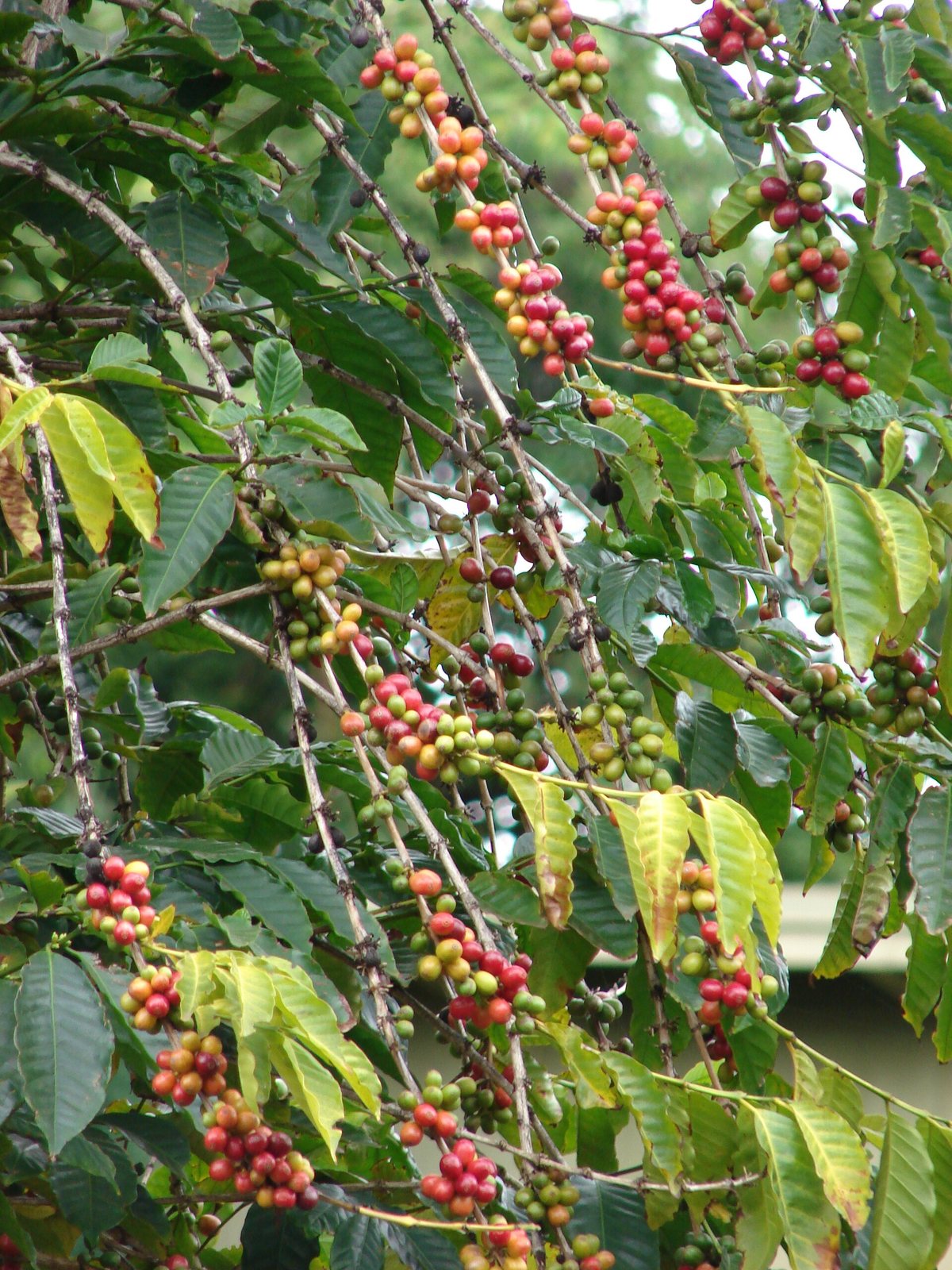
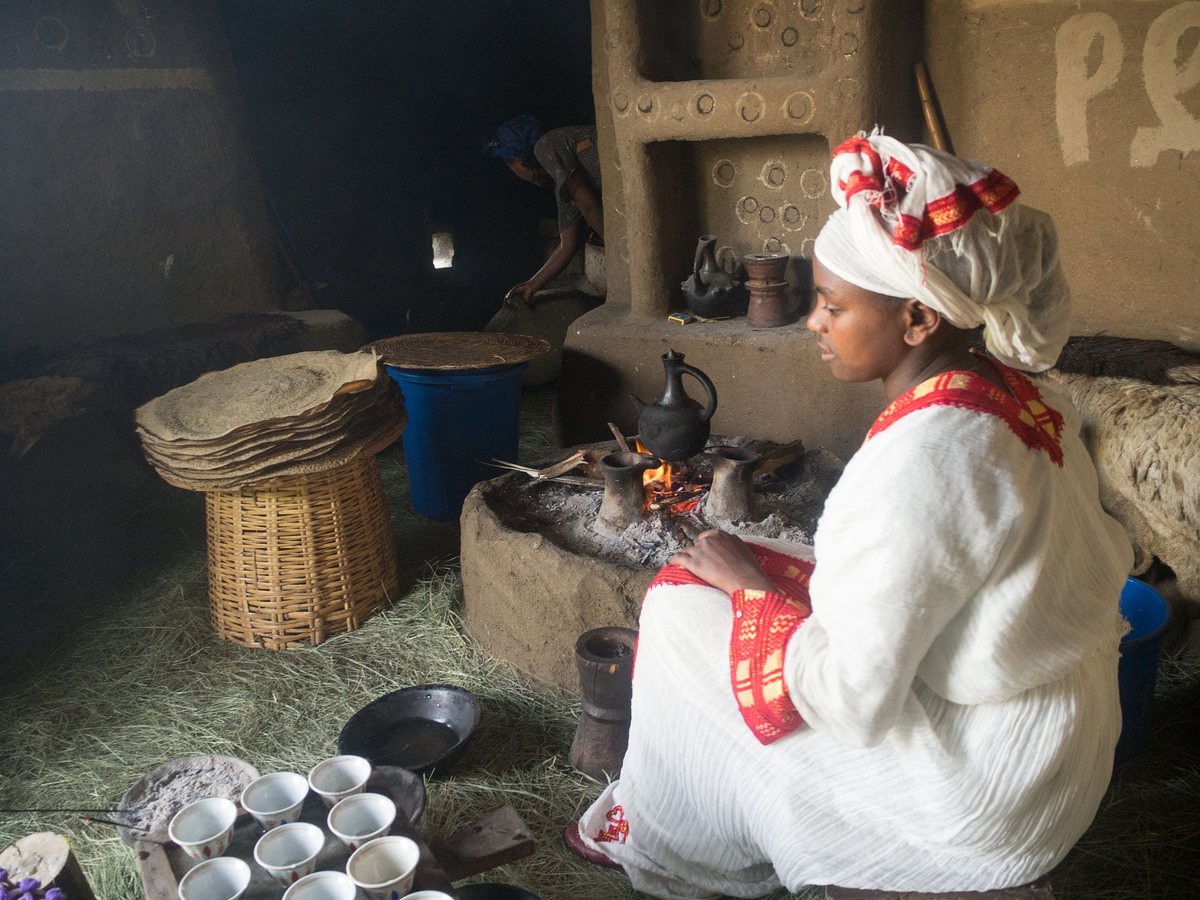
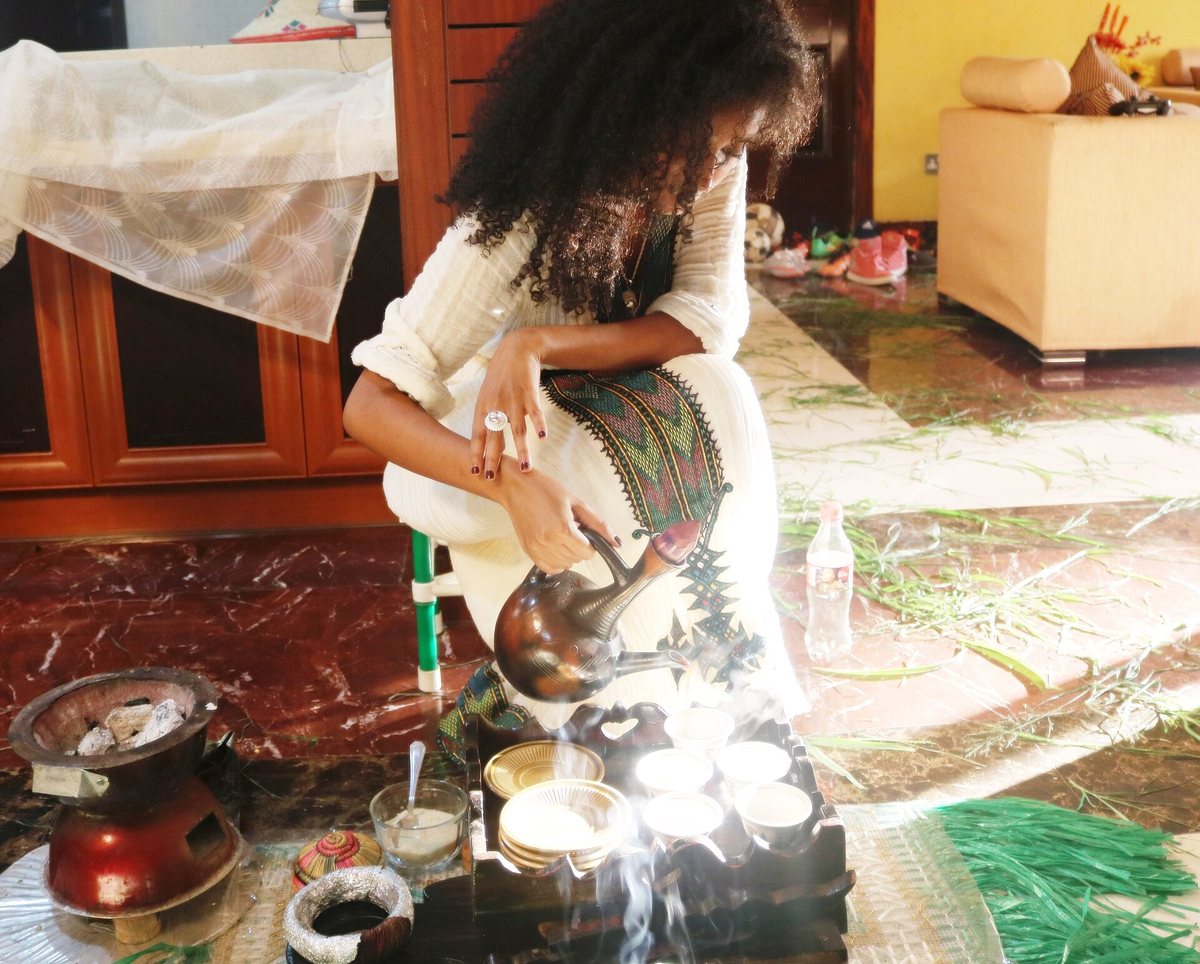
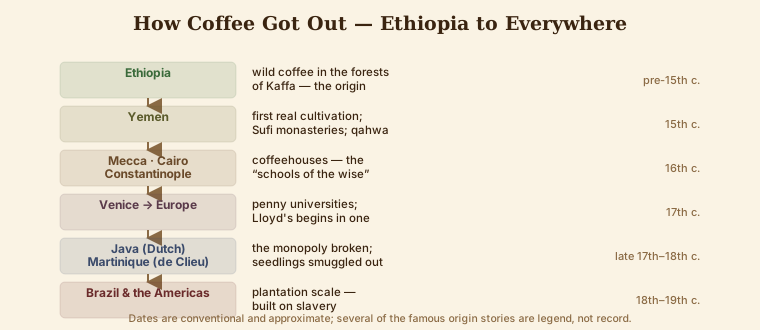
Coffee is native to Ethiopia. That part isn’t in dispute — Coffea arabica grows wild in the forests of the southwestern highlands, in the region that gives us the name Kaffa, and the genetic evidence puts the plant’s home squarely there. Ethiopians were using it long before anyone wrote it down: chewing the cherries, pounding the beans with fat into a portable energy ball, brewing the leaves and the husks. The Ethiopian coffee ceremony — green beans roasted in a pan over coals in front of you, ground, brewed in a clay jebena, poured in three rounds — is the oldest living coffee ritual there is, and the best argument I know that coffee is a social technology first.
Now, the goats. The usual story goes that a goatherd named Kaldi noticed his flock capering around after eating red berries off a shrub, tried them himself, and brought them to a monastery, where a disapproving monk threw them in the fire — at which point the smell of roasting coffee filled the room and everyone changed their minds.
It’s a wonderful story and there is no good evidence for it. It doesn’t surface in writing until roughly a thousand years after it supposedly happened, in a 17th-century European account, and it has the shape of a folk tale rather than a record. Treat Kaldi as legend. What’s true underneath is duller and more interesting: people in the Horn of Africa figured out what this plant did so long ago that nobody wrote down who was first.
Yemen: where coffee became a drink
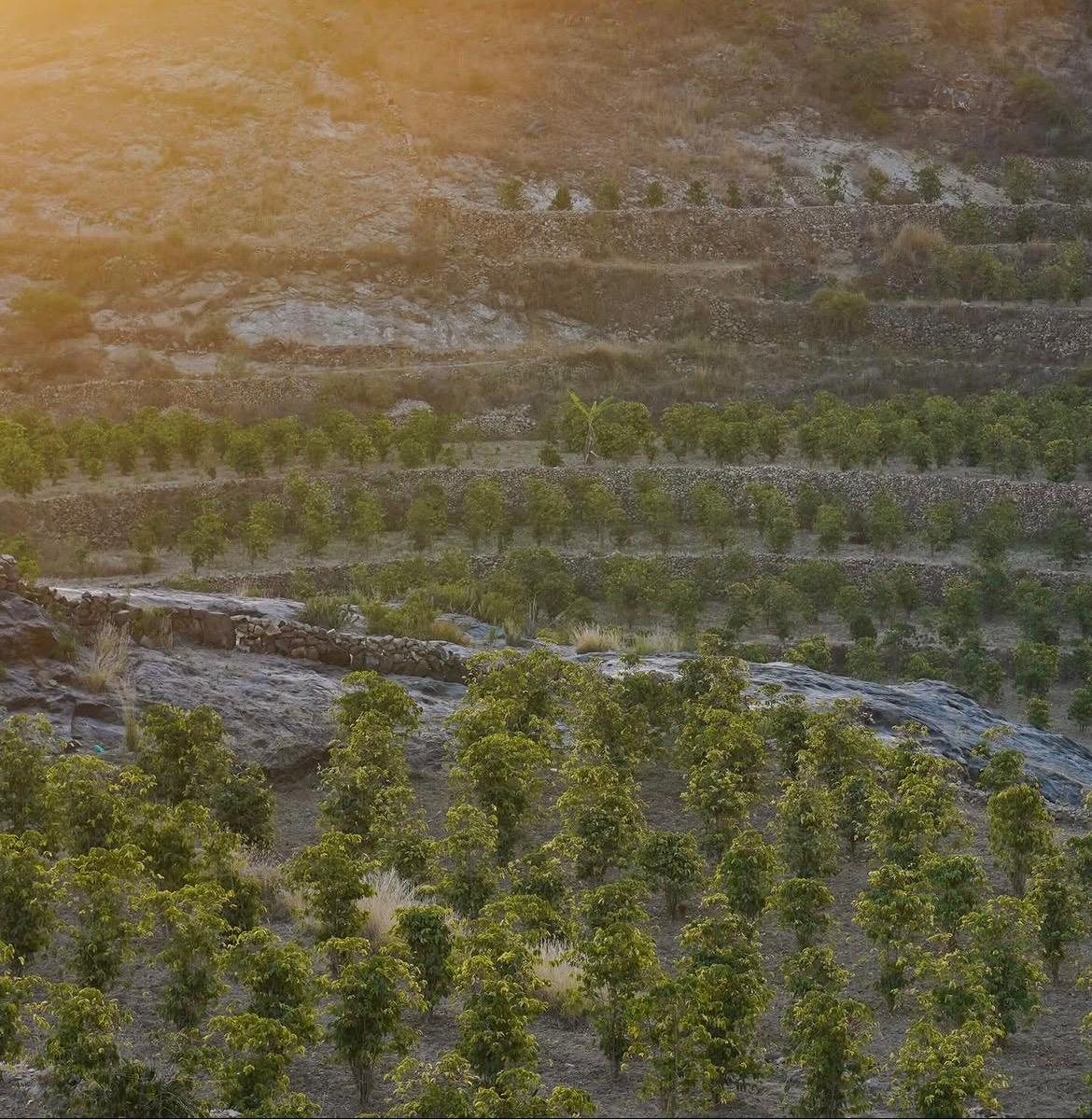
Coffee as we drink it — roasted, ground, brewed hot, drunk on purpose — was made in Yemen. This is the pivot the goat story obscures. Sometime by the 15th century, and probably earlier, coffee crossed the Red Sea and Yemenis began deliberately cultivating it on terraced mountainsides: the first real coffee agriculture on the planet.
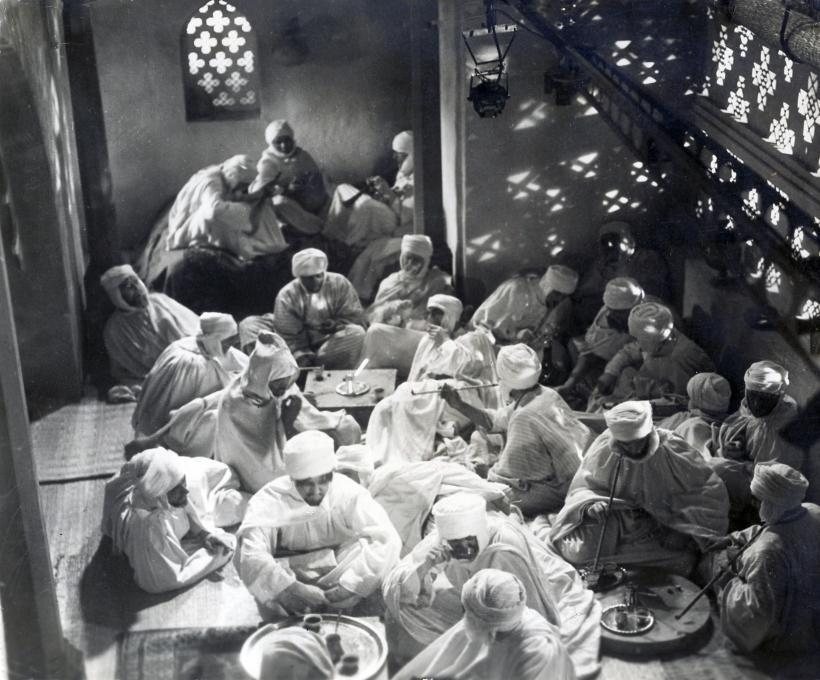
And the people who drove it were Sufi mystics. The Sufi orders of Yemen used coffee to stay awake through long night devotions — the dhikr, the remembrance ceremonies that ran until dawn. A drink that let you pray all night without falling asleep wasn’t a luxury; it was a tool. The earliest reliable written accounts of coffee drinking come from exactly this world, and they’re matter-of-fact about it: this is what the sheikhs drink to keep vigil.
The word tells the story too. Arabic qahwa originally referred to wine — or at least to something that dulls appetite and takes hold of you. It got transferred to this new dark brew, went into Turkish as kahve, into Italian as caffè, and into English as coffee. Every time you order one you’re speaking a little Arabic through two intermediaries.
Mocha, the port — and why your mocha has chocolate in it
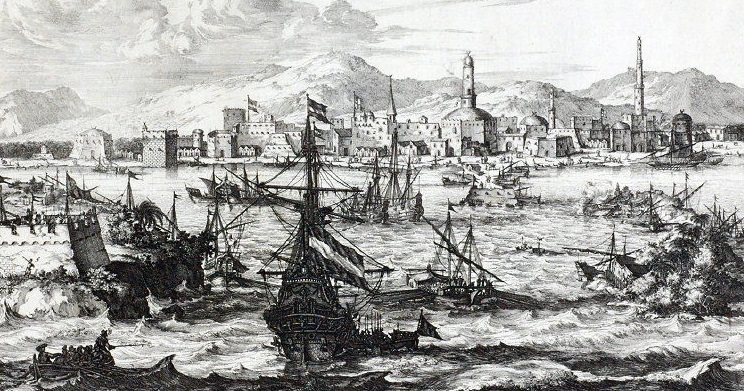
For a long stretch, essentially all the world’s coffee left through one Yemeni harbor on the Red Sea: Mokha (Mocha, al-Makha). Yemen guarded the trade hard. The standard telling is that authorities required beans to be boiled or partly roasted before export, so no viable seed could leave — a deliberate monopoly on a living asset. Whether it was enforced that neatly or not, the effect was real: for the better part of two centuries, if you drank coffee, it came from Yemen.
So how did “mocha” come to mean chocolate and coffee? Because Yemeni coffee genuinely tastes that way. The beans shipped out of Mocha carry a deep, winey, cocoa-ish note — anyone who’s had a good natural-processed Yemeni or its Ethiopian cousins knows it. Europeans associated the name with that chocolate character, and the shorthand slid: mocha stopped meaning coffee from that port and came to mean coffee that tastes like chocolate, then simply coffee with chocolate in it. A mocha on a café board today is a place name that forgot it was a place. Coffee and chocolate have kept company ever since — that’s the whole premise of a café mocha rub for beef, one of my favorite proofs that coffee is a savory ingredient wearing a dessert costume.
The coffeehouse: schools of the wise
Coffee moved north into the Ottoman world, and the moment it hit Mecca, Cairo, Damascus, and finally Constantinople in the 16th century, something new appeared alongside it: a public room where men who weren’t related and didn’t work together sat down, drank something non-alcoholic, and talked. The Ottomans called coffeehouses schools of the wise — mekteb-i irfan — partly a compliment, partly a warning.
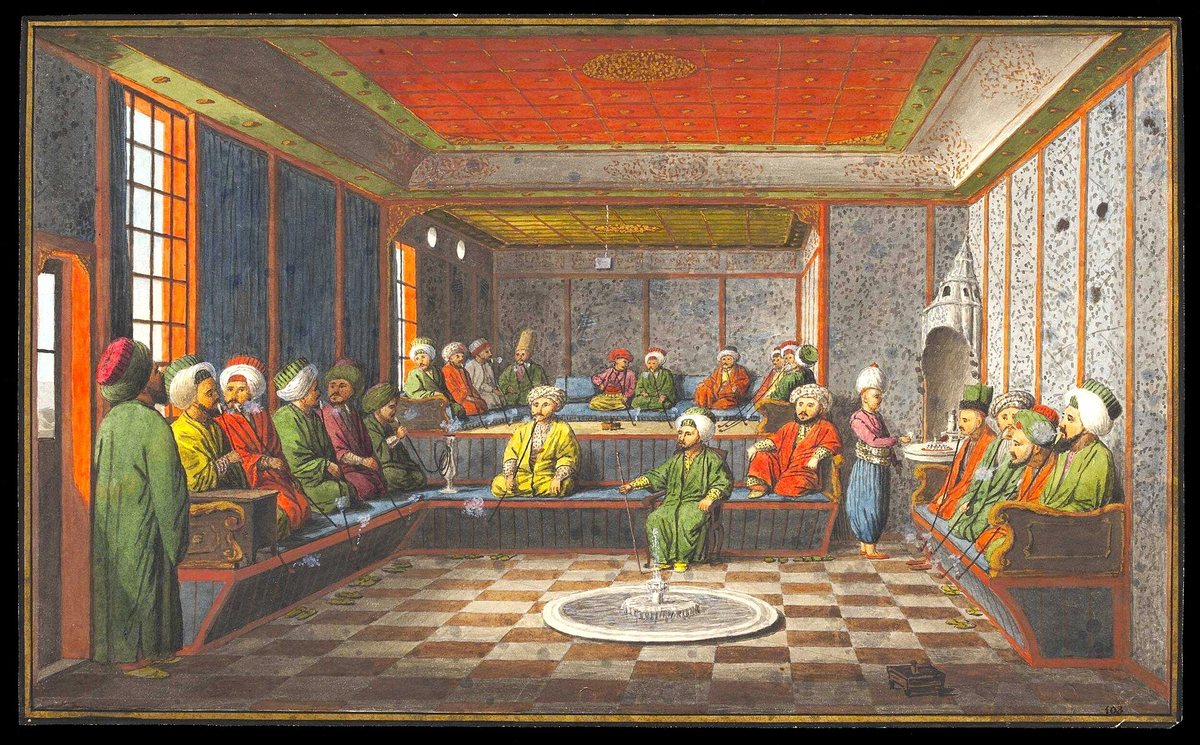
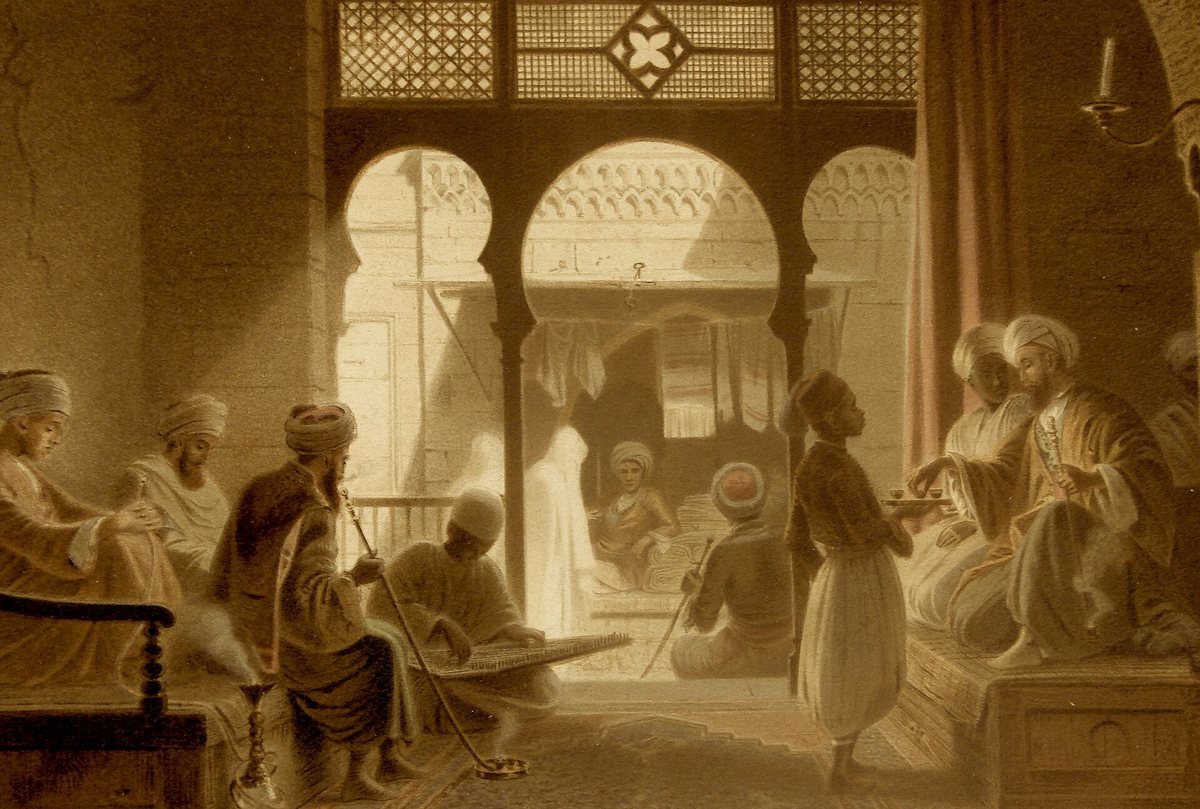
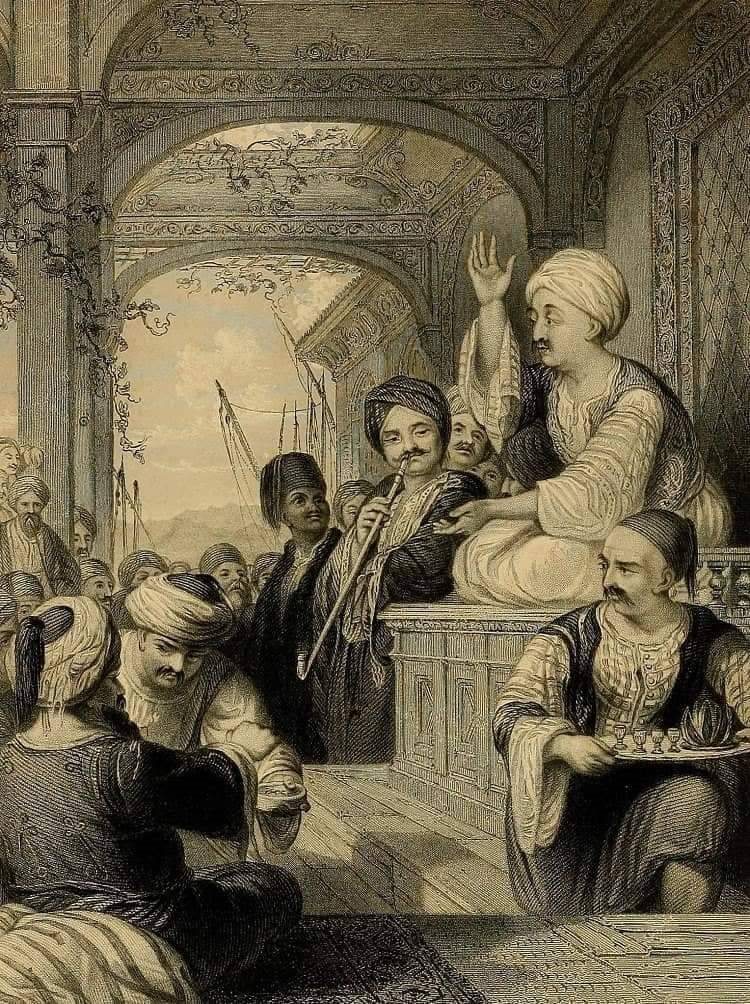
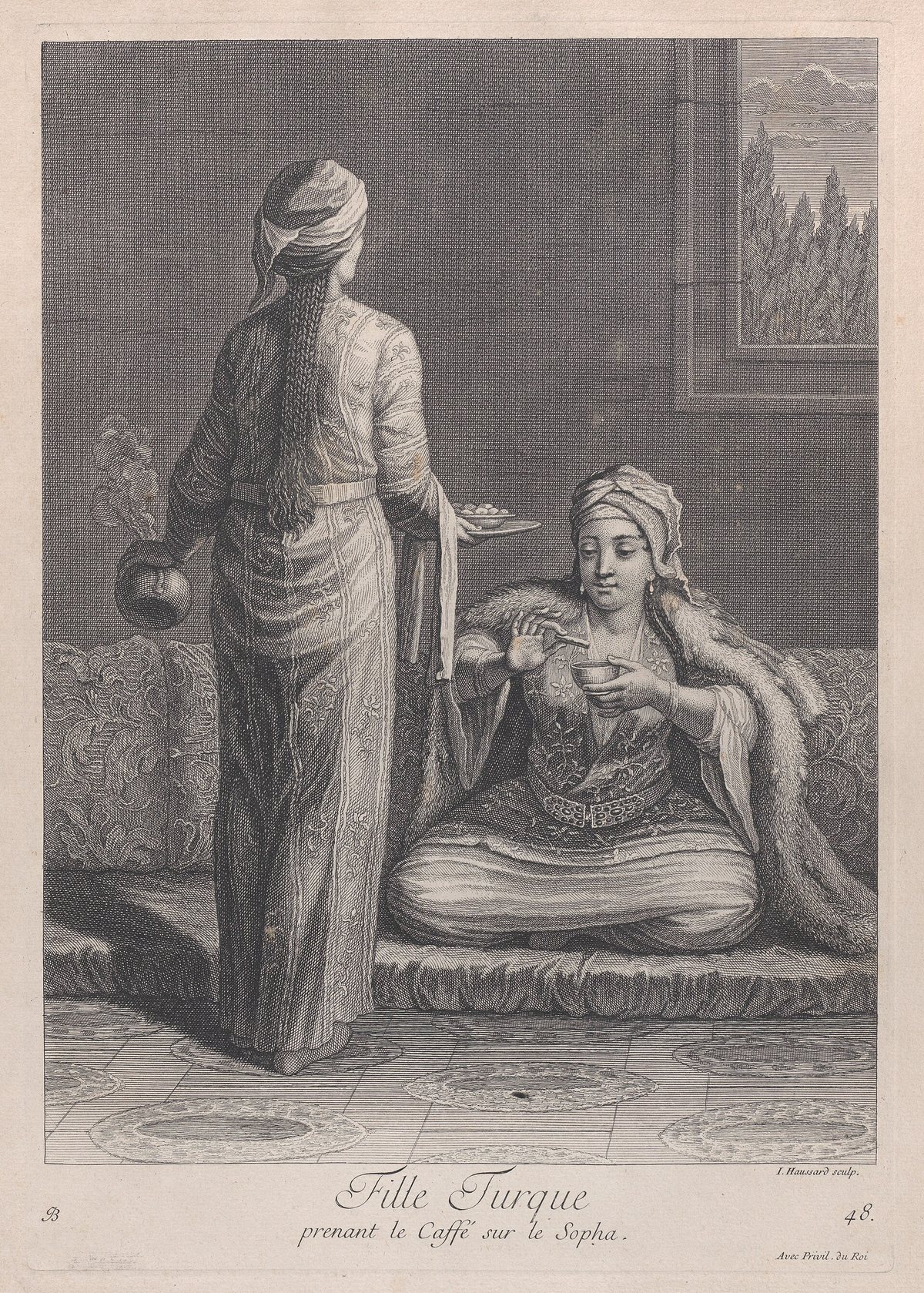
Because rulers noticed. Gather people who are alert, sober, and unsupervised, and they discuss politics. Coffee was denounced, debated by jurists, and periodically banned — in Mecca in 1511 under the governor Khair Beg, and at various points in Ottoman Constantinople, sometimes with serious penalties. Every ban failed. That’s the most consistent finding in coffee’s entire history: you cannot ban coffee. Demand routes around the prohibition, the coffeehouse reopens, and the ruler eventually decides to tax it instead.
Europe, the penny universities, and a Pope who may not have said it
Coffee reached Europe through Venice — where else — in the early 1600s via the Ottoman trade, and by mid-century the coffeehouse had jumped continents: Oxford, London, Paris, Vienna, Amsterdam. London’s first opened in the 1650s and within a few decades the city had hundreds.
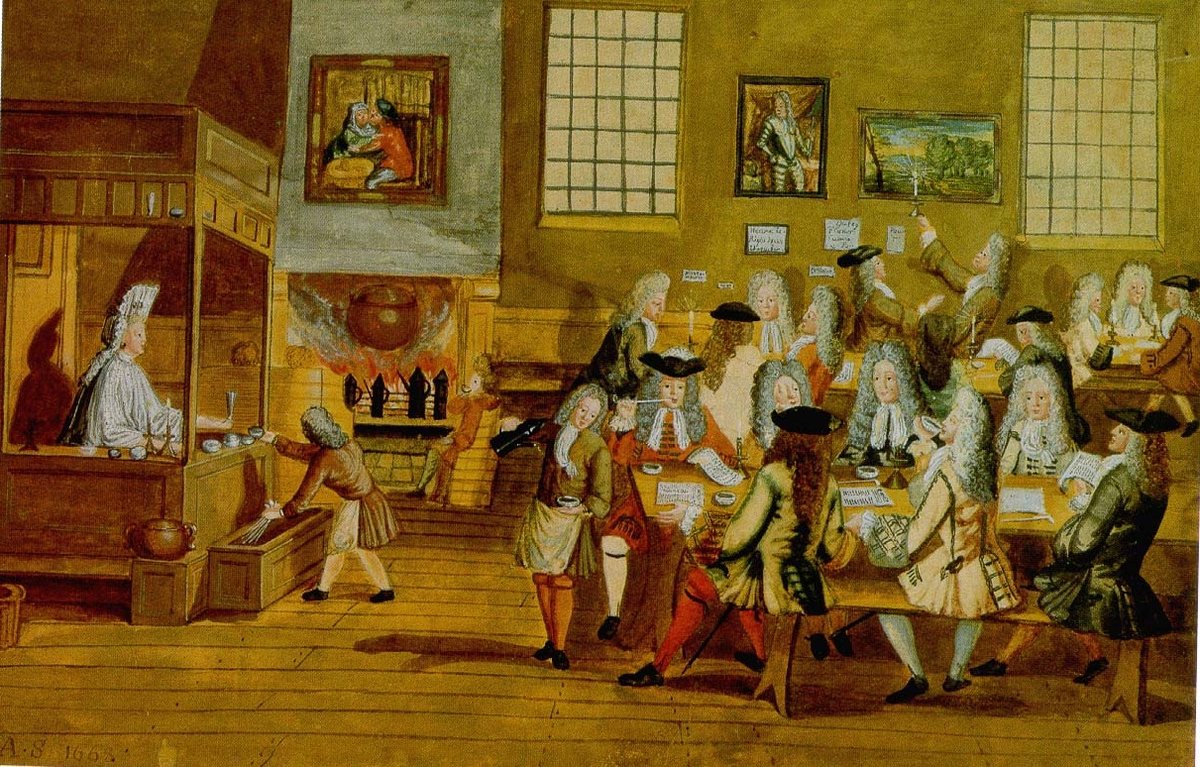
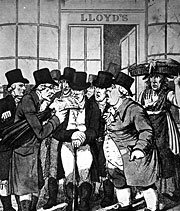
The English called them penny universities: pay a penny for a cup and sit for hours in a room full of merchants, scientists, writers, and cranks, reading the papers and arguing. Functionally the first public information network — and it built institutions. Lloyd’s of London, the insurance market, grew out of Edward Lloyd’s coffeehouse near the Thames, where shippers and underwriters gathered and Lloyd began compiling shipping news for his customers. A global insurance market that is still, in its bones, a list of who’s-sailing-where posted in a coffee shop. The London Stock Exchange has similar roots in Jonathan’s coffeehouse. Charles II tried to suppress the coffeehouses in 1675 as seedbeds of sedition and backed down almost at once. Again: you cannot ban coffee.
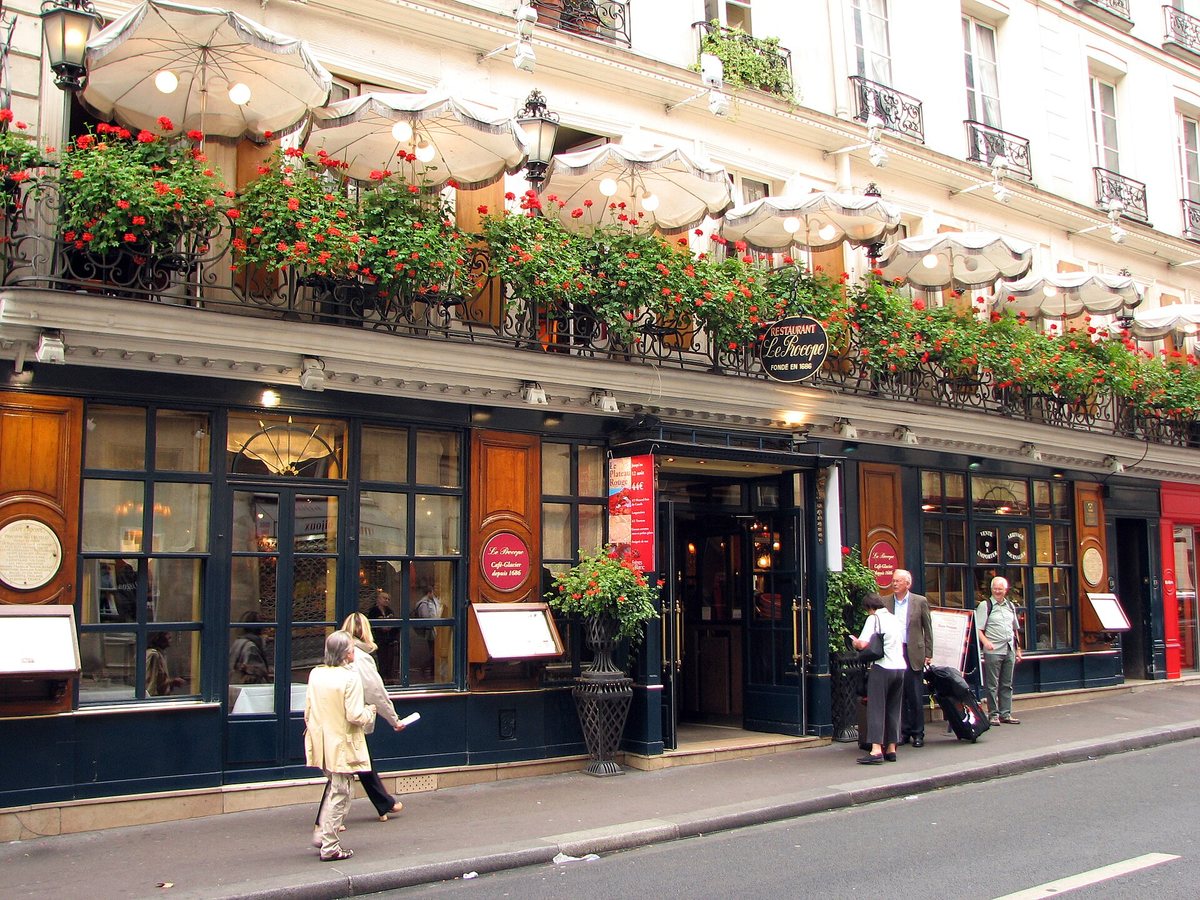
The resistance was cultural as well as political. Some European clergy were suspicious of the “Muslim drink,” and the popular story is that Pope Clement VIII, asked to condemn it around 1600, tasted a cup and declared it so delicious it would be a shame to let the infidels have it exclusively — so he baptized it, making coffee Christian. That one is almost certainly legend too: a great anecdote that appears late, with no contemporary record. Print it as folklore.
Breaking the monopoly
Yemen’s grip broke in the 17th and 18th centuries, and every version of how involves a bit of theft.
Baba Budan. The story goes that a 17th-century Sufi pilgrim from India, returning from Mecca, smuggled seven fertile coffee seeds out of Yemen strapped to his belly and planted them in the hills of Chikmagalur in Karnataka. Coffee genuinely does grow there, in hills that bear his name to this day. Whether the seven-seeds-on-the-belly detail is history or hagiography I can’t tell you — flag it as legend with a true outcome.
The Dutch at Java. This part is solid. The Dutch East India Company obtained live coffee plants around the end of the 1600s and established plantations on Java, then elsewhere in the Indies. Java became so synonymous with the drink that Americans still call coffee “java.” The Dutch also sent a plant to the botanical garden in Amsterdam, and a descendant of it to Louis XIV in Paris — a diplomatic gift that turned out to be the ancestor of an enormous share of the world’s coffee.
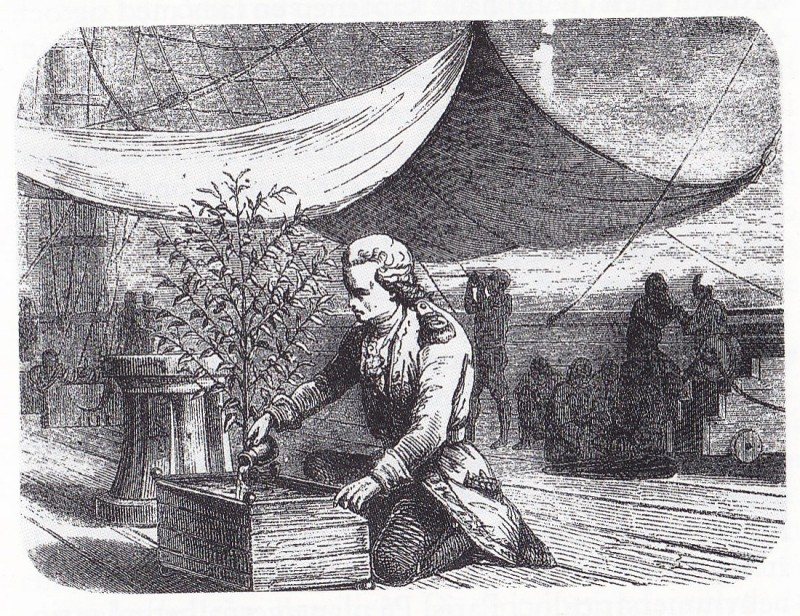
Gabriel de Clieu. A French naval officer who, around 1723, carried a seedling from that Paris stock across the Atlantic to Martinique. His own later account has him nursing it through a becalmed, water-rationed voyage by sharing his drinking water with the plant — a good story from an interested narrator, so hold the drama loosely. But the seedling arrived, it thrived, and plantings from the French Caribbean spread through the region. A staggering proportion of the Arabica grown in the Americas traces back to a founding population this small, which is exactly why the Americas’ coffee has such a narrow genetic base and such a leaf-rust problem — more on that over on the bean.
Brazil, and the part nobody should skip
Here’s where I refuse to be charming about it.
Coffee became a plantation crop, and the plantation system in the Americas ran on enslaved people. That is not a footnote to the history of coffee; it is the mechanism of it. The Caribbean coffee boom — Saint-Domingue in particular, producing a huge share of the world’s coffee by the late 1700s — was built on brutal, lethal slavery, and the Haitian Revolution that ended it also ended that coffee industry.
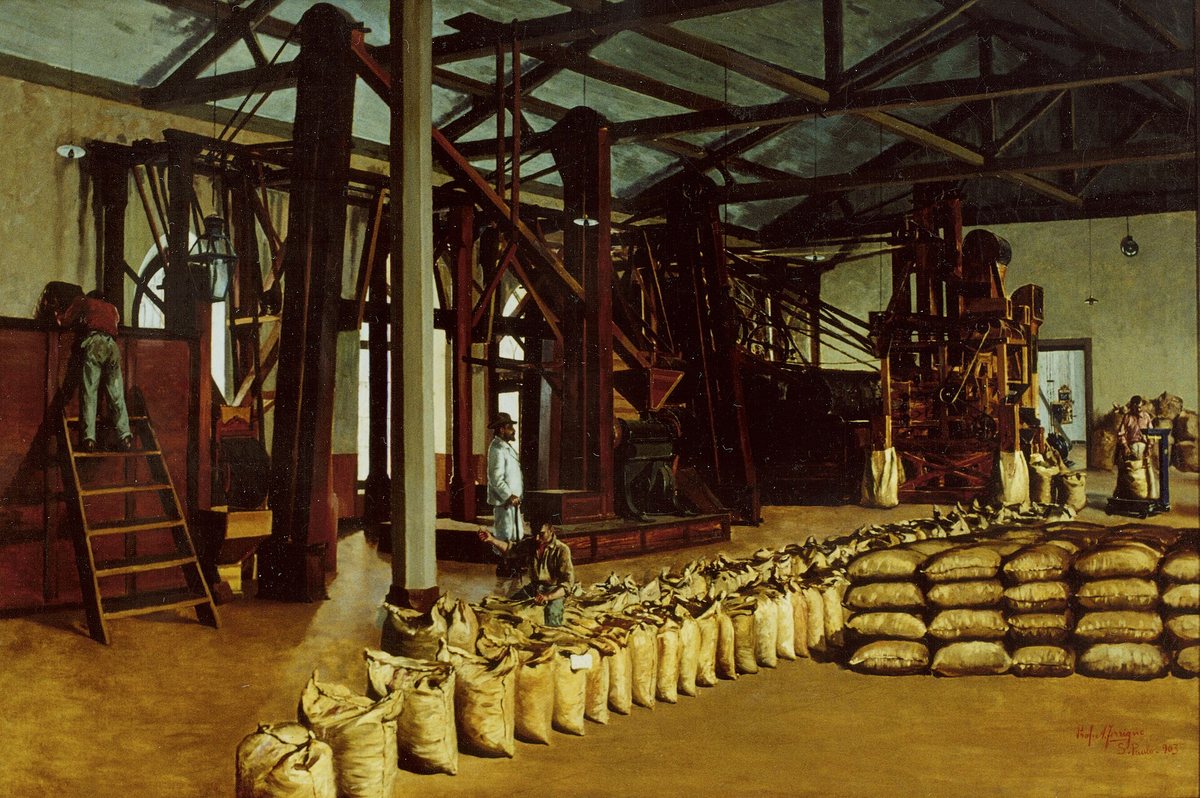
And then Brazil. Coffee arrived there in the 1720s (the story involves a Portuguese officer, a governor’s wife, and seeds hidden in a bouquet — legend, told with far too much wink), and through the 19th century Brazil became the dominant coffee producer on earth, a position it still holds. It got there on the labor of enslaved Africans, in enormous numbers, for decades. Brazil was the last country in the Western Hemisphere to abolish slavery, in 1888, and coffee money was a central reason the institution lasted as long as it did there. Cheap coffee for European and American breakfast tables was purchased with that.
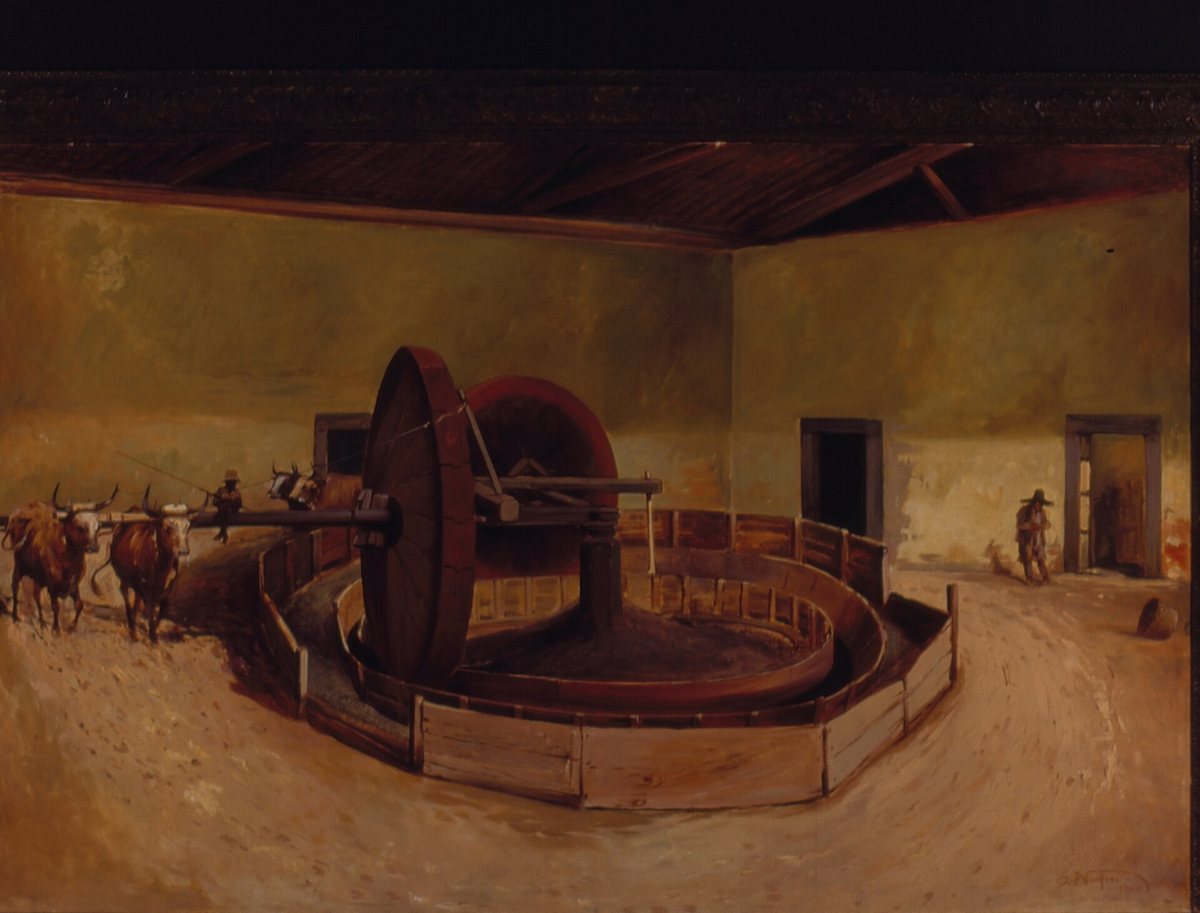
That’s the honest version. Coffee’s global spread is a story of a delicious thing moved around the world by empire, and the price was paid by people who never got a cup. It doesn’t make the drink bad. It does mean that when the modern specialty world talks about paying farmers properly and knowing whose farm your beans came from, that isn’t marketing garnish — it’s a very late correction to a very old ledger.
How America switched from tea
Americans drank tea, like the English, until politics intervened. The Boston Tea Party in 1773 and the boycotts around it made tea a statement of loyalty to the Crown, and coffee became the patriotic alternative.
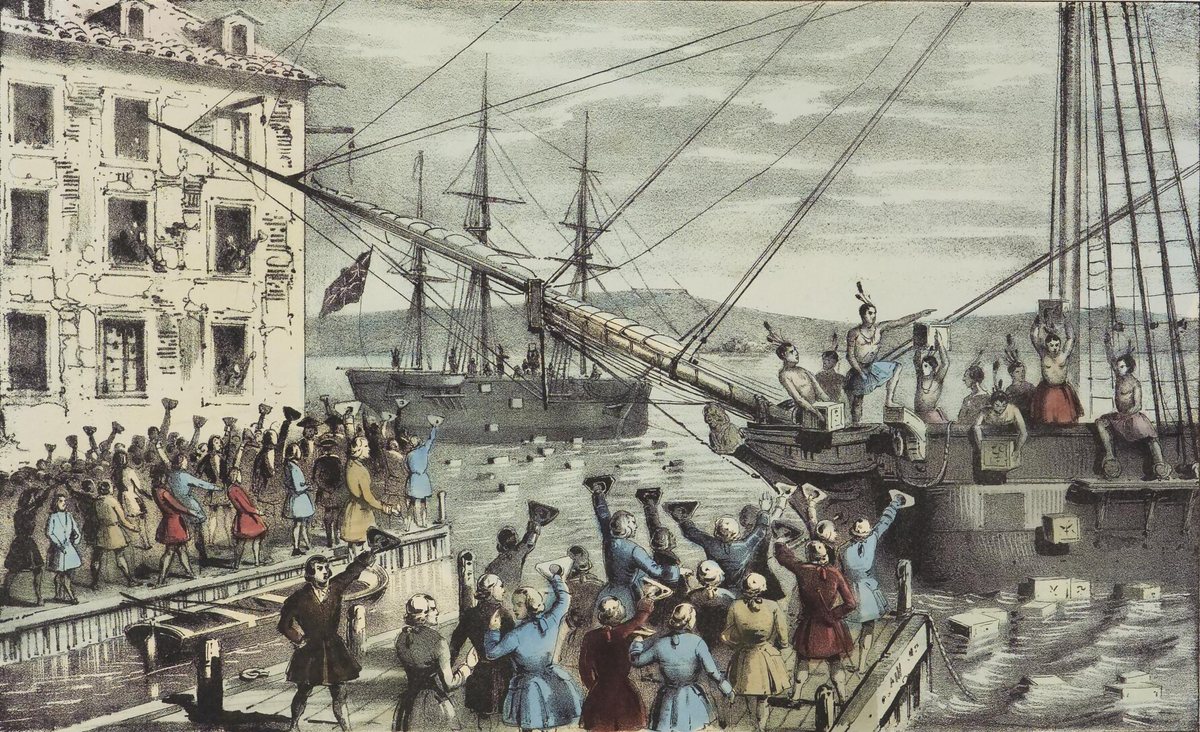 It’s usually told too simply — the switch took decades, not an evening — but
the direction was set, and cheap coffee from the Caribbean and then Brazil finished the job. By the
Civil War, coffee was a Union soldier’s most prized ration; men carried rifles with built-in
grinders and traded almost anything for beans. That’s where a lot of American coffee culture comes
from: the field, the fire, the pot.
It’s usually told too simply — the switch took decades, not an evening — but
the direction was set, and cheap coffee from the Caribbean and then Brazil finished the job. By the
Civil War, coffee was a Union soldier’s most prized ration; men carried rifles with built-in
grinders and traded almost anything for beans. That’s where a lot of American coffee culture comes
from: the field, the fire, the pot.
You can taste that lineage directly in Southern cooking. Red-eye gravy — black coffee deglazing a pan of country ham — is the coffee pot on the stove doing double duty, and it’s still one of the great breakfasts. The idea survives into a red-eye barbecue sauce, which is the same trick with more ambition.
The three waves
The modern story is usually told in waves, and the framing is a bit tidy but it’s genuinely useful.
First wave — coffee as commodity. The late 1800s through the mid-1900s: cheap, industrial, and universal. Vacuum-sealed cans, national brands, the percolator on every stove, coffee available to everyone all day. It also got worse — blended for price, roasted for shelf life, stale by the time it reached you. Nobody knew where it came from and nobody asked.
Second wave — coffee as experience. From roughly the 1960s, accelerating enormously in the ’80s and ’90s. Peet’s, then Starbucks, taught Americans darker roasts, espresso drinks, Italian vocabulary, and the idea that a café is a place you go. People mock second wave now for burnt roasts and a latte the size of a milkshake. I don’t — it made “what kind of coffee” a question ordinary people had an opinion about, and everything after it stands on that.
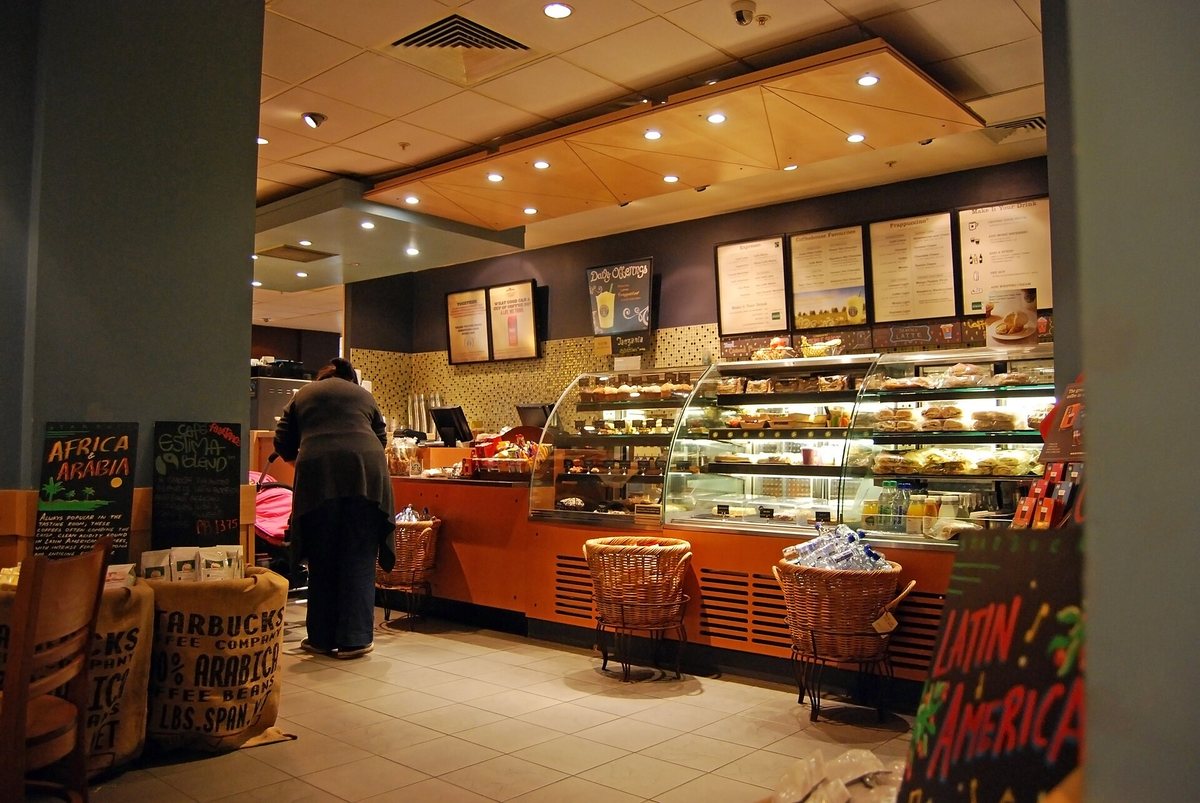
Third wave — coffee as craft. From the 2000s: coffee treated the way wine already was. Single origin, named farms and varietals, lighter roasts to show the bean instead of the roast, transparent pricing, brew ratios, the roaster elevated to craftsman rather than factory. It can tip into insufferable — I’ve been handed a $9 cup with a tasting card — but the underlying move is right. It turned coffee back into an agricultural product with a place of origin, which is what it always was.
Instant coffee and the war
One more thread, because it’s underrated. Soluble coffee was worked on from the late 1800s but became a mass product through war. Instant went into rations in World War I, and in World War II the American military bought so much of it that it consumed essentially the entire output of the major producers — G.I.s called a cup of instant a “cup of Nescafé” regardless of brand. Freeze-drying arrived commercially in the 1960s and made it meaningfully better.
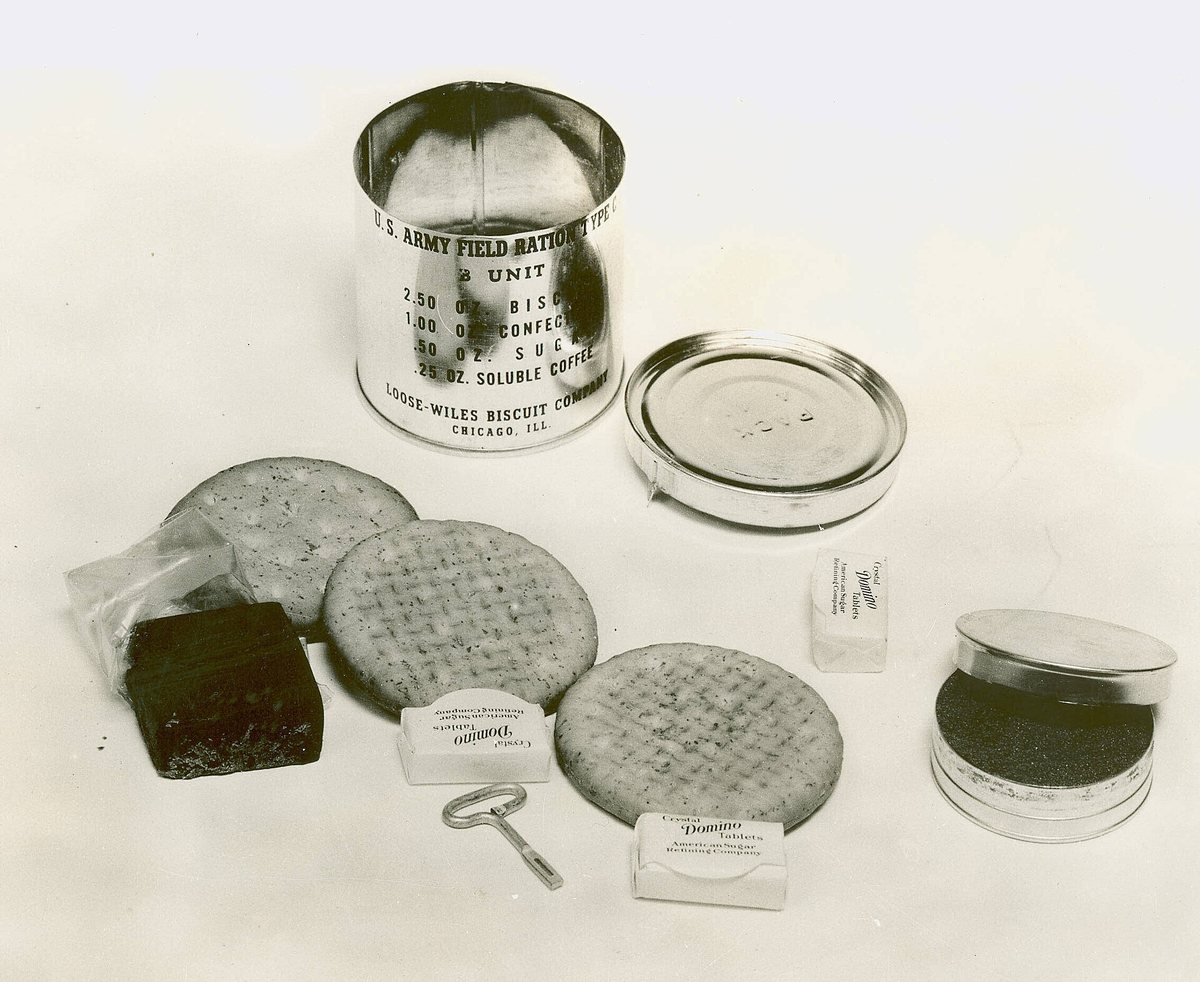
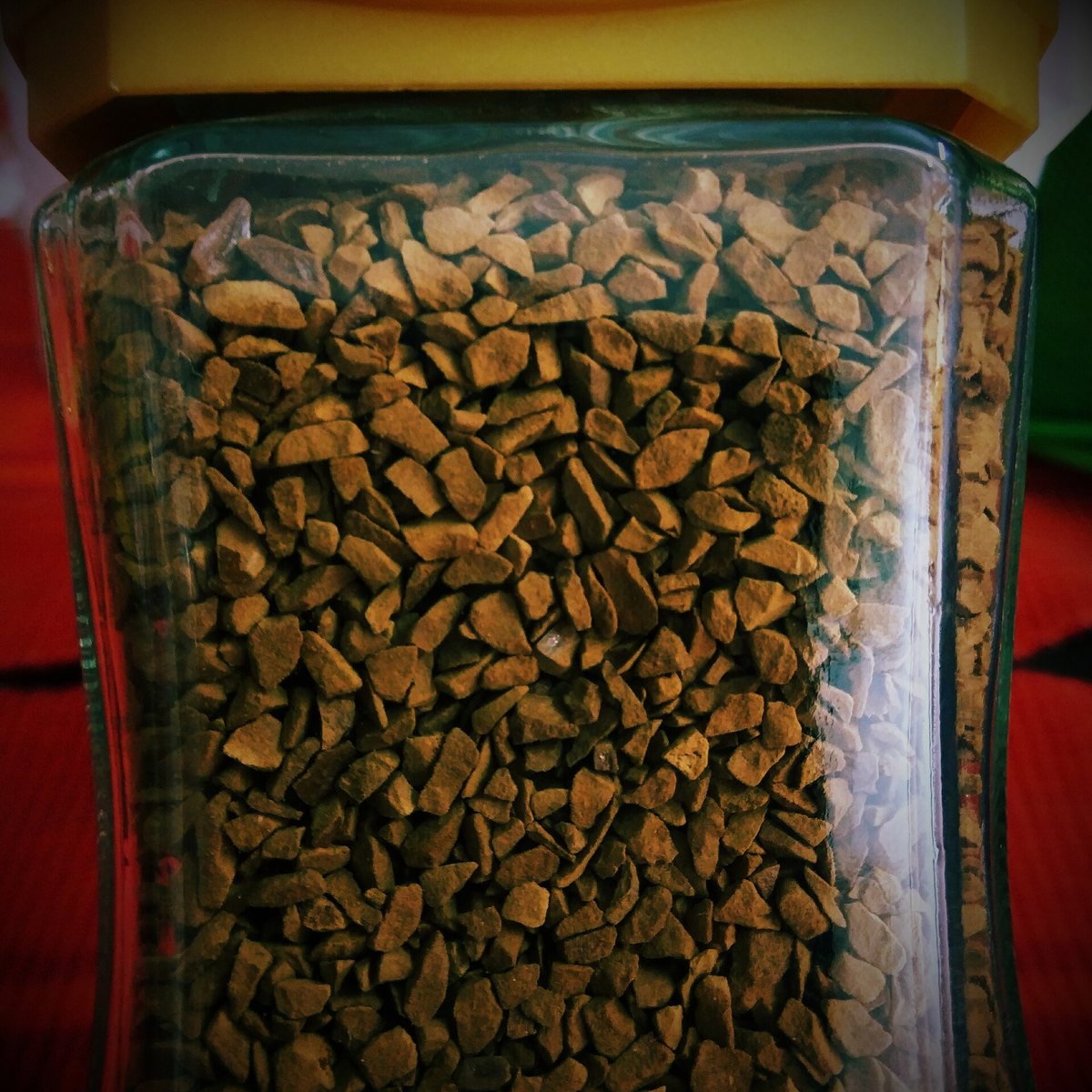
Millions of men came home used to it. Instant became normal in the American cupboard for a generation, and in Britain it never really left. I don’t drink it by choice, but modern specialty instant is much better than its reputation — the technology wasn’t the problem; the beans were.
And so we arrive at the seed
Every one of those turns — the Sufi vigil, the ban that failed, the smuggled seedling, the plantation, the can, the café, the single-origin bag with a farm name on it — is downstream of one small fact: there’s a shrub that makes a red fruit with two seeds inside, and those seeds, roasted, taste like nothing else on earth. That’s where I want to go next: the bean itself — why Arabica and Robusta are genuinely different animals, and why stripping the fruit off the seed decides more of your cup’s flavor than almost anything the roaster does afterward.
Comments (0)