Coffee · 25 of 64
Dandelion Root Coffee: Digging, Roasting and Brewing the Lawn
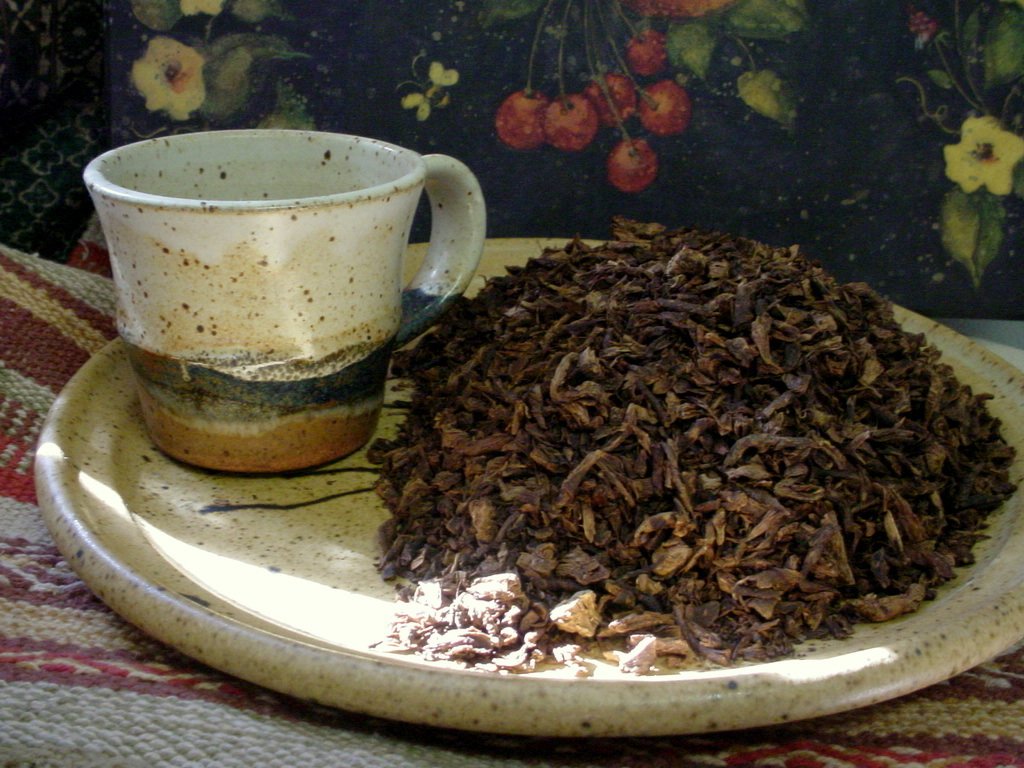
Dandelion root coffee is the dandelion’s long taproot, dug, cleaned, chopped, roasted brown and brewed. It makes a dark, bittersweet, earthy drink with no caffeine, close in taste to its cousin chicory. It is the one coffee substitute that grows in nearly every lawn in Michigan, and the one the yard’s owner usually wants gone anyway.
North Americans have made it for nearly two centuries. In 1852 Susanna Moodie, an English settler in the backwoods of Upper Canada, published a detailed early account: she dug the roots among her potatoes “in the fall of ‘35”, roasted them in an iron pan, ground them, and kept on making it. Her method still works, and her central piece of advice, made in passing, turns out to be what the chemistry says too: dig in the autumn, not the spring.
The wider family of coffee substitutes is on Postum and Coffee Substitutes; its closest relative, chicory, on Chicory and New Orleans Coffee.
The short version
| Question | Answer |
|---|---|
| What is it? | The roasted taproot of the common dandelion, Taraxacum officinale, brewed like coffee. No caffeine. |
| What does it taste like? | Dark, bitter-sweet and earthy, like chicory: roast without coffee’s aroma or acidity. Best with milk. |
| When to dig? | Late summer to autumn, before the ground freezes. Spring roots are thin and “weak”. An 1870 analysis found 24% inulin in October roots against 1.74% in March. |
| Where to dig? | Your own yard, or private land with permission, where nothing has been sprayed. Not Michigan state land: the DNR’s rules allow picking mushrooms, berries, fruit and nuts, not digging plants. Avoid roadsides. |
| How do I make it? | Scrub (keep the skin), chop to bean size, dry, roast at about 350 °F until brown through, grind, simmer about 2 tablespoons in 2 cups of water. Recipe. |
| How much root? | Roots lose more than half their weight drying. A pound of fresh root gives a few ounces of roasted. |
| Is it safe? | In food amounts, generally yes. Avoid it with an allergy to the daisy family (ragweed, chrysanthemum), gallstones, bile-duct or liver disease, or an active peptic ulcer, and avoid it with kidney failure, diabetes or heart failure (potassium); ask a doctor if you take diuretics, lithium, diabetes drugs or blood thinners. |
| Is it healthy? | The roots are rich in inulin, a fibre, but roasting destroys most of it. Treat it as a drink, not a medicine. |
| Can I buy it? | Yes: Traditional Medicinals roasted dandelion root tea ($7.49 for 16 bags), Dandy Blend, Teeccino’s dandelion line. |
The plant
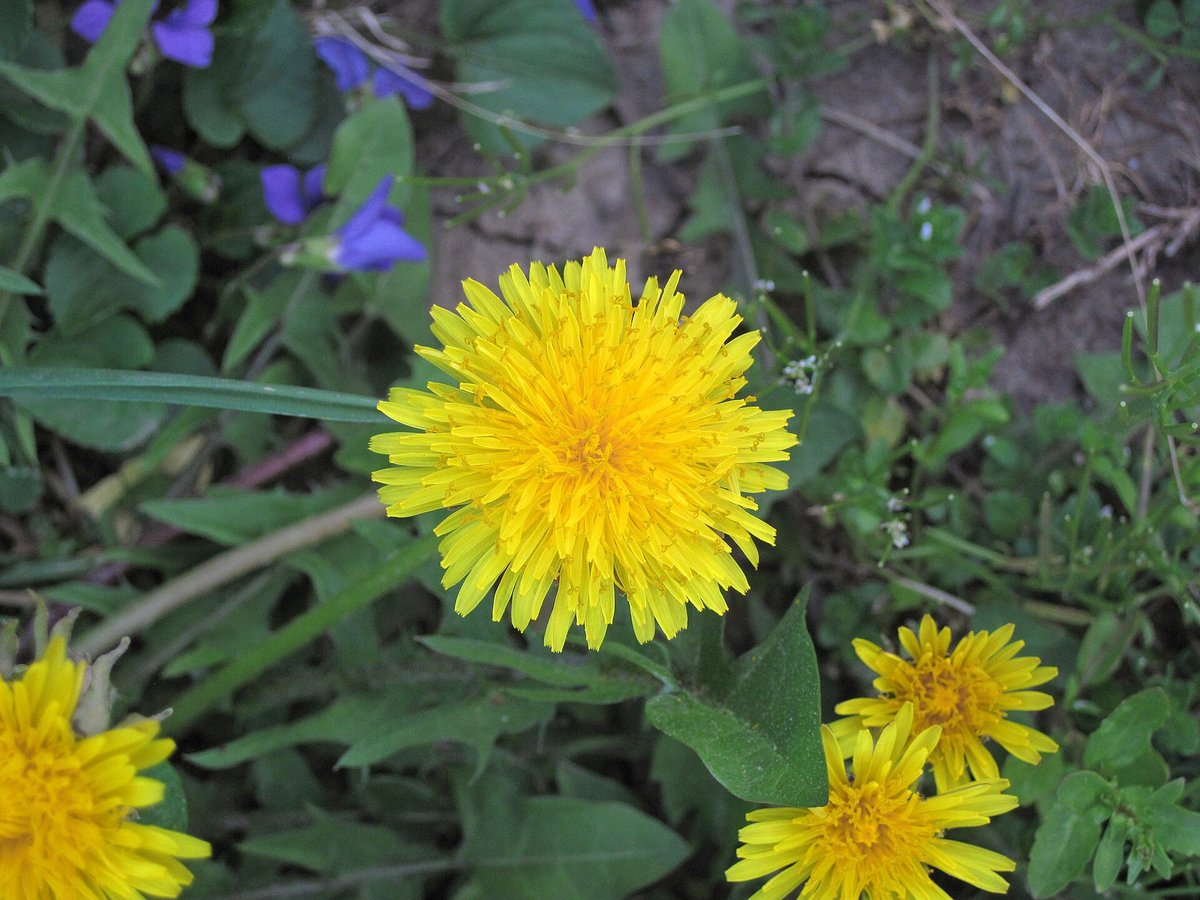
The common dandelion is European, “of Eurasian origin but has become naturalized throughout the United States” and occurs in all fifty states (USDA Forest Service, FEIS). North America also has a few native dandelions in the Arctic and mountains, which is why the USDA’s PLANTS database lists the species as both native and introduced (USDA PLANTS). How and when it crossed the Atlantic is not recorded; it was naturalized long before anyone wrote down a recipe for its root.
What to dig. The lawn dandelion has:
- A rosette of leaves, flat to the ground, deeply toothed (the name is from French dent de lion, “lion’s tooth”), and smooth or nearly hairless.
- One yellow flower head on each stem. The stems are hollow, unbranched and leafless.
- Milky white sap in every part.
- A thick taproot, usually 6 to 12 inches long, sometimes far longer: “up to 3 feet” (University of Wisconsin Horticulture).
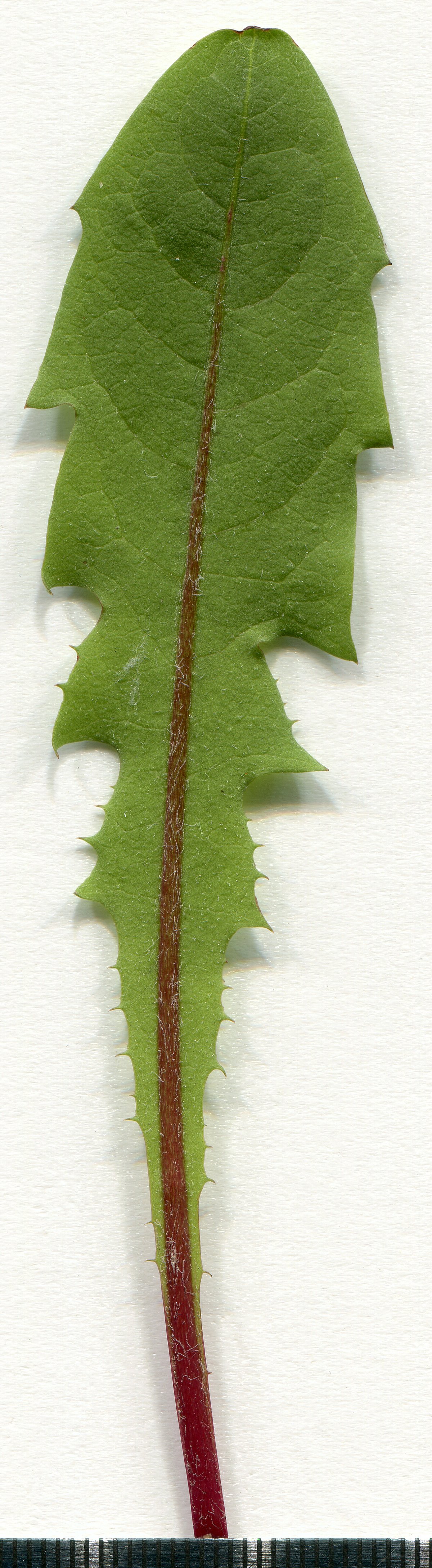
Look-alikes. The commonest is hairy cat’s ear (Hypochaeris radicata), which also has a rosette, yellow flowers and milky sap. Its leaves are hairy and its flower stems are branched, carrying several heads (Montana State University Extension). Hawkbits are similar. None of these is dangerous to people, but they are not what any recipe means; dig only plants with one flower on each hollow, unbranched stem. Chicory, with its tall branched stems and blue flowers, is the other coffee root.

When to dig: autumn, not spring
This is the one point every early source agrees on, and modern chemistry agrees with them.
| Source | What it says |
|---|---|
| Susanna Moodie, Roughing It in the Bush, 1852 | ”the root of the dandelion is not so good … in the spring as it is in the fall … weak, and destitute of the fine bitter flavour” (Project Gutenberg) |
| Dragendorff, 1870, quoted in King’s American Dispensatory, 1898 | 24% inulin in roots collected in October, 1.74% in roots collected in March (Henriette’s Herbal) |
| USDA, American Root Drugs, 1907 | ”Late in summer and in fall the milky juice becomes thicker and the bitterness increases, and this is the time to collect dandelion root” (Internet Archive) |
| Wilson, Kachman and Martin, Weed Science, 2001 | The long-chain fructans (inulin) build up through the summer; once the soil freezes they break down into simpler sugars (abstract) |
So in Michigan the time to dig is September and October, after a summer’s growth and before a hard freeze. The roots are fullest and most bitter then, and they roast to a richer brown. Spring roots, dug while the plant is spending its stores on flowers, are thin.
Where to dig, and where not
Not on Michigan state land. Michigan’s land-use rules make it unlawful to “destroy, damage, or remove a tree … shrub, wildflower, grass, or other vegetation”, with one exception: “picking and removing mushrooms, berries, and edible fruits or nuts for personal use” (Mich. Admin. Code R 299.922(h)). The DNR’s foraging guidance adds that “all plants that are cut or killed upon harvest may not be taken from public lands” (Michigan DNR). Digging up a dandelion kills it. Dig at home, or on private land with the owner’s permission.
Not where it has been sprayed. Lawn weedkillers such as 2,4-D are recommended for dandelions in “late summer and early fall” (University of Wisconsin), which is exactly the digging season. Ask before digging anyone else’s lawn, and leave out any patch that has had weedkiller, lawn fertiliser-and-weed products, or dogs.
Not by roads. Dandelions take up lead and other metals from contaminated soil; a study along a highway in a Turkish mining district found roots averaging about 39 mg/kg of lead, against about 1.4 mg/kg reported for roots from uncontaminated ground (Vural, 2024).
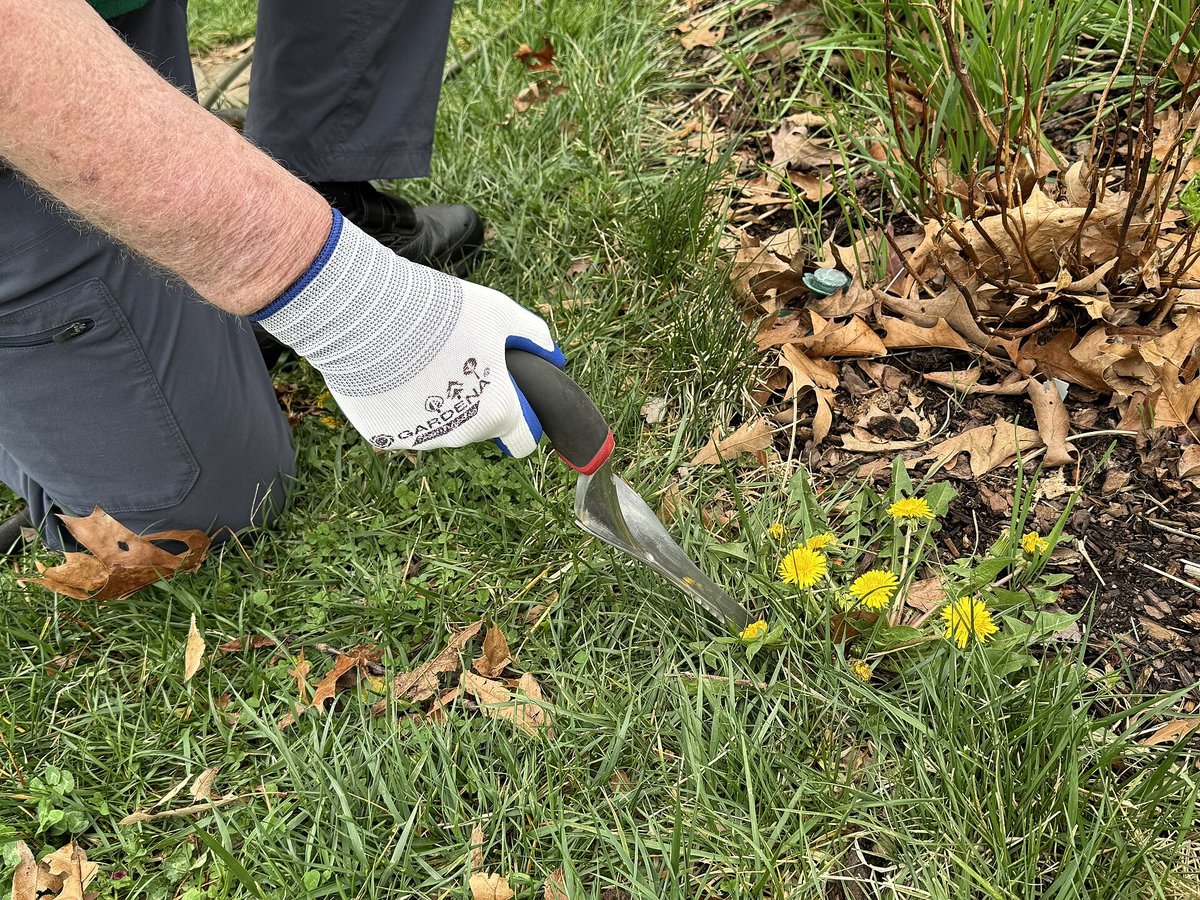
Getting the root out. Water the patch the day before, then push a dandelion digger (a narrow forked blade) or a garden fork straight down beside the plant and lever. The taproot snaps easily; whatever is left in the ground will regrow, so the patch replants itself.
Making it
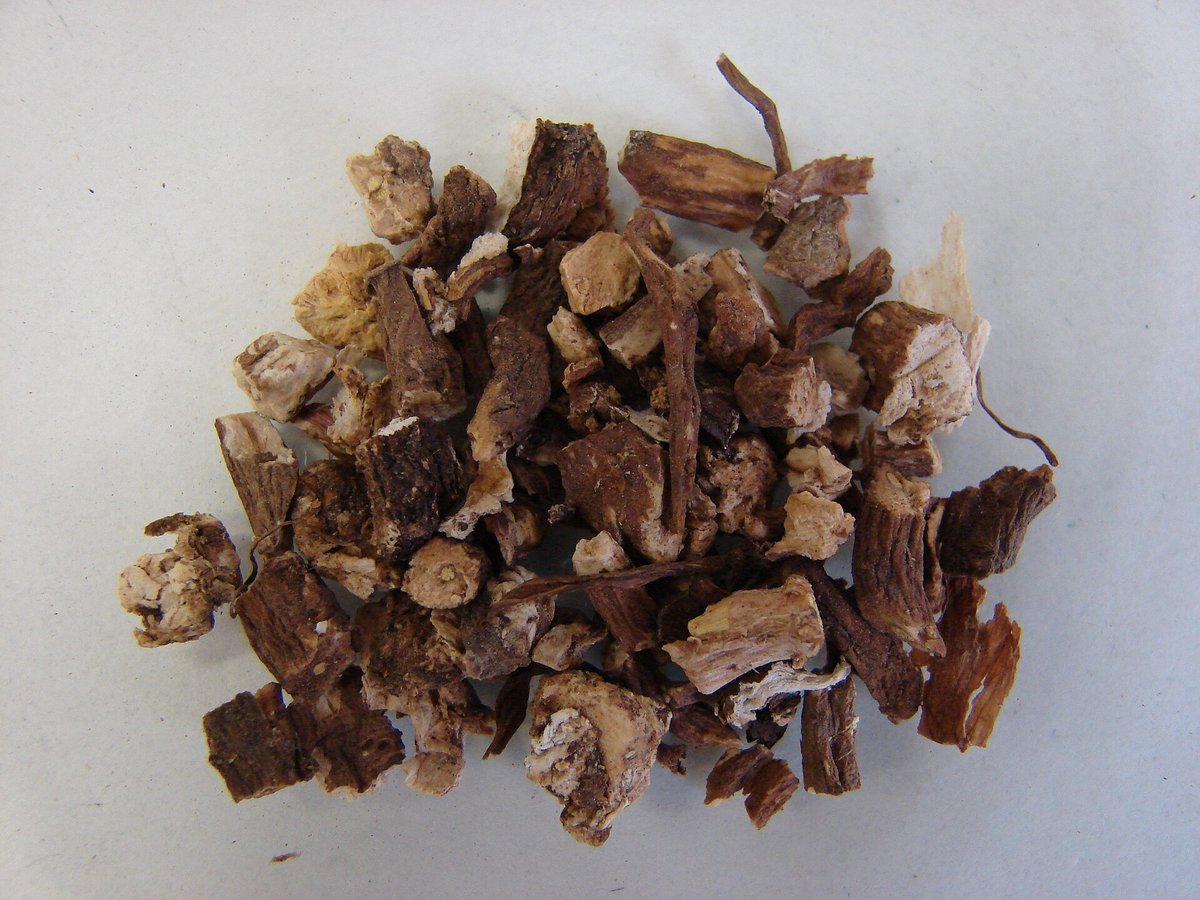
Moodie’s method, 1852, from the book:
“I … washed them, without depriving them of the fine brown skin which covers them, and which contains the aromatic flavour … cut my roots into small pieces, the size of a kidney-bean, and roasted them on an iron baking-pan in the stove-oven, until they were as brown and crisp as coffee.”
She ground them, boiled “a small cupful of the powder” briskly for a few minutes, and noted that the cut roots, dried in the sun on boards, “will keep for years, and can be roasted when required”.
A modern version, step by step (full quantities in the recipe):
| Step | What to do | Why |
|---|---|---|
| 1. Clean | Scrub under running water with a stiff brush. Do not peel. | Moodie: the brown skin “contains the aromatic flavour” |
| 2. Cut | Chop into pieces about the size of a bean, ½ inch | Even pieces roast evenly |
| 3. Dry | Spread out and dry in a low oven (200–250 °F), in a dehydrator, or in the sun, until brittle | Fresh root is mostly water; roots lose more than half their weight drying (USDA 1907). Dried, the root keeps |
| 4. Roast | At about 350 °F, stirring every 10 minutes, until dark brown right through and smelling of coffee and caramel: 15–30 minutes for dried root, 40–70 for fresh | Roasting makes the flavour. Stop before black: burnt root is acrid |
| 5. Grind | Coarsely, in a coffee or spice grinder, just before brewing | Like coffee, ground root goes stale |
| 6. Brew | Simmer about 2 tablespoons in 2 cups of water for 10–20 minutes, strain | The root is woody and needs simmering, not steeping |
The temperatures are the ones foraging writers commonly give (dry at 200–250 °F, roast at about 350 °F until brown but not burnt); there is no tested standard. Roast small batches and taste.
Ways to drink it. With milk and a little honey; half and half with roasted chicory, for a fuller cup; or a spoonful mixed with ground coffee, for a half-caf. A cup of dandelion coffee has none of coffee’s acidity, so it suits people who find coffee hard on the stomach, unless the cause is a peptic ulcer (below).

What roasting does
The raw root is full of inulin, a fibre made of chains of fructose, which is why dandelion and chicory roots are sold as “prebiotic”. Roasting breaks it down. A 2016 study of roasting chicory root, the closest relative studied, found that “inulins, sucrose, and most of the amino acids were largely degraded during the roasting”, turning into the caramel-tasting compounds (HMF and others) that give the drink its colour and taste (Wei and others, J. Agric. Food Chem., 2016). A dark-roasted dandelion root has little inulin left. The taste comes from the same reaction that destroys the fibre.
Acrylamide, which forms when starchy and sugary foods are roasted, has been measured in chicory (the EU’s benchmark for chicory substitutes is 4,000 µg/kg; see Postum and Coffee Substitutes) but not, in any published study, in roasted dandelion root. Roasting to medium brown rather than black is the general advice for keeping it down.
Safety
The European Medicines Agency’s monograph on dandelion root and herb lists these contraindications (EMA):
- Allergy to the daisy family (Asteraceae: ragweed, chrysanthemums, marigolds, chamomile). The US National Center for Complementary and Integrative Health calls the evidence on ragweed cross-reaction “conflicting” (NCCIH); the EMA lists it as a reason not to take it.
- Blocked bile ducts, gallstones, liver disease, active peptic ulcer and other bile-duct problems.
It also warns that people with kidney failure, diabetes or heart failure should avoid it because of the risk of high potassium, and that its use in children under 12, and in pregnancy and breastfeeding, has not been established.
Medicines. The EMA reports no interactions; other references list possible ones: water pills (dandelion is itself a mild diuretic and high in potassium), lithium, quinolone antibiotics such as ciprofloxacin, diabetes drugs, and blood thinners (Memorial Sloan Kettering; RxList). Anyone on those should ask a doctor or pharmacist.
In food amounts, a cup or two a day, NCCIH calls dandelion “likely safe” for most people.
Buying it
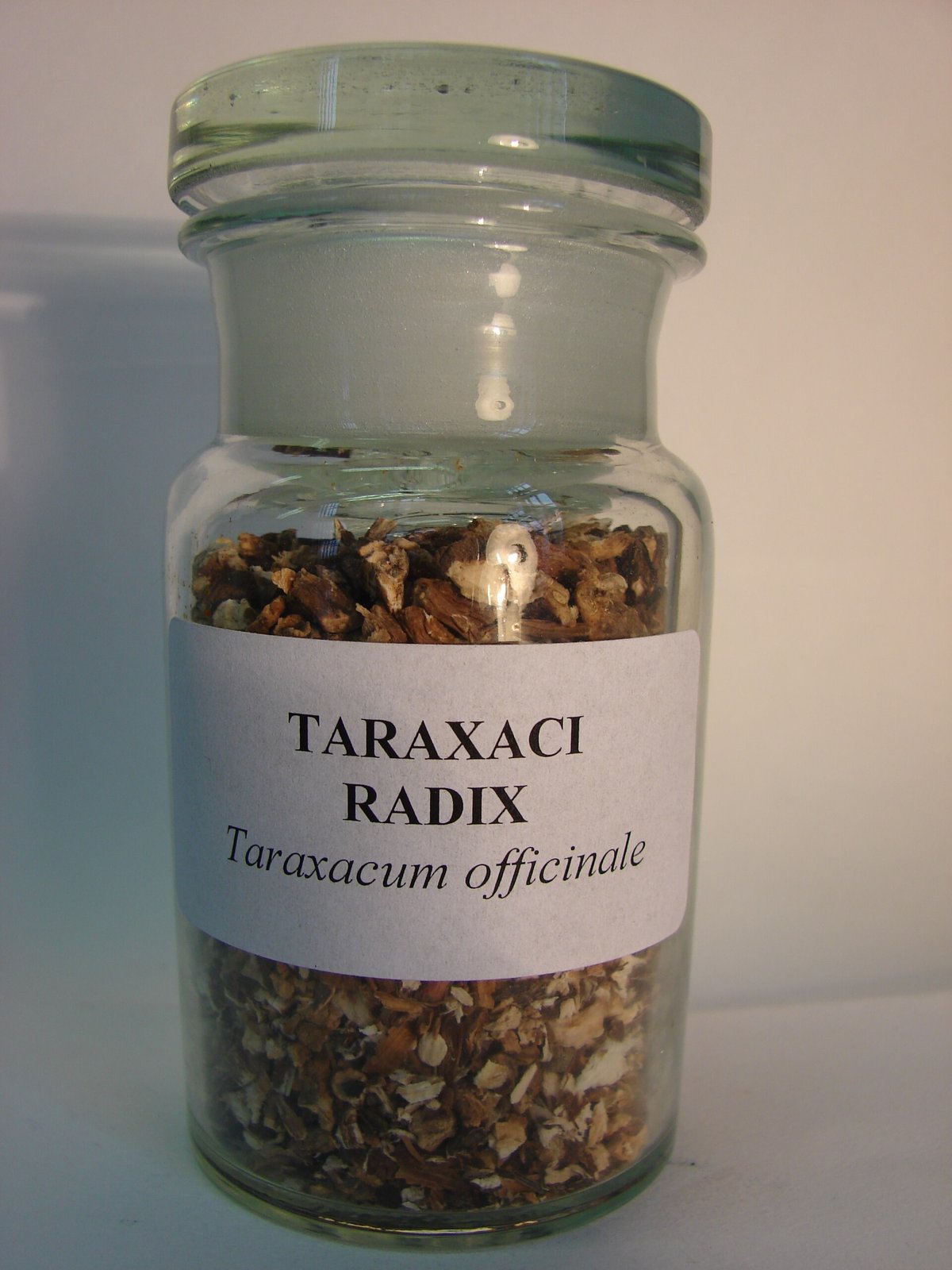
Dandelion root in a pharmacy jar, under its old Latin drug name, Taraxaci radix.
| Product | What is in it | Price (October 2026) |
|---|---|---|
| Traditional Medicinals Roasted Dandelion Root | Organic roasted dandelion root only, in tea bags; steep 10–15 minutes | $7.49 for 16 bags (Traditional Medicinals) |
| Dandy Blend | Instant: extracts of roasted barley, rye, dandelion root and chicory root; gluten “not detected” | From $14.95 (Dandy Blend) |
| Teeccino Dandelion Dark Roast | Carob, chicory, dandelion, ramón seed; brewed like coffee, 1 rounded tablespoon per 2 cups | (Teeccino) |
| Roasted dandelion root, loose | Health-food shops and herb suppliers | — |

History in brief
- 1830s. A “Dr. Harrison, of Edinburgh” writes in the New York Albion that dandelion coffee has “all the fine flavour and exhilarating properties of coffee, without any of its deleterious effects”, which is where Susanna Moodie read of it.
- 1835. Moodie digs and roasts her roots in Upper Canada; her “Indian friends … gladly adopted the root”. Her book is published in 1852.
- 1880s. William Caines grows dandelions in rows at Ūpokongaro, New Zealand, and sells tins of “Pure Dandelion Coffee” ground in a hand mill (Whanganui Regional Museum).
- 1907. The USDA publishes collection advice for dandelion root, then an official drug in the US Pharmacopoeia, most of it imported from central Europe.
- The Civil War. Dandelion is often listed among Confederate coffee substitutes; a frequently quoted 1861 letter is about rye coffee, and no primary source records Confederate dandelion coffee. Acorns, okra seed and sweet potato are better documented; see Postum and Coffee Substitutes and Acorn Coffee.
What is not known
- When the dandelion reached North America.
- Acrylamide in roasted dandelion root: no measurement has been published.
- A tested roasting method. Temperatures and times come from foragers, not from a food-safety lab.
Sources
- Susanna Moodie, Roughing It in the Bush (1852), Project Gutenberg.
- Practical Self Reliance, Dandelion coffee; Edible Cape Cod, Roasted dandelion root coffee.
- King’s American Dispensatory (1898), Taraxacum, via Henriette’s Herbal.
- Alice Henkel, American Root Drugs, USDA Bureau of Plant Industry Bulletin 107 (1907).
- Wilson, Kachman and Martin, Seasonal changes in fructans in dandelion roots, Weed Science 49 (2001).
- USDA Forest Service, FEIS: Taraxacum officinale; USDA, PLANTS: TAOF.
- University of Wisconsin Horticulture, Dandelion.
- Montana State University Extension, Hairy cat’s ear.
- Michigan Administrative Code, R 299.922; Michigan DNR, Foraging.
- Vural, Heavy metals in dandelion along a highway, Environ. Sci. Pollut. Res. (2024).
- Wei and others, Chemicals in roasted chicory, J. Agric. Food Chem. (2016).
- European Medicines Agency, Community herbal monograph on Taraxacum officinale radix cum herba; NCCIH, Dandelion; Memorial Sloan Kettering, Dandelion; RxList, Dandelion.
- Whanganui Regional Museum, Dandelion coffee produced locally.
- Traditional Medicinals, Roasted Dandelion Root; Dandy Blend, FAQ; Teeccino, Dandelion Dark Roast.
Comments (0)