The Bean
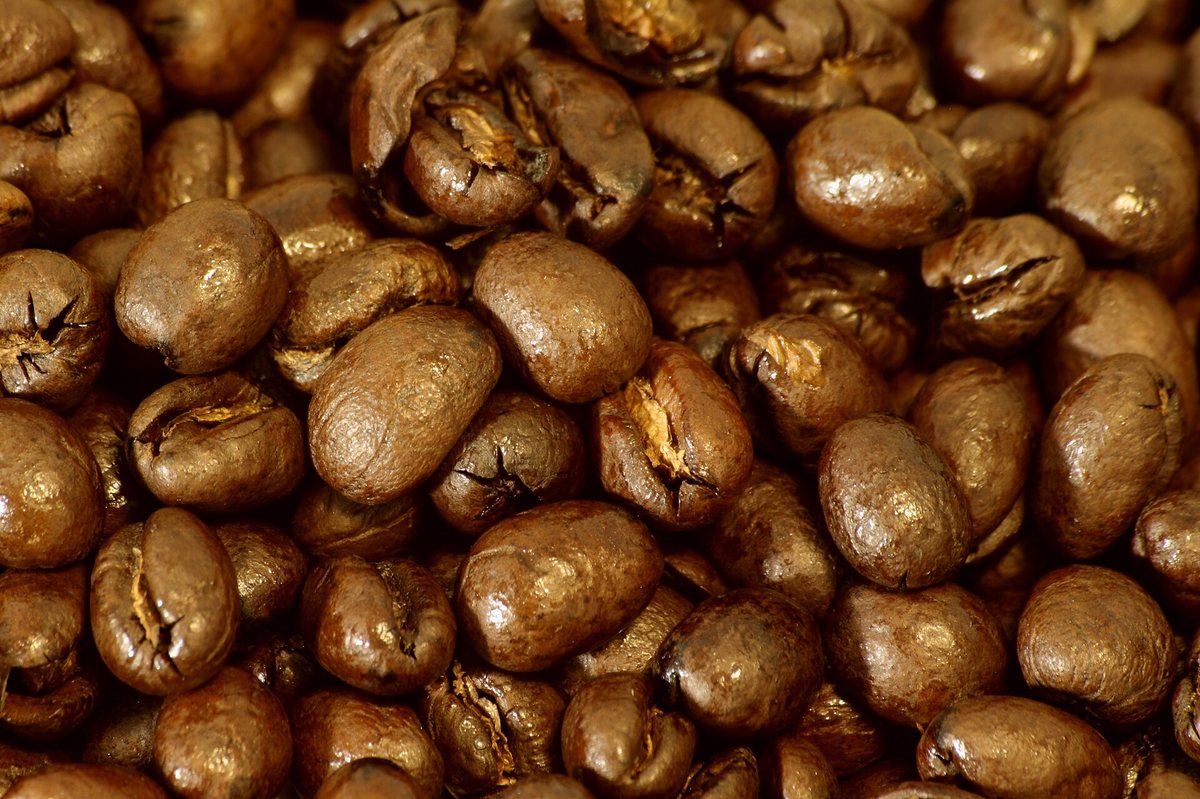
Here’s the reframe that changed how I think about coffee: coffee is not a bean. It’s the seed of a fruit. We call it a bean because roasted it looks like one, and that one lazy word has done more to confuse people about coffee than anything else. See it as a fruit instead — a red cherry on a shrub, picked ripe, flesh stripped off to get at the pit — and the whole thing snaps into focus. Why coffee tastes fruity. Why how you remove the fruit matters as much as who roasts it. Why altitude and ripeness get talked about the way a winemaker talks about a vintage. This page is the plant, the seed, and everything that happens before a roaster ever sees it.
The plant
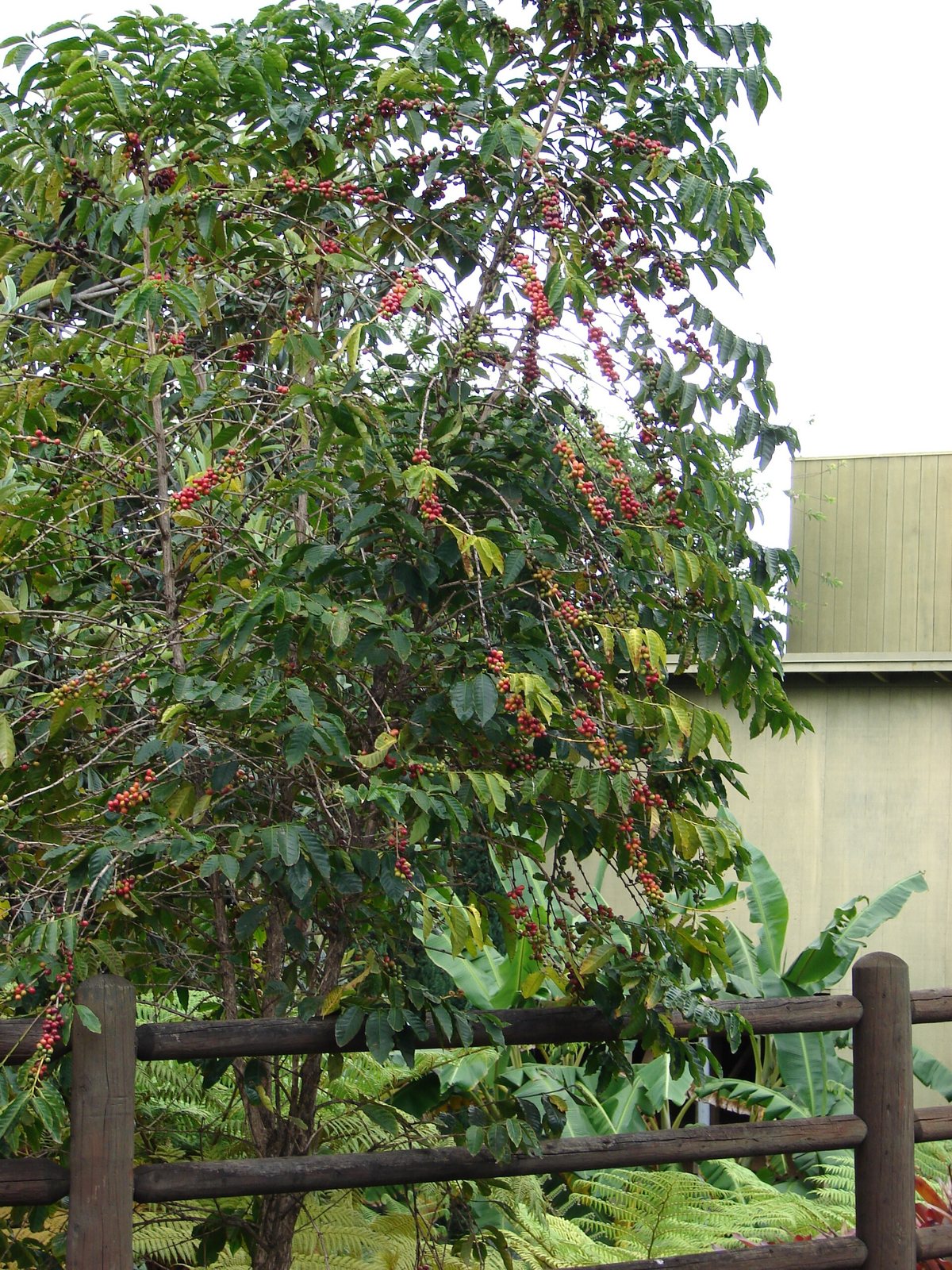
Coffee is the genus Coffea, in the same family as gardenia and quinine. Left alone it’s a shrub or small tree that would happily reach 15 or 30 feet; on a farm it’s pruned to head height so it can be picked by hand. The flowers are small, white, and smell like jasmine — a farm in bloom is one of the better-smelling places on earth.
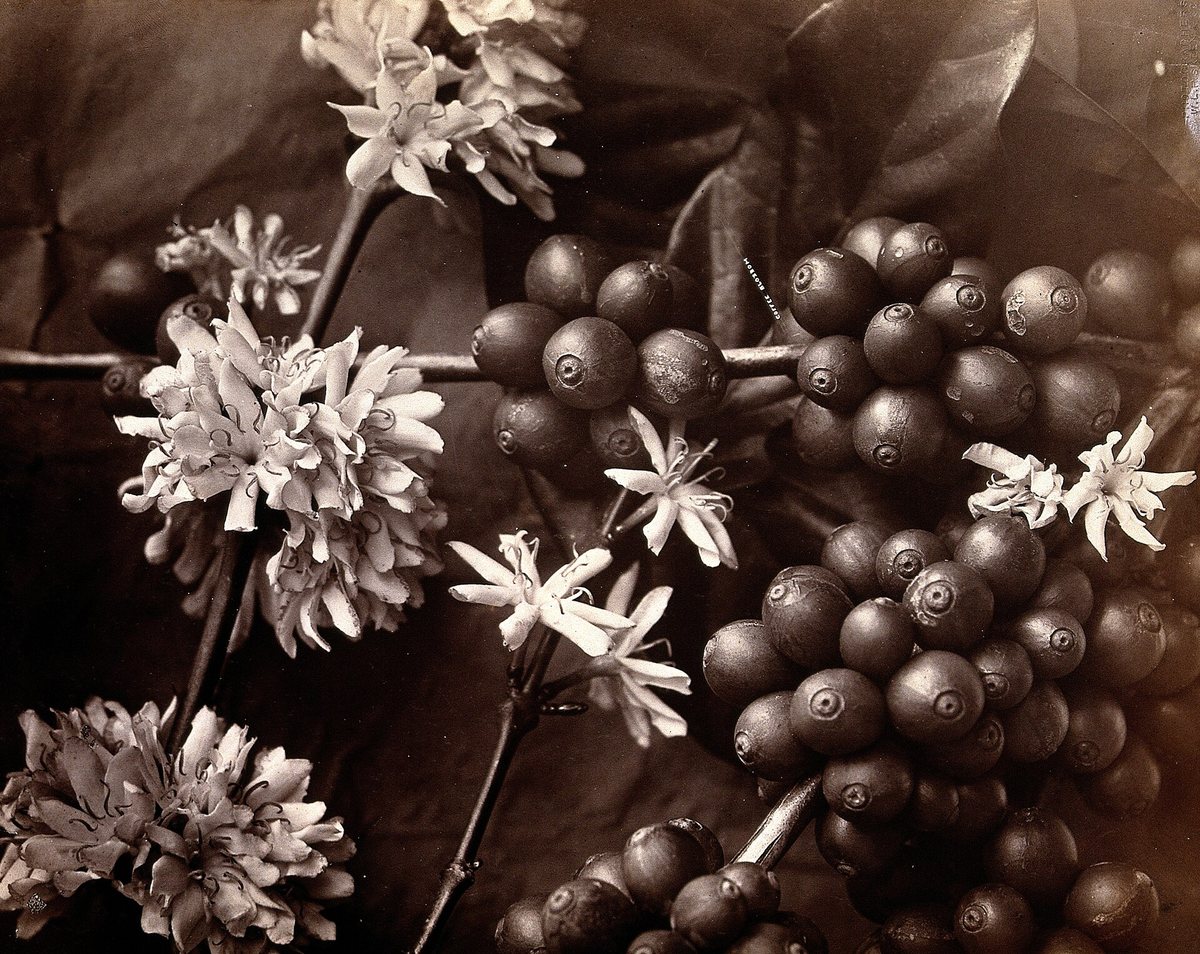
Then the fruit sets and takes its time: roughly seven to nine months from flower to ripe cherry for Arabica. Green, then yellow, then deep red (some varieties ripen yellow and stay that way). A tree carries cherries at several stages of ripeness at once, which is exactly why picking selectively — going through the same tree repeatedly, taking only the ripe ones — beats stripping the branch or running a machine down the row. Ripeness is sugar, and sugar is everything downstream. A mature tree yields a few pounds of cherries a year, which cooks down to about a pound of roasted coffee: a year of one tree’s work is a few weeks of your mornings.
Arabica vs. Robusta — an honest comparison
There are well over a hundred Coffea species. Two of them are essentially the entire commercial world.
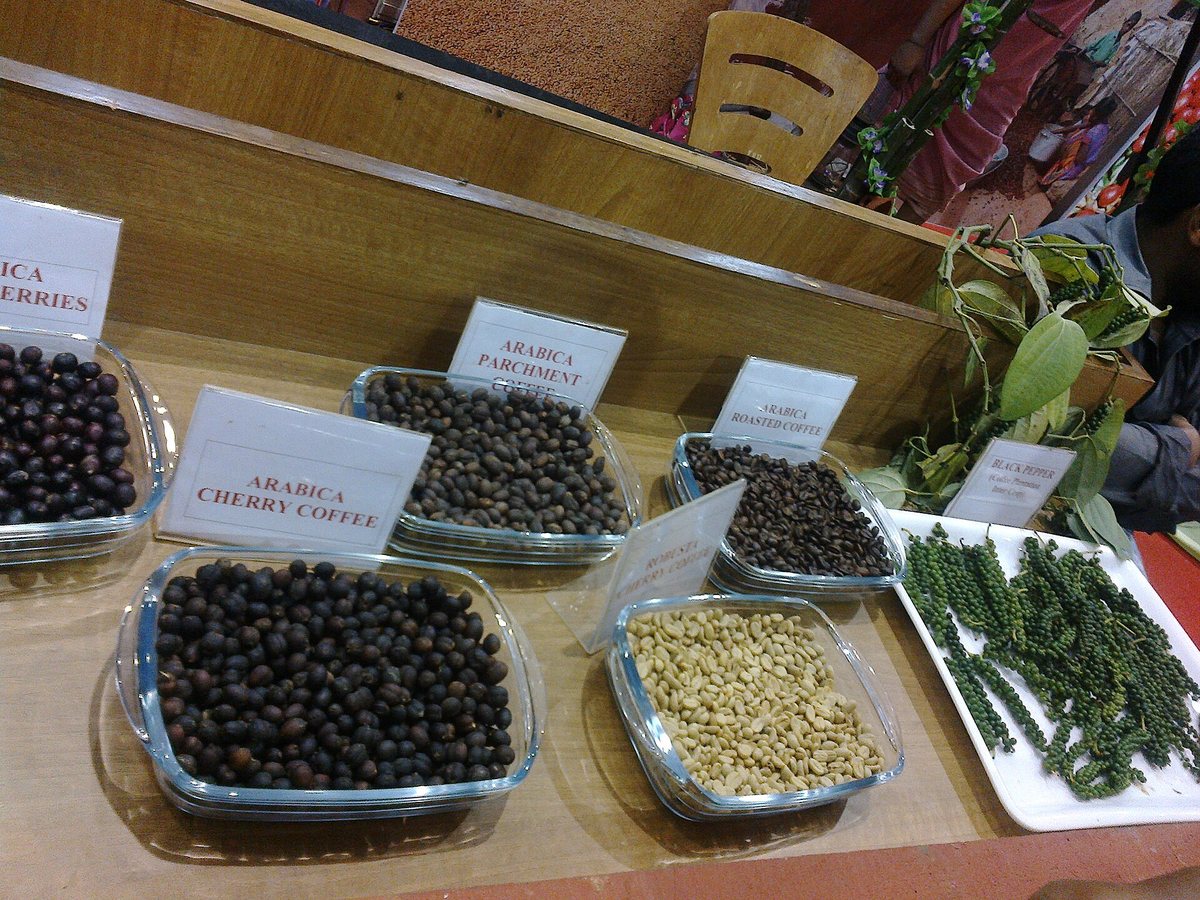
Coffea arabica is what specialty coffee is built on — call it 60–70% of world production, depending on the year and who’s counting. The older, fussier, better-tasting one. It’s tetraploid (four sets of chromosomes, where most Coffea are diploid) and largely self-pollinating, which is a bigger deal than it sounds: selfing means varieties stay true generation after generation, which is why we can talk about Bourbon and Typica as meaningful named things at all. It wants altitude, cool nights, and a narrow band of conditions. It carries more sugars and lipids — precisely what gives you sweetness, aroma, and body — plus more perceptible acidity, a compliment in coffee: the brightness that makes a good Kenyan taste like blackcurrant. And it is fragile: narrow genetics (much of the Americas’ Arabica descends from a tiny founding population, as the history tells it) and badly susceptible to coffee leaf rust (Hemileia vastatrix), the fungus that erased Ceylon’s coffee industry and has hammered Central America in living memory.
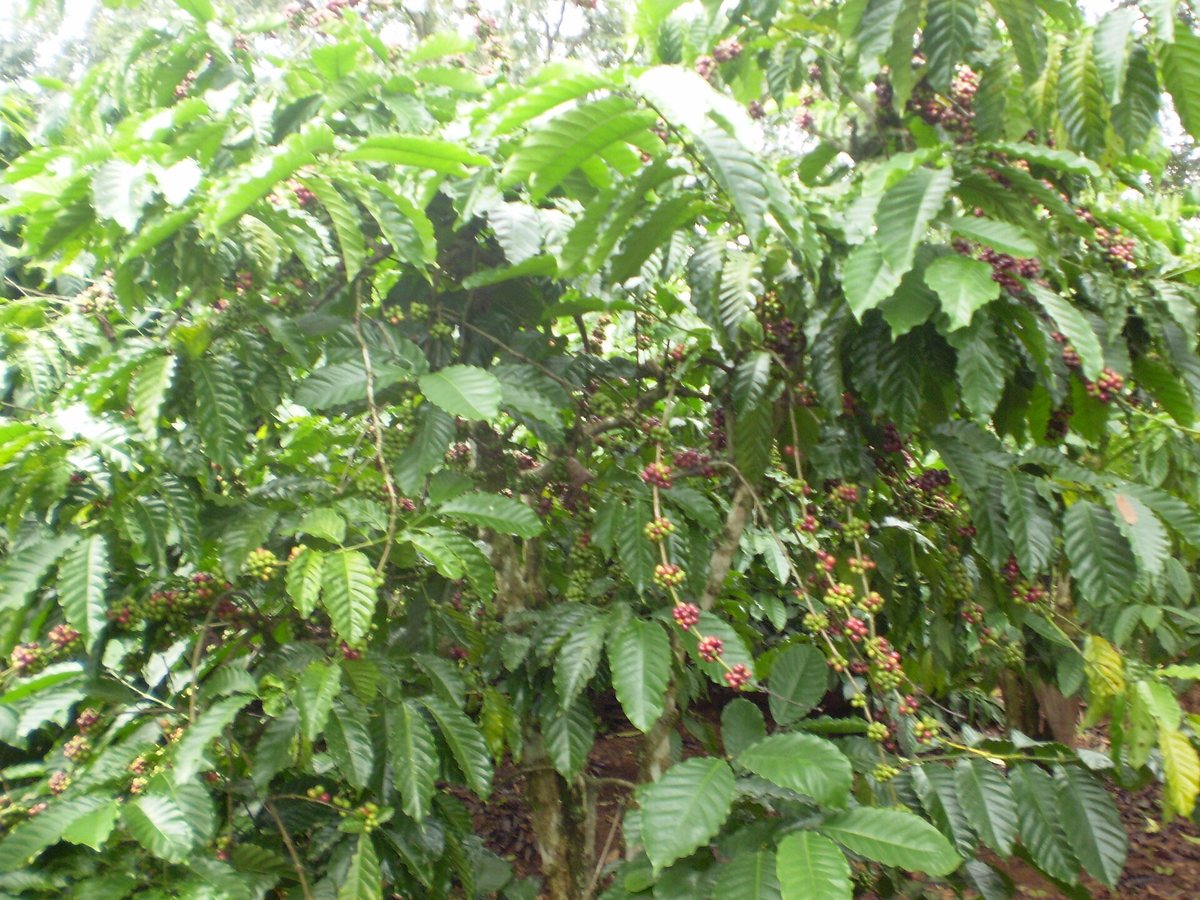
Coffea canephora, which everyone calls Robusta, earns the name: low altitude, shrugs off heat and rain and rough handling, resists rust, yields more, costs less. Diploid and cross-pollinating, so genetically messier. Roughly twice the caffeine — a natural insecticide, and a fair part of why it’s hardier — and substantially more chlorogenic acids, which read as bitter and astringent.
Cheap Robusta genuinely does taste the way its reputation says: harsh, woody, rubbery, burnt-tire. The specialty world spent forty years dismissing the whole species on that basis. But Robusta brings two things Arabica can’t match — real body and a thick, persistent crema — and it’s not incidental to styles I love. Southern Italian espresso leans on it. Vietnamese coffee is it; that glass of cà phê sữa đá dripping through a phin over sweetened condensed milk is dark Robusta, and I’ve had it at the source — a delicate washed Ethiopian would not do the job. Hence the current re-appraisal of fine Robusta: grown with care at the top of its range, picked ripe, processed properly, it’s a legitimately good cup. It matters for the future, too — as the climate warms and Arabica’s band shrinks, a species that shrugs at heat looks less like a compromise than a plan.
| Arabica | Robusta | |
|---|---|---|
| Share of world crop | ~60–70% | most of the rest |
| Altitude | High (~3,000–6,500 ft) | Low (sea level–~2,500 ft) |
| Caffeine | ~half of Robusta | ~2× Arabica |
| Chlorogenic acids | Lower | Higher (bitter, astringent) |
| Sugars / lipids | Higher | Lower |
| Genetics | Tetraploid, self-pollinating | Diploid, cross-pollinating |
| Leaf rust | Very susceptible | Resistant |
| Cup | Aroma, acidity, sweetness, nuance | Body, crema, punch; harsher |
The other two
Coffea liberica is a genuine third player, if a tiny one — a big tree with big, oddly asymmetric beans and a polarizing cup: smoky, jackfruity, floral, distinctly not what people expect coffee to taste like. A serious crop in the Philippines (where it’s barako) and Malaysia. Excelsa is the tart, dark-fruited variant long treated as its own species and now generally classified a variety of Liberica. A rounding error in world production, and worth drinking once.
Varieties: heirlooms, cultivars, and the Gesha problem
Within Arabica, the named varieties are where the flavor conversation gets specific — and where overclaiming starts, so let me be careful.
- Typica and Bourbon, the two ancestral cultivars most of the world’s Arabica descends from. Typica is the Yemen→Java→Amsterdam→Martinique line from the history page; Bourbon came out of Yemeni stock planted on Réunion (then called Bourbon). Classic, sweet, low-yielding.
- Caturra, a natural dwarf mutation of Bourbon found in Brazil — short, easy to pick, plantable dense — and Catuai, a Caturra × Mundo Novo cross bred for yield. These two are much of Central America.
- SL28 and SL34, selected in Kenya in the 1930s, are the reason Kenyan coffee tastes like Kenyan coffee — that blackcurrant, tomato-y, wildly acidic profile.
- Pacamara, a Pacas × Maragogipe cross out of El Salvador: enormous beans, a big showy cup.
- Gesha (also spelled Geisha) is the famous one. It traces to the Gori Gesha forest in Ethiopia and sat unremarkable in Panama for decades until the Peterson family’s Hacienda La Esmeralda entered it in a 2004 competition and the judges lost their minds. Grown high and handled well it’s genuinely extraordinary — jasmine, bergamot, tropical fruit, closer to a fine tea than a coffee — and it has since taken stunning auction prices. Two caveats: it’s low-yielding and site-sensitive, so Gesha grown badly or grown low is just expensive coffee, and the name on the bag guarantees nothing.
- Ethiopian “heirloom” is mostly a shrug. Ethiopia has thousands of wild and landrace populations, largely uncategorized, and “heirloom” means “one of those, we don’t know which.” That diversity — the thing the rest of the world’s Arabica lacks — is coffee’s most valuable asset.
The honest summary: variety matters, but it’s one input among several. Altitude, ripeness at picking, and processing routinely swamp it. A Bourbon picked ripe and processed carefully beats a carelessly handled Gesha every time.
Anatomy of the cherry
Open the fruit, because the layers are the whole story of processing.
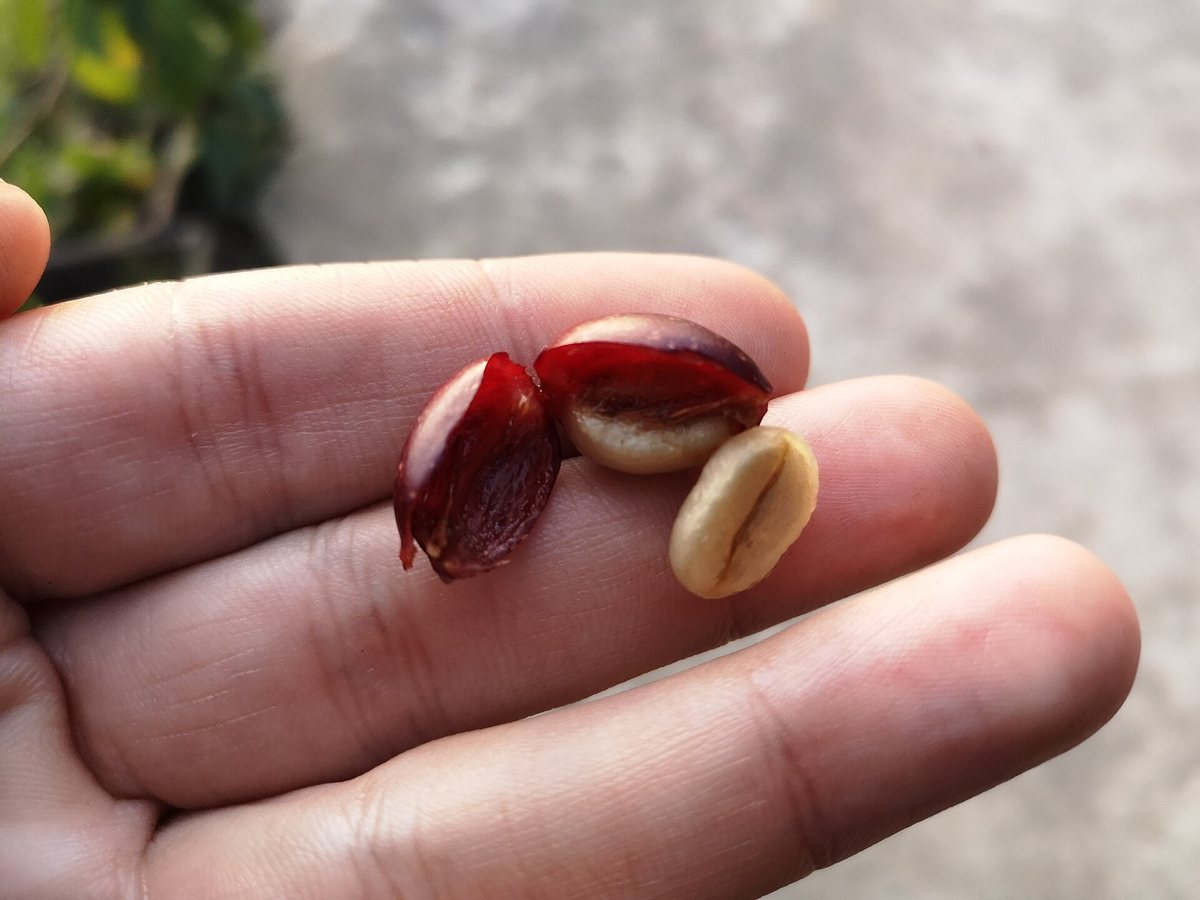
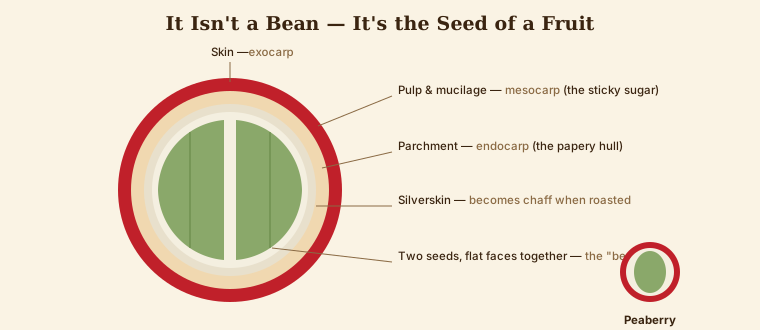
From the outside in:
- Skin (the exocarp) — the tough red or yellow outer layer.
- Pulp and mucilage (the mesocarp) — the fruit flesh, then a slippery, intensely sugary gel clinging to the seed. This is where a huge amount of the flavor potential lives: it’s the food supply for the fermentation that follows. Suck on a fresh ripe cherry sometime — sweet and lightly fruity, closer to a lychee than to coffee.
- Parchment (the endocarp) — a papery, crackly husk around each seed. Coffee is stored and shipped in parchment right up until milling, because it protects the seed.
- Silverskin (the spermoderm) — a thin membrane hugging the seed. It survives into the roaster and blows off as chaff, the most memorable fact about roasting at home: it goes everywhere.
- The seeds. Two, face to face, each with one flat side — the famous crease — and one dome.
Peaberry is what happens when only one of the two seeds develops, so instead of two flats you get one small round seed filling the cherry — typically around 5% of a crop, sorted out and sold separately. Whether it tastes better is genuinely contested. The common claim is that one seed got all the nutrients; the defensible version is simply that peaberries are uniform in size and shape and therefore roast more evenly. Buy it for that, not because someone called it concentrated.
Processing — where a huge share of the flavor is decided
This is the part I most want people to internalize. Before roasting, before grinding, before your brewing technique, somebody had to get the fruit off the seed — and the method they chose shapes the cup more than the roast does. The same cherries, processed three ways, give you three coffees you’d never guess were related.
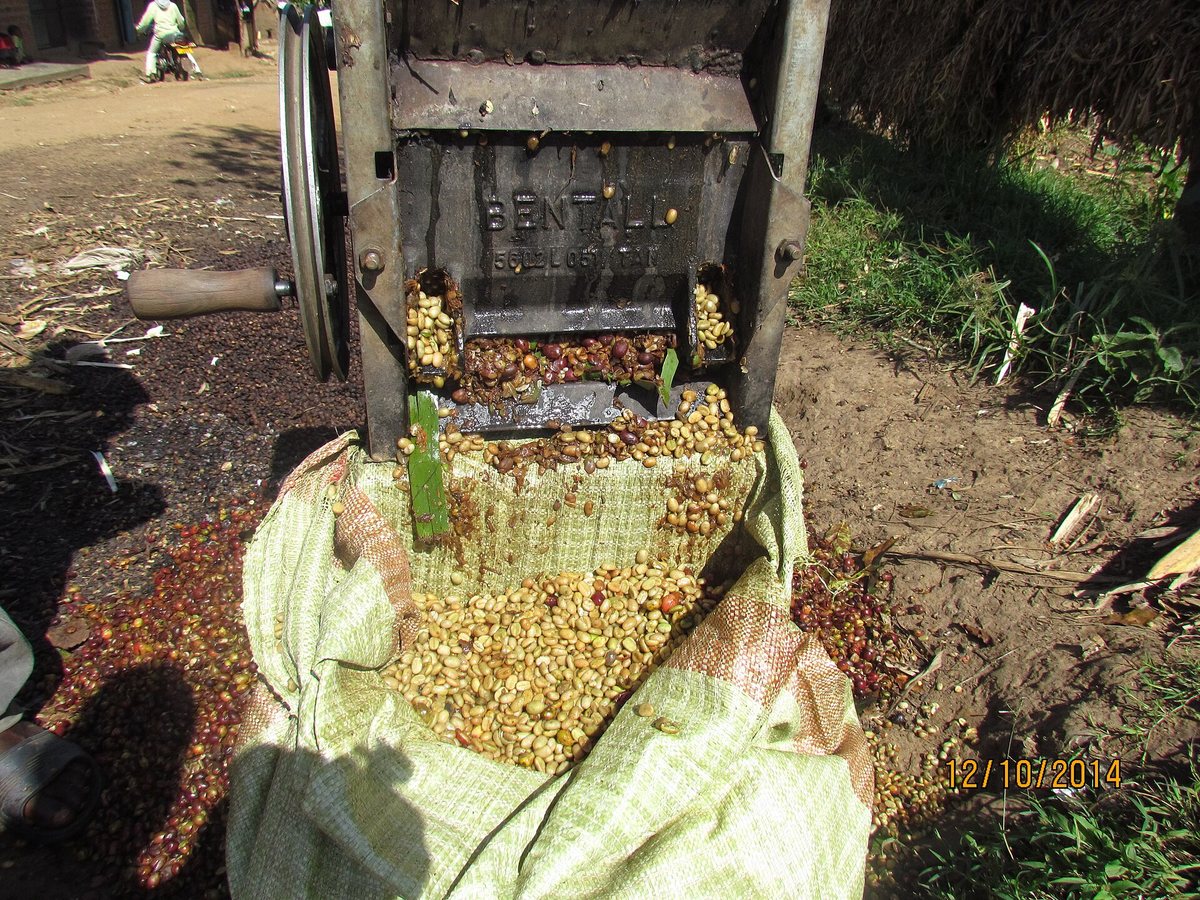
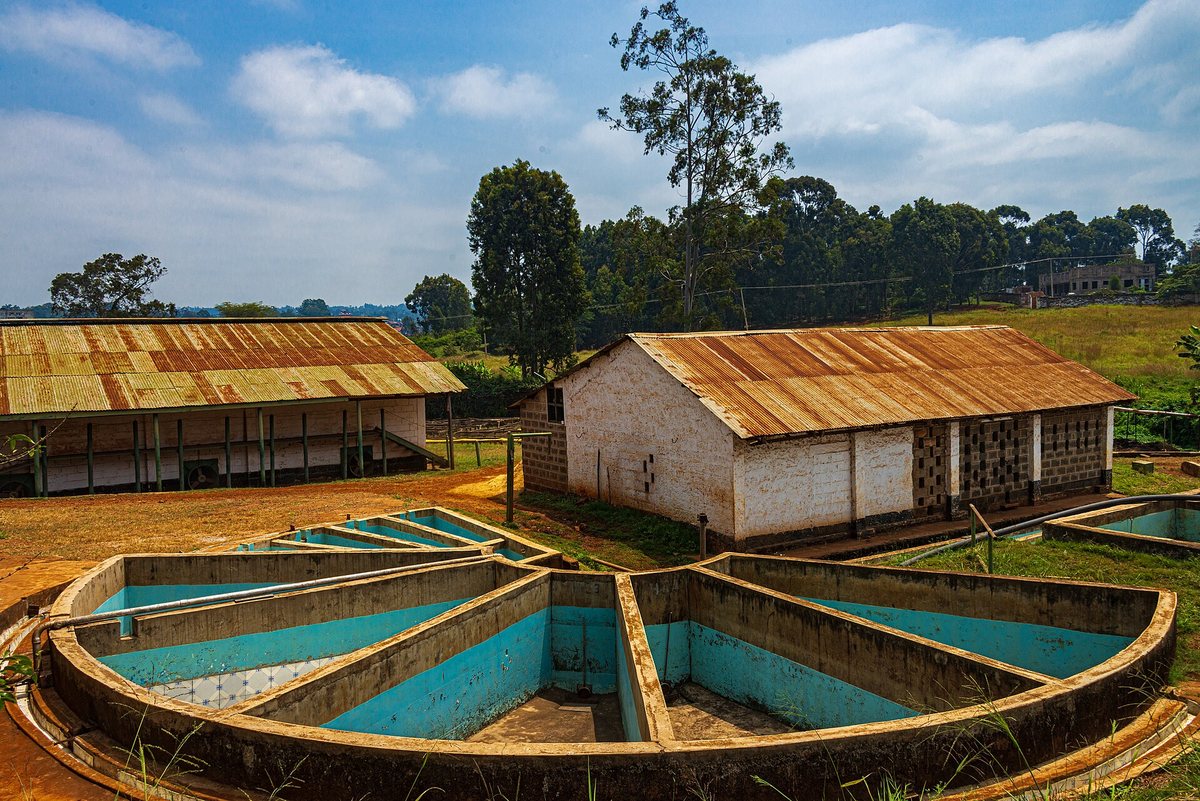
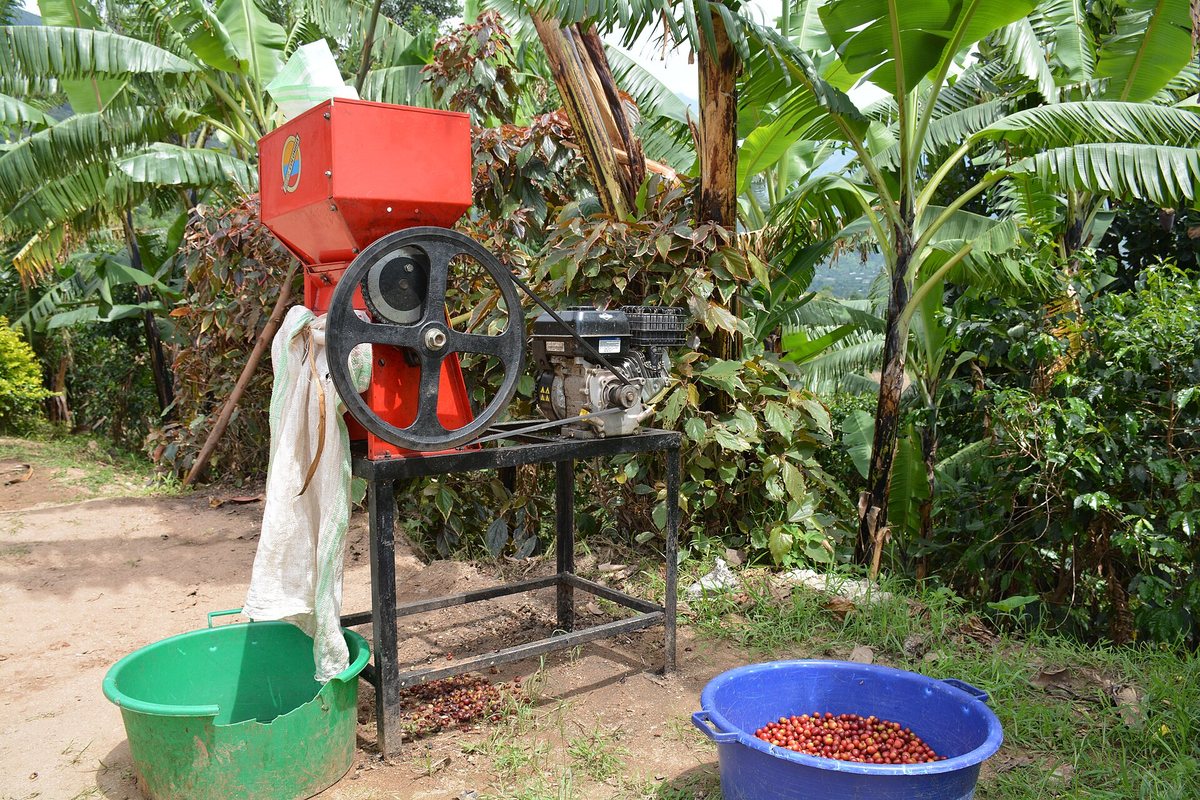
Washed (wet). Depulp the cherry to strip skin and flesh, ferment the parchment-covered seeds in water tanks for a day or so to break down the remaining slippery mucilage, wash it off, dry. The clean one: transparent, bright, acid-forward, with the varietal and the terroir standing out because the fruit has been taken out of the equation. The most consistent and the least forgiving — nothing to hide behind. Also water-hungry, which is a real cost.
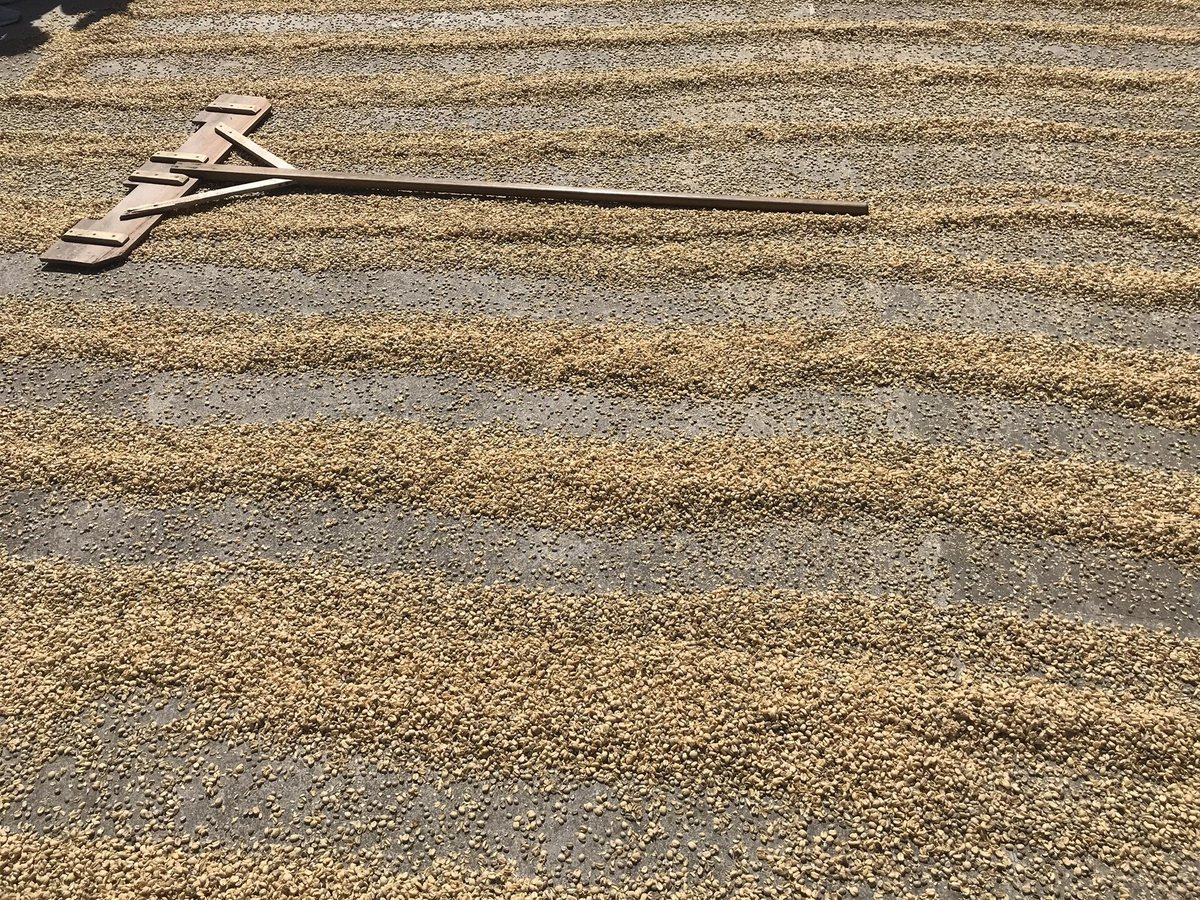
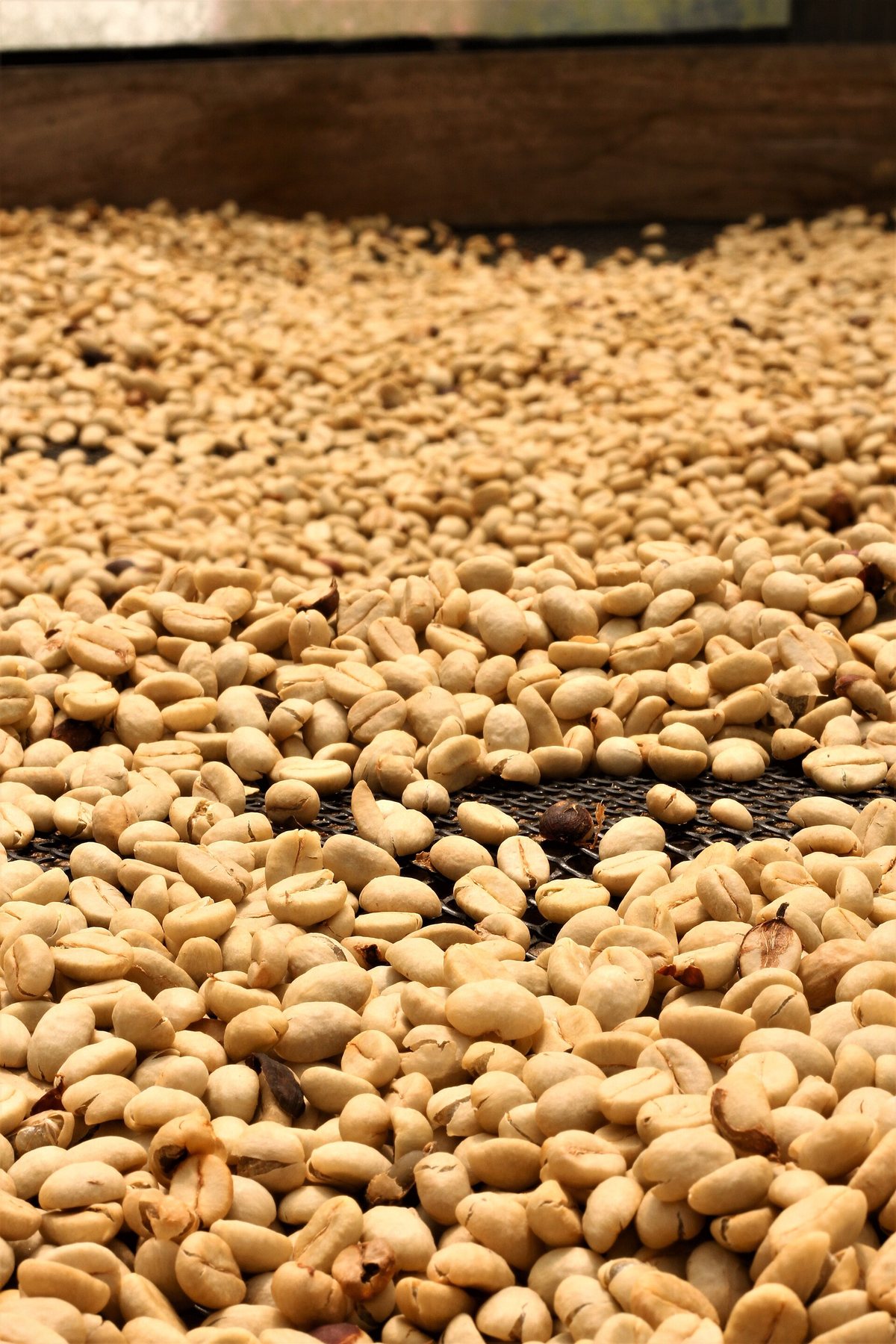
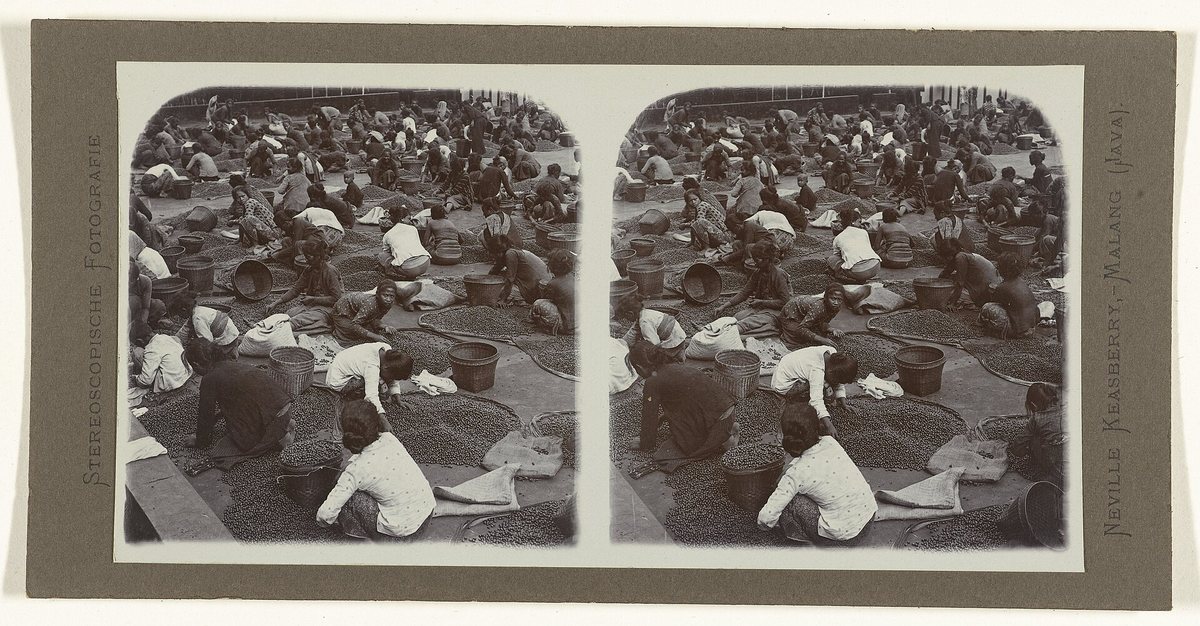
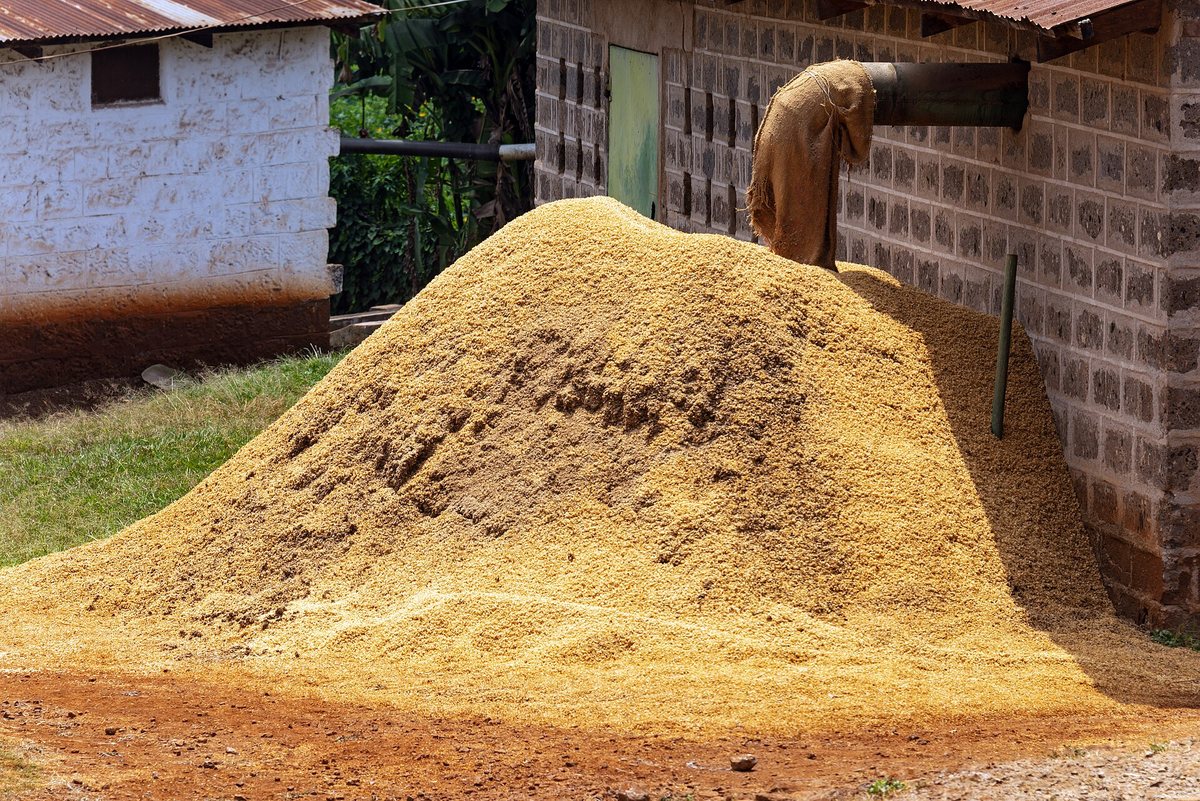
Natural (dry). The oldest method, simplest to describe and hardest to do well: dry the whole cherry, fruit and all, on patios or raised beds, raking it for weeks, then hull off the dried husk. The seed sits inside its own fermenting fruit the whole time and drinks it in. The result is fruity, boozy, heavy-bodied, jammy — blueberry Ethiopians, that winey Yemeni cocoa note — and also the most variable: get the drying wrong and you get bagginess and rot. Naturals used to signal a poor farm with no water; now a well-executed natural is a premium product. Both are true.
Honey / pulped natural. The middle path: depulp, but leave some or all of the mucilage on the parchment and dry it like that, no fermentation tank. Some of the natural’s sweetness and body, some of the washed’s clarity. Producers grade it by how much mucilage stays on — white, yellow, red, black honey, in ascending order of mucilage, drying time, and fruit. (There’s no honey in it; the sticky drying parchment just looks like it.)
Wet-hulled (giling basah). Indonesia’s own thing, and the reason Sumatra tastes like Sumatra. The parchment is hulled off while the seed is still wet — well above the moisture content anyone else would dare — and the bare seed finishes drying. It’s an adaptation to a humid climate where you can’t reliably dry coffee down before it spoils, and it yields a distinctive deep green-blue bean and a low-acid, heavy, earthy, cedar-and-tobacco cup. People adore it or find it muddy; there isn’t much middle ground. I’m on the adore side for a certain kind of morning.
Experimental and anaerobic. The frontier, borrowed from winemaking: ferment the cherries in sealed tanks without oxygen, sometimes under CO₂ pressure (carbonic maceration), sometimes with a chosen yeast culture, sometimes for days at controlled temperature. Results can be spectacular and can also be absurd — cinnamon, strawberry candy, things that taste engineered. As someone who keeps a sourdough starter alive and thinks about lactic versus acetic acid for fun, I find this thrilling: the same lever I pull in a dough, applied to a fruit. The fair criticism is that the fermentation can start shouting over the farm and the variety.
Density, altitude, and the hard bean
Coffee grown higher grows slower — cooler nights, less vigorous growth — and a slow-growing seed is denser, packing in more sugar and more of the precursors that become aroma in the roaster. That’s the whole reason altitude is on the bag. Producing countries encode it in grading: Central America uses SHB / SHG (Strictly Hard Bean / Strictly High Grown) for the top tier; Colombia uses screen size (Supremo, Excelso). Dense beans take more energy in the roaster and can handle it, which is part of why high-grown coffee tolerates the profiles that develop sweetness without going flat — more on that on roasting.
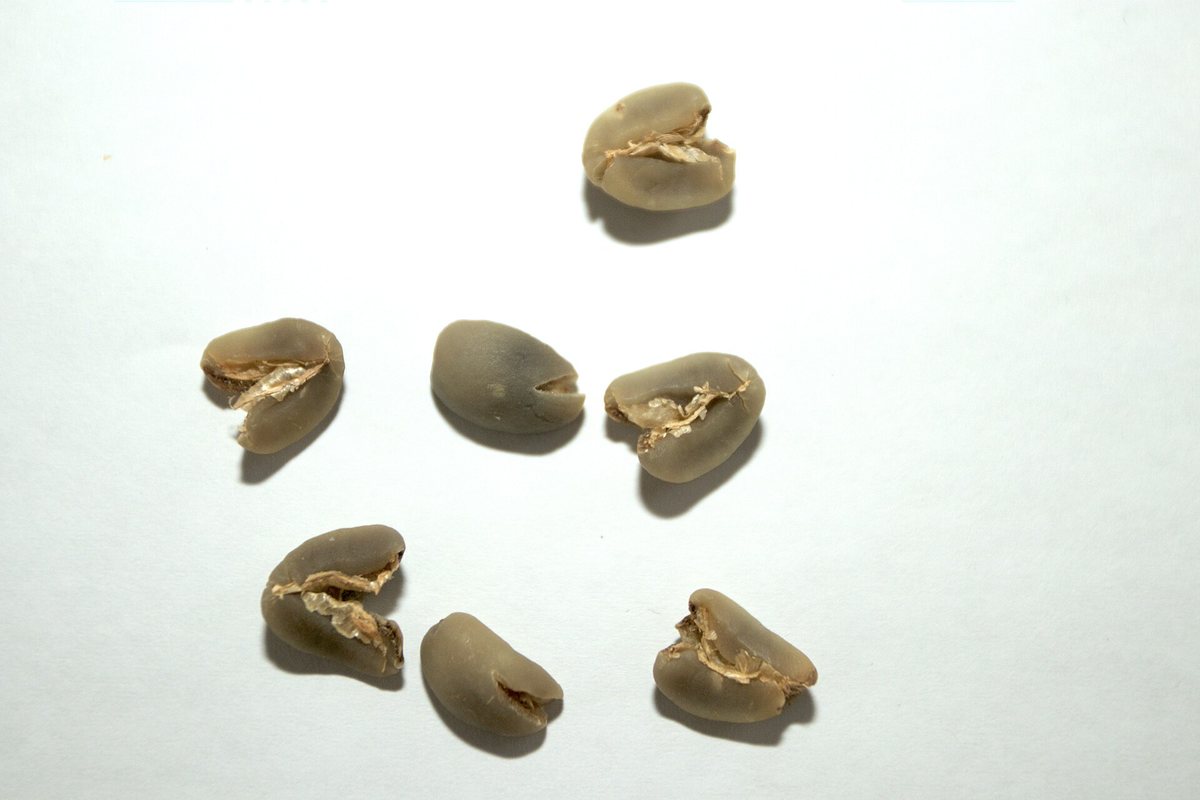
Grading and defects deserve a paragraph, no more. The specialty standard counts defects in a 350 g sample of green coffee: full defects (a black bean, a sour bean, a stone) and partial ones (broken, insect-damaged, immature). Specialty grade allows zero primary defects, a handful of secondary ones, and a cupping score of 80+ on a 100-point scale. Below that is commercial coffee, and below that is what gets blended into cans. One sour/fermented bean can taint a whole cup, which is why so much money goes into sorting — down to optical sorters that air-jet individual beans off the line.
Decaf, factually
Decaf gets treated as a moral failing or a chemical scare, and both are silly. All the methods do the same thing: soak green beans to make caffeine mobile, remove it, put everything else back.
- Swiss Water Process. Water only. Beans soak until caffeine and flavor dissolve out; that water passes through activated carbon sized to trap caffeine and pass the flavor; the caffeine-free, flavor-saturated water then soaks the next batch, so only caffeine leaves. No solvent, certified to 99.9% caffeine-free. Excellent, and the reason it costs more.
- CO₂ process. Supercritical carbon dioxide is pumped through wet beans and selectively grabs caffeine. Flavor-preserving, capital-intensive, common at scale. The extracted caffeine is sold on to the soda and supplement industry — which is where your energy drink’s comes from.
- Solvent-based: methylene chloride or ethyl acetate. The beans are soaked and the solvent binds the caffeine. EA occurs naturally in fruit and is often marketed as “sugar cane process” — a good process making good coffee. Methylene chloride gets the scary headlines; honestly, it’s flashed off well below roasting temperatures, and measured residues run far below already-strict limits. Not a health issue at the cup level. I lean toward Swiss Water and EA because they taste good, not out of fear.
No decaf is 100% caffeine-free — figure a small fraction of a normal cup’s dose. And decaf is harder to roast (the beans are structurally changed and darken deceptively), which is a much bigger reason bad decaf exists than the decaffeination.
Green keeps. Roasted doesn’t.
Last thing, and it reorganizes how you buy.
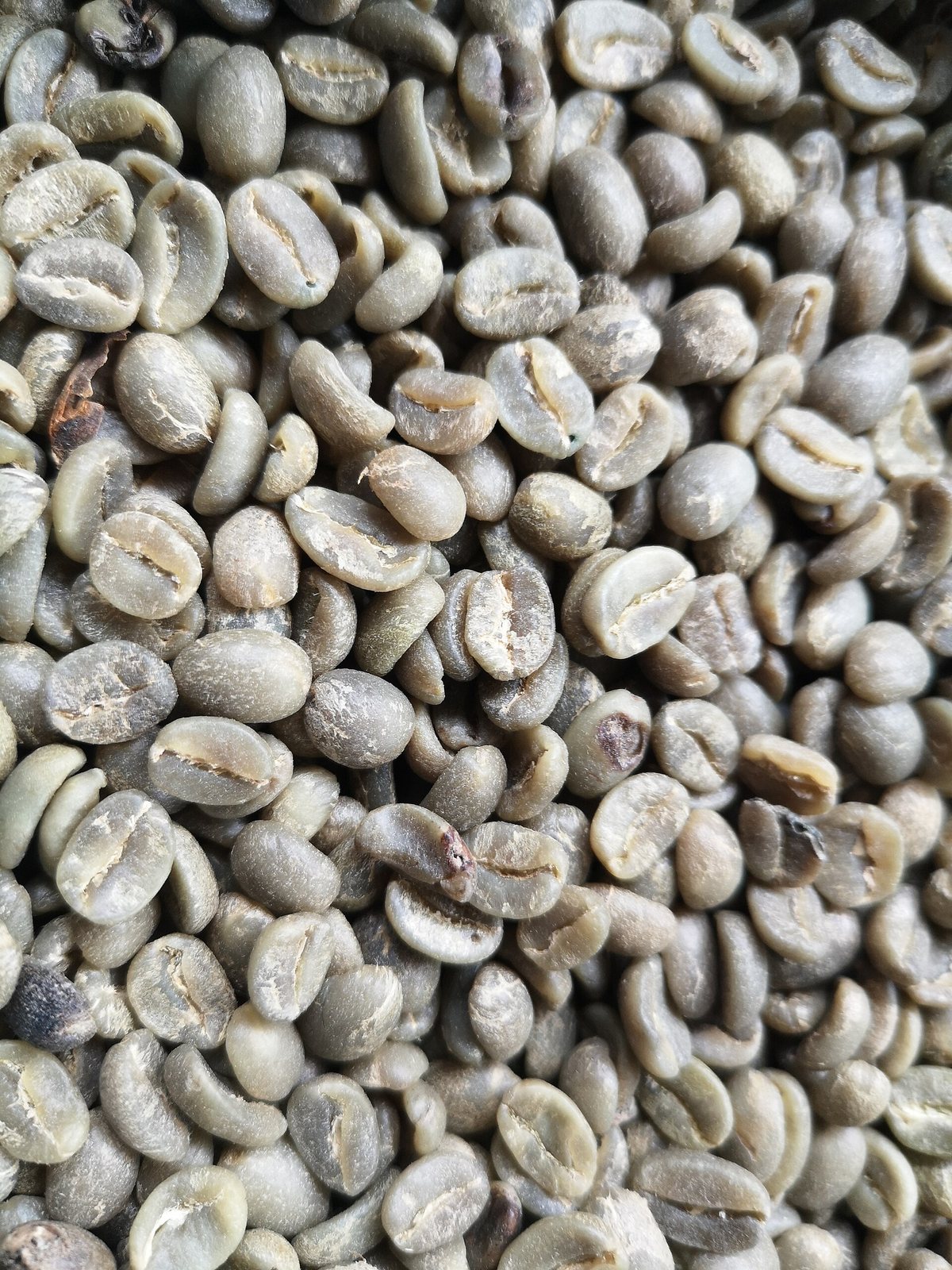
Green coffee is shelf-stable. Stored cool, dry, and at stable humidity, it holds up for about a year and fades slowly from there (the trade calls the faded stuff “past crop,” and you can taste it: flat, woody, papery). That stability is why the global coffee trade works at all.
Roasted coffee is a fresh product with a clock running. Roasting shatters the seed’s cell structure, drives out water, and creates hundreds of volatile aromatics that immediately start escaping and oxidizing. Rest it a few days to degas CO₂, drink it out to about three or four weeks, and after that it’s flat no matter what you do. Ground coffee is worse by an order of magnitude — surface area is the enemy — which is why grinding fresh is the highest-leverage upgrade available to a home drinker, ahead of the brewer, ahead of everything.
So: green stability is the trade’s problem, roasted freshness is yours. Buy small, buy recent, grind at the moment.
Everything above happens before the seed ever gets hot. Next, the transformation itself — what fire does to this thing — over on roasting, or try it yourself with roasting your own. To start from where these beans grow, go to origins. And when you’re ready to stop drinking coffee and start cooking with it, the espresso chocolate sourdough discard cookies are where my two obsessions shake hands.
Comments (0)