Coffee · 64 of 64
Yuenyeung and Hong Kong Café Coffee
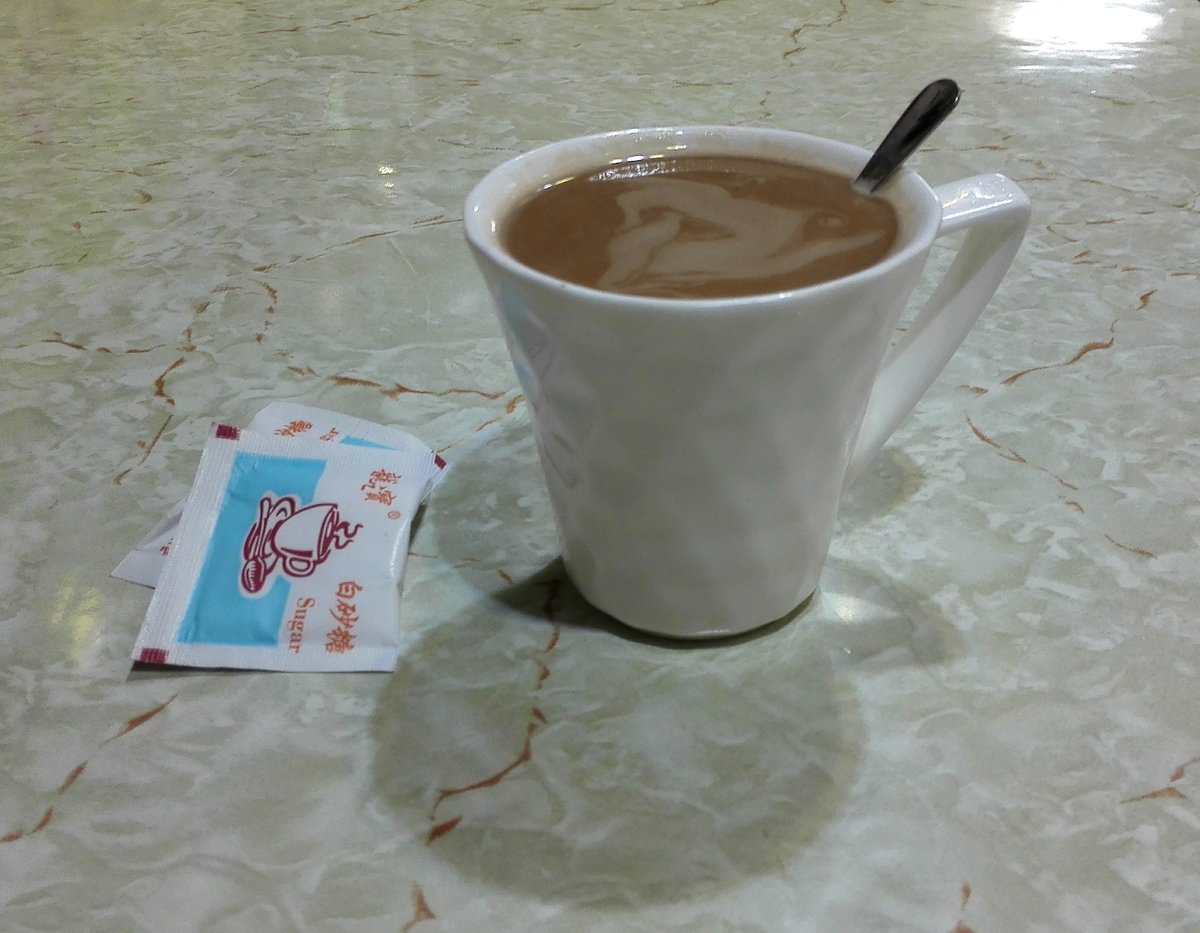
Yuenyeung (鴛鴦, yuānyāng in Mandarin) is coffee mixed with Hong Kong-style milk tea in one cup: strong black tea pulled through a cloth strainer, made creamy with evaporated or condensed milk, and cut with coffee. It is named after the mandarin duck, whose drake and hen look nothing alike, a pair of unlikely partners. It is the drink of the cha chaan teng, Hong Kong’s cheap all-day cafés, and of the street stalls they grew out of.
Its history is shorter and more argued over than the menus suggest. Two Hong Kong cafés claim to have invented it in the 1950s, the “official” ratio printed everywhere is not in the government source it is credited to, and the milk tea it is built on has its own heritage listing while yuenyeung itself does not.
The short version
| Question | Answer |
|---|---|
| What is it? | Hong Kong milk tea and coffee in one cup, hot or iced, with evaporated or condensed milk. |
| What ratio? | Three parts coffee to seven of milk tea is the ratio most often printed; the Hong Kong government described it in 2003 as “half coffee and half black tea with milk”. Shops vary. |
| Who invented it? | Unknown. Lan Fong Yuen claims 1952; Hoi On Café’s former owner’s son says about 1955. |
| Why “mandarin duck”? | The pair is a symbol of an unlikely couple. Real mandarin ducks pair for a season, not for life. |
| What is milk tea? | Black tea boiled and poured repeatedly through a cotton strainer, the “silk stocking”, with evaporated milk. Its making technique is on Hong Kong’s heritage list (2017), not UNESCO’s. |
| How much caffeine? | Hong Kong café milk tea averaged 170 mg a cup in a 2013 test, coffee 200 mg; a yuenyeung is likely in between. |
| Can I make it? | Yes: Hong Kong Milk Tea and Yuenyeung. |
Hong Kong milk tea
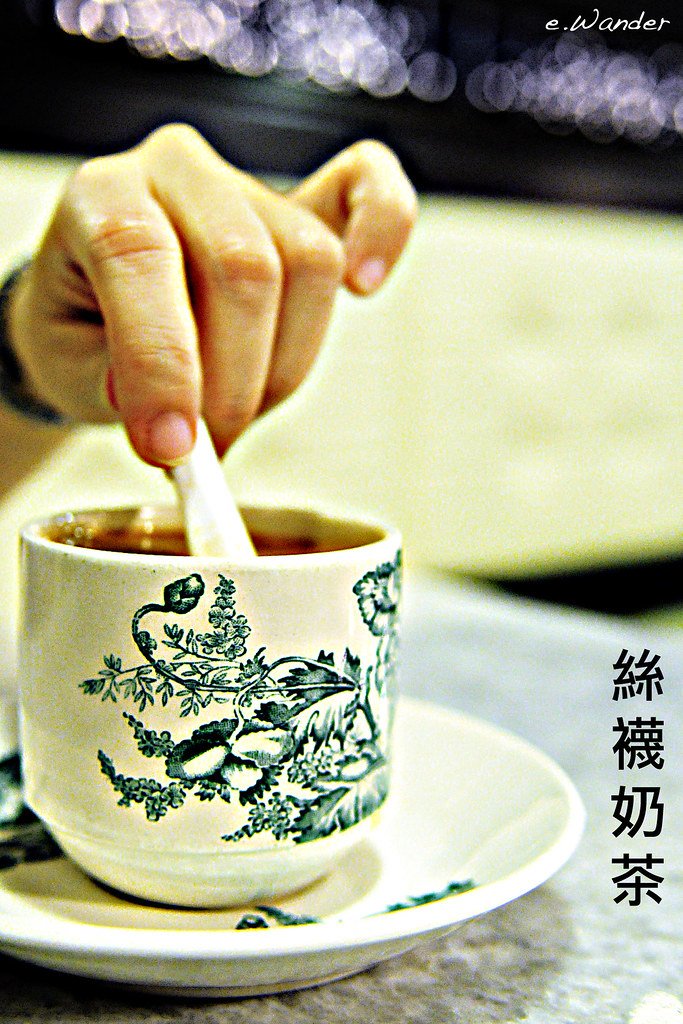
Where it came from. British rule brought tea with milk and sugar to Hong Kong, and for the first half of the twentieth century Western-style tea was “a privilege exclusive to the elites”. After the Second World War, as the population boomed, the government licensed street stalls, dai pai dong, and ice cafés, bing sutt, and they made milk tea for working people: lower-grade leaves for strength and cheapness, a fine cotton strainer for the fannings, and tinned milk in place of fresh (HK Memory, Hong Kong ICH project). The bing sutt were later replaced by cha chaan teng.
The “silk stocking”. The strainer is cotton. It turns tea-brown with use and looks like the flesh-coloured stockings women wore; “if it were silk, the bags would melt under the heat of the milk tea”, the son of Lan Fong Yuen’s founder told the South China Morning Post in 2007 (SCMP).
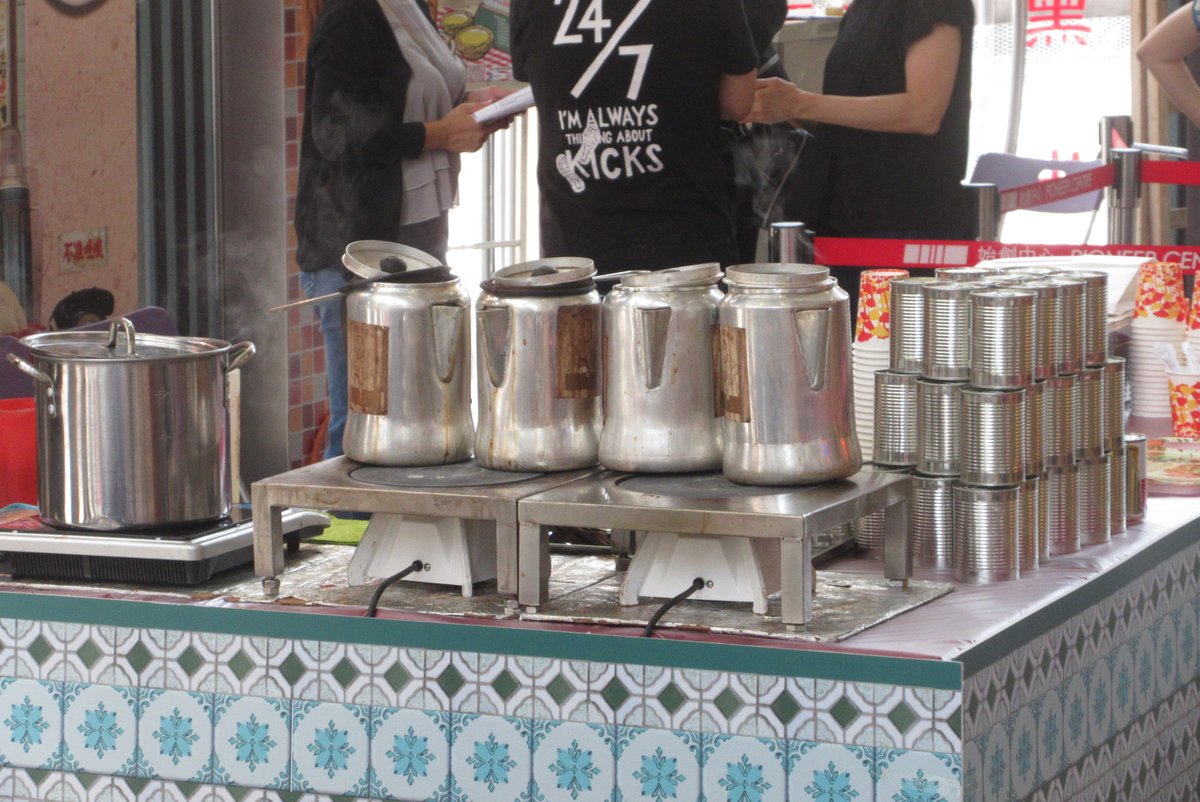
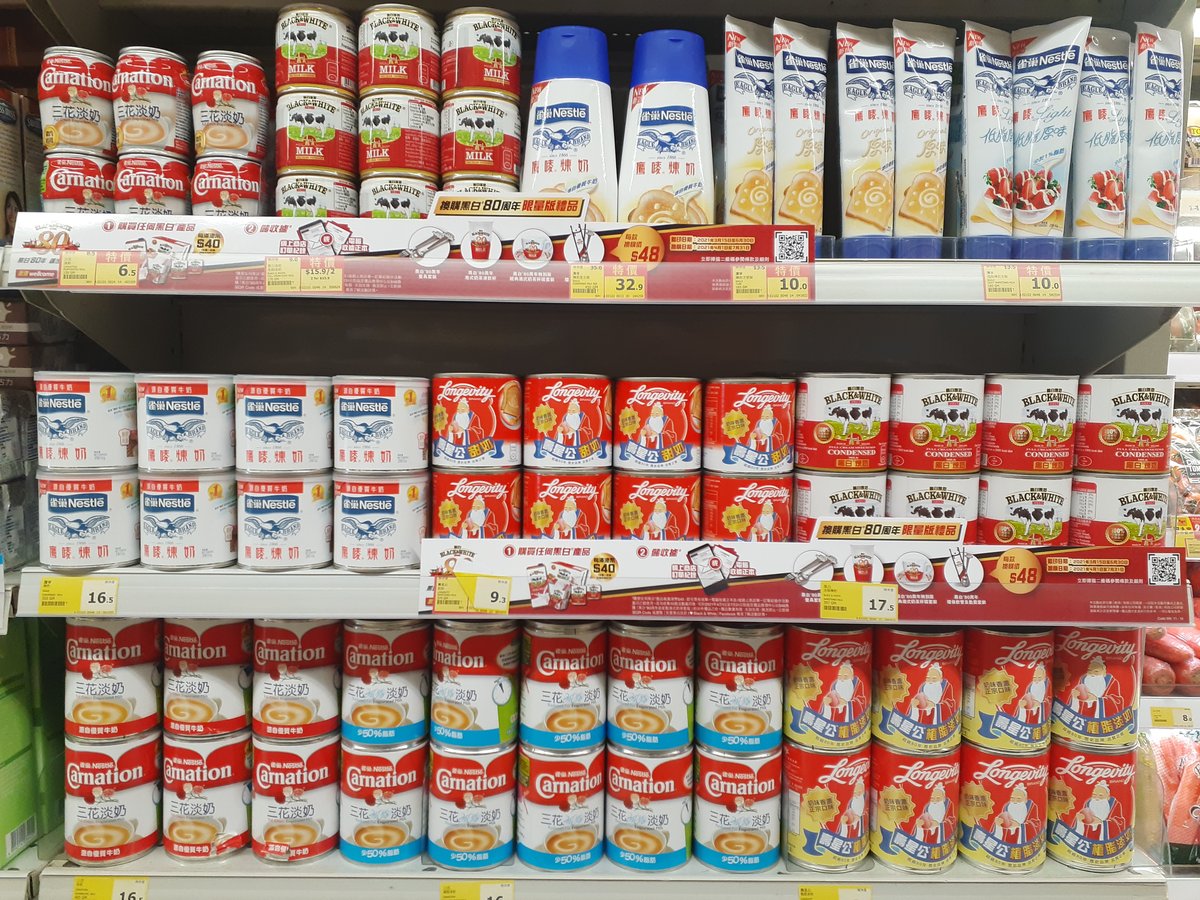
How a master makes it. Hong Kong’s heritage project describes the method: black tea leaves “of different picks and brands”, large, medium and small, mixed in the cloth strainer (the loaded strainer is the cha daam, 茶膽); boiling water poured through; boiled with the lid on for several minutes; then force-poured, the tea lifted and poured from a height back through the leaves at least three times, to mix the flavours and smooth it; reheated and simmered; and finally poured into the milk, or the milk into the tea, as the master prefers. The milk is evaporated milk or filled milk (made with vegetable fat), and the test of a good cup is aroma, richness and smoothness (HK Memory). Since 2009 the trade has held a milk-tea competition, the KamCha.
The heritage listing. “Hong Kong-style Milk Tea Making Technique” was on the first Hong Kong intangible cultural heritage inventory of 480 items in June 2014, and on the first Representative List of 20 items in August 2017 (Intangible Cultural Heritage Office). It is a Hong Kong list, not UNESCO’s. The listing describes milk tea and does not mention coffee or yuenyeung; in 2021 the head of the trade’s federation said yuenyeung was not listed and he would push for it.
Who invented yuenyeung?
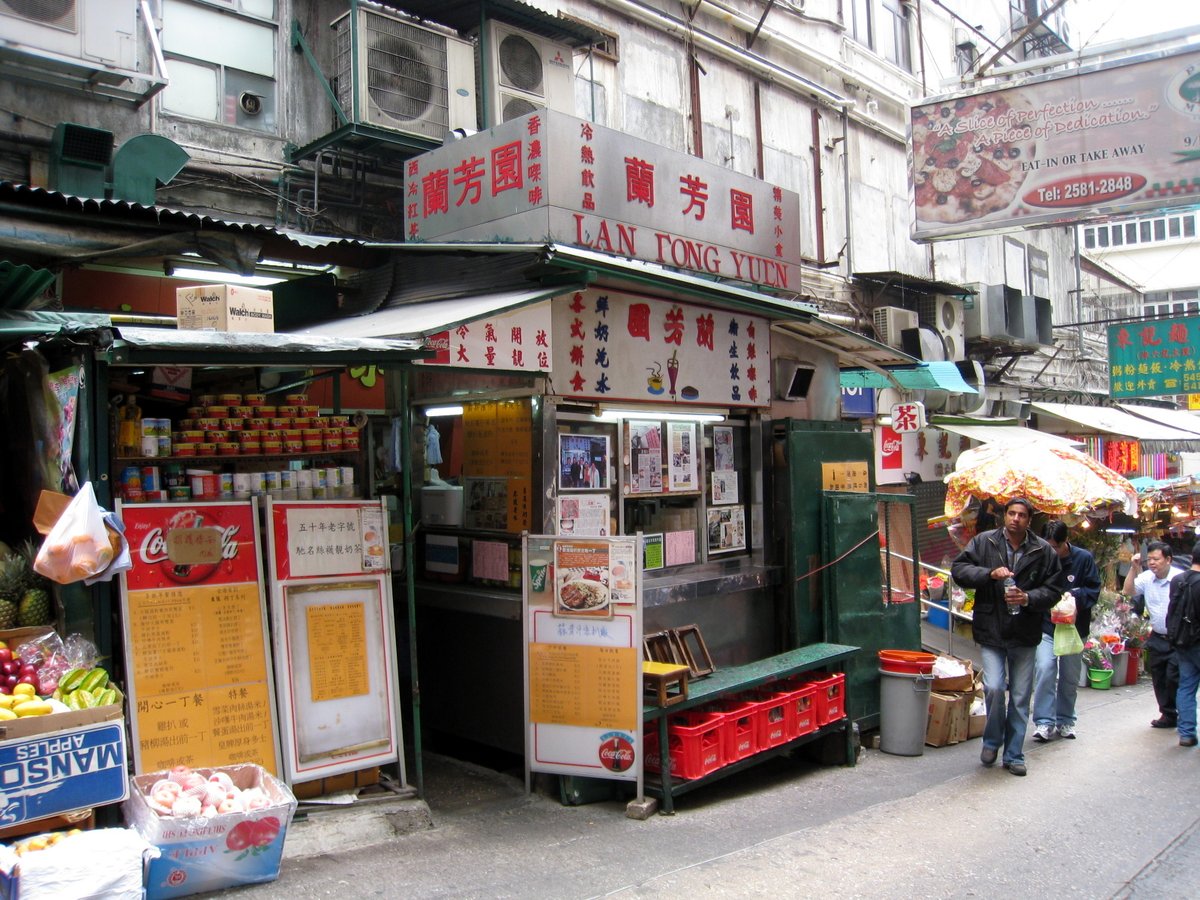
Nobody knows. There are three stories:
- Lan Fong Yuen, 1952. The stall on Gage Street, Central, opened by Lum Muk-ho in the early 1950s, says on its own site that he “invented Silk Stocking Milk Tea and Yuenyeung Milk Tea” in 1952. In 2007 his son told the SCMP about the milk tea, that his father blended “six types of Sri Lankan tea” and that “in the 1950s, most Hongkongers drank coffee”, but did not mention yuenyeung (SCMP, 2007). The stall’s site now names Indian Assam. In 2007 it was one of 28 dai pai dong left, and dai pai dong licences cannot be transferred (SCMP, 2007).
- Hoi On Café, about 1955. Simon Wong, whose father owned the Hoi On Café in Sheung Wan and founded the tea and coffee supplier Tsit Wing, says yuenyeung appeared around 1955: customers complained that milk tea “scraped the stomach” and coffee was too “heaty”, in Chinese-medicine terms, so Hoi On’s barman balanced the two (Our China Story, 2021). He was a child at the time.
- Nineteenth-century dock workers. A Sing Tao columnist suggested in 2025 that coolies on the western docks boiled coffee and tea in the same clay pot; he offers it as an inference, without documents (Sing Tao, 2025).
What can be said is that yuenyeung was being served in Hong Kong’s stalls and cafés by the 1950s.
The ratio
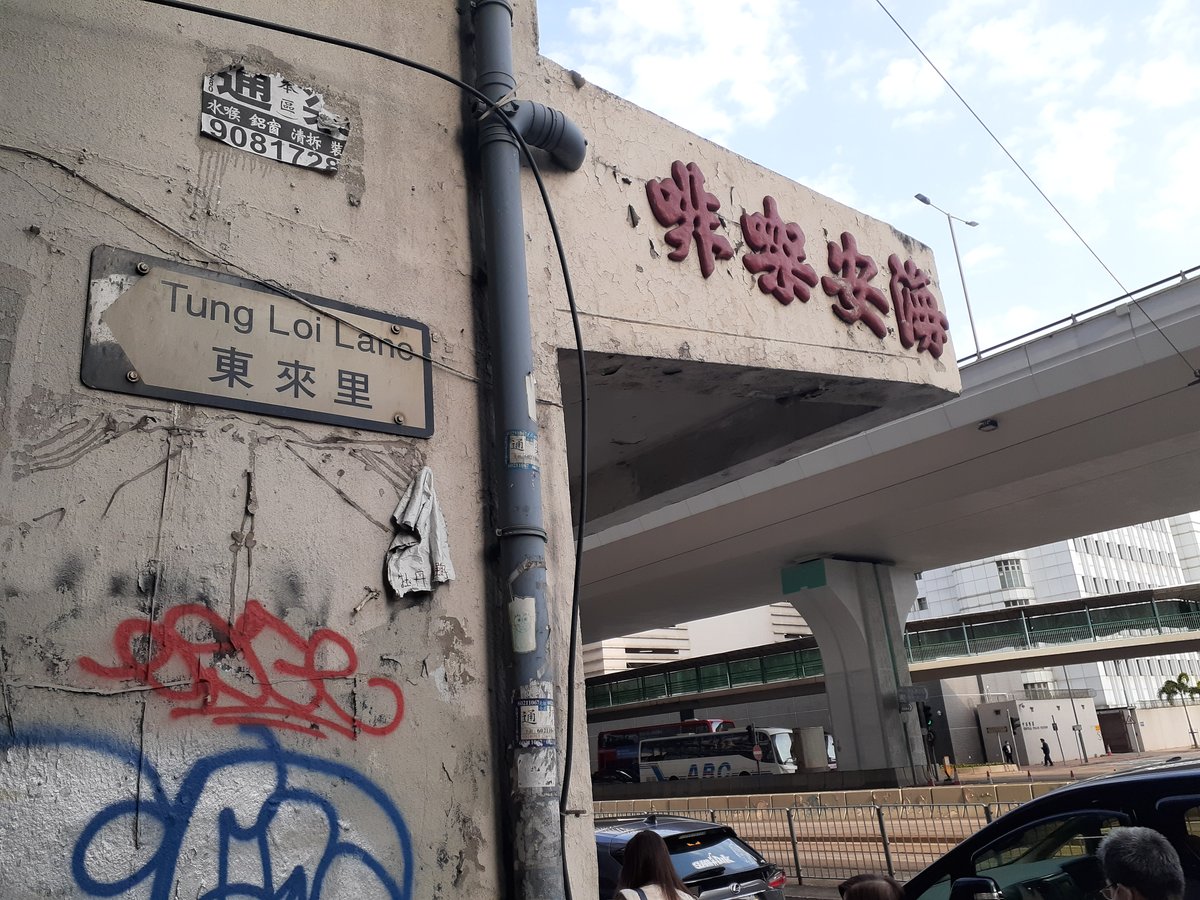
Nearly every recipe calls three parts coffee to seven parts milk tea the “official” ratio and credits it to a 2003 Hong Kong government press release. The release, for an exhibition of coffee and tea vessels called Yuanyang at the Flagstaff House Museum of Tea Ware, says something else: yuanyang “represents a drink mixed with half coffee and half black tea with milk popular in many Hong Kong restaurants” (LCSD, 11 February 2003). The earliest printed 3:7 found is a South China Morning Post feature of 2020, which said yuenyeung is “primarily made of three parts coffee to seven parts milk tea, but can vary” (SCMP, 2020). So 3:7 is the ratio most often printed, 1:1 is the government’s 2003 description, and every café makes its own. A Hong Kong food writer finds 1:1 “less like Hong Kong versions”; the recipe here uses 7:3.
The mandarin duck
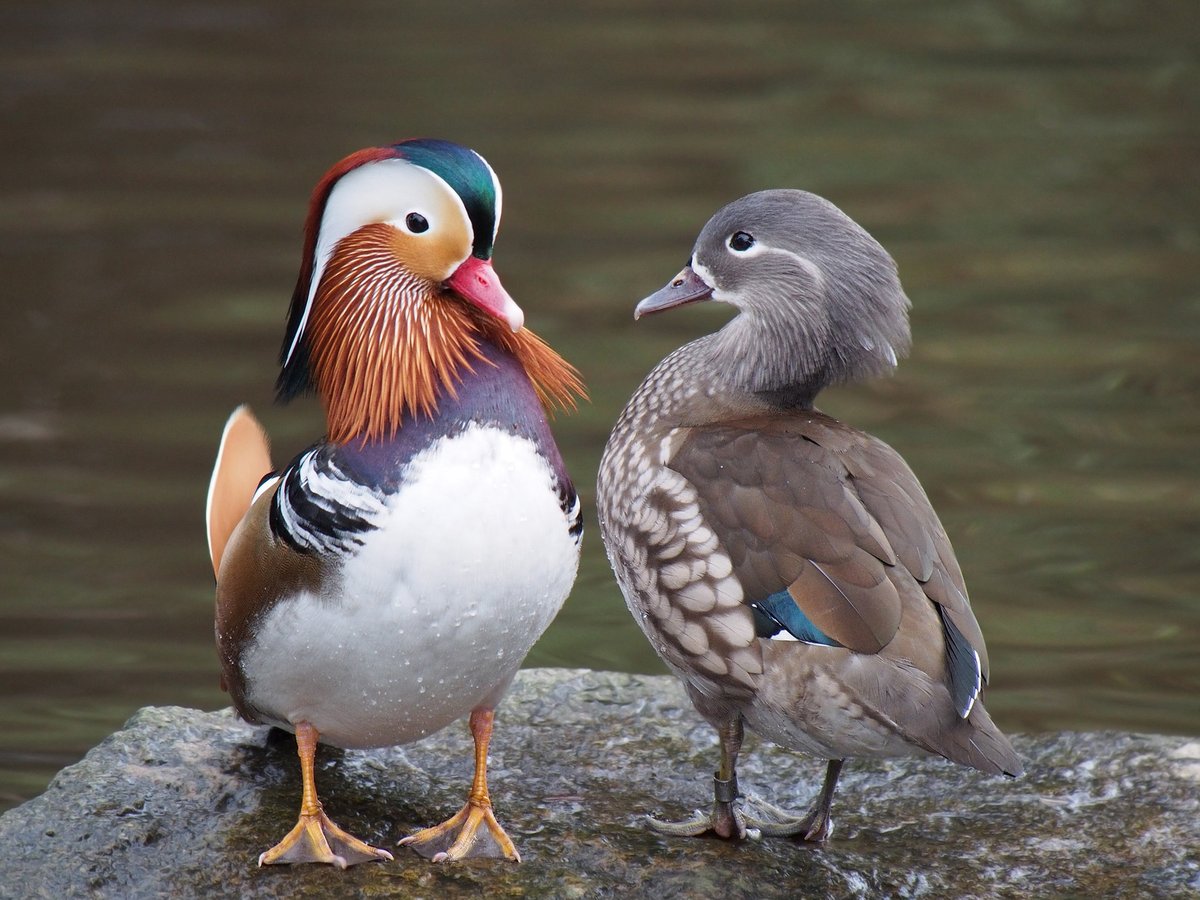
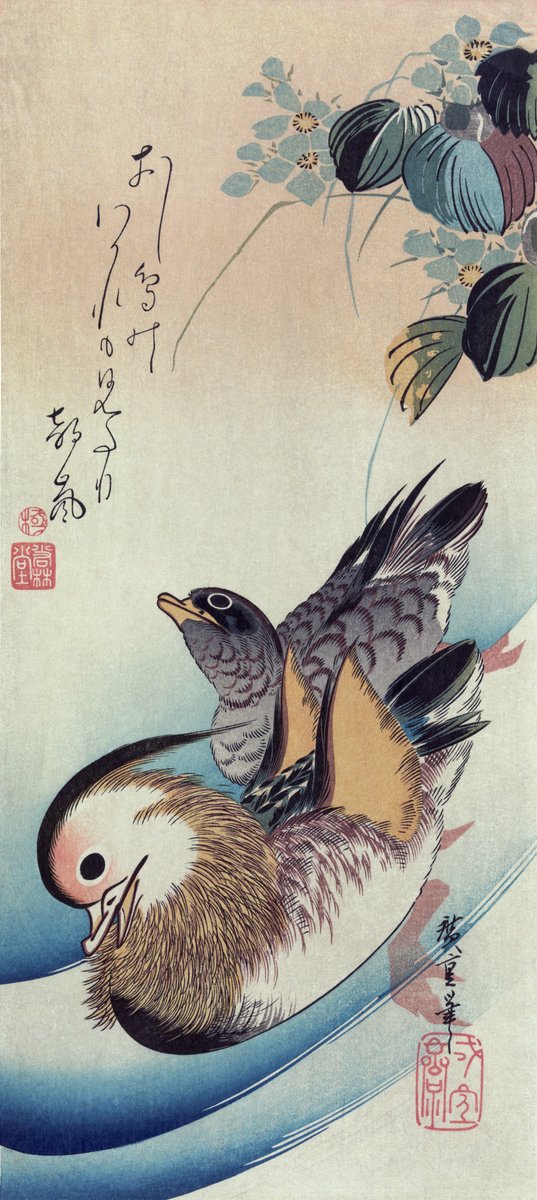
Yuen (鴛) is the drake and yeung (鴦) the duck. They look nothing alike, and in Chinese the pair stands for a couple, so the name fits two unlike drinks in one cup. The 2003 government release says the ducks “always appear in pairs during the mating season”, which is right: mandarin ducks form pairs for a season and commonly change partners from year to year (Canon Bird Branch). The common claim that they mate for life is wrong; the site’s Additions page says the same.
The cha chaan teng and how to order
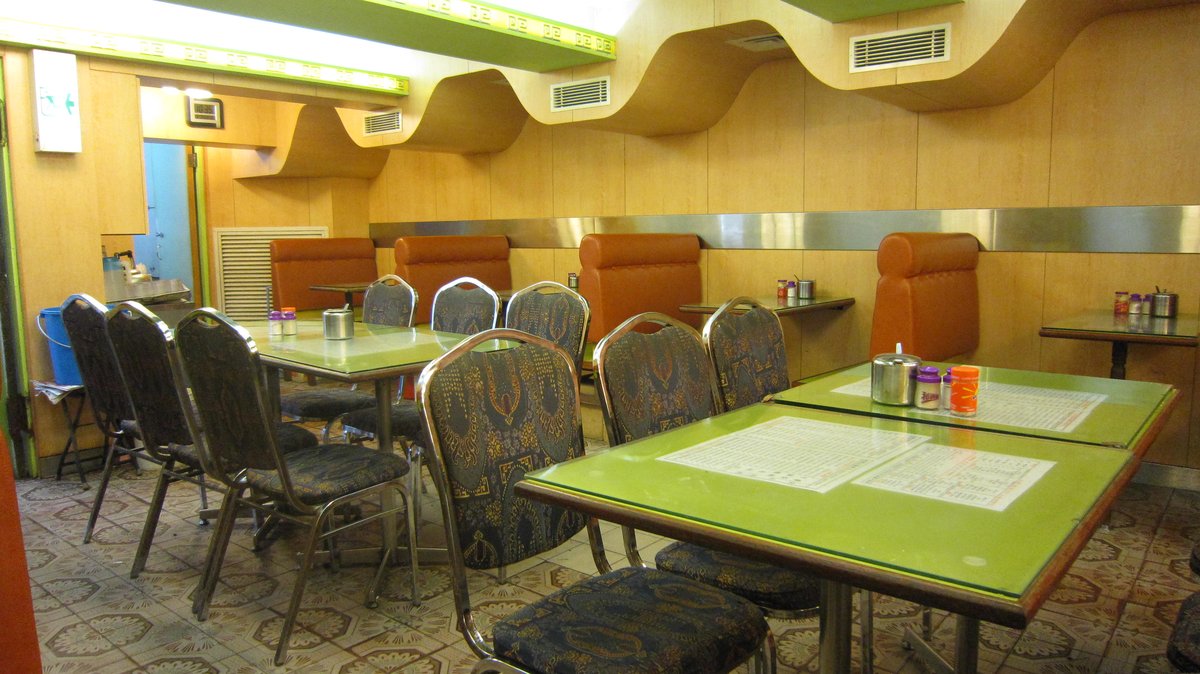
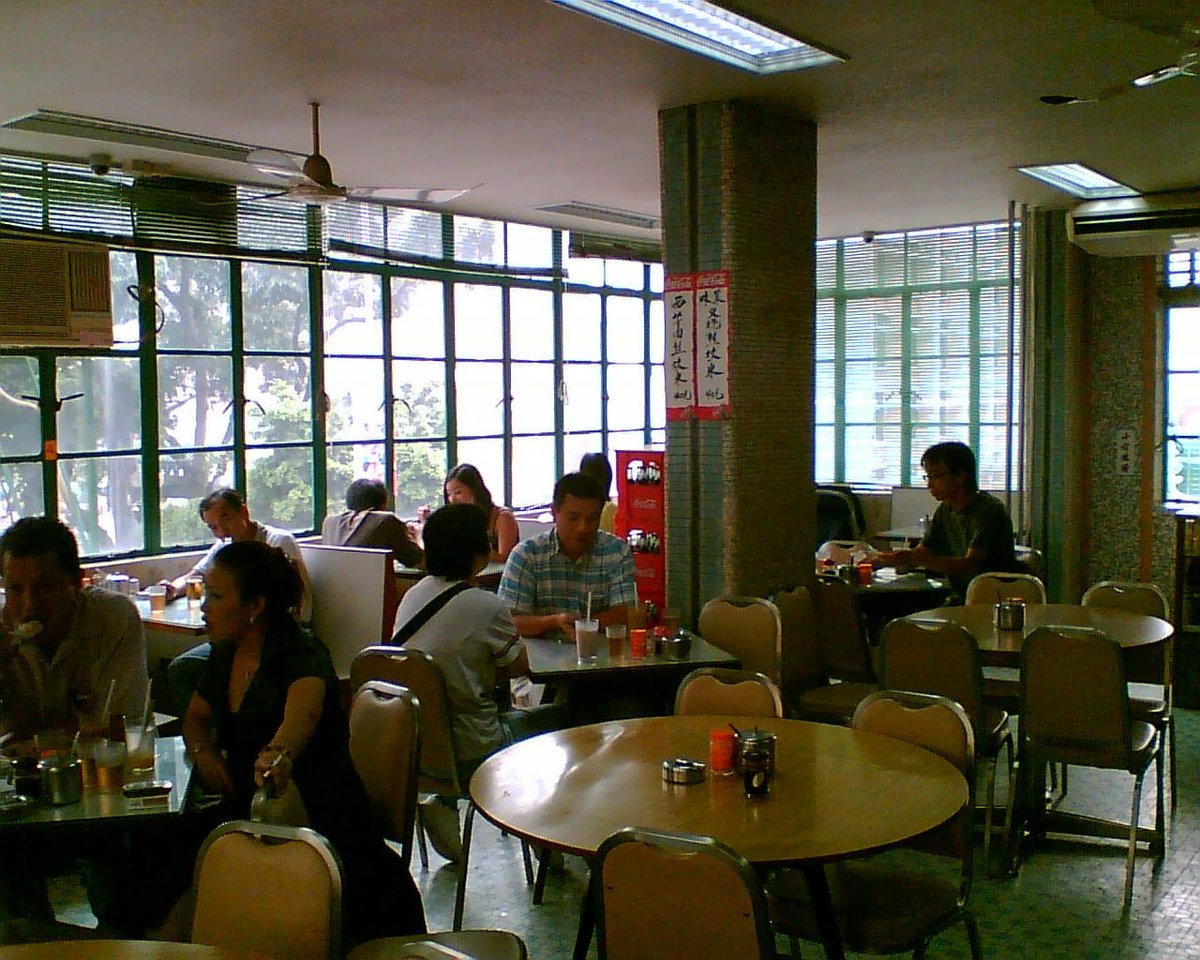
The cha chaan teng (茶餐廳, “tea restaurant”) grew from the 1950s out of bing sutt and Western-style cafés serving cheap Western dishes, and serves milk tea, coffee and yuenyeung all day with set meals. A few old bing sutt survive, such as Mido Café in Yau Ma Tei.
| Order | Meaning |
|---|---|
| 奶茶 naai cha | Milk tea |
| 咖啡 ga fe | Coffee |
| 鴛鴦 yuen yeung | Yuenyeung |
| 凍 dung | Iced (an iced drink usually costs a little more) |
| 熱 yit | Hot |
| 茶走 cha jau | Milk tea made with condensed milk instead of evaporated milk and sugar |
| 飛沙走奶 fei sa jau naai | ”Fly the sand, walk the milk”: no sugar, no milk |
| 走冰 jau bing | No ice |
| 凍檸茶 dung ning cha | Iced lemon tea |
Jau (走) means “leave out”; in cha jau it is the sugar that is left out, because the condensed milk sweetens it (Localiiz; Time Out Hong Kong).
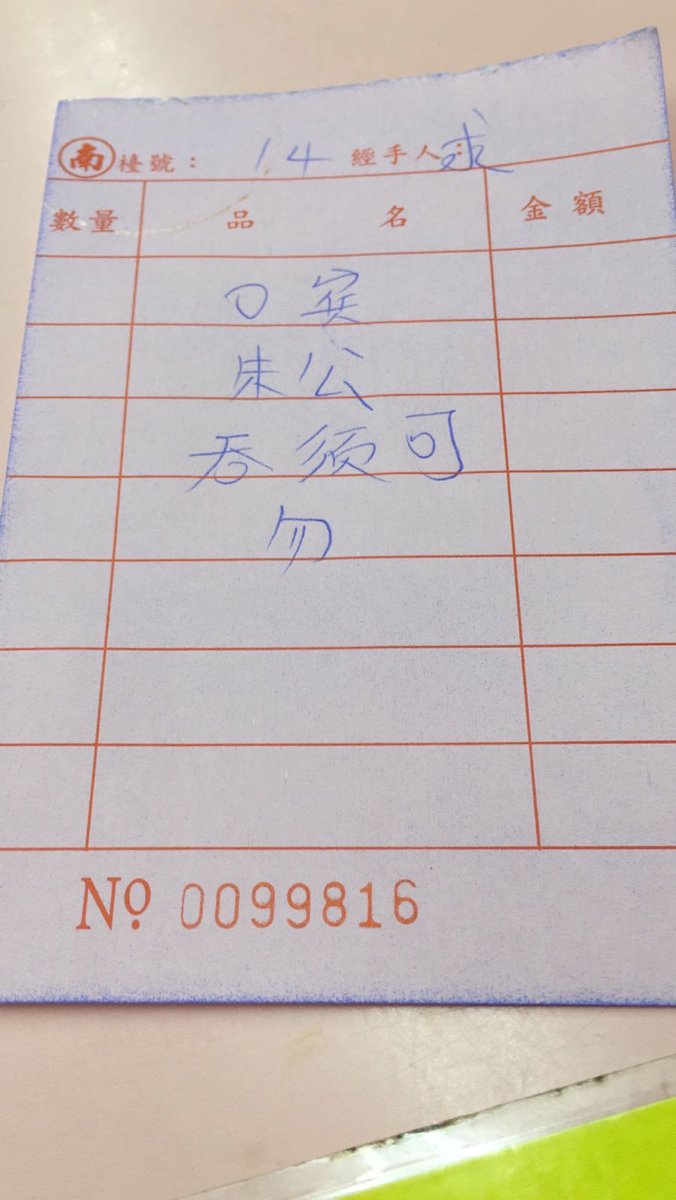
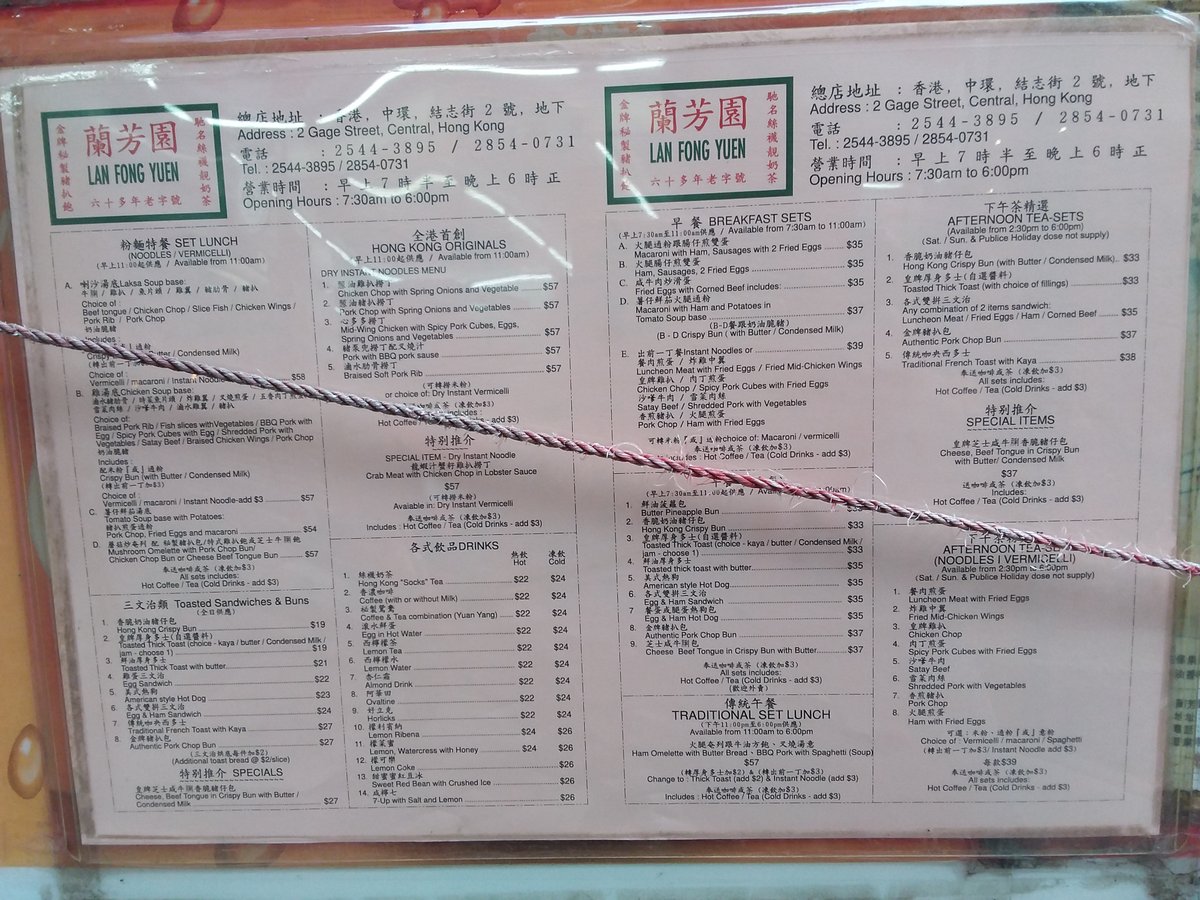
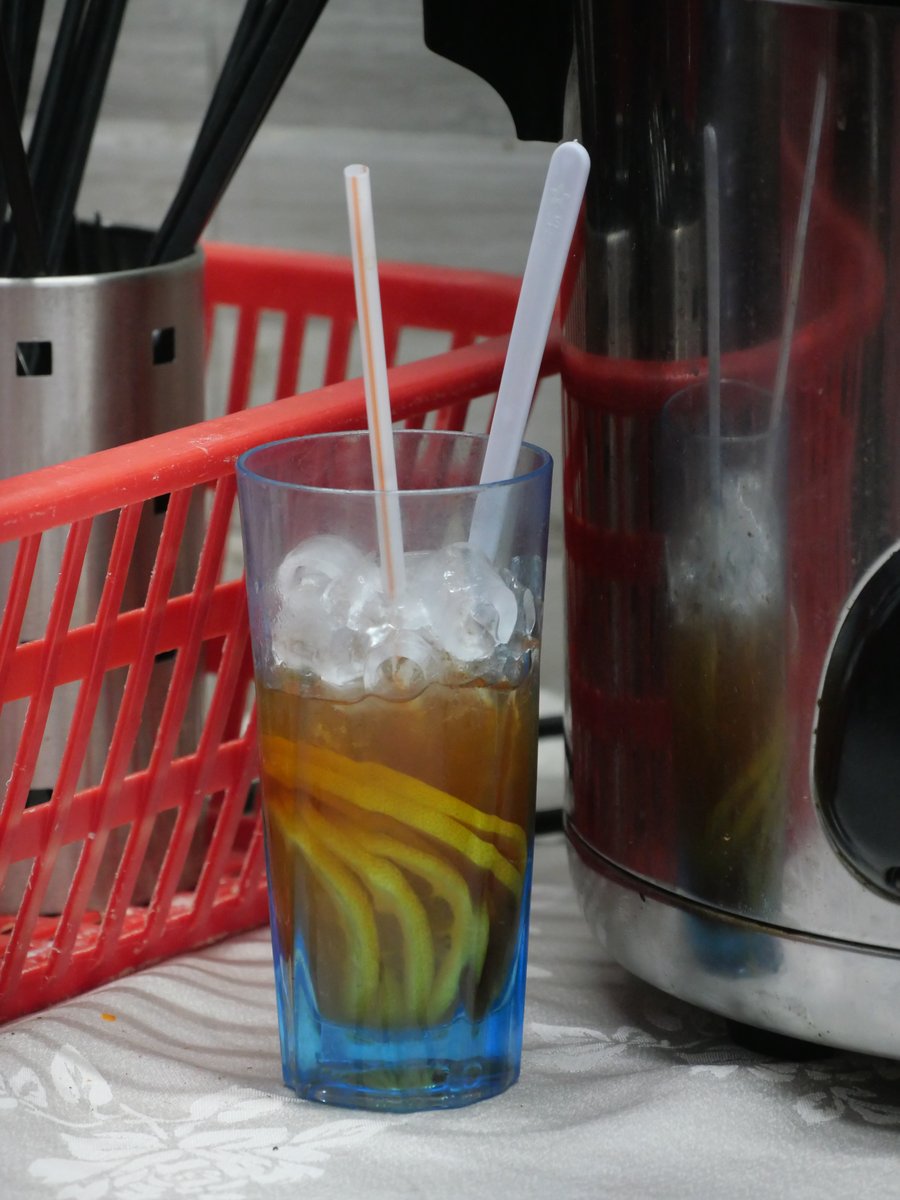
Hong Kong café coffee
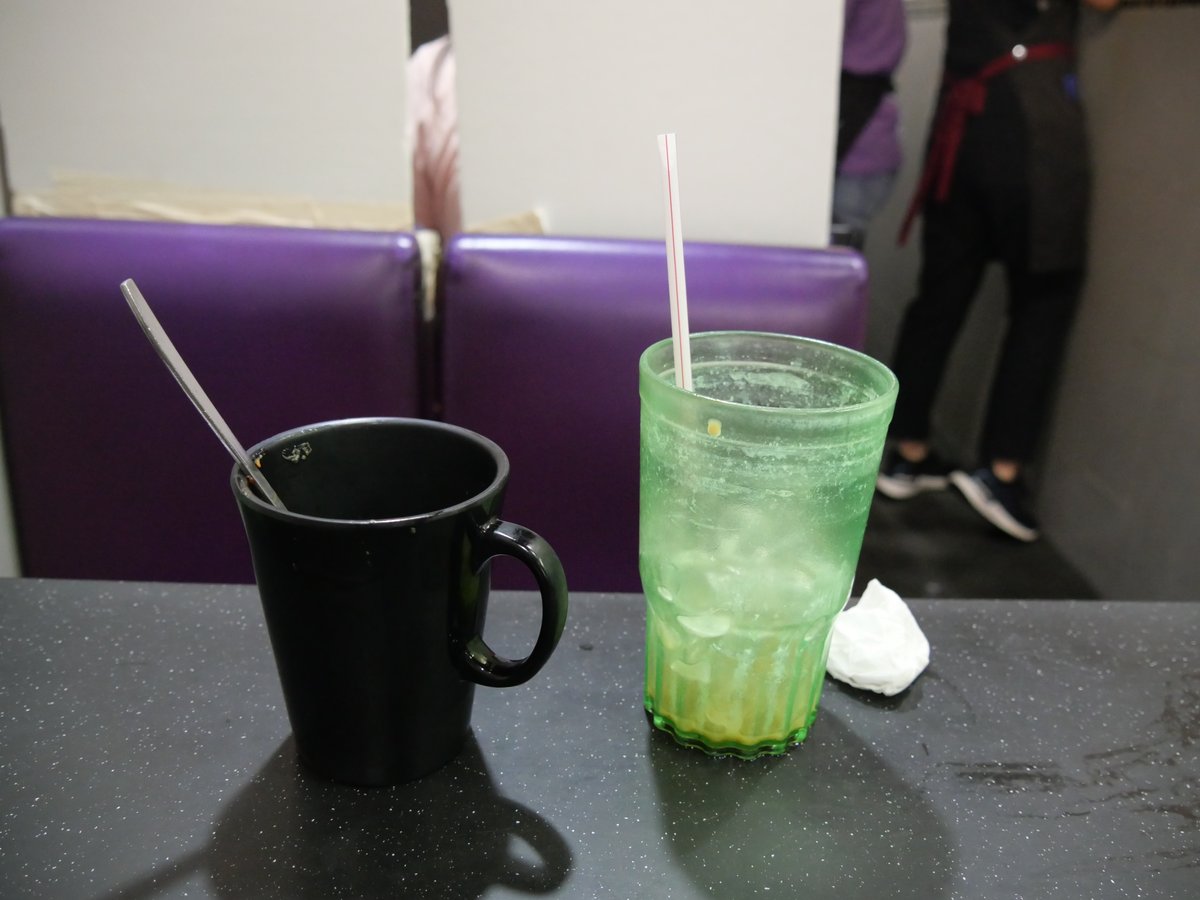
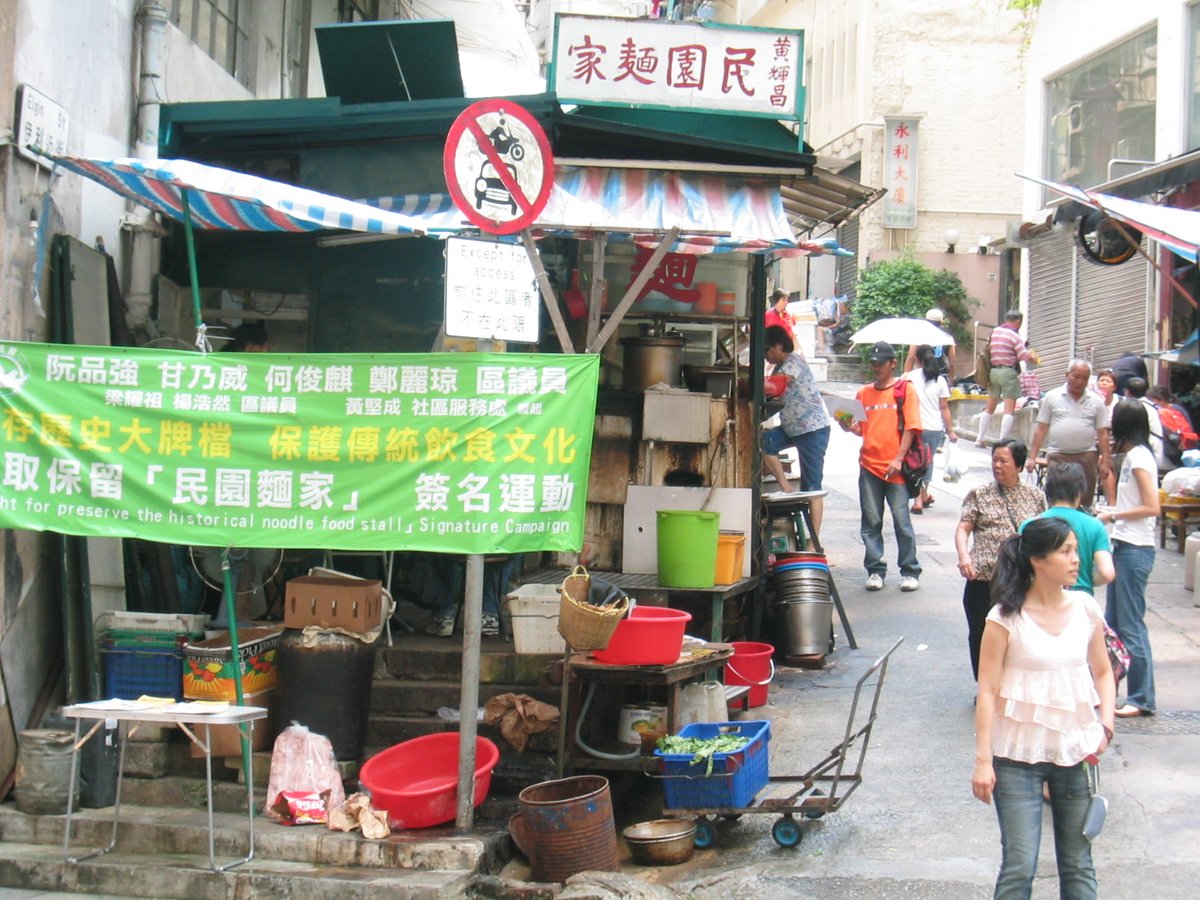
Hong Kong café coffee is less documented than the tea. Lan Fong Yuen’s founder recalled workers drinking black coffee every day in the 1940s and 1950s; China Daily has written that cafés in the 1950s used instant coffee with sugar and evaporated milk (China Daily, 2022); and the Sing Tao columnist remembered coffee and tea boiled in clay pots over charcoal at a 1960s–70s stall in Sheung Wan, and later coffee grounds boiled in separate pots on electric stoves. The claim that Hong Kong cafés roast robusta with butter belongs to Malaysian and Singaporean kopi, not Hong Kong; see Kopi Joss. Hong Kong’s oldest roaster, Olympia Graeco Egyptian Coffee, opened on Pedder Street in 1927 and advertised “Freshly Ground Turkish and Mocca-Java-Coffee roasted daily” in 1934 (PMQ). Starbucks arrived in 2000, and specialty cafés have spread since the 2010s.
Caffeine
Hong Kong’s Consumer Council and Centre for Food Safety tested 80 hot drinks in 2013. Hong Kong café-style milk tea averaged 170 mg of caffeine a cup (73 to 220 mg), close to regular coffee’s 200 mg average (110 to 380 mg) (Consumer Council, 2013). Milk tea is not the gentle choice. No yuenyeung was tested; mixing the two averages gives something like 170 to 190 mg a cup, an arithmetic estimate rather than a measurement. See Caffeine and Health.
Cousins abroad
- Malaysia: kopi cham, coffee and tea mixed (cham is Hokkien for “mix”), iced as ais kopi cham; Nestlé Malaysia has sold a canned Kopi Cham since 2021.
- Singapore: yuan yang, sold by kopitiam chains such as Ya Kun and Toast Box.
- Ethiopia: spris, “a cup half-filled with tea, half-filled with coffee” (Atlas Obscura). See The Ethiopian Coffee Ceremony.
- Starbucks Hong Kong and Macau sold a “Yuen Yeung Frappuccino” in the summer of 2010.
- Vietnam’s bạc xỉu, from the Cantonese-speaking community of Saigon, shares the habit of naming coffee drinks in café Cantonese; see Vietnamese Coffee.
Making it at home
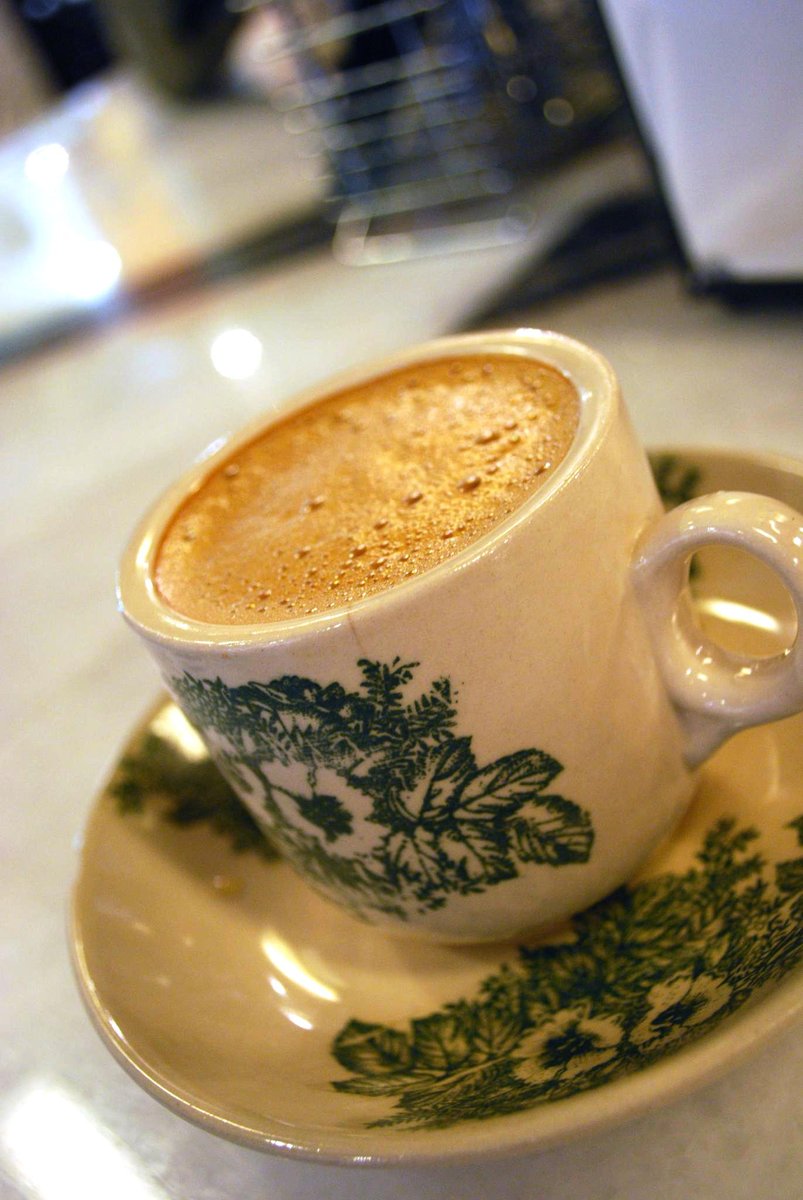
The recipes give quantities. Four things that matter:
- Use strong, cheap black tea, a mix of leaf sizes; Ceylon and Lipton Yellow Label are common.
- Simmer, then pull. Pour the tea back and forth through a fine cloth strainer from a height a few times; it is what makes it smooth.
- Evaporated milk, not fresh, for the body; condensed milk if you want it sweet.
- Make both drinks strong, because each dilutes the other.
What is not known
- Who first mixed coffee into milk tea, or when.
- Who first used the cotton strainer, or whether it was a trade-wide habit.
- The original ratio, and which one cafés really use.
- Whether 1950s yuenyeung used instant or brewed coffee, and what beans Hong Kong cafés use now.
- The caffeine of a café yuenyeung, never measured.
- Whether yuenyeung itself is among the 480 items on Hong Kong’s 2014 inventory.
Sources
- HK Memory (Hong Kong ICH Oral Legacies), History of Hong Kong-style milk tea and Ingredients, utensils and brewing process; Intangible Cultural Heritage Office, Representative List.
- Leisure and Cultural Services Department, press release (11 February 2003).
- South China Morning Post: “Silk stocking” really a cotton filter and Maker of iconic milk tea may leave (12 September 2007); Coffee or tea? Order a yuen yeung (25 February 2020).
- Our China Story, interview with Simon Wong (2021); Sing Tao, 咕喱鴛鴦 (2025); China Daily, Hong Kong’s coffee culture (2022); PMQ, Olympia Graeco Egyptian Coffee.
- Consumer Council, Caffeine in milk tea and coffee (15 October 2013).
- Localiiz, Cha chaan teng drinks guide; Time Out Hong Kong, Cha chaan teng drinks; Canon Bird Branch, Mandarin duck; Atlas Obscura, Spris.
- Recipes: The Woks of Life, Hong Kong milk tea; Greedy Girl Gourmet, Hong Kong milk tea; Honest Food Talks, Yuenyeung.
Comments (0)