Coffee · 41 of 64
Manhattan Special and Coffee Sodas
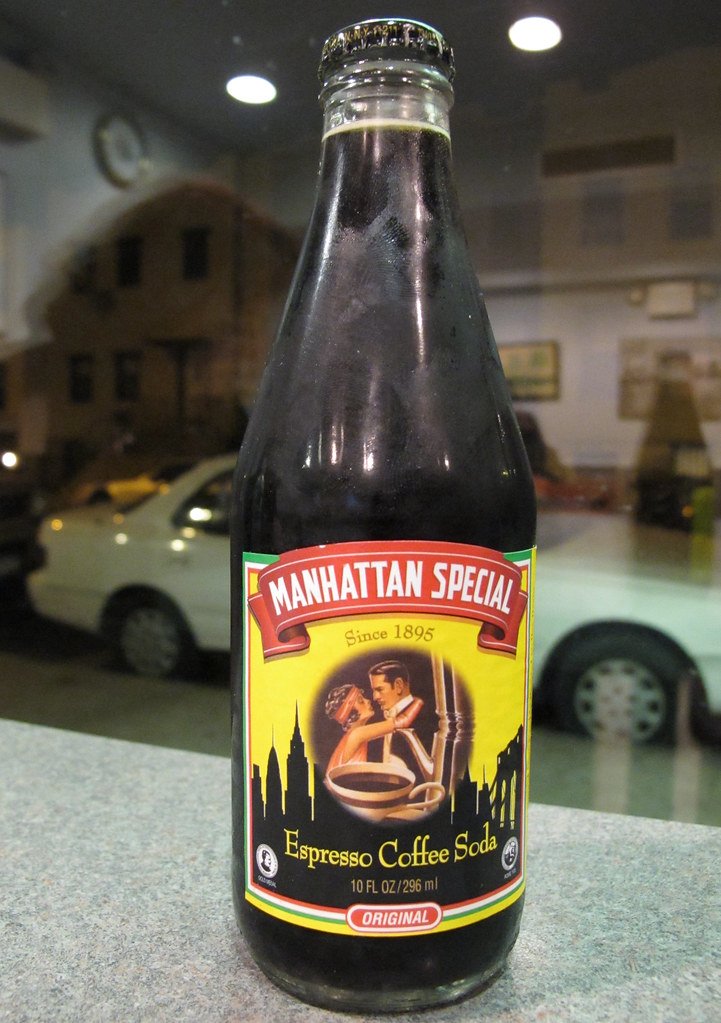
Manhattan Special is a bottled, carbonated, sweetened espresso: a coffee soda from Brooklyn, sold “since 1895”, according to the company. It is nearly black in the bottle, foams like a cola when poured, and tastes like a cold, sugared espresso with bubbles. The company says it is made from “the world’s finest coffee beans (which are hand brewed to perfection), along with the use of pure cane sugar” (Manhattan Special).
It began as a drink for Italian Brooklyn. A member of the family that still runs it told the Brooklyn Paper in 2014 that it was made as “a cold beverage for espresso-addicted Italians to drink on hot days. … Italians love their espresso. We gave them a new way to drink it” (Brooklyn Paper, 2014). It is still sold mostly in Italian delis, bakeries and pizzerias in and around New York, and by mail.
It is also the best-known survivor of a small, odd family: coffee sodas. Calabria has had them since 1941; Starbucks, Pepsi and Coca-Cola each tried one and pulled it; Japan sells them in cans; and the café drink of the last twenty years, the espresso tonic, is a coffee soda made to order. A coffee soda can also be made at home without breaking a soda machine.
The short version
| Question | Answer |
|---|---|
| What is it? | A bottled espresso soda: brewed coffee, cane sugar and carbonated water. Original, Diet and Diet Decaffeinated. |
| Where is it from? | Manhattan Avenue, at the Williamsburg–Greenpoint edge of Brooklyn, New York. The name comes from the street, not the borough. |
| Since when? | 1895, by the company’s account. |
| Who makes it? | The same family, the Passaros, by every published account. The founder’s name is reported as “Michael Garuco” and as “Michael Garavuso”. |
| How much caffeine? | Not published. Estimates run 80–120 mg per 12 oz bottle, about a strong cup of coffee. |
| How sweet? | About 160 calories and 39 g of sugar per bottle (probably the older 10 oz size), by one nutrition database. That is in cola territory. |
| Where do I buy it? | From the company’s online shop, 12 × 12 oz bottles for $37.00 (October 2026), or Italian delis and bakeries, mostly in the New York area. |
| Is there anything like it? | Calabria’s gazzosa al caffè (Bibicaffè, Brasilena), Japanese canned coffee sodas such as Black & Soda Gassata, and short-lived colas: Pepsi Kona (1996), Coca-Cola BlāK (2006–08), Coca-Cola with Coffee (US 2021–22). |
| Can I make it? | Yes: chilled espresso, water and syrup, carbonated, after James Hoffmann’s recipe. Carbonate plain water only in a SodaStream, then add the coffee. Recipe. |
| What is an espresso tonic? | Espresso poured over tonic water and ice. A Scandinavian café drink from 2007. Recipe. |
What is in the bottle
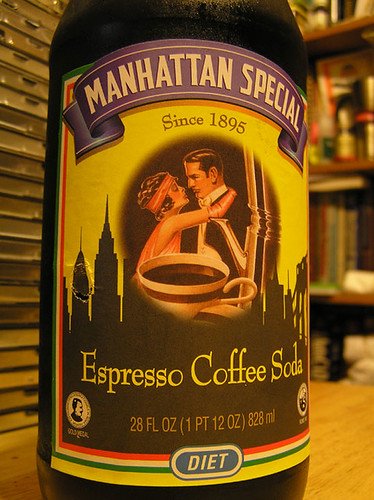
The company describes three ingredients: coffee “hand brewed to perfection”, “pure cane sugar”, and carbonated water (Manhattan Special). A 2005 review in the drinks-trade magazine BevNet, quoted by the word historian Barry Popik, gave the ingredients as “pure coffee, carbonated water, and sugar” (Popik). One online reseller adds “natural flavors” (Grocery eShop); the company’s own pages do not.
| What is published | |
|---|---|
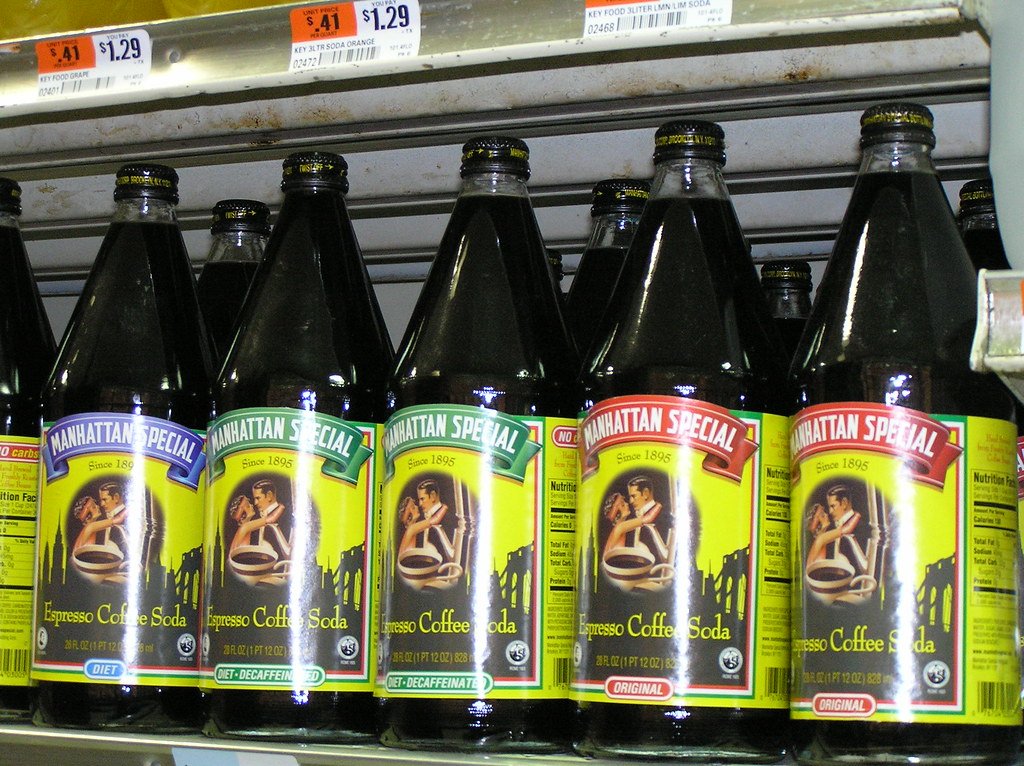
| Versions | Original; Diet; Diet Decaffeinated (shop) |
| Bottle | 12 oz glass, sold by the case of 12. Older references describe a 10 oz bottle; the company’s homepage announces a “NEW BOTTLE”. A large bottle (28 oz in older photographs; 32 oz on the current product page) is not sold online (products). |
| Calories and sugar | 160 kcal, 39 g sugar, 55 mg sodium per bottle (Eat This Much); another site gives 130 kcal and 32 g. The company publishes neither. |
| Caffeine | Not on the label. CaffeineAdvisor estimates 80–120 mg per 12 oz (CaffeineAdvisor). A single espresso is about 64 mg (USDA average); see Caffeine and Health. |
| Price | $37.00 for 12 × 12 oz on the company’s shop, about $3.08 a bottle (October 2026) |
The company also makes a line of All Natural Sodas: Sarsaparilla (“from true root”), Vanilla Cream (“made from pure vanilla bean”), Black Cherry, Orange and Gassosa, the Italian lemon-lime soda (sodas). In 2014 there were also cappuccino, French hazelnut and mocha coffee sodas, which are no longer on the shop.
History
1895, Manhattan Avenue
The company’s own site says only: “Since 1895, our family has been part of the tradition we call ‘Manhattan Special’” (Manhattan Special). It names no founder, no address and no surname. The rest comes from the press:
- The name comes from the plant’s location on Manhattan Avenue, in Brooklyn, not from the borough of Manhattan (Wikipedia, citing the New York Times of 2003 and 2008). One account puts the plant at the corner of Manhattan Avenue and Skillman Avenue; the Brooklyn Paper and Popik place it in Greenpoint, others in Williamsburg. That stretch of Manhattan Avenue sits at the edge of both.
- The founder is “her ancestor Michael Garuco”, in Aurora Passaro’s words to the Brooklyn Paper in 2014. Other accounts give “Michael Garavuso” and a co-founder, Teresa Cimino, a native of Naples; neither name appears in a primary record that has been published, and the spelling is unsettled.
- The family: by every published account the business has stayed in one family, the Passaros, with Aurora and Louis Passaro running it in the 2000s.
- The customers: Italian immigrants in Brooklyn. A Brooklyn Paper columnist remembered it in 2008 as a drink sold “only in Italian neighborhoods”, and said of the old cafés that “the only difference between ice coffee and Manhattan Specials was the carbonation” (Brooklyn Paper, 2008).
The soda-water city
New York in 1895 was full of small bottlers. Seltzer was delivered to the door in siphon bottles, every neighbourhood had its soda fountain, and immigrant communities had their own soft drinks: the gazzosa for Italians, the egg cream (which has neither egg nor cream) for the Jewish Lower East Side. Manhattan Special belongs to that world. Coffee was already a soda-fountain flavour by then, mixed from a coffee syrup at the counter, the same idea as Rhode Island’s coffee syrup. Manhattan Special put the finished drink in a bottle.
Nearly all of the small New York bottlers have gone. Manhattan Special outlived them. The New York Times wrote about it in 2003 and again in 2008, the second time under the headline “A Modern Comeback for a Taste of Brooklyn”. It turns up in the 2023 film Sing Sing, as a drink a prisoner shares with his wife.
How to drink it
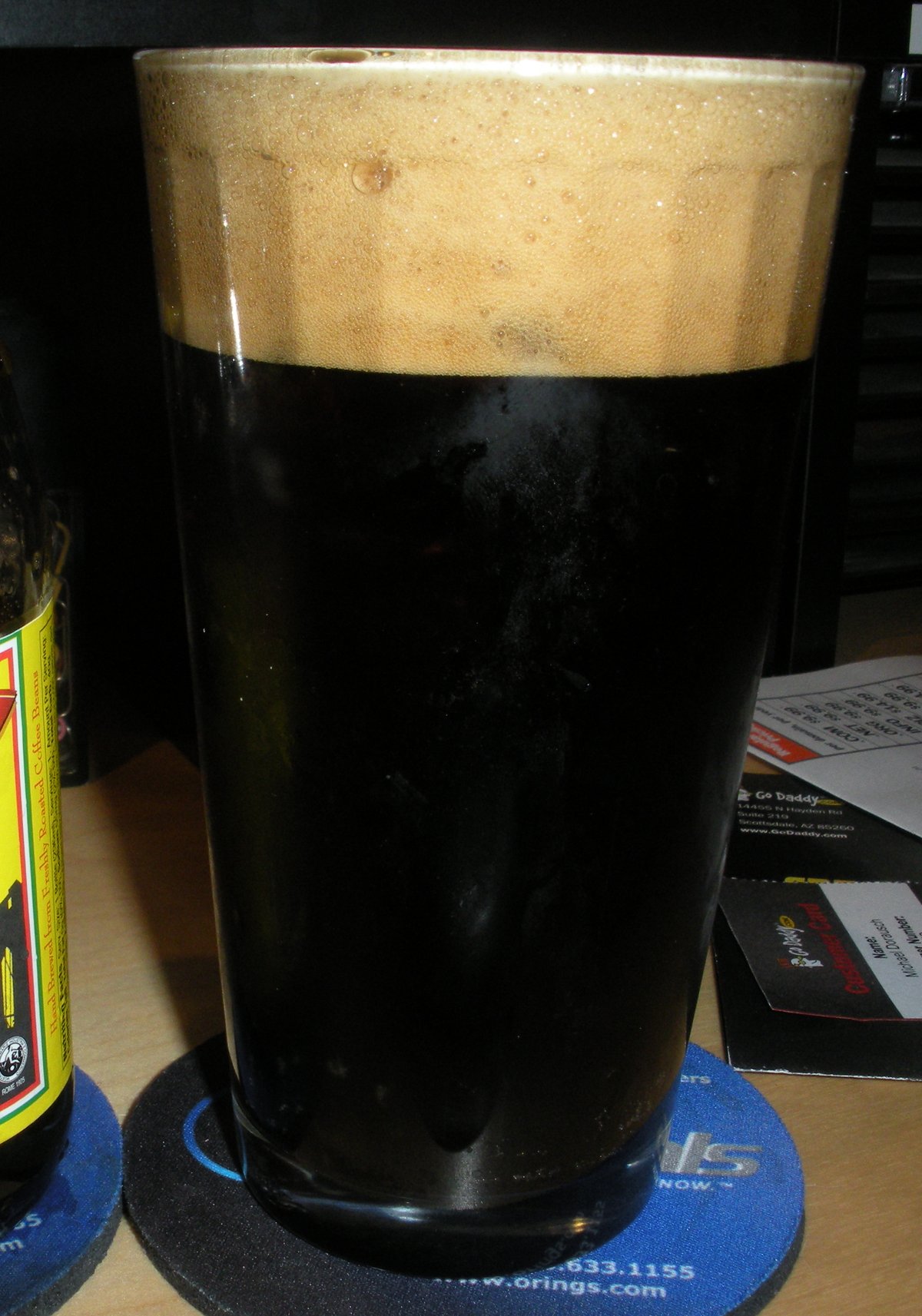
- Cold, straight from the bottle or poured. One fan’s advice is to chill the bottle in the freezer for ten minutes rather than pour it over ice, which knocks the fizz out (The Glorified Tomato).
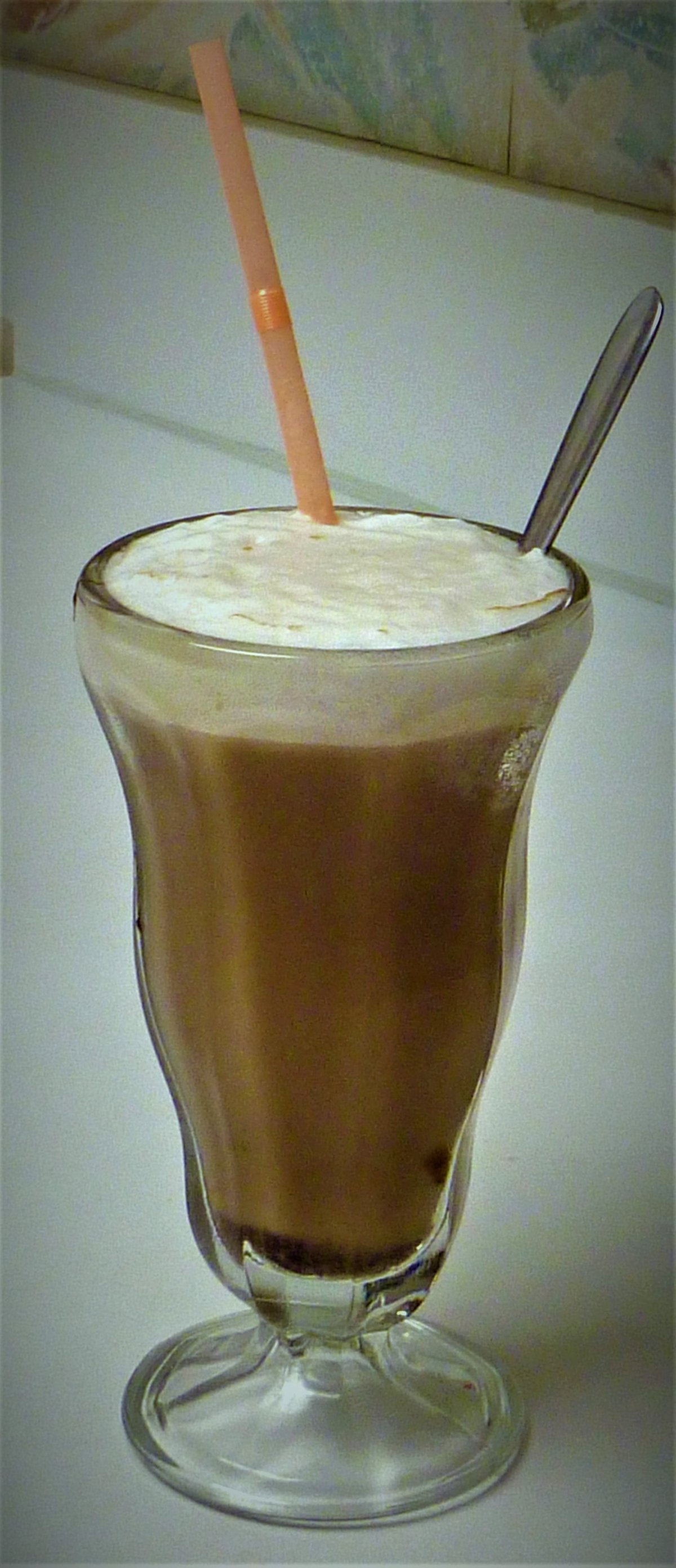
- With cream or milk: a splash of cream turns it into something like a fizzy iced latte. It foams hard; pour the soda onto the cream, slowly.
- As a float: over a scoop of vanilla ice cream, the coffee version of a root-beer float. Allison Robicelli’s espresso-soda float for The Takeout builds the same thing from scratch (The Takeout).
- In a drink: one fan adds amaretto; rye, dark rum or an Italian amaro are natural partners to try. Bitter, sweet and coffee are what an amaro and soda already is.
- As an egg cream: milk, a little Manhattan Special in place of the chocolate syrup, and seltzer.
The coffee-soda family
| Drink | Where, when | What happened | Source |
|---|---|---|---|
| Manhattan Special | Brooklyn, 1895 | Still made | Company |
| Bibicaffè | Nicastro, Calabria, 1941 | The first Calabrian coffee soda, gazzosa al caffè, made by De Sarro & Torchia | Wikipedia |
| Brasilena and other gazzose al caffè | Calabria | Calabria’s regional coffee soda; Brasilena from Girifalco and MokaDrink from Cosenza are the big brands | Wikipedia |
| Mazagran (bottled) | Santa Monica, California, 1995 | Starbucks and PepsiCo’s lightly carbonated coffee; tested in two stores from about May 1995, then dropped. The coffee extract reportedly went into bottled Frappuccino. Often dated 1994, the year of the partnership. See Mazagran | Seattle Times, 1995 |
| Pepsi Kona | Philadelphia, 1996–97 | Test-marketed, never released nationally | Wikipedia |
| Pepsi Max Cino | UK, 2006 | Withdrawn after a year | Wikipedia |
| Coca-Cola BlāK | France, then the US (April 2006) and Canada | Discontinued 2008 | Wikipedia |
| Coca-Cola with Coffee | Japan 2017; US January 2021 | US version discontinued November 2022 | Wikipedia |
| Espresso tonic | Oslo, Norway, and Helsingborg, Sweden, 2007 | A café drink, now worldwide and especially popular in Japan | Wikipedia |
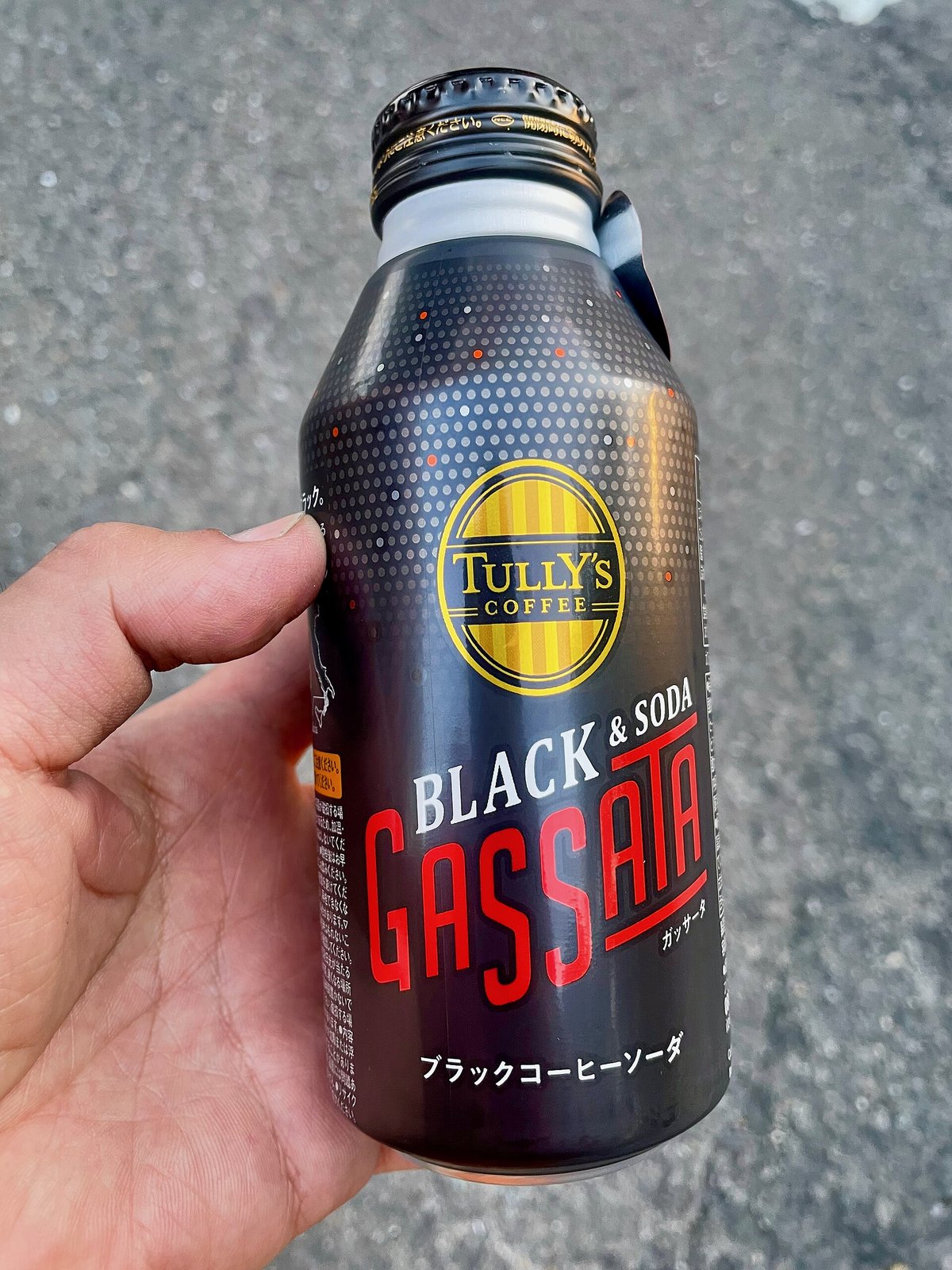
| Black & Soda Gassata (Ito En with Tully’s Coffee) | Japan, 2023 | A canned black coffee soda, one of several in Japanese vending machines | Commons |

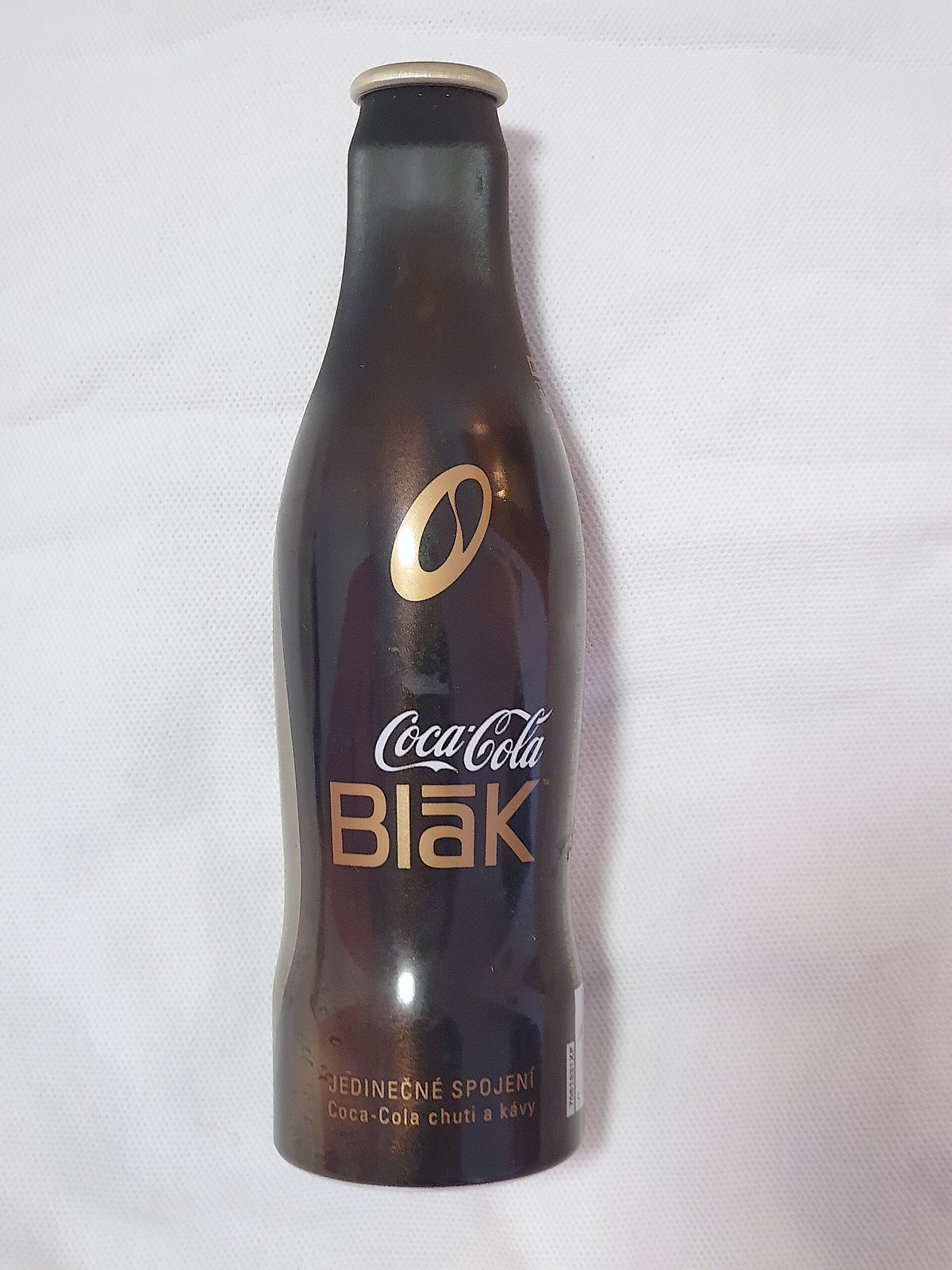
The big brands’ record is consistent: a coffee cola is launched as an afternoon pick-me-up, tested, and withdrawn within two years. The drinks that last are the small, regional ones, Manhattan Special in Brooklyn and gazzosa al caffè in Calabria, which are sold to people who already drink them, rather than to the whole market.
The espresso tonic
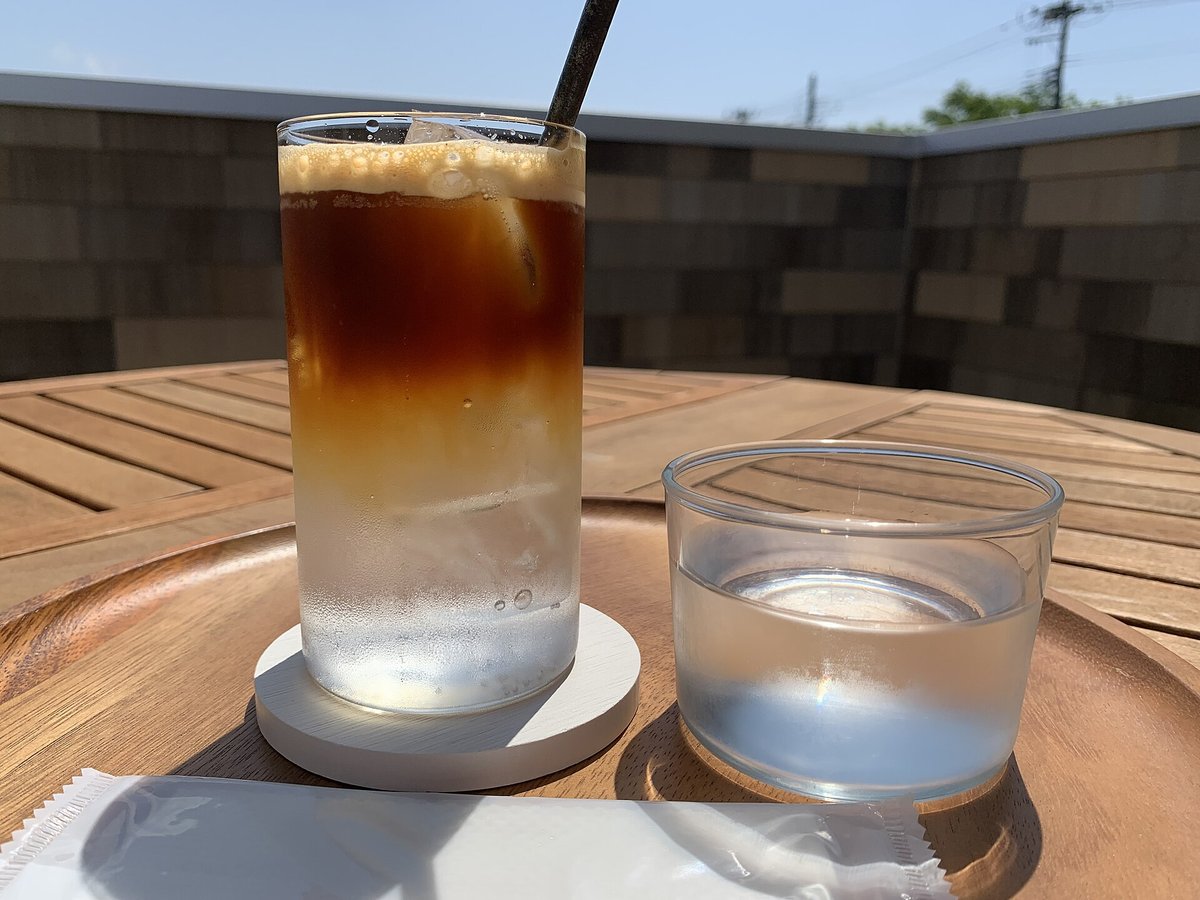
The espresso tonic is espresso poured over tonic water and ice. By the usual account it was first made in 2007 by a barista in Oslo, and appeared the same year on the menu of Koppi, a roastery café in Helsingborg, Sweden, as Kaffe & Tonic (Wikipedia; Tasting Table). Barista competitions spread it, and it has been especially popular in Japan since about 2015.
It differs from Manhattan Special in two ways: the bitterness comes from quinine in the tonic, and the sweetness is the tonic’s, not added syrup. A bright, fruity espresso (a light-roasted Ethiopian or Kenyan) is the usual suggestion over a dark blend, because the tonic’s citrus and bitterness add to the coffee’s acidity rather than fighting chocolate and roast. Recipe: Espresso Tonic.
Making a coffee soda at home
The best-documented home recipe is the coffee writer James Hoffmann’s “Coffee Soda #1”, from 2019 (James Hoffmann):
| Ingredient | Amount |
|---|---|
| Espresso, paper-filtered | 50 g |
| Water | 235 g |
| Simple syrup, 2:1 sugar to water | 35 g |
| Chocolate bitters | 1 g |
| 20% saline (salt solution) | 0.7 g |
Mix, chill thoroughly, carbonate, and rest an hour. Hoffmann specifies paper-filtered espresso; paper holds back the oils and fines that would otherwise cloud the drink and add to the foam. Cold liquid holds far more carbon dioxide than warm, so chilling first is what makes it fizzy. Recipe: Espresso Soda (Homemade).
Carbonating safely. A SodaStream is made to carbonate plain water only. The maker’s own guidance: “Only water should be carbonated … You risk damaging your Sparkling Water Maker”, and “The warranty is invalidated if you carbonate any liquid other than water”; flavourings go in after carbonating (SodaStream). Hoffmann says the same: carbonate the water alone, then mix. Sugar and coffee in the bottle foam violently when the gas goes in. The practical method:
- Carbonate well-chilled water.
- Mix a concentrate of espresso and syrup, also chilled.
- Pour the concentrate into a glass and top it slowly with the soda water, down the side.
Machines built for carbonating any liquid (a carbonation cap on a plastic bottle and a CO₂ regulator, or the “drinkmate”-type machines) can carbonate the finished mix directly.
No machine. Use bought soda water or seltzer: 1 part espresso-and-syrup concentrate to about 3 parts very cold soda water.
Keeping it. A sweetened coffee concentrate keeps like homemade coffee syrup: refrigerated, about two weeks. A carbonated coffee soda loses its fizz within a day once opened.
Where to buy it (October 2026)
| Where | What | Price |
|---|---|---|
| Manhattan Special online shop | Original, Diet, Diet Decaffeinated; the natural sodas | $37.00 for 12 × 12 oz (shop) |
| Italian delis, bakeries and pizzerias | Mostly New York, New Jersey and the Northeast | The company’s retail locator is a form, not a list (locator) |
| Online resellers | Packs of 8 or 12 | Often double the company’s price; one listed 8 × 12 oz at $53.30, out of stock |
| Soda shops | Speciality bottlers’ shops that carry regional sodas | Atlas Obscura names Ferdinando’s Focacceria (Brooklyn), Soda Pop Stop (Los Angeles) and Sal, Chris & Charlie’s (Astoria) (Atlas Obscura) |
What is not known
- Who founded it. The founder’s name is published in two spellings, with a co-founder in some accounts and not others; the company names no one.
- How it is made. The company says the coffee is hand brewed and the sugar is cane; it does not publish the coffee, the strength, the method or where it is bottled.
- How much caffeine and sugar. Neither is published by the company.
- When the bottle changed from 10 oz to 12 oz.
Sources
- Manhattan Special, About, Products, Pure Espresso, Sodas, Retail locator.
- Brooklyn Paper, The suds of time: exploring Brooklyn’s soda-making past and present (2014); Big Screecher: drink like an authentic Italian (2008).
- Barry Popik, Manhattan Special espresso coffee soda from Brooklyn.
- Wikipedia, Manhattan Special, Gazzosa al caffè, Mazagran, Pepsi Kona, Coca-Cola BlāK, Coca-Cola with Coffee, Espresso and tonic.
- Atlas Obscura, Espresso Coffee Soda.
- The Glorified Tomato, Manhattan Special (2023).
- CaffeineAdvisor, Manhattan Special caffeine; Eat This Much, Espresso coffee soda.
- Tasting Table, What makes Japan’s sparkling coffee unique.
- James Hoffmann, Coffee Soda #1 (2019).
- The Takeout, Espresso coffee soda ice cream float (2021).
- SodaStream, Frequently asked questions.
- Grocery eShop, Manhattan Special 12 oz, pack of 8.
Comments (0)