Coffee · 46 of 64
Qishr: Yemen's Coffee-Husk Drink, and Its Cousins
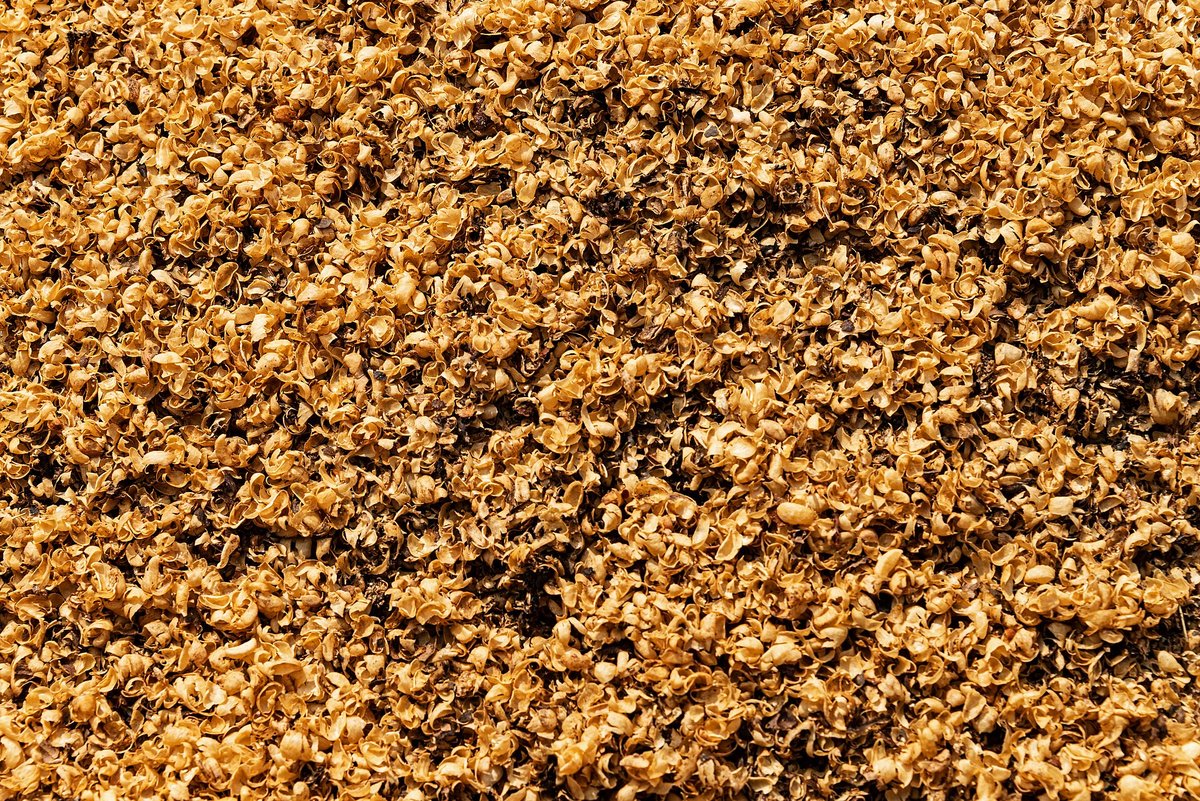
The coffee plant’s first home as a cultivated crop is Yemen, and for centuries the drink Yemenis themselves preferred was not made from the beans at all. It was made from the husks: the dried skin and pulp of the coffee cherry, lightly toasted, pounded and boiled. The drink is qishr (Arabic qišr, “husk”), and it tastes, in one traveller’s words, “like tea”. Today it is usually boiled with ginger, and sometimes cinnamon or cardamom.
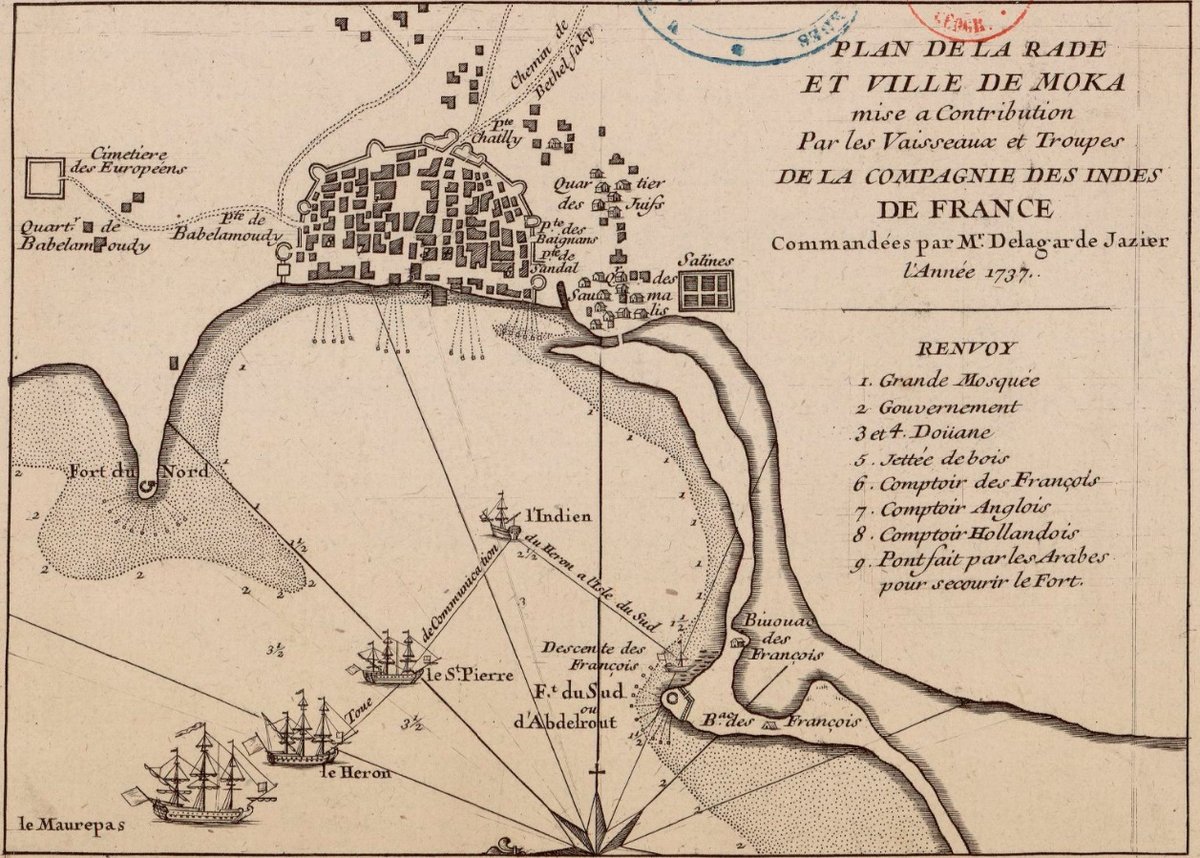
European visitors were puzzled by this. In 1716 the Frenchman Jean de La Roque reported that Yemen’s “people of distinction” drank only the husk, and called it “the sultana coffee”. In the 1760s the Danish expedition’s Carsten Niebuhr wrote: “It is odd enough that, in Yemen, the proper country of which the coffee plant is a native, there should be so little coffee drunk.” The beans went abroad through the port of Mocha; the husks stayed home.
Qishr is easy to find in Michigan. Dearborn’s Yemeni coffee houses sell it in the cup and sell the husks by the pound. Coffee flour is the husk milled for baking. Cascara, the Latin American name for the same dried husk, and its safety and regulation, are covered on The Bean.
The short version
| Question | Answer |
|---|---|
| What is qishr? | Dried coffee-cherry husks, lightly toasted and pounded, boiled in water, usually with ginger. Amber, tea-like, mildly sweet. |
| The name | Arabic qišr, “husk”. Yemen’s three words: bunn (the coffee berry or bean), qišr (the husk), qahwa (the brewed drink). Older spellings: kischer, kisher, keshr, gishr. |
| How old is it? | At least as old as the early 1700s: La Roque described it in 1716 and Niebuhr in the 1760s. When it began is not known. |
| Poor man’s coffee? | Cheaper than the beans, but not a low-status drink: La Roque called it the drink of “people of distinction”, and Niebuhr saw rich and poor drink it, from porcelain and earthenware. |
| Does it have caffeine? | Yes, usually less than coffee. Qahwah House sells it as “decaf”; it is not. |
| What else? | Ethiopia’s hashara (husk drink) and kuti (coffee-leaf tea), cascara, and coffee flour. |
| Where in Michigan? | Dearborn: Qahwah House sells 16 oz of husks for $17.99; Haraz Coffee House 20 lb for $360 (October 2026). |
| Can I make it? | Yes: Qishr (Yemeni Ginger Coffee-Husk Drink). |
What the travellers saw
Jean de La Roque, 1716. La Roque’s Voyage de l’Arabie Heureuse (English 1726, A Voyage to Arabia the Happy) gives the fullest early account (Internet Archive):
“People of distinction have another way of making coffee, which is peculiar to them. They do not make use of the coffee-berry, but only the cods or shells that inclose it, mixing among them some of the fine thin [skin] … that lies next it.”
His method: take the dry husk, “bruise it, and put it in a small earthen pan upon a coal-fire, and keep turning it … that it may not burn as the coffee, but only be coloured a little”; then throw it into boiling water “with at least a fourth part of the thin skin”, the thin inner skin the bean is wrapped in, and boil it like coffee. “The colour of this drink is much like that of the best English beer.” It needs no sugar, “it not being bitter”. He named it “the sultana coffee”, and warned that it “will not succeed if it is not made upon the place”, because husks that are too dry or kept too long “lose much of their virtue”. La Roque does not mention ginger.
Carsten Niebuhr, 1760s. Niebuhr was one of the Danish Arabia expedition (1761–67). His Travels through Arabia (English 1792) is plainer (Internet Archive, vol. 2, p. 229):
“It is odd enough that, in Yemen, the proper country of which the coffee plant is a native, there should be so little coffee drunk. It is there called Bunn, and is supposed to have heating effects upon the blood. The favourite drink of the Arabians of this province is prepared from the husks of coffee-beans, slightly roasted, and pounded. It is called Kahwe, or more commonly Kischer. It tastes like tea, and is thought refreshing. People of distinction drink it out of porcelain cups, and the lower sort out of cups of coarse earthen ware.”
Elsewhere he found kischer served free to travellers in roadside guest-houses with millet bread, camel’s milk and butter, and was “dissuaded from coffee, as being of a heating quality”. He did not think much of it: “Kischer, although esteemed wholesome, is but an insipid drink” (vol. 1).
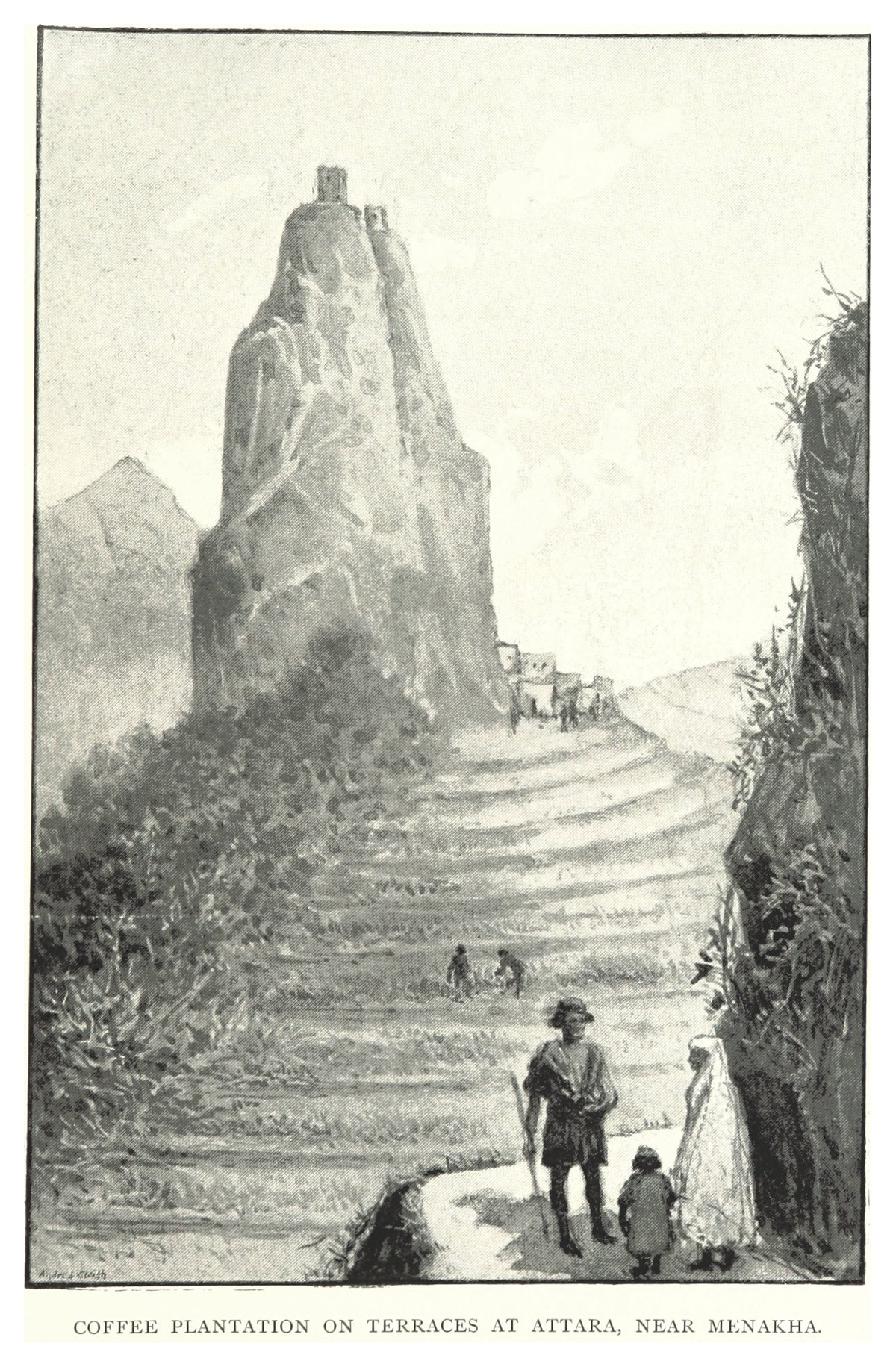
William Ukers, 1922. All About Coffee gives the Yemeni processing terms: “The cleaned beans are known as bun safi; the husks become kisher.” In Abyssinia and Somaliland, “an hour’s boiling produces a straw-colored decoction, of a slightly sweetish taste”. He reports the Paris physician Dr. Andry wrongly credited with inventing café à la sultane; Andry’s version boiled the hulls half an hour to a “lemon-colored liquid … drunk with a little sugar” (Project Gutenberg). Ukers also says that, since Yemenis drank kisher, “the entire crop goes into export”; that overstates it, since Niebuhr already describes bean coffee being drunk.
Why the husk? The usual explanation is economics: the beans were the export, worth hard money at Mocha, and the husks were free. A Sanaa coffee roaster, Hamid al-‘Awadi, told Saudi Aramco World in 1997 a different story: “The truth is that we save the best beans for ourselves” (Aramco World, 1997). Niebuhr’s informants gave a third: coffee was “heating”, qishr was “wholesome”. Probably all three are true. Whether husks were ever exported from Mocha in quantity is not recorded; La Roque’s warning that they lose their virtue in transport suggests not.
A claim to drop. A popular coffee history says Yemenis first “made wine from the pulp of the fermented coffee berries … known as qishr”. It cites no early source, and looks like a mix-up with qahwa, which in older Arabic could also mean wine.
Qishr today
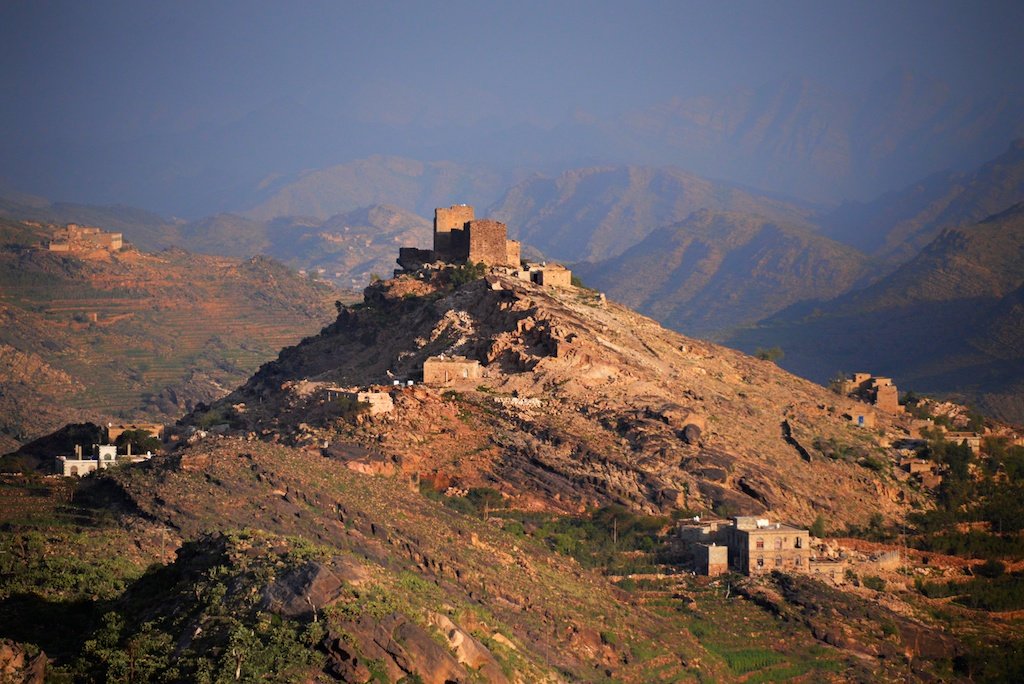
In 1997 Aramco World found that “from mid-morning on, the drink of choice among all Yemenis becomes qishr, a delicately flavored, tea-like infusion made from the dried husks of the coffee cherry”; one roaster’s lightest qishr was “light yellow, usually prepared with ginger and cardamom”, and growers sold their husks to qishr merchants. A 2026 article describes it as still “popular in Yemen today … typically prepared by boiling the husks with spices such as ginger, cardamom, and cloves” (Björn, Orientalia Suecana, 2026). Ginger is the constant now, though neither La Roque nor Niebuhr mentions it, and the British explorer Wilfred Thesiger, in 1947, wrote of “ginger coffee” and qishr as two separate drinks.
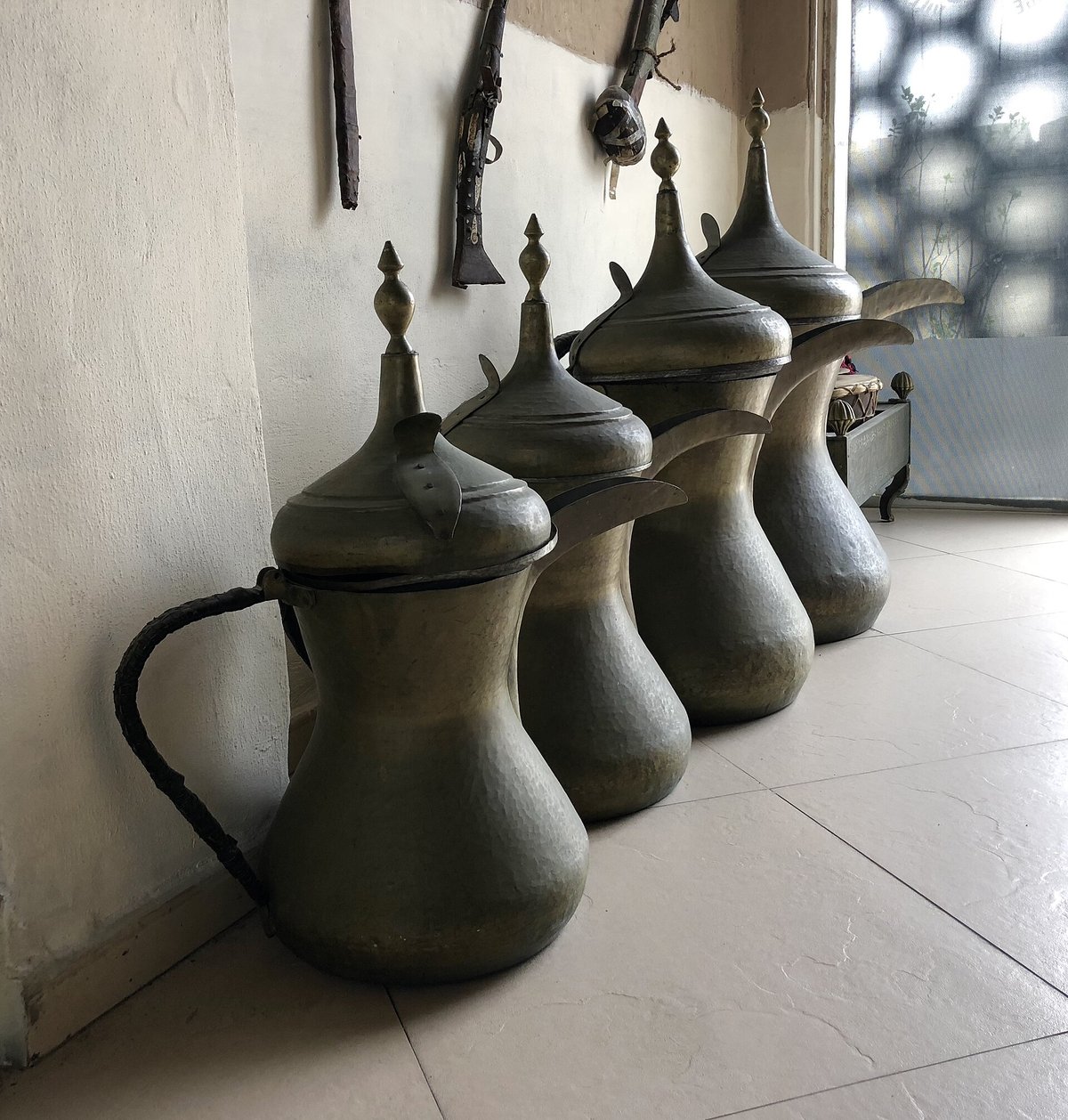
In Dearborn. The Yemeni coffee houses that have spread from Dearborn since 2017 serve qishr alongside qahwa and sell the husks retail:
| Where | What | Price (7 October 2026) |
|---|---|---|
| Qahwah House, 5320 Oakman Blvd, Dearborn | ”Qishr Coffee Husks”, 16 oz | $17.99 (Qahwah House) |
| Haraz Coffee House, Dearborn (founded 2021) | “Qishr/Husks”, 20 lb | $360 ($18 a pound) (Haraz Coffee House) |
Qahwah House describes its husks as “an organic decaf”. It is not. Coffee husks carry caffeine, less than the beans; the amounts in dried husk and the EU’s labelling limit for husk drinks are on The Bean. How much caffeine a cup carries depends on the husk and the brew; a strong husk infusion can reach coffee’s range.
Making qishr
No published, tested recipe exists; the historical methods give the shape, and the modern Yemeni one adds the ginger.
| Source | Toast | Brew | Sweet? |
|---|---|---|---|
| La Roque, 1716 | Lightly, in an earthen pan, “only coloured a little” | Boiled like coffee, with a quarter part of silverskin; beer-coloured | No sugar needed |
| Niebuhr, 1760s | ”Slightly roasted, and pounded” | — | — |
| Dr. Andry (via Ukers) | Hulls | Boiled half an hour; lemon-coloured | A little sugar |
| Abyssinia and Somaliland (Ukers) | Toasted hulls | Boiled an hour; straw-coloured | ”Slightly sweetish” |
| Yemen today | Husks, often bought ready | Boiled with ginger, sometimes cinnamon, cardamom or cloves | Usually sugared |
A home version: lightly toast 2 tablespoons of husks per cup in a dry pan until fragrant but no darker, crush them roughly, and simmer them with a thin slice of fresh ginger (or ¼ teaspoon ground) for 10 to 20 minutes, sweetening to taste. Strain into small cups. Full recipe.
Where to get husks. The Dearborn coffee houses above; Middle Eastern grocers; or dried cascara sold for coffee-cherry tea, which is the same thing under its Latin American name.
Ethiopia: hashara and kuti
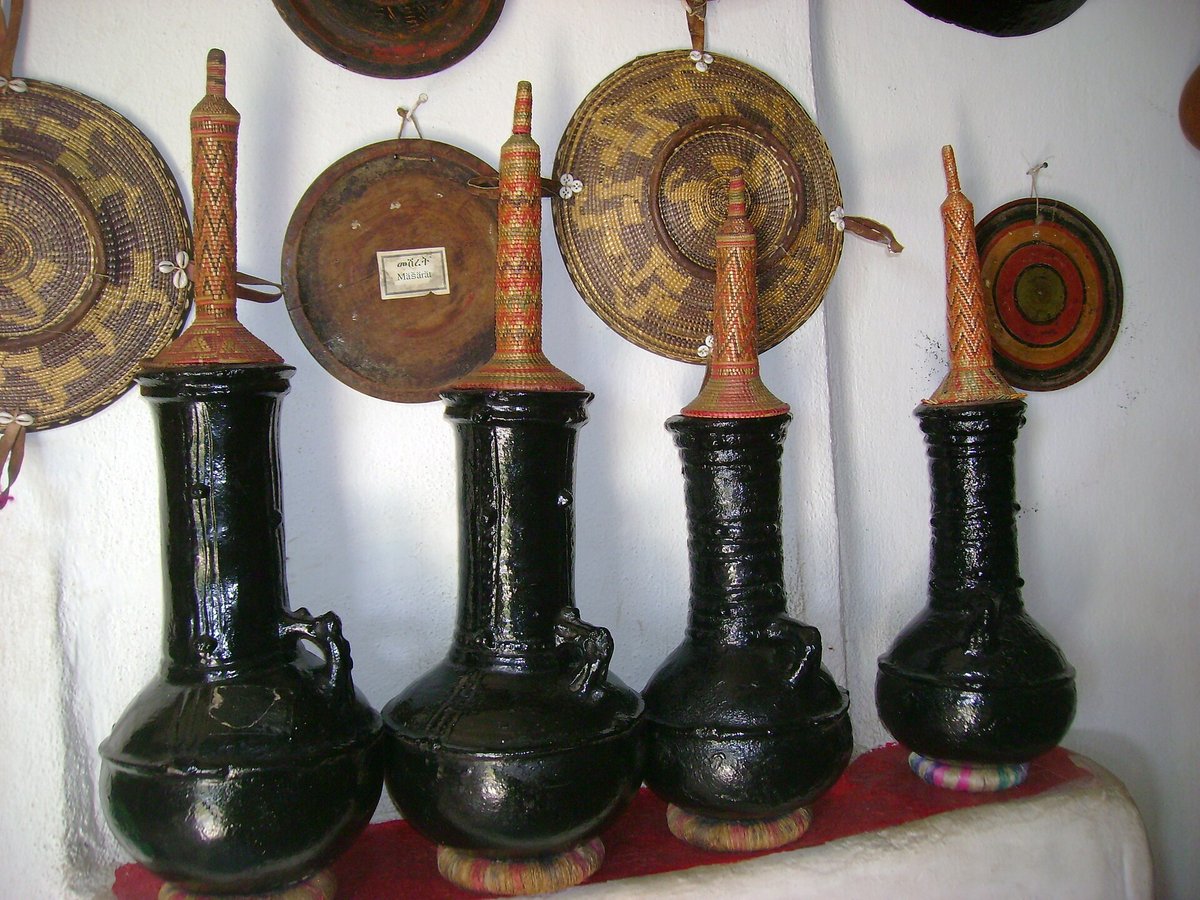
Across the Red Sea, the old walled city of Harar had its own versions:
- Hashara (also geshar): a husk drink like qishr. One coffee writer reports the husks “roasted until almost black” before brewing, far darker than La Roque’s Yemeni “only coloured a little”, and others steep them with ginger, nutmeg or cinnamon (CoffeeGeek, 2024; Broadsheet). Only trade writing describes it; there is no scholarly account.
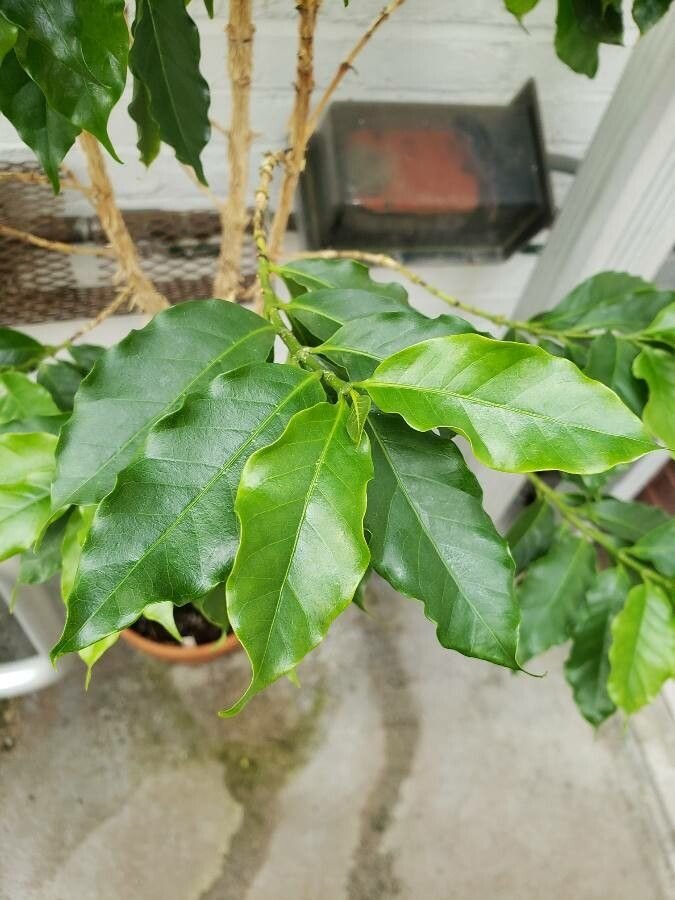
- Kuti: a tea of coffee leaves, roasted and boiled, which Hiwot Peters, who sells kuti in Australia, describes as the everyday drink because the beans were kept for trade and ceremony; it is boiled at least 30 minutes, sometimes salted, then sweetened (SBS Food, 2020). Coffee leaves contain caffeine, 691 to 1,443 parts per million in a 2015 Addis Ababa University study of leaves from Sidama, Kambata and Harar (AAU). A 2012 Kew study found several coffee species’ leaves rich in mangiferin, an antioxidant (Campa and others, Annals of Botany, 2012); a tea taster who tried kuti in Ethiopia called it “a bit like cut grass” (Smithsonian, 2013).
Coffee flour
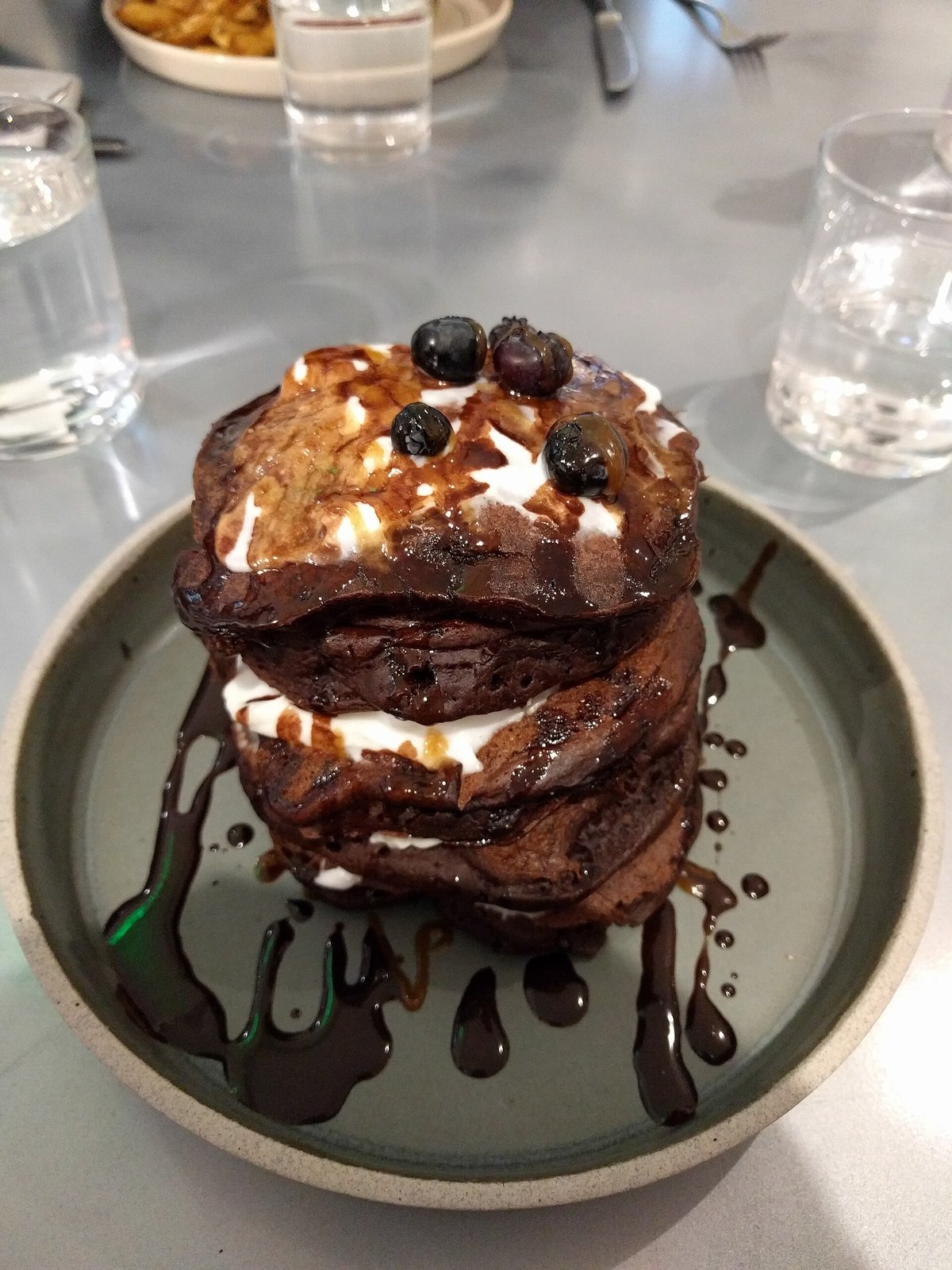
Coffee flour is the husk milled fine for baking. It was developed from 2012 by Dan Belliveau, a former Starbucks technical-services director, through CF Global Holdings of Seattle, with pilot plants in Hawaii, Mexico, Guatemala, Nicaragua, Vietnam and Honduras and a retail launch planned for 2015 (Daily Coffee News, 2014). The pulp is dried to about 10% moisture and milled; it is up to 55% fibre, works best as 20–25% of the flour in baked goods, keeps up to 18 months (FoodNavigator, 2014), and tastes of “floral citrus and roasted fruit”, not coffee; sixteen slices of bread made with it carried about a cup of coffee’s caffeine (Discover, 2014). Whether coffee flour is still sold is not known. The European Union approved dried coffee-cherry pulp in 2022 for infusions and drinks only, not as a flour (see The Bean).
What is not known
- When qishr began, and whether the ginger is old or modern.
- Whether Mocha ever exported husks.
- How much caffeine a cup of qishr carries. It depends on the husk and the brew; no measurement of qishr as served has been published.
- Hashara’s history, beyond trade writing.
Sources
- Jean de La Roque, A Voyage to Arabia the Happy (English translation 1726 of the 1716 French).
- Carsten Niebuhr, Travels through Arabia, trans. Robert Heron (1792).
- William H. Ukers, All About Coffee (1922).
- Juhan Björn, On the properties and benefits of coffee, Orientalia Suecana 75 (2026), citing Ralph Hattox, Coffee and Coffeehouses (1985).
- Eric Hansen, Yemen’s well-traveled bean, Saudi Aramco World (1997).
- Qahwah House, Products; Haraz Coffee House, Qishr.
- Wikipedia, Qishr (for Finlay 1823 and Thesiger 1947).
- CoffeeGeek, That’s a coffee cherry, not a cranberry (2024); Broadsheet, Coffee’s more tea.
- SBS Food, Are we ready for tea made from coffee leaves? (2020); Addisu Woldesenebet, coffee leaf brew thesis, Addis Ababa University (2015); Campa and others, mangiferin in coffee leaves, Annals of Botany 110 (2012); Smithsonian, Can you make tea out of coffee? (2013).
- Daily Coffee News, Coffee flour (2014); FoodNavigator, Coffee flour inventor (2014); Discover, Coffee flour (2014).
Comments (0)