Coffee · 40 of 64
Latte Art for Beginners
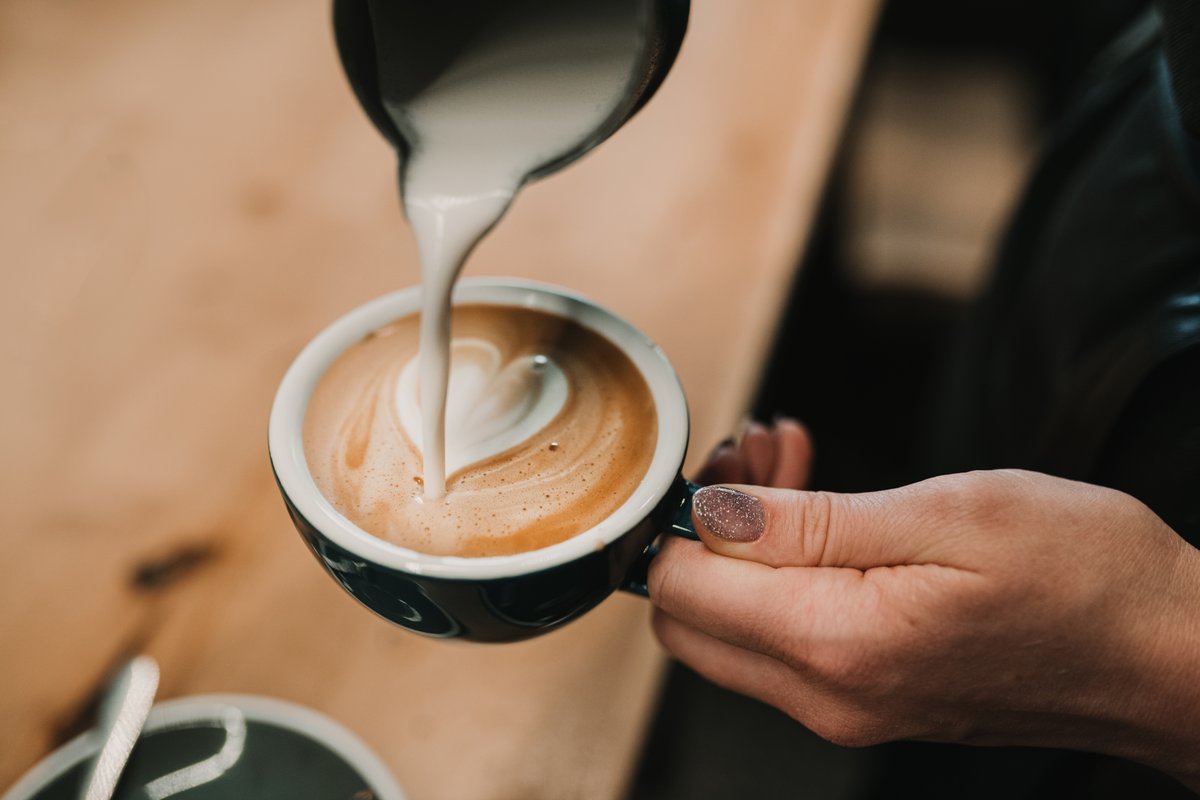
Latte art is the pattern left on top of a milk coffee when steamed milk is poured into espresso: a heart, a tulip, a rosetta. It is made with the jug alone, by the way the milk is poured, and it only works with milk steamed into microfoam, a glossy, pourable foam of bubbles too small to see. The pattern does not make the coffee taste better. The milk that makes the pattern possible does.
The order everyone learns in is the same: a heart, then a tulip, then a rosetta. What follows is the practical version, for a home espresso machine or a market stall: steaming, pouring and fixing the usual faults. The drinks themselves are on Milk Drinks and the machines on Espresso.
The short version
| Question | Answer |
|---|---|
| What makes it possible? | Microfoam: milk steamed with a little air, then spun until the bubbles are tiny and it looks like wet paint. |
| How hot? | Barista guides say 55–65 °C (130–150 °F). A 2022 study found the best final temperature at 50–60 °C. Too hot to hold the jug for long is about right. |
| Which milk? | Pasteurised whole milk is easiest. Oat “barista” milks pour well; others vary by brand and temperature. |
| Which design first? | Heart, then tulip, then rosetta. |
| How do I practise cheaply? | Water with a drop of dish soap, steamed like milk and poured into old coffee. Not for drinking. |
| Who started it? | Seattle’s David Schomer popularised it in the US from the late 1980s; he credits Jack Kelly with microfoam in 1986. Its Italian origins are undated. |
| Is there a world championship? | Yes, since 2005 (Athens). |
| Can I make one? | Yes: a practice latte gives the amounts. |
Steaming milk for latte art
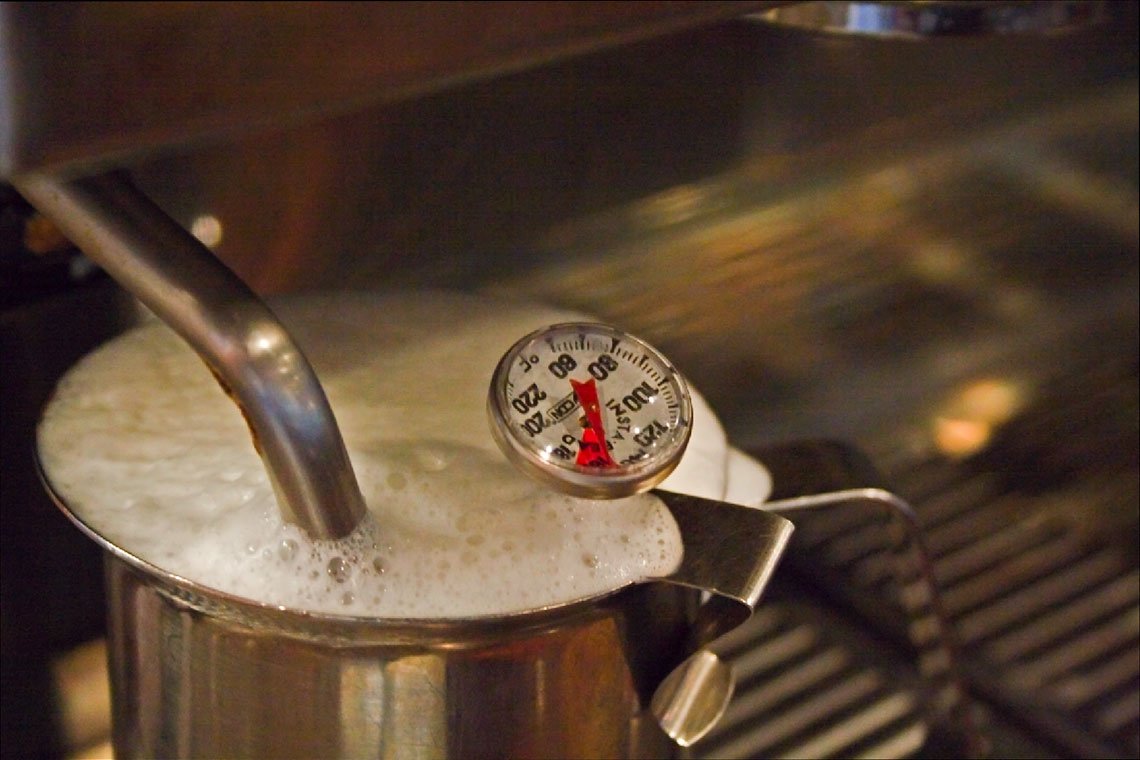
The jug. A 12 oz (350 ml) jug makes one 6 to 8 oz drink; a 20 oz (600 ml) jug makes two or a large one. Fill it with cold milk to about a third to a half full, below the bottom of the spout; too much and it will not spin, too little and the wand cannot work it. Sharp, narrow spouts draw thinner lines and round spouts a broader ribbon; guides disagree about which is easier to learn on.
The steps. De’Longhi’s guide is typical: purge the wand, set the tip about 1 mm below the surface and about 1 cm from the side of the jug, open the steam fully (De’Longhi).
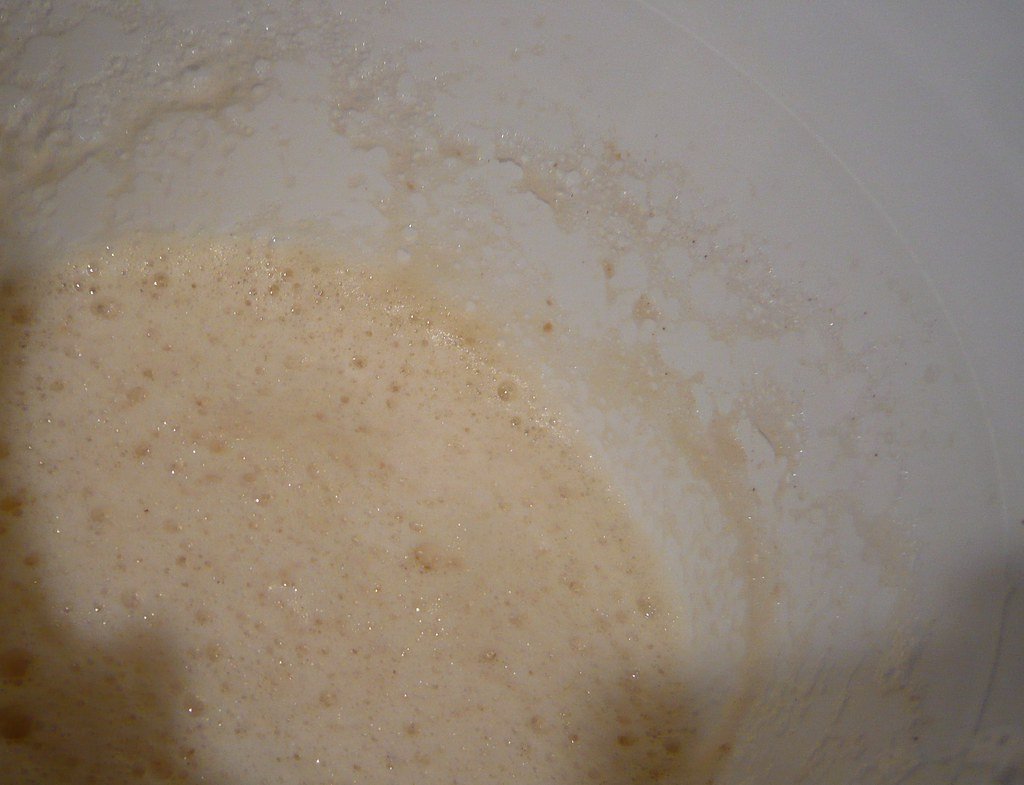
- Stretch. With the tip just at the surface, let it draw in air for a few seconds while the milk is still cold. You hear a soft tearing sound. For latte art the milk should grow by about a fifth to a third, less than for a cappuccino.
- Spin. Lower the tip a centimetre or two so the milk spins in a whirlpool with a smooth hum. This breaks big bubbles into tiny ones and heats the milk.
- Stop at about 55–65 °C, or when the jug is too hot to keep your hand on. A 2022 study at the University of Camerino found the best foam at a final temperature of 50–60 °C, with pasteurised whole milk giving more stable foams than ultra-pasteurised (Klimanova and others, International Dairy Journal, 2022). Above about 70 °C the foam and flavour suffer.
- Purge and wipe the wand at once. Milk left in a cooling wand can be drawn back towards the boiler, and one maker’s manual says never to leave the wand standing in the jug (Eversys).
- Tap and swirl. Tap the jug on the counter to burst any big bubbles and swirl it until the milk is glossy, and keep swirling until you pour, or the foam separates.
The main fix for bubbly milk is in one guide’s words: “shorten your aeration and lengthen your spin” (Complete Home Barista).
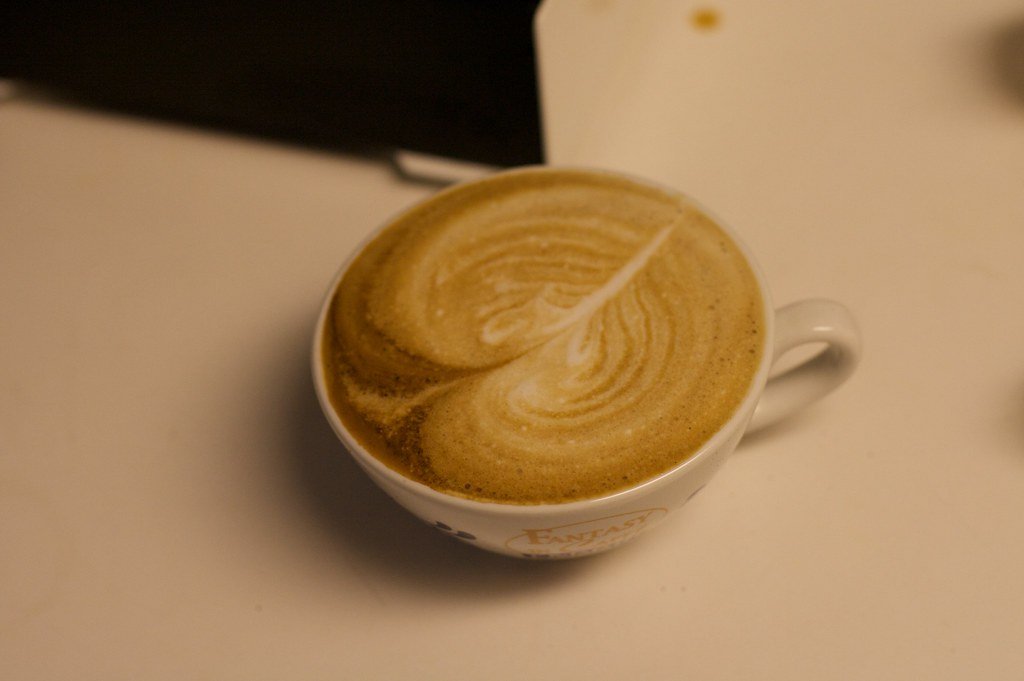
Which milk. Whole milk is easiest: its proteins hold the bubbles and its fat gives gloss and body. Plant milks vary. A 2024 study of cow, goat and six plant milks found oat foams lasted longest and rice was worst; hot, cow’s milk made more foam than oat, pea or soy, while cold, oat, soy and almond beat cow (Hassan and others, Soft Matter, 2024). The study used a frother, not a steam wand, and three of its nine authors worked for a plant-protein company. “Barista” editions are made to steam: Oatly’s US Barista Edition adds rapeseed oil and dipotassium phosphate, which Oatly says keeps it from separating in hot coffee (Oatly); other brands use gellan gum. More on plant milks is on Sweeteners and Plant Milks.
Pouring
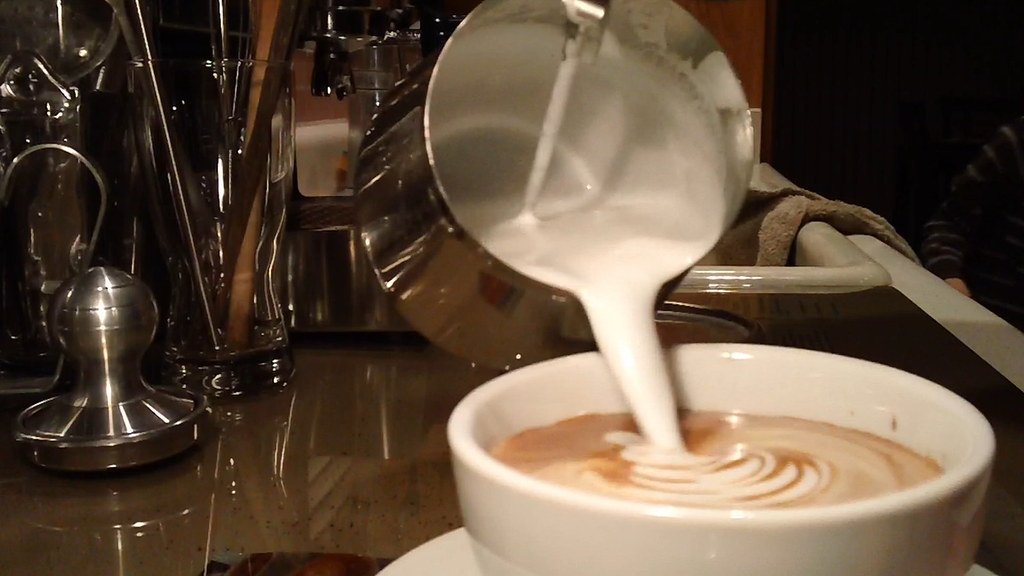
Every pattern is poured in two stages:
- The base. Start with a fresh shot (the crema fades and the milk separates within moments). Tilt the cup towards the jug and pour a thin stream from a few centimetres up into the middle of the crema, so the milk dives under it and mixes in. Guides give starting heights from about 2 cm to 2 or 3 inches.
- The pattern. When the cup is half to two-thirds full, bring the spout right down to the surface and pour a little faster. Now the white foam floats and spreads instead of sinking, and the movement of the jug draws the shape. Lifting the jug again in the middle makes the milk sink under the crema.
The heart. Bring the spout low into the centre and keep pouring in one spot until a white circle forms and spreads; then lift the jug a little and draw it forward through the circle to pull the point of the heart (De’Longhi).
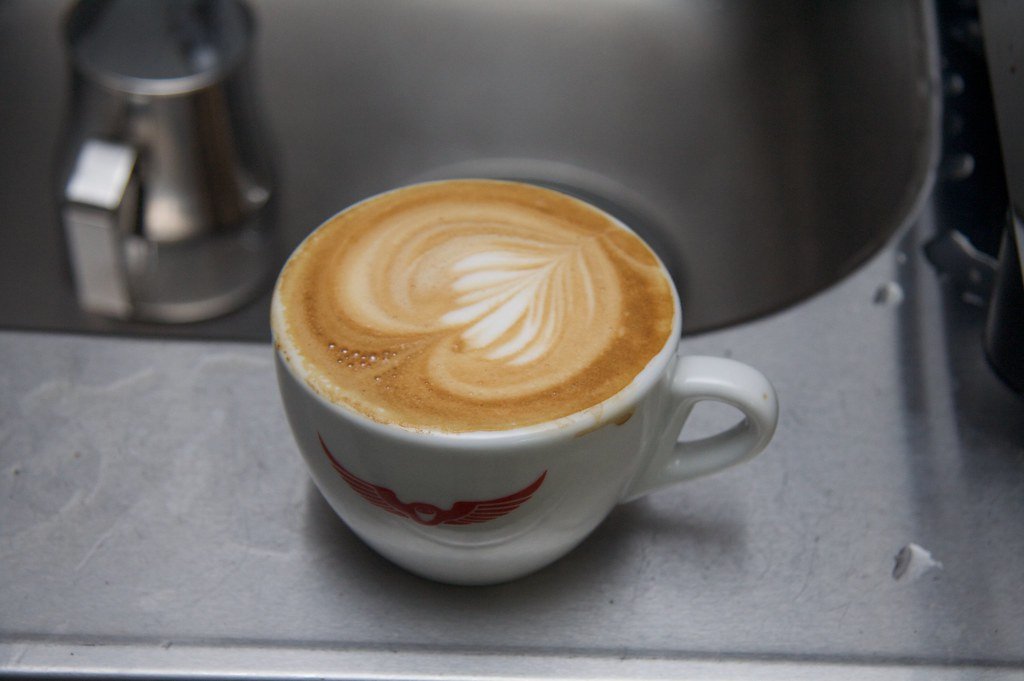
The tulip. A stack of hearts: pour a white blob and stop; pour a second just behind it, pushing forward into the first; repeat for three or four; finish with a pull-through (Dolce Gusto).
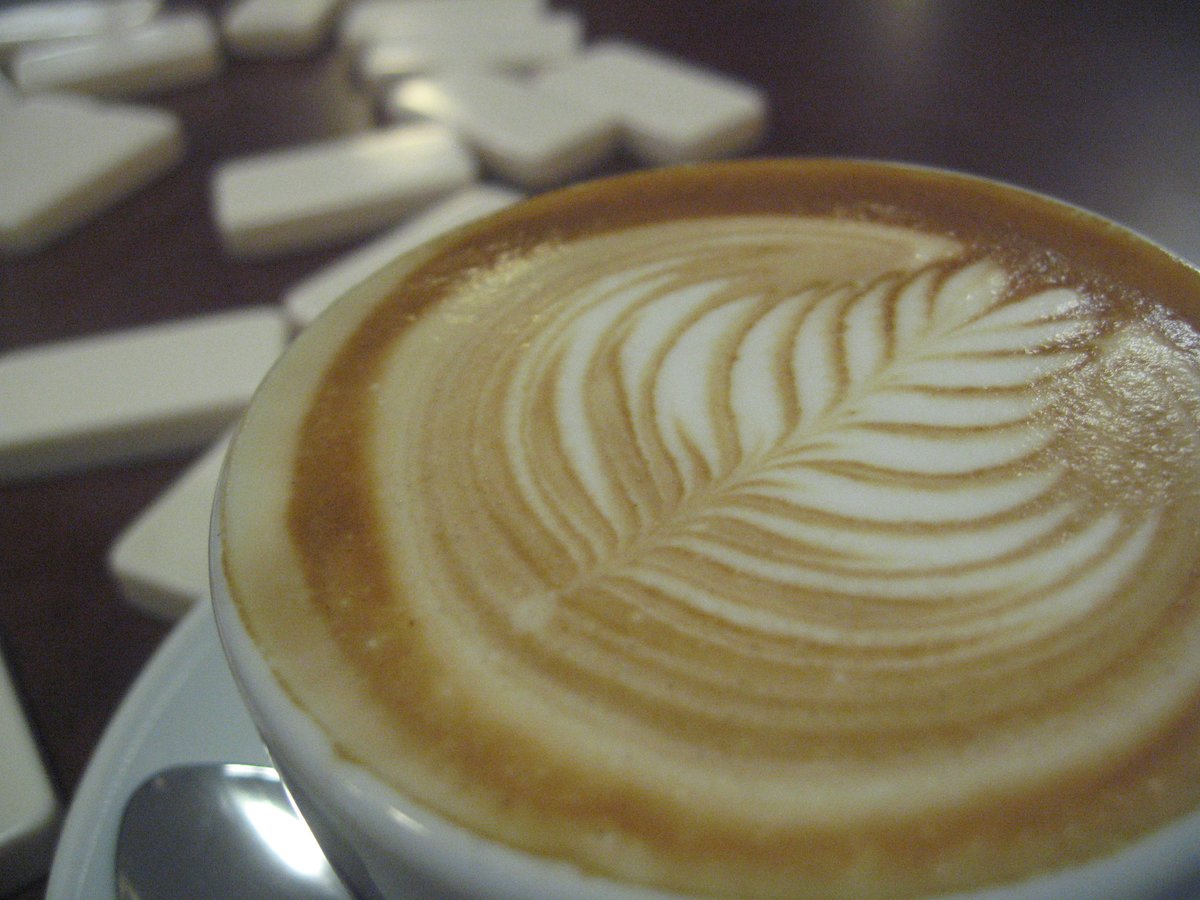
The rosetta. Start low near the back of the cup and wiggle the jug side to side while drawing it slowly backwards, so the milk folds into leaves; then lift and pull a thin line through the middle.
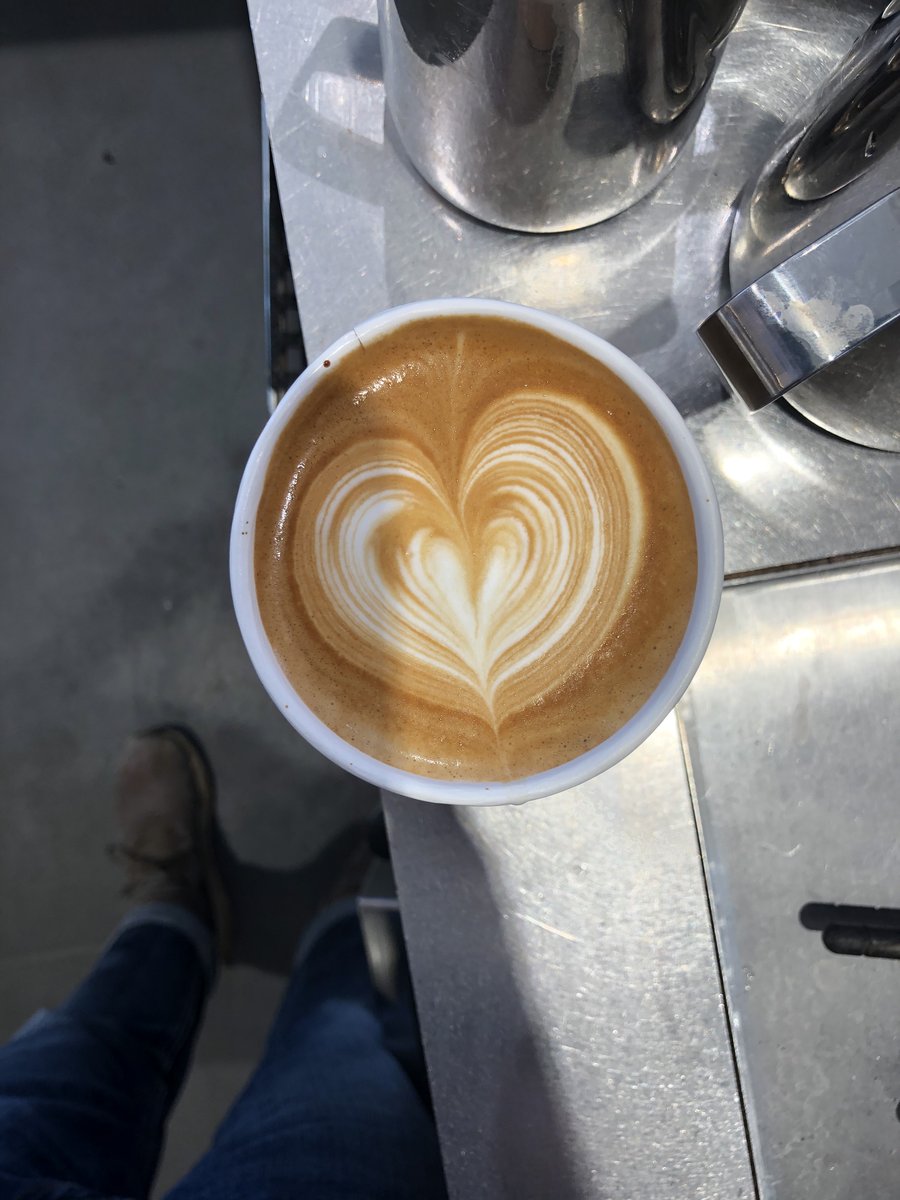
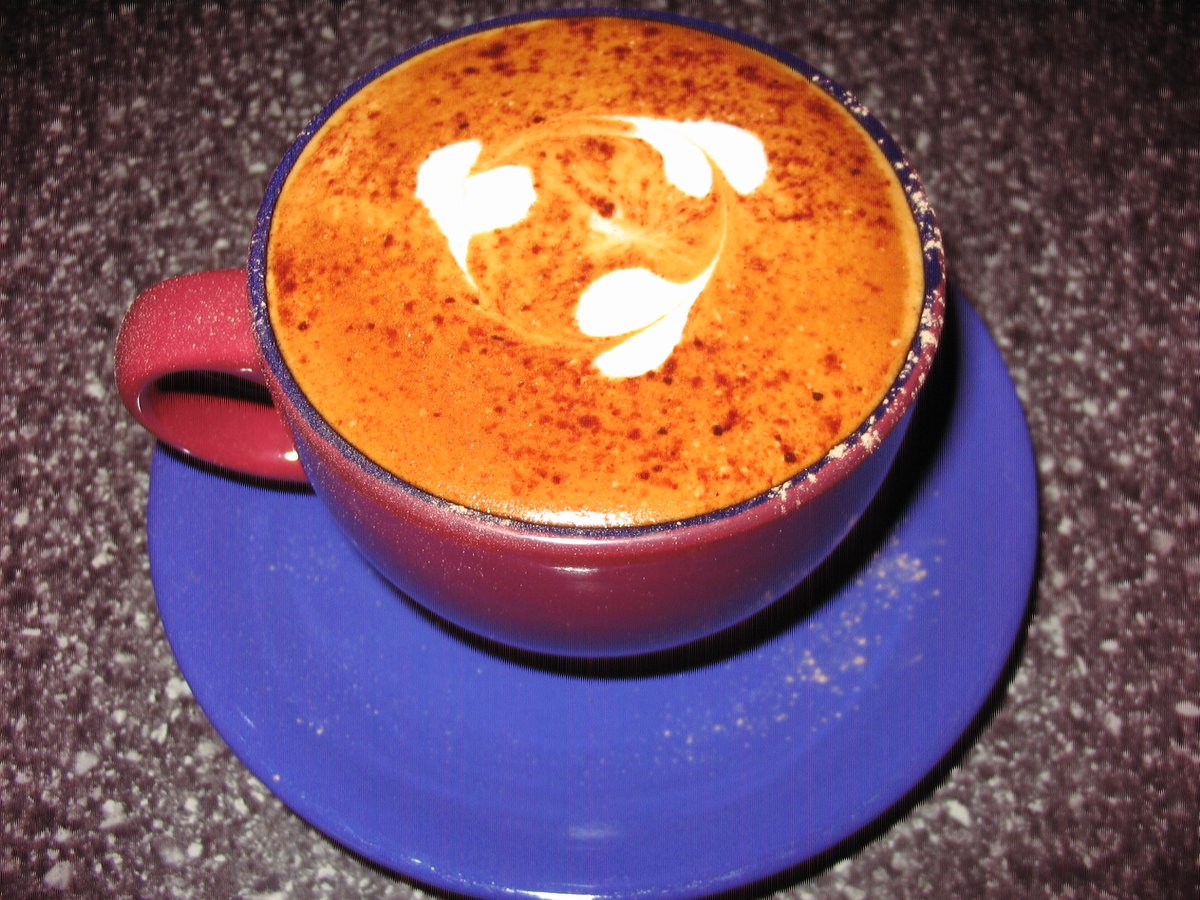
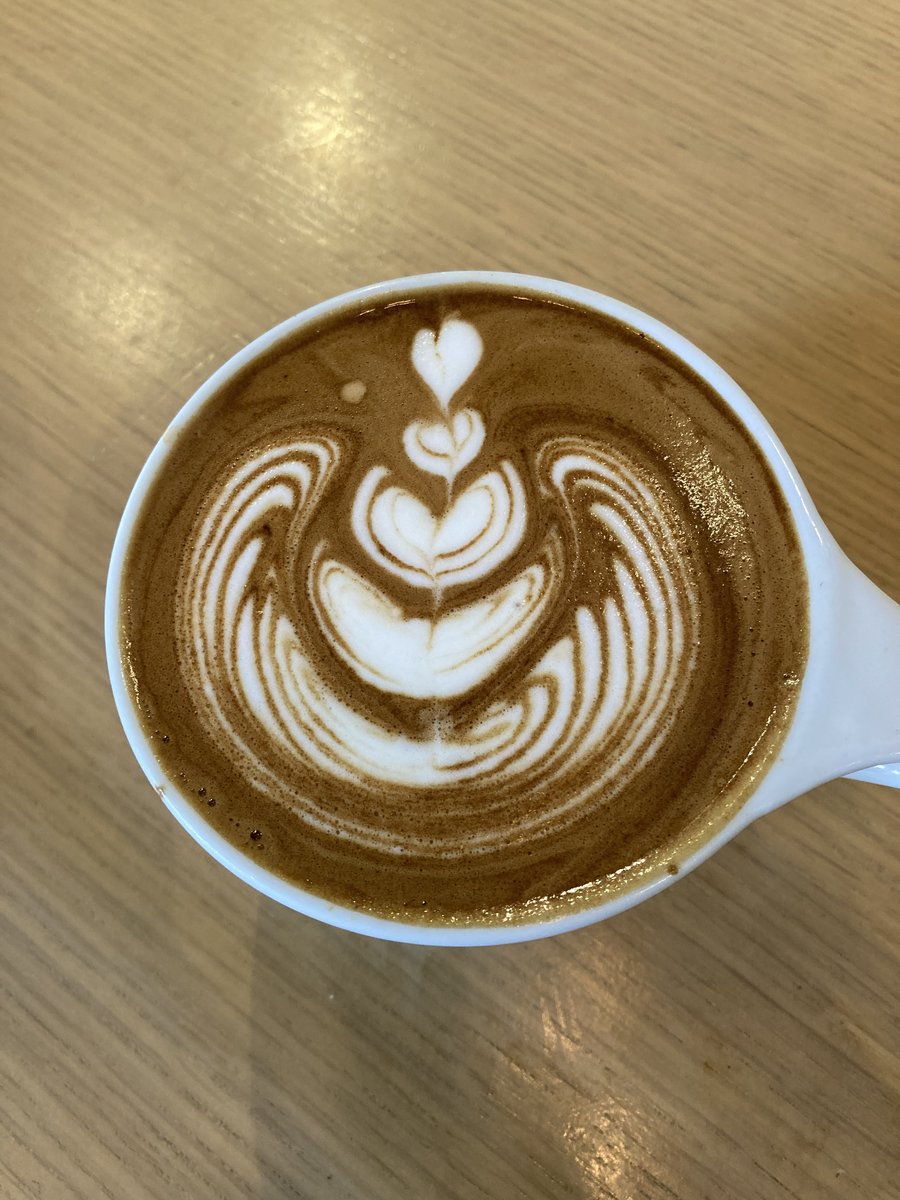
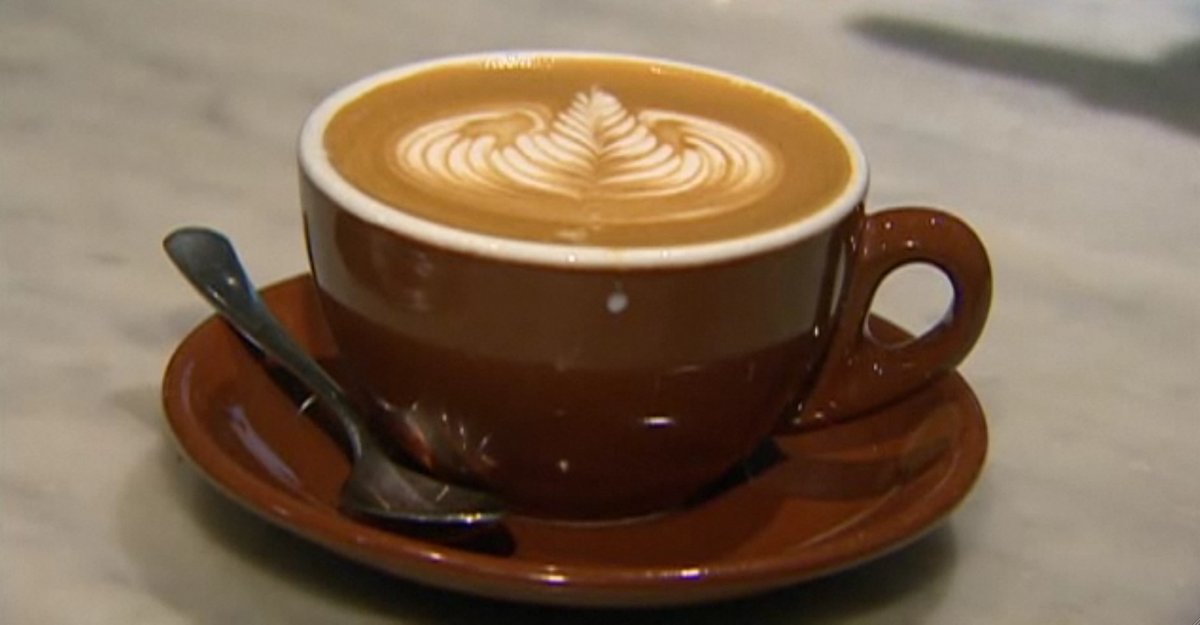
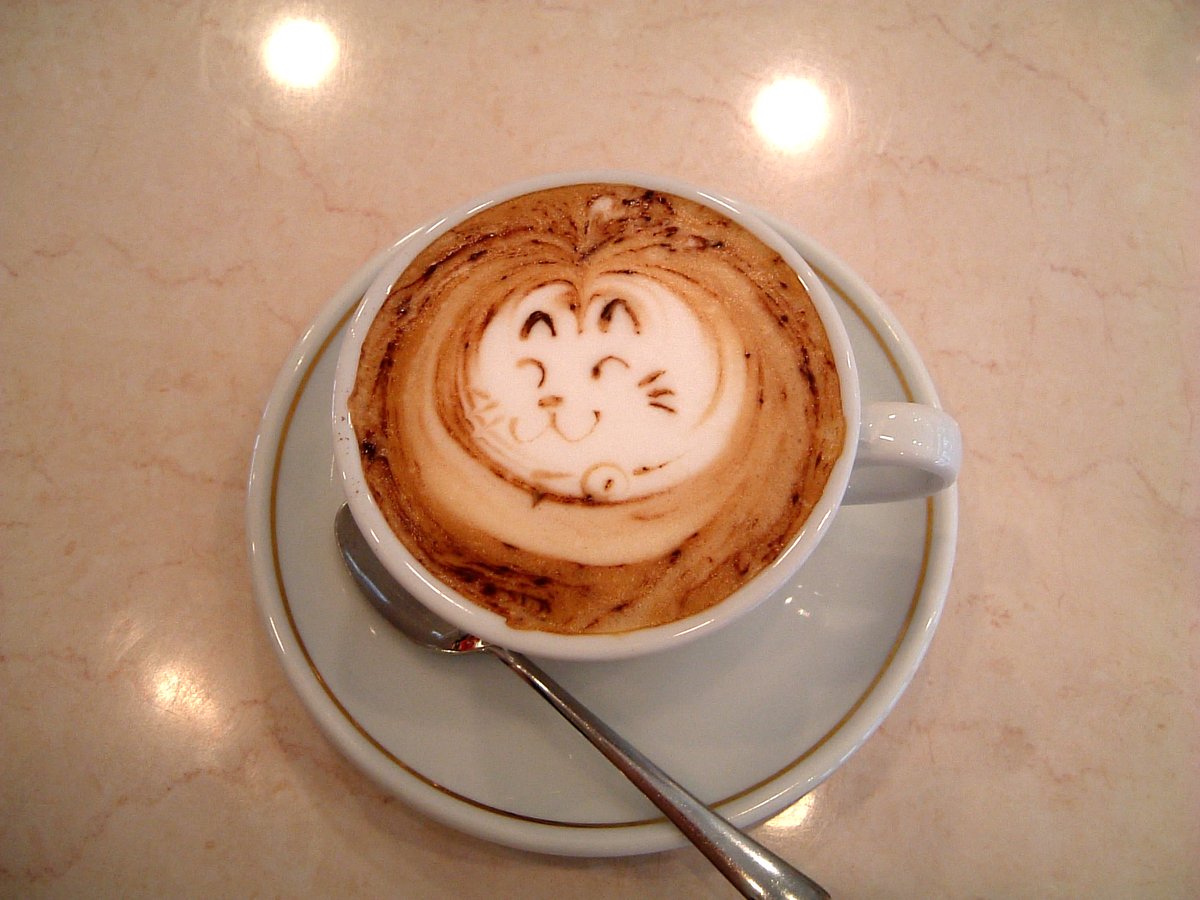
Free pour and etching. Everything above is a free pour, made with the jug alone. Etching draws in the foam afterwards with a pick, or drags lines of chocolate or caramel sauce into patterns.
The usual faults
| What you see | Usual cause | Fix |
|---|---|---|
| Big bubbles | Too much air, or air let in after the milk warmed | Stretch for less time while it is cold; spin longer; tap and swirl |
| Thin milk, nothing floats | Tip buried from the start, so the milk was heated but not aerated | Start with the tip right at the surface for a few seconds |
| A white blob that will not spread | Too much air (cappuccino foam), or foam separated in the jug | Stretch less; keep swirling until the moment you pour |
| The design sinks | Spout too high in the second stage, flow too slow, or the shot too old | Bring the spout almost to the surface; pour steadily, slightly faster; pour soon after the shot |
| A brown smear at the start | Base not mixed in, or cup not tilted | Tilt the cup; pour the base from higher into the crema |
| A wobbly rosetta | Wiggling too fast or pulling back too fast | Wider, slower wiggle; slower pullback; master the heart and tulip first |
These come from barista guides that agree with each other; none is a controlled study (Complete Home Barista).
Practising without wasting milk
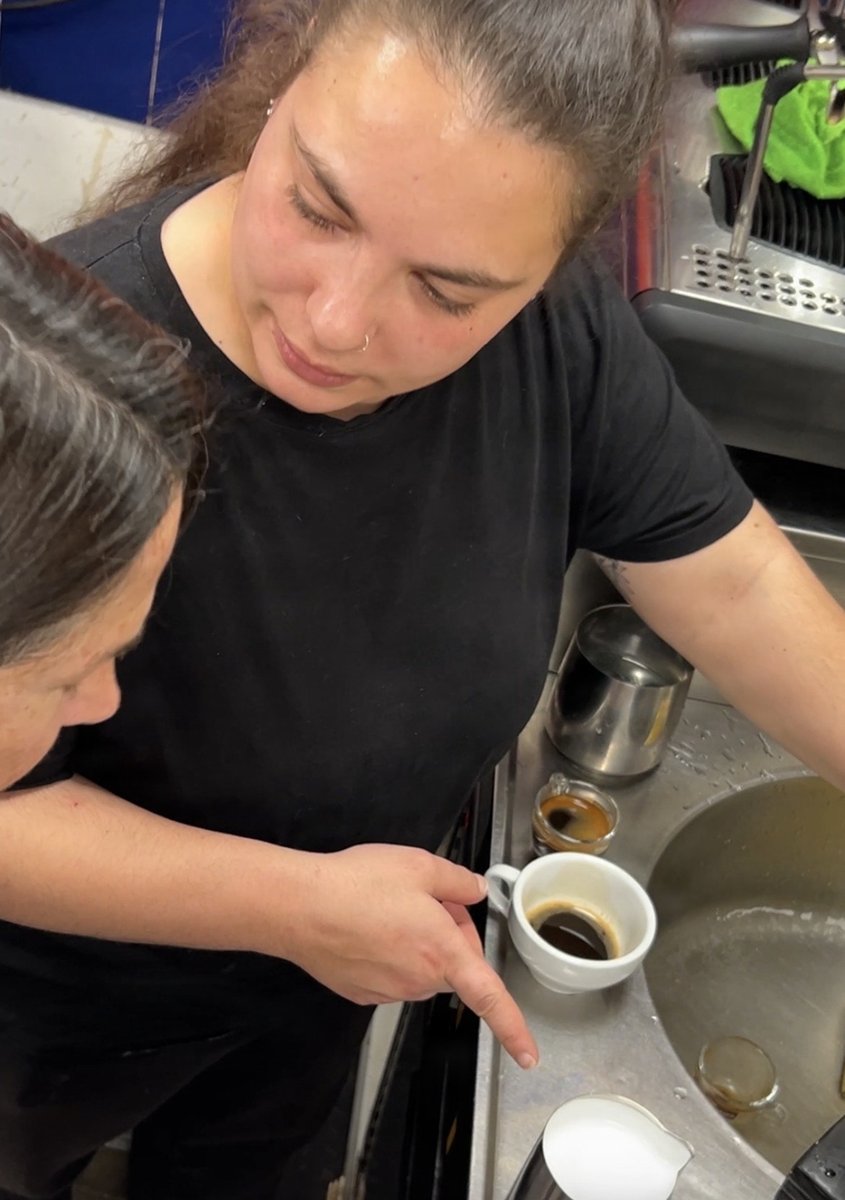
A gallon of milk a day is an expensive way to learn. The common alternative, which the machine maker La Marzocco recommends, is water with a drop of dish soap, steamed like milk and poured into old espresso, coloured water or soy sauce (La Marzocco). Two or three drops of clear, undyed soap is enough. It is for practising the movement, not for drinking, and it does not behave exactly like milk. No source reports harm to a machine; it makes sense to rinse the jug and purge and wipe the wand well afterwards.
The Latte Art Grading System, devised by Luigi Lupi and Luca Ramoni, sets out the ladder baristas climb, in coloured grades: white (heart, tulip), orange (rosetta), green (reverse pours and combined patterns), red (precise symmetry), black (speed and consistency) and gold (Latte Art Grading).
The equipment
A home machine’s steam is what limits latte art. Single-boiler machines steam slowly and lose pressure; heat-exchanger and dual-boiler machines steam strongly enough for a 12 oz jug. The differences, with examples, are on Espresso and Espresso Machines and Levers. Breville’s Bambino Plus has an automatic wand that steams to a chosen temperature and texture and purges itself, though Breville publishes no degree values for its settings (Breville). A hand frother that forces milk through a fine screen, such as the NanoFoamer, does not heat the milk but is claimed to make pourable microfoam, and reviewers agree, though nobody has measured it against a steam wand. An ordinary whisk frother makes stiffer, bubblier foam.
Swans, 3D and beyond
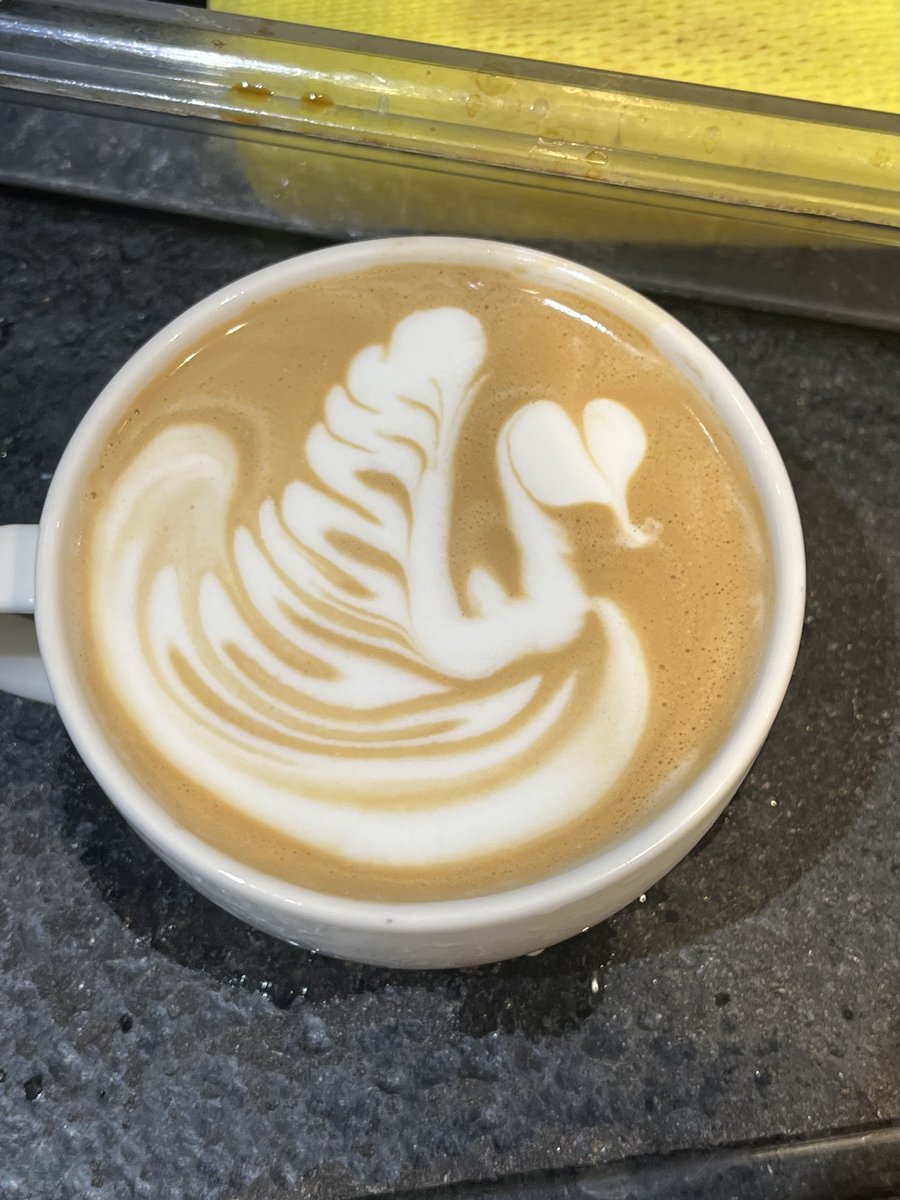
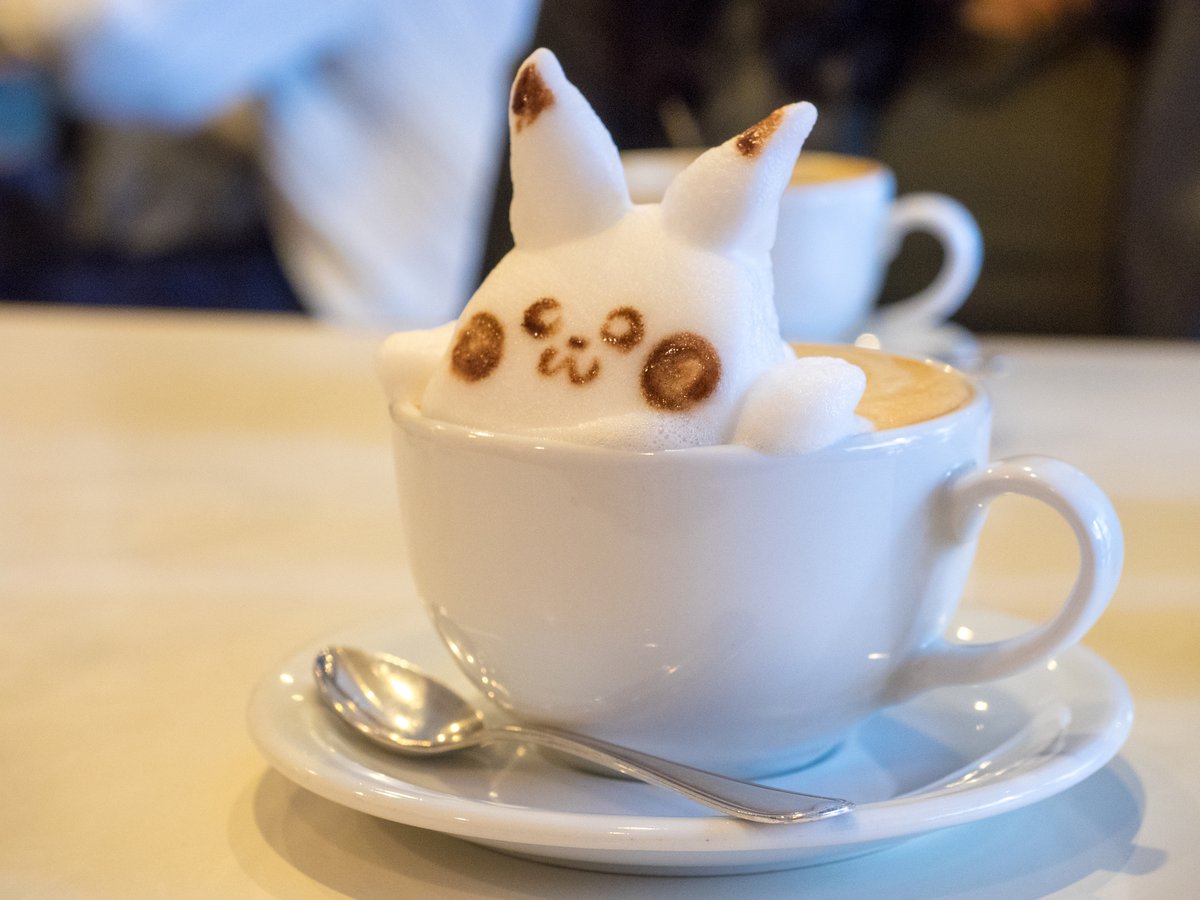
The swan is a rosetta poured to one side whose pull-through runs alongside the leaves to make a wing, then a line drawn up for the neck and a small heart for the head. 3D latte art sculpts stiff foam into figures that rise out of the cup; the Osaka barista Kazuki Yamamoto of Cafe 10g became famous for it in 2012–13 (Daily Coffee News, 2013), though no source says he invented it. It is a fixture of cafés in Tokyo’s Harajuku.
Where it came from
Latte art is usually said to come from Italy, without a date. Its American story is better recorded. David Schomer of Espresso Vivace in Seattle, which he opened in 1988, made the heart a house signature by 1988 or 1989; in his own 1994 article he credits Jack Kelly of Uptown Espresso with developing velvety microfoam in 1986, and says he worked out the rosetta in 1992 from a photograph from an Italian café he called “Cafe Mateki”, which no one has identified (Latte art, citing Schomer). He is credited with popularising latte art in the US, not with inventing it. In Italy Luigi Lupi of Caffè Musetti spread “decorated cappuccino” through teaching videos and co-founded the grading system; that he learned it there in the 1980s rests on blogs.
The World Latte Art Championship was first held in Athens in March 2005, according to the organisers’ own magazine (Café Europa, June 2006); it now runs under the SCA’s World Coffee Championships. The first US Latte Art Championship was in Seattle in 2014. Coffee Fest’s separate “Latte Art World Championship Open” is a different event. Competitions are on Competitions. In Lansing, Blue Owl Coffee in REO Town held a barista throwdown with fourteen baristas, won by Traves Charles of Strange Matter, with milk from Mooville in Ionia (Lansing City Pulse).
What is not known
- When and where the first poured pattern was made, and who first poured a rosetta in Italy.
- Who “Cafe Mateki” was.
- Why the championship’s start is given as both 2005 and 2006.
- How milk fat affects bubble size in steamed microfoam; no study isolates it.
- How plant milks behave under a steam wand rather than a frother.
- How a screen frother compares with a steam wand, measured.
- The temperatures behind the Bambino Plus settings.
Sources
- Klimanova and others, “Effect of steam frothing on milk microfoam”, International Dairy Journal (2022).
- Hassan and others, “The bubbly life and death of animal and plant milk foams”, Soft Matter 20 (2024).
- De’Longhi, Latte art step by step; Dolce Gusto, Latte art; Complete Home Barista, How to steam milk for latte art and latte art troubleshooting; Eversys, steam wand.
- La Marzocco, Practise latte art without milk; Latte Art Grading, the grades.
- Oatly, Barista Edition; Breville, Bambino Plus milk settings.
- Wikipedia, Latte art (citing David Schomer, “Latte Art 101”, 1994); Daily Coffee News, Spectacular latte art (2013); Sprudge, There’s a championship for that (2014); Café Europa, June 2006; Lansing City Pulse, Blue Owl’s latte art competition.
Comments (0)