Coffee · 22 of 35
Keeping Coffee at Home: Freshness, Storage and the Freezer
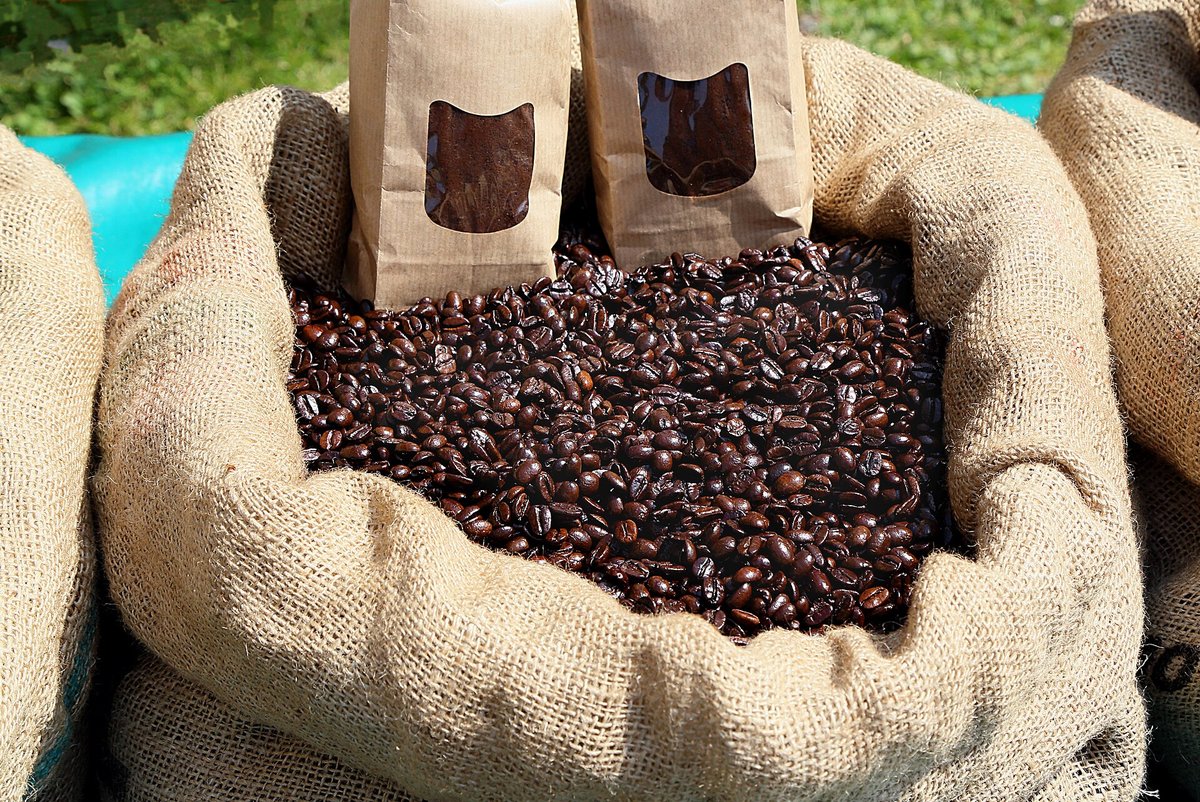
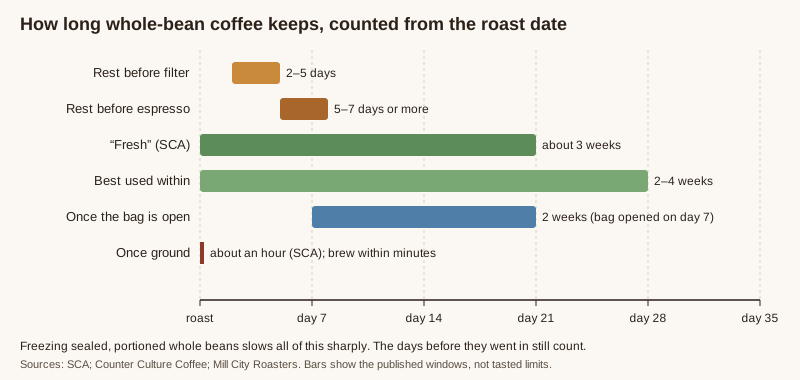
Roasted coffee does not go bad the way milk goes bad. It goes flat. A bag that was full of fruit and caramel in its first week tastes of cardboard and dull bitterness two months later, and nothing about it is unsafe. This page is about slowing that down at home: how long coffee is good for, what is actually happening to it, what to keep it in, and how to use the freezer properly. Every other page on this site that gives a freshness number takes it from the table below.
I have roasted coffee at home by the popper-and-skillet methods, so I know the other end of this problem too: home-roasted coffee arrives with no bag, no valve and no roast date unless you write one. The advice here works for both.
The short version
| Question | Answer |
|---|---|
| Rest after roasting, filter | 2–5 days |
| Rest after roasting, espresso | 5–7 days or more |
| How long is whole bean “fresh”? | About three weeks from the roast date (SCA) |
| Use it within | 2–4 weeks of roasting, and 2 weeks of opening the bag (Counter Culture) |
| Ground coffee | Brew within minutes. The SCA calls it fresh for “about an hour”; it is stale in hours. |
| Best everyday container | The bag it came in, if it is a foil-lined bag with a valve: press the air out and close it tight. |
| Canister? | An opaque airtight canister is no better than a good bag, and in the one test it did worse. Use one for coffee that came in a paper bag. |
| Freezer | Yes, for coffee you will not drink within two weeks: whole beans, airtight, portioned, frozen once and not refrozen. |
| Refrigerator | No, for an open bag. Opinions differ; the freezer does the same job better. |
| Grind from frozen? | Yes. Cold beans grind finer and more evenly, so expect to adjust the grinder. |
| Buying | Buy roast-dated bags, in amounts you will finish in two to three weeks. |
What “stale” means
Four things happen to roasted coffee as it ages. They overlap, and they all run faster in warmth.
1. The gas leaves. Roasting leaves carbon dioxide trapped in the bean, about 1 to 2 percent of its weight, and it seeps out for weeks. That gas is what makes fresh coffee bloom in a pour-over and foam in an espresso. It also does a job while it is there. The SCA’s explanation is the clearest one: “as long as CO₂ surrounds and permeates the beans, it keeps oxygen out. Once CO₂ escapes, oxygen-rich air rushes in to take its place, and the coffee starts developing off-flavors” (SCA). How much gas each roast holds, and how fast it goes, is measured on Packaging.
2. The aroma escapes. The smell of coffee is hundreds of small, volatile compounds. They leave the bean the way the gas does, and the first ones to go are the light, bright ones. That is why an old coffee still tastes like coffee but has lost the parts that made it taste like that coffee.
3. Oxygen reacts with what is left. Oils and aroma compounds oxidise, and oxidised coffee tastes papery, then rancid. Oxygen is the largest single factor in staling: in the shelf-life study the SCA leans on, raising oxygen from half a percent to the 21 percent in air sped up deterioration twentyfold (Cardelli and Labuza, 2001, on Packaging).
4. Moisture gets in. Roasted coffee is very dry and wants to take up water from the air. Damp coffee stales faster.
Light gets blamed too. No measurement of light’s effect on packed roasted coffee has been published; an opaque bag or tin settles the question without one.
None of this is a safety problem. Researchers at the Zurich University of Applied Sciences put it in one line: roasted coffee “is, from a food safety perspective, a shelf-stable product, when stored at moisture content below 5%” (quoted on Packaging). Old coffee is a disappointment, not a hazard. The exception is coffee that has got wet and grown mould, which is covered at the end.
Rest: why the freshest coffee is not the best coffee
Coffee is at its best a few days after roasting, not the hour after. Fresh beans are so full of gas that it gets in the way: in a pour-over it bubbles up through the bed and pushes water around the coffee instead of through it, and in espresso it makes the shot foam, spurt and taste sharp.
| Source | Filter | Espresso |
|---|---|---|
| Counter Culture Coffee | 3–5 days | 5–7 days; light roasts may want up to two or three weeks |
| Mill City Roasters | 2–3 days | 5–7 days or more |
| This site’s working number | 2–5 days | 5–7 days or more |
Two practical consequences:
- A bag roasted yesterday is not ready. Buying the newest bag on the shelf is right; opening it that morning is not.
- Light roasts want longer. They are denser and give up their gas more slowly. Dark roasts are more porous and are ready sooner, and also go flat sooner.
Rest happens in the closed bag. Opening it to “let it breathe” spends the gas that protects the coffee.
How long coffee keeps
The sources do not agree, and the disagreement is worth seeing, because they are answering different questions.
| Source | Whole bean | After opening | Ground | What they mean |
|---|---|---|---|---|
| SCA | ”about three weeks of roasting” | — | “about an hour after grinding” | Fresh, as a specialty taster means it |
| Counter Culture | 2–4 weeks | 2 weeks | — | Peak flavour |
| National Coffee Association | 1–3 weeks at room temperature | — | 1–2 weeks | Still good to drink |
| Guelph consumer panel (on Packaging) | — | — | 8–10 weeks, dark roast in valve pouches | When half a panel would reject it |
| Supermarket “best by” | 1–2 years | — | — | Unopened factory pack, already degassed |
The spread is the finding. “Acceptable” runs to months in a sealed industrial pack. “Tastes like the coffee it was” is about three weeks. If a coffee tasted wonderful the week you bought it and only fine a month later, nothing went wrong; that is the curve.
Ground coffee is a different animal. Grinding releases most of the trapped gas in about a minute and a half (up to 75 percent, in the Zurich group’s measurement) and exposes far more surface to air. The NCA’s “1–2 weeks” for ground coffee and the SCA’s “about an hour” are both true: the first is drinkable, the second is fresh. The cheapest improvement most people can make to their coffee is to buy whole beans and a burr grinder and grind right before brewing (Grinding; a grinder at three budgets is on A Home Coffee Kit).
What to keep it in
The bag it came in is usually the best container
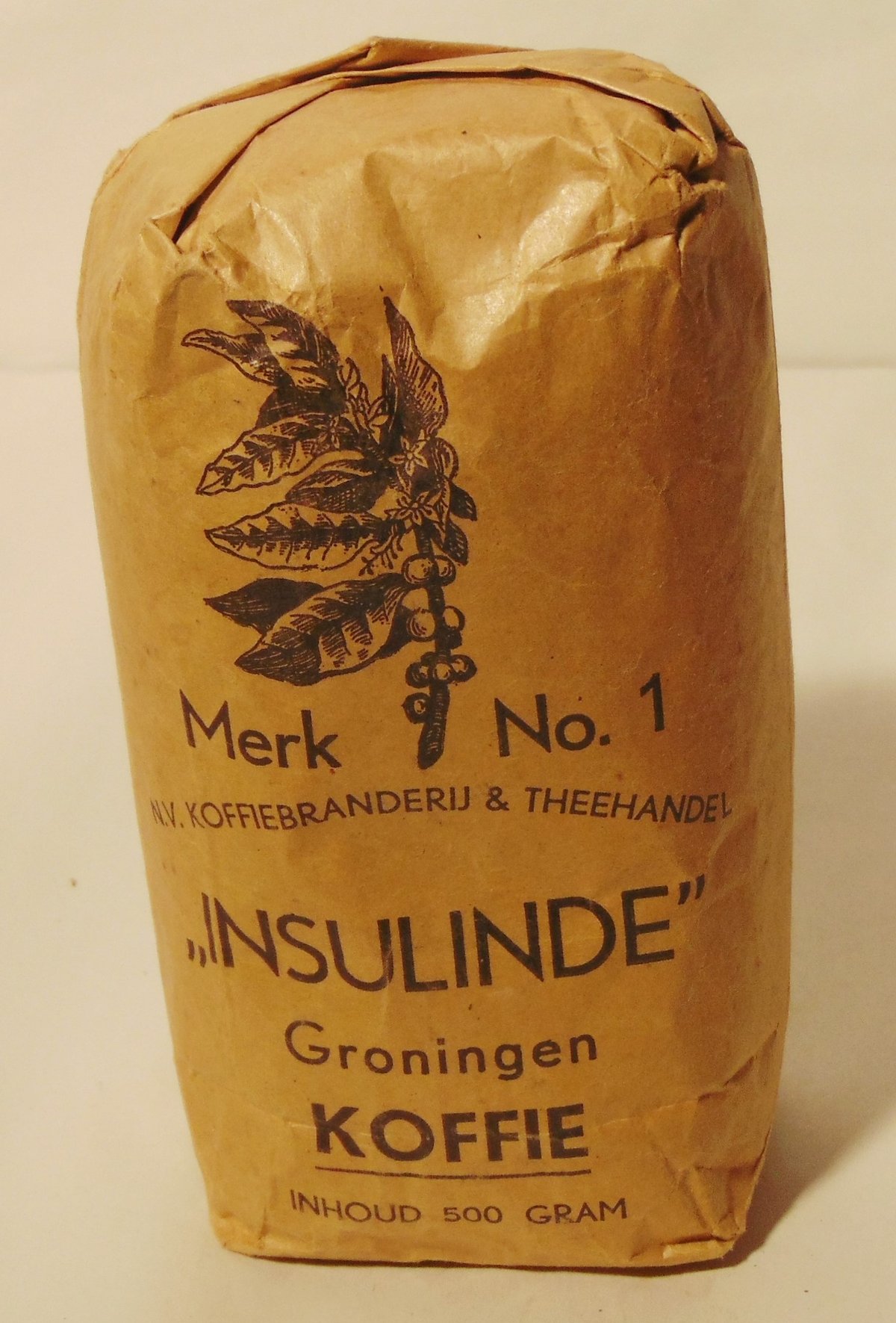
A good retail bag is foil-lined or made of another high-barrier film, has a one-way valve, and was sealed the day the coffee was roasted. That is better packaging than anything sold to keep coffee in. The valve lets gas out without letting air in, and the gas the coffee gives off pushes the oxygen out of the bag. (Packaging explains the valve and what is inside a kraft bag.)
Once it is open:
- Press the air out before closing it. Every bit of air left in the bag is oxygen against the beans.
- Close it as tightly as it allows. In the only controlled test of closures, a built-in screw cap did best; a clip, tape and a tin all lost freshness faster (Smrke and others, 2022, on Packaging).
- Roll it down, then clip it. A clip holds a fold shut; it does not make a seal.
- Keep it cool, dark and dry: a cupboard away from the stove and the sunny window, not the top of the espresso machine.
Canisters, and the test that surprised everyone
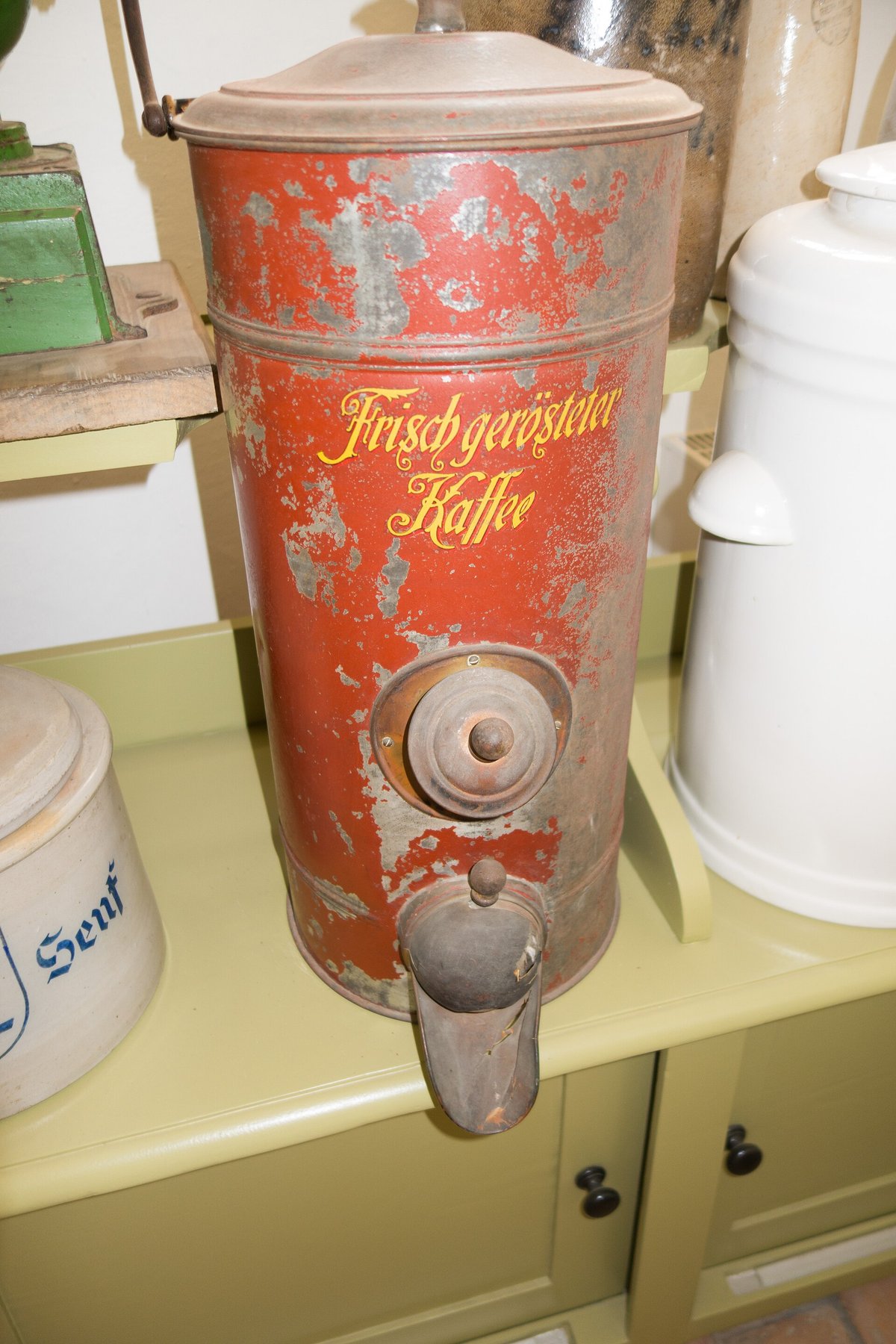
The usual advice is to tip the beans into an opaque airtight canister, and the NCA still says to use “opaque containers” and an “airtight container.” The one study that measured it found the opposite. When the Zurich group opened a kilogram of beans twice a week, emptying them into an airtight tin threw away the protective gas at once: oxygen in the tin reached room level “within a week,” and the carbon dioxide “fell to essentially zero.” The beans left in their bag did better.
The reason is simple once seen. The bag is full of the coffee’s own carbon dioxide. A tin is full of kitchen air, and the coffee has to use up its gas pushing that air out, every time the lid comes off. After about two weeks of opening, all four closures in the test were within 1 percent of room air. By then the container no longer matters.
So a canister earns its place in three cases:
- The coffee came in a paper bag, or a bag with no barrier and no valve. Then a tin is a step up.
- Home-roasted coffee, which has no bag. A jar or tin closed loosely for the first day (the gas has to go somewhere) and then tightly is fine.
- A small daily-use amount, decanted from a larger bag that stays sealed. This is the useful pattern: one tin holding three or four days’ coffee, refilled from a bag that is opened as seldom as possible.
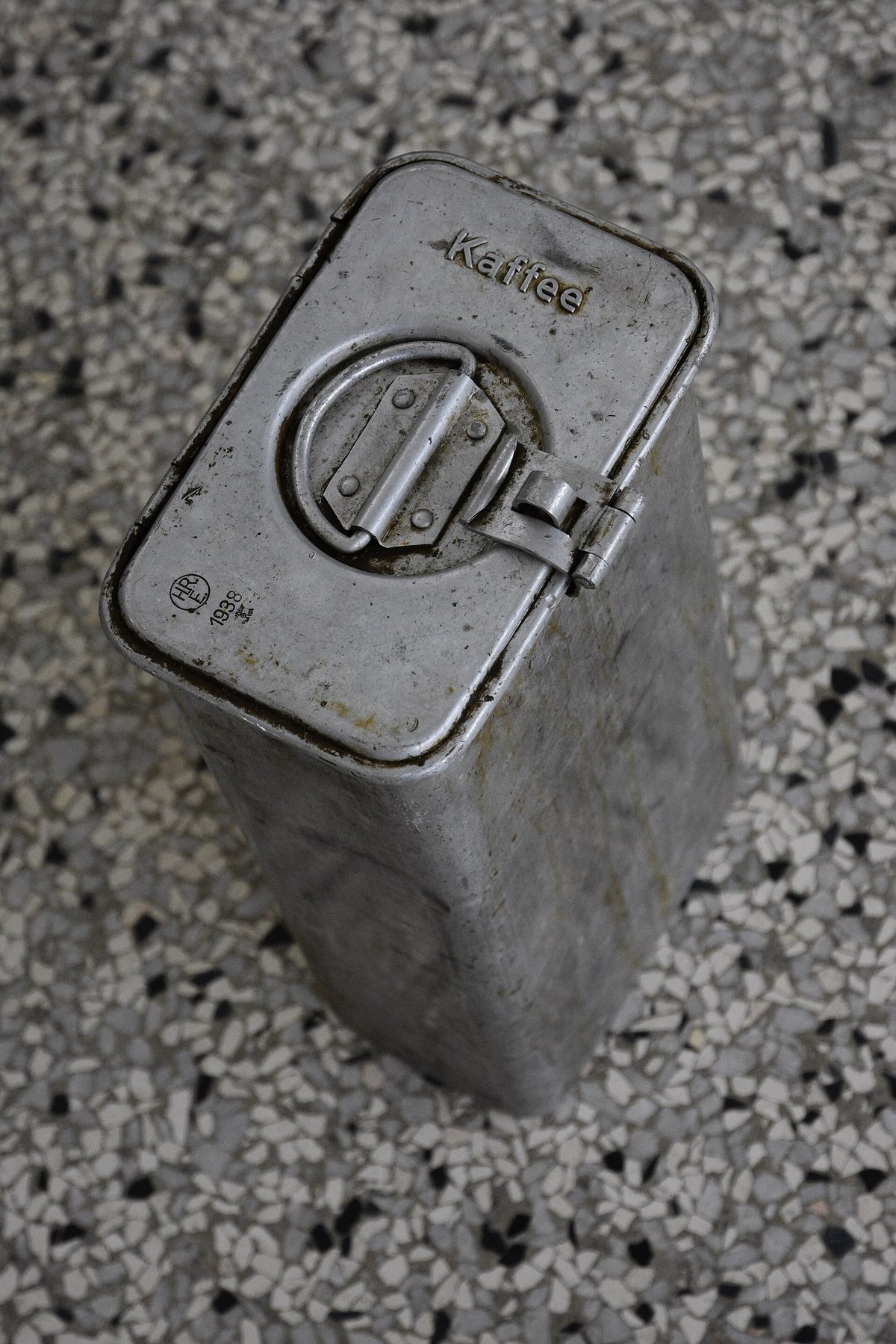
A clear glass jar on the counter is the one container that does everything wrong: it lets light in, it is full of air, and it sits where the kitchen is warmest. It looks lovely.
Vacuum canisters
Some canisters pump or push the air out. The Fellow Atmos pulls a partial vacuum with a twist of the lid; the Airscape presses an inner lid down onto the beans to push air out. They are a sensible idea, and no independent test of either has been published. Two cautions follow from what is known: a vacuum pulls aroma out along with air, and beans that are still giving off gas will slowly fill the space again. For coffee past its first week, in a canister opened once a day, they should do at least as well as a good bag. Nobody has shown how much better.
The freezer, done properly
Cold slows every one of the four staling processes. At −25 °C coffee gives off gas about 35 times more slowly than at 35 °C (Packaging). In a Penn State study, Andrew Cotter and Helene Hopfer kept six coffees from a light “City” to a dark “Vienna” roast for nine weeks, frozen or at room temperature, and tested them by gas chromatography and on 48 coffee drinkers. Freezing kept the aroma of the dark roasts; the room-temperature dark roasts were noticeably different. The light roasts lost little either way.
The objection, and what is known about it
The old objection to the freezer is condensation: cold beans taken into a warm kitchen collect water on their surface, and water stales coffee. Counter Culture still advises against both the fridge and the freezer for that reason. Hopfer’s answer was that her student “could not find any evidence of that” in the scientific literature. That means the harm has not been shown, not that it has been shown harmless. The precaution that avoids it costs nothing, so it is part of the method below. Coffee Myths and Corrections gathers the storage myths.
The NCA sits in the middle: frozen beans keep “3–4 months” in “a truly airtight container,” and the advice is to “quickly remove as much as you need for no more than a week at a time.”
The method
- Freeze only what you will not drink in the next two weeks. The coffee for this week stays in its bag in the cupboard.
- Freeze it early. Freezing pauses the clock; it does not wind it back. Beans frozen at a week old come out tasting a week old. Let them rest their two to five days first, then freeze.
- Whole beans only. Ground coffee has already lost most of its gas and has far more surface to collect moisture.
- Portion it. Divide the beans into amounts you will use in a few days, or into single doses. Each portion is opened once.
- Airtight, with as little air as possible. Small jars filled to the top, zip freezer bags pressed flat, or vacuum-sealed pouches. The roaster George Howell says single doses “will last a week or two, but if you want to wait a month or longer, you need to vacuum seal.” Vacuum sealing is right here and wrong for fresh coffee in a bag: frozen coffee is giving off almost no gas, so there is nothing to swell the pack.
- Put it at the back, away from the door, where the temperature holds steady. A home freezer opened all day is the weak point; a chest freezer is better.
- Take out a portion and do not open it until it reaches room temperature, or grind it straight from frozen (below). Either way, do not open a cold pack in warm air and then put it back.
- Never refreeze. A thawed portion goes in the cupboard and is used like any open bag.
Grinding straight from frozen
This is now normal practice among roasters who freeze coffee. Howell: “We always grind straight from frozen.” It also changes the grind, in a way that is measured.
In 2016 a group including the chemist Christopher Hendon ground the same coffees at four temperatures, from room temperature down to −196 °C in liquid nitrogen, and published it in Scientific Reports (Uman and others, 2016). “Grinding cold results in a narrower particle size distribution, and reduced mean particle size.” Cold beans are more brittle, so they shatter more cleanly and evenly. The biggest change came between room temperature and −19 °C, which is about where a home freezer sits; going all the way to liquid nitrogen shrank the most common particle size by 31 percent.
What that means at home:
- Frozen beans grind finer at the same setting. Coarsen the grinder a step and taste.
- The grind is more even, which usually tastes cleaner and sweeter.
- Be consistent. Grind either always from frozen or always from room temperature. Ella Turnbull, head of quality control at the roaster ST. ALi, quoted by Perfect Daily Grind, puts it plainly: “dial in the coffee frozen, and then the parameters should stay intact.”
- Grind immediately. Frozen beans left on the counter in an open grinder collect water as they warm.
Single-dosing
Single-dosing means weighing one brew’s worth of beans at a time and grinding all of it, rather than keeping a hopper of beans on the grinder. It pairs naturally with the freezer: weigh doses into small jars or tubes, freeze them, and take out one each morning. A hopper of beans sitting on a grinder for a week is coffee stored in a clear, unsealed container in the warmest part of the kitchen. Grinders built for single-dosing also hold back less coffee between brews; how much each grinder keeps, and how to purge it, is on Grinding.
The refrigerator
The fridge is the worst of both. It is cold enough to cause condensation when the bag comes out, not cold enough to slow staling much, and full of smells that dry coffee absorbs. Illy does recommend the fridge for its own opened ground coffee after seven days, warmed to room temperature before opening. Counter Culture says to avoid it. The NCA gives refrigerated beans two weeks, which is no better than a cupboard. If coffee needs to be cold, the freezer does the job properly.
A storage ladder, from free to fussy
| Step | What | Cost | What it buys |
|---|---|---|---|
| 1 | Leave whole beans in the valved bag; press out the air; roll and clip; cupboard | Nothing | The bag’s own barrier and gas, which is most of the benefit available |
| 2 | Buy smaller bags, roast-dated, enough for two to three weeks | Nothing; sometimes cheaper per bag than waste | Coffee drunk inside its window |
| 3 | A small opaque tin for three or four days’ coffee, refilled from a bag that stays sealed | A few dollars | The main bag opened half as often |
| 4 | An opaque airtight canister, only for coffee that came in paper | A few dollars to $30 | A barrier the paper bag lacks |
| 5 | Freezer: whole beans in small airtight jars or zip bags, portioned, opened once | Jars you already own | Weeks to months instead of days |
| 6 | Single doses, weighed and frozen, ground from frozen | Small jars or tubes | Every brew from a just-opened pack; a finer, more even grind |
| 7 | Vacuum-sealed frozen portions | A vacuum sealer | Months; the method roasters use for coffee kept a month or longer |
| — | A vacuum canister on the counter | Varies | Untested; at least as good as a good bag |
Most people need only the first two rungs. The freezer starts to matter when coffee arrives in amounts larger than two weeks’ drinking: a subscription, a gift, a trip to a good roaster, or a home roaster’s batch.
Buying with freshness in mind
- Look for a roast date, not only a “best by” date. Counter Culture’s advice: “look for a ‘Roasted On’ date rather than a ‘Best By’ date.” A “best by” date a year out tells you nothing about when the coffee was roasted.
- Buy whole bean. Ground coffee was stale before it reached the shelf.
- Buy what you will finish in two to three weeks. The NCA says “enough for one or two weeks.” Two mugs a day at about 20 g of coffee each is roughly 280 g a week, so a 12 oz (340 g) bag lasts one such drinker a little over a week.
- Check the bag. A one-way valve, a foil or metallised lining, and a seal at the top.
- Be wary of bins. Open bins of beans in a grocery store are coffee stored in air, under lights, for an unknown time.
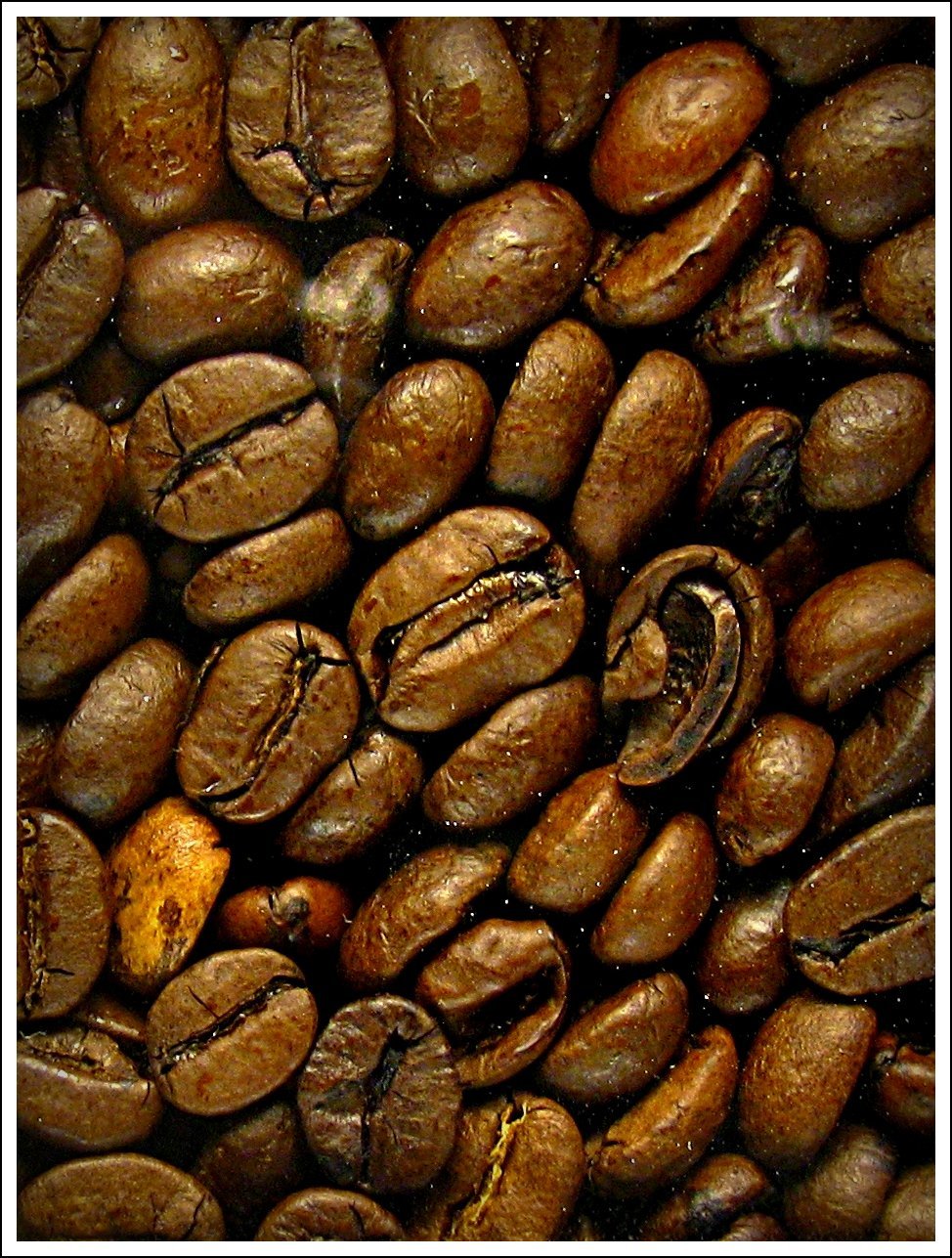
- Oily beans on a light or medium roast are old. Dark roasts show oil within days; on a lighter roast, oil means age.
- At a farmers market or a small roaster, ask when it was roasted. A seller who roasts weekly will know to the day. For the market stall I am planning, every bag gets a stamped roast date, and anything over two weeks old comes home (Packaging).
What to do with an old bag
A bag found at the back of the cupboard two months past its roast date is not dangerous, and it is not wasted.
Brew it a little differently.
- Grind finer and use a little more coffee. Stale coffee extracts less readily and tastes thin; meeting it with more surface and a stronger ratio helps.
- Brew it as cold brew. Cold brewing pulls less of the papery, oxidised character and makes a smooth, heavy drink where the missing brightness is not missed (Brewing).
- Use it with milk. A latte, a café con leche or a phin with condensed milk hides age better than black coffee does.
Cook with it. Coffee in a rub, a braise, a chocolate cake or a barbecue sauce does not need its top notes; Cooking With Coffee has the recipes.
Use the grounds. Spent grounds, and stale beans brewed first, go into the compost, and are a growing medium for oyster mushrooms (Growing Oyster Mushrooms on Spent Grounds).
Throw it out if it is mouldy. Coffee that has been wet (a bag left open in a damp basement, beans that got splashed, grounds left in a press) can grow mould. Fuzzy growth, a musty smell or clumps that were not there before: bin it, and do not taste it to check. Dry roasted coffee does not grow mould, which is why the freezer method insists on not letting water condense on the beans.
What is not known
- How much a vacuum canister actually extends freshness. No independent test exists.
- Whether condensation on frozen beans harms the cup in practice. The precaution is cheap and stays in the method; the harm has not been measured.
- A measured effect of light on roasted coffee in a home container.
- A measured penalty for refreezing coffee. The rule against it is practice, based on condensation at each thaw.
- How long single doses keep in a home freezer at about −18 °C, by tasting. The published windows (Howell’s one to two weeks unsealed, the NCA’s three to four months airtight) are practitioners’ figures.
- How the coffee industry’s 18–21 day freshness figures change for very light roasts, which degas more slowly and are often said to peak later.
Sources
- Specialty Coffee Association: Peter Giuliano, “What is ‘freshly roasted’ coffee?”
- Counter Culture Coffee, “Coffee Basics: Freshness”
- Mill City Roasters, “How long should you rest coffee after roasting?”
- National Coffee Association, “Storage and Shelf Life”
- Uman, Colonna-Dashwood, Colonna-Dashwood, Perger, Klatt, Leighton, Miller, Butler, Melot, Speirs and Hendon, “The effect of bean origin and temperature on grinding roasted coffee,” Scientific Reports 6, 24483 (2016)
- Penn State, “Wake up and smell the coffee: Research shows freezing beans can preserve aroma” (Cotter and Hopfer, 2018)
- Perfect Daily Grind, “Freezing roasted coffee: best practices” (September 2025), quoting George Howell, Ella Turnbull and Tom Finch
- Illy FAQ; Fellow Atmos; Planetary Design (Airscape)
- The staling research, valve, bag and closure studies (Cardelli and Labuza 2001; Smrke and others 2018 and 2022; Glöss and others 2014; Guelph 2018) are cited in full on Packaging Roasted Coffee.
Comments (0)