Coffee · 9 of 35
Coffee Competitions: What They Are, How to Watch One, and How to Enter
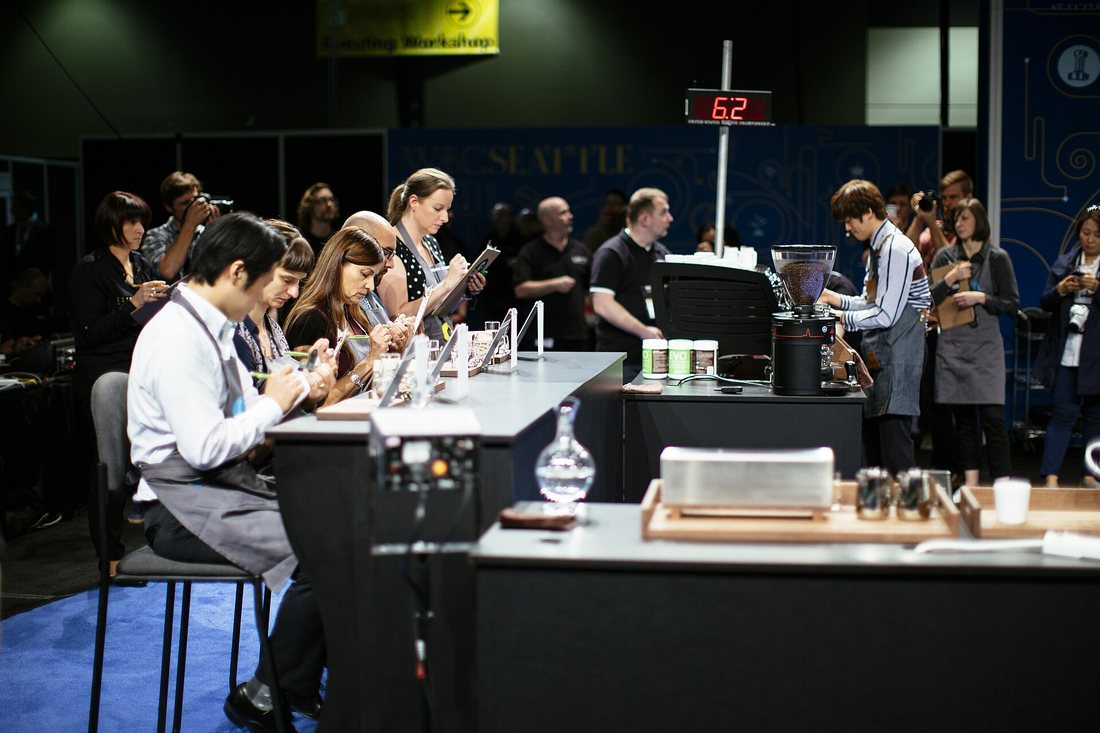
Coffee has a competition circuit, with national champions, world finals and rules that run to dozens of pages. Most of it is aimed at working baristas and roasters. Some of it is open to anyone who turns up with a brewer. Below: what the competitions are, how each one works according to the organisers, where and when the next ones are, and the realistic ways in for a home roaster.
Dates are from the organisers’ own sites, checked 5 October 2026. Schedules change every season; the organisers’ pages, linked in each section, are the place to confirm them.
The U.S. Coffee Championships
Six national competitions, run under the Specialty Coffee Association. The winner of each represents the United States at the world championship.
| Competition | What the competitor does | What the organisers’ page says |
|---|---|---|
| U.S. Barista Championship | Serves coffee drinks to a panel of judges, with a spoken presentation | ”A dynamic service competition that highlights and elevates the barista profession” |
| U.S. Brewers Cup | Brews filter coffee by hand | Two parts. In compulsory service, three cups “from the same whole bean coffee provided to them by the competition,” judged on “aroma, flavor, body, and acidity.” In open service, three cups “with a coffee of their choice… with an accompanying presentation.” |
| U.S. Cup Tasters Championship | Tastes | ”Sets of three cups where two cups are identical and one is different.” Eight sets, eight minutes; “the most correct answers in the shortest amount of time.” |
| U.S. Coffee Roasters Championship | Roasts | Judged on the “ability to develop roast profiles that enhance the coffee’s unique characteristics and deliver exceptional cup quality” |
| U.S. Latte Art Championship | Pours patterns in milk | |
| U.S. Coffee in Good Spirits Championship | Makes coffee cocktails |
The time limits, the number of judges and the scoring scales are in each competition’s rules and scoresheets, which the site offers as downloads.
How the 2027 season works
For 2027 the organisers describe “a combination of regional qualifiers and direct registration to the National Championships”:
- Barista, Brewers Cup, Roasters and Cup Tasters have regional qualifying events. “Competitors will first earn their place through the qualifying events, with top performers advancing to compete for the national title.” Two barista qualifiers are named so far: South/Central and West.
- Latte Art and Coffee in Good Spirits take direct registration for the nationals.
Dates, cities, fees and eligibility for the 2027 qualifiers and nationals had not been published as of 5 October 2026. In the 2026 season the Latte Art and Coffee in Good Spirits championships were held in Seattle on 5 to 8 February. The pages to watch are the registration page and uscoffeechampionships.org.
The world championships
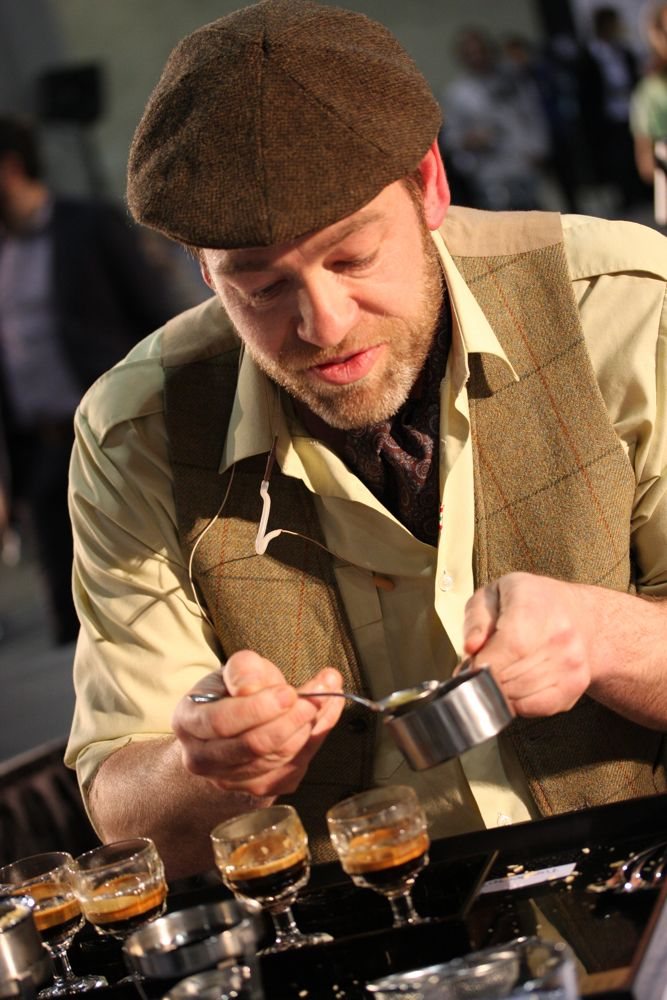
Each world championship is held inside one of the SCA’s World of Coffee trade shows. The schedule published by the U.S. organisers:
Upcoming
| Championship | Where | When |
|---|---|---|
| World Barista Championship | World of Coffee Panama City, Panama | 22–25 October 2026 |
| World Barista Championship | World of Coffee Tokyo, Japan | 28 April – 1 May 2027 |
| World Brewers Cup | World of Coffee Bogotá, Colombia | 30 September – 2 October 2027 |
Recent (2026)
| Championship | Where | When |
|---|---|---|
| World Latte Art | World of Coffee San Diego, United States | 10–12 April 2026 |
| World Cup Tasters | World of Coffee Bangkok, Thailand | 7–9 May 2026 |
| World Brewers Cup, Roasters, Coffee in Good Spirits | World of Coffee Brussels, Belgium | 25–27 June 2026 |
The SCA describes its year as five World of Coffee shows and seven world championships. The North American show is World of Coffee USA; its details are on Where to Learn.
The AeroPress Championship: the one anybody can enter
The World AeroPress Championship describes itself as “a globally recognised brewing competition to find the best cup of AeroPress coffee — through fast-paced, head-to-head elimination rounds.” Its entry requirement: “a genuine AeroPress and a passion for brewing with it.” It says the judging is about “technique and taste, not scripts, stagecraft, or inaccessible gear.”
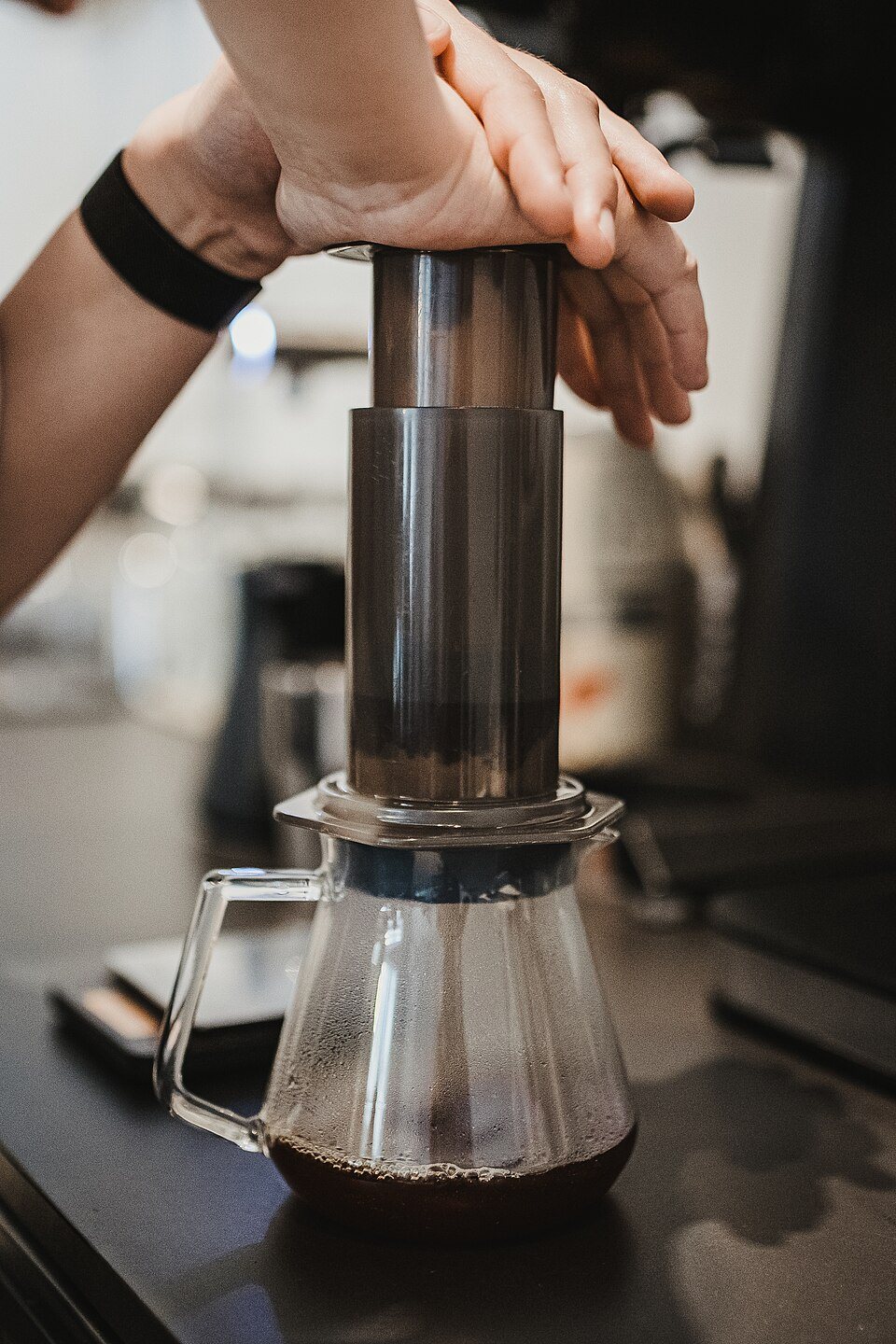
National and regional events feed a World Final, and national winners get an expenses-paid trip to it.
| Event | Date | Entry |
|---|---|---|
| 2026 Canadian AeroPress Championship (hosted by Eight Ounce Coffee) | 17 October 2026 | $40–$60 |
| 2026 World Final, Mexico City | 6 December 2026 | national champions |
| 2026 U.S. AeroPress Championship (hosted by Atomic Coffee Roasters) | held 21 August 2026 | $100 |
The full rules are in a separate document linked from each event’s page. The site publishes past winners’ recipes, which are the best free brewing lessons in the sport: each is a complete recipe by weight, time and temperature.
This is the competition to start with. It needs one inexpensive brewer, and the 2027 season’s regional events will be listed on worldaeropresschampionship.com.
Competitions for roasters
Two competitions judge the coffee and not the person, so a roaster enters by posting a bag.
- Golden Bean North America calls itself “The World’s Largest Coffee Roasting Competition.” Its 2026 event was held 30 September to 3 October in Denver; the next is announced on its home page. Entries go through its awards platform. The 2025 results show eleven categories: espresso, milk-based, pour-over/filter, alternative milk, decaf, an “elite” class, three chain/retail classes, super-automatic and single-serve. Entry fees and medal thresholds are in the entry packet, not on the public pages.
- The Good Food Awards give prizes for “responsible practices and superior taste,” and coffee is one of the categories. The 2027 rules: entries open 1 to 31 October 2026, cost $150 per product ($125 for members), and are judged by blind tasting; winners are announced in July 2027 (FAQ). One rule shuts out a cottage roaster: entries must be “made in a licensed kitchen/facility/plant.” Coffee roasted at home under the cottage food exemption does not qualify.
Golden Bean is a way for a very small roaster to get a blind opinion from strangers, which is hard to come by at a market stall. A coffee roasted under Michigan’s cottage food exemption can only be sold within the state; whether entering a competition elsewhere counts as a sale is a question to ask before posting one. A roaster that wants to know where its coffee stands before entering anything can cup it against bought coffees at home (Cupping), and the choice of machine that makes a competition-grade roast is on Choosing a Roaster.
Cup of Excellence is the competition one step further back: it judges farms’ green coffee, country by country, by blind cupping, and sells the winners at auction. How it works is on Cupping; for a roaster it is a place to buy, not to enter.
The U.S. Coffee Roasters Championship is the in-person one. It has regional qualifiers for 2027; the equipment provided and the format are in its rules document.
At trade shows
Coffee Fest, a trade show that travels, runs a Latte Art World Championship Open on its show floor. Its show dates are kept in one table on Where to Learn; Chicago is the nearest to Michigan.
Closer to home: latte-art throwdowns. Many cafés and roasters hold informal latte-art “throwdowns” — a bracket of baristas pouring head to head, judged by the crowd or a guest — and local AeroPress events. They are announced on the hosts’ own social media and on Eventbrite rather than in any central calendar; a search of Eventbrite and the event pages of the roasters listed on Cupping is the way to find one in Detroit, Grand Rapids or Lansing.
How to watch one
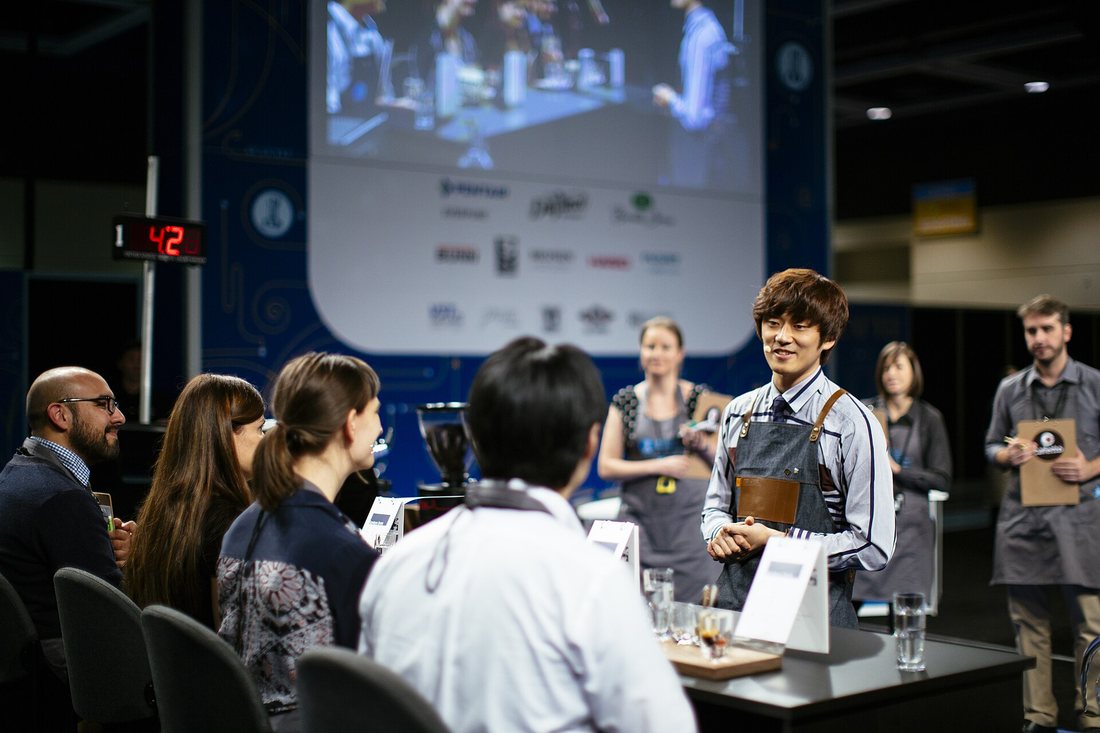
- Go to a qualifier or a national. They are held “at multiple locations throughout the year.” The site does not say whether spectators pay; ask the host.
- Volunteer. The U.S. championships take volunteers as stage and bar hands (“a great way to get started in coffee”), scorekeepers and emcees, with lead roles for experienced professionals. A volunteer stands a few feet from the competitors and sees the judging up close.
- Go to a local AeroPress event. They are held in roasteries and bars, and the format is built for a crowd.
How people prepare
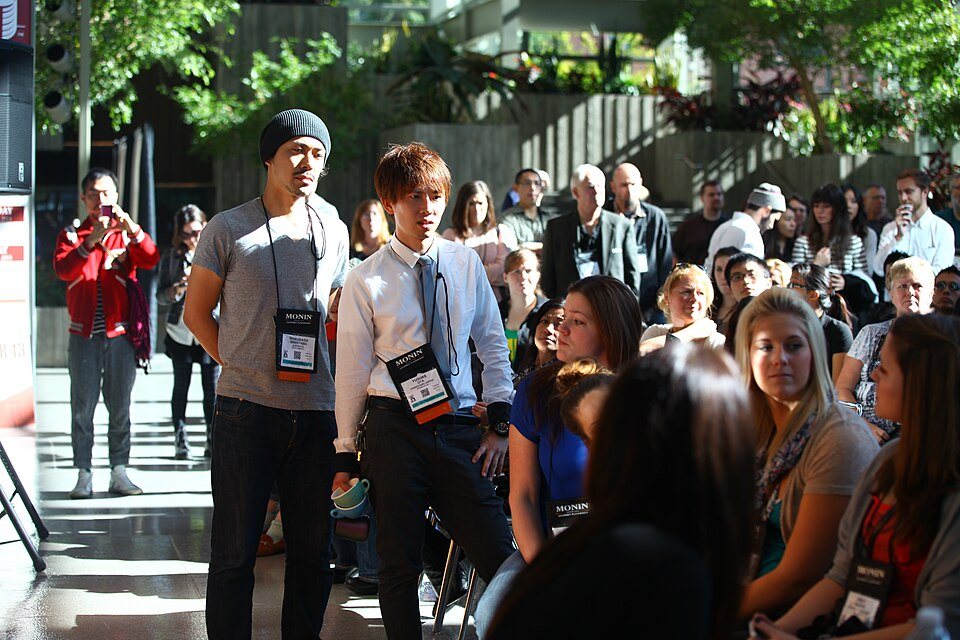
What the organisers publish for competitors: the rules and regulations, the scoresheets the judges use, and for some competitions an online learning session. The scoresheet is the syllabus. A competitor practises to it.
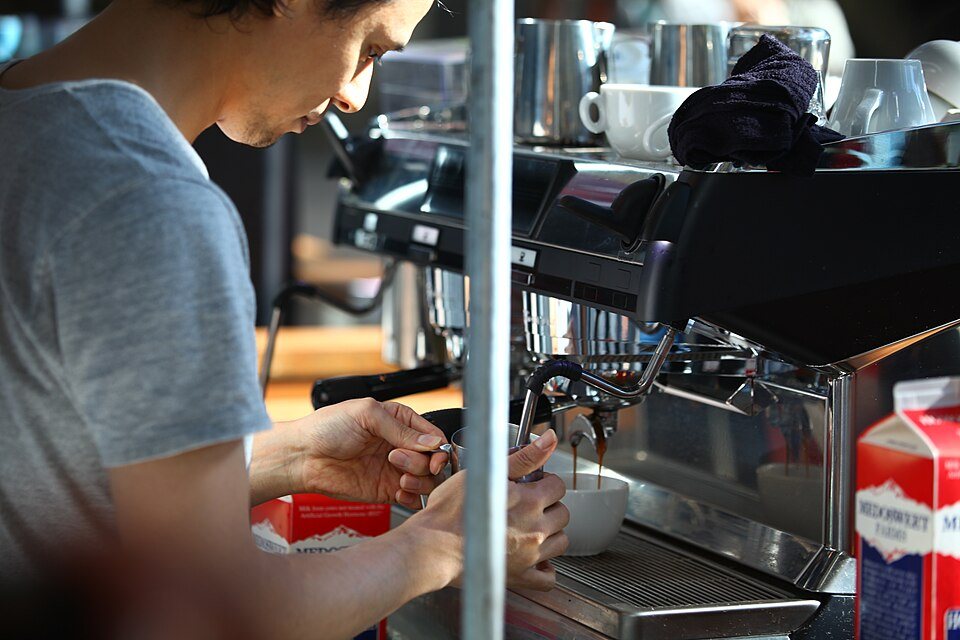
What that means in practice follows from the formats above:
- Cup Tasters is trained by doing it: sets of three cups, two alike, against a clock. It needs no equipment beyond cups and coffee, and it can be practised at a kitchen table. Hosting a Tasting has a home version.
- Brewers Cup competitors bring their own coffee for the open service, so the work begins with choosing and resting a coffee, then fixing a recipe by weight, grind, water and time, and repeating it until three cups come out alike.
- AeroPress competitors work out a recipe for a coffee they do not choose, in limited time. The published winning recipes show the range.
- Roasters develop a profile for a given coffee and are judged on the cup.
Competitors do not, as a rule, publish their training schedules, so nothing more specific is claimed here.
A realistic way in
- Watch one. A regional AeroPress event or a U.S. championship qualifier, as a spectator or a volunteer.
- Play the triangle game at home until four sets out of four is easy.
- Enter a local AeroPress event. The cost is an entry fee and an afternoon.
- Post a coffee to a roasting competition once the roasting is consistent, for the score sheet as much as the result.
- Cup Tasters is the national competition most open to someone who is not a working barista: it tests the palate and nothing else.
Sources
- U.S. Coffee Championships: home, registration, upcoming events, volunteer, and the Barista, Brewers Cup, Cup Tasters and Roasters pages (uscoffeechampionships.org).
- World AeroPress Championship: home and 2026 national championships pages (worldaeropresschampionship.com).
- Specialty Coffee Association events page (sca.coffee).
- Coffee Fest (coffeefest.com) for show dates and the Latte Art World Championship Open.
- Golden Bean North America (goldenbean.com, 2025 results); Good Food Foundation awards page, rules and 2027 FAQ.
- Dates checked 5 October 2026.
Comments (0)