Coffee · 38 of 64
Kopi Luwak and Animal-Processed Coffees
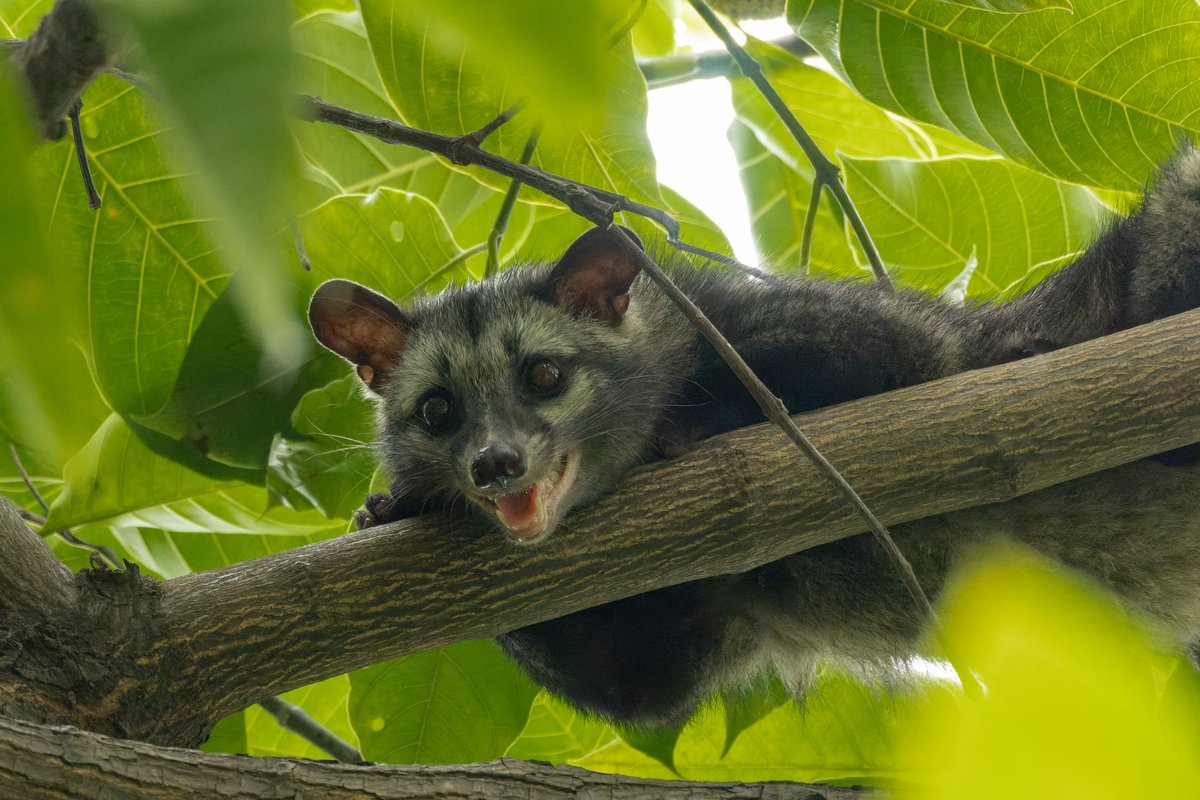
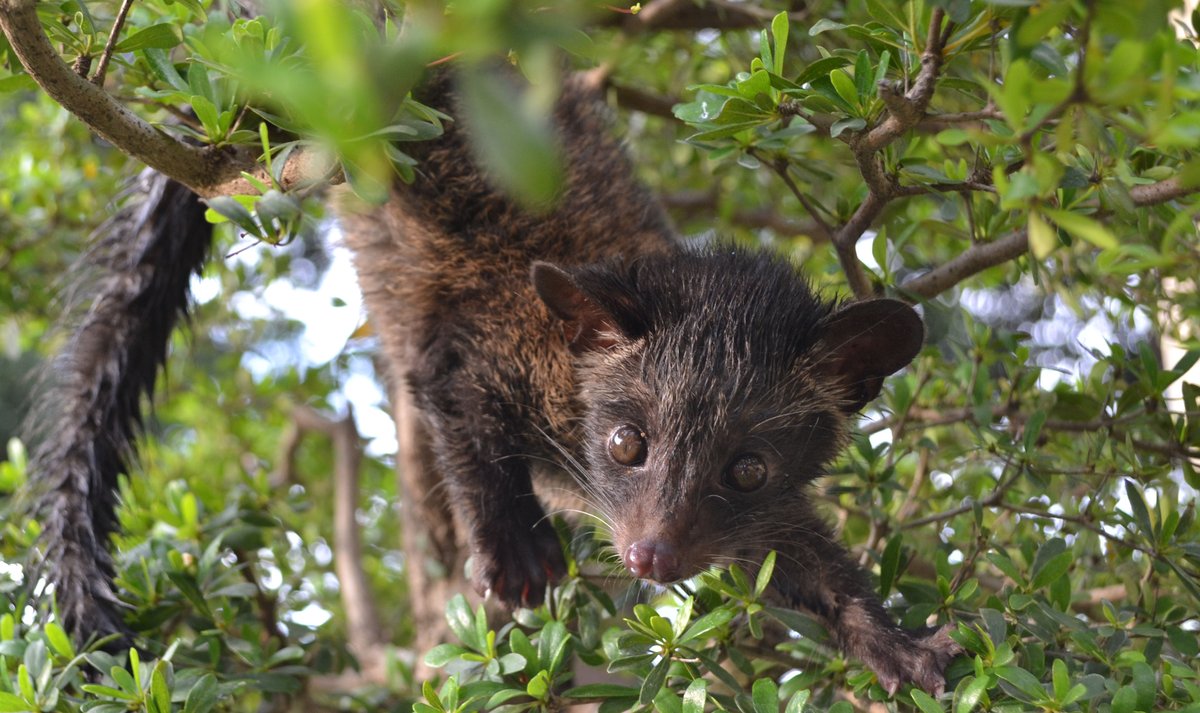
Kopi luwak is coffee made from beans that have passed through an animal. The Asian palm civet, a small nocturnal tree-dweller of South and Southeast Asia, eats ripe coffee cherries, digests the fruit and passes the seeds; people collect the droppings, wash out the beans, dry and roast them. Kopi is Indonesian for coffee and luwak for the civet. It is sold as the world’s rarest and most expensive coffee, at hundreds of dollars a kilo.
Almost everything about it is contested except the price. The origin story is unproven, the evidence that it tastes better is thin, the “wild” on the label cannot be checked, and much of it comes from civets kept in cages. This page sets out what the record actually shows, and the other animal coffees that followed it: elephant, bird and monkey.
The short version
| Question | Answer |
|---|---|
| What is it? | Coffee beans collected from the droppings of the Asian palm civet, washed, dried and roasted. It is a processing method; the beans can be any coffee the civets eat. |
| Where did it start? | Java, under Dutch rule. It is in print by 1866, and by 1879 estate managers were paying workers to collect it. The story that forbidden workers invented it has no source. |
| What does the civet do to the bean? | Breaks down some storage protein, pits the surface and makes the bean harder (Marcone, 2004). Blind tasters in the same study found “little difference”. |
| Does it taste better? | No good evidence says so. In a blind cupping in Holland, Michigan, the best kopi luwak tied with an ordinary Sumatra and another came second to last. |
| Is it caged? | Much of it is. All 16 Bali tourist plantations surveyed in 2016 kept civets in very poor housing, and 14 made caged coffee on site. No scheme can verify a “wild” label. |
| Did civets cause SARS? | A different species, the masked palm civet, was involved in 2003, and no civet has been shown to be the virus’s reservoir. |
| What does it cost? | One US seller listed $659 a kilo in October 2026. |
| And the others? | Black Ivory (elephants, Thailand), jacu coffee (wild birds, Brazil), monkey coffee (spat out, not swallowed) and imitations made with enzymes or cultures. |
What it is
The Asian palm civet, Paradoxurus hermaphroditus, is a viverrid, not a cat, despite the trade name “civet cat”. It eats mostly fruit, plus insects and small animals, and is listed by the IUCN as Least Concern (Asian palm civet). In Indonesia it is the luwak or musang; in the Philippines the alamid; in Vietnam the chồn. A 2015 genetic study proposed splitting the Philippine population off as Paradoxurus philippinensis, so some Philippine civet coffee may technically come from a different species.
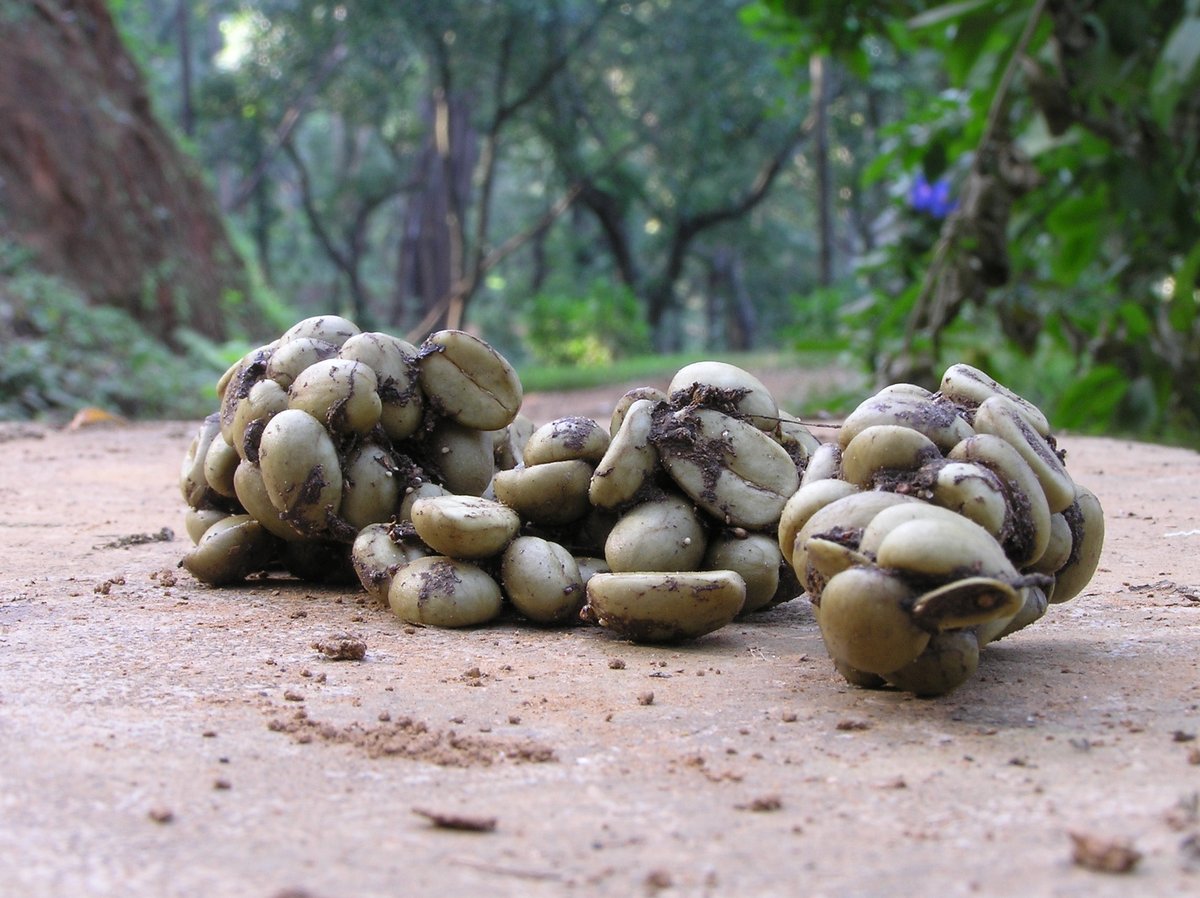
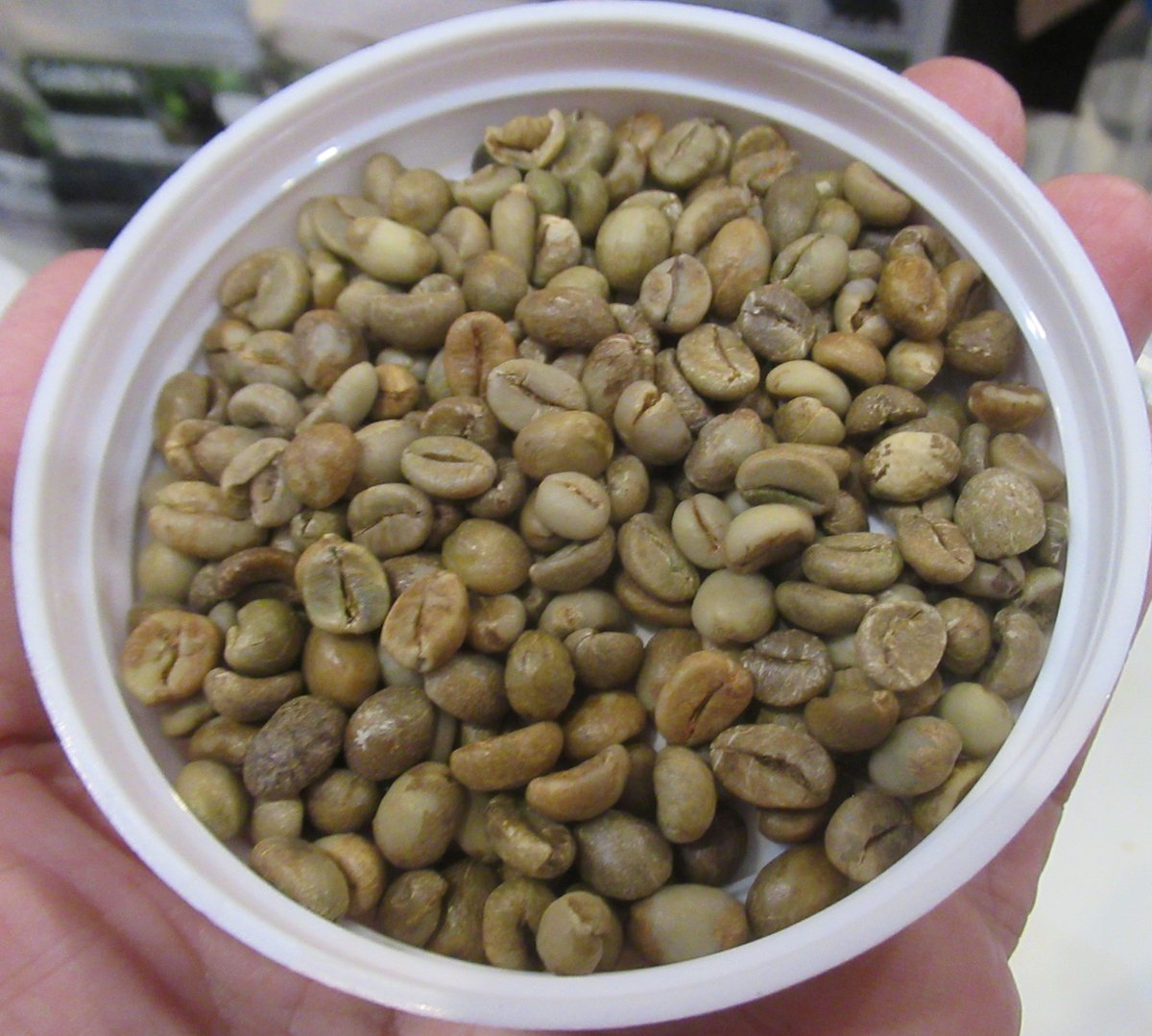
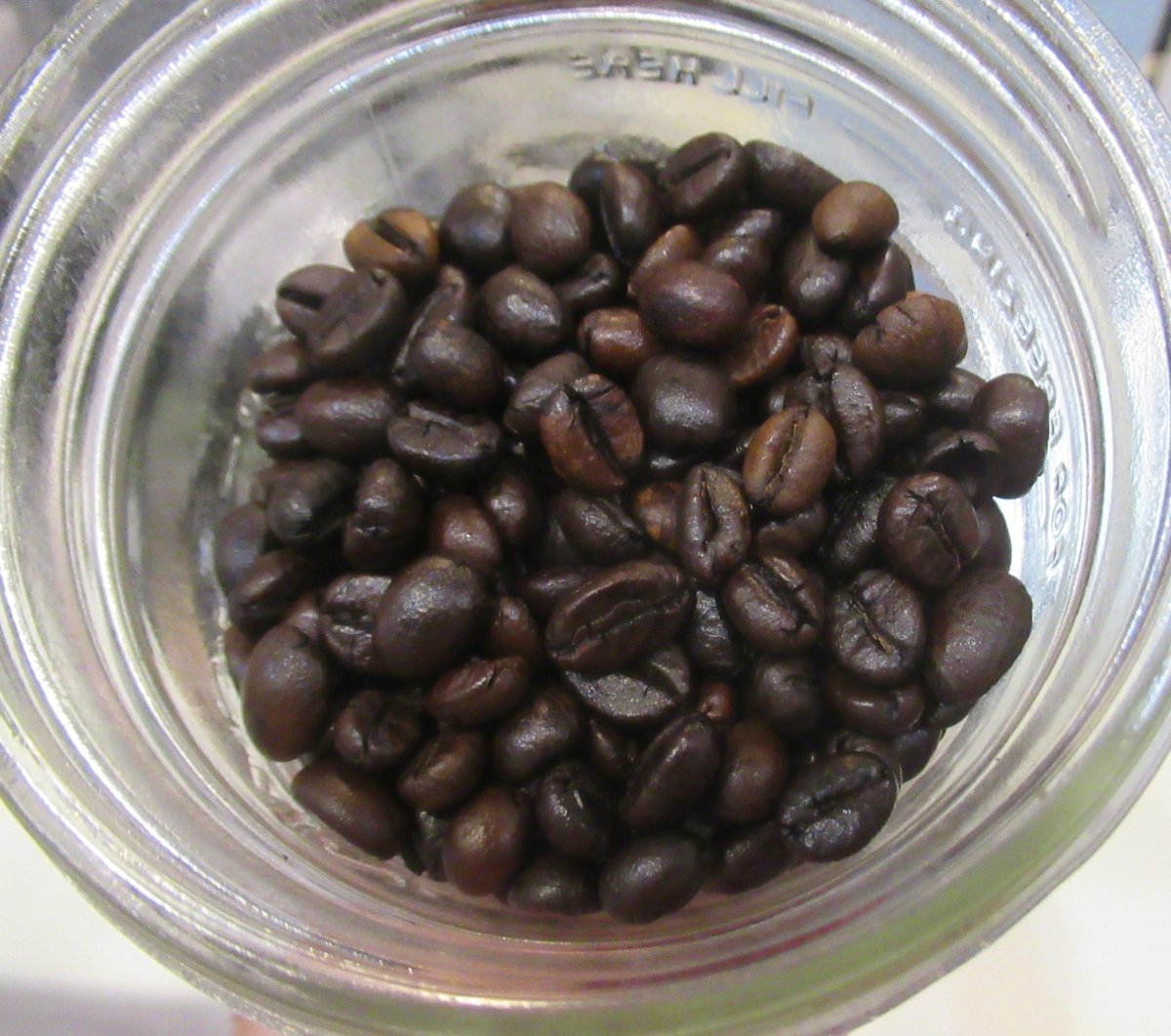
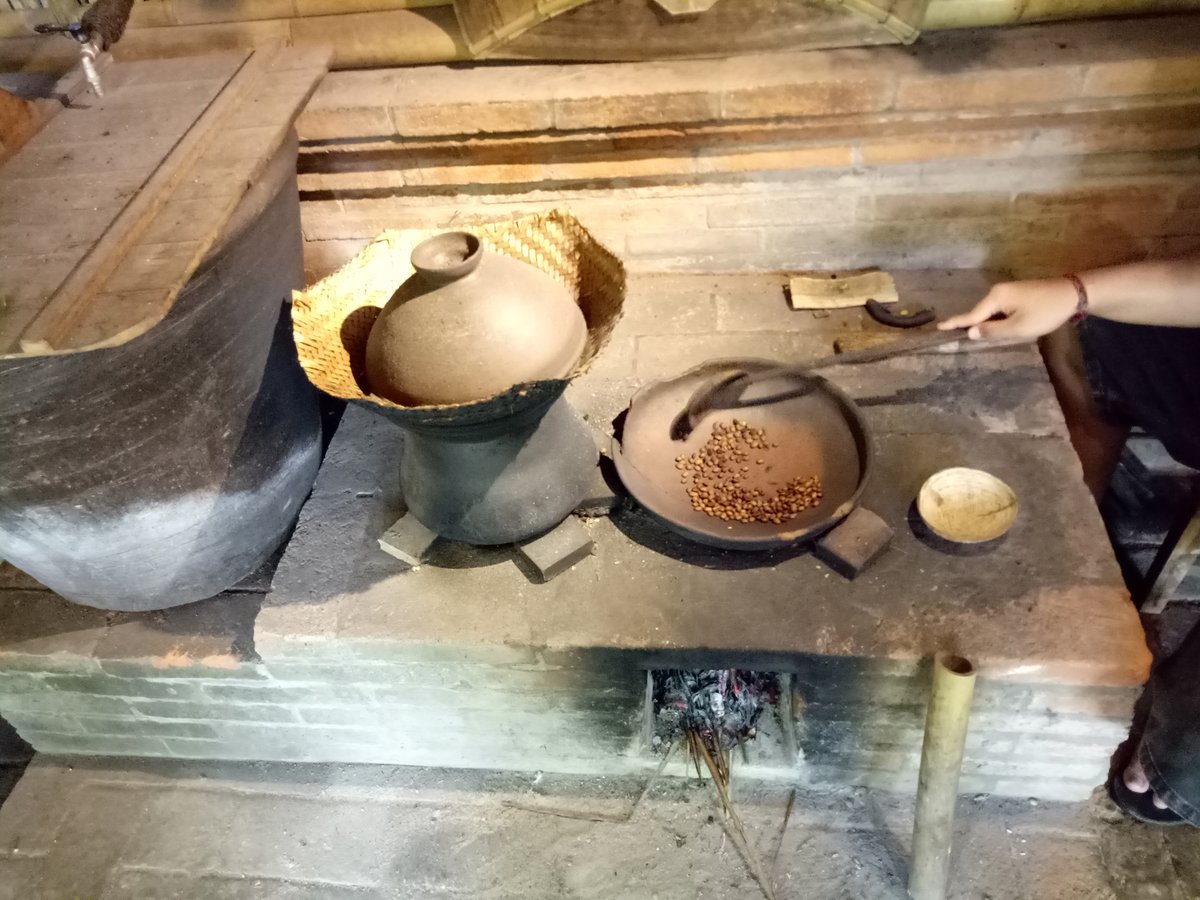
Kopi luwak is a processing step, not a variety: the beans are whatever grows where the civets feed. The Philippine brand Alamid, for example, blends liberica, excelsa, robusta and arabica (Philstar, 2011). After collection the clumps are broken up, washed thoroughly, dried, hulled and roasted like any other coffee.
Where it came from
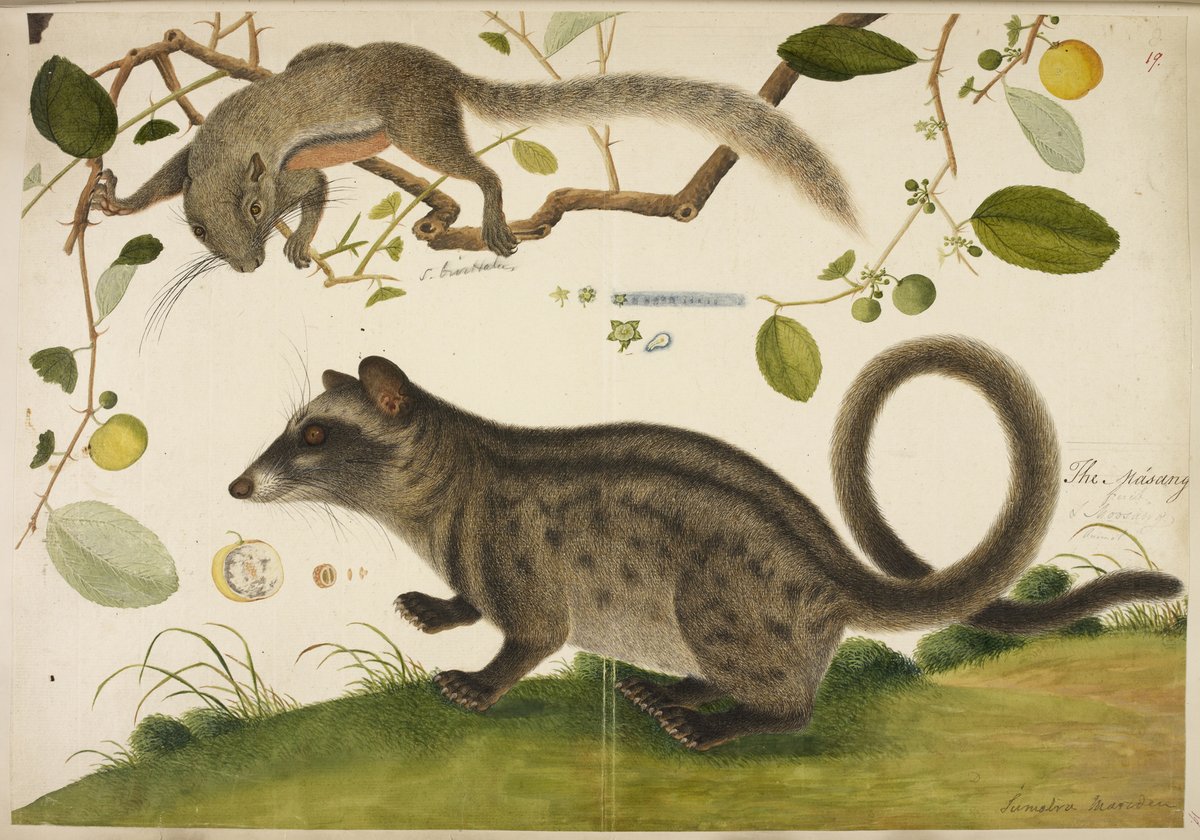
The popular story is that under the Dutch Cultivation System (1830–1870) Javanese plantation workers were forbidden to pick coffee for themselves, so they gathered beans from civet droppings and found them good. The Specialty Coffee Association of America repeated it in 2011 without a source (SCAA Chronicle, 2011). No colonial document for the “forbidden workers” part has been found.
The record. The earliest dated mention found is a footnote in Fedor Jagor’s Singapore, Malacca, Java (Berlin, 1866). The musang, he writes, eats only the ripest fruit and digests only its flesh; its little heaps of droppings, nothing but coffee beans washed clean by the rain, “werden besonders gesammelt und von den Packhausmeistern für begünstigte Kunden aufgehoben” — are gathered separately and kept by the warehouse masters for favoured customers, “da sie den wohlschmeckendsten Kaffee geben”, because they make the best-tasting coffee (Project Gutenberg). Jagor drew on an earlier Dutch pamphlet, so the practice is older still.
Dutch newspapers fill in the rest. In 1879 the Algemeen Handelsblad wrote that “Vele administrateurs gelasten hun werkvolk, de door den Loewak uitgeworpen koffieboonen te verzamelen en betalen hun daarvoor een kleine vergoeding” — many estate managers order their workers to collect the beans the loewak has excreted, and pay them a small fee for it (Delpher). So by the 1870s collection was ordered and paid for by the estates, the opposite of a secret workers’ drink. “Loewak” appears as an Amsterdam auction lot in 1881, bags of it were advertised in Batavia in 1884, and by 1892 private estates were paying more for it than for ordinary coffee (Delpher).
Reaching the West. Tony Wild, then coffee director at Taylors of Harrogate, says he brought kopi luwak to the West in 1991; he later campaigned against it (National Geographic, 2016). It reached a mass audience on The Oprah Winfrey Show (the year usually given, 2003, is unverified) and in the film The Bucket List (2007), where Jack Nicholson’s character drinks it until Morgan Freeman’s character tells him how it is made.
What the civet does to the bean
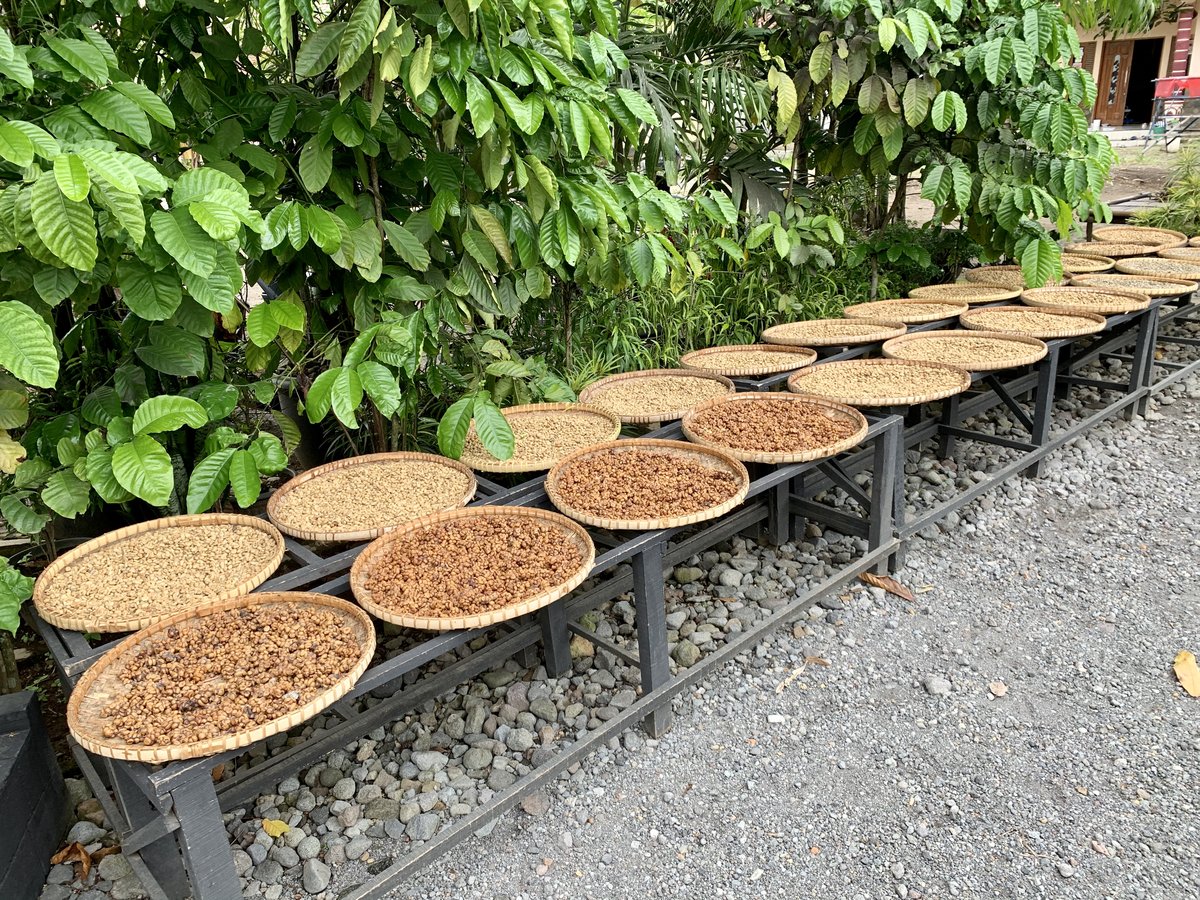
The first serious study was by Massimo Marcone of the University of Guelph, who collected beans himself in Indonesia and Ethiopia in 2003 (Food Research International, 2004; Guelph release). Digestive juices penetrate the bean and break down storage proteins, so there is less protein, which Marcone linked to lower bitterness; the surface is micro-pitted; the beans come out harder, more brittle and darker. An electronic nose could tell them apart from ordinary beans, but “certified blinded human tasters could find little difference in the overall flavour and aroma”. The beans are more contaminated before washing; roasting is a kill step, and no illness has been linked to kopi luwak.
Later work is small. A 2020 study of just three droppings from a Malaysian farm found the civet’s gut dominated by Gluconobacter bacteria, with genes that might contribute to fermentation, predicted rather than measured (PeerJ). A 2025 study of droppings from wild civets on robusta estates in Karnataka found more fat and more caprylic and capric acid esters than in hand-picked beans from the same estates, which the authors suggest could give a dairy-like note; the beans were unroasted, and robusta (Scientific Reports). Japanese researchers have proposed chemical markers to identify real kopi luwak (citric acid, malic acid and an inositol ratio) (Jumhawan and others, 2013), but no routine retail test uses them.
The belief that civets choose only the ripest cherries is as old as Jagor’s footnote. It has never been measured, and it cannot apply to caged civets, which eat what they are given.
Does it taste better?
| Test | Result |
|---|---|
| Marcone’s blind panel, 2004 | ”Little difference in the overall flavour and aroma.” |
| Coffee Review, 2007 | One dark-roasted kopi luwak scored 87: “low in acidity but rather astringent … a hearty cup for big spenders” (Coffee Review). |
| A cupping on an East Java farm with caged civets fed the farm’s own coffee, reported by the SCAA in 2011 | The luwak scored two points below the lowest of the farm’s other coffees: it “diminishes good acidity and flavor and adds smoothness to the body”. |
| The SCAA’s verdict, 2011 | ”A general consensus within the industry … is that it just tastes bad.” |
| Blind cupping, Holland, Michigan | Jack Groot of JP’s Coffee and seven cuppers, including a Q grader, cupped five Sumatras blind. Kopi Luwak Gayo Aceh 78.2, an ordinary wet-hulled Dolok Sanggul 77.6, a dry-processed Wahana 75.4, Kopi Luwak Lintong 72.1, Silimakuta 71.5. None reached 80; Groot called the top two “a statistical dead heat” (Global Coffee Report, 2014). |
The Washington Post line that it tasted like “petrified dinosaur droppings steeped in bathtub water” came from one pre-ground mail-order packet tasted openly, and the writer doubted the sample himself (Washington Post, 2012). The measurable effects all point the same way, less protein, less bitterness, less acidity, a smoother body, and professional cuppers mostly read that as a loss of the acidity and clarity specialty coffee rewards. No properly controlled blind test has compared a civet coffee with the same lot not passed through a civet. What an 80-point score means is on Cupping.
Cages, fraud and the “wild” label
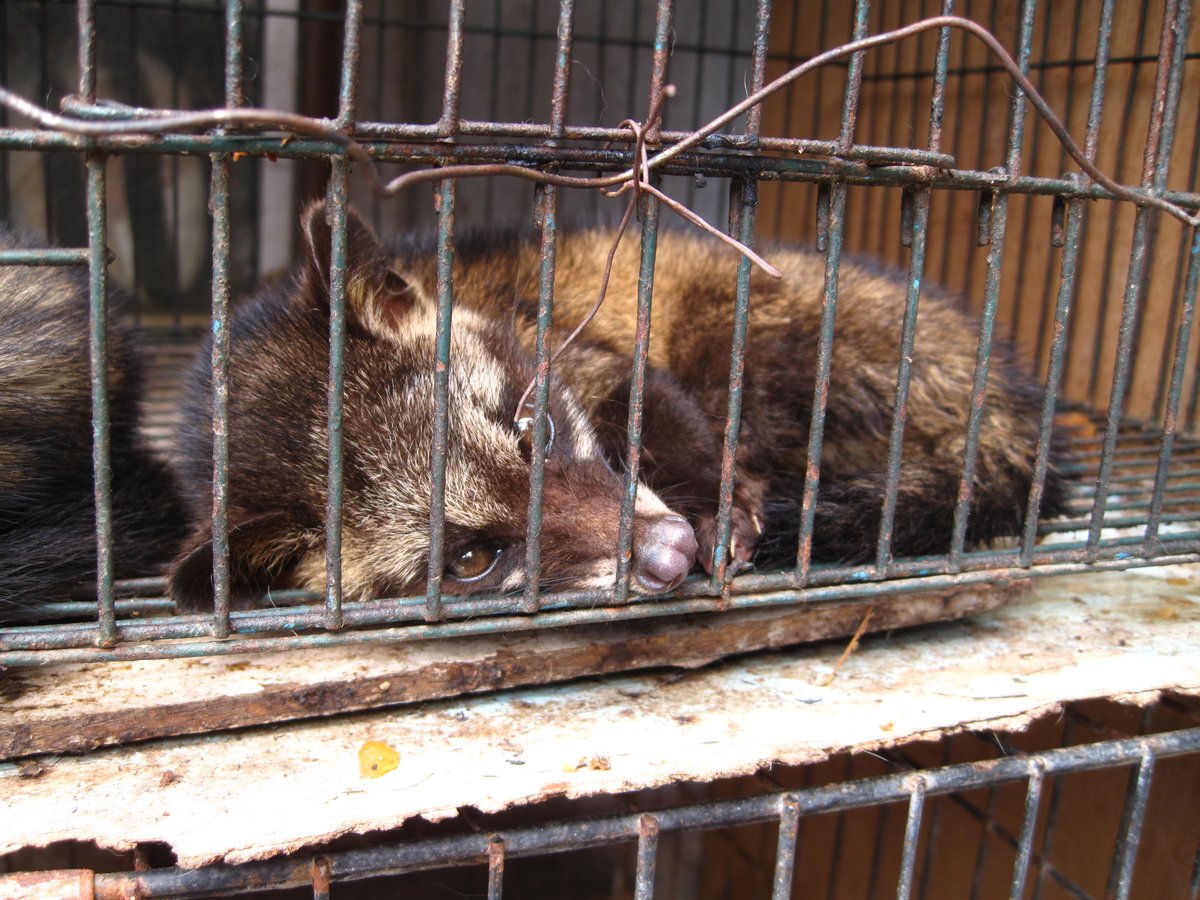
The welfare evidence. In 2016 researchers scored the housing of 48 wild-caught civets at 16 tourist plantations in Bali on mobility, hygiene, surfaces, shelter, noise, food, water and social contact. All 16 had very poor housing, and 14 made caged civet coffee on site: small cages with wire-mesh floors, little natural light, cages soiled with droppings, diets mostly of coffee cherries, many animals without clean water, and daytime noise disturbing nocturnal animals (Carder and others, Animal Welfare 25, 2016; Mongabay). In central Vietnam, a 2024 study of 57 civet farms found that 64 percent restocked with wild-caught animals and 74 percent reported high mortality (Small Carnivore Conservation, 2024). TRAFFIC’s Chris Shepherd described the conditions as “much like battery chickens” (Guardian, 2012).
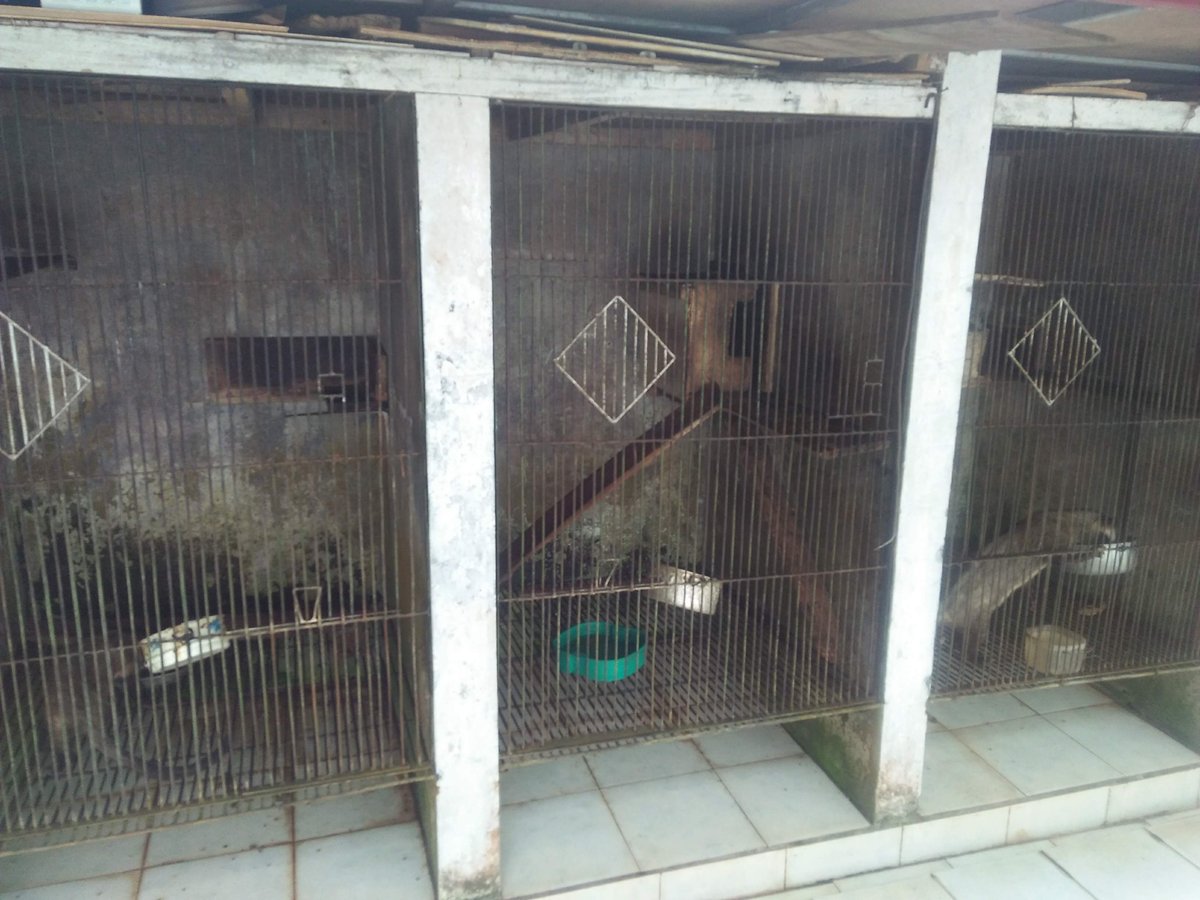
The BBC investigation. In 2013 BBC reporters posing as buyers found battery-style cages and an injured civet in Takengon, north Sumatra, supplying exporters who sold to Europe. An exporter’s vice-president admitted that the contents of its “Wild Luwak” product “cannot be controlled”, and an estate whose coffee Harrods sold as wild was found to have enclosed civets (BBC News, 2013). Several retailers withdrew the coffee afterwards.
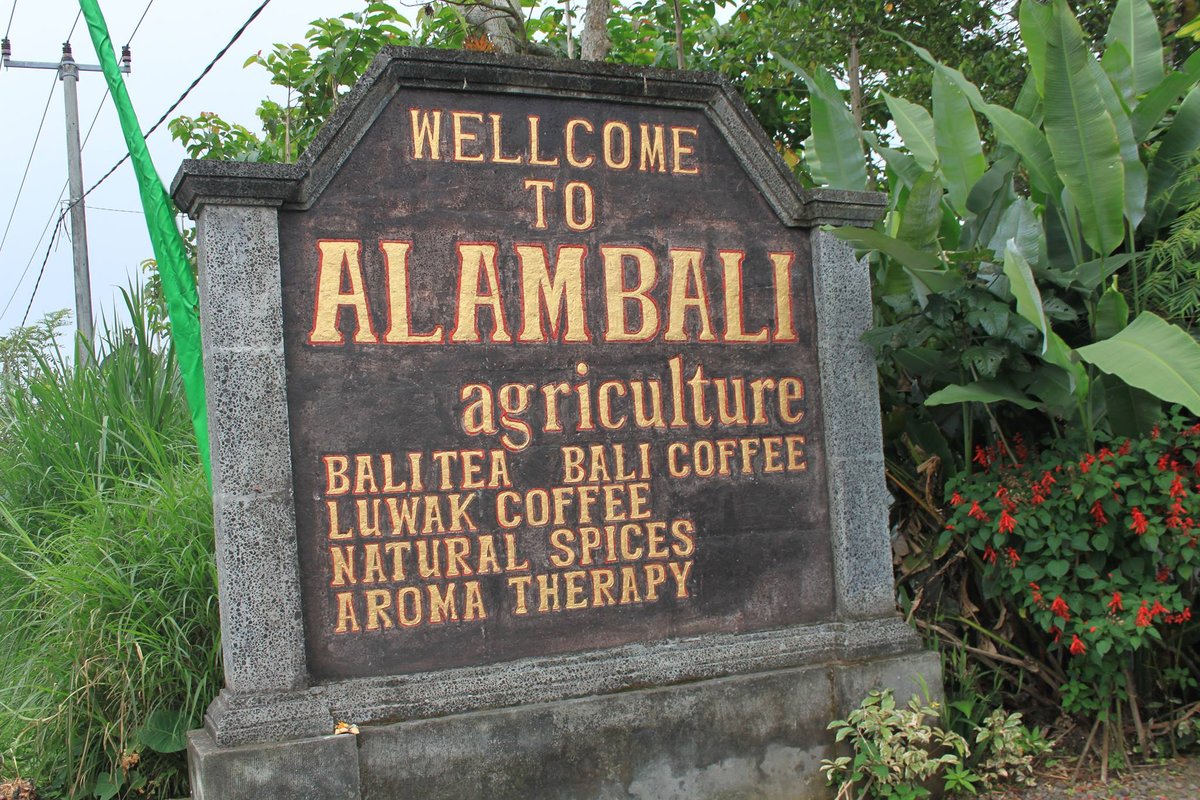
No one can check “wild”. There is “no certification scheme” to verify wild labels, and the Rainforest Alliance’s Alex Morgan said “it’s just too hard to establish whether the beans are 100 percent wild-sourced or not” (National Geographic, 2016). UTZ (2014) and the Rainforest Alliance’s standards refuse to certify caged civet coffee (Daily Coffee News, 2014). Some producers, such as the Philippine Alamid brand, say they collect only wild droppings from the forest floor; no independent check of any producer’s claim has been published. The researchers’ advice to visitors is simple: civets in cages on the tour are the clearest sign the coffee is caged. The site’s Coffee Travel page gives the same advice for Bali.
Fraud. The coffee writer Mark Prince estimated in 2011 that “there is probably 5,000 percent more Kopi Luwak sold each year than there is actually produced” (SCAA, 2011), an estimate with no stated basis. No reliable figure exists for genuine production or for the share sold that is fake.
Price. Jagor’s warehouse masters kept it for favoured customers in 1866; in 2003 Marcone paid “$600 a pound”. In October 2026 one US seller, Kopi Luwak Direct, listed 100 g at $79 and 1 kg at $659, citing no third-party certification (Kopi Luwak Direct). London restaurants charged up to £60 a cup in 2013.
Disease: which civet?
SARS in 2003 was found in masked palm civets, Paguma larvata, and a raccoon dog at a live-animal market in Shenzhen (Science, 2003). That is a different genus from the kopi luwak civet. A follow-up study found farmed civets “largely free” of the virus and concluded that “no conclusive evidence suggests that civets are the natural reservoir host”; crowded markets mixing species were the likely amplifier (Emerging Infectious Diseases, 2004). Kopi luwak did not cause SARS. What can be said is narrower: crowded captive-wildlife operations are a recognised disease risk in general, and the Vietnamese farm study recorded mass die-offs.
The law
The civet is not a protected species in Indonesia, where capture quotas exist but are not enforced (Mongabay Indonesia, 2025). In the Philippines it is covered by the Wildlife Resources Conservation and Protection Act of 2001 and needs a permit to keep. Vietnam licenses civet farms. Indonesia’s Ulema Council ruled in 2010 that kopi luwak is halal if the beans are washed clean and unbroken (halalmui.org). In the United States it enters as ordinary coffee; no rule specific to civet coffee was found, and “wild” on a US bag is a marketing word.
The other animal coffees
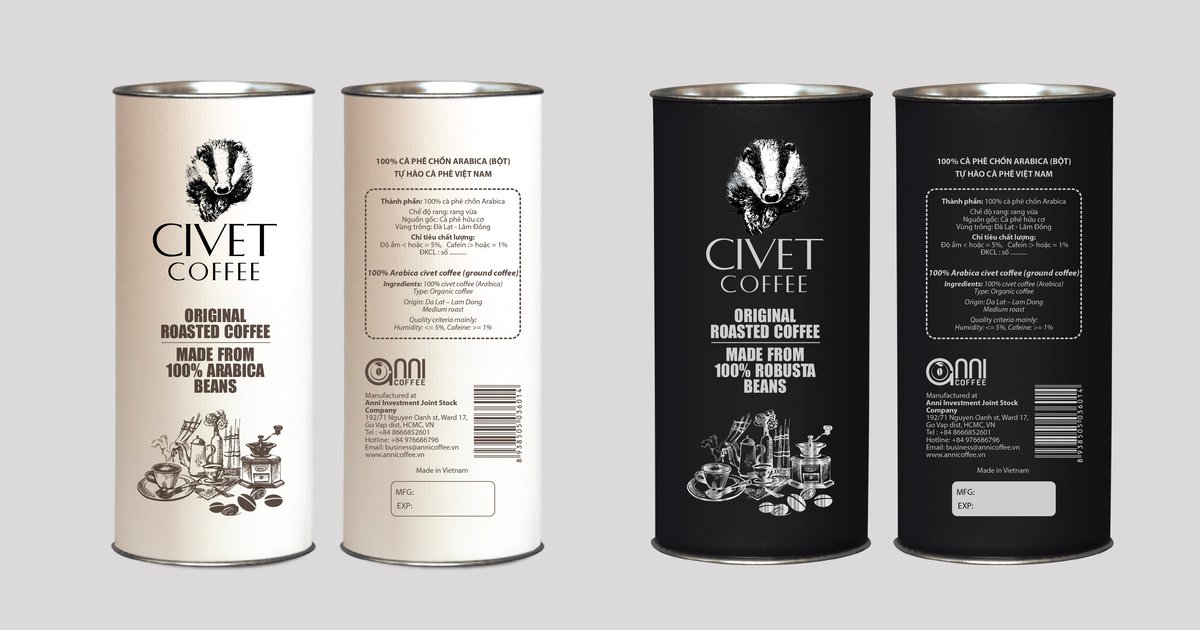
- Vietnam: cà phê chồn, “weasel coffee”. Vietnam has licensed civet farms in Đắk Lắk and Lâm Đồng, and much of what visitors buy is ordinary coffee with “weasel” flavouring. Trung Nguyên sells Legendee, made with an enzyme treatment that “mimics the changes produced in the coffee beans by the civet” (Vice). See Vietnamese Coffee.
- Philippines: kape alamid, from civets in Batangas, Mindanao and Palawan; Palawan’s “wild civet coffee” also includes droppings of the binturong.
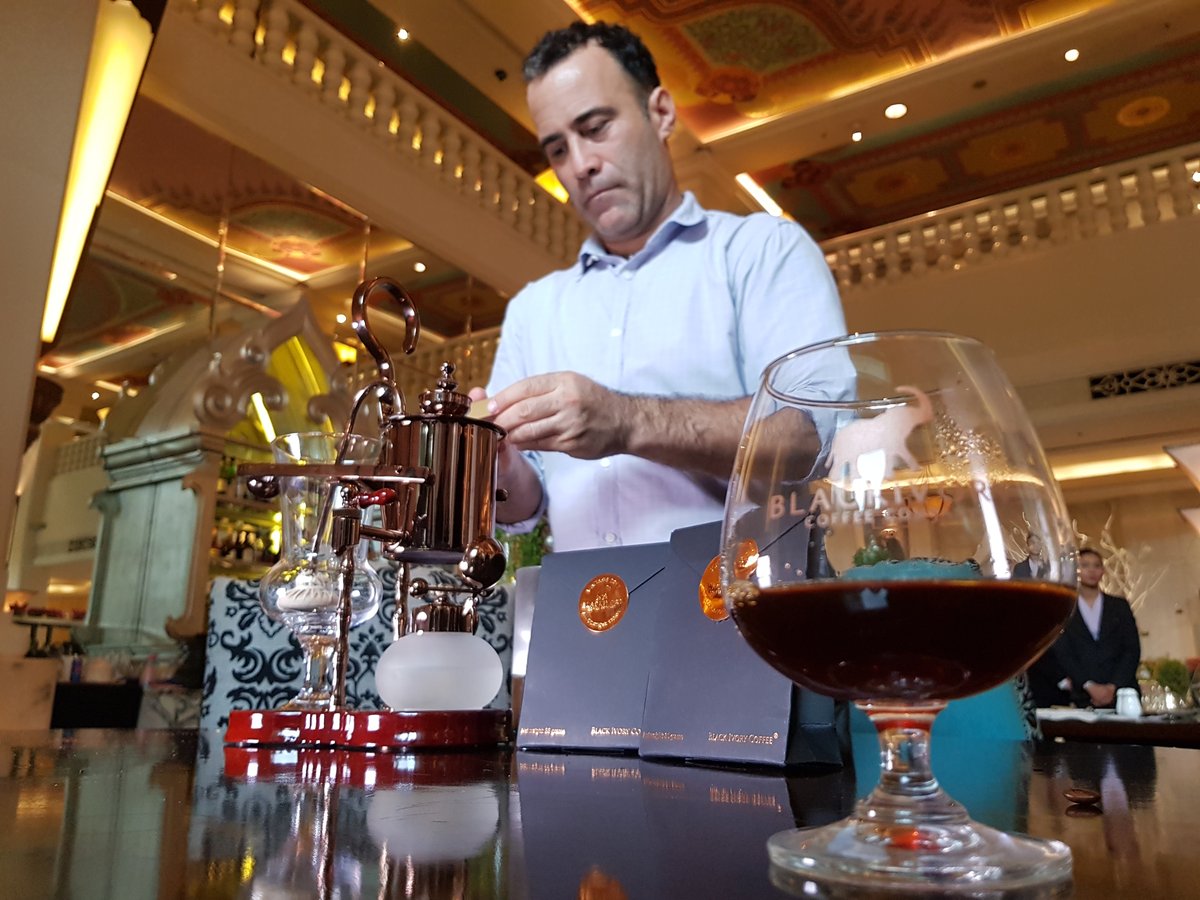
- Black Ivory Coffee, Thailand. Arabica eaten by elephants in Surin province and collected from their dung, founded by Blake Dinkin and launched around 2012. The company says each harvest yields “only a few hundred kilograms”; in October 2026 it listed 40 g for $170 and half a pound for $900 (Black Ivory Coffee). No independent assessment of the elephants’ welfare has been published.
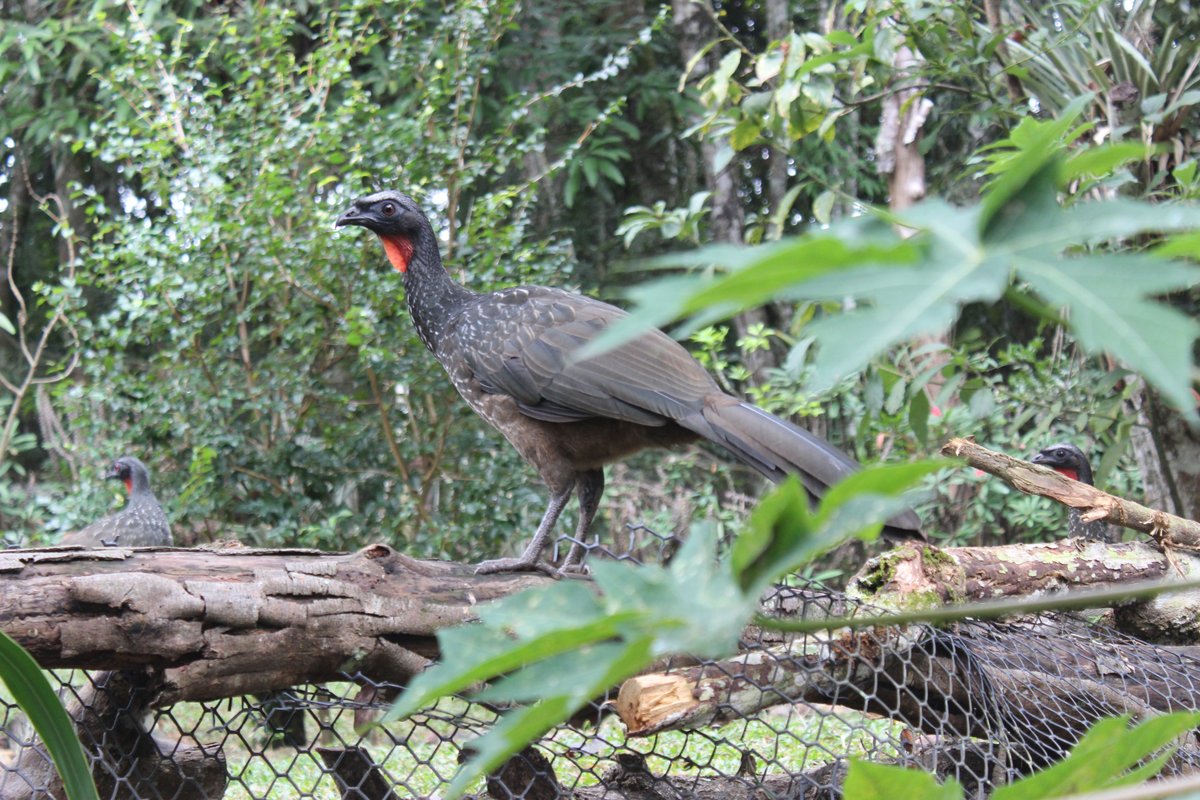
- Jacu coffee, Brazil. At Fazenda Camocim in Espírito Santo, wild jacu birds (the dusky-legged guan) began raiding the organic farm in 2009; instead of killing them, the owner Henrique Sloper had pickers collect their droppings (Modern Farmer, 2013). It sold for about R$1,118 (US$224) a kilo in Brazil in 2023 (AFP via Taipei Times). The birds are wild.
- Monkey coffee, India and Taiwan. Rhesus macaques in Karnataka and Formosan rock macaques in Taiwan chew the cherries and spit out the beans; the beans are never swallowed. No study of it exists.
- Imitations. Besides Legendee, the Brooklyn company Afineur ferments green beans with chosen microbes, launched on Kickstarter in 2015 (Bloomberg, 2016). Fermentation as a farm processing step is on How Coffee Is Processed.
If you buy some
Brew it like any good coffee: whole beans, ground fresh, a ratio of about 1:15 to 1:17, water just off the boil. No reputable source gives brewing advice specific to civet coffee. If the aim is to judge it, cup it blind beside a good Sumatra, as the Michigan cuppers did. And look for the origin of the animal as hard as the origin of the bean.
What is not known
- How much genuine wild kopi luwak is produced, and what share of what is sold is fake or caged.
- Whether wild-sourced and caged beans taste different.
- Whether any civet coffee beats the identical lot, unprocessed, in a properly controlled blind test.
- How long the beans stay in the civet’s gut. The “two days” often quoted has no source.
- The earliest use of civet coffee, before Jagor’s 1866 footnote.
- Whether the “forbidden workers” story has any documentary basis.
- The welfare of Black Ivory’s elephants.
- The year Oprah featured it.
Sources
- Fedor Jagor, Singapore, Malacca, Java: Reiseskizzen (Berlin, 1866); Algemeen Handelsblad, De koffie en hare cultuur op Java (12 February 1879), and later Dutch press via Delpher.
- SCAA Chronicle, The value of a good story (2 November 2011).
- M. F. Marcone, Composition and properties of Indonesian palm civet coffee (kopi luwak) and Ethiopian civet coffee, Food Research International 37 (2004); University of Guelph release (2004).
- Watanabe and others, Gluconobacter dominates the gut microbiome of the Asian palm civet, PeerJ (2020); Mitra and others, Civet robusta and natural robusta coffee are different on key fatty acid methyl esters and total fat, Scientific Reports (2025); Jumhawan and others, metabolomic markers (2013).
- Global Coffee Report, Kopi luwak put to the test in the US (2014); Coffee Review, Exotic procedures in far places (2007); Washington Post, This Sumatran civet coffee is really terrible (2012).
- Carder, Proctor, Schmidt-Burbach and D’Cruze, The animal welfare implications of civet coffee tourism in Bali, Animal Welfare 25 (2016); Mongabay, World’s most expensive coffee often produced by caged, abused civets (2016); National Geographic, The disturbing secret behind the world’s most expensive coffee (2016).
- Trinh and others, The impacts of commercial civet farming in central Vietnam, Small Carnivore Conservation 62 (2024); Guardian, Civet coffee abuse (2012); BBC News, Civet coffee investigation (13 September 2013); Daily Coffee News, Certifiers shutting out caged civet producers (2014).
- Guan and others, Isolation and characterization of viruses related to the SARS coronavirus from animals in southern China, Science 302 (2003); Tu and others, Antibodies to SARS coronavirus in civets, Emerging Infectious Diseases 10 (2004).
- Mongabay Indonesia, Bagaimana nasib musang luwak di alam liar (2025); MUI, Legal consuming civet coffee.
- Philstar, Specialized gourmet coffee (2011); Vice, Trung Nguyên’s Legendee; Black Ivory Coffee, company site (October 2026); Modern Farmer, The flight of the jacu bird (2013); AFP via Taipei Times, jacu coffee (2023); Bloomberg, Afineur (2016); Kopi Luwak Direct, prices (October 2026).
Comments (0)