Coffee · 8 of 64
Café HAG, Sanka and the Story of Decaf
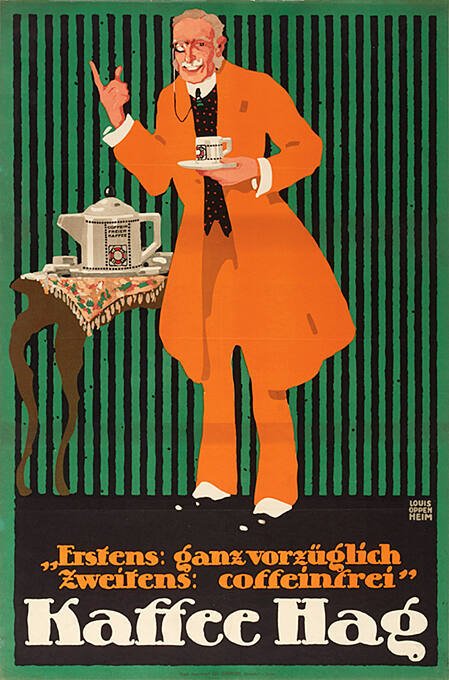
Commercial decaf begins with one Bremen coffee merchant. Ludwig Roselius patented the first commercial way to take caffeine out of coffee beans in 1906, and sold the result as Kaffee HAG, under a red lifebuoy that promised to save the drinker’s heart. In France and later America the same coffee was sold as Sanka, from sans caféine. Sanka became America’s decaf, General Foods took its US distribution in 1928 and bought it in 1932, and it is probably the reason diners pour decaf from an orange-topped pot.
Roselius’s first process used benzene, now known to cause cancer. He spent his fortune on Bremen’s Böttcherstraße, a street of Expressionist brick buildings that is one of the city’s sights today, and spent much of the 1930s seeking favour with the Nazi regime, which rebuffed him. And the Bremen works he built later decaffeinated coffee with carbon dioxide, the process discovered at a Max Planck institute in 1967.
How each decaf process works, and what a roaster buys, are on Decaf for a Small Roaster; how much caffeine decaf really contains, and the argument over methylene chloride, are on Caffeine and Health.
The short version
| Question | Answer |
|---|---|
| Who invented decaf? | Ludwig Roselius of Bremen, with Karl Wimmer and Johann Friedrich Meyer Jr. Their US patent was filed in 1906 and granted in 1908. |
| How did it work? | Green beans were swelled under vacuum with a liquid, the caffeine salts in the extract were split with ammonia, the freed caffeine was washed out with chloroform or benzene, and the extract went back into the beans. |
| Is the seawater story true? | No record supports it. The patent and the German histories do not mention a shipment of beans soaked by the sea. |
| What does HAG stand for? | Kaffee-Handels-Aktiengesellschaft, “Coffee Trading Company”, founded in Bremen on 21 June 1906. |
| What is Sanka? | The same decaf sold in France from about 1910 and in the US from 1923 as Sanka, from sans caféine. General Foods took US distribution in 1928 and bought the Sanka Coffee Corporation in 1932. |
| Why are decaf pots orange? | The usual explanation is that Sanka’s maker sent orange-rimmed pots to restaurants. It is widely repeated and plausible, but no document has been published. |
| Is decaf caffeine-free? | No. The FDA puts a cup of decaf at 2–15 mg, against about 95 mg for regular coffee. Germany allows “decaffeinated” only at 0.1% caffeine or less in the beans; the US has no legal definition. |
| Still sold? | Café HAG in Germany (owned by JDE Peet’s); Sanka in the US as instant jars (Kraft Heinz). |
| What about benzene? | By 1970 long since replaced by methylene chloride and ethyl acetate; water and CO₂ processes followed. |
Ludwig Roselius
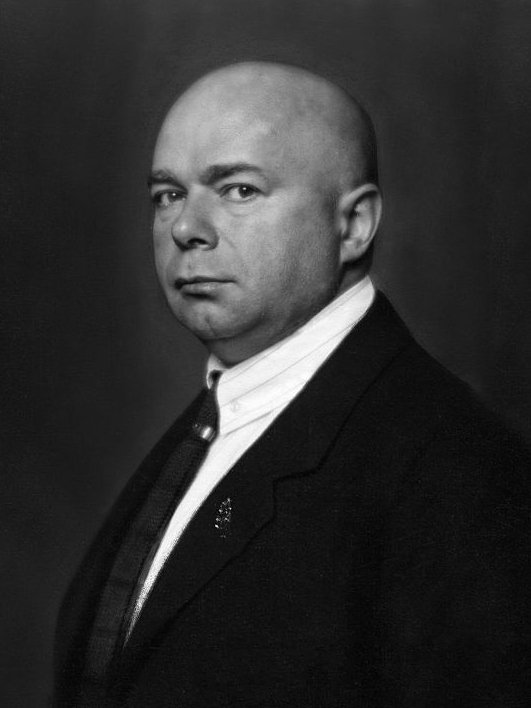
Ludwig Roselius (1874–1943) was the son of a Bremen coffee merchant. According to the German accounts, his father died suddenly at 59, and the doctors blamed his heavy coffee drinking; Roselius set out to make a coffee without caffeine (German Wikipedia). Whether caffeine had anything to do with the death cannot be known; what matters is that he believed it, and so, he bet, would his customers.
The seawater legend. The story often told in English is that a shipment of beans was soaked in seawater on the voyage, lost most of its caffeine, and gave Roselius the idea (English Wikipedia). No early source records it. It is absent from the patent and from the German histories of the firm, and it looks like a story fitted to the result afterwards.
The patent
The process is set out in US Patent 897,763, “Treatment of Coffee”, by Johann Friedrich Meyer Jr., Ludwig Roselius and Karl Wimmer, filed on 4 May 1906 and published on 1 September 1908 (Google Patents):
- Swell the green beans under vacuum with an extracting liquid (water, a solvent, an acid or an alkali), which opens the bean’s cells.
- Free the caffeine. In green coffee much of the caffeine is bound up in salts; the Wolfsonian museum describes the step as “decomposing caffeine salts with ammonia” (Wolfsonian).
- Wash it out. In the patent’s words, “the free caffein is washed out with chloroform or benzene.”
- Return the flavour and dry. The decaffeinated extract goes back into the beans, which are dried and then roasted like any other.
Benzene is a known human carcinogen. Early decaf carried residues of it. By 1970, methylene chloride and ethyl acetate had long since replaced it (Max Planck Society); the exact year HAG stopped using it has not been published.
Kaffee HAG
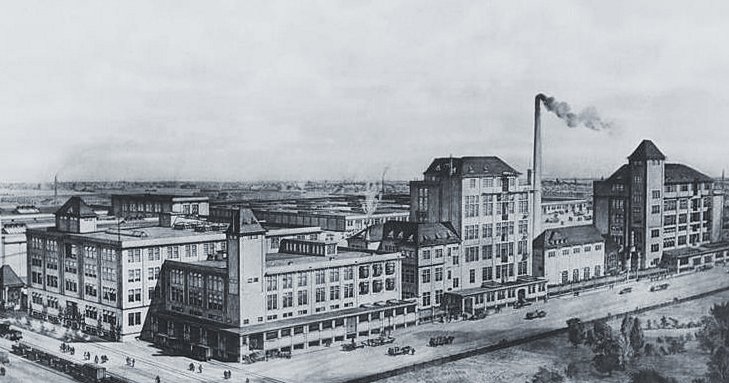
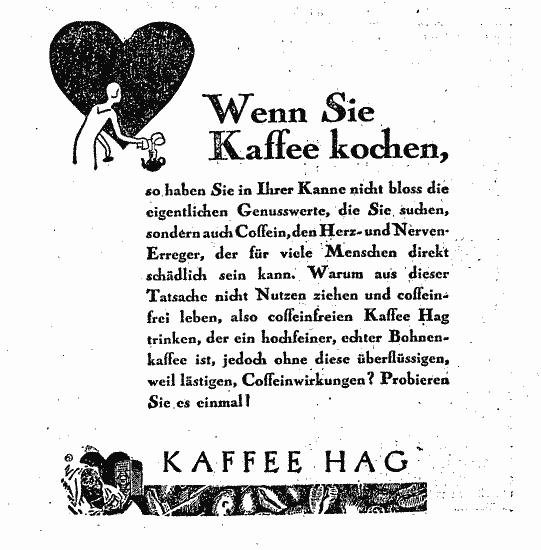
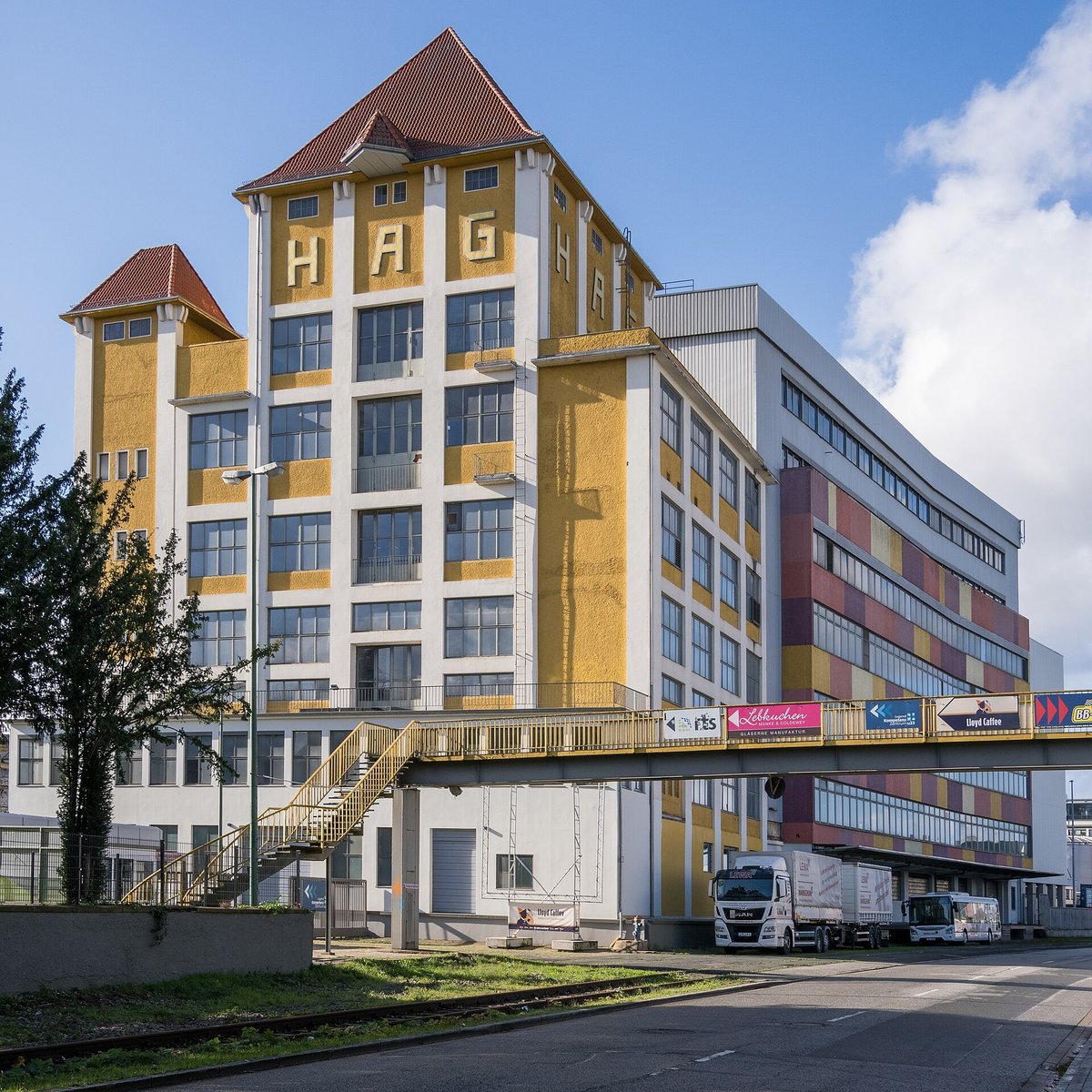
Roselius and other Bremen merchants founded the Kaffee-Handels-Aktiengesellschaft (HAG) on 21 June 1906, with a capital of 1.5 million marks, and began production in 1907 in a new works at Bremen’s timber and factory harbour (German Wikipedia, Kaffee HAG). Roselius sold it on health. Early slogans promised “Immer unschädlich! Immer bekömmlich!” (“Always harmless! Always digestible!”), and the company supplied newspapers with medical reports on the benefits of its caffeine-free coffee (Wolfsonian).
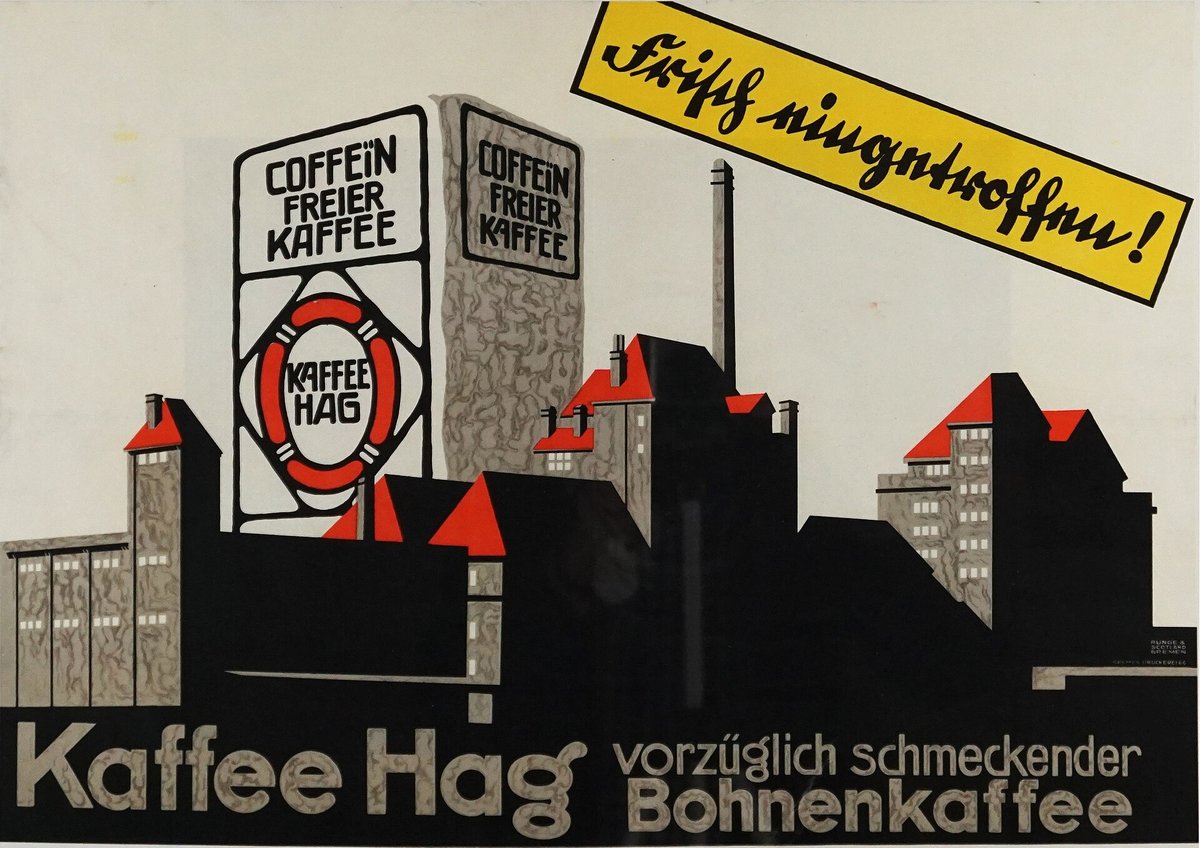
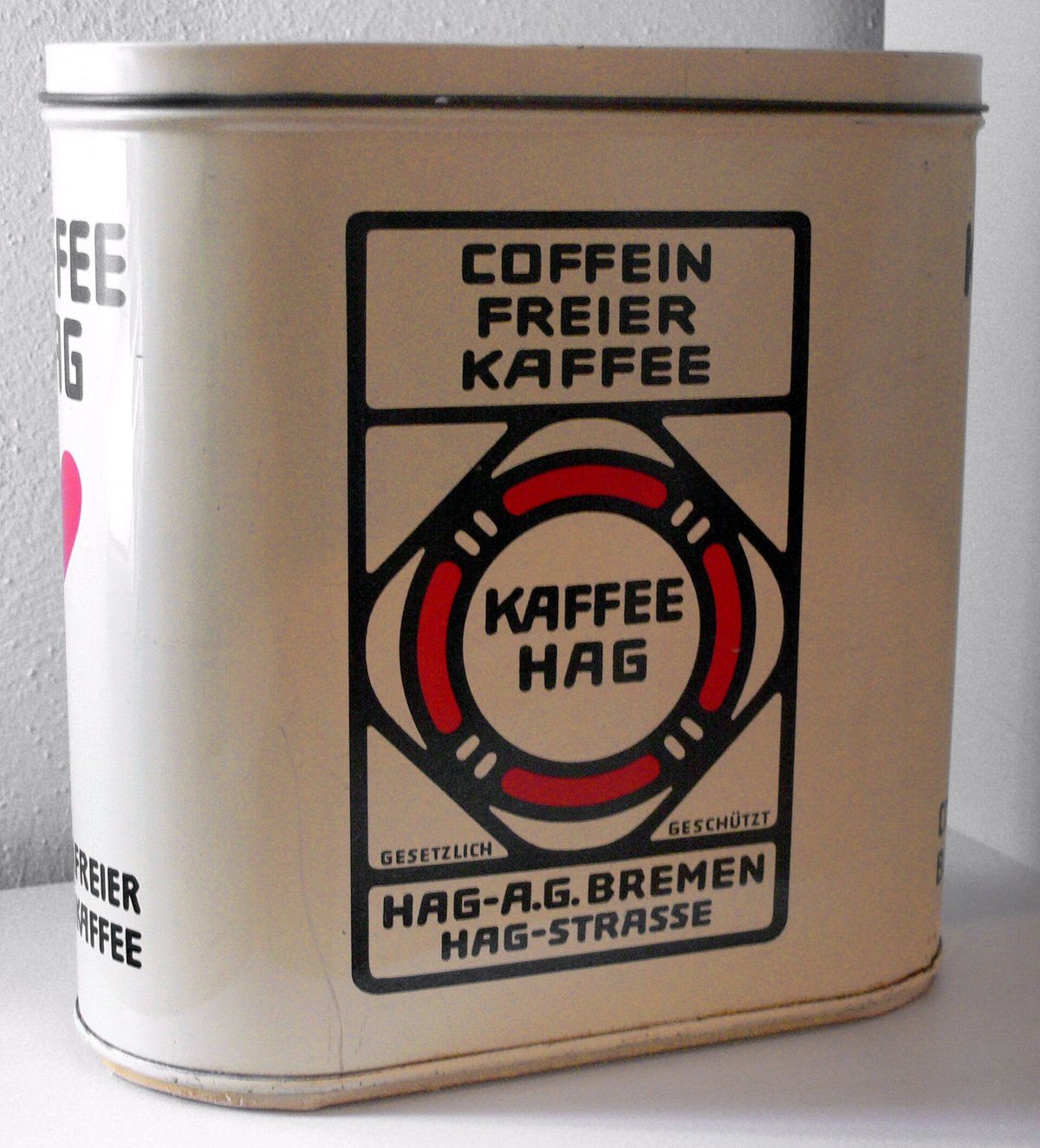
The lifebuoy. HAG’s trademark was a red and white lifebuoy, a symbol of rescue from harm, designed by the Bremen designers Eduard Scotland and Alfred Runge (Wolfsonian). A red heart was added later, in 1925 by the Wolfsonian’s account or 1929 by the German one. HAG became famous for its design: posters by Louis Oppenheim and Runge & Scotland, and the tins and packaging that still turn up at flea markets.
Sanka: the same coffee, abroad
HAG sold around the world, eventually in more than fifty countries (Wolfsonian). In each it needed a name.
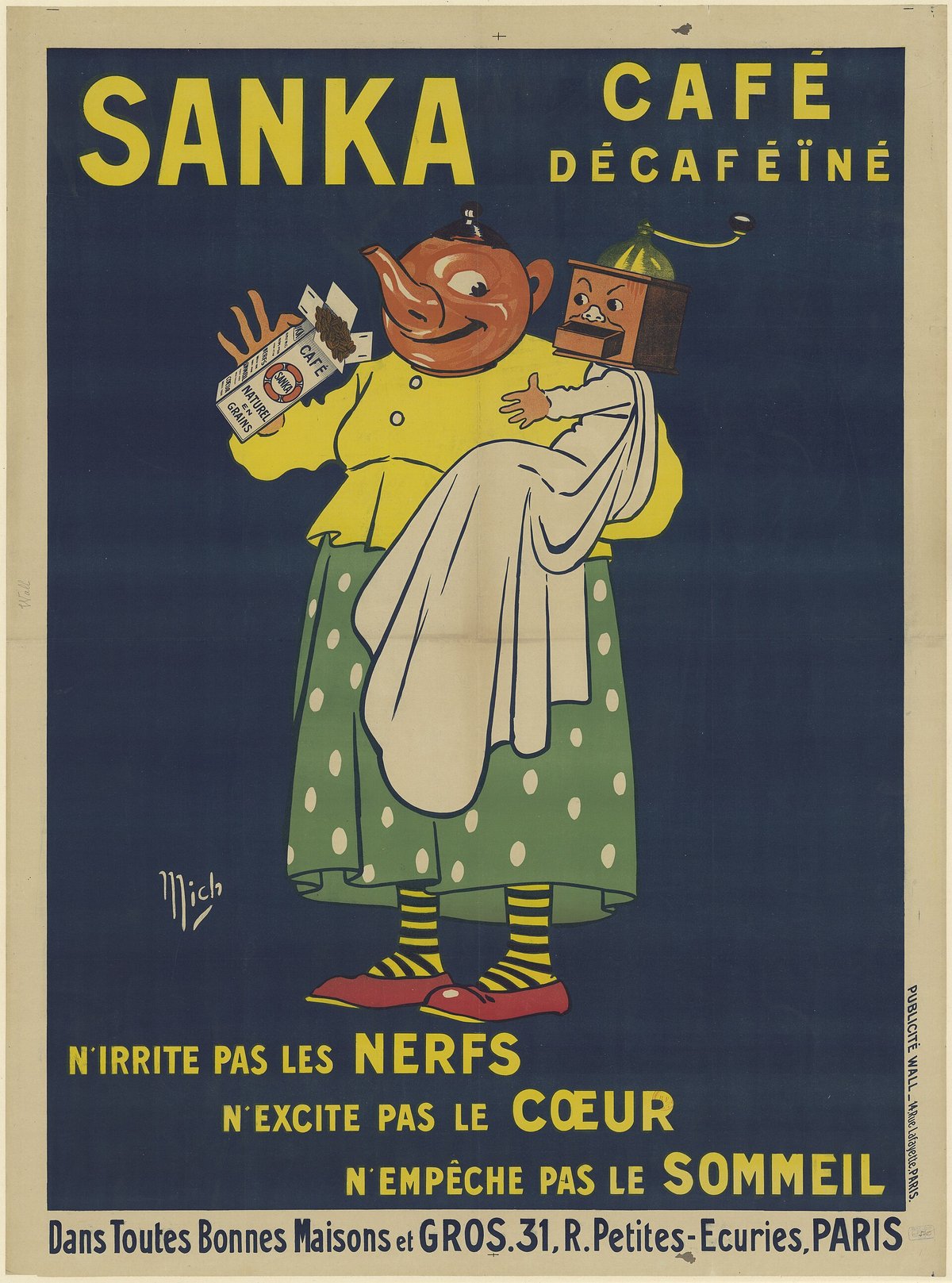
France. By 1910 it was Sanka, from sans caféine. A poster of that year by the illustrator “Mich” shows a coffee-pot-headed nurse carrying a grumpy coffee grinder, with the promises: “N’irrite pas les nerfs, n’excite pas le cœur, n’empêche pas le sommeil” (“Does not irritate the nerves, does not excite the heart, does not prevent sleep”) (BnF, via Wikimedia Commons).

The United States. Decaf reached America about 1909–10, at first as “Dekafa”, and then as Kaffee Hag, from a Kaffee Hag Corporation in New York. A 1915 advertisement in New York’s The Sun promised “a patented process which opens the cells of the coffee bean eliminating all the caffeine except for a few small traces” (Library of Congress). When the United States entered the First World War, the Alien Property Custodian seized the German-owned business and its American trademark in 1917 (Wolfsonian). Roselius came back with the French name: Sanka was sold in the US from 1923, at first in two Sanka coffee houses in New York (Wikipedia).
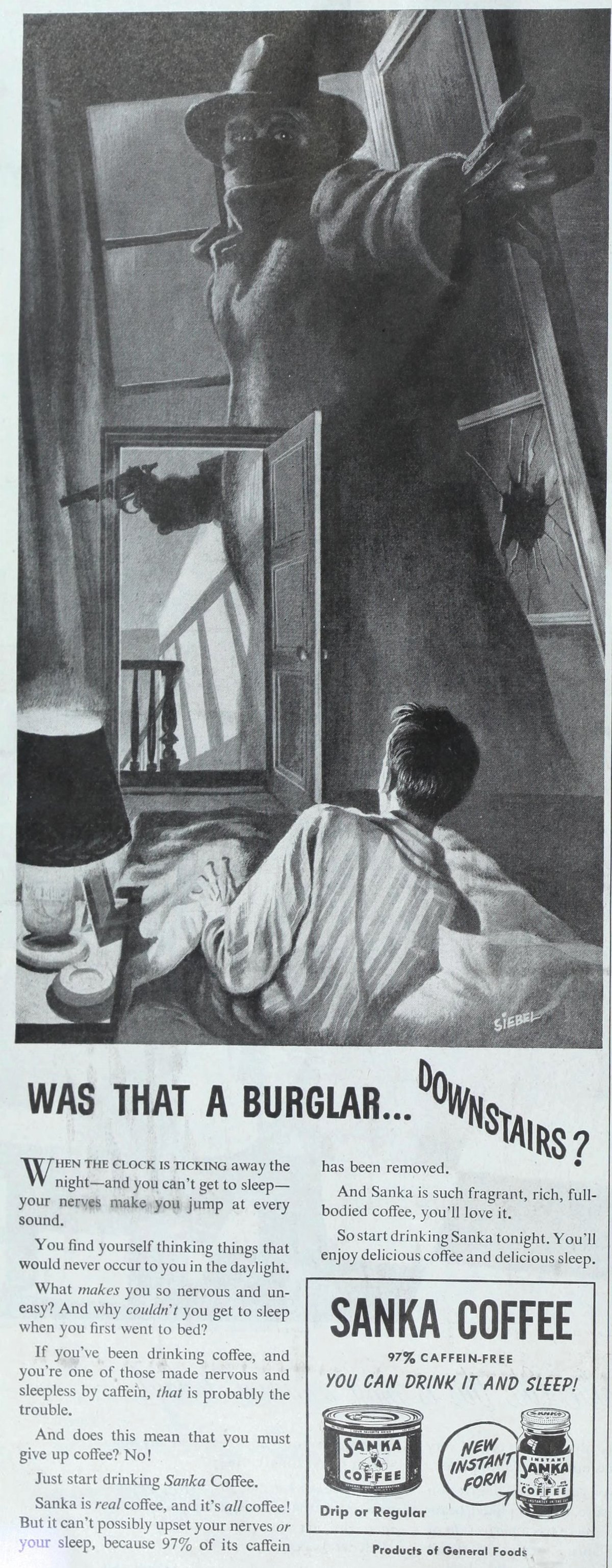
The Postum Company, about to become General Foods, took Sanka’s US distribution rights in 1928, partly to protect Postum from it (Wikipedia), and bought the Sanka Coffee Corporation in 1932: the same company that had spent nearly forty years telling Americans coffee was bad for them (see Postum and Coffee Substitutes). Under General Foods Sanka became the American decaf, and by 1948 it was also sold as an instant (that year’s advertisement below announces the “new instant form”).
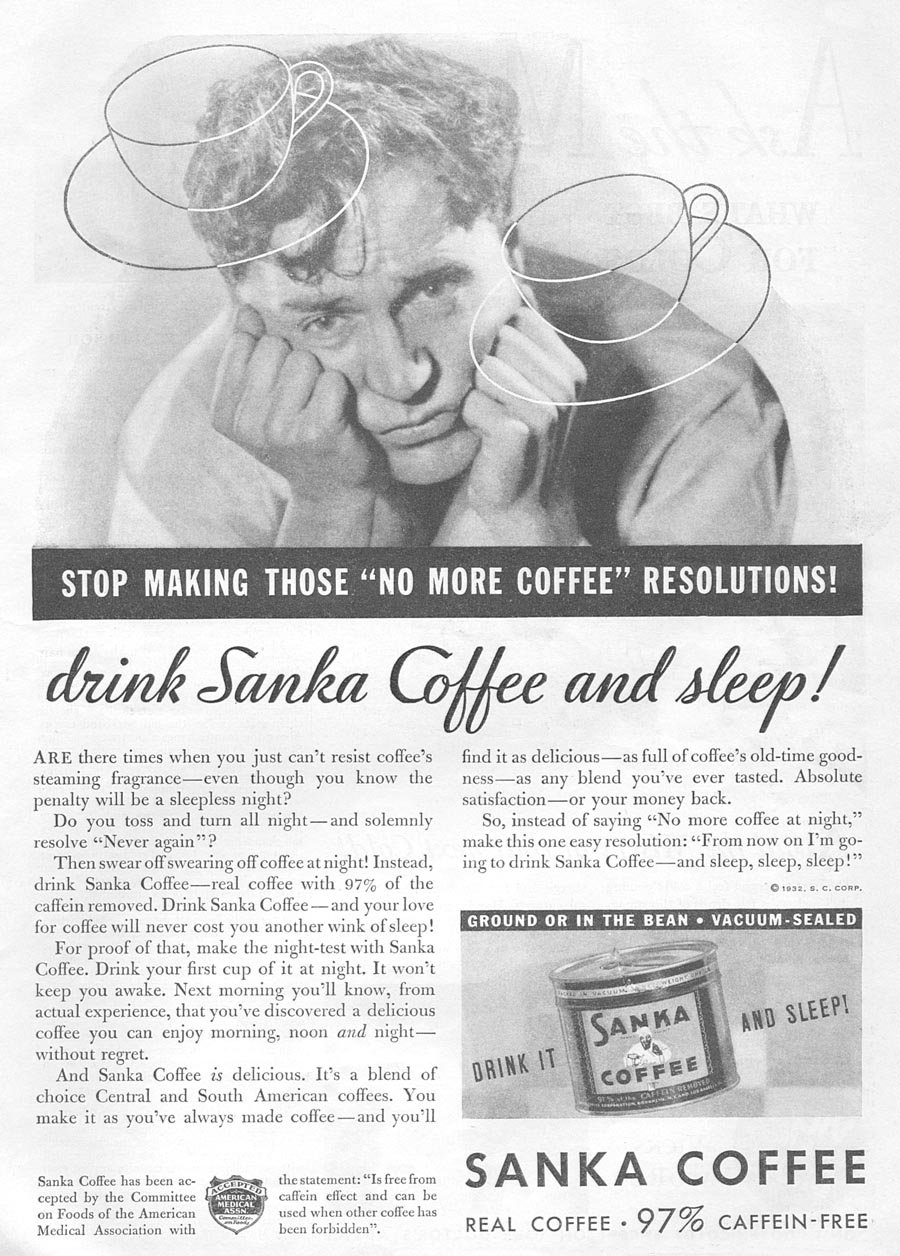
The advertising was about sleep and nerves. A 1948 series in the Ladies’ Home Journal, painted by Fritz Siebel, showed people lying awake at night imagining burglars (“Was that a burglar downstairs?”) because they had drunk ordinary coffee.
Why decaf pots are orange
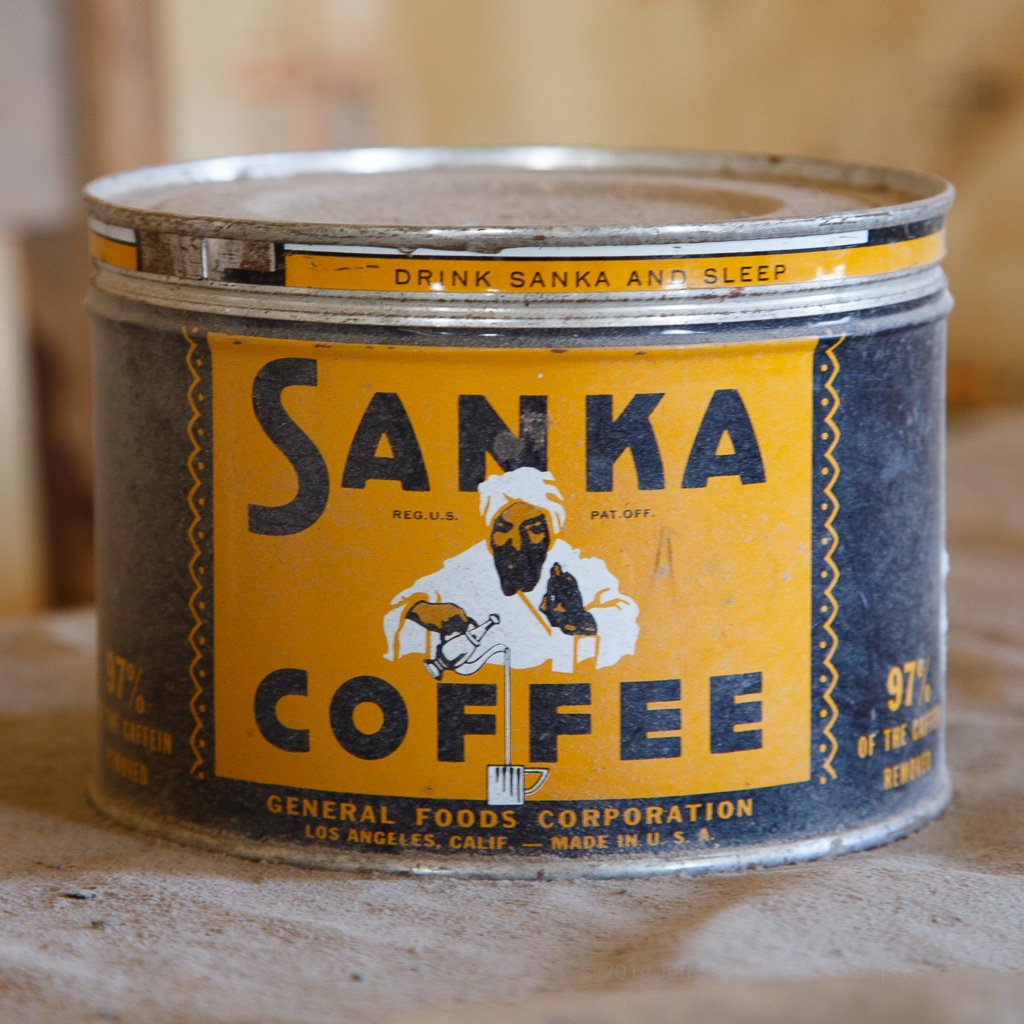
In American diners, decaf comes from a pot with an orange handle or rim, and regular from a black or brown one. Sanka’s label was orange, and the usual story is that General Foods sent orange-rimmed coffee pots to restaurants to promote it, so orange came to mean decaf (Mental Floss; Sprudge). It fits, and it is repeated everywhere, but none of the accounts cites an advertisement, invoice or company record. Sanka itself shrank to an instant coffee sold mainly to restaurants, and in 2021 its packaging went back to orange (Brandland USA).
Roselius beyond coffee: the Böttcherstraße
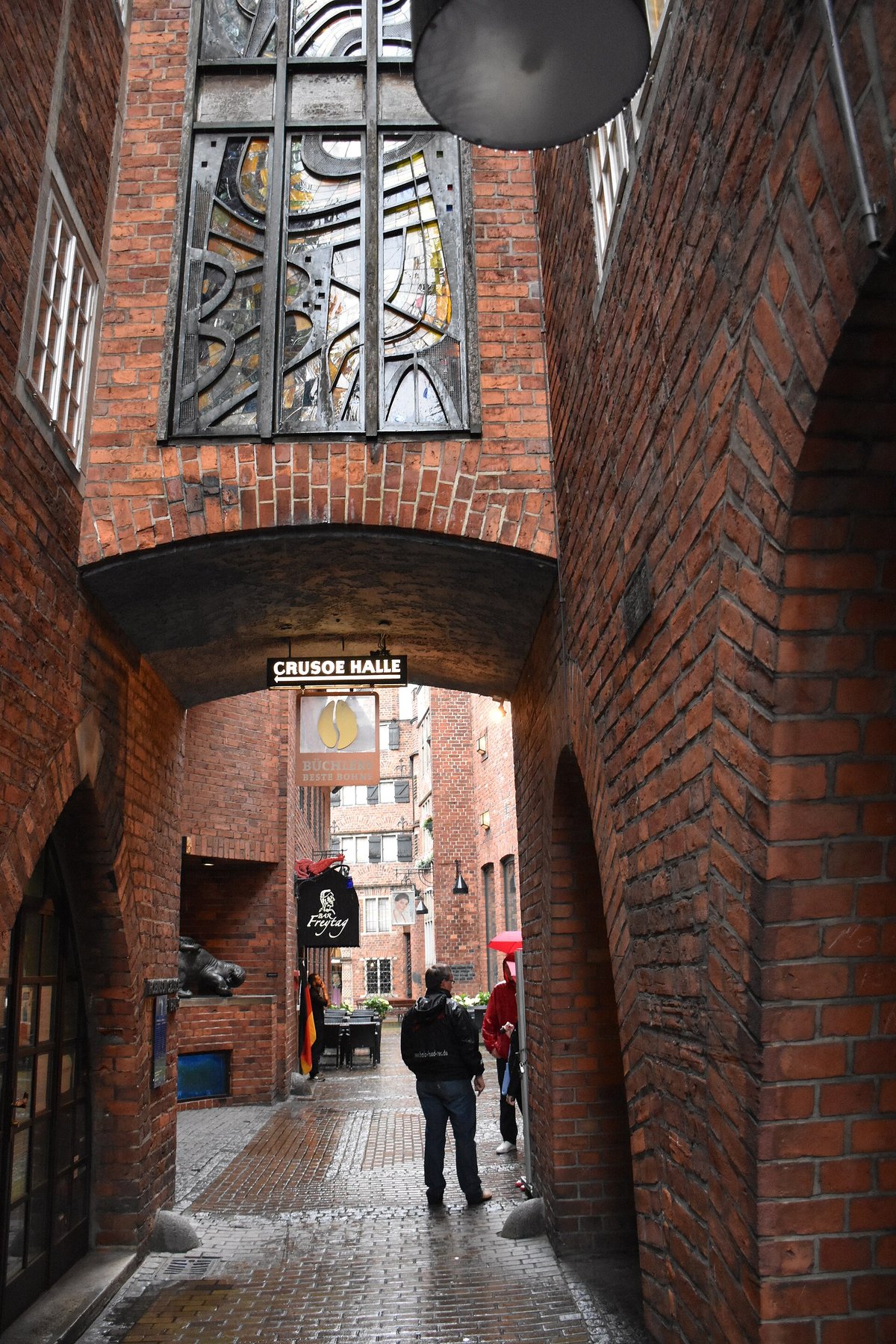
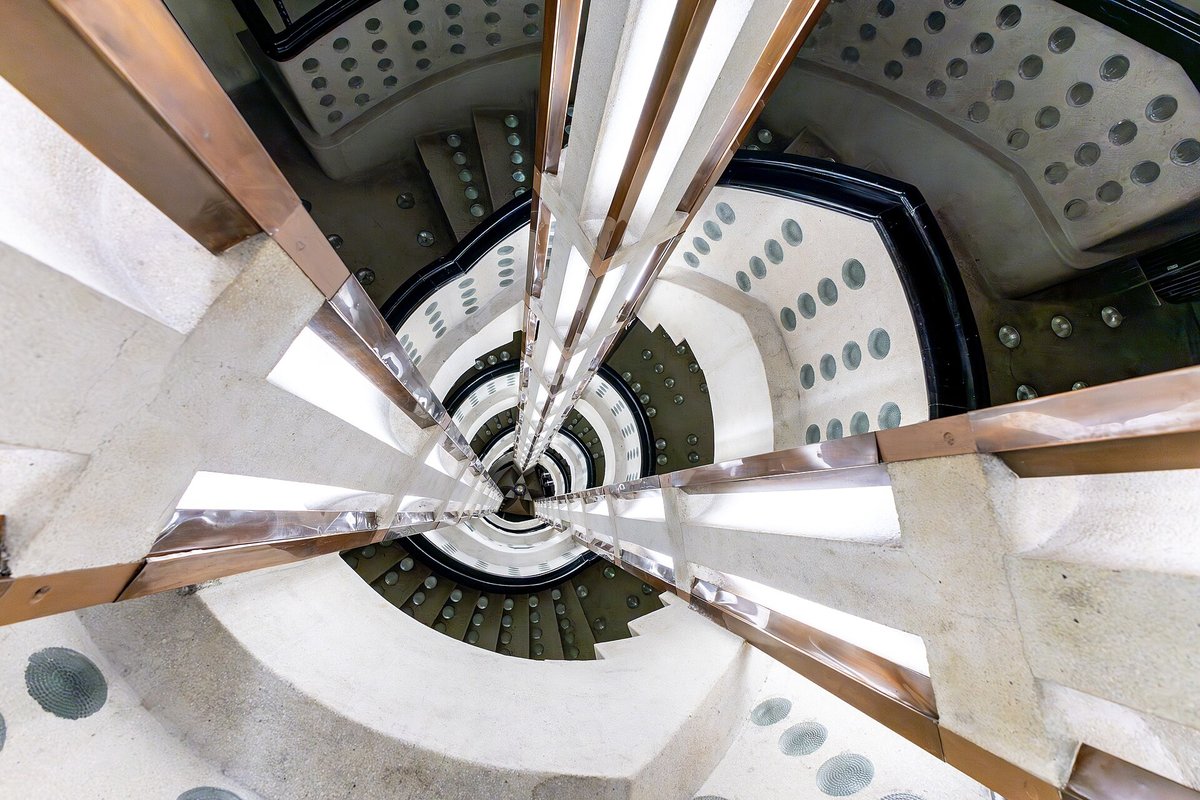
With the money from decaf, Roselius rebuilt a medieval lane in the centre of Bremen, the Böttcherstraße (coopers’ street), between 1922 and 1931, much of it designed by the sculptor and architect Bernhard Hoetger in Expressionist brick (Wikipedia). It includes the Paula Modersohn-Becker Museum, for the Worpswede painter whose work Roselius collected, and the Haus Atlantis, with its glass and steel stairwell. The street is now one of Bremen’s main sights.
Roselius and the Nazis. Roselius admired Hitler early, met him privately in Bremen (in 1922 by the German account, 1927 by the Wolfsonian’s), became a patron member of the SS and sat on Nazi advisory bodies; he described the Böttcherstraße as “an attempt to think German” (German Wikipedia). The regime did not return the admiration. His applications to join the Nazi Party were rejected twice (Wolfsonian; Wikipedia), and in a speech at the 1936 Nuremberg rally Hitler condemned “this kind of Böttcherstraße culture” as the sort of modern art National Socialism rejected. The street survived, damaged in the war and restored by the company. The inventor of decaf was a would-be Nazi whom the Nazis did not want.
What happened to HAG
| Year | |
|---|---|
| 1906 | Kaffee-Handels-AG founded in Bremen |
| 1917 | US business seized as enemy property |
| 1923 | Sanka sold in the US |
| 1929 | HAG launches Kaba, a cocoa drink |
| 1928 | The Postum Company (General Foods from 1929) takes Sanka’s US distribution rights |
| 1932 | General Foods buys the Sanka Coffee Corporation (US) |
| 1943 | Roselius dies in Berlin |
| 1979 | The Roselius family sells HAG to General Foods |
| Later | The Bremen site decaffeinates with supercritical carbon dioxide, the process Kurt Zosel discovered at the Max Planck Institute for Coal Research in 1967 and patented in 1970 (Max Planck Society) |
| 1990s–2015 | General Foods becomes part of Kraft, then Mondelēz; in 2015 HAG passes to Jacobs Douwe Egberts (now JDE Peet’s) |
| 2017 | The Bremen decaffeination plant closes, with 50 jobs (German Wikipedia) |
Decaf after Roselius
| Process | When | What it uses | More |
|---|---|---|---|
| Roselius | Patented 1906–08 | Vacuum swelling, ammonia, then benzene or chloroform | Above |
| Methylene chloride | Replaced benzene well before 1970 | A chlorinated solvent; US residue limit 10 ppm (21 CFR 173.255) | Caffeine and Health |
| Ethyl acetate (“sugarcane”) | In use well before 1970 | An ester found in fruit | Decaf for a Small Roaster |
| Water (Swiss Water) | Developed in Switzerland in the 1930s; commercial from 1980; Swiss Water Decaffeinated Coffee Co., Canada, 1988 | Water saturated with coffee solubles, and carbon filters | Decaf for a Small Roaster |
| Supercritical CO₂ | Discovered 1967, patented 1970; later used at the former HAG works in Bremen | Carbon dioxide at about 162 bar and 70 °C | Max Planck Society |
| Naturally caffeine-free beans | Coffea charrieriana, a wild species from Cameroon, described in 2008 | No processing | New Coffee Species |
How caffeine-free is decaf?
| Germany | Beans may be called entkoffeiniert only with no more than 1 g of caffeine per kg of dry matter (0.1%); extract no more than 3 g/kg (KaffeeV § 2) |
| European Union | Sets a limit only for decaffeinated coffee extract (0.3%); the 0.1% figure for beans is German law, not EU law (Directive 1999/4/EC) |
| United States | No legal definition of decaf. The “97% caffeine removed” figure is an industry convention; it was already in Kaffee Hag’s New York advertising by 1914 (see Caffeine and Health) and on Sanka cans in the 1930s, but no US regulation requires it |
| In the cup | The FDA puts decaf at 2–15 mg per 8 oz cup (FDA) |
Ten cups of decaf can add up to one of regular coffee. The full discussion is on Caffeine and Health.
Where to buy them (October 2026)
| Café HAG | Germany: supermarkets and drugstores (instant, ground and whole bean); online from German shops. |
| Sanka | US: instant jars in 2, 4 and 8 oz, in some supermarkets and online. Third-party online listings run about $17–24 for 8 oz. |
What is not known
- Whether the seawater story has any basis.
- When HAG stopped using benzene.
- Whether General Foods really sent out orange pots.
- When the red heart joined the lifebuoy: 1925 or 1929.
Sources
- Google Patents, US 897,763, Treatment of coffee (Meyer, Roselius and Wimmer, 1908).
- Wolfsonian–FIU, Unveiling the secrets of decaf (2021).
- German Wikipedia, Ludwig Roselius, Kaffee HAG; English Wikipedia, Decaffeination, Sanka, Böttcherstraße.
- Max Planck Society, Coffee decaffeination processes.
- Library of Congress, The Sun (New York), 9 May 1915, p. 14.
- Bibliothèque nationale de France, via Wikimedia Commons, Sanka, café décaféiné (1910).
- Mental Floss, Why are decaf coffee pots orange?; Sprudge, A brief history of decaf and the colour orange.
- Gesetze im Internet, Kaffeeverordnung § 2.
- Cornell LII, 21 CFR 173.255.
- FDA, Spilling the beans: how much caffeine is too much?.
Comments (0)