Coffee · 32 of 35
Troubleshooting Any Brew: Sour, Bitter, Weak, Flat
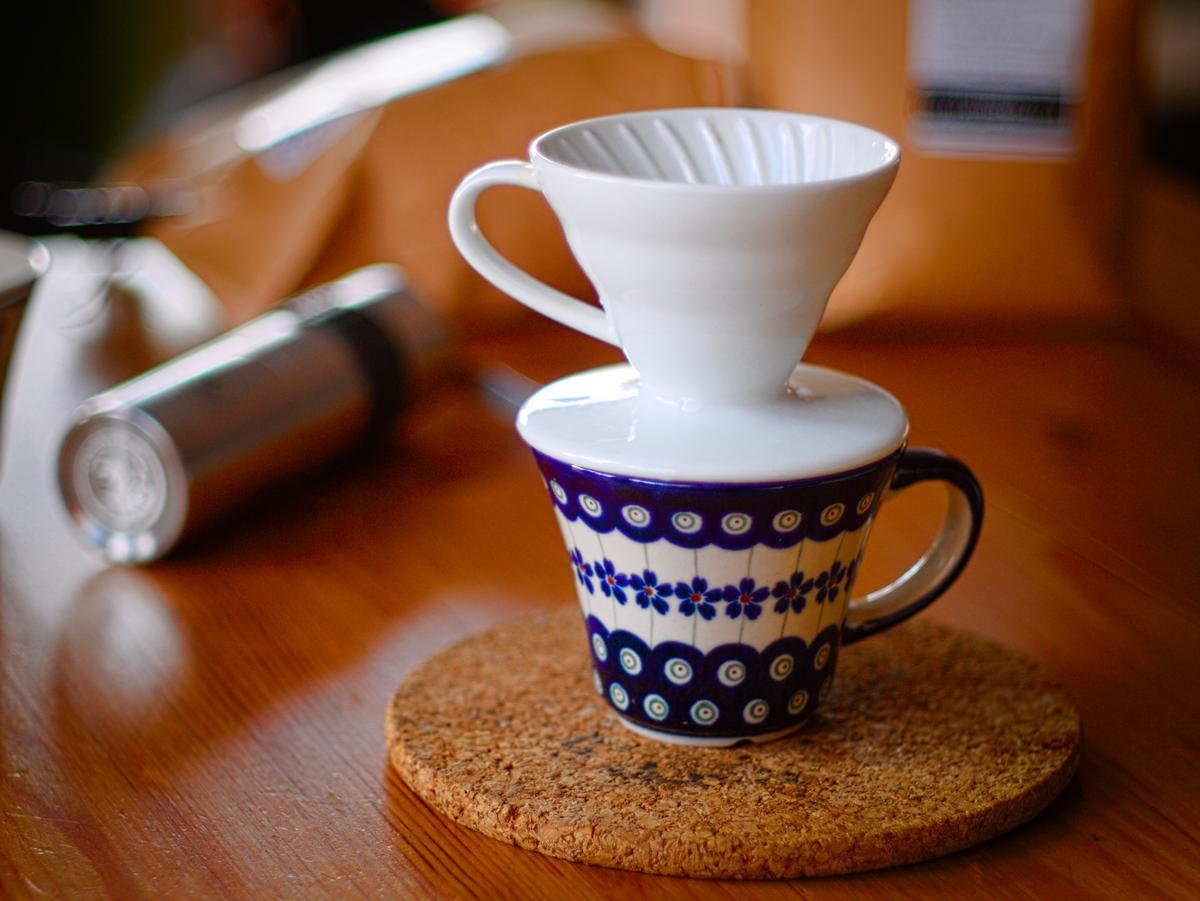
A disappointing cup tells you what went wrong if you know how to read it. “Sour,” “bitter,” “weak,” “harsh” and “flat” each point at different causes, and most have a fix that costs nothing but one change to the next brew. This page is the symptom table that works for every brewer, then the quirks of each method, then the problems that are not in the brewing at all: the water, the age of the coffee, the cleanliness of the equipment, and the beans themselves.
The two ideas underneath all of it, extraction and strength, are explained in full on Brewing, and every ratio this site uses is on Ratios. Espresso has its own dialling-in table on Espresso. Words like fines and channeling are in the glossary. When the trouble is the gear, A Home Coffee Kit lists a grinder, scale and kettle at three budgets.
The short version
| The cup tastes… | Most likely | Try first |
|---|---|---|
| Sour, thin, sharp, short | Under-extracted | Grind finer |
| Sour and heavy | Too strong, or a light roast | Same coffee, more water |
| Bitter, drying, harsh | Over-extracted | Grind coarser, or shorten the brew |
| Bitter and thin | Over-extracted and too weak | Coarser, and more coffee |
| Weak, watery, but balanced | Too little coffee for the water | More coffee: weigh it |
| Too strong, heavy, intense | Too much coffee for the water | More water, same coffee |
| Flat, dull, papery, cardboard | Old coffee, or pre-ground coffee | Fresher beans, ground just before brewing (Keeping Coffee) |
| Stale or rancid even with fresh beans | Dirty equipment | Clean the carafe, airpot, basket and grinder (Cleaning and Descaling) |
| Muddy, silty | Fines through a metal filter | Coarser grind; let it settle; decant |
| Chlorine, swimming pool, medicinal | The water | A carbon filter (Water) |
| Chalky, dull, no brightness | Hard, alkaline water | Softer water (Water) |
| Burnt, ashy | A very dark roast, or a hot plate | A lighter roast; a thermal carafe |
| Grassy, peanut, bready, sour | An underdeveloped light roast | Different beans; the brew cannot fix it |
Change one thing at a time, and taste the next cup. Changing the grind, the dose and the water together makes it impossible to know which one worked.
The two dials: strength and extraction
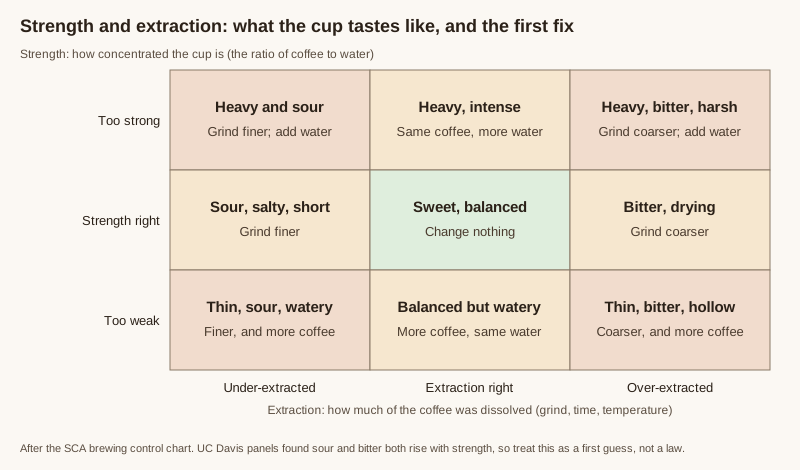
Extraction is how much of the coffee the water dissolved. A roasted bean is only about 30 percent soluble, and its flavours come out in order: acids and fruit first, then sugars and body, and the bitter, drying compounds last. Stop too early and the cup is sour and hollow; go too far and it turns bitter and astringent. Grind, time and temperature set extraction: finer, longer and hotter all extract more.
Strength is how concentrated the cup is. It is set mostly by the ratio of coffee to water. Add water to a perfect cup and it gets weaker without its extraction changing at all.
They are separate dials, and the commonest mistake is to turn the wrong one. “It’s weak, so brew it longer” pushes extraction toward bitterness without making the cup any stronger. A weak, balanced cup wants more coffee, not more time.
What the newer research changes
The control chart dates from work in the 1950s. Since 2019 the coffee centre at the University of California, Davis has tested it with trained tasting panels and hundreds of ordinary coffee drinkers, in work summarised by the Coffee Science Foundation. Four findings matter for troubleshooting:
- Sour and bitter both rise with strength. In a 2024 panel study of immersion-brewed coffee, “bitterness, sourness and astringency were positively correlated with TDS, whereas sweetness was negatively correlated to TDS” (Liang and others, Scientific Reports, 2024). (TDS, total dissolved solids, is the strength measure.) An earlier study of drip coffee found the same. So a sour cup that is also heavy is usually too strong, not under-extracted, and grinding finer will make it worse. Dilute it first.
- Sourness follows the coffee’s total acid content, and “TDS is a good proxy” for that. A stronger cup simply carries more acid.
- Roast level matters more than anything in the brew. In the same 2024 study roast had the biggest effect on flavour of any factor, and the light roast was more sour than the dark “regardless of brewing temperature.” A sour light roast may be a light roast doing what it does.
- Brew temperature matters less than people think. At fixed strength and extraction, temperatures from 87 to 93 °C “had no appreciable impact” on the sensory profile. Temperature still changes how fast coffee extracts, so cooler water with the same grind and time does extract less; but if the strength and extraction come out the same, the cup tastes the same.
And a reassurance: the Davis consumer studies found coffee drinkers’ preferences spread over a wide range of strengths and extractions, in two to four distinct groups. There is no single correct cup. The table on this page is for getting to the cup you like.
Symptom by symptom
| Symptom | Likely causes | Fixes, in order |
|---|---|---|
| Sour, thin, sharp | Grind too coarse; brew too short; water too cool; too little contact (water running round the bed) | Grind finer. Brew longer. Check the kettle or machine actually reaches 90–96 °C. Wet the whole bed. |
| Sour and heavy | Too strong; light roast | Add water to the cup to test; if it improves, use a higher ratio (more water per gram). |
| Sour and salty | Strongly under-extracted | Grind finer, and check the machine’s water temperature |
| Bitter, drying, astringent | Grind too fine; brew too long; coffee left on the grounds | Grind coarser. Shorten the brew. Decant a press at once. |
| Bitter and thin | Over-extracted and dilute: too fine and too little coffee, or a slow drip through a small dose | Coarser grind, more coffee |
| Sour and bitter at once | Uneven extraction: some coffee over-extracted, some under. Channels in a pour-over or espresso; a drip shower hitting one spot; a grinder making both boulders and dust | Level the bed; pour more evenly; descale the shower head; a better grinder |
| Weak, watery | Too little coffee; drip-machine “cups” read as mugs; scoops instead of a scale | Weigh: about 1 g of coffee to 16 g of water (Ratios) |
| Too strong | Too much coffee | More water per gram, or add water to the cup |
| Flat, dull, cardboard, no aroma | Old beans; pre-ground coffee; beans stored in a jar on the counter | Fresher, roast-dated beans; grind just before brewing (Keeping Coffee) |
| Stale even with fresh beans | Rancid oil in the carafe, airpot, basket or grinder | Clean with a detergent, not a descaler (Cleaning and Descaling) |
| Muddy, silty, gritty | Metal filter plus too many fines; plunging hard; pouring the last of the press | Coarser grind; wait for the grounds to settle; plunge slowly; leave the last centimetre |
| Burnt, ashy, smoky | Very dark roast; coffee held on a hot plate | A lighter roast; a thermal carafe; brew smaller amounts more often |
| Stewed, flat and bitter after a while | Coffee held hot too long, or reheated | Hold in a sealed thermal carafe, not on a burner |
| Metallic | Moka pot scorched on high heat; a dirty or new aluminium pot; some waters | Lower heat; see the moka section |
| Chlorine, medicinal | Chlorine or chloramine in tap water | A carbon filter for chlorine; chloramine needs more (Water) |
| Chalky, heavy, no brightness | High alkalinity water buffering away the acidity | Softer water, or distilled water with minerals added back (Water) |
| Different every day | Scoops instead of a scale; a grinder drifting; a change in water; beans ageing through the bag | Weigh coffee and water; check the grind setting; note the roast date |
| Papery | Unrinsed paper filter | Rinse the filter with hot water first |
A routine for fixing a cup
- Write down what you did: grams of coffee, grams of water, grind setting, brew time, roast date.
- Taste it hot, and again as it cools. Faults that hide in a hot cup often show in a cool one.
- Ask two questions. Is it too strong or too weak? Is it sour, bitter, or both?
- Fix strength first, with the ratio. Add a little hot water to the cup. If that makes it better, the next brew needs more water per gram. If it makes it worse, it needs more coffee.
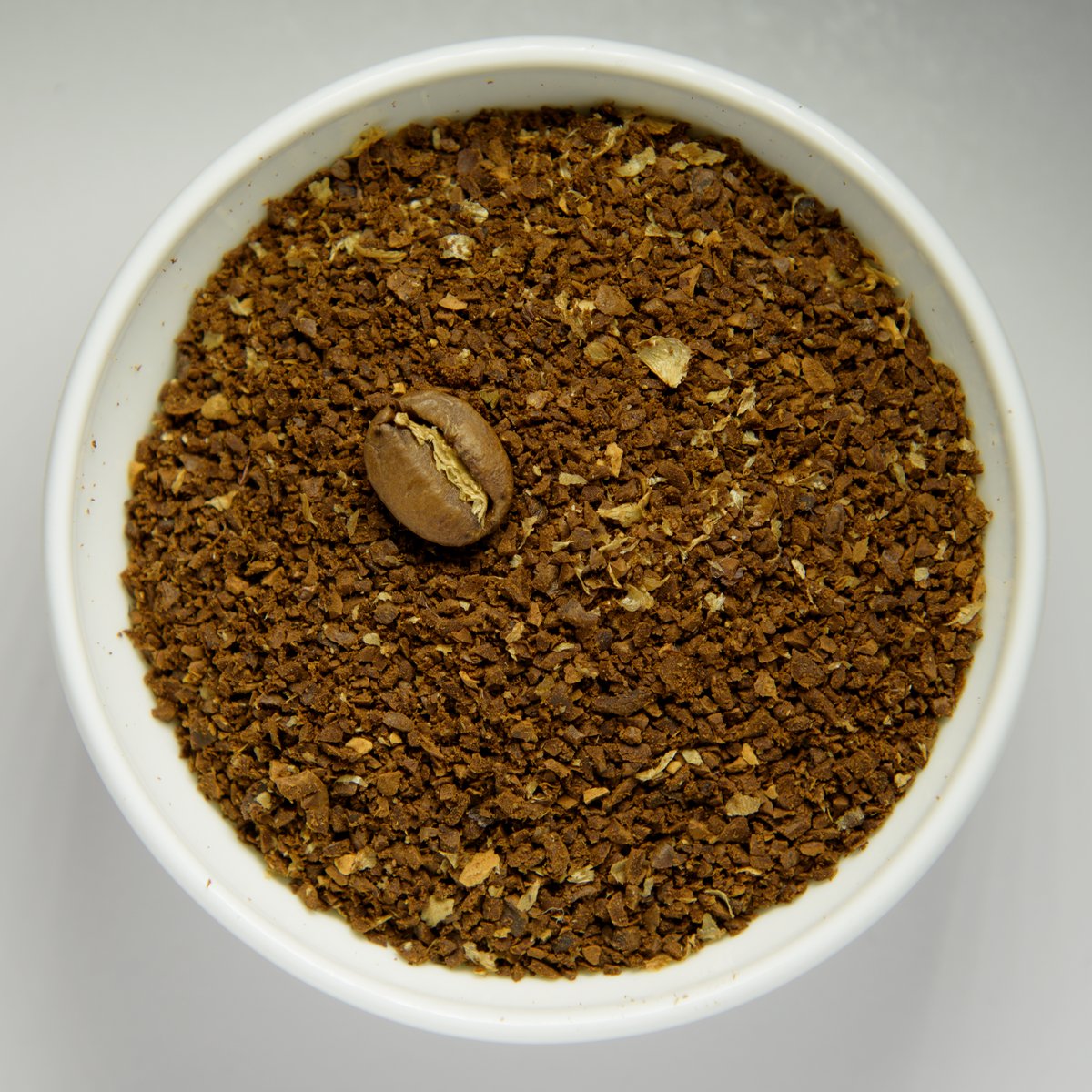
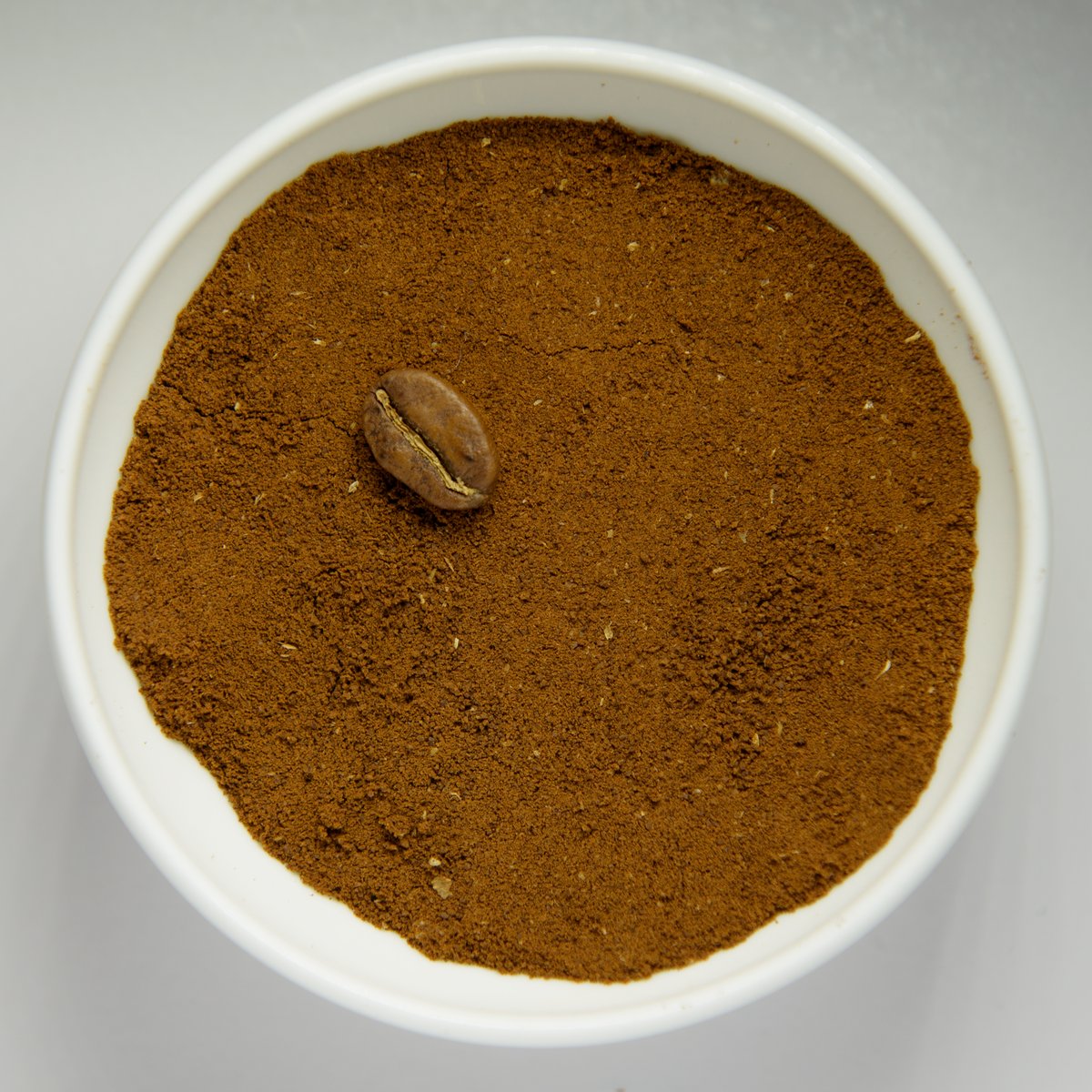
- Then fix extraction, with the grind. Sour and thin: one step finer. Bitter and drying: one step coarser.
- Change one thing, brew again, and compare.
- If nothing helps, change the beans. Brew a different bag the same way. If the new bag is fine, the problem was the old one.
Method by method
Pour-over
- Target time: about 3 minutes on a V60, 3½ to 4 on a Kalita or Chemex, for 22 g of coffee and 360 g of water (Brewing). Fast and sour: finer. Slow and bitter: coarser.
- The bloom: pour about twice the coffee’s weight in water first and wait 30 to 45 seconds. Fresh coffee swells and bubbles. If it barely moves, the coffee is old.
- A stalled drawdown (water sitting on the bed for minutes at the end) is fines clogging the filter: grind a step coarser, pour more gently, or try a grinder that makes fewer fines.
- Sour and bitter together usually means water ran down channels or round the edge of the bed. Pour in slow spirals, keep the bed level, and give it a gentle swirl at the end.
- Rinse the paper.
Automatic drip
- The “cup” on the carafe is 5 or 6 fl oz, not a mug. Ten scoops for ten “cups” fills five mugs with weak coffee (Brewing). Weigh: about 60 g of coffee per litre of water.
- Thin and sour from every bean is often a machine that does not get hot enough. The SCA’s certified home brewer list is the list of machines tested to reach brewing temperature.
- A dribbling or uneven shower is often scale: descale it (Cleaning and Descaling).
- Good at first, bitter an hour later is the hot plate. A thermal carafe fixes it.
- Stale taste in fresh coffee is the carafe and basket. Wash both with soap.
French press
- Muddy is the press’s nature, but less mud is easy: a coarser grind; after four minutes, break the crust and skim off the foam and floaters; wait five more minutes before plunging; plunge slowly; pour gently and leave the last centimetre (Brewing).
- Bitter by the second cup is coffee left sitting on the grounds. Pour it all into a carafe or cups as soon as it is plunged.
- Weak usually means too little coffee. About 1:15.
- Plunger hard to push means the grind is too fine.
AeroPress
- The maker’s own recipe: 16 to 18 g of medium coffee, water at 185 °F (85 °C), stir for about 3 seconds, wait 60 seconds, then press “applying gentle constant pressure (do not push too hard)” (AeroPress).
- Hard to press: grind coarser. A press that needs your full weight is too fine.
- Sour: steep longer or grind finer. Bitter: shorter steep, coarser grind, cooler water.
- The hiss. AeroPress’s instruction is to press “until you hear the hissing sound begin and end.” Some guides, including this site’s Brewing page, say to stop at the hiss so the air does not drag bitterness through. The difference is a few grams of the last, most extracted coffee. If the cup is bitter, try stopping at the hiss; if not, follow the maker.
Moka pot
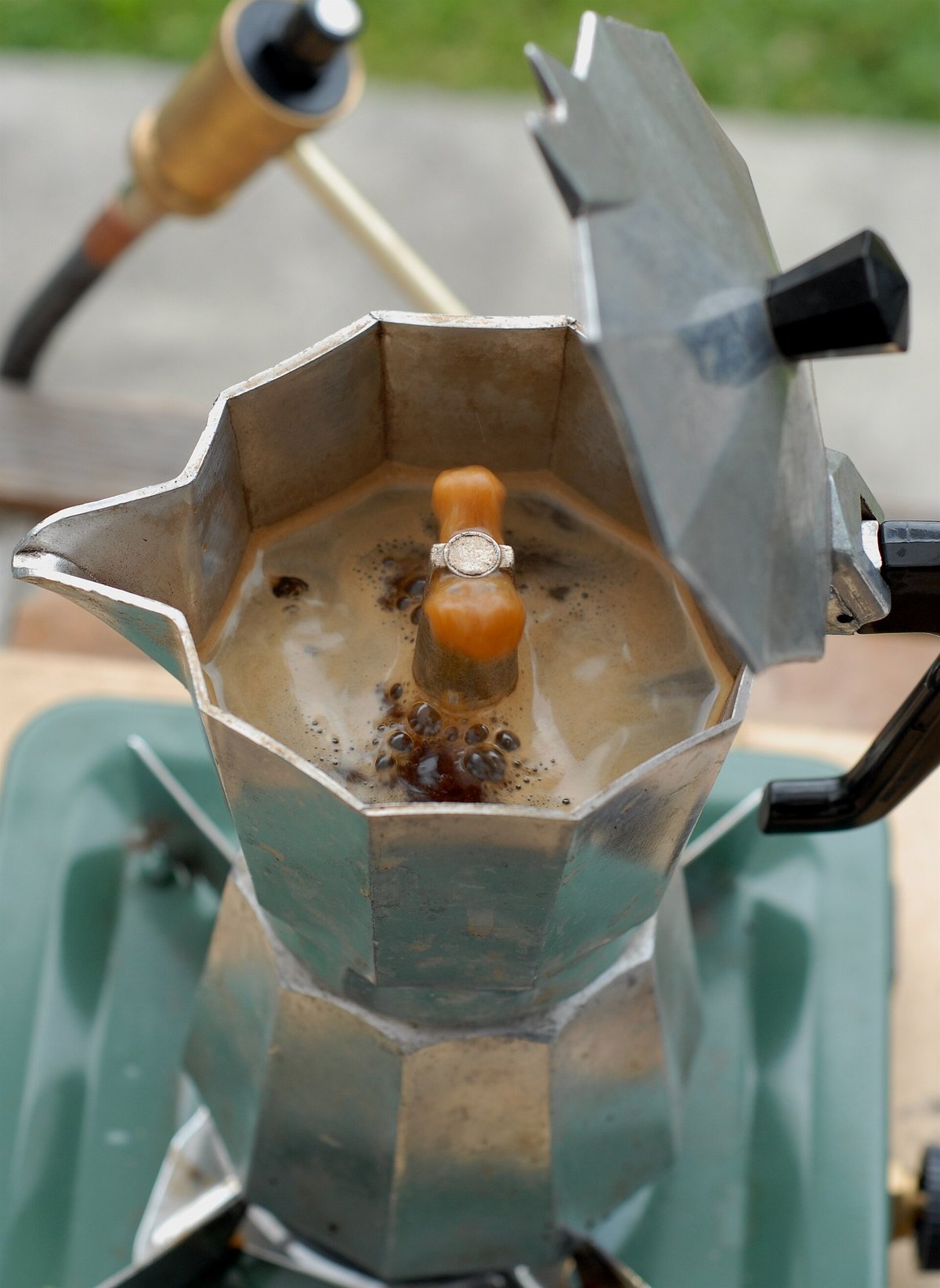
- Metallic, scorched, bitter is the commonest moka fault and has two causes: too much heat, and the pot sitting on the flame too long. Use low heat, and take it off at the gurgle.
- Hot or cold water in the base? The sources disagree. Bialetti says to start with “room-temperature water,” fill to the safety valve, and set the flame “to the minimum and be patient.” Brewing recommends pre-boiled water, so the coffee spends less time cooking on the stove. Both are aiming at the same thing, a short time between the coffee getting hot and the brew being done. If a moka tastes scorched with cold water, try hot (handling the hot base with a towel); if it gushes and tastes thin with hot, go back to Bialetti’s way.
- Do not tamp. Bialetti: “Fill the funnel of the Moka generously, without pressing the coffee.” A tamped basket chokes, and pressure builds.
- Sputtering early and weak may be a worn gasket letting steam escape at the thread. Check it (Cleaning and Descaling).
- Too fine a grind (espresso powder) chokes the pot. Moka grind is a little coarser than espresso.
- Cool it off quickly when it is done, by running the base under cold water, so it stops brewing.
Phin
- The drip should take four to five minutes (Brewing). Finished in well under four: grind finer, or press the screen down a little more firmly. Still dripping after six or seven, or stopped: grind coarser, and press more lightly.
- Fine, but not espresso powder, which clogs the plate.
- Too bitter for black coffee is often the point. A phin of dark robusta is built to stand up to sweetened condensed milk; drink it the way it was designed, or use a lighter, Arabica coffee for black.
- Weak: more coffee. About two parts water to one of coffee by volume.
Cold brew
- Weak: the ratio. Cold brew is usually made as a concentrate, about 1:5 by weight, and diluted 1:1 or 1:2 to serve (Ratios). A ready-to-drink 1:15 cold brew tastes thin.
- Bitter, woody, harsh: steeped too long or ground too fine. Stay inside 12 to 24 hours, coarse grind.
- Flat and dull is in its nature: cold water leaves most of a coffee’s brightness behind. For a bright iced coffee, brew hot onto ice instead (Brewing).
- Muddy: a second filter through paper.
- Tastes off after a few days: it is old. Keep it in the refrigerator and use it within about a week.
Espresso
Espresso is so concentrated that every fault is magnified. Its dialling-in table, by shot time and yield, is on Espresso, along with puck preparation for channeling. The short form: a fast, sour shot wants a finer grind; a slow, bitter shot wants a coarser one; sour and bitter at once is a channel, not a setting.
When it is the water
Coffee is about 98 percent water, so a water problem shows in every cup from every bean. Signs that the water is the cause:
- Every coffee tastes flat or chalky, whatever the roaster. Hard, high-alkalinity water buffers away coffee’s acidity.
- Every coffee tastes sharp and thin, even well brewed. Very soft water, or distilled or reverse-osmosis water used straight, extracts poorly.
- A chlorine or medicinal note: tap water treatment.
- Scale in the kettle within weeks: hard water, and the kettle is telling you so.
- The coffee tastes different at a friend’s house or on holiday, with the same beans and the same method.
The two numbers to look up are hardness and alkalinity, and what to do about each is on Water. The SCA’s current range is calcium hardness 50 to 175 ppm and alkalinity 40 to 70 ppm.
When it is the age of the coffee
Old coffee tastes flat, papery and dull, then bitter and rancid. The tells: a pour-over bloom that barely rises; no smell when the bag opens; oil on a light or medium roast; a roast date more than a month ago, or no roast date at all. Grinding a little finer and using a little more coffee rescues it partly. Fresh, roast-dated beans rescue it completely. How long coffee keeps, and how to keep it, is on Keeping Coffee.
Very fresh coffee causes trouble too. Beans roasted a day or two ago are still full of gas: a pour-over bubbles violently and drains unevenly, and an espresso spurts and foams. Rest them two to five days for filter, five to seven or more for espresso.
When it is the beans, not you
Some faults are in the coffee before it reaches the kitchen, and no brewing change will remove them.
| Taste | Cause | What to do |
|---|---|---|
| Grassy, peanut-like, bready, sour, hollow | Underdeveloped roast: dropped too soon after first crack | Different beans. On a home roast, a longer roast (Roasting) |
| Flat, papery, cardboard even when fresh | Baked roast: too long in the middle of the roast | Different beans; on a home roast, more heat early |
| Burnt, ashy, smoky | Very dark roast, or scorched | A lighter roast |
| Earthy, musty, woody | Often old or badly stored green coffee | Different beans |
| One harsh, rotten or medicinal cup from a good bag | A defective bean in the dose | Next cup; if it repeats, the bag |
| Very bitter, rubbery, heavy | Robusta, or a blend with robusta | That is the coffee; brew it for milk or choose Arabica (Origins) |
The simplest test is a second bag. Brew a different coffee exactly the same way. If it tastes right, the first bag is the problem; if it has the same fault, the problem is the water, the equipment or the method. A cupping, which brews every coffee the same simple way, settles it for good (Cupping).
What is not known
- How far the UC Davis findings, mostly from drip and immersion brews of a few coffees, carry over to every brewer and every bean. The control chart is still the best map in common use.
- A published, measured drip time for a phin of a given size. Four to five minutes is the common working figure.
- Whether a moka pot brews better from hot or room-temperature water. Bialetti and many experienced users disagree, and no published test settles it.
- How much bitterness the last of an AeroPress press actually adds. No test compares stopping at the hiss with pressing through.
Sources
- Coffee Science Foundation, “Brewing Fundamentals,” summarising the UC Davis Coffee Center’s brewing studies, 2019–2022.
- Liang, Batali, Routt, Ristenpart and Guinard, “Sensory analysis of the flavor profile of full immersion hot, room temperature, and cold brewed coffee over time,” Scientific Reports 14, 19298 (2024); open copy.
- Cited in that paper and by the Coffee Science Foundation, not read here in full: Frost, Ristenpart and Guinard, “Effects of brew strength, brew yield, and roast on the sensory quality of drip brewed coffee,” Journal of Food Science 85 (2020); Cotter and others, “Consumer preferences for black coffee are spread over a wide range of brew strengths and extraction yields,” Journal of Food Science 86 (2021); Batali, Ristenpart and Guinard, “Brew temperature, at fixed brew strength and extraction, has little impact on the sensory profile of drip brew coffee,” Scientific Reports 10 (2020); Guinard and others, “A new Coffee Brewing Control Chart,” Journal of Food Science 88 (2023).
- Makers: Bialetti Moka Express; AeroPress, how to use; SCA certified home brewers.
- This site: Brewing, Ratios, Espresso, Water, Grinding, Keeping Coffee, Cleaning and Descaling, Roasting.
Comments (0)