What People Put In It
Ask around about coffee long enough and you’ll meet someone who tells you the only correct way to drink it is black, and that anything else is an admission of defeat. Ignore that person. I’ve watched people all over the world put things in coffee — condensed milk, cardamom, chicory, whiskey, an egg yolk, a knob of butter, a pinch of salt — and almost none of it was decoration. Most of it started as necessity, or thrift, or climate, or a bean that needed help, and it hardened into tradition because it worked. This is the catalog of what people add, and why it does what it does. There’s no gatekeeping here. If you like six sugars, I’m not the police.
Black first — once, not forever
Here’s the only rule I’d actually defend, and it’s small: taste each new bean black at least once. Not because black is morally superior, but because it’s the only way to find out what you paid for. Milk and sugar are wonderful and they’re also a mask — they flatten acidity, round off bitterness, and make a mediocre bean and an extraordinary bean drink surprisingly alike. If you never taste the bean naked, you have no information: you can’t tell whether the Ethiopian is really doing that blueberry thing everyone claims (see Beans and Origins for what you’re listening for). One sip black, then build your drink however you like. That’s the whole gatekeeping budget for this page, spent.
Milk and cream
Milk is the most common addition on earth, and what it’s doing is more interesting than “makes it lighter.”
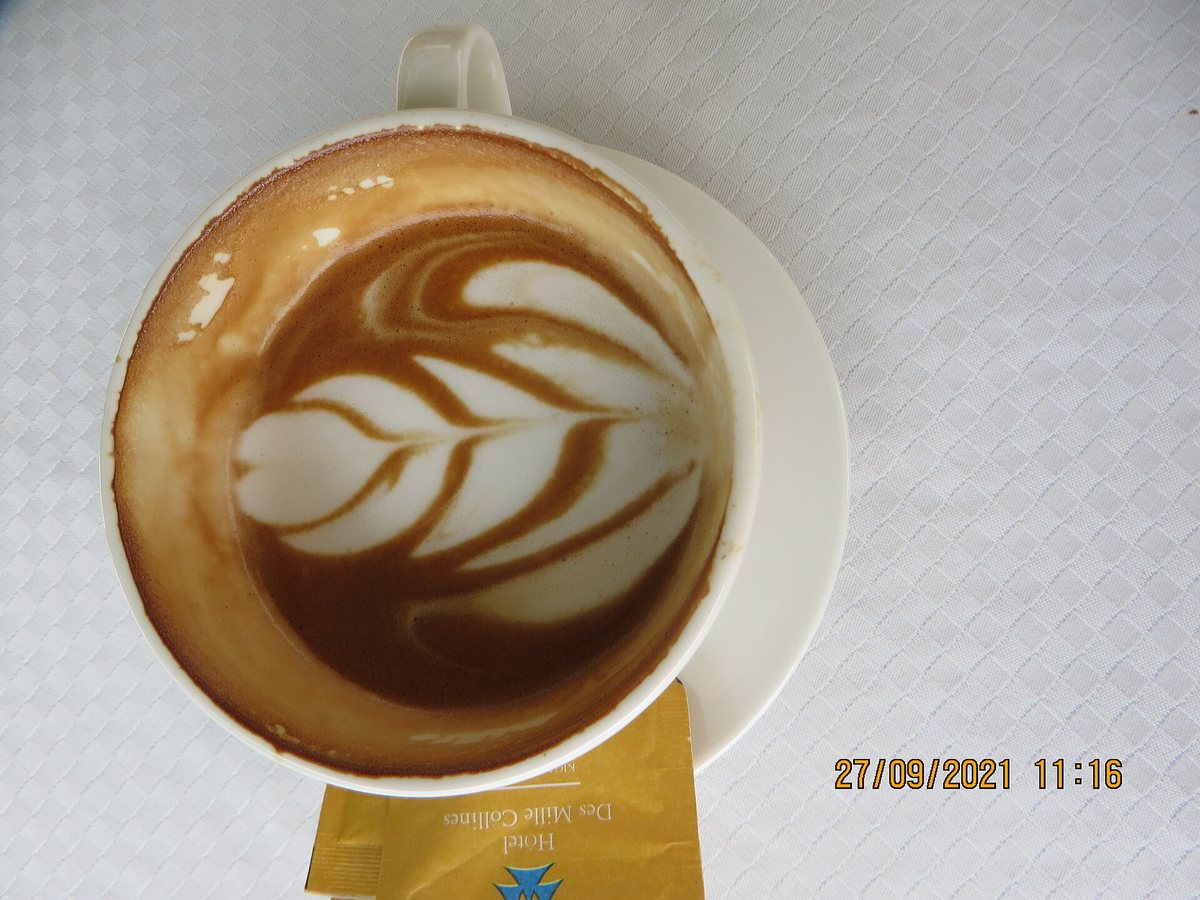
Fat coats your tongue and physically blunts your perception of bitterness — same reason a fatty sauce mellows a hot chili. It carries aroma and adds body, the weight-in-the-mouth that makes a latte feel like a meal. Protein does something sneakier: casein binds coffee’s tannins and polyphenols — the astringent, drying compounds — and drags them out of your perception. Milk doesn’t just dilute harshness, it genuinely removes some of it. And lactose is a mild sugar, so milk sweetens a little before you ever reach for the bowl.
- Whole milk is the default for a reason — enough fat for body, enough protein for microfoam.
- Skim foams more aggressively (protein makes foam, fat destabilizes it) but the foam is dry and bubbly rather than glossy, and the drink underneath is thin. A skim cappuccino is all hat.
- Half-and-half is my move in drip. Rich enough to change the texture of the cup, not just tint it.
- Heavy cream is a dessert. Wonderful, occasionally correct, not a Tuesday.
Why milk steams the way it does: the wand injects air, and the milk’s proteins unfold and wrap around those bubbles, stabilizing them into microfoam. Fat interferes with that scaffolding — the whole skim-vs-whole trade-off. Past about 165°F the proteins denature too far, the foam collapses, and it tastes of cooked eggs. Mechanics on the Espresso page.
Why coffee sometimes curdles milk. This gets blamed on the milk being off, and often it isn’t. Coffee is mildly acidic — roughly pH 5 — and milk’s casein curdles when the pH drops far enough. Fresh milk has the buffering capacity to shrug that off; older milk has already accumulated lactic acid, so it starts closer to the edge and coffee tips it over. Heat accelerates it, which is why it happens when you pour scalding coffee onto cold cream rather than the reverse. Fixes: fresh milk, pour coffee into the milk, let very hot coffee sit thirty seconds first. Cream curdles less because the fat gets in the way.
Non-dairy, honestly rather than with a sneer:
- Oat is the best in coffee, and not by accident — it’s engineered for the job. That’s what the “barista” versions are: added fat (usually rapeseed oil) for body and foam structure, plus acidity regulators, typically dipotassium phosphate, which buffers the pH so hot acidic coffee doesn’t split it. Plain oat in espresso is a coin flip; barista oat is reliable.
- Soy has the most protein, so it foams genuinely well, but it’s the most curdle-prone and brings a beany note some people can’t unhear.
- Almond is thin, splits easily, and argues with coffee rather than complementing it. My least favorite hot, perfectly nice iced.
- Coconut is unapologetic — you will taste coconut. In a dark roast, or anything with chocolate, that’s a feature.
Sugar and sweeteners
Sugar doesn’t only sweeten; it suppresses bitterness perceptually, so a spoon makes coffee taste less bitter rather than merely sweeter.
- White sugar disappears and leaves sweetness. Raw/demerara keeps a little molasses and brings a caramel-rum note worth having in a dark roast. Brown sugar is molasses-forward enough to be an ingredient rather than a sweetener.
- Simple syrup is the right answer for iced coffee, and it isn’t fussiness — granulated sugar simply doesn’t dissolve in cold liquid. You’ll stir for a minute and still find grit.
- Honey is floral and assertive enough to fight a delicate bean; lovely in a dark roast. Maple is the same story with more restraint, and belongs in cold brew.
- Artificial sweeteners — straight rather than snobbish: they sweeten without calories, and most have a lingering finish and no body, so the drink can read thin. Sucralose holds up in heat; some others degrade. If they get you drinking coffee you enjoy, that’s the objective.
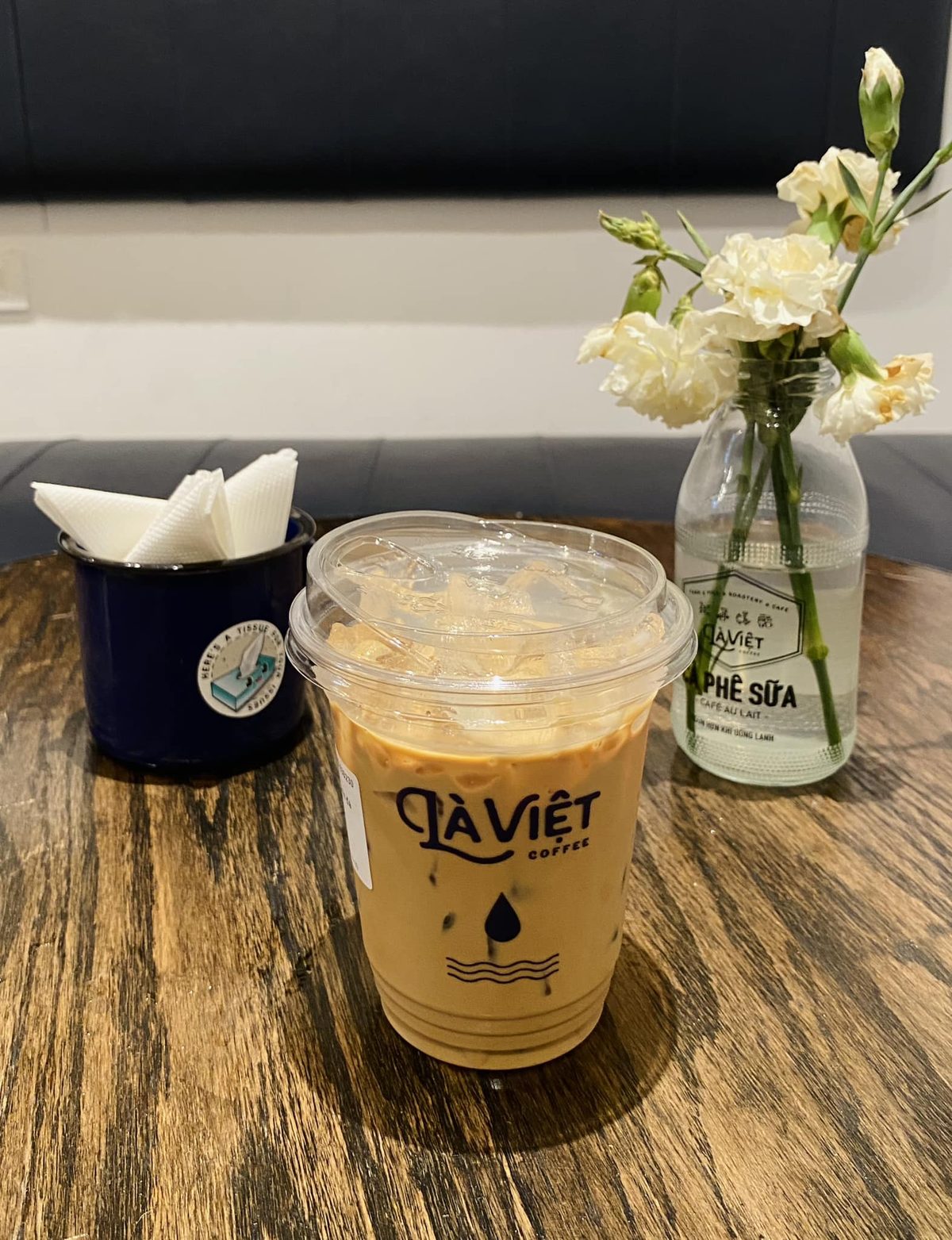
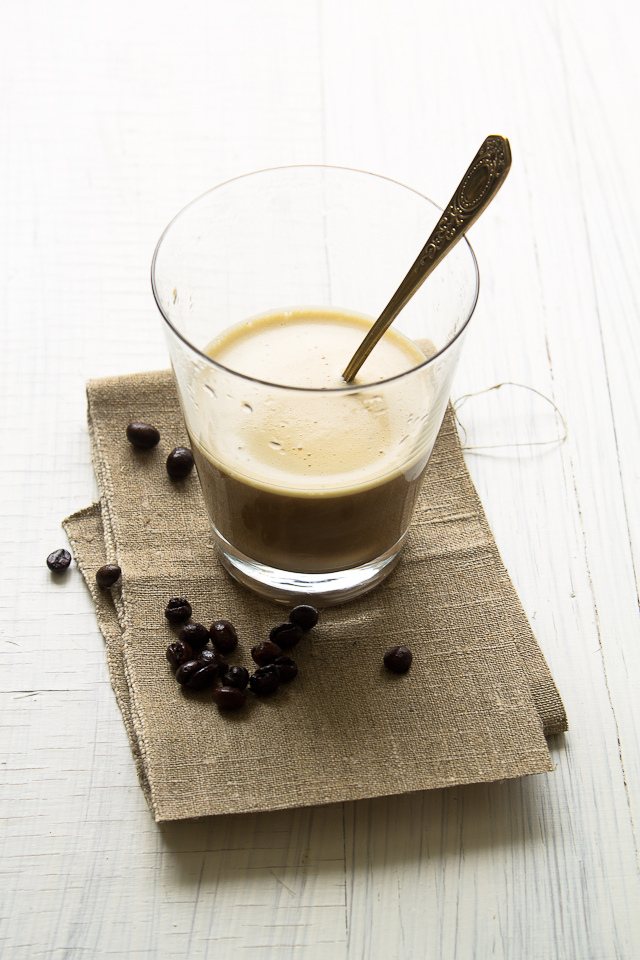
Sweetened condensed milk is the great one — not a sweetener so much as a philosophy. Milk cooked down with sugar until it’s thick, tan and shelf-stable, invented for a world without refrigeration, which is exactly why it colonized hot countries. In Vietnam I drank cà phê sữa đá every morning, and the whole drink is an argument: a phin, that little metal drip filter, sits on the glass and drips fierce dark robusta slowly onto a pool of condensed milk waiting at the bottom. Robusta is bitter and heavy and high in caffeine; condensed milk is sweet and thick. Each is too much alone and together they’re perfect. You stir the sweet layer up through the black, pour it over ice, and it’s the best thing anyone has devised to drink at 95°F and 95% humidity. It works because it’s thick — body and sugar in one move, where sugar alone leaves a thin drink.
Evaporated milk is condensed milk’s unsweetened sibling — same concentration, no sugar — and it’s the traditional coffee milk across much of the world for the same shelf-stability reason. More body than fresh milk and a faint cooked-caramel note; there’s a whole ingredient page on evaporated milk.
Salt — the one that sounds like a joke
A pinch of salt in coffee is real, it’s old, and it works. Sodium suppresses the perception of bitterness — the same reason salt on a grapefruit makes it taste sweeter. The salt doesn’t remove anything; it turns down the bitter channel, and everything else gets louder by comparison.
It comes from people who needed it: sailors, percolator coffee stewing all morning, cowboy coffee boiled in a pot with the grounds still in it. All of those produce over-extracted, aggressively bitter coffee, and a pinch of salt makes it drinkable. There’s a claim it helps the grounds settle too, which is plausible but not the reason to do it.
The dose is tiny — a few grains for a full pot, well under what you’d taste as salty. If you can taste salt, you’ve ruined it. Try it on a cheap dark roast or the last cup out of a carafe that’s been sitting, which is where it earns its keep. Somebody who cures his own bacon and makes his own Worcestershire finds this unsurprising: salt is the most powerful flavor lever there is, and it barely ever announces itself.
Fat — butter, ghee, and honest talk
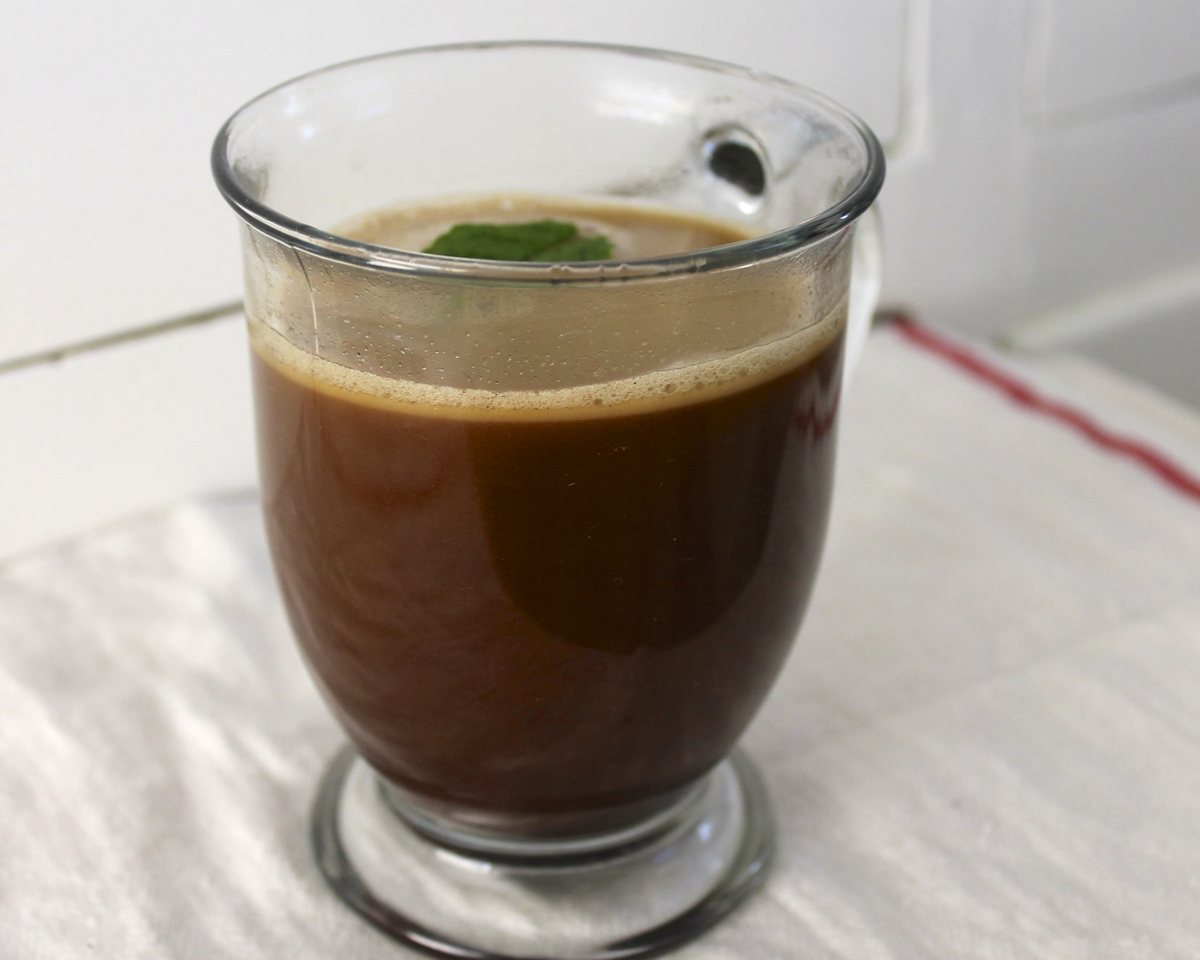
Blending butter or ghee into coffee produces something genuinely good: emulsified fat gives an almost creamy-soup texture that’s satisfying in a way black coffee isn’t. If you like it, drink it.
What I won’t do is repeat the marketing. “Bulletproof”-style coffee is sold on claims about mental clarity and metabolic advantage far stronger than the evidence behind them. The honest description: it’s coffee with a couple hundred calories of fat in it, it’s filling because fat is filling and slow to digest, and the caffeine does what caffeine always does. If it replaces breakfast and you like it, fine — just count it as breakfast, because that’s what it is.
Spices
-
Cinnamon reads as sweet without sugar, so it makes an unsweetened cup taste less austere. A stick in the pot beats powder floating on top.
-
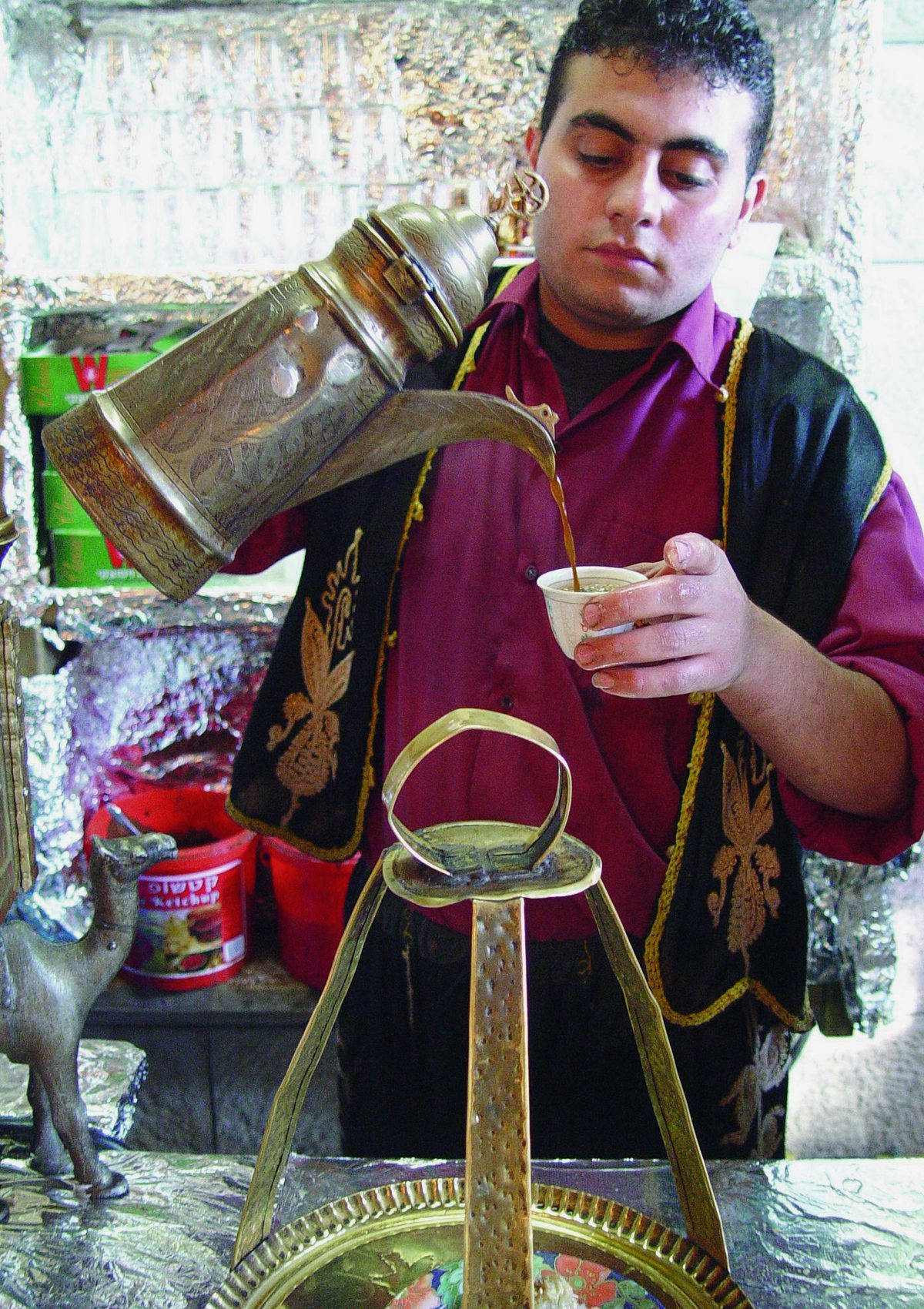
Cardamom is the great one. Arabic and Gulf qahwa is lightly roasted coffee ground with a serious quantity of green cardamom, boiled, and served with dates in tiny handleless cups from a long-spouted dallah — pale gold, aromatic, closer to a tea than to what most Americans mean by coffee. It’s built around hospitality; a host keeps pouring until you tilt the cup. Cardamom’s eucalyptus-citrus lift against the roast is one of the best pairings in the world.
-
Turkish coffee goes another way: ultra-fine grounds simmered in an ibrik/cezve, poured grounds and all, frequently with cardamom and sometimes mastic — a resin from the Greek island of Chios that tastes faintly of pine and cedar and is unlike anything else in a kitchen.
-
Nutmeg, clove, star anise, orange peel all work in small doses, and all belong in the grounds rather than the cup. Vanilla rounds and sweetens perception without sugar — a split bean in the grounds is a quiet luxury. Cocoa fits so naturally it gets its own section over on Cooking With Coffee.
-
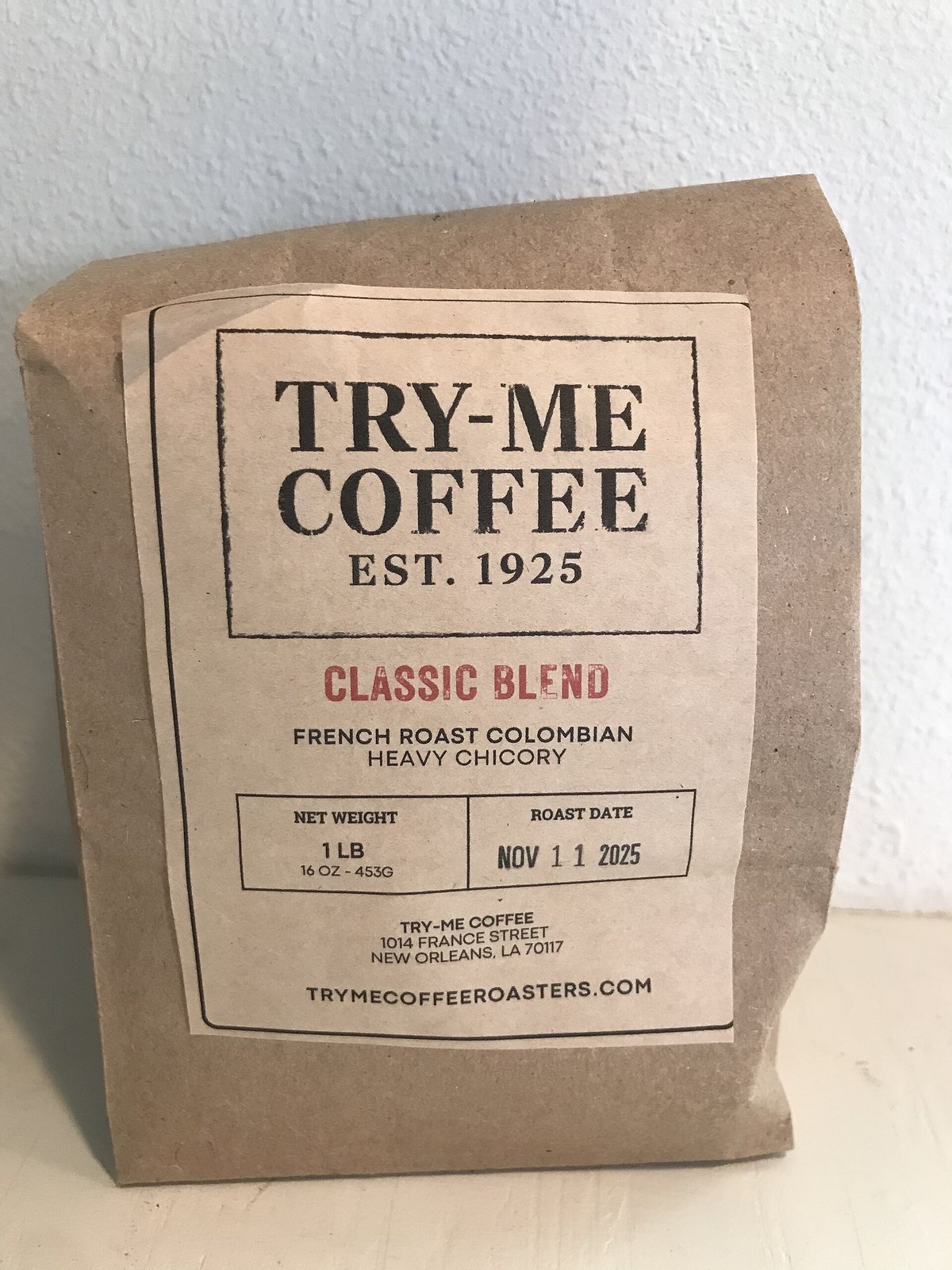
Chicory is the interesting one: a roasted, ground root — not coffee, no caffeine — that brews dark and bitter with a woody, faintly sweet note. New Orleans took to it out of scarcity. Chicory had long been used to stretch coffee in France, and during the Civil War blockade of the port, coffee was scarce and chicory stretched what there was. The honest part is why it stuck after the coffee came back: people had gotten to like it. It adds body and a roastiness that stands up to hot milk, which is why café au lait there is half chicory coffee and half scalded milk, and why it tastes like nothing else.
Booze
Irish coffee — hot coffee, Irish whiskey, sugar, and unwhipped cream floated on top through a
spoon so you drink through it. The usual story: Joe Sheridan, a chef at the flying-boat terminal at
Foynes, invented it in the 1940s for cold, miserable passengers off a diverted transatlantic
flight; a travel writer named Stanton Delaplane later carried it to the Buena Vista in San
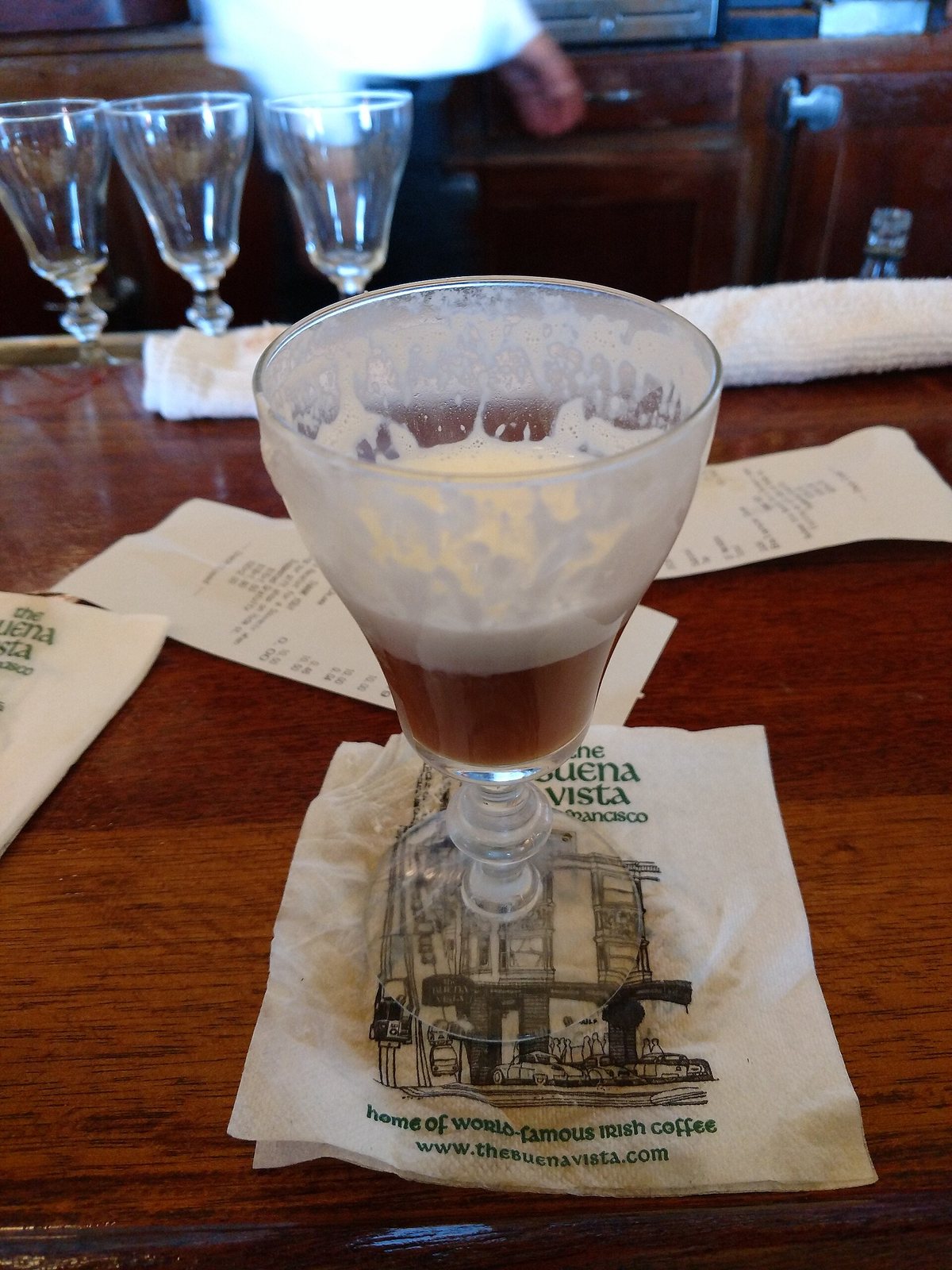
Francisco, which perfected the float and has poured it by the millions since. The Buena Vista’s part is well documented. The Foynes origin is the traditional account, repeated everywhere, but it’s the kind of tidy invention story that deserves a raised eyebrow — treat it as tradition rather than record. The drink is excellent regardless.
- Caffè corretto — an espresso “corrected” with a splash of grappa or sambuca, drunk standing at the bar in Italy. Exactly as good as it sounds.
- Carajillo — the Spanish, and now emphatically Mexican, version: espresso with liquor, the modern Mexican standard being espresso shaken over ice with Licor 43.
- Kahlúa and Baileys are the household versions, and there’s no shame in either.
- Coffee and whiskey belong together in dessert too — my Jack Daniel’s Tipsy Cake is the same idea with a fork.
Egg
Two unrelated traditions, both brilliant.
Scandinavian egg coffee — big in Norwegian-settled parts of the Midwest, where it’s church-basement coffee for a hundred people. You mix a raw egg, shell and all, into the dry grounds, dump that slurry into boiling water, and after a few minutes the whole mass collects and you pour off startlingly clear, remarkably smooth coffee. Why it works is real chemistry: the egg proteins coagulate and bind up both the fine particles and the tannins, carrying them to the bottom in a raft — the same principle as clarifying a consommé with egg white. Almost no bitterness, no sediment, which is exactly what you want when you’re brewing five gallons and can’t dial anything in.
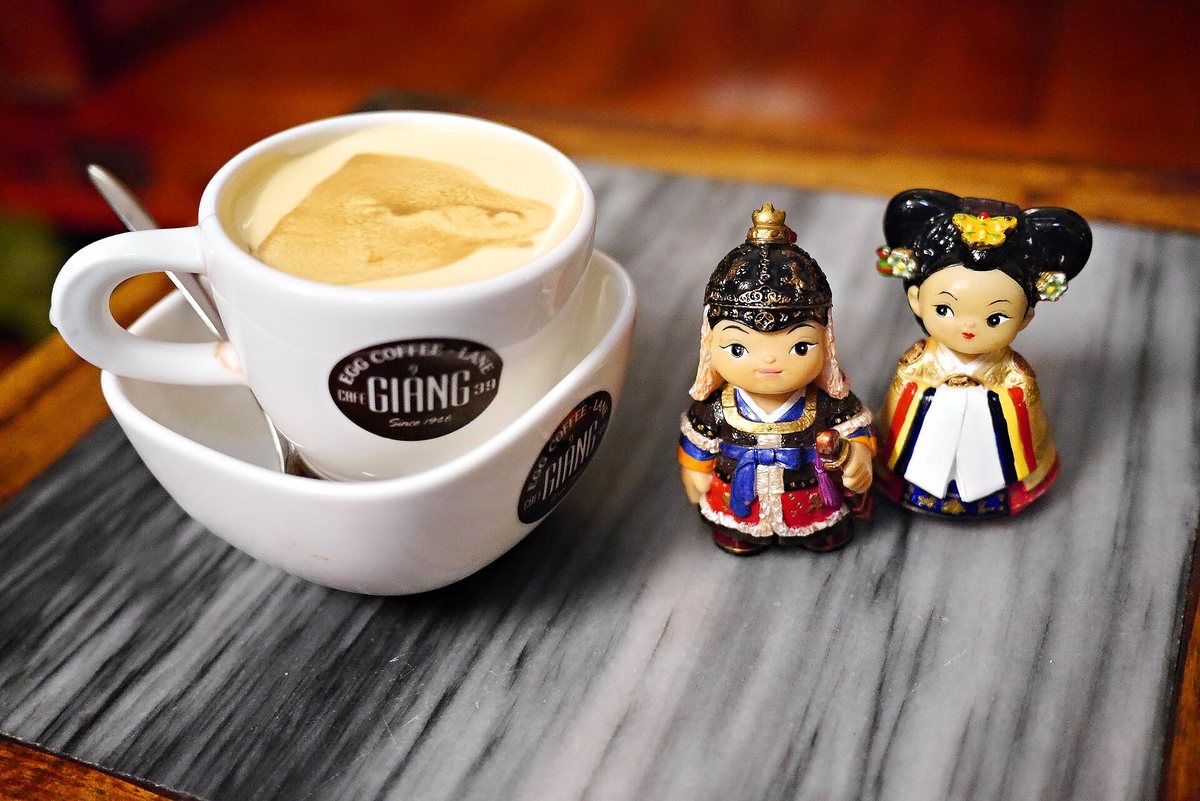
Vietnamese egg coffee — cà phê trứng — is the opposite of clarification. In Hanoi it’s an egg yolk whipped with condensed milk into a warm, sweet, meringue-custard cloud floated on strong dark coffee. You spoon and sip at once. It drinks like a tiramisu you can hold, and it came out of a milk shortage — someone needed something rich for coffee and reached for eggs. Necessity again.
The world tour
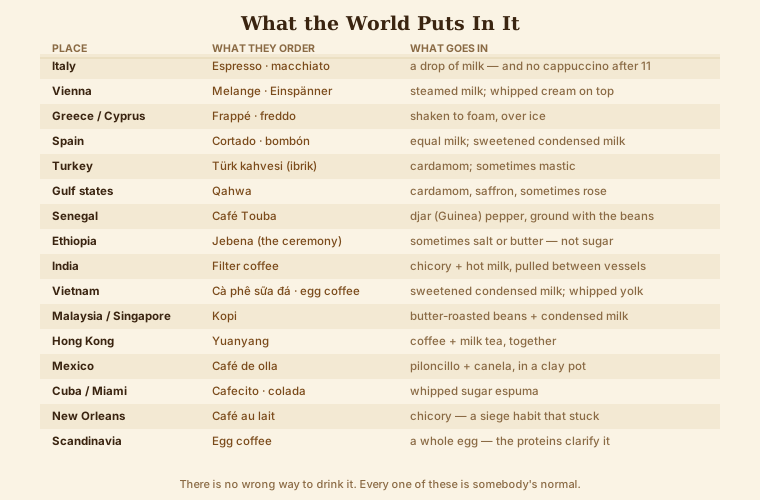
The clearest way to see how much of this is climate and history rather than fussiness:
- Italy — espresso, standing, in ninety seconds. A macchiato is a shot “marked” with a dot of foam. And yes, cappuccino is a morning drink; the convention is you don’t have one after about eleven. Nobody will arrest you. They’ll just clock you.
- Vienna — the coffee house as an institution, with an actual menu of names. A Melange is coffee with steamed milk and foam; an Einspänner is black coffee under a thick cap of whipped cream, named for the one-horse carriage — a driver had one hand on the reins, and the cream kept the coffee hot.
- Greece and Cyprus — frappé, instant coffee shaken with water and ice into a tall foam, an accidental 1950s invention that became a national habit; plus freddo espresso and freddo cappuccino, the espresso-based versions with cold whipped milk foam.
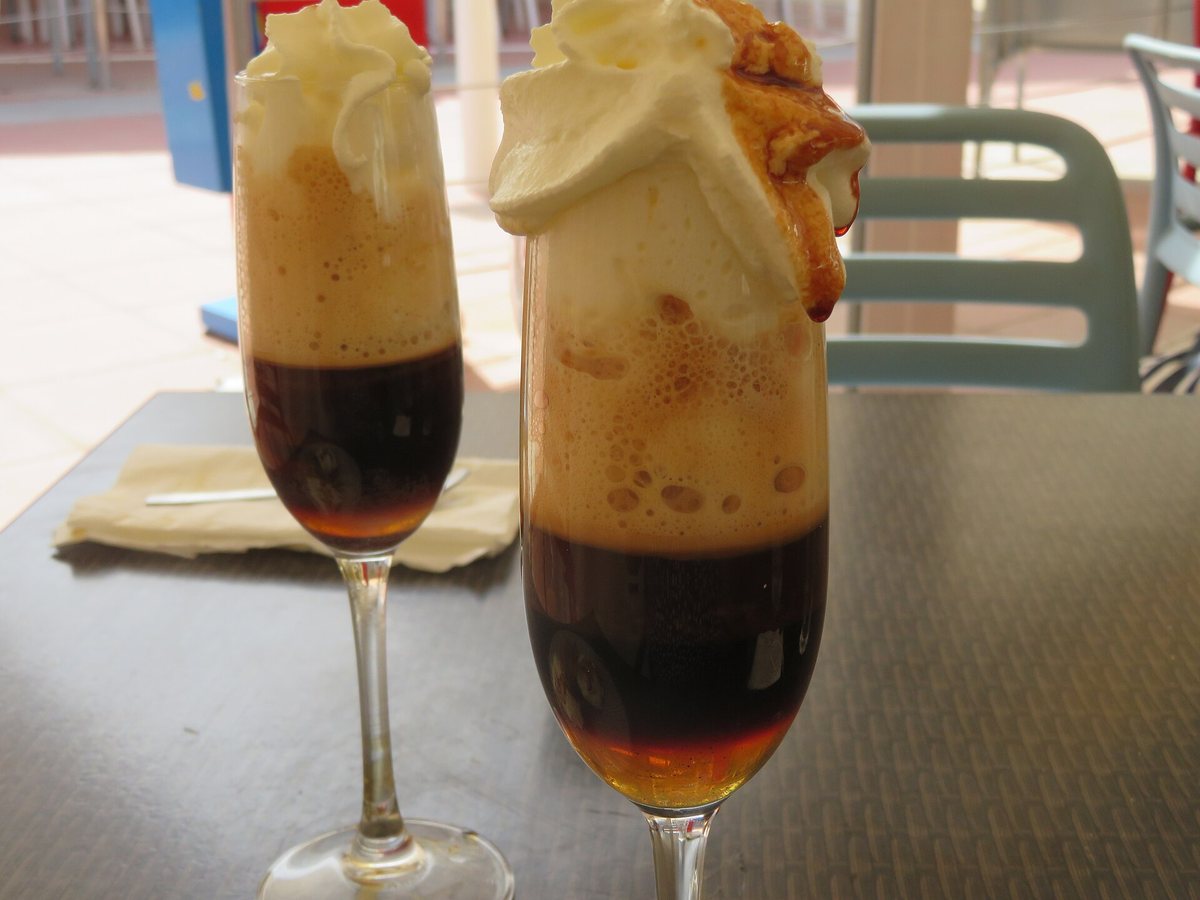
- Spain — cortado, espresso cut with a little warm milk; and café bombón, espresso poured over condensed milk so it layers dark over pale. Condensed milk again. Portugal has the bica, their espresso, and the galão, a tall milky one in a glass.
- Mexico — café de olla, brewed in an unglazed clay olla with piloncillo (raw cone sugar) and canela (soft Mexican cinnamon), sometimes clove or orange peel. The clay pot is part of the flavor. It tastes like a place.
- Cuba / Miami — the cafecito: the first dark drops of the shot whipped violently with sugar into a pale foam, the espuma, then the rest of the shot pulled up through it. A colada is a big one in a foam cup with a stack of little plastic tacitas to hand around. I’ve had it in a Miami walk-up window, and the sharing is the whole point.
- Hong Kong — yuanyang, coffee and milk tea mixed, named for the mandarin duck because the birds pair for life. Sounds like a mistake, is a great drink.
- Malaysia and Singapore — kopi, its own universe. The beans are wok-roasted with sugar and margarine or butter, caramelized onto them into a dark, thick, faintly smoky brew, sock-filtered over condensed milk. And there’s an entire ordering language: kopi is with condensed milk, kopi-o is black with sugar, kopi-c uses evaporated milk, kosong means no sugar, peng means iced — and you stack them, so kopi-c-kosong-peng is a complete, precise sentence. The most efficient menu on earth.
- Senegal — café Touba, roasted with djar (Guinea pepper / grains of Selim) for a warm, peppery, almost clove-like heat. Sweet, strong, poured from height, sold from carts.
- India — filter coffee, dripped slowly through a two-chamber metal filter into a strong decoction (usually with chicory in the blend), then mixed with hot milk and sugar and poured back and forth between a dabarah and a tumbler from a height. That pour isn’t showmanship — it cools, mixes, and builds the froth.
- Turkey and Greece — the ibrik/cezve, the oldest surviving method here: finest grind, unfiltered, sugar decided at brewing rather than at the table, grounds settling in the cup. Then someone reads them.
A calm word on caffeine
Since we’re cataloging what goes in the cup, the thing already in it deserves honesty rather than panic or hype. Rough numbers — variety, roast, dose and brew all move them:
- An 8 oz cup of drip runs about 80–100 mg.
- A shot of espresso runs about 60–75 mg.
So the most persistent myth in coffee is backwards: a mug of drip usually has more caffeine than a shot of espresso. Espresso is concentrated, not large — per ounce it’s far stronger, per serving it usually isn’t. Dark roast isn’t stronger either; roasting burns off a little caffeine, so if anything a light roast has marginally more. “Strong” in everyday speech means “tastes bold,” which is a roast question, not a caffeine one. Robusta does carry roughly twice the caffeine of arabica, which is part of why Vietnamese coffee hits the way it does. And decaf is not zero — decaffeinated, not caffeine-free, typically around 2–5 mg a cup.
Beyond that I won’t tell you what coffee does to your health, because the research is genuinely mixed, it changes, and I’m a cook rather than a doctor. Caffeine is a stimulant, it has a half-life of several hours so an afternoon cup is a real decision about your night’s sleep, and tolerance varies enormously. That’s the honest extent of it.
Drink it how you like it
I’ve watched a Senegalese cart pour peppered coffee, an Italian knock back an espresso without sitting down, and a guy in Miami hand out little plastic cups of colada to everybody in the shop. Not one of them was doing it wrong. Almost every “addition” here started as a solution — to a bitter bean, a hot climate, a blockade, a shortage, a long cold night — and stayed because it was delicious.
So taste your bean black once, learn what the additions actually do, then build your cup however you want it. The only bad cup of coffee is the one you didn’t enjoy.
Next, where all of this ends up on the stove: Cooking With Coffee.
Comments (0)