Coffee · 8 of 35
Cleaning and Descaling: Kettles, Brewers, Presses and Airpots
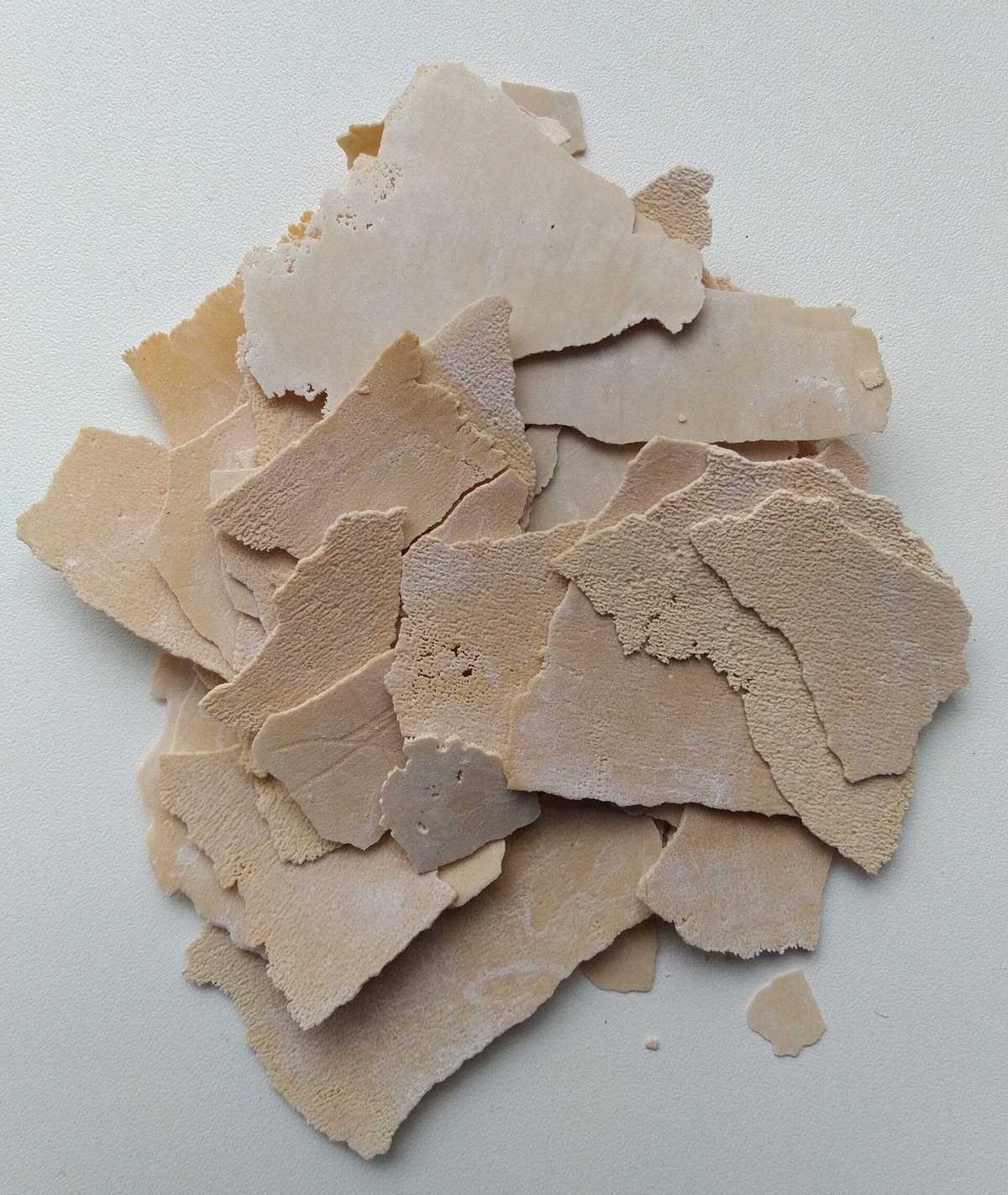
Two kinds of dirt ruin coffee equipment, and they need opposite cures. Scale is rock: the minerals in the water, left behind on hot metal. It needs an acid. Coffee oil is fat: it coats every surface the brew touches and turns rancid. It needs a detergent. Most cleaning mistakes are using the right cleaner on the wrong problem, or a cleaner the maker says will harm the machine.
This page goes device by device through what the makers themselves say, which cleaners do what, how often a home kitchen, a market stall and a shop need to do it, and what Michigan’s food code asks of a stall. Grinders have their own cleaning section on Grinding; espresso machines are covered briefly here and in full on Espresso. I own a temperature-controlled kettle, a pour-over set, a French press, a phin and a burr grinder, so most of what follows is my own kitchen’s list.
The short version
| Device | After every use | Deeper clean | Descale | Do not |
|---|---|---|---|---|
| Electric kettle | Empty it; do not leave water standing | — | When you see scale; monthly on hard water. Citric acid or the maker’s descaler | Use anything but water and descaler inside |
| Water boiler (Zojirushi type) | — | — | Citric acid every 1–3 months (Zojirushi) | Use fresh-squeezed lemon (pulp jams the pump) |
| Drip machine | Wash carafe, basket and any reusable filter | Monthly | Every 3 months, or every ~100 brews, sooner on hard water | Use vinegar if the maker says not to (Moccamaster does) |
| French press | Empty, rinse, wash; take the filter apart now and then | Weekly, filter apart | Rarely needed | Leave wet grounds in it overnight |
| Pour-over (cone, Chemex) | Rinse; wash with soap | Weekly; a Chemex goes in the dishwasher with its collar off | Not needed | Put the wooden collar in water |
| Moka pot | Rinse with water only; dry apart | Replace the gasket when it hardens | Rarely; see below | Use soap or the dishwasher on aluminium (Bialetti) |
| AeroPress | Pop the puck, rinse | Weekly with lukewarm water and gentle soap | Not needed | Push hard |
| Phin | Rinse; dry apart | Weekly with soap | Not needed | Leave it wet and assembled |
| Airpot / thermal carafe | Rinse; leave open to dry | Daily in a business: cleaner through the liner; weekly lid and tube | Occasionally | Dishwasher; submerging the whole pot; leaving chlorine in it |
| Cold-brew vessel | Wash, dry | Replace cloth or felt filters | Not needed | Leave concentrate sitting at room temperature |
| Grinder | Brush | See Grinding | — | Water on steel burrs |
| Espresso machine | Purge and wipe the steam wand; rinse the portafilter | Backflush with detergent, weekly at home and nightly in a shop | On the maker’s schedule, or never with treated water | Run straight distilled water |
Scale: rock from water
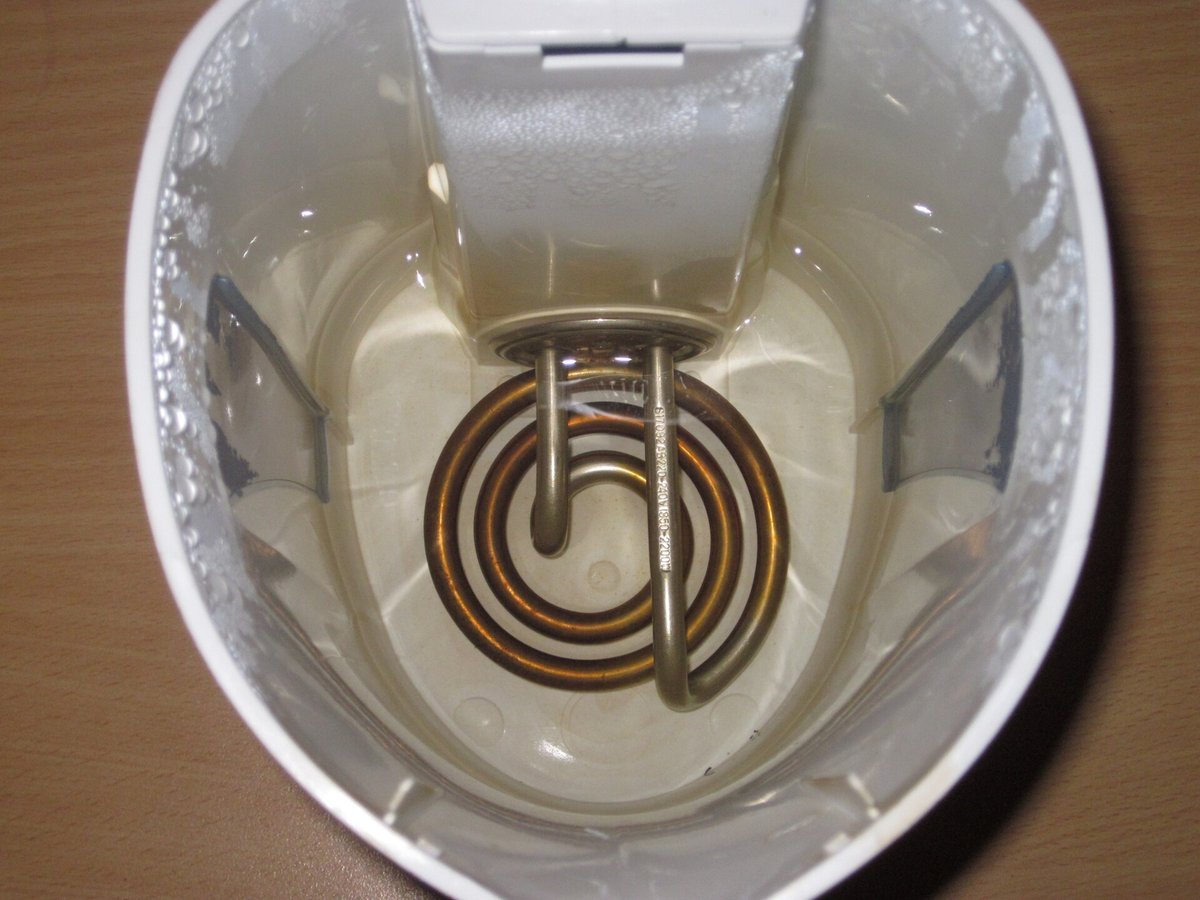
Tap water carries dissolved calcium and magnesium (its hardness) and bicarbonate (its alkalinity). Heat drives the bicarbonate off as carbon dioxide, and the calcium comes out of solution as calcium carbonate, which is limescale. That is why water that stays clear in a pipe for years crusts a kettle in weeks: the deposit forms where the water is hottest. Water gives the chemistry (the Langelier index) and a measure of how much: at 100 drinks a day, water on the SCA water chart’s scale lines leaves 110, 365 or 730 grams of scale a year.
Why it matters, in order of how soon it bites:
- Flakes in the cup. Harmless, and unpleasant.
- Slower, cooler water. Scale insulates the element from the water. A kettle takes longer to boil; a drip machine delivers water cooler than it should, and cool water is one of the causes of a thin, sour cup (Troubleshooting).
- Blocked spray heads and tubes. A drip machine’s shower clogs and dribbles onto one spot of the coffee bed instead of wetting all of it.
- Dead machines. In an espresso machine, scale on the element makes it run hotter until it fails, and scale on the level probe makes the machine misread its own water (Espresso).
How fast depends on your water. Soft water (under about 60 ppm hardness, the USGS scale) barely scales; very hard water (over 180) scales fast. Moccamaster says it plainly: “if you live in an area with harder water, scale will build up quicker, and you’ll want to descale more frequently.” Find your hardness on your utility’s annual water report, or test a well (Water).
Prevention beats cure. Brewing water at the SCA’s recommended hardness and alkalinity scales slowly, and treated water in a shop is cheaper than descaling and replacing elements. Water treatment is on Water. Descaling is what to do once scale is there.
Coffee oil: the rancid layer
Coffee is oily. Every brewer, carafe, airpot and grinder slowly collects a brown film of coffee oil and fine particles, and that film oxidises. The cleaner maker Urnex puts the consequence this way: coffee’s oils build up into a rancid residue that causes odours, clogs filters and tubes, and spoils flavour well before the machine shows any other problem. Mazzer says the same of grinders: old grounds and oil “can make the beverage taste slightly rancid” (Grinding).
Two things follow:
- A stale taste can come from the equipment, not the beans. A thermal carafe that is only ever rinsed will give the first cup of every pot an old-coffee edge.
- Acid does not remove oil. Running a descaler through a machine does nothing for the oil film in the carafe or the basket. Oil needs a detergent: dish soap at home, a coffee-equipment cleaner for anything that cannot be scrubbed.
Which cleaner does what
| Cleaner | What it is | Removes | Notes |
|---|---|---|---|
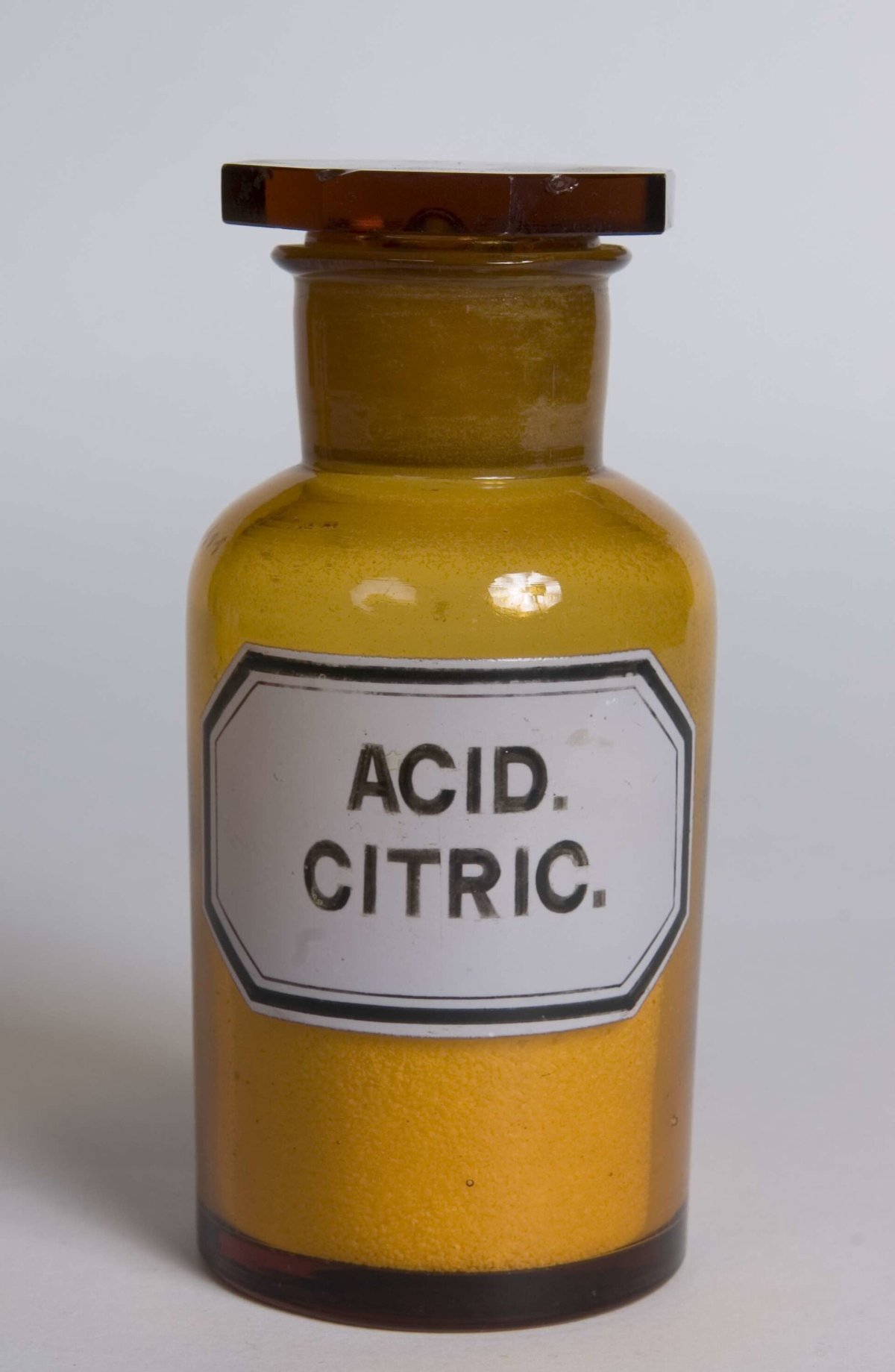
| Citric acid | A food acid, sold as a white powder | Scale | The active ingredient in most coffee-maker descalers, including Urnex’s Dezcal and Zojirushi’s own sachets. Odourless and rinses away. |
| Lemon juice from concentrate | Citric acid in a bottle | Scale | Zojirushi allows ½ cup in place of its sachet; not fresh-squeezed, because the pulp can jam the pump. |
| White vinegar | About 5% acetic acid | Scale, slowly | Makers disagree; see below. Smells, and needs extra rinsing. |
| Commercial descalers | Formulated acids, usually citric | Scale | Urnex’s home Coffee and Espresso Machine Descaling Powder is $9.99 for three 28 g packets (as of October 2026); the commercial Dezcal powder is $29.99 for 900 g. |
| Coffee-equipment detergent | An alkaline cleaning powder | Oil | Urnex Cafiza, $16.99 for 566 g: up to ½ tsp (3 g) to backflush an espresso group; 6 g per litre of hot water for a 30-minute soak of parts. |
| Dish soap | Mild detergent | Oil | Fine for anything you can reach with a brush and rinse well. Not for a moka pot, by Bialetti’s rule. |
| Brew-through cleaning tablets | Detergent in tablet form | Oil, inside airpots and brewers | Run through a brewer into an airpot; the Newco manual’s method below. |
| Chlorine bleach | Sanitizer | Kills microbes; does not remove scale or much oil | A food-business sanitizer at the right strength (below). Airpot makers say not to let it stay in the tank. |
Vinegar: why makers disagree
The makers split down the middle, and it is worth seeing who says what.
- For: Mr. Coffee tells owners to fill the reservoir with “around half as much vinegar as you have water,” brew, let it sit 15 to 30 minutes, then run two cycles of plain water.
- Against: Moccamaster: “We don’t recommend using vinegar to descale; it’s not strong enough to break down mineral buildup. In addition, it can leave a lingering odor and aftertaste in your future brews.” Bialetti says the same of its machines, because “its smell is persistent.”
- In between, and with something to sell: Urnex concedes that “vinegar is an effective descaler” but says “it is difficult to rinse, takes longer to be effective and leaves behind an unpleasant odor and aftertaste.”
The honest reading: vinegar dissolves scale, slowly, and it is cheap; it lingers in plastic tanks and tubes; and some makers say no to it in their manuals. Follow your machine’s manual. Where the manual says nothing, citric acid does the same job faster and without the smell.
Device by device
Electric kettles
The Fellow Stagg EKG manual, for one of the most common pour-over kettles, says only to “use a scale/lime remover and follow its manufacturer’s directions.” Most kettle manuals say little more. A routine that fits them:
- Empty the kettle after use and leave the lid open. Water left standing deposits more each time it is reheated.
- When scale shows, fill to the max line with water and a descaler (a coffee-maker descaling packet, or citric acid), bring it to the boil, switch off, and leave it to work for 15 to 30 minutes (the soak time Mr. Coffee gives for its machines).
- Pour it out, rinse, then boil a full kettle of clean water and throw that away too.
- Wipe the outside only. Never put an electric kettle base in water.
Kettle makers do not publish a gram-per-litre figure for plain citric acid. Zojirushi’s own substitute, ½ cup of lemon juice concentrate in its 4-litre boilers, works out to about 2 tablespoons per litre; that is arithmetic from Zojirushi’s figure, not a kettle maker’s instruction.
Hot-water boilers
Zojirushi’s instruction for its water boilers, in full outline: clean “every 1 to 3 months” with its citric acid cleaner or citric acid; dissolve one packet in warm water, pour it in, fill to the maximum line, then hold the REBOIL button for three seconds to start the descaling mode; empty it from the side marked “EMPTY FROM HERE”; then boil clean water, dispense a cup, cool and empty “to remove the smell of citric acid.” Its substitute is “1/2 cup of lemon juice from concentrate. Do not use freshly squeezed lemon juice as it may get caught in the pump.”
A boiler at a market stall, filled at a boil every market day on Hot Water and Power, will need the monthly end of that range on hard water.
Drip machines
Moccamaster’s schedule and method stand in well for any good drip machine:
- How often: “around every 100 brews, or whenever you come to the end of a box of filters,” and more often on hard water. Urnex’s home descaler says every three months.
- How: dissolve the descaler in 32 oz of warm water in a separate jug (never powder straight into the reservoir), pour it into the reservoir, brew without a filter, discard, then run three cycles of clean water.
- Every day: wash the carafe, the brew basket and any reusable filter. Mr. Coffee: clean “the coffee carafe, reusable coffee filter (if you’re using one), and any other removable coffee accessories and parts after every use,” and deep clean “once a month.”
- The spray head: wipe it when the machine is cool. A dribbling, uneven shower is often scale.
French press
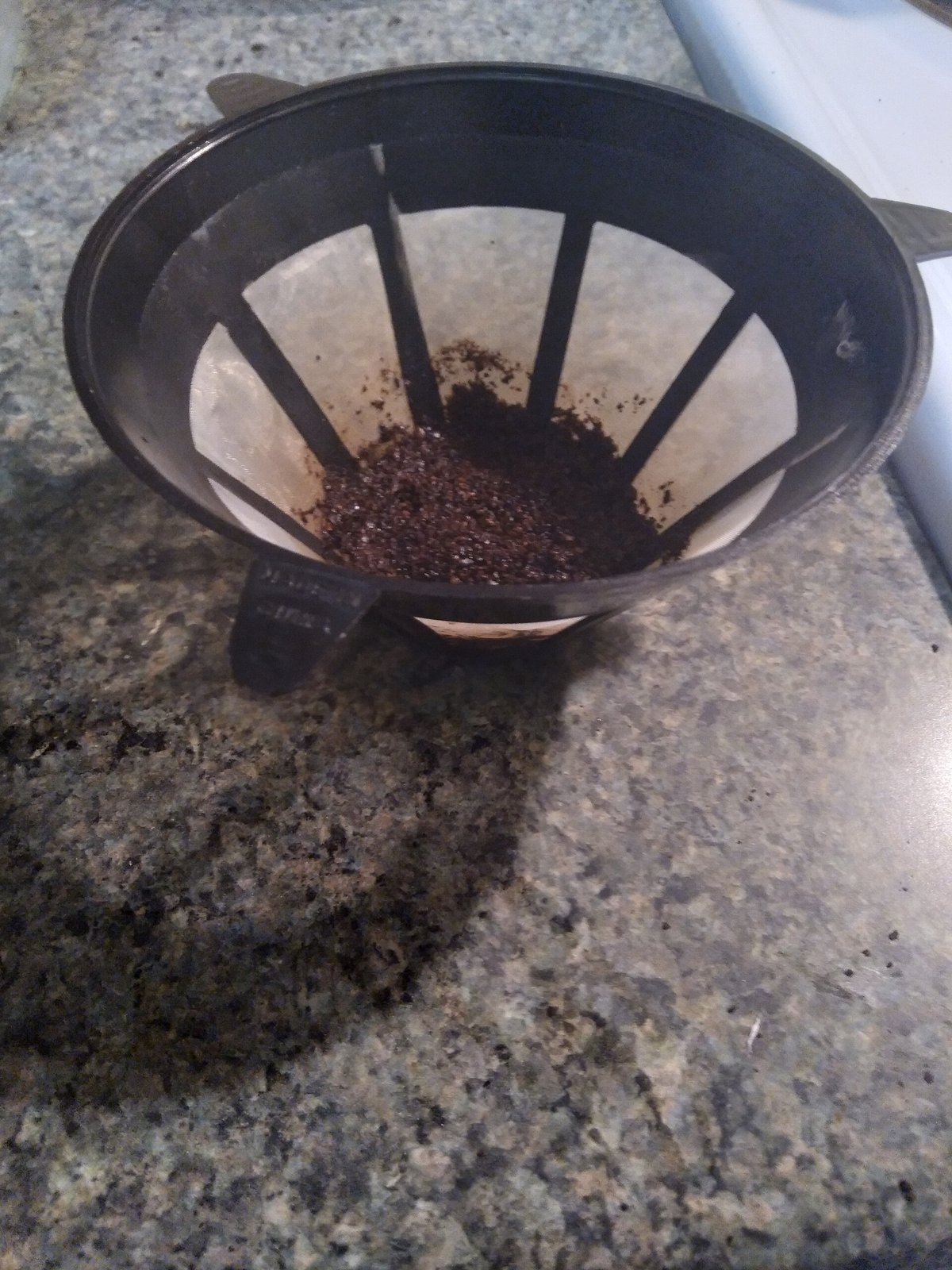
The press is the easiest thing here to keep clean and the easiest to neglect, because the mesh filter traps grounds and oil in its layers.
- Every use: tip the grounds into the compost or bin (not the sink drain), rinse, and wash the beaker and plunger with dish soap.
- Weekly: on most presses the mesh, spiral plate and cross plate unscrew from the plunger rod. Take them apart, wash each layer, and dry before reassembling. Old coffee in the mesh layers is where a press’s stale taste comes from.
- Glass beakers crack from thermal shock; do not pour cold water into a hot one.
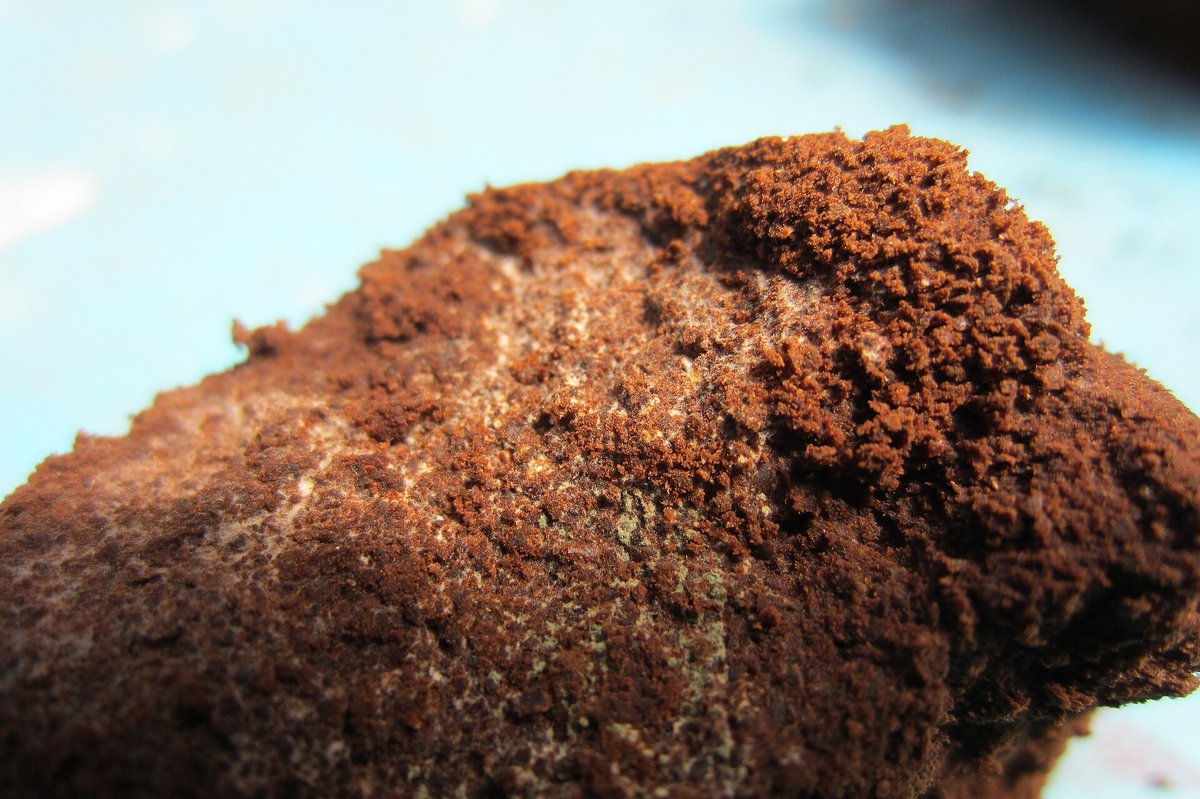
- Never leave wet grounds in the press overnight. Wet coffee grounds grow mould within days.
Pour-over cones and the Chemex
- Rinse the paper filter with hot water before brewing. It warms the brewer and washes out paper taste.
- Cones (ceramic, glass, plastic or metal) need soap and water after use. Plastic stains; a soak in a coffee-equipment cleaner brings it back.
- The Chemex: “The glass coffeemakers can be put into the dishwasher once the collar and rawhide are removed,” says Chemex, or washed by hand with “warm soapy water” and a brush. The wooden collar stays dry.
Moka pot
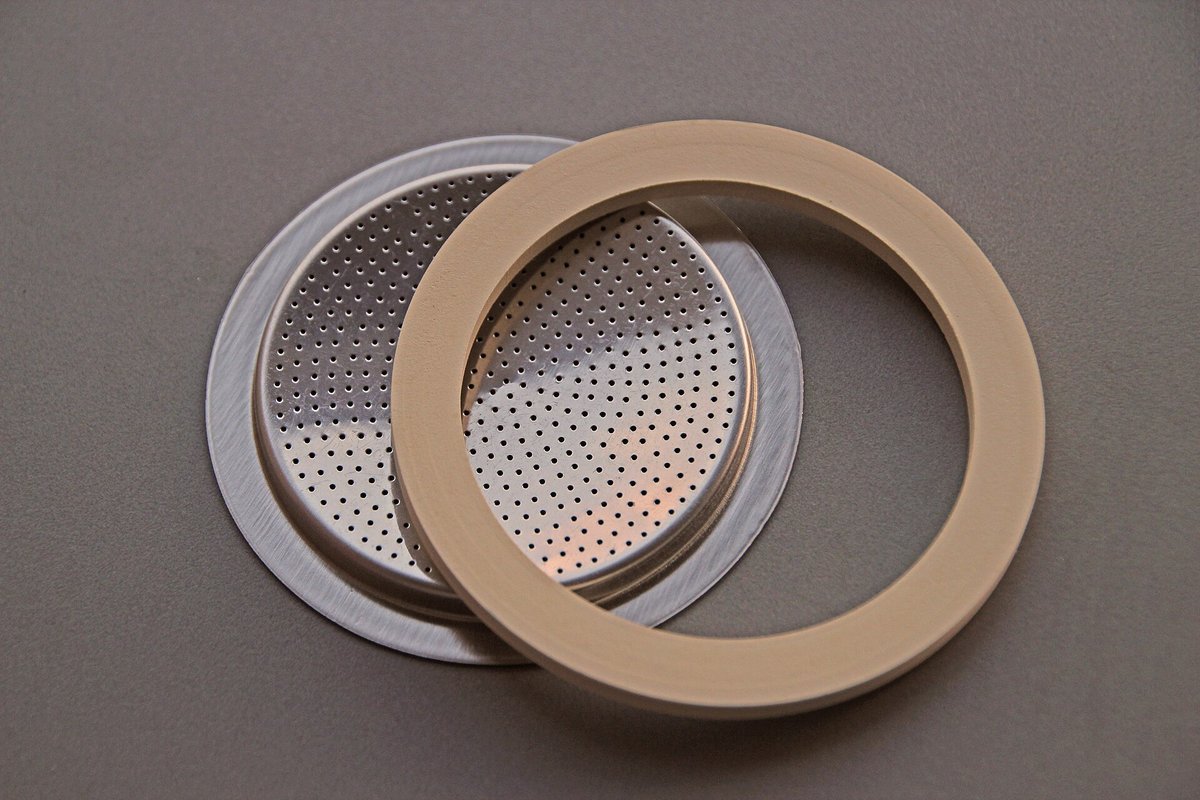
The Moka Express is aluminium, and Bialetti is firm about it: it “should only be rinsed with water after use. Do not use detergents. The product must not be washed in the dishwasher, as this may damage it and alter the taste of the coffee.”
- Every use: let it cool, take it apart, rinse all three pieces, and leave them apart to dry fully before screwing it back together.
- The gasket and filter plate are spare parts. A gasket that has gone hard, cracked or flattened lets steam leak at the thread; replace it.
- The safety valve on the base should move freely. Keep it free of scale.
- Scale in the base: on hard water a white crust forms in the boiler. Bialetti’s product page gives no descaling instruction for the moka. Filling it with filtered water prevents most of it.
- Stainless-steel mokas are a different metal; follow their own manuals.
The darkened inside of an old aluminium moka is often called seasoning. Whatever it is called, Bialetti’s instruction is water only, and that rules out scrubbing it off with soap.
AeroPress
AeroPress: after pressing, push the puck out over the bin, “Discard Paper Filter and rinse Filter Cap and coffee press. Clean with lukewarm water, gentle soap, and a gentle cloth every week.” The stainless-steel model “is dishwasher-safe” (AeroPress FAQ).
Phin
A phin is four pieces of stamped metal: the plate, the chamber, the press and the lid. No maker’s cleaning instruction exists in English. Treat it like any metal brewer: rinse after use, take it apart, wash with soap weekly, and dry it apart. The holes in the base plate block with fines; a soak in hot water and a soft brush clears them. An aluminium phin, like an aluminium moka, is better kept out of the dishwasher.
Airpots and thermal carafes
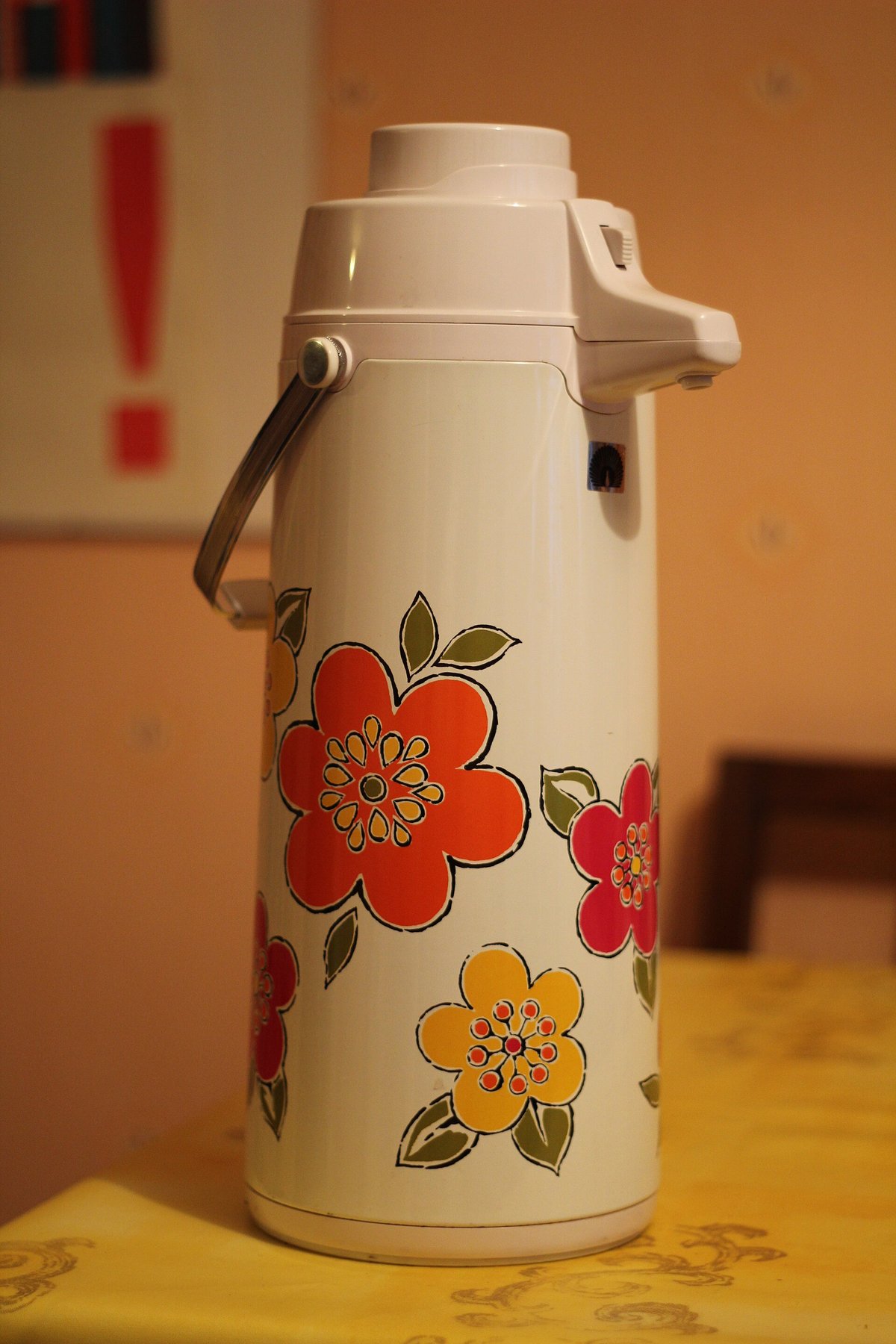
An airpot keeps coffee hot for hours, and it collects coffee oil just as long. A commercial airpot cleaning sheet (KaTom, model 141-WCA22) gives the usual rules: take the lid off, remove the down tube, spout and gasket and clean them “with warm water, mild detergent, and a brush”; clean the inside “with warm water and nonabrasive mild detergent”; and three prohibitions:
DO NOT put airpot in dishwasher. DO NOT allow chlorine-based cleaners to remain in tank. DO NOT submerge entire unit in water.
The Newco KK airpot service manual, written for coffee service, sets a business schedule:
- The liner, daily. Run a brew cycle with a cleaning compound or tablet in the filter basket, straight into the open airpot; let it stand 10 to 15 minutes; pump the solution out through the spout so it cleans the tube; then fill and pump out clean water twice.
- The lid’s bellows (the pump), weekly. It “may inhale some coffee residue.” Take it apart and wash in warm soapy water.
- The brew-through stem and spout, weekly. “These tubes and the pouring spout will have coffee residue build up.”
The same manual says something every airpot owner should check in their own: “Do not pour boiling water into KK airpot.” It also lists the KK as “not intended to be used for … dairy products.” Some airpots are built for boiling water and some are not. The market-day plan on Hot Water and Power fills airpots at a rolling boil; read the airpot’s own manual before doing that.
At home, a thermal carafe that smells of old coffee is cleaned the same way: a soak with a coffee-equipment cleaner or a brew-through tablet, a bottle brush, and the lid taken apart.
Cold-brew vessels
A cold-brew jar or bucket is easy to clean and easy to forget. Wash it after each batch, dry it, and replace the cloth or felt filter when it stays brown or smells. The safety issue with cold brew is not the vessel but the concentrate: it is never heated and not acidic, so it lives in the refrigerator and is used within about a week (Brewing; the reasoning for a stall is on Iced Coffee and Ice).
Grinders and espresso machines
- Grinders: brush, never wash steel burrs, and use cleaning tablets rather than rice. Every maker’s instruction is on Grinding. Urnex’s schedule is weekly for an espresso grinder and monthly for a drip grinder.
- Espresso machines: the steam wand is purged and wiped after every use; the group is backflushed with a detergent such as Cafiza (½ teaspoon, or 3 g, in a blind basket; ten seconds on and off, five times) weekly at home and nightly in a shop; portafilters and baskets soak weekly in 6 g of Cafiza per litre of hot water for 30 minutes. Urnex adds that the water run through during cleaning is to be thrown away (“Discard espresso - do not drink”). Descaling an espresso machine is machine-specific and some boilers are damaged by it; Espresso explains why water treatment is the better answer.
How often: home, market stall, shop
| Task | Home | Market stall | Shop |
|---|---|---|---|
| Rinse and wash brewers, presses, cones | After each use | After each use, or bring enough clean spares for the day | After each use |
| Wash carafes and airpots with detergent | Weekly | After every market day; liner cleaned with a cleaner, lid and tube weekly | Liner daily, lid and tube weekly (Newco) |
| Milk pitchers and anything that touched milk | After each use | At least every 4 hours (Food Code) | At least every 4 hours |
| Descale kettle or boiler | When scale shows; monthly on hard water | Monthly in season | Monthly, or on the water-treatment plan |
| Descale drip machine | Every 3 months or ~100 brews | — | On the maker’s schedule; Urnex says clean brewers nightly |
| Clean grinder | Monthly (drip), weekly (espresso) | After each market day | Weekly or more |
| Backflush espresso machine with detergent | Weekly | — | Nightly |
A market stall: what the food code asks
At home, cleaning is about taste. At a licensed stall it is also the law. Michigan enforces the Michigan Modified Food Code, based on the 2009 FDA Food Code. The parts that touch coffee equipment, read from the code as of October 2026:
How often, § 4-602.11.
- Equipment used with food that needs temperature control (milk, cream, egg coffee) “shall be cleaned throughout the day at least every 4 hours.” Milk pitchers and steam-wand jugs fall here.
- For food that does not need temperature control, which includes black coffee, surfaces are cleaned “at any time when contamination may have occurred,” and “at least every 24 hours for iced tea dispensers and CONSUMER self-service UTENSILS such as tongs, scoops, or ladles.”
- “BEVERAGE dispensing nozzles,” “BEVERAGE and syrup dispensing lines or tubes” and “coffee bean grinders” are cleaned “at a frequency specified by the manufacturer, or … absent manufacturer specifications, at a frequency necessary to preclude accumulation of soil or mold.” For an airpot, the maker’s specification is the manual: Newco’s is the liner daily.
How, §§ 4-501.114 and 4-703.11. After washing, food-contact surfaces are sanitised. For a chlorine solution:
| Chlorine strength | Minimum water temperature (pH 8 or less) | Minimum water temperature (pH 10 or less) |
|---|---|---|
| 25–49 mg/L | 120 °F | 120 °F |
| 50–99 mg/L | 75 °F | 100 °F |
| 100 mg/L | 55 °F | 55 °F |
Chlorine needs at least 10 seconds of contact (7 seconds for a 50 mg/L solution at the temperatures above). A quaternary ammonium (“quat”) sanitizer is used at the strength on its label, in water at least 75 °F and no harder than 500 mg/L, with at least 30 seconds’ contact. Every sanitizer is used “in accordance with the EPA-registered label use instructions.”
At the booth. MDARD’s temporary food establishment guidance (Michigan Rules) adds the practical side: sanitizer and the matching test strips, without which the inspector “cannot issue your license”; and for utensils, either three basins big enough to submerge the largest item (wash, rinse, sanitise) or enough clean spares that nothing is washed on site. A dripper, a press or a phin used all day counts as a utensil.
The practical choice for a small coffee stall is usually spares: a press, a dripper and a phin for each hour of the market, washed at home, rather than three basins of hot water at a table with no plumbing. Hot water at a market is expensive; Hot Water and Power has the numbers.
Questions to ask the county health department before the first market day:
- Is an airpot of black coffee “BEVERAGE dispensing” equipment under § 4-602.11(E)(4), so that the maker’s cleaning schedule applies?
- Will you accept enough clean spare brewers and pitchers for the day in place of a three-basin wash set-up?
- Which sanitizer and test strips do you want to see: chlorine or quat?
- Does a milk pitcher used at the stall need to be swapped for a clean one every four hours, or washed and sanitised on site?
What is not known
- A gram-per-litre figure for plain citric acid from a kettle maker. The figure above is arithmetic from Zojirushi’s boiler instructions.
- A published cleaning instruction for the phin or for the common French presses in English, from their makers.
- How often a home drip machine on soft water needs descaling. “Every 100 brews” and “every 3 months” are makers’ round numbers, not tests.
- Whether a darkened aluminium moka pot makes better coffee than a bright one. It is a matter of tradition and taste; no test exists.
- How the county health departments in Michigan read § 4-602.11(E)(4) for airpots of black coffee.
Sources
- Makers: Moccamaster USA, descaling guide; Mr. Coffee, cleaning guide; Bialetti Moka Express and Bialetti on cleaning coffee machines; AeroPress, how to use and FAQ; Chemex FAQ; Fellow Stagg EKG manual; Zojirushi, cleaning water deposits.
- Cleaners: Urnex FAQ; Cafiza; Coffee and Espresso Machine Descaling Powder; Dezcal Descaling Powder. Prices read 5 October 2026.
- Airpots: Newco KK airpot service manual (2015); airpot cleaning instructions, model 141-WCA22.
- Law: Michigan Modified Food Code, §§ 4-501.114, 4-602.11, 4-703.11; MDARD’s temporary food establishment guidance, via Michigan Rules.
- Water hardness: USGS; Water on this site.
Comments (0)