Coffee · 23 of 64
Cuban Coffee and the Cafecito
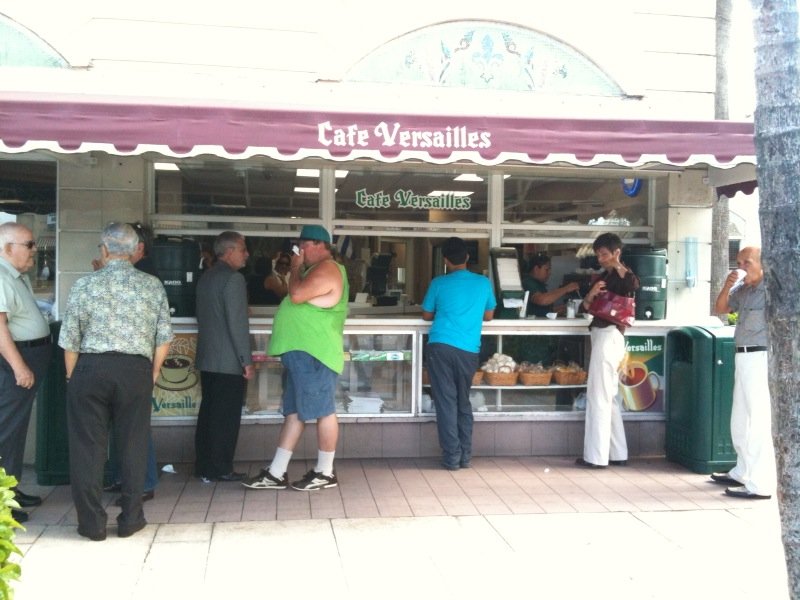
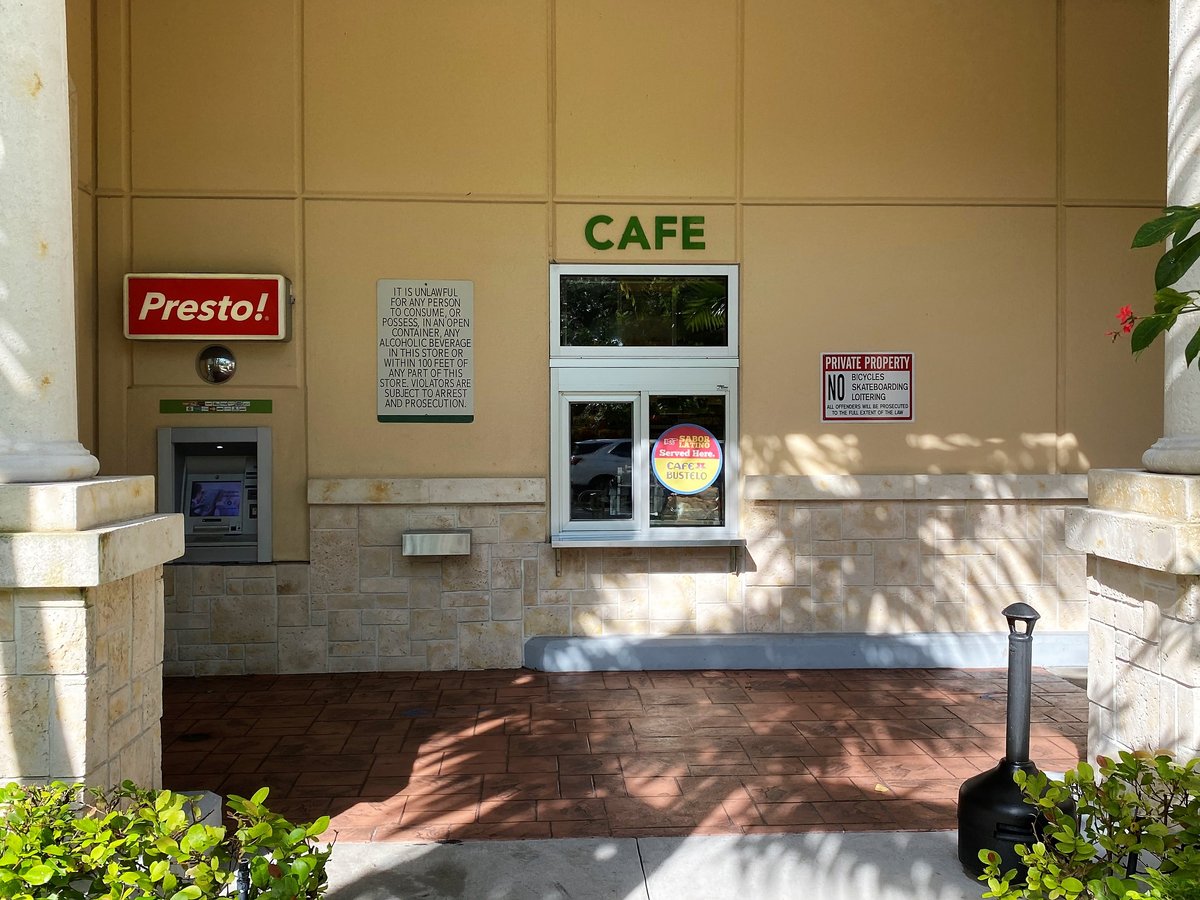
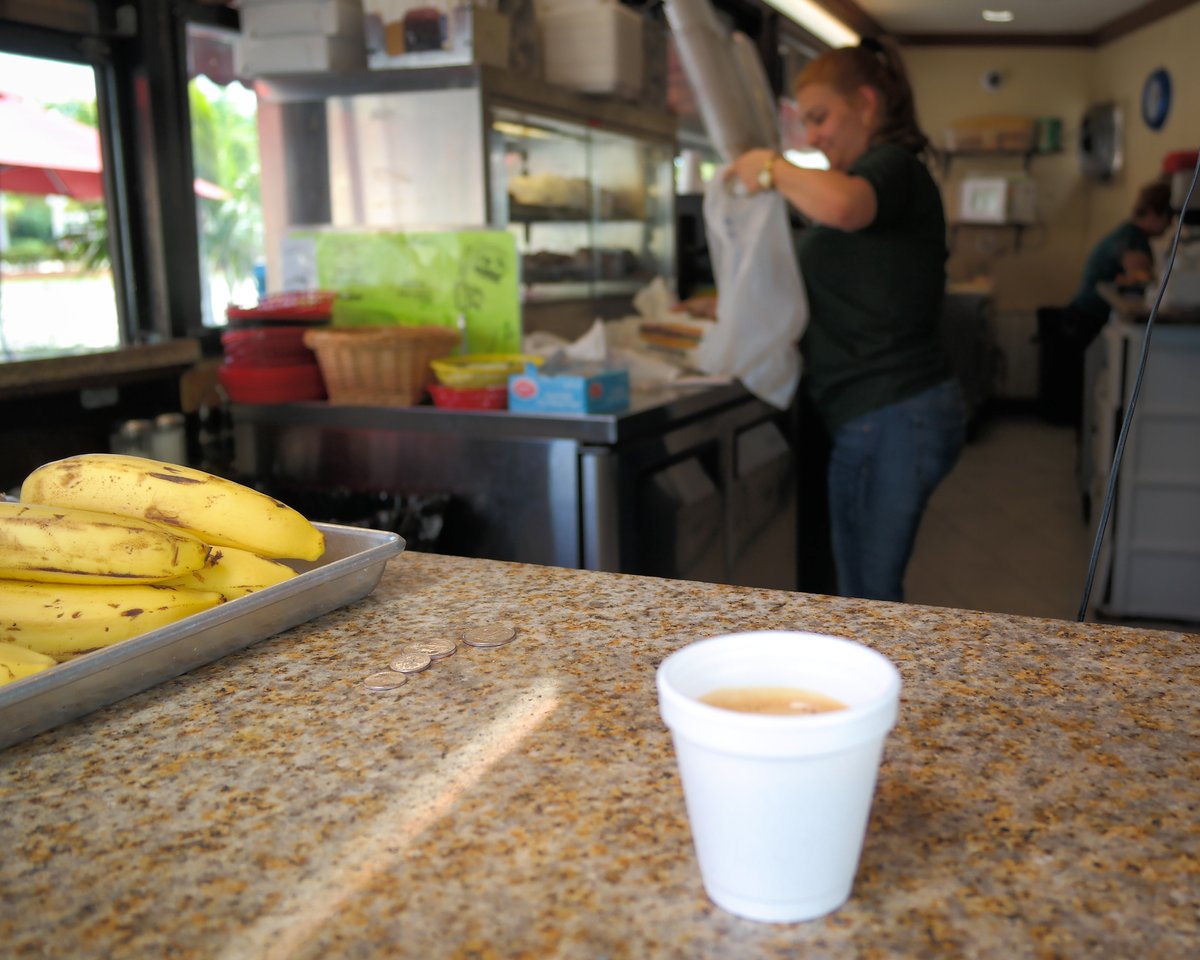
A Cuban coffee is a small thing with a lot in it: dark coffee brewed strong, sweetened while it brews, with a pale foam of beaten sugar on top. It is drunk standing up at a walk-up window, passed round in thimble-sized plastic cups, and paired at breakfast with a big cup of hot milk and a slab of buttered, pressed bread. My first came through one of those windows in Miami.
Behind the cup is a longer story. Cuba was once one of the great coffee exporters of the Caribbean, built by French planters fleeing Haiti and worked by enslaved Africans. By the 1880s it was buying coffee from abroad. In the twentieth century Cubans drank more coffee per head than almost anyone; after 1959 it was rationed and cut with roasted peas. The Cuban coffee most Americans know is a style, not a crop: dark, fine-ground beans from elsewhere, roasted in Miami, New Orleans or Los Angeles and brewed the Cuban way.
The short version
| Question | Answer |
|---|---|
| What is a cafecito? | A small, strong, sweet coffee (café cubano), made in a stovetop moka pot at home or an espresso machine at a café, with sugar beaten into the first drops to make a foam, the espumita. |
| Colada? | Several cafecitos in one cup, with a stack of tiny plastic cups for sharing. |
| Cortadito? | A cafecito “cut” with milk, from a spoonful up to half and half. |
| Café con leche? | Coffee in a large cup of hot milk, the breakfast drink, with buttered toast (tostada) for dunking. |
| When did coffee reach Cuba? | 1748 is the traditional date, credited to José Antonio Gelabert at Wajay near Havana. It is tradition, not a documented record. |
| When was Cuba a big exporter? | The 1820s to 1840s. Hurricanes, falling prices from Brazil and the pull of sugar ended it; by the 1880s Cuba was a net importer. |
| Is the moka pot traditional? | Since the 1950s. Before that, coffee was strained through a cloth “sock”. |
| Who invented the ventanita? | Felipe Valls, who installed a window in a Miami grocery in 1963, eight years before he opened Versailles. |
| Can you buy Cuban-grown coffee in the US? | Only from independent (non-state) Cuban producers with proof of that status, under a 2016 exception still on the State Department’s list in October 2026. The Cuban brands in US supermarkets are roasted from other countries’ coffee. |
| Can I make one? | Yes: Café Cubano, Cortadito, Café con Leche, Tostada Cubana. |
The drinks
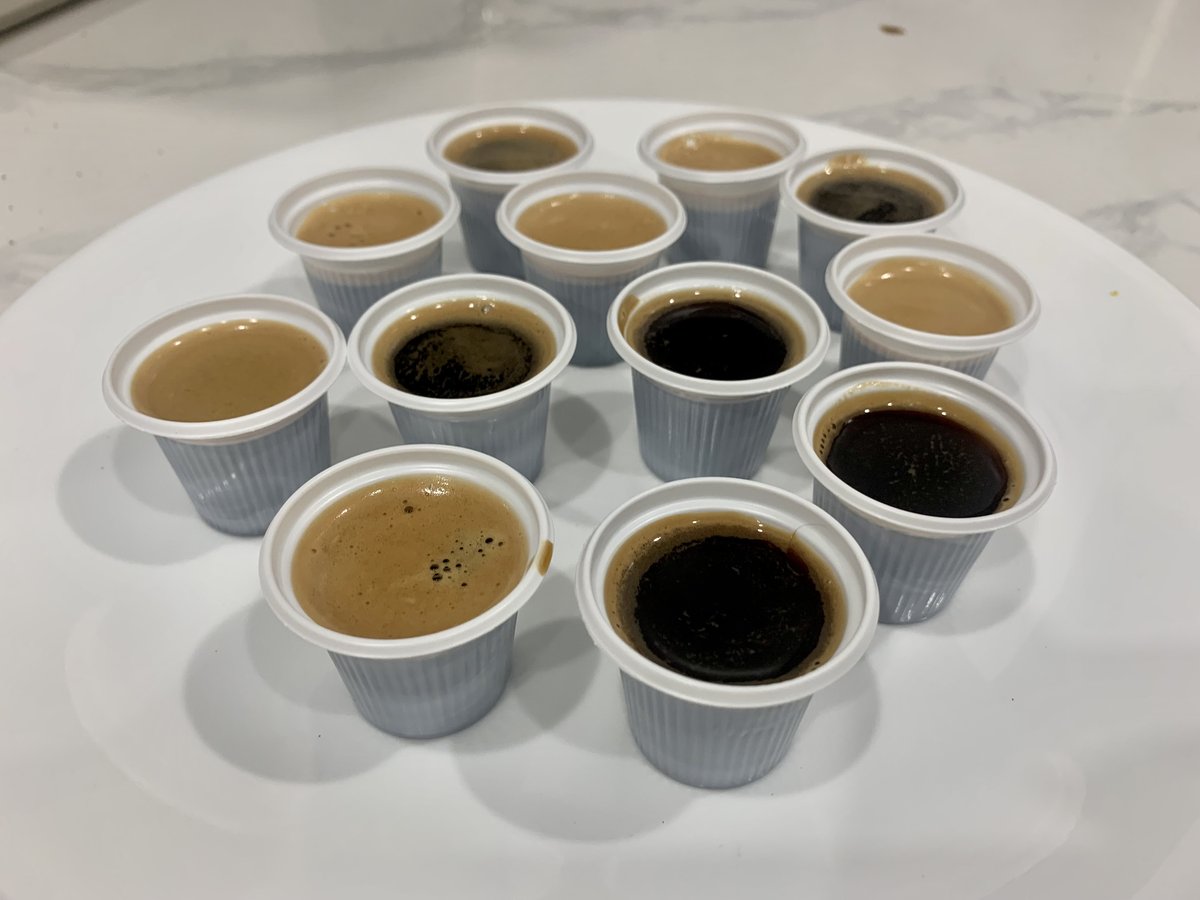
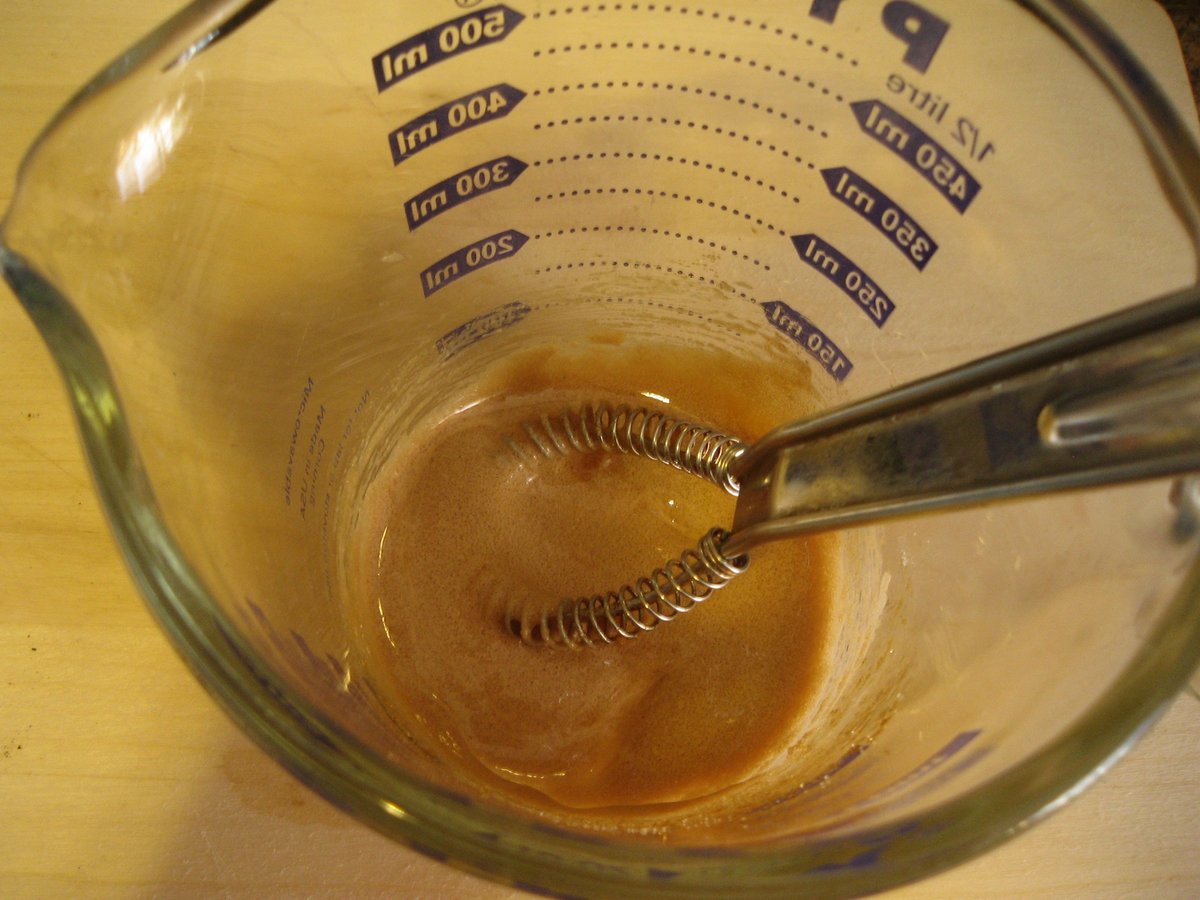
Café cubano, or cafecito. Dark-roast coffee, ground fine, brewed strong. The defining step is the sugar. It is not stirred into a finished cup: the first few drops of coffee to come out of the pot are caught in a cup with the sugar and beaten hard until they turn into a pale, thick paste, and the rest of the coffee is then poured in and stirred. A thin layer of foam floats on top. That foam is the espumita (also espuma or, confusingly, crema); in Lourdes Castro’s words, “despite its name, crema has nothing to do with cream” (Food.com repost of her Epicurious recipe). The sweetness is part of the drink, not added at the table (Barista Magazine, 2022; Three Guys From Miami).
Colada. A colada is a large cafecito, typically about 4 oz in a styrofoam cup (Jamie Silva, A Sassy Spoon) or a 12 oz cup with “about six tiny cups” (Barista Magazine), handed over with a sleeve of little plastic cups so a group can share it. It is the office and job-site coffee of Miami. Where the word comes from is not documented; colar means “to strain”, which may point back to the cloth filter.
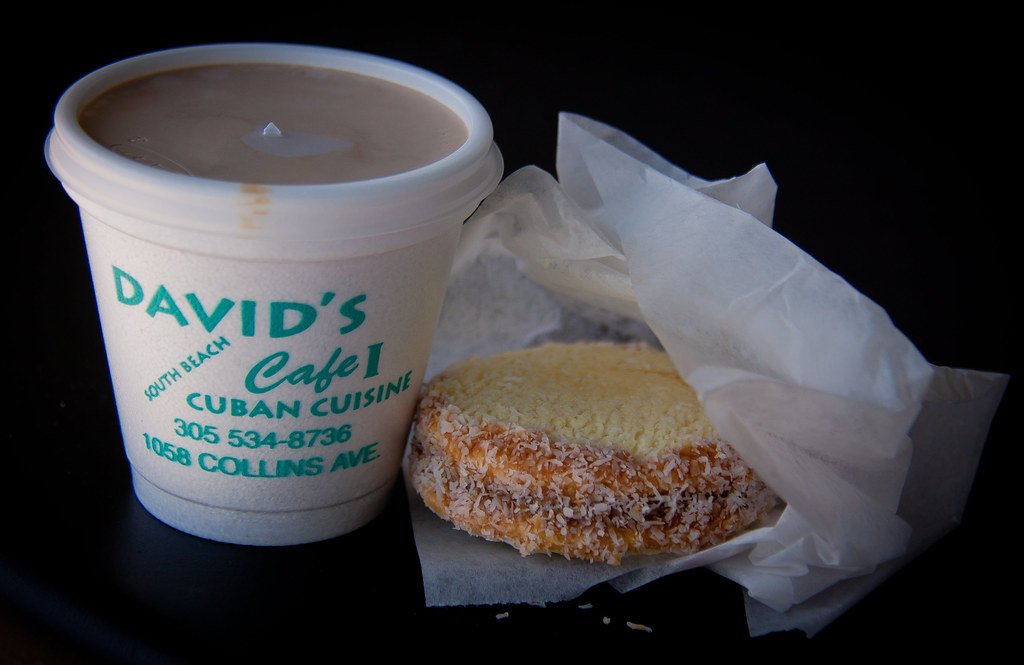
Cortadito. A cafecito “cut” (cortado) with milk. Three Guys From Miami put it at “anywhere from a tablespoon or two to half milk and half coffee”. Some Miami cafés use evaporated or condensed milk; whether that is old Cuban practice or a Miami habit is not settled.
Café con leche. The breakfast drink: a shot or two of Cuban coffee in a larger cup of hot milk. Silva’s ratio is one part coffee to two of milk, with 2 teaspoons of sugar. At a counter, the coffee often comes in a small cup beside a cup of hot milk, and “you dump the coffee into the milk and stir” (Three Guys). Some add a pinch of salt or a little butter to the milk.
Tostada. “A slice of handmade Cuban bread, cut lengthwise, buttered, and pressed” (Wikipedia), toasted on a sandwich press or a griddle and dunked in the café con leche. Cuban bread stales within a day, which is part of why it gets toasted. Recipe: Cuban Bread.
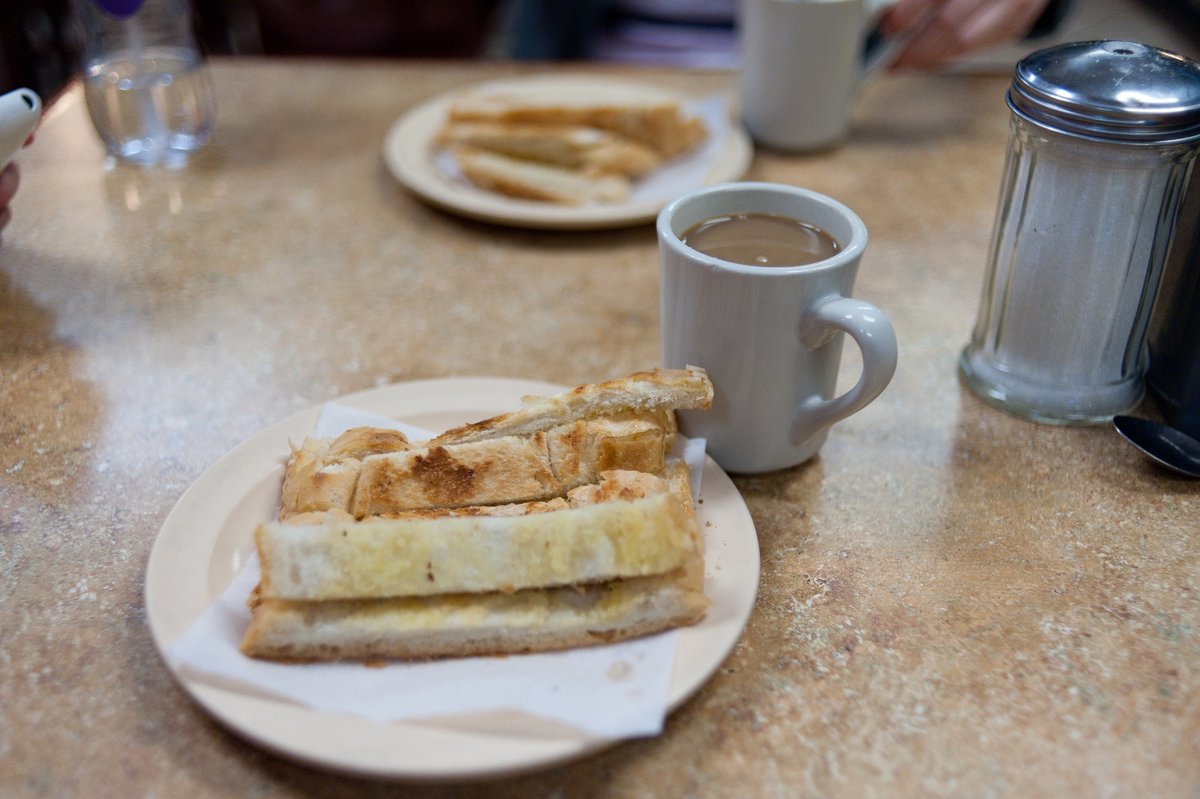
Water. Ventanitas hand out small cups of cold water with the coffee. Whether to drink it before or after is “a topic of much debate” (Three Guys).
How it is made at home
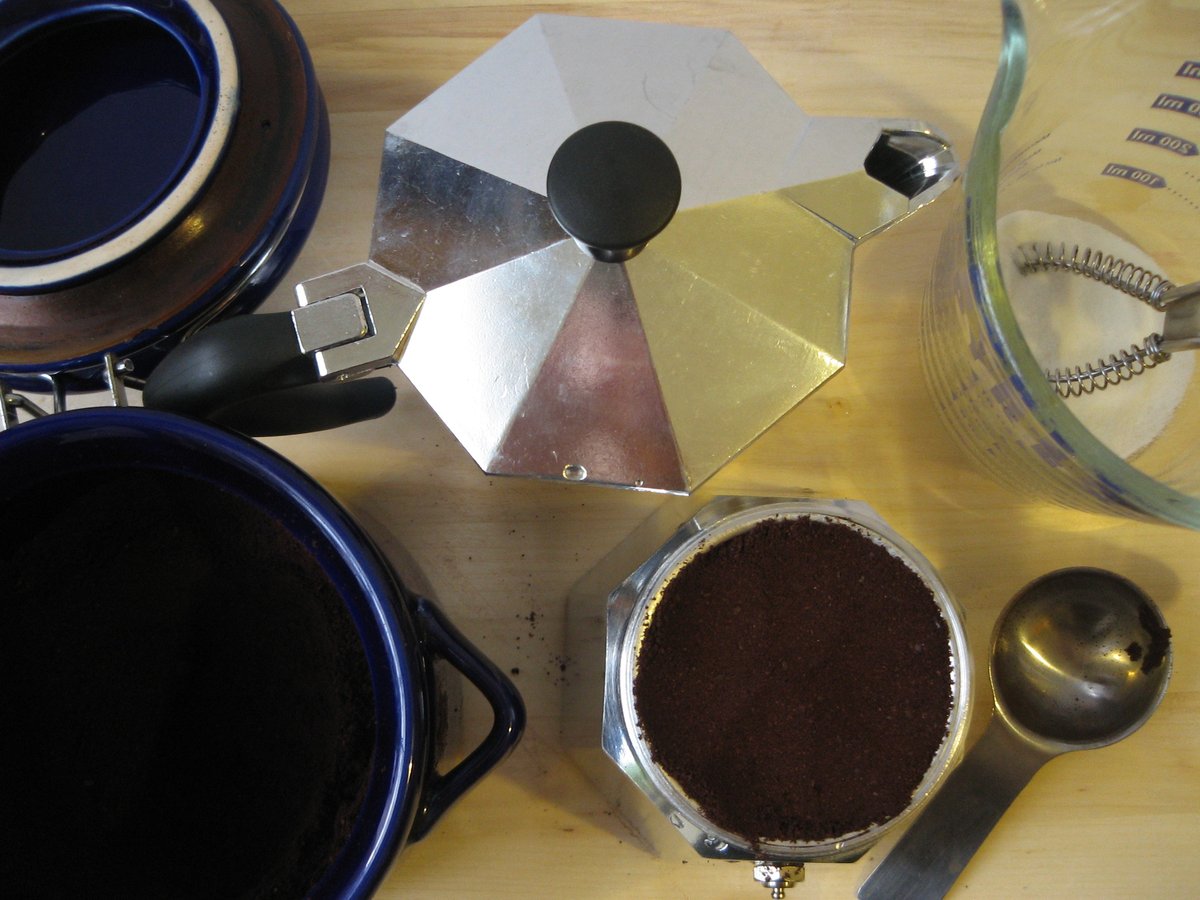
At home the coffee is made in a stovetop moka pot, the cafetera, usually a 6-cup one. Cuban-American recipes agree on the steps and disagree on the numbers:
| Source | Pot | Sugar | About per shot |
|---|---|---|---|
| Ana Sofía Peláez, hungry sofia (2010) | 6-cup | 4 tsp | ⅔ tsp |
| Jamie Silva, A Sassy Spoon | 6-cup | 4 Tbsp | 2 tsp |
| Lourdes Castro, for Epicurious | 6-cup | ¼ cup | 2 tsp |
| Three Guys From Miami | about 1 cup water | 4 to 6 tsp | — |
Two of the three Cuban-American cooks use about 2 teaspoons of sugar a shot; Peláez’s family uses a third of that. They also disagree on whether to press the coffee into the basket (Peláez: “do not press down”; Castro: “packing the coffee down”; Bialetti, the moka pot’s maker, says not to tamp) and on heat (Peláez low, Silva medium-high). Three Guys put the sugar in the pot that collects the coffee before brewing instead of in a separate cup. The recipe gives one method and notes the others. How the pot itself works is on Brewing.
What coffee. The Miami brands are Café Bustelo, Café Pilón and Café La Llave: “dark, Italian-style roasts … usually on a Moka pot” (Barista Magazine). None of the makers publishes whether its classic blend contains robusta; statements either way are guesses.
Coffee comes to Cuba
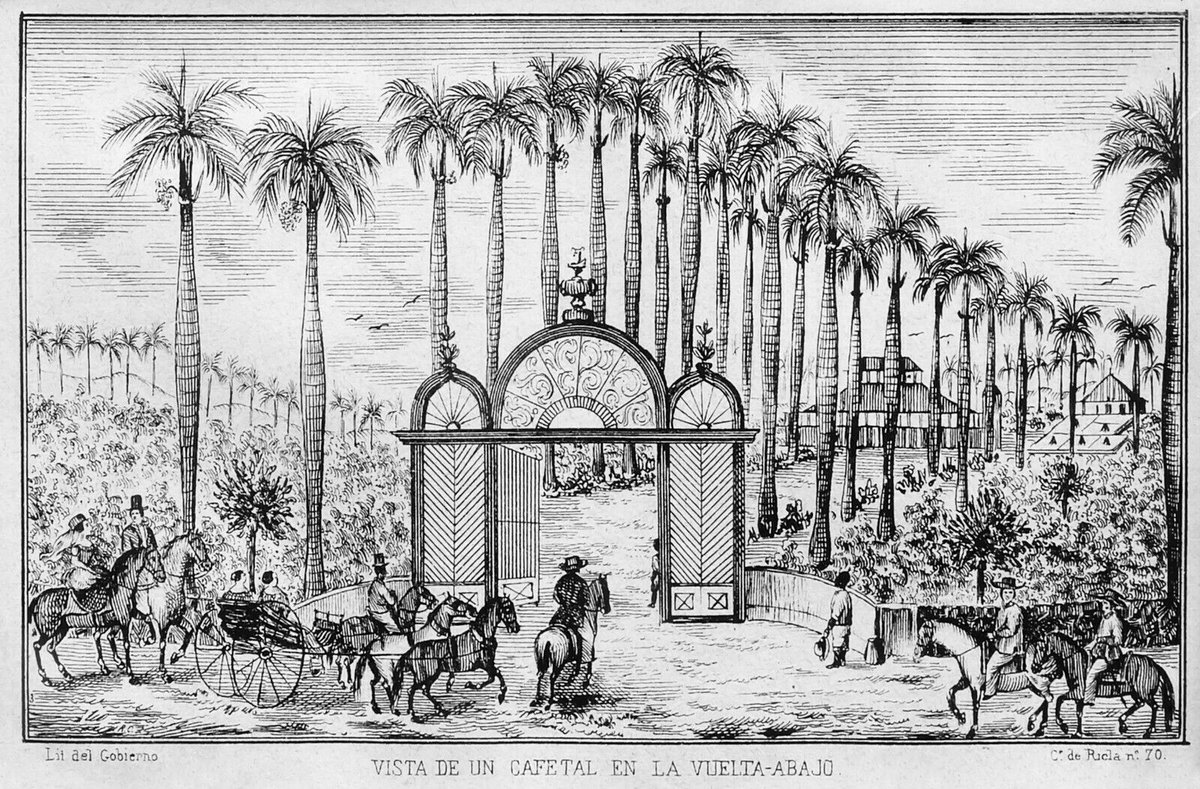
1748, by tradition. The standard account credits José Antonio Gelabert, a Havana merchant, with planting the first coffee at Wajay outside Havana in 1748 (Coffee production in Cuba). The Cuban historian Francisco Pérez de la Riva, in his 1944 history of Cuban coffee, gives it “según la tradición” and warns that the origins cannot be fixed (Wajay). Accounts disagree on where the plants came from (Santo Domingo, or Puerto Rico in 1769) and on the name of the first farm.
The French from Saint-Domingue. The real start came after the slave revolution in Saint-Domingue, now Haiti, from 1791. French planters fled to eastern Cuba, many bringing enslaved people with them, and set up coffee estates in the foothills of the Sierra Maestra; a second belt grew up in the hills west of Havana (Jonathan Morris, World Coffee Portal, 2022). Morris counts 10 cafetales in 1790 and 582 by 1843; the 1827 census lists 2,067 coffee estates. The two figures probably count different things, and no source reconciles them.
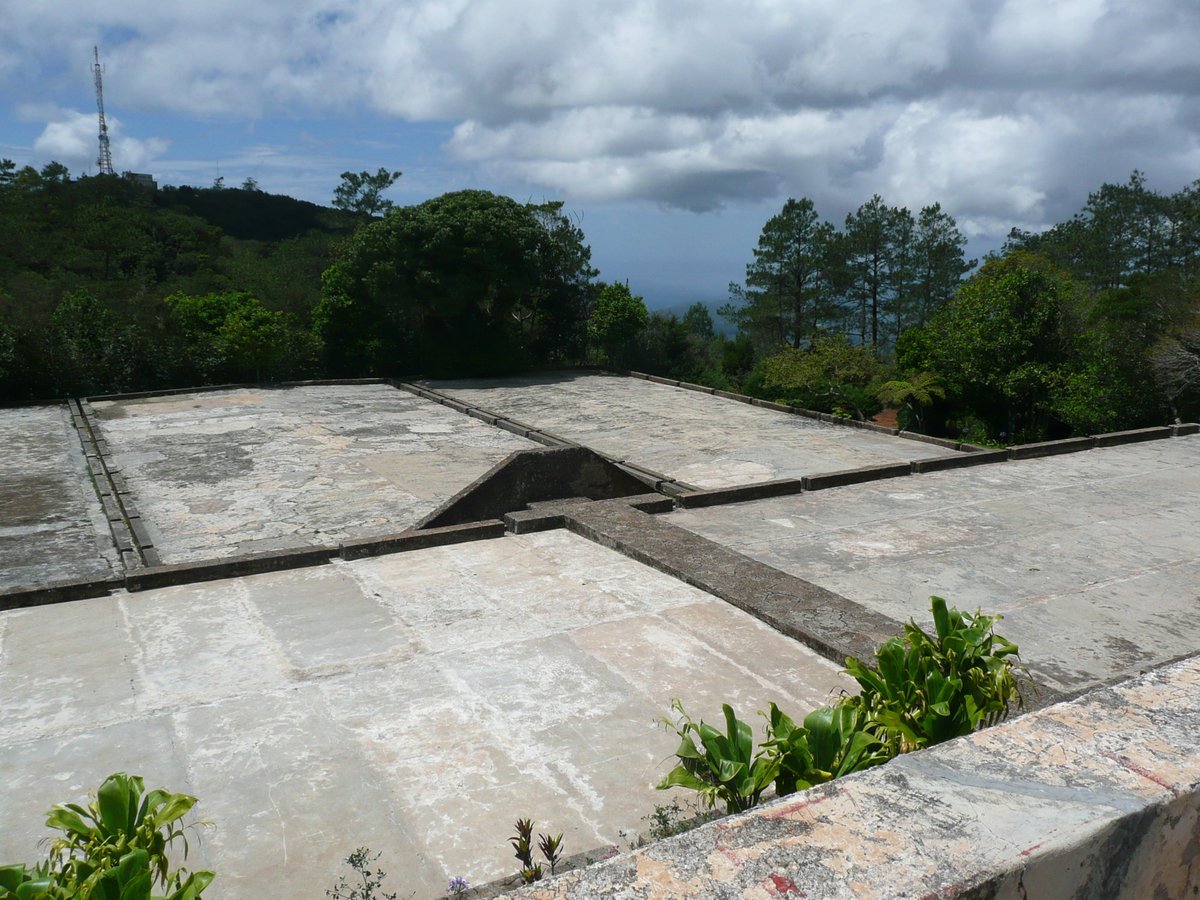
The UNESCO landscape. The remains of those estates are a World Heritage site, the Archaeological Landscape of the First Coffee Plantations in the South-East of Cuba, inscribed in 2000: 81,475 hectares in Santiago de Cuba and Guantánamo provinces, holding the remains of 171 cafetales, with their drying floors, mills, aqueducts and mountain roads (UNESCO). UNESCO credits “the plantation owners’ (primarily of French and Haitian origin) ingenuity in their exploitation of the natural environment through the sweat and blood of their African slaves”, and notes that the wet-pulping system used there was “developed exclusively by the French in this area”. The site is in the south-east, not at Wajay near Havana.
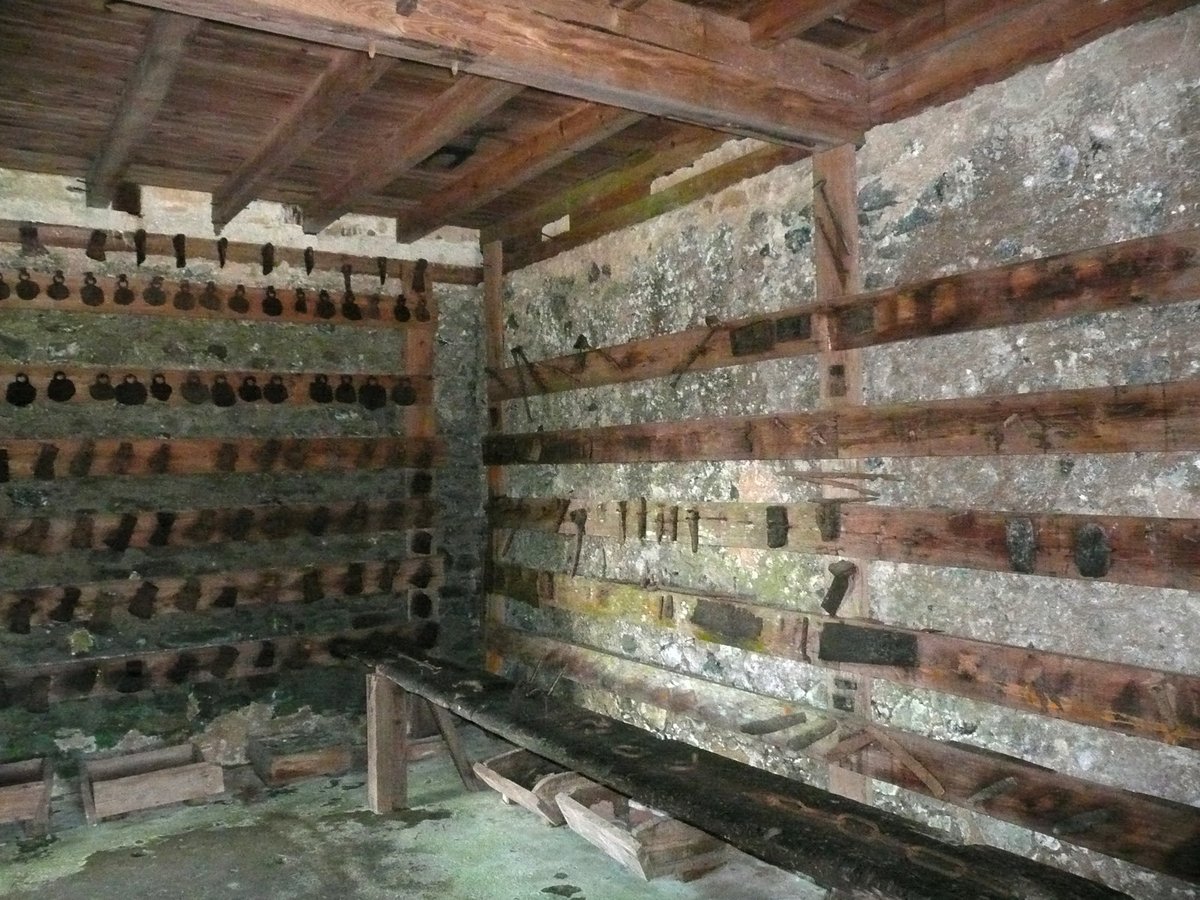
Slavery. Cuban coffee was slave-grown. Historians citing the 1841 census put about 60,000 enslaved people, roughly 14 percent of the island’s total, on coffee estates (Torres Cuevas and Loyola Vega, via Delos). Morris ties Cuba’s rise to “the Spanish government’s liberalisation of the slave trade at a time that other powers, notably the British, were abolishing it”. When the coffee estates failed in the 1840s, planters sold their enslaved workers to the sugar mills.
Boom and bust
At its peak Cuba was “the largest coffee exporter in the Caribbean” (Morris). Production fell from more than 70 million pounds in the 1820s to under 20 million by the 1860s (Louis A. Pérez Jr., Winds of Change, 2001). The causes:
- Hurricanes in 1842, 1844 and 1846 flattened the western estates. Coffee trees took years to bear again; sugar cane recovered in a season.
- Prices fell as Brazil’s coffee frontier expanded, and yields on Cuban soils were already low.
- Sugar was booming, and capital and enslaved labour moved to it.
“By the 1880s Cuba had become a net importer of coffee, primarily from nearby Puerto Rico” (Morris). It went on drinking it. In 1934 Cubans drank 15.99 lb of coffee a head, second in the world, against 11.96 lb in the United States and 2.05 lb in Italy (Morris), from carts, kiosks and open-sided bars.
The cup changed in the 1950s. “The traditional Latin American method was to place a cotton ‘sock’ – a filter bag attached to a wire loop” over a pot; then Cubans “were quick to adopt the stovetop moka pots developed by Bialetti in Italy. They whipped up the first few drops of coffee to emerge with cane sugar to create a creamy espumita”, while lever espresso machines arrived in cafés, turning café cubano into an espresso with a crema (Morris). So the moka pot and, as far as written sources go, the espumita are mid-century, not ancient. The cloth-sock café colado is still made in Cuba.
After 1959: the ration book and the peas
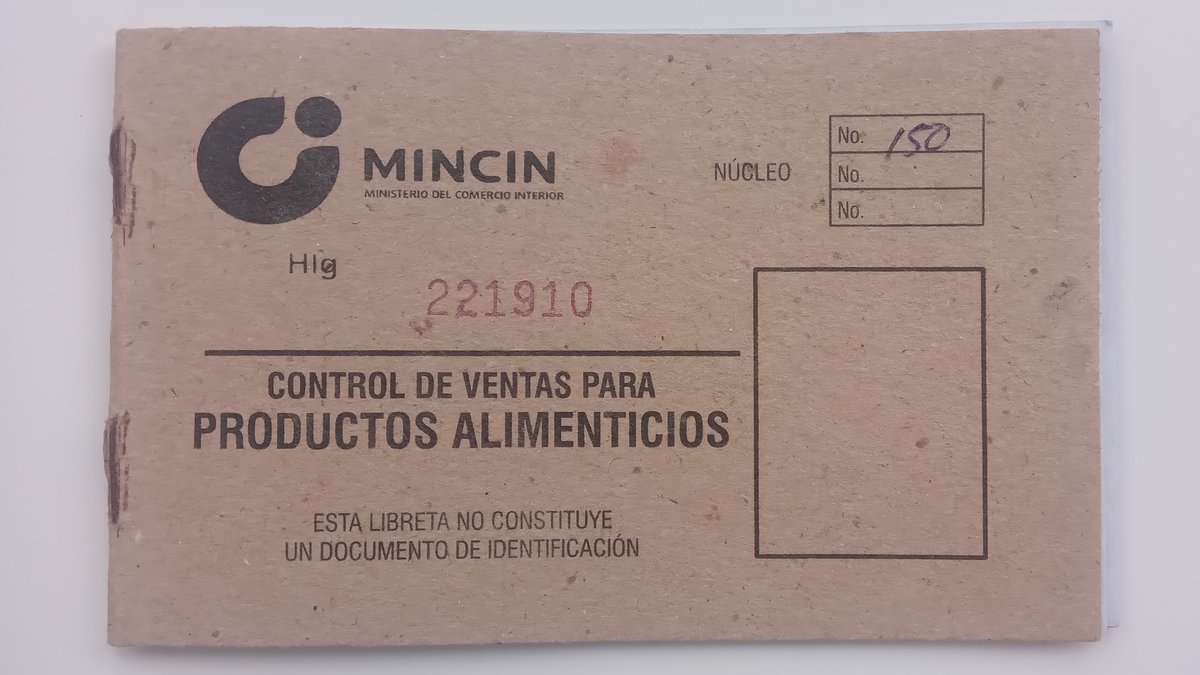
The 1961 harvest was the record: 60,330 tonnes of green coffee from 170,000 hectares (OnCubaNews, 2023). The ration book, the libreta, began in March 1962, and coffee has been on it since the 1960s at about 4 oz a person a month, today a 115 g packet (CubaNet, 2004).
The ration coffee is café mezclado, “mixed coffee”, cut with roasted chícharo, dried split peas. English reports often say “chickpeas”; the word means peas. When the mixing began is disputed (the 1960s or the 1980s). Pure coffee returned to the ration in 2005, and the peas came back in 2011 under Raúl Castro’s cuts, when children under six also lost their coffee ration. One Havana resident told Marketplace: “The problem comes where you run out of peas and start using corn” (Marketplace, 2011). OnCubaNews put the mix at least half coffee and half peas in 2023.
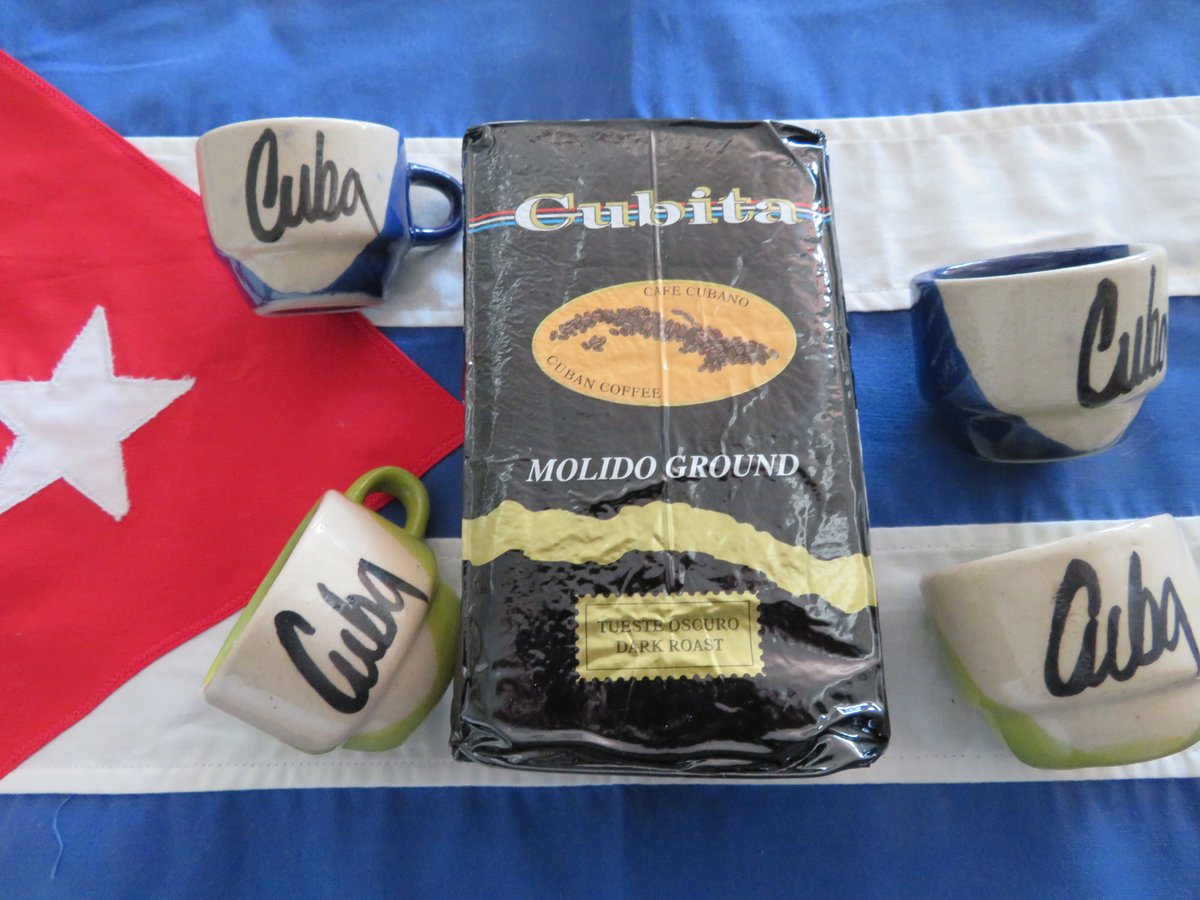
Cuba now grows only 9,000 to 10,000 tonnes a year, against a domestic need of at least 24,000, and imports the difference, much of it robusta from Vietnam (OnCubaNews, 2023). Hurricane Melissa hit the eastern coffee country on 29 October 2025. State brands such as Cubita and Serrano are sold in Cuba’s hard-currency shops and abroad.
Miami: the ventanita, Versailles and 3:05
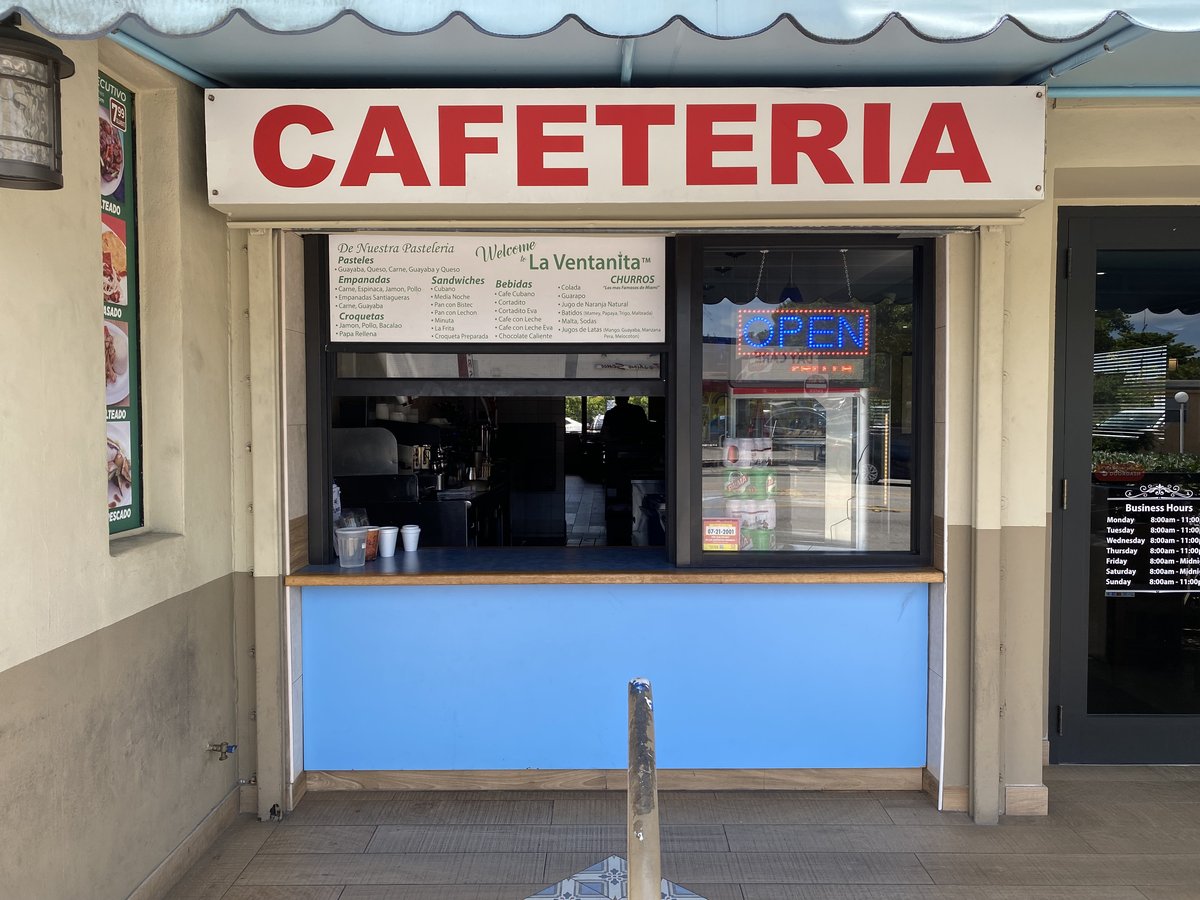
Havana already sold coffee from carts and open counters before 1959. The Miami version, a window in a glass storefront, has a precise origin. Felipe Valls, who left Cuba in 1960, went to work for a restaurant-equipment company. In 1963 a Cuban grocery, El Oso Blanco, wanted air conditioning, so Valls put glass across the front of the store to keep the cool air in, with “a window that could be opened to allow coffee to be passed out to clients in the street” (Morris). The ventanita was a by-product of air conditioning.
Valls opened Versailles at 3555 SW 8th Street in 1971, at first just “a ventanita, a sandwich counter and some tables” (NBC News, 2021); he is often credited with inventing the ventanita there, but the first was eight years earlier. Versailles became the gathering place of Cuban Miami, crowded during the Elián González case in 2000 and on the night Fidel Castro’s death was announced in 2016, and a required stop for politicians. Valls died on 26 November 2022, aged 89 (University of Miami).
3:05. Miami’s “cafecito time” at 3:05 in the afternoon (after the 305 area code) is a 2012 public-relations idea by JennyLee Molina, conceived after a cafecito at David’s Cafe in Miami Beach; the City of Miami proclaimed 3:05 p.m. the official cafecito break on 27 April 2013 (NBC Miami). It is a marketing campaign, not an old custom and not a county law. “305 Day” is 5 March (3/05), first celebrated at the Versailles window in 2014 (NBC Miami).
Tampa and Ybor City
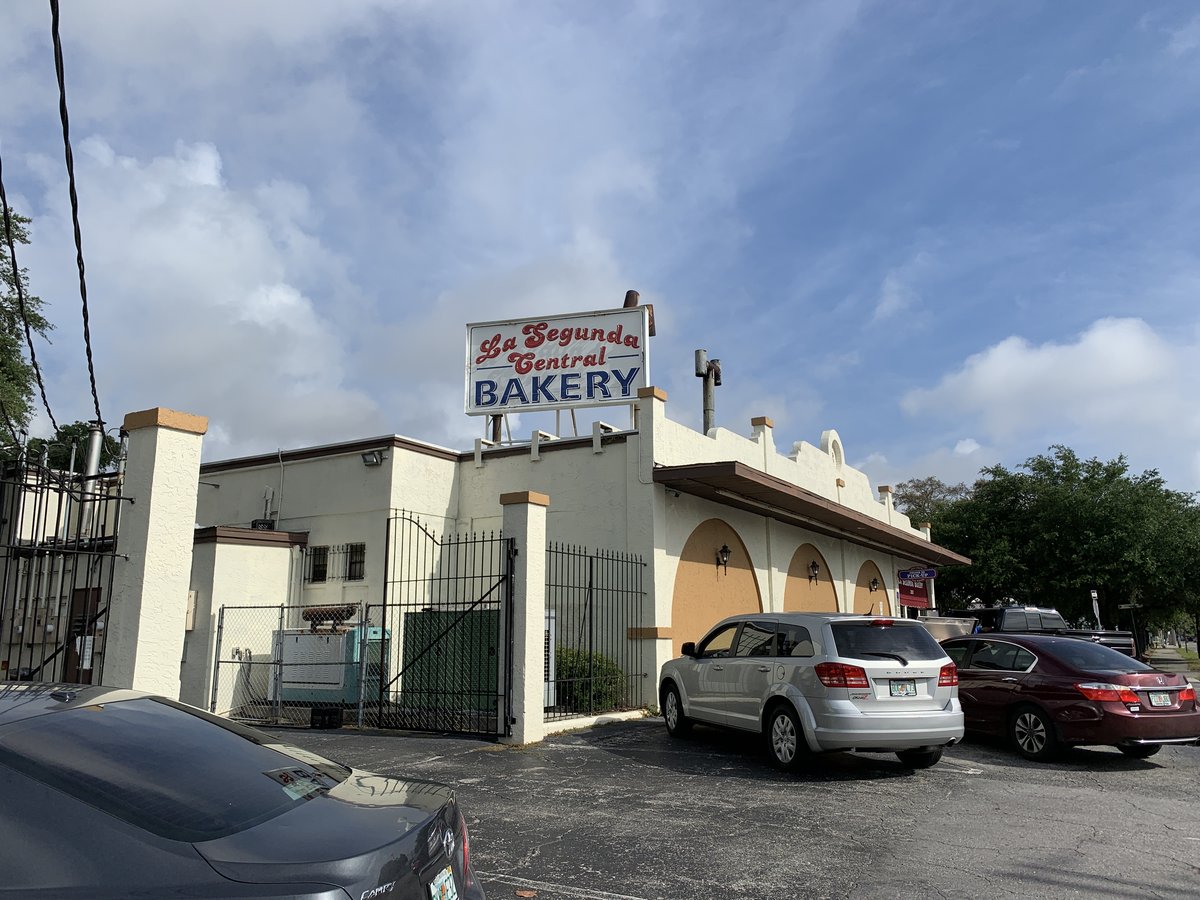
Tampa’s Cuban coffee is older than Miami’s exile culture. From 1886 the cigar industry drew Cuban, Spanish and Italian workers to Ybor City. A 1991 Tampa Bay Times piece recalled cigar makers starting the day with a demitasse of black café puro, then café con leche and toast on the way to work, while in the factories a cantinero went round the benches at ten and at noon with a pot of black coffee and a jug of hot milk (Tampa Bay Times, 24 October 1991). La Segunda Central Bakery has baked Cuban bread there since 1915, the split on each loaf made by a palmetto frond (La Segunda), and Naviera Coffee Mills has roasted there since 1921 (City of Tampa proclamation, 2011); who founded Naviera (Carlos Menéndez alone, or with family) differs between accounts. Tampa is a café con leche town as much as a cafecito one. The often-told story that striking cigar workers won the right to café con leche at their benches has no source.
The brands
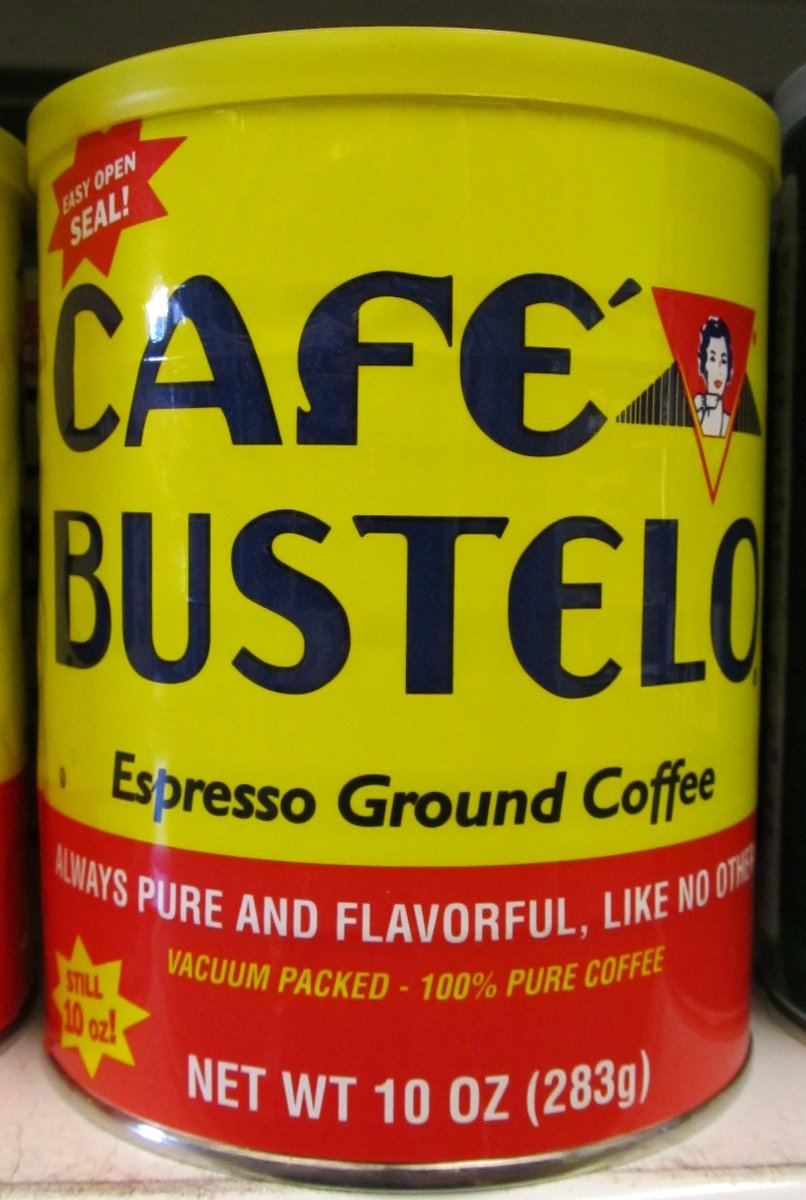
- Café Bustelo. Gregorio Menéndez Bustelo (1892–1965) was born in Luarca, Asturias, Spain (not Galicia, as often said), lived in Cuba as a young man, came to the US in 1917 and founded the company in East Harlem in 1928 (Café Bustelo; Wikipedia). Rowland Coffee Roasters of Miami bought it in 2000.
- Café Pilón. A Cuban brand that came into exile with the Bascuas family and was bought by the Souto family’s Rowland Coffee around 1967 or 1968; the Soutos built it with door-to-door sales (WLRN, 2013).
- Both now belong to J.M. Smucker, which bought Rowland’s coffee brands for $360 million in May 2011 (Smucker). Neither is a Goya brand.
- Café La Llave belongs to F. Gaviña & Sons of Los Angeles, a family that roasted in Cuba from 1870, left in 1960 and started again in California in 1967 (Gaviña).
Cuban coffee and US law
Since the embargo, Cuban-grown coffee has mostly been off US shelves. In April 2016 the State Department added coffee to the list of goods that may be imported from independent Cuban entrepreneurs under 31 CFR 515.582. In October 2026 that exception is still on the list: the vegetable-products chapters are excluded “except Chapter 9 heading 0901 (coffee)”, and importers must keep documentary proof that the producer is independent of the Cuban state (State Department; eCFR). Claims that the opening was rescinded in 2017 are wrong. Cuban law routes most exports through state companies, which makes the exception hard to use.
The best-known Cuban coffee sold legally in the US came another way: Nespresso’s limited-edition Cafecito de Cuba, on sale from 16 August 2016, bought through Cuban state exporters from smallholders in Granma and Santiago de Cuba and imported under a specific Treasury licence (NBC News). State brands such as Cubita are not legal to import.
Making them
The recipes give quantities. Four things that apply to all of them:
- Use a measuring cup with a spout for the espumita; a coffee cup is too small to beat in.
- Add the first coffee a little at a time. Too much and the sugar dissolves instead of foaming; keep beating and it usually recovers.
- Low heat gives the beating time before the pot finishes.
- Fresh Cuban bread for the tostada; a day-old loaf is what it is meant to use up.
Caffeine. A 6-cup moka pot made with 4 to 5 tablespoons of coffee makes about six small cups; each carries roughly what a single espresso does. A colada shared six ways is one cup each. See Caffeine and Health.
Related pages
- Brewing: how a moka pot works.
- Additions: sugar and milk across the world’s coffees.
- Milk Drinks: the cortado and its cousins.
- Chicory and New Orleans: another American coffee culture built by immigrants.
What is not known
- Who first planted coffee in Cuba, where the seed came from, and the name of the first farm.
- Why the plantation counts differ: 2,067 coffee estates in the 1827 census against Morris’s 582 cafetales in 1843.
- A reliable series for Cuba’s nineteenth-century exports.
- When peas were first mixed into ration coffee, and the ration’s size over the decades.
- When the espumita began. The earliest written description ties it to the moka pot in the 1950s.
- Where the word “colada” comes from.
- Whether any Cuban coffee is entering the US under the 515.582 exception in 2026, and when Nespresso’s Cafecito de Cuba ended.
- What is in the classic Bustelo, Pilón and La Llave blends, arabica or robusta.
- Who founded Naviera Coffee Mills.
- Cuba’s output for 2025–26 after Hurricane Melissa.
Sources
- Jonathan Morris, A brief history of Miami’s original vice, World Coffee Portal (5 December 2022).
- UNESCO, Archaeological Landscape of the First Coffee Plantations in the South-East of Cuba.
- Wikipedia: Coffee production in Cuba, Wajay, Café Cubano, Tostada (toast), Café Bustelo, Gaviña Gourmet Coffee.
- Delos, La actividad cafetalera en Cuba.
- Louis A. Pérez Jr., Winds of Change: Hurricanes and the Transformation of Nineteenth-Century Cuba (2001).
- OnCubaNews, No hay café en Cuba (22 September 2023); CubaNet, ration coffee (2004); Marketplace, Cuba cuts down its coffee fix (2011).
- NBC News, Versailles turns 50 (2021); University of Miami, Versailles restaurateur leaves a Cuban legacy (2022).
- NBC Miami, 305 becomes official cafecito time (2013) and What is 305 Day.
- La Segunda Central Bakery, Our story; City of Tampa, Naviera Coffee Mill Day (2011).
- Café Bustelo, Our history; J.M. Smucker, acquisition of Rowland’s brands (2011); WLRN, Café Pilón (2013).
- US State Department, Section 515.582 List; eCFR, 31 CFR 515.582; NBC News, Nespresso now selling Cuban coffee (2016).
- Recipes: Ana Sofía Peláez, Un cafecito, hungry sofia (2010); Jamie Silva, Cuban coffee and Café con leche, A Sassy Spoon; Lourdes Castro, Cafecito (repost); Three Guys From Miami, Cuban coffee; Barista Magazine, Meet the café cubano (2022).
Comments (0)